How Challenger Brands Are Paving the Path to Success


Challenger brands are typically regarded as underdogs: disruptive brands that aren’t (yet) the top of their industry – but aren’t too niche either, and often conjure up the notion of small, scrappy or new. But challenging the status quo is a matter of mindset, not size: how do brands not only talk the talk, but walk the walk with swagger?
While it may be tough to consider computing giant Apple as a challenger brand today, it’s worth returning to the old slogan that built up the brand: “Think Different.” Challenger brands are focused on innovation—not just in providing wholly new experiences, but by taking risks to radically redefine relationships with customers or taking a bold stance that bucks industry trends. The David-and-Goliath metaphor commonly ascribed to these underdog stories is all about nerve, not brawn, after all. Two of the big ways businesses can adopt a challenger mindset is through adaptability and a clear social vision.
Taking a Purpose-Driven Approach
Many challenger brands have one thing in common: they’re harnessing disruptive platforms that change the business-consumer relationship, often under the premise of doing social good. The benefits of a business taking a strong stance or opinion can’t be understated. For one, it demonstrates the business’ sense of responsibility with the money, power and influence they wield over the market and their customers. Standing for something also makes a business more attractive to employees who want to work within a culture that aligns with their values. And finally, it’s great for growth, with purposeful brands typically growing twice as fast as others in the past 12 years. In fact, consumers are willing to pay more to support a socially focused business.
Just look at Shinola, a shoe polish business that shuttered its doors in 1960. Acquired by Tom Kartsotis in 2011 and reestablished in 2012 as a luxury goods brand, the brand leans heavily in on its sense of heritage. One major example of this is how the business has embedded itself in the Detroit community by offering jobs to the economically depressed city and aiding in its infrastructure. While the business idea sprung from a focus group insight that customers are willing to pay a premium for a “Made in Detroit”-labeled product, the business puts its money where its mouth is by trickling those profits down to city revitalization. It even has a few high-profile fans, including former US President Bill Clinton.

Uber is another example of a challenger brand that’s using its success to aid in city infrastructure. Amassing rider data through its platform, the business made its case earlier this year on how ridesharing could drastically reduce traffic and overcrowding in six Southeast Asian countries. Through a microsite that we made, Uber walked users through data and study insights that offered localized impacts most relevant to the target audience, making it clear how the business would drastically improve congestion in their communities.

Uber’s value proposition has always been to empower a new class of workers with an entrepreneurial spirit: drivers who want to work on their own terms or schedule. This philosophy has extended into the UberEATS business, where Uber once again leverages big data to support local restaurant owners by identifying needs and white spaces that entrepreneurs can fill. If the platform notices, for example, that users in a given area search for tacos but no local restaurant offers any, it will reach out to restaurants to recommend they add them to the menu. Opening up search data helps local restaurants discover untapped opportunities, which leads to better business—and with proven demand, there’s little risk in expanding their offerings. These efforts demonstrate the why of Uber’s business model (the company’s reason for existence beyond growth or moneymaking), which is to help communities run more smoothly and efficiently by putting data to good use.
Related
Thinking
-
![A sunny 3D animated pool scene featuring a brunette girl drinking a can of Chocomel on a lounge chair, a blonde boy sitting beside her with a guitar, and a corgi in sunglasses floating in a duck inner tube nearby.]()
Blog post
3 Strategies to Master Creative Control in AI Production By Declan Byrne 4 min read -
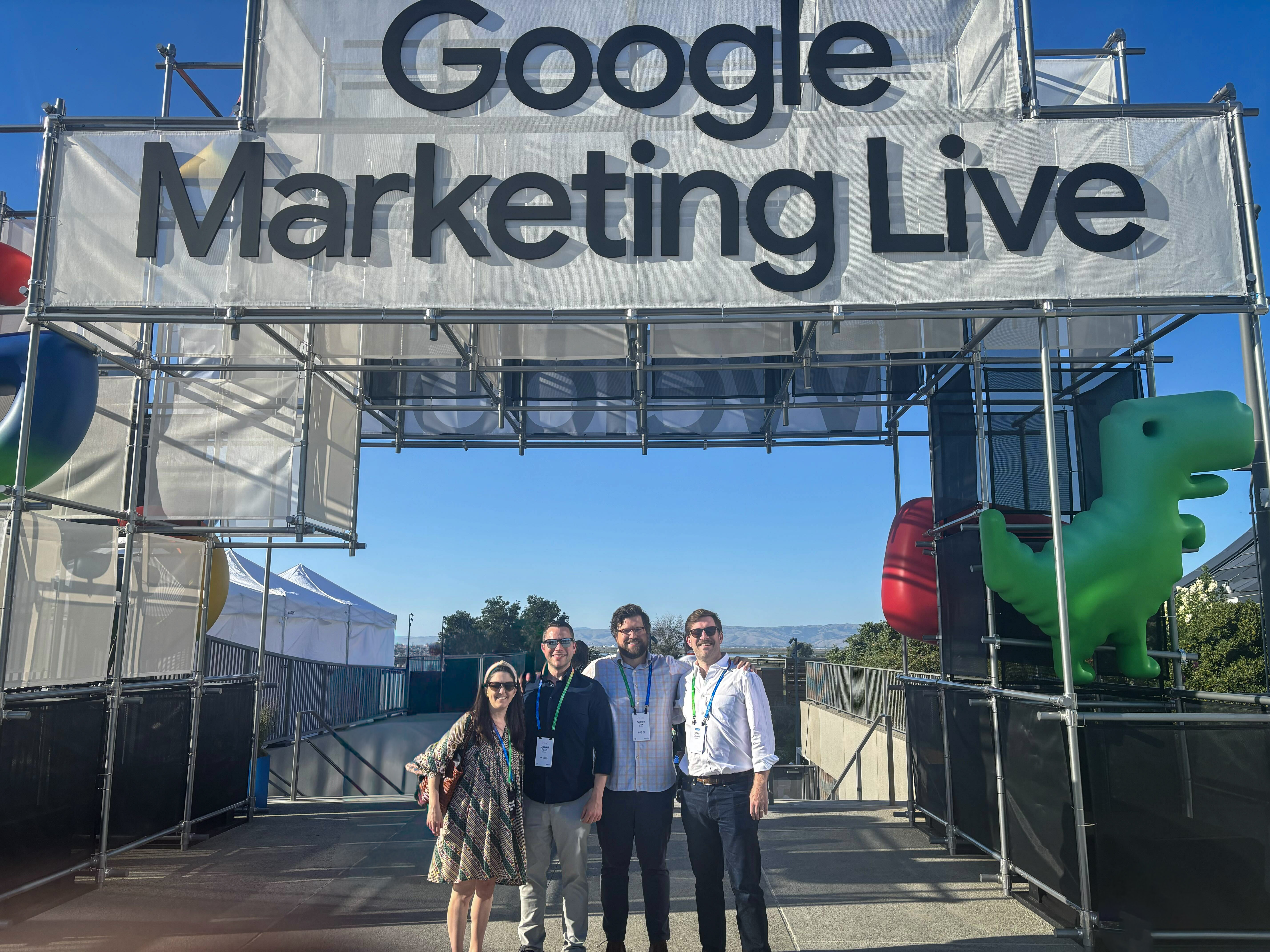
![Monks leaders attending Google Marketing Live 2026, with our partner team at Google.]()
Blog post
Steering the Machine: Our Take on the Agentic Shift at Google Marketing Live 2026 By Tory Lariar 9 min read -
![Microsoft Spring Summit Header Photo]()
Blog post
AI’s Trust Will Be Earned in Code: Engineering vs. Human Choices By Alicia Pachucki 4 min read


Sharpen your edge in a world that won't wait
Sign up to get email updates with actionable insights, cutting-edge research and proven strategies.
Monks needs the contact information you provide to us to contact you about our products and services. You may unsubscribe from these communications at any time. For information on how to unsubscribe, as well as our privacy practices and commitment to protecting your privacy, please review our Privacy Policy.