




How Immersive Broadcasting is Enhancing Sports Spectatorship
How Immersive Broadcasting is Enhancing Sports Spectatorship


Being a sports fan often means being a geek for stats. Here’s a couple interesting ones: last year’s televised NBA finals gained a viewership of almost 18.9 million. In comparison, NBA 2K20, a videogame that puts you in charge of your favorite team and players, amassed an audience of over 19 million players in the year since its release—on just the Playstation 4 platform alone.
Surprising? Perhaps it shouldn’t be.
While videogames like NBA 2K20 have filled a void for fans early in the pandemic as they waited for games to return, these numbers point to something more: fans want to feel closer to the action and feel like they’re a part of the game. They’ve also become accustomed to new ways to engage with their favorite franchises, whether it’s through gaming or livestreams. These trends present a new opportunity for sports as they return to broadcasting: innovate and deliver on fans’ new needs and digital habits to enhance the spectatorship experience.
How Digital Heightens a Viewers’ Emotion
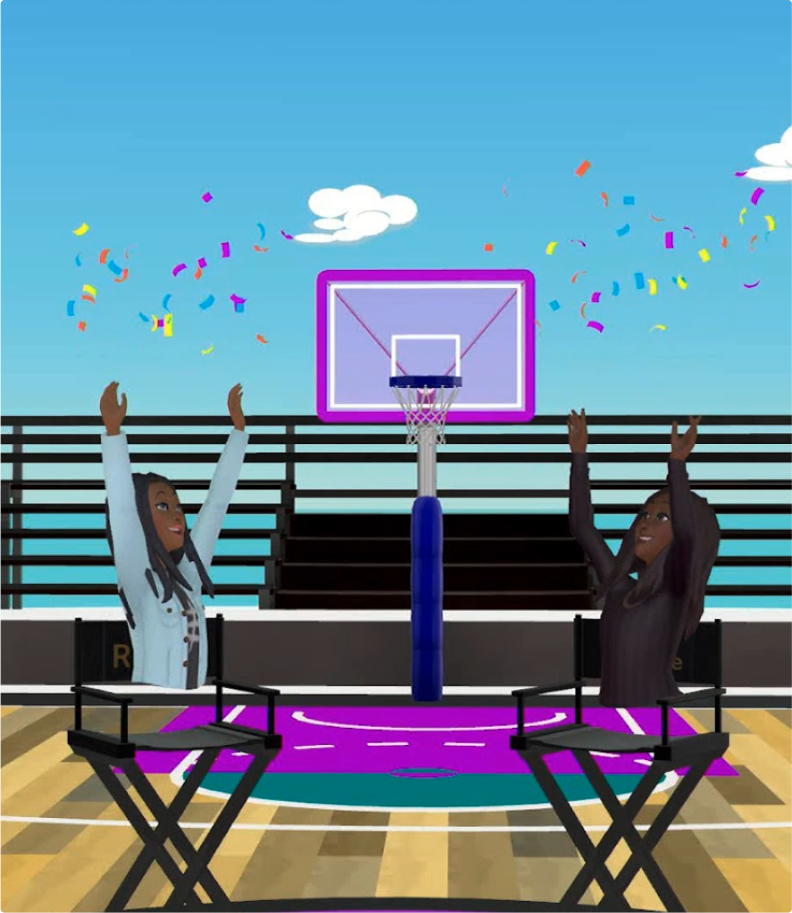
This desire for immersive digital experiences inspired an amazing feat of sports innovation: pulling fans directly into a series of NBA Restart games with courtside seats in VR. The NBA’s official marketing partner Yahoo Sports, next-generation motion picture studio RYOT and MediaMonks came together to redefine sports spectatorship and demonstrate how the at-home experience can become closer to—or extend beyond—the thrill of being there in person.

Broadcasting through a more immersive channel like VR gives fans an experience that makes them truly feel like they’re part of something bigger. One response to the NBA games in Oculus Venues that really struck me was from a user review that said the user was sick of Zoom and FaceTime calls, and that watching the game with their brother was “the closest thing that I’ve felt to going out and doing something normal in five months.”
But it’s not just about mimicking a return to normalcy. After the pandemic, consumers likely won’t find value in comparing how well a digital experience stacks up to being there—but the reviewer’s sentiment does show how closely these experiences get to merging the spectator experience and watching a game live and in-person. And through added digital interactions, sports spectatorship offers fans opportunities they may have only dreamed of before.
A Whole New Ballgame for Sports Broadcasting
Throughout 2020, we’ve become all too accustomed to enjoying experiences in highly mediated ways: through the screen. While the computer or TV screen has been a lifeline to consumers, it hasn’t accurately delivered on the breadth of creative experiences that consumers demand today. Think about a recent digital event you may have watched, versus a Zoom happy hour with friends, versus a video conference call at work.

One of our Monks, Bernard Gray, joined sportscaster Adam Amin and NBA Champion Richard Jefferson to provide commentary.
There’s probably little to no difference between each; every event and experience has begun to feel the same, creating a need to enrich production value and differentiate experiences. What we’ll see moving forward is that digital production partners will become more like broadcasters, and traditional broadcasters will seek to reskill their teams to deliver high-caliber digital viewing experiences—creating a new hybrid offering.
It’s unlikely that you would see a traditional broadcaster bring sports or an event like the Grammys to a platform like Twitch, where content thrives on user interaction—most simply aren’t that tapped into these platforms’ communities and features. Not to mention how tech progression is changing the game: speaking with TechCrunch alongside RYOT, MediaMonks SVP of Growth Eric Shamlin discussed how 5G is set to revolutionize production. But traditional skillsets still have value—pair together these skills with a digital partner who’s adept at infusing emotional resonance and interactivity into cultural events online, and you’ll begin to see some fascinating results.
Anticipating a Future of Immersive Sports Experiences
2020 has exposed a lack of digital experiences that connect with consumers beyond traditional, filmic storytelling. Sports spectatorship is an act of active consumption: fans get together and cheer on their favorite teams and players. Digital experiences should enable the same level of interaction—or go beyond it.
Creating these memorable moments through a live, shared experience should be the goal. A sense of placeness and immersion can enhance the memory-making process. Studies have shown that VR platforms are incredibly effective in education and workplace training compared to traditional digital methods.
Digital broadcasts can likewise enhance memory by instilling meaning in the experience. There’s little difference in the experience of watching one game on TV versus another, but through delivering distinct digital experiences that enhance the spectatorship experience in novel ways, you can help viewers encapsulate that moment and create meaningful experiences.
NBA sports VR NBA Restart sports virtualization