





Case Study
Brand
Go beyond creative limits to unlock enhanced storytelling opportunities.

We’re an end-to-end agency partner to bring your business vision to life.
We help businesses thrive in the digital era. Our holistic approach connects every aspect of your brand world, ensuring a cohesive, seamless and impactful presence across all digital platforms, physical spaces & media.
As an agency partner, we combine expertise in brand strategy, design thinking, and cutting-edge technology to bring your business vision to life. Whether you're looking to expand globally or enhance your local presence, we provide the insights, tools and resources to realize your long- term vision.
A 360° brand experience
-
Work
A Platform-Wide Rethinking of the Brand • With a refreshed brand voice that enables engaging experiences across all digital platforms, we helped uni write a new chapter.
-
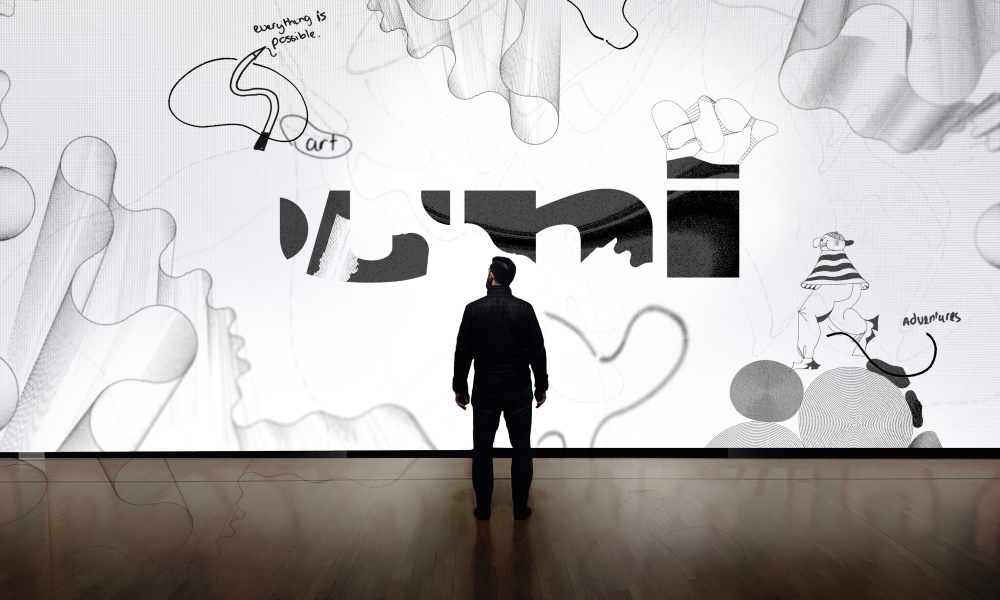
![A wall with uni ads covering it while a person walks past]()
Our Challenge
To support uni's brand relaunch, we shifted focus onto the people who use uni in their everyday lives. This helped the brand create a fresh voice that resonates with modern audiences while honoring the uniball legacy and heritage.
-
![a uni brand book in different colors]()
-
![uniball pen showing the gel colors of black, red, and blue]()
![uniball pen showing the gel colors of black, red, and blue]()
-
![the new uni website on a laptop screen]()
-
![a uni designed black box in white lettering]()
-
Want to learn more about our partnership with uni?
Swipe
For More!
Drag
For More!
Monk Thoughts
We help brands act now to drive value and create relationships for the long term. The only constant is change, therefore we build brands that can anticipate and adapt to evolving business and consumer needs.

Connect
How can we help you innovate? Drop us a line.
Ready to serve every creative ambition.
Few partners have the skills that it takes to claim an Emmy, a Peabody Award, a Webby and a bundle of Cannes Lions. No matter your vision, we tap into our extensive pool of creative digital experts to make it a reality. We blend exceptional craft and curiosity to tell brand stories and create brand experiences that drive cultural resonance.
Build upon strategic foundations to reach your business vision.
We don’t just build exceptional creative and stories—we also create the tools needed to bring those experiences to life across the entire brand ecosystem. We lean into strategy to understand what makes sense for the business, then construct user journeys that inspire action and build brand love.
Solutions
We are here to help with…
Highlighted
Solutions
Swipe
For More!
-
Business Transformation
Realize your brand's potential.
Realize your brand's potential. Our transformative approach helps brands navigate pivotal changes and repositioning.
![A presentation on a large screen in front of clients]()
-
Brand Identity & Systems
We design comprehensive brand systems.
We design comprehensive brand systems. Scale your brand across platforms and global markets.
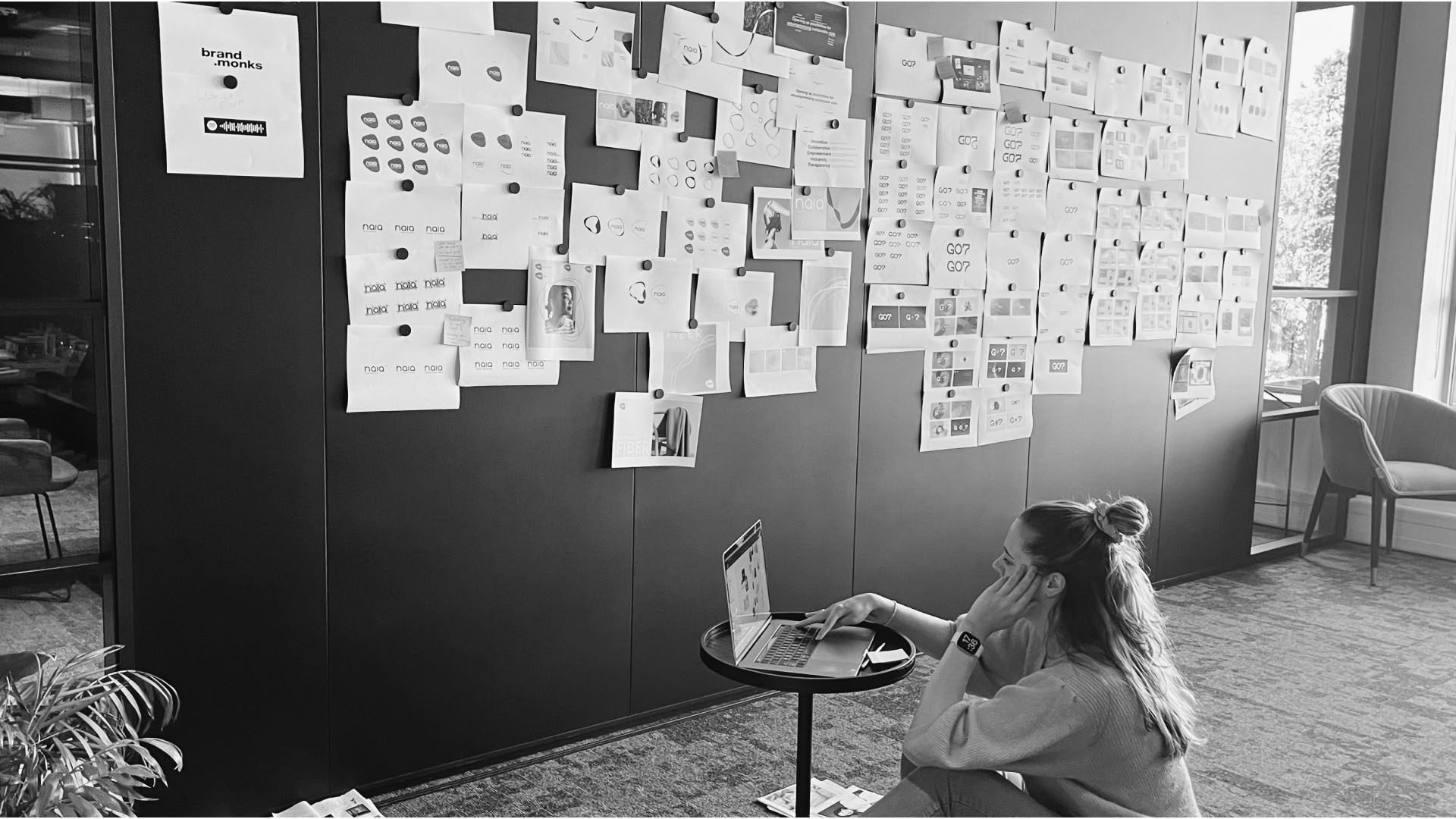
![A wall full of artistic concepts and a person working on their laptop]()
-
Go-To-Market Strategy
Expertise that extends across touchpoints.
Expertise that extends across touchpoints. We uncover audience insights that bring ideas to life.
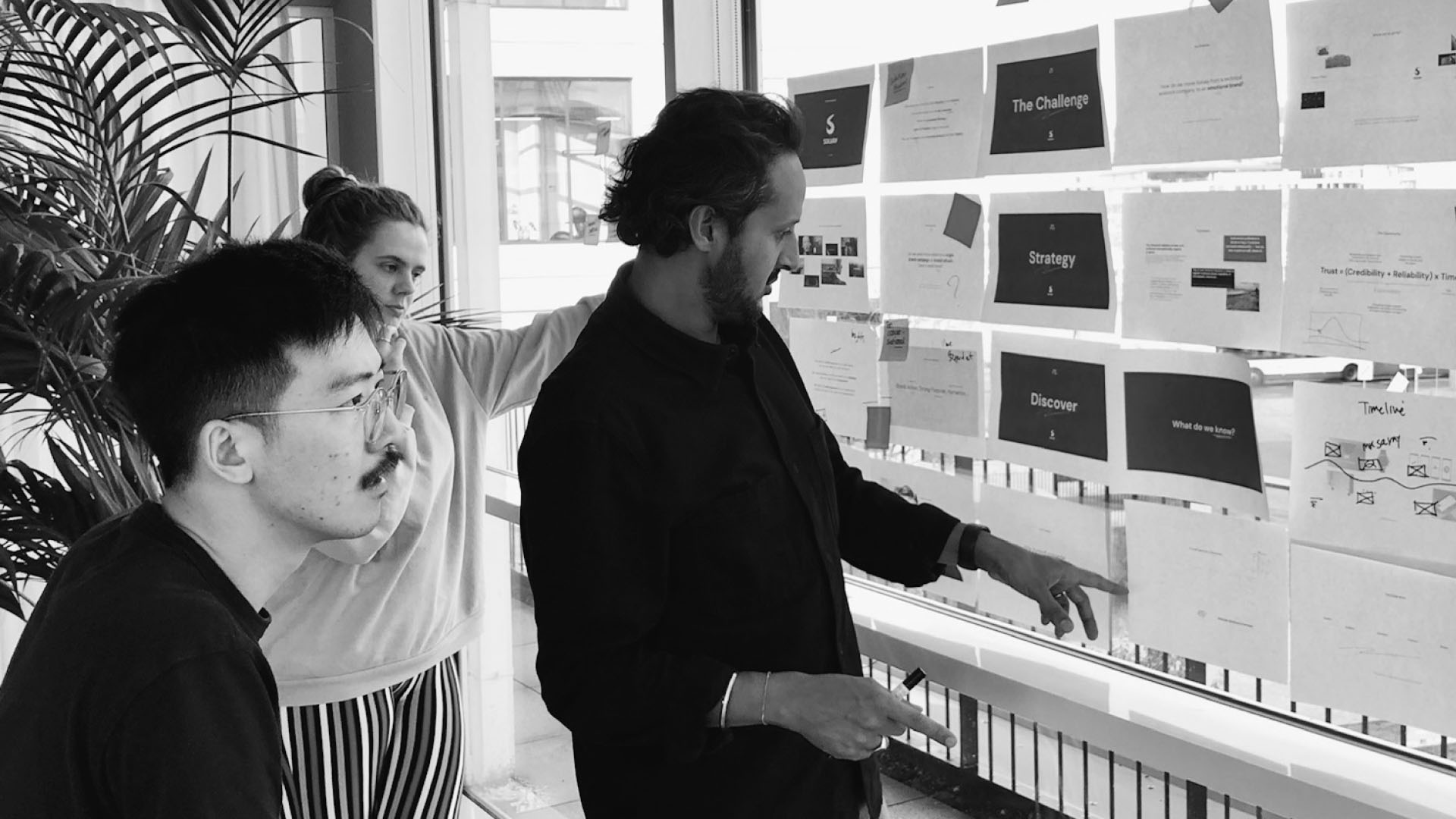
![Brand.Monks working together and looking at concepts on a whiteboard]()
-
Omni-channel Marketing
Seamlessly integrate brand, message and experiences.
Seamlessly integrate brand, message and experiences. We move consumers down the sales funnel to fuel meaningful impact.
![Two media.monks employees sitting on a couch working together]()
-
End-to-End Agency Partner
All your needs in one place.
All your needs in one place. We build on brand fundamentals with a multidisciplinary approach serving every touchpoint.
![An office setting with employees creating together]()



Want to talk branding? Get in touch.
Here's more of our thinking
Consumer Habits Are Changing. Why Isn’t the Industry?
Consumer Habits Are Changing. Why Isn’t the Industry?


Having served as our first Creative Monk in the MySpace days to building a team of more than 2,300 over the past 15 years, I’ve had the privilege of witnessing the immense evolution of digital culture and its effect on creativity. Now, as MediaMonks’ new (and first-ever) Chief Creative Officer, I aim to wield that experience by challenging the one-size-fits-all model that continues to remain popular with creatives today—even though it falls flat against consumers’ needs.
In a time when online experiences are paramount, our ambition to harness the power of technology and creativity is more important than ever. No stranger to adapting to our current realities, this moment offers an opportunity for us to look at the current state of creativity and the vision that sets true innovation from the rest.
Still in the infancy of a new decade, I find myself dismayed at how our industry still struggles to push itself forward. This year especially, brands find themselves with an unequivocal imperative to reassess the strategies they’ve relied on as digital behaviors have quickly evolved. In this age of hyperadoption — in which new behaviors are continually adopted and dropped — we as creatives must raise the bar and reimagine what’s possible.
Consider this: much of the most recently celebrated work may have been placed on digital and social media, but was designed specifically for TVC or print. So many social and digital ads are simple 15 or 8-second cut downs for the toolkit, but different rules and behavior apply to these channels than TV; for example, people on average only watch social ads for about 1.7 seconds, which already makes cut downs incongruent to the format.
Monk Thoughts
This year especially, brands find themselves with an unequivocal imperative to reassess strategies as digital behaviors have quickly evolved.

The industry stunts itself by limiting its recognition of ads—what I would call all the paid media-related creative work that the industry makes—to include only the traditional formats of one-size-fits-all print and linear, 30-second TV scripts. Being so set in our ways risks our own irrelevance to modern-day consumers, whose customer decision journey (and attention) increasingly extends across digital platforms and channels, often simultaneously.
Rather Than Celebrate Innovation, We Repeat Our Mistakes
Feeling secure in sticking to established success parameters isn’t new for our industry—in fact, it’s not that far off from how we moved from radio into TV ads back in the days. Rather than take advantage of what film had to offer, the first TV ads were basically radio scripts with an image or two. Take the famous Bulova ad, which wasn’t filmed at all; while novel, it failed to take advantage of the creative impact that TV made in storytelling.
Frustratingly, the industry once again finds itself impeded in its ability to develop and recognize creative that takes full advantage of the abundance of opportunities afforded by today’s technology; the most-celebrated digital ads of 2019, for example, might as well be the best ads of 2009. In fact, Ad Age’s Top Campaigns of the 21st Century—which chronicles its first 15 years, ostensibly tracing the direction that advertising has taken in lockstep with gains in digital tech—offers little real distinguishing factor from year to year. Don’t get me wrong, these campaigns are great, culturally relevant ideas, but execution must be better aligned with current user behavior on the appropriate channels best-suited to drive engagement, connection and emotion.
Mind the Creative Gap
Creative teams drop the ball when they fail to mind the (creative) gap between the big idea and the media toolkit. What the industry needs to do is go even broader on the big idea, allowing integration across several channels or sources of data, rather than retrofitting it to one-size-fits-all toolkits that ultimately diminish its creative potential. What gets at the heart of this challenge is the need to recognize context, whether it be through media placement, user behavior, technology or with data.
Monk Thoughts
We must use all the tools at our disposal to make sure we not only reach consumers at the right place and time, but truly meet their needs in the contexts in which they engage.
To this end, Forrester Research advises, “As experiences traverse digital, physical, and communication moments, each point of intersection should be inspired by the creative articulation of the brand and leave an indelible impression on customers.” Brands will struggle to achieve such an effect if their digital creative isn’t fit for both format and purpose toward the specific moments and places where consumers find it.
And if there’s anything digital isn’t, it’s static: through responsiveness to consumer interaction and data, digital creative enables brands to truly build a connection in a more personalized context. Essentially, the big idea must function as a two-way conversation that anticipates, responds to and builds upon user context and interaction—and as creatives, we must use all the technical tools at our disposal to make sure we not only reach consumers at the right place and time, but truly meet their needs at the contexts in which they engage.
Let’s Build Awareness for Contextual Awareness
One of the most clever examples of a brand [leaning on user behavior/strategy] was Wendy’s “Keeping Fortnite Fresh” campaign, in which a character with a striking likeness to the fast food chain’s mascot infiltrated the popular third-person shooter. Not interested in killing fellow players (which is the object of the game), this virtual Wendy sought to destroy the game world’s in-game freezers as a homage to Wendy’s pledge to never freeze its beef. Livestreamed on Twitch, the stunt represented how brands could skillfully participate in new social spaces online and is a modern, relevant take on the brand’s big idea: the “home of fresh.”
Monk Thoughts
We as an industry face unprecedented opportunity to make better, more assistive and unique work.
We’re at a time where technology is deeply intertwined not only with the way people consume content, but also how they communicate and form deep relationships with one another. Given the abundance of data available through these myriad interactions, not to mention the many opportunities to act upon them, we as an industry face unprecedented opportunity to make better, more assistive and unique work—and when that work is produced, we must celebrate it rather than cling to the safe, established yet increasingly irrelevant success parameters of the past.
With all of this discussion about how advertising must change, and in a moment when we’re challenged once again to adapt to a new reality, I look ahead to a future where our industry rises to the creative challenge by building experiences that drive impact throughout ecosystems, resonating with consumers’ needs no matter where they are. This has always been our dedication; and as MediaMonks’ newly appointed CCO, I hope my voice resonates and serves as a catalyst for change.
Digital advertising digital marketing mediamonks jouke vuurmans digital creative customer obsession creative storytelling