


Case Study
Made by Google • Turning a Product Launch into a Living Experience

How Google built a human-centric, entertainment-driven, and immersive product launch.
Google, a global leader in technology, recognized that the traditional product launch playbook had grown tired and saw an opportunity to connect new technology with people's everyday lives in a more meaningful way. For its Made by Google 2025 event, Google established a new vision for the launch centered on a human-centric, entertainment-driven format. To bring the product demonstration component of this strategy to life, Google engaged us as their experiential partner to fundamentally reimagine the event’s demo area. Our solution was to design and build an immersive sandbox, a collection of interactive stations that allowed guests to experience the new products in authentic, real-world scenarios.
We brought new products to life through interactive, real-world scenes.
In just six weeks, our team delivered a fully-realized, immersive product sandbox. Our scope included managing all front-of-house operations, graphics, and staffing, but the centerpiece of our work was the concepting, design, and fabrication of five unique interactive demos. We moved away from placing products on pedestals, instead building distinct “mini-scenes” that mirrored real-world environments. For instance, we created an intimate New York café to demonstrate the Pixel phone’s low-light camera capabilities and a record store to highlight a new music discovery feature. This strategy made the technology feel approachable and intuitive, inviting guests to discover its features through hands-on, playful exploration.
Swipe
For More!
Drag
For More!
The immersive scenes became a powerful engine for authentic social content.
The interactive design of the sandbox also served as a powerful content engine. The immersive, real-world scenes provided the perfect backdrop for the A-list talent and creators attending the event to produce authentic, engaging content chronicling their experiences. This generated a steady stream of user-generated content that extended the hands-on experience to millions of their followers at home, transforming a physical installation into a global digital moment.


This strategy resulted in deeper engagement and more authentic brand advocacy.
The success of this strategy was immediately evident in audience engagement. Where attendees at past events might have spent just a few minutes in a demo hall, they were now staying for extended periods to interact with the products. This dramatic increase in dwell time, combined with the influential voices sharing their genuine experiences, had a powerful ripple effect. The authentic, hands-on stories from talent and press gave coverage of the products far more narrative impact. Our work proved that by designing experiences where people can discover what a product can do for them, a launch moment can be transformed into sustained brand equity.

Results
-
More than a sevenfold increase in viewership year-over-year.
-
Dramatic increase in attendee dwell time, shifting from minutes to hours.
-
Successful delivery of a fully immersive, large-scale production in just six weeks.
-
Generation of highly authentic press and creator coverage.
Want to talk experience? Get in touch.
Can’t get enough? Here is some related work for you!
Fields of Glory • Brewing an Innovative Brand Activation with Real-World Impact
00:00
00:00
00:00
Case Study
0:00
An innovative idea at the intersection of crisis and opportunity.
For over a century, Pilsen has been synonymous with Medellín’s local pride and quality brewing. As the city’s only major stadium became increasingly damaged by a surge of international concerts, the very heart of Medellín’s football culture was threatened. With frustrated fans and declining brand health, Pilsen sought to reconnect with a younger audience and reaffirm its value beyond traditional sponsorship. The solution: transforming Pilsen’s own beer ingredients into a scientific brand innovation that regenerated the stadium’s field, turning the brand into a cultural problem-solver at the city’s most emotional crossroads through a bold brand activation.
Stadium decline threatened local football.
Swipe
For More!
Drag
For More!
Scientific validation turned brand promise into action.
Our journey began with an insight: fans no longer responded to conventional sponsorships. Rather, they wanted tangible proof of a brand’s quality and commitment. So, the brand spent 10 months in research and development, including five months of greenhouse trials and five months of real-world testing, to help Pilsen find a way to restore the stadium field. Those efforts finally paid off when the Pilsen team, in partnership with stadium operators and football clubs, scientifically validated that a 2% dilution of the Pilsen natural ingredients—rich in yeast, barley and hop residues—could act as a natural bio-stimulant to accelerate turf recovery and reduce chemical fertilizer use by 50%. This approach showcased Pilsen’s commitment to consumer engagement strategy by delivering real, visible value to the community.
Beer-based solution improves field health.
A carefully orchestrated reveal maximized fan and media engagement.
After successfully integrating the formula into the stadium’s irrigation system, the pitch withstood the strain of five major concerts and 57 football matches without serious damage. Only then did Pilsen unveil its contribution through a multi-channel campaign, including stadium signage, PR, social media, and broadcast integrations. This reveal was timed perfectly with key cultural moments—like a Copa Libertadores match and a Shakira concert—ensuring the story resonated powerfully with fans and media alike. The campaign became a standout example of brand activation and culture marketing in the sports and entertainment space.


Authentic innovation elevated Pilsen to the status of cultural champion.
The impact was immediate and transformative. Pilsen was credited by fans, media and clubs for saving Medellín’s football season, elevating the brand from a sponsor to a cultural champion. The success is now inspiring expansion across other Latin American markets, proving that authentic, innovative action and meaningful culture marketing can reignite love for a brand and deliver lasting societal value through next-level brand innovation.
00:00
00:00
00:00
Results
-
Perception of "high quality ingredients" rose by +19.2%
-
Brand love increased by +10 points
-
Organic conversation volume around Pilsen increased by 42%
-
Media reach surpassed 18 million impressions without paid media boosts
-
Turf recovery efficiency increased by over 300%
-
Fertilization costs were reduced by 20.4%, enabling further B2B media stories
-
1x Cannes Lion
Want to talk Innovation? Get in touch.
Can’t get enough? Here is some related work for you!
Sephora x GRLSWIRL • An Experiential Pop-Up Event Built with Community in Mind

A community-focused approach to build brand love.
Sephora’s dry shampoos are celebrated for their ability to maintain hair’s freshness and volume without the need for frequent washing. Recognizing that the product’s convenient application makes it ideal for active lifestyles, Sephora aimed to foster an authentic connection with those who would benefit from it the most. We matched the brand up with GRLSWIRL, a global women’s skate collective, and together we crafted a social-first pop-up experience that offered skaters a refreshing and fun post-skate experience.


Experiential marketing solutions tailored to a community’s values.
Our goal was to move beyond traditional messaging strategies and create a tangible experience that resonated deeply with the GRLSWIRL community, showcasing the versatility and convenience of dry shampoo in their everyday lives. The pop-up experience, which took place at GRLSWIRL’s group skate in Venice Beach, provided a range of "quick fixes," from dry shampoo styling by professional hair stylists to complimentary ice cream served from a custom-wrapped truck. Participants received free dry shampoo and other hair products, and could also test their luck in a raffle to win a one-of-a-kind branded skateboard. Other elements—like a photo wall for snapping selfies and tunes from a Sephora Sounds DJ—ensured the vibes were electric throughout the day.
Swipe
For More!
Drag
For More!
Building bonds through a vibrant brand activation.
The Sephora x GRLSWIRL Quick Fix Pop-Up beautifully intertwined Sephora’s dry shampoo products with the spirited essence of the GRLSWIRL community. By embracing GRLSWIRL’s ethos of building unity through skateboarding, the event fostered genuine connections and celebrated shared passions. Beyond product demonstration, the brand activation highlighted the practical benefits of dry shampoo in a way that resonated authentically with an active lifestyle. The event sparked organic buzz and social media content, underscoring Sephora’s dedication to building meaningful relationships with communities through innovative experiential marketing solutions.

Results
-
113 assets
-
1.4M+ earned stories
-
114 RSVPs
Want to talk experience? Get in touch.
Can’t get enough? Here is some related work for you!


NBA Pixel Arena • The World’s First Customizable Metaverse World for NBA Fans.
00:00
00:00
00:00
Case Study
0:00
Delivering the future of sports entertainment.
Google and the NBA partnered with Monks to design the future of sports entertainment: an immersive, multiplayer 3D world inside the NBA app. Inside this personalized metaverse world, fans could customize their avatar in futuristic street-style, recreate the legendary dunks of their favorite players and play battle royale minigames against other fans to unlock new, exclusive merch.


Creating a truly immersive experience for today’s fan.
The NBA has one of the most passionate followings of any league. How do you create an experience that revolutionizes the way they enjoy games? Alongside the NBA and Google, we set out to redefine the fandom experience through an iconic interactive world. We knew the experience had to reward fans with exclusive opportunities, foster community and connections, allow users to express themselves, and go deeper into the game they love.
Swipe
For More!
Drag
For More!
A sprawling WebGL world.
The arena is a sprawling WebGL complex and metaverse world that fans can explore together. Generate a lifelike avatar of yourself in the locker room, then head to the highlight remixer to recreate iconic shots from the biggest players in the NBA. Head over to the skill zone to participate in multiplayer games with other fans and rise to the top of the leaderboard. Inside the arena you can purchase new items at the shops, join a game with other fans, and create a custom highlight reel. Ultimately, NBA Pixel Arena sets a new standard for fan-fueled experiences.
Want to talk experience? Get in touch.
Can’t get enough? Here is some related work for you!
Brand
Go beyond creative limits to unlock enhanced storytelling opportunities.

We’re an end-to-end agency partner to bring your business vision to life.
We help businesses thrive in the digital era. Our holistic approach connects every aspect of your brand world, ensuring a cohesive, seamless and impactful presence across all digital platforms, physical spaces & media.
As an agency partner, we combine expertise in brand strategy, design thinking, and cutting-edge technology to bring your business vision to life. Whether you're looking to expand globally or enhance your local presence, we provide the insights, tools and resources to realize your long- term vision.
A 360° brand experience
-
Work
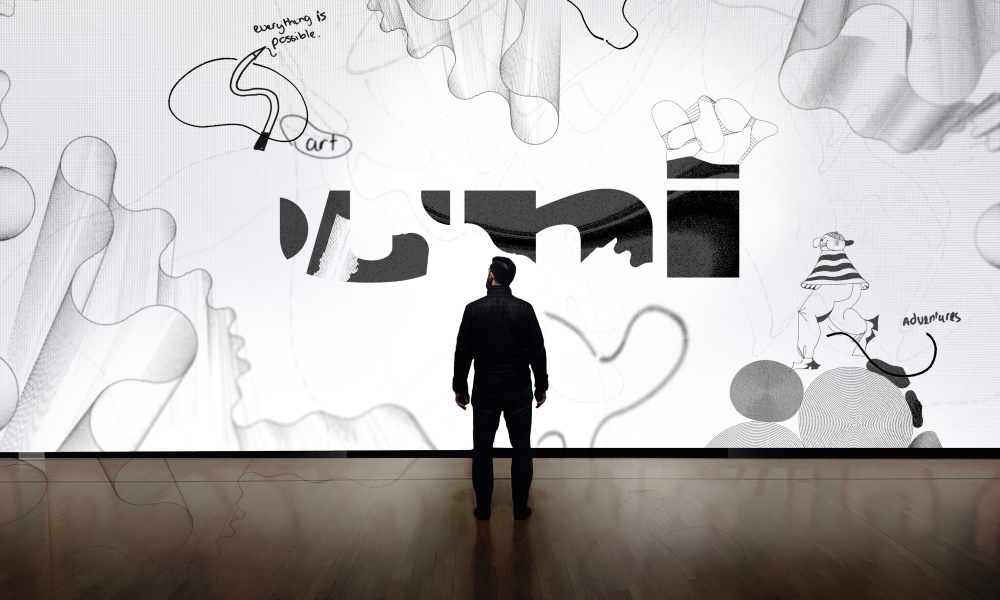
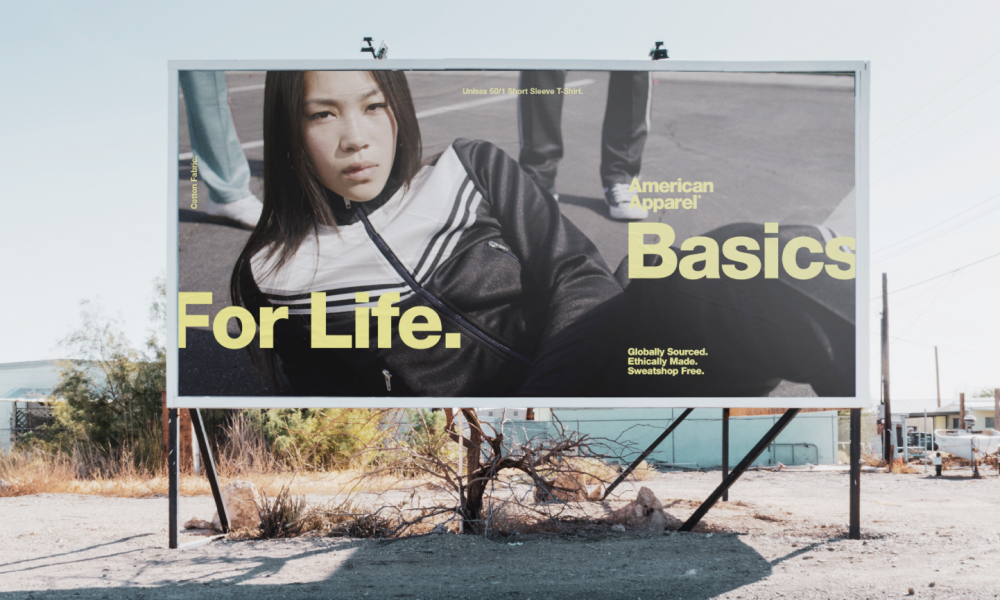
A Platform-Wide Rethinking of the Brand • With a refreshed brand voice that enables engaging experiences across all digital platforms, we helped uni write a new chapter.
-
![A wall with uni ads covering it while a person walks past]()
Our Challenge
To support uni's brand relaunch, we shifted focus onto the people who use uni in their everyday lives. This helped the brand create a fresh voice that resonates with modern audiences while honoring the uniball legacy and heritage.
-
![a uni brand book in different colors]()
-
![uniball pen showing the gel colors of black, red, and blue]()
![uniball pen showing the gel colors of black, red, and blue]()
-
![the new uni website on a laptop screen]()
-
![a uni designed black box in white lettering]()
-
Want to learn more about our partnership with uni?
Swipe
For More!
Drag
For More!
Monk Thoughts
We help brands act now to drive value and create relationships for the long term. The only constant is change, therefore we build brands that can anticipate and adapt to evolving business and consumer needs.

Connect
How can we help you innovate? Drop us a line.
Ready to serve every creative ambition.
Few partners have the skills that it takes to claim an Emmy, a Peabody Award, a Webby and a bundle of Cannes Lions. No matter your vision, we tap into our extensive pool of creative digital experts to make it a reality. We blend exceptional craft and curiosity to tell brand stories and create brand experiences that drive cultural resonance.
Build upon strategic foundations to reach your business vision.
We don’t just build exceptional creative and stories—we also create the tools needed to bring those experiences to life across the entire brand ecosystem. We lean into strategy to understand what makes sense for the business, then construct user journeys that inspire action and build brand love.
Solutions
We are here to help with…
Highlighted
Solutions
Swipe
For More!
-
Business Transformation
Realize your brand's potential.
Realize your brand's potential. Our transformative approach helps brands navigate pivotal changes and repositioning.
![A presentation on a large screen in front of clients]()
-
Brand Identity & Systems
We design comprehensive brand systems.
We design comprehensive brand systems. Scale your brand across platforms and global markets.
![A wall full of artistic concepts and a person working on their laptop]()
-
Go-To-Market Strategy
Expertise that extends across touchpoints.
Expertise that extends across touchpoints. We uncover audience insights that bring ideas to life.
![Brand.Monks working together and looking at concepts on a whiteboard]()
-
Omni-channel Marketing
Seamlessly integrate brand, message and experiences.
Seamlessly integrate brand, message and experiences. We move consumers down the sales funnel to fuel meaningful impact.
![Two media.monks employees sitting on a couch working together]()
-
End-to-End Agency Partner
All your needs in one place.
All your needs in one place. We build on brand fundamentals with a multidisciplinary approach serving every touchpoint.
![An office setting with employees creating together]()



Want to talk branding? Get in touch.
Here's more of our thinking
Hybrid Experiences Are the Future—Here’s Why
Hybrid Experiences Are the Future—Here’s Why


Ever since the start of the pandemic, marketers have been finding their way around social distancing measures and sanitary guidelines. Those of us in the experiential industry quickly flipped the script, turning instead to building virtual experiences and coming up with creative solutions to connect people online—many of which will prevail for years to come. Now, as we daydream about the big comeback of physical events in Brazil, we’re rethinking our strategies to develop new, powerful ideas that build on these learnings.
Compared to other regions in the northern side of the world, Covid-19 vaccines are rolling out a bit slower in South America. Therefore, Brazilian brands may not deem it necessary to start thinking about in-person events yet. But sooner or later, the distancing rules established by the pandemic will be lifted completely—and by the time that happens, brands will have to be fully prepared to retake the physical scene, or fall behind their competition.
As Partner and Business Director at Media.Monks, I work hand in hand with our global virtual events and experiential team. I’ve seen how excited some brands are to give consumers onsite experiences, but I’m also aware of the countless benefits that virtualization has brought to our industry. There’s no way of knowing exactly how the upcoming months will play out, but one thing is certain: as we move forward, marketers will have to bring the best of both worlds to provide real value to their consumers.
The Rise of Hybrid Experiences
When I look back at what we’ve accomplished since the start of last year, I can barely wrap my head around it. Together with my experiential team, we’ve developed online museums, virtual carnivals, hosted the World Press Freedom Conference and more. Each of these experiences were conceived at a time when virtualization was the only option; now, just think of the myriads of options we’ll have at hand once we add physical elements to the equation.
Monk Thoughts
The right combination of in-person value and online amplification can be more cost-effective than just another broadcast or purely offline installation.

Take hybrid experiences, for example, a model that’s blurring the lines between the possible and impossible with experiences that haven’t been thought of before. By definition, hybrid experiences involve an in-person experience augmented with virtual elements. How these come together depends on your goals as a marketer: it’s all about leveraging the benefits of both online and offline experiences and adapting it to your requirements. The digital element can be as small as a digital exchange of contact information with attendees, or as big as a robust virtual platform broadcasting an in-person conference to remote audiences.
Naturally, different setups will have different costs, but with a more flexible range of possibilities, brands don’t need the largest budget in the market to deliver compelling experiences. The right combination of in-person value and online amplification can be more cost-effective than just another broadcast or purely offline installation.
One Small Step for Marketers, One Giant Leap for Sustainability
It goes without saying that social distancing taught us a lot about how to both keep production going and engage with audiences remotely. Virtualization allowed us to bring people together in unexpected ways, tearing down the physical barriers to meet faraway audiences. That desire to fuel online amplification while safeguarding consumers’ ability to interact with a brand is what gave way to the development and release of LiveXP—our internal tool that connects audiences and performers by enabling true two-way communication.
Tools like LiveXP allow brands to give virtual events a deeper level of interactivity, and have paved the way for digital events of the highest caliber. BRIC’s Celebrate Brooklyn! Festival is a great example of this: for its 2020 edition, one of New York City’s longest-running outdoor performing arts festivals became a digital destination where everyone around the globe could meet from home. The purely digital experience extended the local event beyond a single location—and when in-person concerts return, one can imagine the value in connecting people from afar will remain. I strongly believe these types of experiences are not going anywhere.

LiveXP offered audiences and performers the ability to connect and engage with each other in a new way during the BRIC Celebrate Brooklyn! Live Everywhere festival.
We can go hybrid on the production front, too. In the last year and a half, we’ve built up a muscle for getting the show on the road with fewer people on site and less need for traveling. Not only is this cost-effective; it also supports our commitment to sustainability, as travel is one of the biggest contributors to an event’s carbon footprint. Think about it: what’s the use of flying an entire team across the country when you can easily keep production going remotely? This will be a permanent change of mindset, not just a response to the pandemic.
Leaving the Door Open for Creativity
As we move toward hybrid experiences, sanitation guidelines will continue to play a bigger role. Commitment to safety will go beyond producing remotely; brands will have to make sure they’re doing everything they can to keep people safe in front of and behind the scenes, going as far as hiring a Covid-19 compliance officer.
The implementation of sanitary guidelines can be intimidating for some, but don’t shy away from them. Think about how they can give way to creative opportunities and innovation. Only a few weeks ago, Pepsi inaugurated a permanent exhibition at a theme park in Pennsylvania that uses gesture-based technology. This experience, made in collaboration with Jam3, wouldn’t have ended up being as unique without the need for touchless interactivity.
Nowadays, both brands and audiences want to be more efficient with their time and resources, which is a key reason why hybrid experiences will take the main stage in upcoming years. With hybrid platforms, brands can virtually deliver more content with less physical or monetary constraints, while simultaneously combining the thrill and excitement of onsite action. Or they can leverage virtual platforms to include more diverse audiences through greater accessibility.
Hybrid experiences are more than another option to add to the marketing mix. They’re the natural response to how consumers are interacting and engaging with the world around them, and a way for brands to meet them where they are. There’s a new, expanded universe of opportunities before us to connect with consumers, and technology is on our side to deliver those innovative experiences that will remain engraved on their memories—whether they experience it physically, virtually or both.
This article was originally published in Portuguese by Fast Company Brazil.
(Re)Activate Customer Obsession with Our New Report
(Re)Activate Customer Obsession with Our New Report
The spread of COVID-19 in recent weeks is impacting brands in significant ways around the world, challenging both strategies and workstreams across all industries. Frequent cancellations of events one by one served as an initial barometer of the virus’ impact; not just affecting big-name festivals that attract crowds large enough that local economies depend on them, but also smaller activations. The situation begged brands to consider: how can they retain a close connection to key audiences in a time of social distancing?
While the West faces a need to quickly adapt to a new normal prompted by COVID-19, we’re a global creative partner that has serviced clients and areas hit by the virus since its onset in late 2019. Pooling together insights and experiences from teams across the S4Capital family, we’ve put together a report, titled “(Re)Activate Customer Obsession,” that recognizes this moment of upheaval as a profound opportunity for brands to reinvent their strategies and continually reach audiences spread far and wide—perhaps even better than before.
(Re)Define Goals for Customer Obsession
The need for creatively differentiated digital experiences isn’t new; consumer engagement has long migrated toward digital since the rise of ecommerce and social media, with consumers flocking to the convenience and connection enabled by always-on communication and digital personalization.
Monk Thoughts
When unable to shortcut to experience through physical proximity, we deliver on the original intent of digital.

But for brands that have hesitated to enable these experiences, the trend to social distancing is a wakeup call. “As we come to grips with a world where we can’t shortcut to experience through physical engagement and personal proximity, the challenge is to deliver on the original intent of digital,” says MediaMonks founder Wesley ter Haar. “Interactive, tactile and personalized moments of magic that create conversation, conversion and commercial opportunities.”
To deliver such experiences, brands must invest in customer obsession. Namely, this means meeting audiences where they are—online—and tailoring resources to better prioritize their needs and enhance the customer experience. For many brands, in-person experiences are critical to cultivating a relationship, building a sense of community and driving emotional connections.
On our blog in the past, we’ve discussed the value of such activations—and the need for a digital layer to connect with audiences faraway. If your brand already has an event plan in place, take this as a moment to consider its goals and how that ladders up into your brand purpose. Our report offers a series of thought-provoking questions to help brands zero in on a digital strategy that aligns with their specific needs.

(Re)Group and Replan
Whether you seek to retain value by pivoting existing plans or are simply struggling to anticipate “what’s next,” our report to reactivating customer obsession offers practical advice on how you can begin to reevaluate and prioritize your goals—and where they fit within digital activations. This is essential not only for brainstorming what new experiences your brand can provide, but makes a critical first step in evolving your operations with the digital skillsets and capabilities needed to deliver them.
Having to face an event’s cancellation is tough, because so much work and preparation had already gone into it. Recognizing this, a move to digital can feel daunting—and you’ll certainly find that strategies must shift, and that what worked for a physical experience may not translate well to a live, digital one. But as we’ve mentioned above, view this unfortunate circumstance as an opportunity to make something even better: a deeper investment in digital, for example, allows brands to build up their data capabilities to better understand which experiences are most impactful, and when.
“One of the things we do is in the data: in social listening and finding the right trigger areas in regions where things are happening,” says Aaron Nava, Director of Digital at Circus, which merged with MediaMonks earlier this year. “From there, we’re able to develop a point of view for brands.” Through increased digital maturity, brands have a greater perspective on how to achieve more meaningful, lasting interaction at different points in the customer decision journey, and become more customer obsessed in the process.
Monk Thoughts
Social listening and finding the right trigger areas lets us develop a point of view for brands.
Having a clear sense of purpose is key, too. In-person experiences thrive on inspiring an emotional connection through bringing people together and appealing to the senses, and brands must think carefully about how to inject emotion into digital alternatives.
“Brands shouldn’t aim to think about virtual conferences as replacement of what they had previously scheduled. It’s impossible,” says Kate Richling, CMO at MediaMonks. Still, she notes that you can offer some pretty cool (and in many ways, better) activations that are designed to assist your audience and enrich relationships authentically. Drawing from several example digital activations and scenarios, our report walks readers through what to consider in developing such experiences.
(Re)Imagine What’s Possible
Faced with an immense shift in how they must communicate with consumers over the next few months (and how to pivot back to normal, whatever form that might take), we all stand at a critical moment to reassess strategies. But constraint is beneficial to creativity, and we look forward to tackling more unique brand activations that fundamentally redefine consumer relationships. By taking this moment as an opportunity to hone your digital skills and reimagine what’s possible, your brand will be well-equipped to anticipate consumers’ emerging needs both in the near and distant future.
Digital transformation virtual experiences brand activation digital activation digital experiences covid-19 coronavirus brand events agile transformation agile process
MediaMonks Takes Comic-Con on a Hallucinogenic Trip Through Gotham City
MediaMonks Takes Comic-Con on a Hallucinogenic Trip Through Gotham City

First, you feel a thrilling sense of weightlessness as you dive through the city skyline, watching skyscrapers pass you by. But the exhilarating skydive takes a harrowing turn when you spot your target: the Scarecrow, who’s wreaking havoc throughout Gotham City by spreading his trademark toxic fear gas.
As you cut through a gas cloud, your vision becomes clouded: villains from the Batman universe begin to surround you as buildings come crashing down. As you glide through the increasingly abstract and crumbling city, can you catch the villain in time?
This isn’t your typical skydiving experience. It’s just one part of the Batman Experience, powered by AT&T at Comic-Con, celebrating the character’s 80th anniversary and induction into the Comic-Con Character Hall of Fame. The activation made such an impression that Wired said it “soars—while others fall flat,” while the New York Times called Batman and AT&T “a new dynamic duo.” But how exactly does such a heroic tale come to be?
Every Kid’s Dream: Be Batman
In a recent SoDA Report On Trends in AR, VR and Mixed Reality, MediaMonks Creative Technologist Samuel Snider-Held writes: “[AR and VR are] no longer the shiny, new thing it once was, and brands can’t blame a subpar experience on experimentation, either.” Rather than chase the appearance of innovation, he says, brands must closely consider “how a given touchpoint impacts the broader customer experience” and design the offering around that. The VR segment of the Batman Experience achieves this by pairing the virtual scenario—gliding through the city to catch Scarecrow—with the weightlessness made possible by a skydiving wind tunnel.
We all know about Batman’s utility belt full of cutting-edge tools and equipment. This VR scenario lets everyday people experience what it’s really like to try out the kind of tech Bruce Wayne—Batman’s alter-ego—would use. But the immersion begins before participants put on the custom headset shaped like Batman’s iconic cowl, with an instructional safety video delivered by Lucius Fox, who supplies Batman with his equipment.
Contrasting the Batman Experience with other AR and VR activations that fell short of pushing the medium forward, Wired noted that AT&T’s stood out among others at Comic-Con this year: “At all of 77 seconds, it’s not long … But it’s also utterly unprecedented.” It didn’t take much time to make a powerful impact. The cinematic narrative thread throughout the experience, from onboarding to leaving, goes a long way in ensuring that participants are fully engrossed in the world of Gotham City.

The AR skydiving experience made fans feel as though they were trying on a new version of the bat suit.
The video briefing, for example, turns a boring safety regulation—required for these sorts of events—into an opportunity for storytelling. “We really wanted to immerse participants into the role of Batman in a full narrative sequence,” says Eric Shamlin, SVP Growth at MediaMonks, who collaborated with AT&T to bring the project to life. “Part of this idea was that Lucius would do the onboarding video to showcase a new adaptation of the bat suit, training them on how it’s used.”
Large-Scale Activations Still Benefit Smaller, Niche Audiences
The tech-infused experience showcases the strength of the telecom company’s network that powers many of the things that Comic-Con’s audience cares about: things like streaming movies or TV shows, online gaming experiences and more. By paying homage to 80 years of Batman in the opening of the Comic-Con Museum, AT&T pays respect to the franchises and characters that the corporation recently inherited in its acquisition of Time Warner.
The exhibit also gives attendees an idea of the partnership’s increased creative and production muscle. “The combination of the two companies was intended to create something new in the media industry,” writes the New York Times covering the exhibit. “A powerhouse that could reach millions of people through its vast distribution system of mobile devices and satellite networks, while also creating the content that will fill their screens.” Through an exhilarating cinematic activation, fans get a taste of the ways AT&T might bring its properties to life on and off the screen in the near future.

Following insights from this year’s Cannes International Festival of Creativity, Accenture Interactive highlighted the need for brands to “think small to launch big, going after enthusiasts in need. It’s a need for niche rather than mass.”
A dependable strategy, even with large-scale activations like this one, is to start small by first targeting niche audiences by delivering the experiences they crave. While superheroes aren’t necessarily a niche interest these days—they continue to dominate in box office sales, and Batman himself is one of DC’s most popular characters—it’s worth noting that San Diego Comic-Con’s audience makes up some of the most passionate fans of comic culture.
And while the superhero-loving audience may be growing, it’s also a skeptical one, highlighting the importance in delivering exceptional creative to those ends. “AT&T might be viewed by some as a heavy-handed corporate voice,” says Shamlin, “but they’re successfully navigating how to leverage the very significant pop culture icons they’ve come to control to make themselves more approachable to a very discerning audience.”
Ensuring an Experience for Everyone
The team knew that not everyone attending the museum would have the chance to try out the VR experience that stole the show. “We didn’t want those who missed a chance to try the skydiving experience to feel they missed out, so we designed the entirety of the activation to be fun and shareable,” said Shamlin. The multi-layered activation made full use of the Comic-Con Museum, bringing attendees the chance to engage with the Batman universe in a variety of ways.

This included a Bat Cave, built by MediaMonks, where attendees could play through an archive of Batman video games. We also developed a training room filled with punching bags featuring portraits of villains from the franchise. As you punch the bags, light projections dynamically fill the walls with comic panels and onomatopoeia (“Pow! Wham!”) that let you feel like you’re in a comic book—or the campy Batman TV series from the 60s. Throughout the museum, attendees could pause to snap a selfie with a variety of props from Batman movies, including costumes and the iconic Batmobile.
Pulling all of this off was a heroic effort in itself, requiring the alignment of several parties: AT&T and its agency The Collective; Comic-Con, including the group managing the Comic-Con Character Hall of Fame; and the city of San Diego itself, who issued the required permits for hosting the massive stage for the skydiving experience. “Our activation was just one part of a larger one within the museum,” said Shamlin. “There was an incredible amount of coordination and back-and-forth communication.”
From aligning a diversity of experiences to getting several partners (and fans) on the same page, an exhibit on the level of the Batman Experience is a huge undertaking. But together, the multiple layers of the activation culminate in a rich, accessible exploration of Batman, his history and his cultural impact over the decades—a recognition that the character doesn’t need, but certainly deserves.
vr virtual reality brand activation comic con comic-con batman dc comics warner bros time warner at&t experiential activation
Zip-Lining from a War Zone and onto Computer Screens
Zip-Lining from a War Zone and onto Computer Screens
Physical activations are great for impressing an in-person audience, but they can pull double duty by engaging with audiences far away as well. In fact, they should.
The online buzz, PR and social media engagement produced by an impressive physical experience can be well worth the cost when done right. The secret to a good experience? It’s one that “compresses time and space,” says MediaMonks Director of US Production and Partnerships Chris Byrne. What might sound like witchcraft (or a scary sci-fi plot) is actually a simple strategy for producing experiences that engage far and wide—here’s how to achieve it.
Treat physical and digital experience as equals.
It might be tempting to privilege physical experience over digital, but an experience that truly engages with a distant audience must not treat digital as an afterthought. When planning out your experience, try considering first and foremost how to create an exciting experience for digital audiences, then look for answers on how physical elements can make it even cooler. The key is to provide your audience with the ability to make significant impacts on the experience no matter where they are in the world—not treat them as a passive viewership who’s watching everyone else have fun.

In addition to the typical geek-themed influencers you’d expect at Comic-Con, the Jack Ryan Experience also invited pro athletes like Ronda Rousey and Richard Sherman to take part. Their presence helped to stretch the experience’s appeal beyond just geek culture while maintaining relevance to the experience’s physically demanding challenges.
Physical and digital experiences go really well together—a bit more like peanut butter and jelly than oil and vinegar. Your approach to extending the reach of any physical experience, then, involves carefully considering how one audience’s actions support (or challenge) the other’s. By striking this balance, you should have little trouble extending your experience’s digital reach.

Early in its planning stages, the Jack Ryan Experience was conceived as a game of laser tag in which IRL participants were pitted against the internet. It eventually ballooned into a 60,000 square-foot hyperreal obstacle course that took the form of a Middle East black site, though one quality remained from the beginning: both digital and IRL participants were supported in equal measure. In the project’s final iteration, the competitive aspect between those participating physically vs. online were retained by allowing Twitch viewers to launch attacks at participants while they watched live.
Monk Thoughts
Quality of interactivity is key—just react in a fun way.
If flashy explosions rendered in VR seem outside the realm of your budget, don’t despair. “It’s not about the size of the interaction, but how you do it,” says Byrne. What really makes the digital interaction click for Twitch viewers of the Jack Ryan Experience is that they get instant visual feedback and can see how their presence makes a mark on the environment by hindering the progress of those attending in-person.
Ask participants to share the fun.
Experiences that are given a life online aren’t bounded by physical constraints, nor should they be bounded by time. Even if your experience or activation takes place during an event, a smart multichannel strategy should allow it to extend beyond the confines of its event or hosting stage. From microsites that promote the experience before and after to highlighting key user-generated content (UGC) collected over its course, plan for ways to attract audiences no matter where—or when—they browse.

UGC played a key role in the Jack Ryan experience’s success. At the experience’s bazaar segment, for example, participants were tasked to fulfill small missions that involved puzzle-solving, engaging with actors and taking photos. These small challenges helped participants insert themselves into the world of an IP, then share that experience with their friends. Automatic video capture also provided participants with a custom video of their visit that they could also share to social media.
Some participants even walked away with some swag, which also provided them with something to share and brag about online. And that’s an important note to remember: UGC also has the potential to ignite a sense of fear of missing out (FOMO) in digital audiences, prompting them to sniff out more information or to follow along with the event from afar. In fact, encouraging FOMO was among the top goals for the Jack Ryan experience to build buzz: “The throughput wasn’t the intent,” Eric Shamlin told the audience at the DigitalLA summit. “FOMO and social conversation were the intent, along with PR response.” Consumers want to strike a human connection through digital media, and sharing their good experiences—wish you were here!—is a key way to do it.
Broaden the audience with influencers.
One key way to share the fun is to invite influencers to participate in your experience, then broadcast their impressions to their online audience. While partnering with influencers aligned with your niche is a great idea, you might also consider working with someone who can extend beyond the first demographics that come to mind.
brand activation brand activation plan brand activation strategy jack ryan experience amazon digital reach
Build Layers of Digital Interaction in Experiential Activations
Build Layers of Digital Interaction in Experiential Activations
Today’s consumers privilege experiences over things, while brands seek to capture audiences’ attention in unique and innovative ways. A natural trend in response to both is the brand activation: moments or events that reinvent the space around them or make the impossible, possible.
Experiential events may range from offline installations to comprehensive, larger-than-life livestreams that compress time and space to deliver wild experiences to far-flung audiences. Experiential and brand activations typically build buzz around a brand or product, but most importantly they should celebrate what makes those things unique through creative, inventive spectacles.
At the 2019 SXSW Music Festival in Austin, Texas, for example, on-demand food delivery service DoorDash celebrated the festival’s love for tacos and its own penchant for fast, dependable delivery by inviting attendees to a tiny home installation, where hungry participants could experience at-home delivery away from home. By ordering through a custom app and even answering a door to get their meal, the activation made for a fun twist on the experience of dining out—or in.

While this style of experience is rewarding for those who are able to attend, why not share the fun with a wider audience? Bolstered by streaming platforms, live activations add a new layer to the experience through audience interaction. “Live experiential is all about building innovative and interactive experiences while amplifying their online reach through livestream opportunities,” says Ciaran Woods, Producer at MediaMonks São Paolo. Through live experiential, brands can scale up the experience and go beyond simply building buzz.
Tiers of Amplification
Every experience has an air of FOMO (fear of missing out) about it, making them great for prompting user-generated content and social buzz whether online or off. For simpler experiences that aren’t broadcast to live platforms, this can manifest in providing Instagram-ready spaces or share-worthy moments. When influencers are added to the mix, you can take the conversation even further. For example, laundry detergent brand Skip invited influencers to try on outfits in front of a smart mirror that measured their excitement about them, allowing them to take home anything that scored high on the excitement meter. The event resulted in footage and UGC that drove conversation online about the brand.

But social only goes so far, and is often one-sided in terms of audiences living vicariously through the fewer in-person attendees. Live experiential can offer all the social amplification discussed above, while also providing a more level playing field on the amount of influence and enjoyment that distant audiences can have with the experience. And that interactivity is key: according to Woods, “Viewer interaction must be ingrained in the experience. The viewer has a say.” In other words, live experiential should not only ask viewers to watch, but to act.
Portraying the Brand Value
The best experiential activations reflect their brands’ offerings in a fun, unique way. Take Xfinity’s “Project Dead Zone” for example, in which paranormal investigators broadcasted their exploration of the Winchester Mystery House—the largest haunted house in the US—to an audience of over 3 million live viewers, who offered the investigators words of encouragement via Periscope and Twitter.
In this case, the tech behind the broadcast itself highlighted the brand’s value. In order to broadcast all throughout the spooky house, the crew made use of Xfinity’s xFi Pod series of WiFi extenders. As viewers watched in horror while investigators disappeared one after another, one thing that never went missing over the course of the stream was a stable connection.

Live experiential requires a crew that's ready to cut to the action when it happens, as seen with Xfinity's Project Dead Zone.
Finding this value and creatively building upon it is among the most fun parts of designing an experience. It can also be the most challenging, especially when it comes to making such ideas a reality. For organizations that don’t know where to start their idea (or how to execute loftier goals), a creative and production partnership can help to lend shape to the experience—all by keeping viewers’ experience in mind. “What makes these experiences cool is having a commentator booth you can cut to, or a reporter on the ground,” says Woods. “Basically, treat it like the Super Bowl.” Because a key aspect of live experiential is how it will be broadcast to far-away audiences, it’s important that brands don’t lose sight of production needs.
Supporting User Interactions
Because viewer interaction is essential to live experiential, brands interested in hosting such activations must familiarize themselves with interactions and features unique to the livestreaming platforms available. While live experiential can be platform agnostic, designing your experience with specific interaction triggers in mind helps to make it the best it can be.
Perhaps the most feature-rich of the major livestreaming platforms is Twitch, which supports open-source, custom “Twitch Extensions” that prompt viewers to interact with a stream in unique ways. These can include minigames that relate in some way to what users are watching, heatmaps tracking viewer cursors, scoreboards, voting and more—because the technology is open-source, the possibilities are endless.
Monk Thoughts
Live experiential amplifies innovation’s reach through livestream opportunities.

The fact that Twitch has such robust viewer interactions supported lends to the fact that it’s purely a livestreaming platform. It also has a more niche audience, though alternatives such as YouTube and Facebook offer massive userbases and reach. Facebook’s major interaction outside of chat is its emoji-style reactions: viewers can select an emoji that represents how they feel about what they’re watching in that specific moment. And don’t forget more mobile-focused broadcast platforms like Periscope and Instagram, which are lighter in terms of features but lend a unique level of authenticity.
No matter the platform (or platforms) you choose, “the trick is to build a system that can translate those interactions into real-world effects,” says Woods. This requires a mature technical understanding and a flair for innovation—and is an area in which working with a creative partner from the earliest stage of the project makes the most sense. In addition to making these interactions possible, a partner may also develop an entire content package for how the experience can enjoy a life beyond the initial broadcast—like through film.
No matter the type of experiential you seek to support, the key is to highlight what makes your brand unique in a fun, innovative way—then reward your audience for their enthusiasm to engage with it. Integrating online platforms through social sharing or livestreaming helps to spread that sense of fun far and wide, providing brands with the opportunity to lead the conversation that surrounds them. It’s time to go big or go home—but no matter where you go, ensure your audience is provided with opportunities to engage.
experiential brand activation live experiential retail experiential installation