Choose your language

Choose your language

The website has been translated to English with the help of Humans and AI

Dismiss

We’ve Entered Newsweek’s Top 100 Global Most Loved Workplaces 2023, and It’s the Best News Yet

We’ve Entered Newsweek’s Top 100 Global Most Loved Workplaces 2023, and It’s the Best News Yet
Monks news Monks news 4 min read
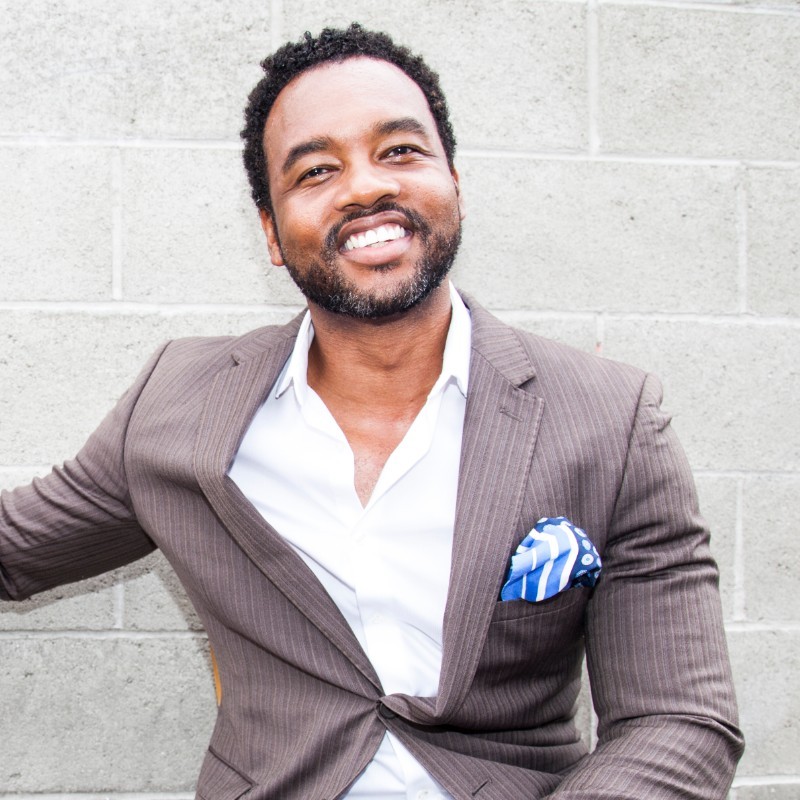
Profile picture for user James Nicholas Kinney

Written by
James Nicholas Kinney
Global Chief People Officer

Employee group photos at media.monks events

Fresh off the press, I am exhilarated and honored to share some incredible news: Media.Monks has entered Newsweek’s Top 100 Global Most Loved Workplaces for the first time. In partnership with benchmark research company Best Practice Institute, Newsweek has carefully crafted this list of companies whose people truly feel appreciated, valued and cared for.

“The companies on this list stand out to their employees. They have open-door policies where employees feel heard, offer flexibility that supports work/life balance, and provide opportunities for professional development, promotion and recognition—to name a few,” to use the words of Nancy Cooper, Newsweek’s Global Editor in Chief. 

This recognition goes to show that our mantra—empathy, transparency and diversity—has paid off, and there’s no doubt that these goals will continue to guide the efforts of our global and local leadership in providing a space for all our people to thrive and feel pride in their work. It’s safe to say that this is one of the greatest moments in my time at Media.Monks, especially as this past year hasn’t been an easy one. 

We’re here to help our people overcome obstacles. 

From a people perspective, our organization—and many others with us—has been met with various unexpected and very difficult social challenges these last couple of years. While strict lockdowns as a result of the pandemic kept several of our teams in Asia-Pacific homebound, our people in Ukraine were suddenly forced to flee or take shelter due to the ongoing war. At the start of this year, we were also deeply saddened by the disastrous impact of the earthquake in Turkey and Syria. More than anything, these tragic and unforeseen events have made it abundantly clear that taking care of our people, which means making sure they are safe, satisfied and happy, should and always will be our top priority. 

Meeting our people’s needs and caring for them is not something that can be done in a couple weeks—it must happen in the present. That’s why we practice what we preach every single day, and if I may speak on behalf of our global People team, we are very proud and honored that our efforts to establish a clear vision and direction for the health, wellbeing and happiness of our people hasn’t gone unnoticed. Now, let’s take a closer look at what exactly we do to support our talent. 

Paving the path for our people to thrive. 

Beyond providing the basics such as health insurance, caregiver leave and paid vacation days, I believe that building a workplace where our 8,700+ people worldwide feel at home is about culture, belonging and representation, and making sure this is in line with everyone’s unique needs. 

Before we dive into this, it’s important to highlight that as an organization with presence in every part of the world, we always have to make sure our efforts and initiatives account for the many jurisdictional, regulatory, cultural and demographic differences that constitute our global footprint—what may be a mandatory diversity policy in one country, might be legally prohibited in another. That’s why we not only prioritize data-driven analysis of Diversity, Equity, and Inclusion challenges to support more localized approaches, but we also encourage and facilitate employee-led community groups and initiatives in all our offices. 

In establishing a company culture where everyone can flourish, our initiatives are aimed at fostering an environment of DE&I and belonging. From supporting women in tech to taking action to realize diversity, these initiatives include community groups—think of our Melanin.Monks, Pride.Monks or AAPI Community Group—cultural and heritage-based events and celebrations, and local coalitions to support near and dear creators and businesses. 

Besides fostering a safe and inspiring environment, most of the above initiatives facilitate peer-to-peer learning, which is just as important in building a solid company culture. And if we encourage our talent to educate themselves and others, then we should also provide space and opportunities for growth. That’s why we have initiated a range of educational programs, including our Women Leadership Program and the S4Capital Fellowship. Furthermore, next to offering bespoke online training on various topics, from foundational DE&I principles to managing a team with empathy, we’ve recently launched our first-ever global professional development program: Accelerate.Monks. Featuring internal subject matter experts, this initiative is all about upskilling and knowledge sharing between our talented colleagues. 

The golden thread in all of this is our insatiable curiosity, creative spirit and can-do mentality. To better understand the experience of our talent, the People team has deployed net promoter scores and found that many of us have dreams way beyond our daily work and want more purpose-driven jobs. These insights have ultimately shaped our operating model of creative-first and “break it and make it.” I believe that creativity breeds creativity, and long-lasting culture is all about constantly reinventing yourself in art, culture and business—that’s why we give our talent the tools they need to always rise to the moment. 

Another accolade closer to our mission.   

Despite our size and relative infancy in this industry, our mission is to become an industry force, and raising extraordinary talent is essential to this. That’s why I’m so thrilled that Media.Monks has received this honor, as it’s testament to our efforts and proof that we’re on the right track. As a top 10 Cannes Creative Company of the Year, Webby Production Company of the Year, and the owner of the most FWAs ever, I believe there’s no doubt about our creative chops. But as the Global Chief People Officer, entering Newsweek’s Top 100 Global Most Loved Workplaces just hits different, because this tells me that our talent not only creates outstanding work, but they feel appreciated, valued and cared for in doing so—and right now, that’s all that matters.
Fresh off the press, Media.Monks has entered Newsweek’s Top 100 Global Most Loved Workplaces for the first time. diverse workplace culture DEI diversity and inclusion diverse talent Monks news

Unlock Innovation with Gender-Informed Design

Unlock Innovation with Gender-Informed Design

4 min read
Profile picture for user Gauri Kaushik

Written by
Gauri Kaushik
Creative Strategy Intern

Unlock Innovation with Gender-Informed Design

Who defines what’s innovative? Design processes have historically been blinded by biases of gender, ability, ethnicity, and so on—but these biases have an undeniable and sweeping impact in holding innovation and technological progress back.

Today women drive 70-80% of all consumer purchasing decisions, yet 90% of all products and services are designed by men, for men. For instance, the vast majority of medical research is based on studies of men and car crash dummies are largely designed based on the male anatomy. This systematically builds a world that ignores half the population and impacts critical aspects of everyday life for our people.

This gender bias holds true not just in designing for innovation, but also in the stories we tell about innovation, where women as well as a diverse array of identities have been underrepresented or entirely kept out. Rushali Paratey, a Creative Technologist at MediaMonks, puts it succinctly: “The perspective and experiences of all kinds of people is crucial to innovation and design as they reflect the totality of the human experience.”

Embracing Diversity in Storytelling

We believe in narrowing and closing these gaps in gender and diversity—we are not only putting women in positions to impact and drive effective innovation in our industry; we’ve also worked to build inclusivity beyond the standard roster to tip the scales when it comes to how women are represented in the narratives we propagate about innovation. If you want to see this in action, just look at this year’s Super Bowl. Among more than 60 commercials, we showed up with one of only three female-directed spots. It’s a staggering (but not surprising) ratio—and is emblematic of the need for more women’s voices.

Monk Thoughts The perspective and experiences of all kinds of people is crucial to innovation and design as they reflect the totality of the human experience.

Realizing this, Beryl Chung, a Creative Director based in Amsterdam, drives WoMMen in Tech, a platform that publishes a publicly accessible video and podcast series to make the expertise, drivers and ambitions of women in the predominantly male digital media industry more visible and available to all. And as Beryl exemplifies with this initiative, there’s an incredible amount of conversations necessary at all levels in our industry, and the world in general, about the incredible amounts of intersectionalities that exist

Designing for Everyone

Both history and the present abound with examples of products and services designed with a biased lens that are poorly suited for diverse audiences. While no one today thinks twice about the need for accessibility options in physical public spaces, accessibility is more often than not an afterthought in digital—despite growing laws and regulations in digital accessibility. Yet without including diverse voices in the design process, it’s easy to delay much-needed innovation and problem-solving. 

It starts with systematically understanding, considering and applying forethought. As Anna Herr, a Creative Tech intern at MediaMonks, says, “It’s about getting women into tech in the first place. From a young age, women are looked down upon or are discouraged from exploring tech-related fields. We need to give girls access to tech-related courses, unbiased support and visible female role models for a career in tech.”

When we create ways to personalize communication and to connect with audiences that are more diverse and inclusive, we enable a larger part of the population to share their voices, transforming the experience for everyone—especially in industries that are plagued with biases. Nora Henriksson, Managing Director of MediaMonks Stockholm, applies this mindset when bridging the gap between modern marketing and sports—including projects focused on growing women’s sports.

“This is an area where there’s so much untapped potential, but it’s also about building a better foundation for young girls to continue playing when they become teenagers, for them to be able to dream about being professional athletes,” she says. “By communicating around women’s sports in an interesting way in digital channels, the community can also break free from being measured only by broadcast numbers and stadium visitors. There are new ways to connect with the fans and by that create growth. Sports has so many interesting stories and it ought to be an inclusive experience.”

Diversity is a key component to the work we do. And it starts with creating teams with different perspectives capable of reaching diverse audiences. Meike Overdijk, who recently joined us as a Creative Tech intern, reiterates the importance of diverse teams as “having the ability to perform better because the number of different backgrounds (and therefore opinions) bring more diverse solutions and promote critical thinking. I think that making sure a team has diverse members should be the standard since this leads to better results in the end.”

To support this, it is vital to establish leadership that nurtures a culture of diverse viewpoints—and ensures team members feel comfortable and supported in sharing those perspectives with their peers and colleagues. A formal initiative we kicked off this month is our Women in Leadership program, offering mentorship opportunities to both established and up-and-coming women leaders across S4. 

We steadfastly believe that diversity is one of the keys to unlocking innovation and that better-informed and less-biased innovation and storytelling doesn’t need reinventing the wheel. Writing these intersectionalities back into the process of designing and innovating for the world, and the stories we tell about innovation shifts the ground we stand on as a new way emerges.

True innovation and design relies on diverse and inclusive teams. Unlock Innovation with Gender-Informed Design Who defines what’s innovative—and who are they designing for?
DEI diversity inclusive design inclusive marketing innovation

Paying it Forward: Insights from Our First DE&I Week

Paying it Forward: Insights from Our First DE&I Week

6 min read
Profile picture for user mediamonks

Written by
Monks

Paying it Forward: Insights from Our First DE&I Week

Diversity, equity and inclusion are important to any organization—and as we unify our teams across disciplines, backgrounds and skillsets, it’s become an important connector between our people, all around the world.

“As a business, we aim to represent the communities we live in and encourage a diverse approach in everything we do,” says Sir Martin Sorrell, Founder and Executive Chairman of S4Capital. This ambition has translated into a number of bold initiatives throughout the organization, including our recently launched Fellowship, which aims to address the imbalance in employment for underrepresented groups in the creative and tech industry.

But the work is never done: cultivating a more diverse and inclusive workforce remains a goal we strive toward to more accurately reflect the communities in which we work. While organization-wide initiatives play a large role in reaching that ambition, individuals and local teams also feel empowered to start initiatives of their own. “Our people care deeply about diversity and inclusion,” says Imma Trillo, Senior Vice President of Global HR/Talent at S4Capital, “and we’re seeing more and more initiatives being developed at the local level in many of our offices.” That’s why our Wellbeing team in London decided to launch DE&I week, a weeklong virtual event focused on diversity, equity and inclusion inspired by similar wellness-focused events, including Mental Health Week.

A Bottom-Up Approach

What began as a local initiative—a small group of colleagues meeting to determine what was important to talk about in the current climate of our pandemic and increasingly polarized world—grew into a company-wide initiative in which people around the globe engaged with difficult workplace subjects: What are microaggressions? What biases are we inadvertently imposing on others? How do we address people of different cultures, backgrounds, and gender identities respectfully? When should you call out someone, and how?

“What I really like is that it came from the bottom up,” says Martin Verdult, Managing Director of the London office. “People said, ‘This is something we want to talk about and take action on.’” And while these topics are anything but trivial, Verdult likens them to serendipitous conversations that have been hard to replicate without a physical office. “I really value that in this time of COVID that we take an hour of day to think about something that isn’t about the budget or deliverable—something people normally talk about over coffee,” he says. “We created this to drive topics we don’t always talk about.”

Monk Thoughts We’re seeing more and more initiatives being developed at the local level in many of our offices.

This drives home an important lesson for leaders: employees want to have these conversations, and you shouldn’t shy away from not having it all figured out. “It’s okay not to have everything solved internally,” says Liam Osbourne, Client Partner, Fashion & Luxury and DE&I lead in London. “Lean into external experts who can help.” Below, we offer a few of the insights experts have shared with our team throughout the week’s programming.

Creating a More Inclusive Workplace

To move toward a more diverse and inclusive workplace, employers must attract more diverse candidates—and if they’re not, it’s very likely their recruiting process is flawed, says Jane Hatton, founder and CEO of UK-based Evenbreak, a job board that connects disabled candidates with inclusive employers. “Talent doesn’t discriminate,” Jane says, “Recruiting with an eye toward diversity means removing the inadvertent biases and barriers in your process so that you’re reaching out and inviting all talent to come through.”

This point hit home for Osbourne. “One of my personal passions was changing the recruitment process,” Liam says. “How do we assess capabilities when we look at a CV based on past opportunities, not future potential? We need to find different ways of vetting candidates and support them in ways tailored to their needs.” One way to do that is to stop relying on CVs as a means of shortlisting candidates. Instead, Hatton suggests isolating three or four key strengths a job requires and highlighting them in the job ad. Ask them to answer a handful of questions or execute work-related tasks to showcase their skills and use that information to shortlist candidates. Removing personal information from the first step in the process—gender, age, schooling, and even past experience—levels the playing field for all applicants.

Get Comfortable with Uncomfortable Conversations

But hiring with an eye toward inclusiveness is just the first step in creating a more diverse and inclusive workplace. Nichole McGill-Higgins, Founder and CEO of management consultancy Changez Life posits that everyone in an organization is responsible for driving the diversity and inclusion agenda. And that means finding ways of not only changing the way we treat each other but openly talking with each other about race and racism—something that can be difficult between people from different cultures.

Monk Thoughts We need to find different ways of vetting candidates and support them in ways tailored to their needs.

It’s important to understand that no matter how well-intentioned we are as individuals, it’s human nature to have biases. And when left unchecked, biases in the workplace can manifest as microaggressions—statements or actions that are indirect, subtle or unintentional instances of discrimination against members of a marginalized group. Awareness of our own biases, defensiveness, and potential microaggressions is essential to being able to openly communicate with each other, especially about race.

Understanding Social Impacts

Just as with everything else, COVID and other disruptors of the past year—the US election, Brexit, increased awareness of racism and activist movements that have come out of it—have accelerated the need for more diversity and inclusion. “This is a journey we need to continue all the time,” says Verdult. “These events have accelerated the need and increased the urgency for those changes.”

In times of crisis, true colors show. As an organization, your response to a crisis has to come from a place of authenticity not in response to social pressure. When the murder of George Floyd put increased pressure on companies to speak up and change the way they were handling diversity, many companies made missteps because they weren’t coming from a place of authenticity. But when a brand goes beyond purpose and truly embraces its role—transforming the business from the inside out—it can make a true impact.

Combating Bias in Advertising

Marketers should understand well the influence that creativity has on our audience. For this reason, it’s critical that we’re each equipped to identify and combat our own personal biases. “Having bias is not necessarily a bad thing, it’s just human behavior,” says McGill-Higgins. “It’s just that we need to become more conscious about it,” and take the steps to combat them.

Monk Thoughts Speak to people from various communities to learn about them, or involve them in your work from the beginning.

Rich Miles, CEO of The Diversity and Standard Collective, agrees and suggests that when approaching client work, creatives focus on intentionally injecting diversity into the work. “If you’re creating an idea that doesn’t have any descriptors you may be inadvertently inviting bias in, because—given human nature—bias will always be applied,” Miles says. Instead, he recommends that at the very early stages of an idea you incorporate diverse descriptors for characters or settings so that diversity is baked into a project from the start. “We’re all very worried about getting it wrong,” he says, “So if you’re stuck, speak to people from various communities to learn about them, or involve them in your work from the beginning.”

So whether you’re looking to communicate more openly and effectively with co-workers or create more diverse and inclusive work, starting the conversation and creating a roadmap is key. When it comes to the workplace, several potential conversation starters for talking about race can center around whether individuals have experienced discrimination, whether the organization is doing enough to build an inclusive culture, and what can be done to further Black and POC inclusion in the workplace. Through this process, teams can catch harmful biases before perpetuating them through the creative and products they put out into the world.

That’s what the Wellbeing team in London did, and to great success. Feedback has already rolled in suggesting topics for the next DE&I Week, reaffirming that the work is never done—and that people are eager to carry the conversation.

A special thanks to the Wellbeing team in London for organizing the event and unearthing the above insights: Nafeesa Yousuf, Charlotte Igharo, Maxine Penney, Maithili Jalihal, Brendan O’Conner, Matthew Brett, Liam Osbourne and Nimo Awil.

We share insights and impressions from our first DE&I week, touching on topics like biases and building a more inclusive workplace. Paying it Forward: Insights from Our First DE&I Week An inaugural step in the continual process of building a more equitable workplace.
Diversity DEI DE&I inclusion erg’s employee resource group

Choose your language

Choose your language

The website has been translated to English with the help of Humans and AI

Dismiss