Choose your language

Choose your language

The website has been translated to English with the help of Humans and AI

Dismiss

Hispanic Heritage / Our Heritage

Hispanic Heritage / Our Heritage
DE&I DE&I, Monks news 7 min read
Profile picture for user mediamonks

Written by
Monks

Media.Monks employees

From September into October, we honor Hispanic Heritage Month by amplifying the awareness and achievements of Hispanic Americans on our team: their contributions to communities, to society and to our internal culture. Celebrated in the United States, Hispanic Heritage Month celebrates all whose ancestry comes from Spain, Mexico, the Caribbean and Central and South America. Throughout the month—a 30-day period from September 15 to October 15—we’ll highlight our Hispanic community and their impact.

Originally, Hispanic Heritage Week was signed into law by President Lyndon Johnson—established by legislation sponsored by Representative Edward R. Roybal—to recognize the influence of Hispanic Americans on the history and culture of the United States. Twenty years later, Representative Esteban Edward Torres sponsored legislation to expand that week into a month, a law that President Ronald Reagan signed in 1988.

Hispanic identity is a broad spectrum, and the timing of Hispanic Heritage Month coincides with a series of significant events, milestones and achievements across the community. September 15 is the anniversary of the Cry of Dolores, when Roman Catholic priest Miguel Hidalgo y Costilla issued a call-to-arms that triggered the Mexican War of Independence. This war ended with the independence of not only modern-day Mexico, but also Guatemala, El Salvador, Costa Rica, Honduras and Nicaragua. Mexico celebrates its independence on September 16; Chile celebrates theirs September 18. Finally, Indigenous People’s Day, which honors the Indigenous populations of the Americas, falls under Hispanic Heritage Month in October.

While Hispanic Heritage Month offers a moment to reflect and celebrate the diversity of our community, we’ve built our culture around people-centric values designed to promote a sense of belonging and empower our people each day. Part of fostering an environment of inclusion means encouraging people to raise their voices. To that end, we support the creation of community groups like the Cultura.Monks, some of whom you’ll meet below. In recognition of Hispanic Heritage Month, they have come together to reflect on and celebrate the history of their communities.

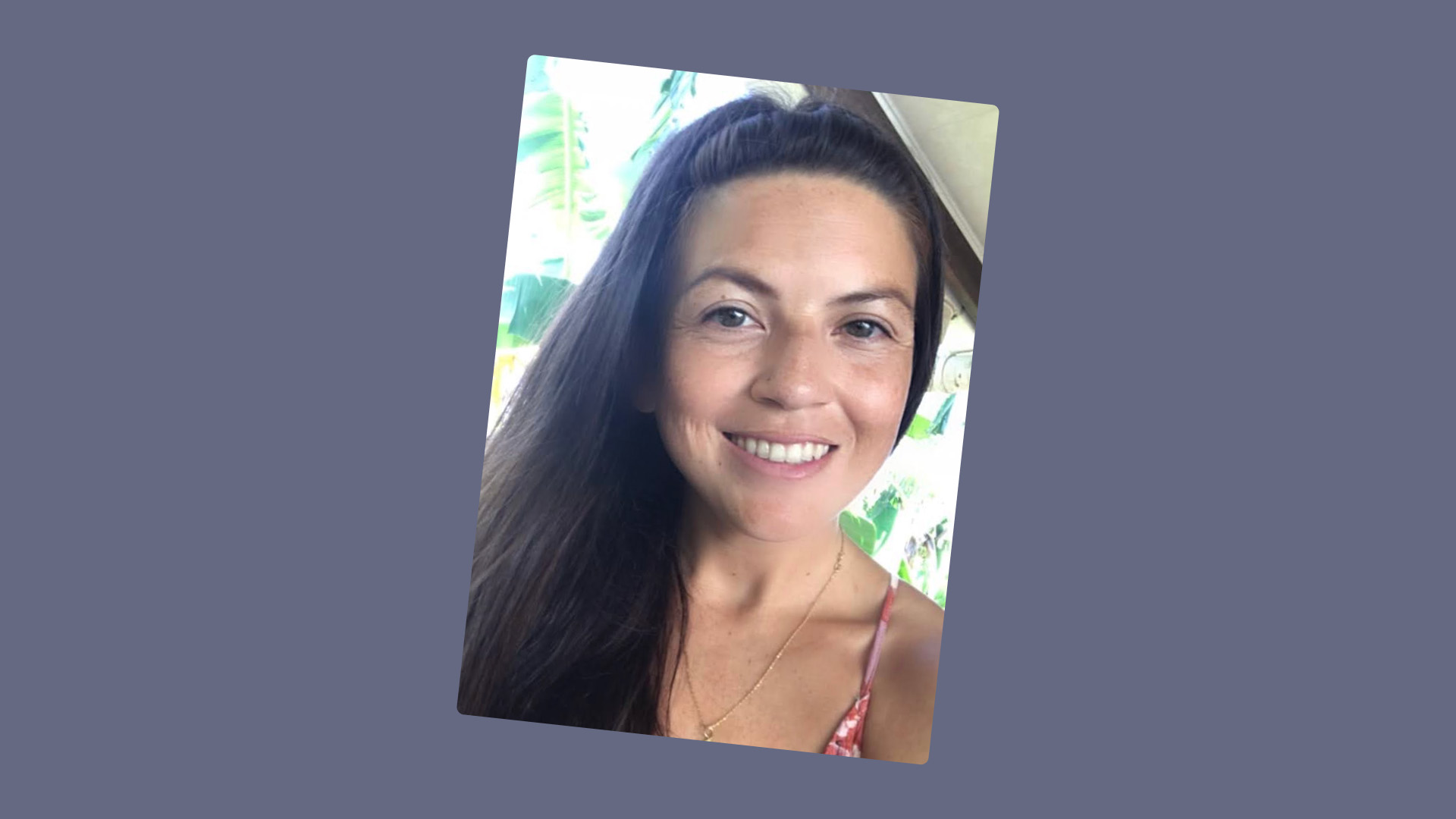
Nicole Collado

Nicole Collado

Where are you located? 

Charlotte, North Carolina

How long have you been with Media.Monks?

Four months - I'm a newbie!

Tell us more about your role.

Embedded at Google, I support marketing efforts for Grow with Google through media planning and strategy. I work collaboratively to create advanced and holistic media plans to drive great brand/product awareness, content discoverability, viewership and ultimately conversion, resulting in a delightful user experience.

What does Hispanic Heritage Month mean to you?

Hispanic Heritage Month is a time of extreme pride in my roots. This month represents and celebrates the resilience of all the people who sacrificed so much to leave their homes and chase a dream or a better life in this country. It means a celebration of merged races & cultures, resulting in so many beautiful people. It's a celebration of our roots, our homelands, our delicious food, our contagious music and everything else in between. The fact that Hispanic Heritage Month even exists is an honor. I am honored that my home country celebrates the contributions and impact of my fellow Latinos. 

What is a moment in history that has influenced your life or career, or that resonates with you?

As a Latina and first-generation American, the Obama election in 2008 will resonate with me forever. I was still a teenager at the time. Regardless of any political beliefs, seeing him win gave me hope. It inspired me to push boundaries and go further than the norm. He didn't only impact my life, but also inspired me in the professional realm. There have been MANY times throughout my career where I've been the only minority in the room.  It encouraged me to embrace all our cultural differences, because that's when we as a nation have the most positive impact. His impact on me was that through good, honest, hard work, you can essentially defeat all odds. It encouraged me that America was embracing change—in a good way. I wrote him a letter a couple of years ago detailing how he impacted me and my community—and I actually got a response back. His impact will resonate forever with me. 

Is there a Latinx or Latine leader, past or present, who inspires you?

Minerva Mirabal's life work was very inspiring to me. She was a political activist and one of the pioneers in the resistance movement against a corrupt dictator in the Dominican Republic in the 1950s. The UN observes International Day for the Elimination of Violence against Women on the 25th of November. The date marks the brutal assassination in 1960 of Minerva Mirabal, alongside her two sisters. There've been lots of great books and movies written about her—check out Julia Alvarez's (shout-out to her as well) "In the Time of the Butterflies." She's inspired me because of her courage and her tenacity: she dared to be brave in a man's world and actually made a difference. She was a mother and a family woman but still fought for her future and her country's. I think her story is super inspirational.
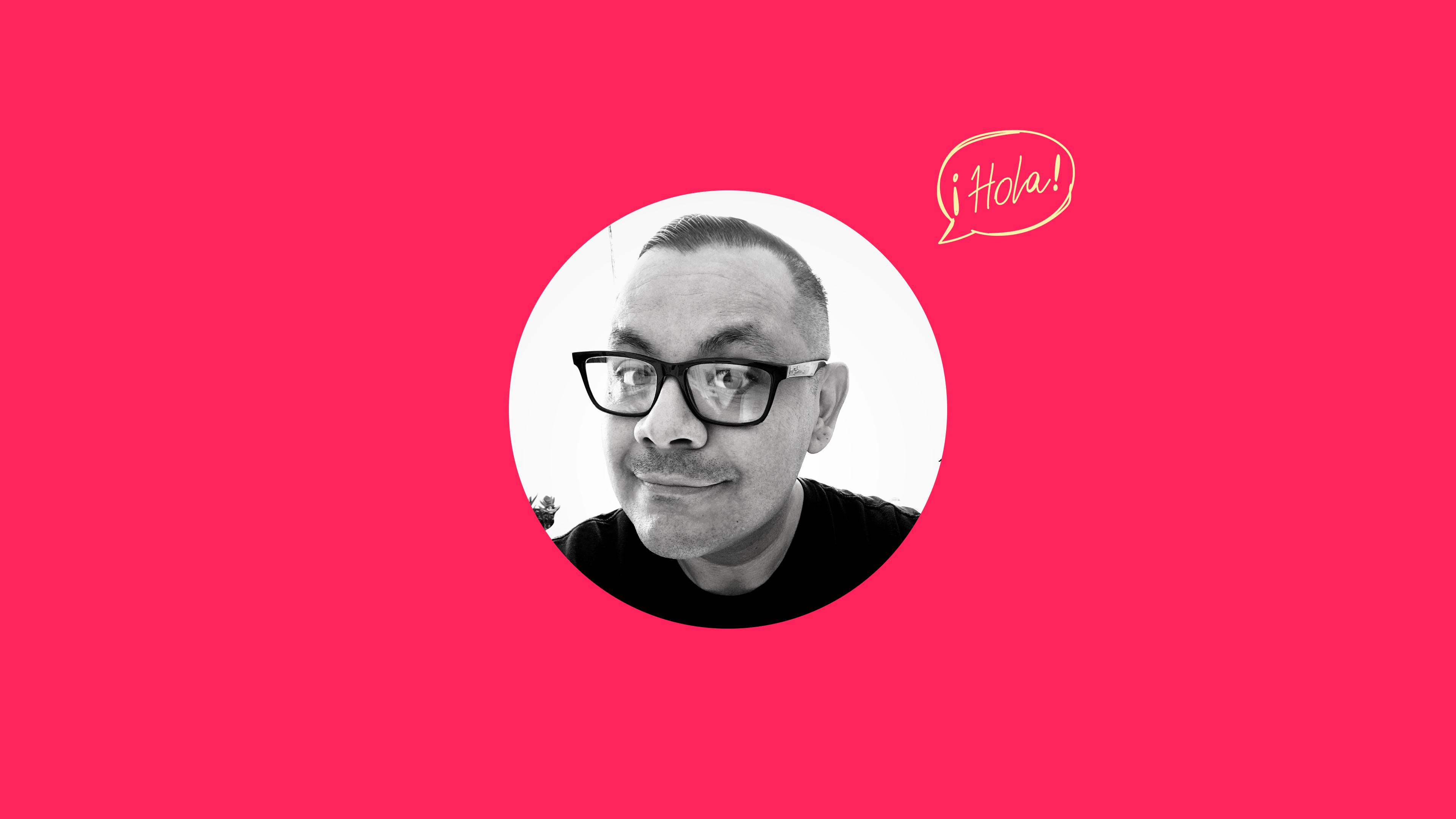
Antonia Adame headshot

Noe Antonio Adame

Where are you located?

Born, raised and currently reside in the San Fernando Valley, a suburb of Los Angeles.

How long have you been with Media.Monks (If you came from a merged company feel free to include your time there as well)?

I just completed my first incredible year at the company!

Tell us more about your role.

My official title is Retoucher/Designer. Every day is a new challenge (which I love), and the position gives me the opportunity to learn new methods and keep advancing my skills. 

What does Hispanic Heritage Month mean to you?

As a first-generation Mexican American, It gives me the opportunity to reconnect with my upbringing and be able to share in my culture and history with my kids.

What is a moment in history that has influenced your life or career, or that resonates with you?

I would have to say it would be discovering punk rock music. It not only taught me to question everything and be open-minded, but also the idea that I can do things myself. There are no set of rules in life that you have to follow, and discovering what you can accomplish on your own or with a group of like-minded individuals really inspires me to try new things.

Is there a Latinx or Latine leader, past or present, who inspires you?

I have no single person that I can list, but my main inspirations are of course, my family and all the hard work they put in for my brothers and me to have a better life. I'm also inspired by those around me who are accomplishing big things and knocking out some goals. I'm a huge believer in supporting each other and being there for those that believe in you!
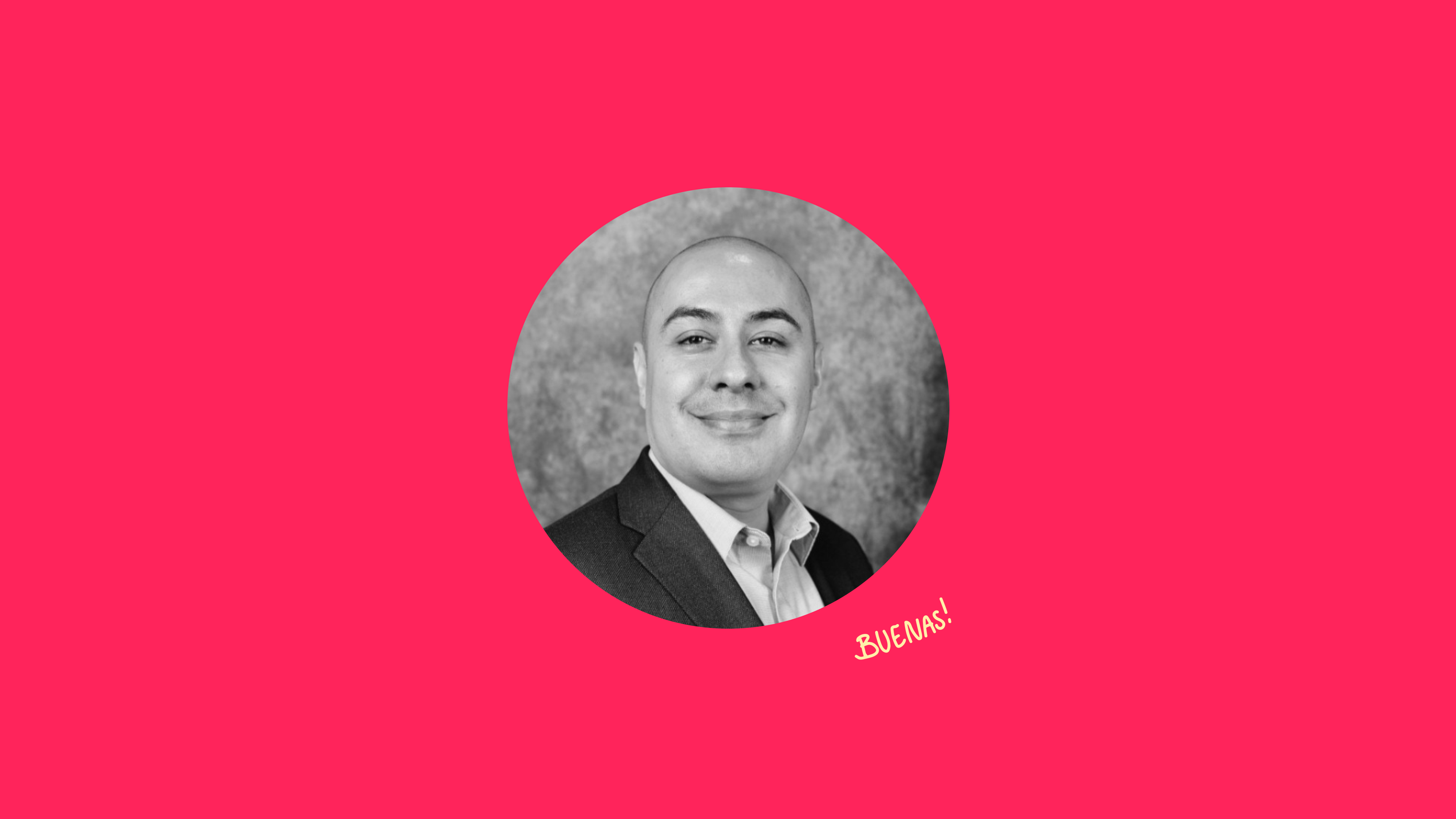
Henry Cardenas headshot

Henry Cardenas

Where are you located?

Santa Clara, CA (Bay Area)

How long have you been with Media.Monks (If you came from a merged company feel free to include your time there as well)? 

I’ve been at Media.Monks (formerly Firewood Marketing) for eight and a half years and counting!

Tell us more about your role.

After spending over seven years supporting embedded digital media programs for Google, I transitioned to the “Buy Team” to co-lead the Google media team on the agency side (non-embedded team). I help support a group of talented media planners, media buyers, operation leads, and analysts to identify, develop, and execute the right media program across a myriad of Google product teams.

What does Hispanic Heritage Month mean to you?

Personally, Hispanic Heritage Month means awareness to our roots—an opportunity to reflect and commemorate milestones and accomplishments of Hispanic Americans over the course of our history. Also, it’s very important to assess where we stand today and ask ourselves, “Who are our biggest influencers through politics, education, leadership?” And how can we continue our journey to mark an impact for Hispanic Americans and all minorities?


What is a moment in history that has influenced your life or career, or that resonates with you?

For anyone, I feel the impact of being a parent deeply shapes your life. For all that have worked with me, you know about Katheryn!  But career-wise, learning of my passion towards marketing was the pivotal point in my career. I started my tech career in sales, but shortly after I changed my focus towards marketing for its flexibility to not only “sell” but influence brands, decisions, and our everyday lives. 


Is there a Latinx or Latine leader, past or present, who inspires you?

Sylvia Mendez and her family, for helping set the stage for Brown vs. Board of Education in 1954. Civil rights activists Cesar Chavez and Dolores Huerta for their contributions to the farmworkers’ movement, immigration reform and various other legislative action campaigns. In sports, Jim Plunkett, the first Latino to win the Heisman Trophy in 1970, and Tom Flores, the first Latino starting quarterback in professional football, who later became the first Latino head coach in professional football. I admire them all for their great courage and tenacity to change minds and perspectives, and for setting course for future generations.
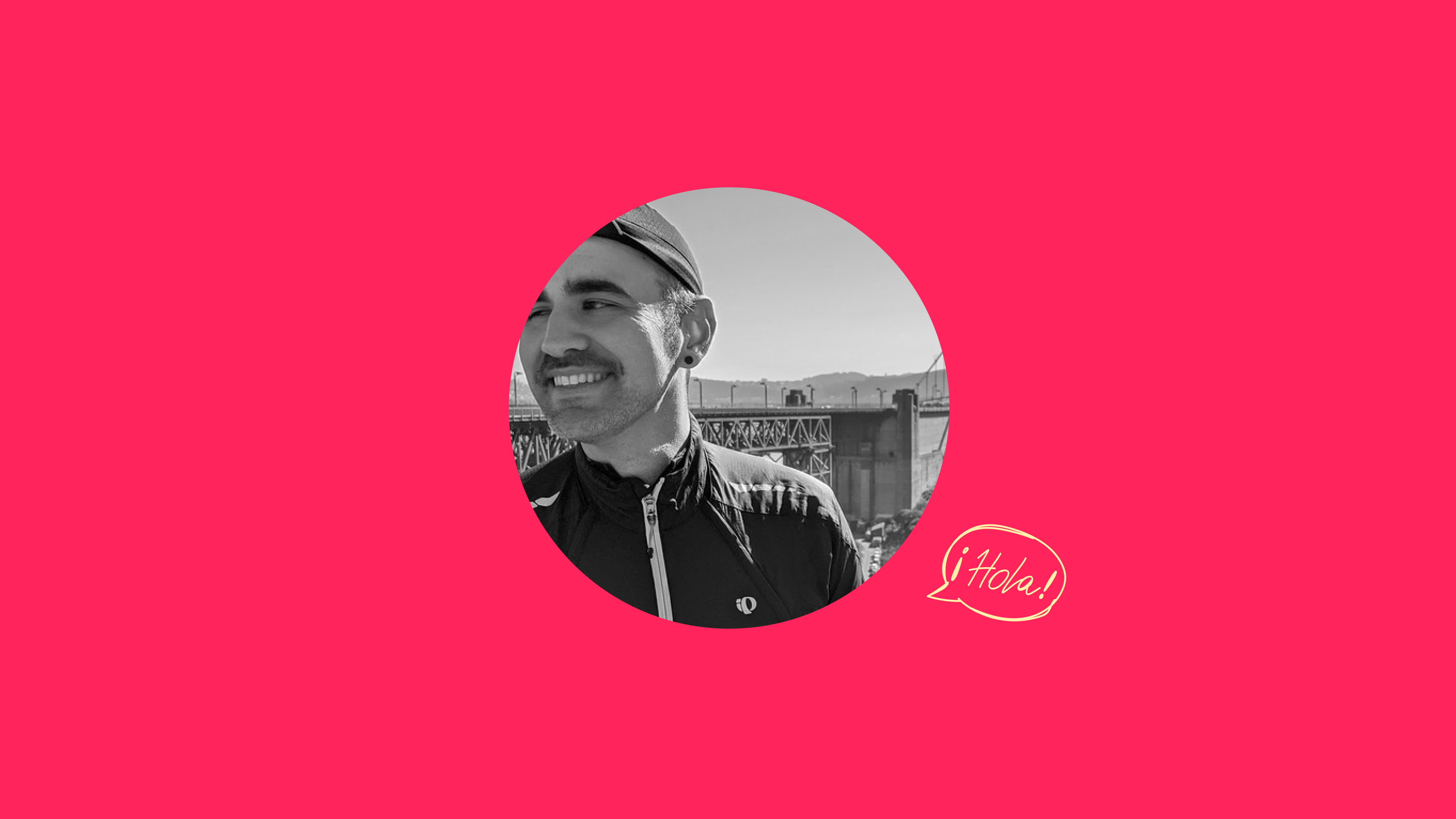
Dave McMahon headshot

Dave McMahon

Where are you located? 

San Francisco

How long have you been with Media.Monks (If you came from a merged company feel free to include your time there as well)? 

Over two and a half years now, originally from Firewood.

Tell us more about your role. 

I'm the Associate Director for P&E Developer on the Google Media Team. I work across 15 or so product areas, aligning digital media strategy and process to ensure campaign success! I am also on the board for the Pride.Monks community group.

What does Hispanic Heritage Month mean to you? 

While I'm not a fan of Hispanic as a name for the community, I appreciate this moment as a way to honor and celebrate the contributions of my community in the context of American and world history. On a more personal note, it's really important to showcase the diversity within the community. Like Pride.Monks, Cultura.Monks is full of people from different countries, backgrounds and traditions. It's really great to see that spectrum represented, especially during this month.

What is a moment in history that has influenced your life or career, or that resonates with you?

Rita Moreno EGOT-ing is one thing that comes to mind for me. It's a great celebration of what Latinx excellence looks like in pop culture, and I don't think we give her enough flowers. On the flipside of that, Selena getting memorialized in her own film was a significant moment for the culture! Even people who aren't Latinx know who she is because of that movie. I think that release marked a moment for me when I really felt my culture was being represented in an authentic way.

Is there a Latinx or Latine leader, past or present, who inspires you? 

Aside from the above icons, I think Frida Kahlo is a great example of Latinx excellence. I do photography on the side, and I'm inspired by Frida's magic realism point of view that comes from a uniquely Mexican POV. Frida is also a gender fluid queer icon, so I really appreciate the intersectionality of their impact.

We honor Hispanic Heritage Month by amplifying the awareness and achievements of Hispanic Americans on our team: their contributions to communities, to society and to our internal culture. diverse culture workplace diversity cultural diversity DE&I Monks news DE&I

Asian American and Pacific Islander History / Our History

Asian American and Pacific Islander History / Our History

9 min read
Profile picture for user mediamonks

Written by
Monks

Media.Monks employees on a grey background in colorful squares

Every year in May, in recognition of Asian American and Pacific Islander Heritage Month, Media.Monks works to amplify awareness of the achievements and challenges of the AAPI community and their contributions to US history as well as today’s society. Throughout the month, we’ll spread the love by highlighting our AAPI community group and amazing employee base in their work towards celebrating the unique history and incredible impact of the Asian American and Pacific Islander community.

President Jimmy Carter designated May 4 to 10 as the official Asian/Pacific American Heritage Week on October 5, 1978. This moment in time signifies an important victory for Asian Americans and Pacific Islanders, the result of a long uphill battle during which both groups worked hard to prove their legitimacy to the national government. Following a pattern similar to the establishing of other heritage celebrations in the United States, it took more than a decade for Congress to pass a bill signed by President George H.W. Bush in May 1990, finally extending the week into a whole month. Years and many celebrations later, President Barack Obama officially changed the name to Asian American and Pacific Islander (AAPI) Heritage Month. 

The inauguration of May as the official Asian American and Pacific Islander Month was not a matter of chance, as it commemorates two crucial events in time. On May 7, 1843, the first Japanese migrants arrived in the United States, and on May 10, 1869, primarily Chinese laborers completed the construction of the transcontinental railroad on what is known as Golden Spike Day—literally and figuratively connecting East to West. 

At Media.Monks, we operate under people-centric values that empower our employees to build, innovate and work together as one team—where everyone belongs and everyone has a voice. We focus on fostering an environment where everyone feels at home by treating people in the way they want to be treated, encouraging colleagues to raise their voices, and working together to complement our differences and learn from one another. To that end, we support each and every person in creating community groups in recognition and honor of our unique identities and affinities. Ultimately, this helps create space for employees to share and celebrate both contrasting and common life experiences.

In recognition of Asian American and Pacific Islander Heritage Month, members of our DEI and Culture team and our AAPI Community Group have come together to reflect on and celebrate the history of these communities.


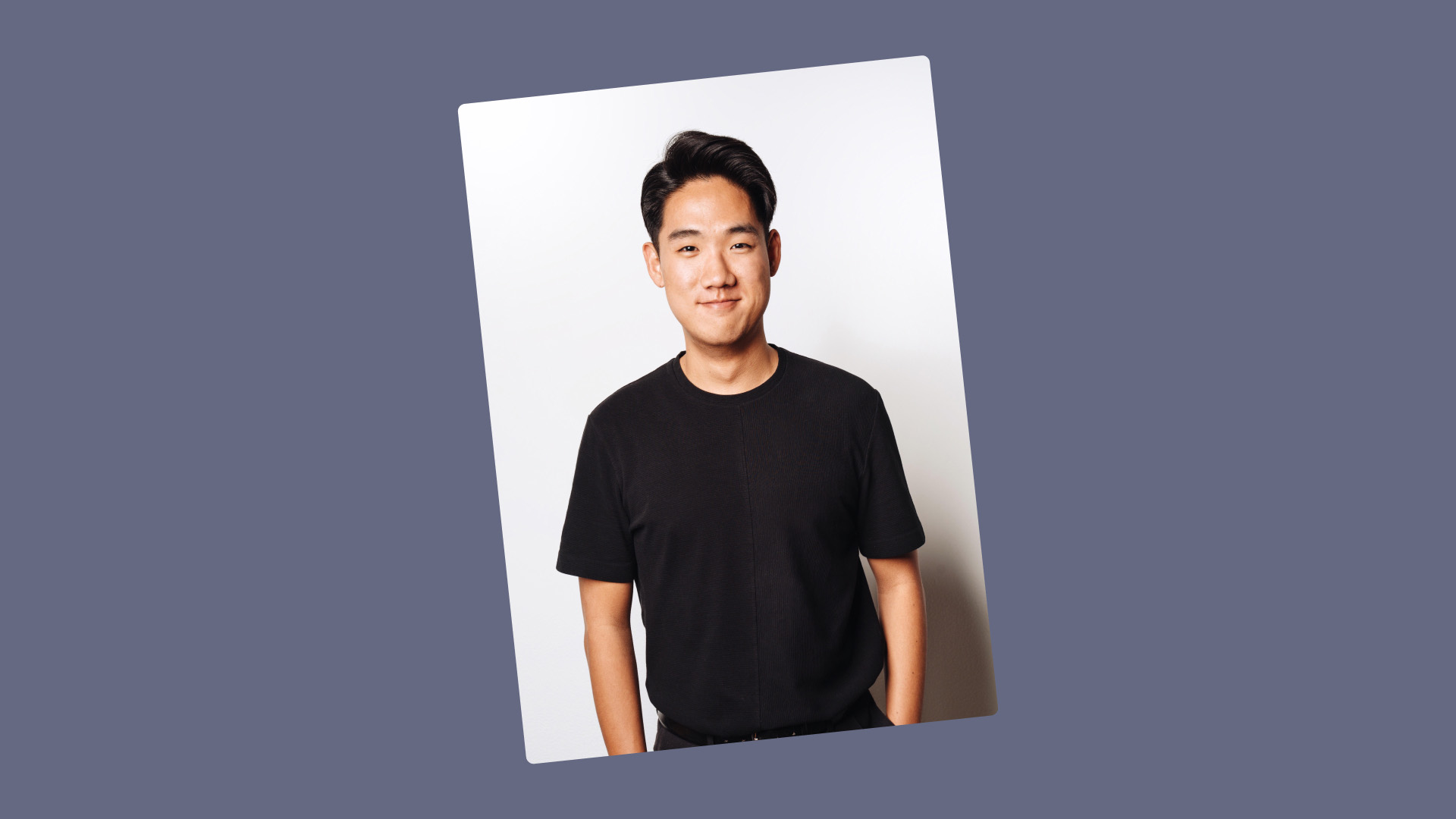
Andrew Weig headshot

Andrew Kondo Weigl

Chicago, Illinois

I’ve been with Media.Monks for: 3 months

My role: Associate Creative Director & Copywriter 

What AAPI History Month means to me: To me, it means a time to acknowledge the past and look to the future, while celebrating our collective accomplishments and honoring our losses. It’s an opportunity for self-reflection on how being Asian American has and continues to affect my life. 

A moment in AAPI history that has influenced or shaped me the most: Though it was before my time, the internment of Japanese Americans during WWII, including my American-born grandparents and aunt, has had a profound effect on my perception of the realities of the country that my family, friends, brothers, sisters, son and I in solidarity live in. The intimacy and connection I share with those who lived through it have made it an undeniable part of my own story. 

I am inspired by: Japanese American civil rights activist Yuri Kochiyama.

Monk Thoughts A time to acknowledge the past and look to the future. To celebrate our collective accomplishments and honor our losses. A chance for self-reflection on how being Asian American has and continues to affect my life.
Andrew Weig headshot
Nicholas Seo headshot

Nicholas Seo

New York City, New York

I’ve been with Media.Monks for: Almost 7 years

My role: Director, Go-to-Market for Commerce

What AAPI History Month means to me: Many things! Most importantly, it celebrates the diversity and richness across Asian and Pacific regions by honoring our past and reflecting on the present, which means casting a spotlight to remember and respect the heritage that has shaped our history and taking time to decipher what it means to be Asian in America today, and to shine a light on pressing issues that impact our future.

A moment in AAPI history that has influenced or shaped me the most: Again, many things, but in more recent memory, I would say the proliferation of Asian and Asian American representation in mass media and the growing acceptance of our stories as being "universal"—as having the shared condition of being human. This includes literature like "Minor Feelings" by Cathy Park Hong to cinema, like "Minari" by Lee Isaac Chung, and much more. The amplification of Asian American voices has inspired me to embrace my own AAPI identity, which I once shied away from.

I am inspired by: Grace Lee Boggs, a prominent Chinese American human rights activist, who was on the frontlines in the fight for social justice for minority communities, radicalizing what it meant to be an “American” in society.

Monk Thoughts AAPI History Month celebrates the diversity and richness across Asian and Pacific regions by honoring our past and reflecting on the present.
Nicholas Seo headshot
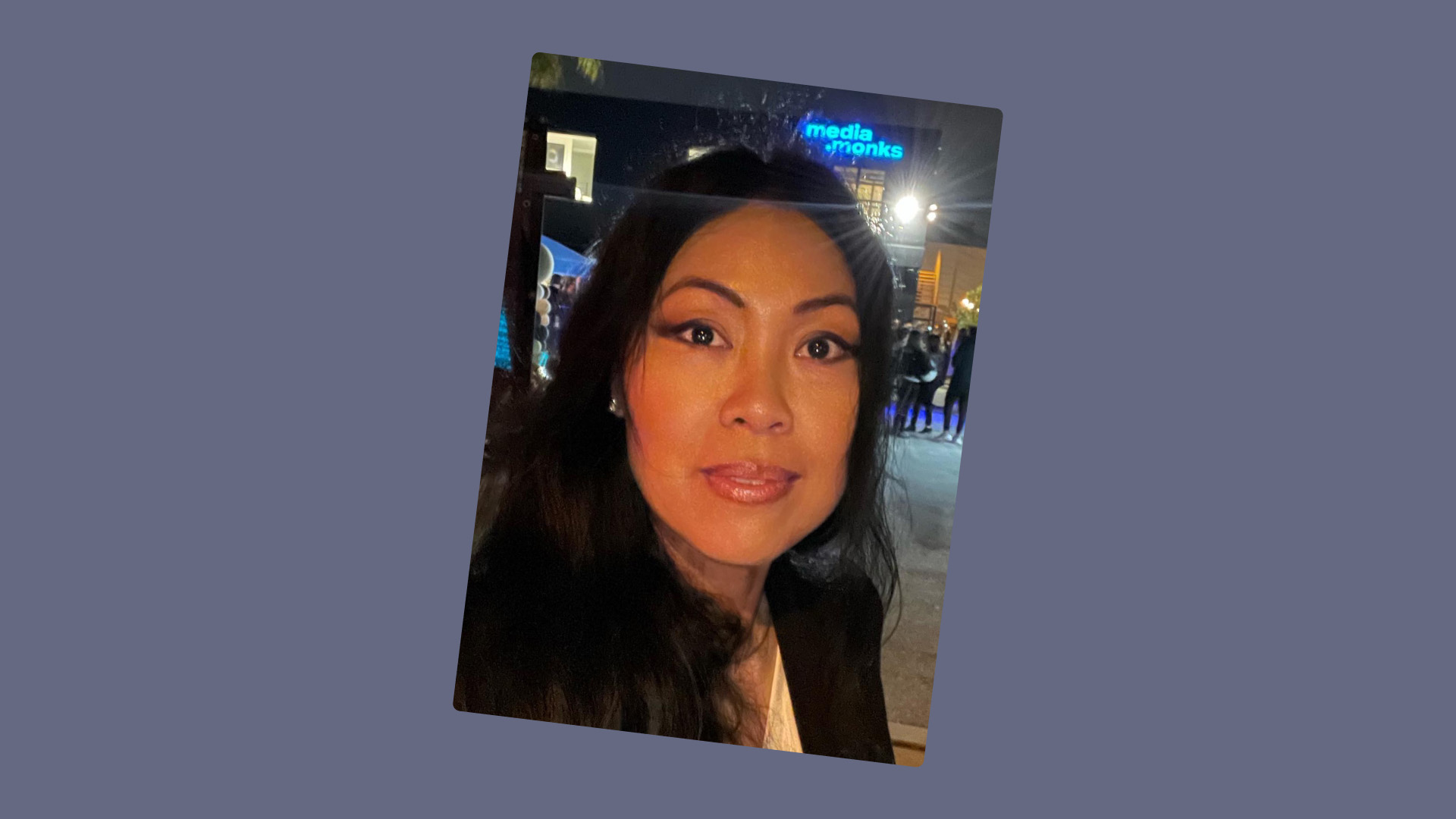
Deborah Kuzma headshot

Deborah Kuzma

Los Angeles, California 

I’ve been with Media.Monks for: 6 months

My role: Senior Art Director 

What AAPI History Month means to me: It gives me a chance to reflect upon my immigrant family's past and how it has shaped my personal life experiences.

A moment in AAPI history that has influenced or shaped me the most: The high-profile departure of Ann Curry from her post as co-host of NBC's TODAY in 2012 shaped my view of the continued need for conversation regarding the female Asian-American experience in the workplace.

I am inspired by: Kamala Harris, the Vice President of the United States of America.

Monk Thoughts It gives me a chance to reflect upon my immigrant family's past and how it has shaped my personal life experiences.
Deborah Kuzma headshot
Kervin Ray Morales headshot

Kervin Ray Morales 

New York City, New York

I’ve been with Media.Monks for: 2 years and 2 months

My role: Design Lead/Senior Art Director 

What AAPI History Month means to me: To me, AAPI history month is a month of proactive observance and acknowledgement. I’m proud of my Filipino heritage and it’s important to me to reflect and spotlight all the amazing creative work coming from the community. 

A moment in AAPI history that has influenced or shaped me the most: I don’t know if I would point to a specific moment in AAPI history, but seeing the recent increase in violence towards AAPI individuals has made me understand the importance of our visibility and community. 

I am inspired by: José Rizal has always been an inspiration to me. Outside of his political work, he also wrote beautiful poems and books about love, war and people.

Monk Thoughts AAPI history month is a month of proactive observance and acknowledgement for me. I’m proud of my Filipino heritage and it’s important to me to reflect and spotlight all the amazing creative work coming from the community.
Kervin Ray Morales headshot
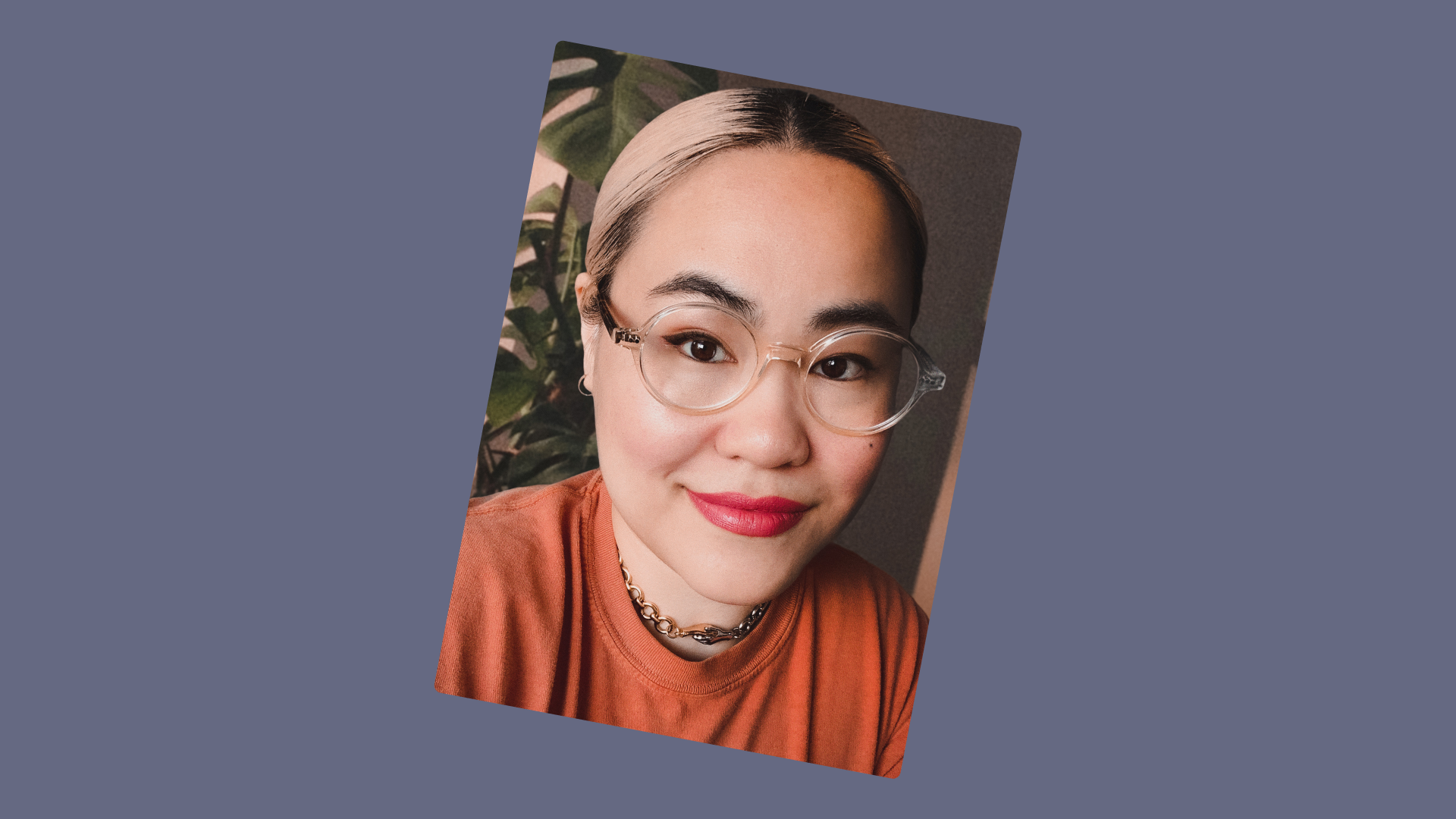
Tiffanie Jan Lee headshot

Tiffanie Jan Lee

New York City, New York

I’ve been with Media.Monks for: 9 months

My role: Associate Creative Director

What AAPI History Month means to me: This is a simple question, but the answer is complicated. AAPI Heritage Month seems like a relatively new concept, or at least the mainstream celebration of it. Growing up, this wasn't a thing, but it is for kids today, and that is so important. I rarely saw people who looked like me mirrored in textbooks, unless it was about wars or quite frankly, stereotypes and antiquities. But whenever my passions brought me to fellow AAPI people across music, art, culture, media and activism, it always gave me the courage to continue doing my thing. My hope is that young people won't have to work so hard to find their communities and to feel seen, heard and safe. While AAPI Heritage month is about awareness and education, it is also very much about making visible the beauty across our vast diaspora—with all of our myriad nuances.

A moment in AAPI history that has influenced or shaped me the most: There isn't one moment per se. However, both Taiwan and Hong Kong New Wave cinema, think of directors like Hou Hsiao Hsien and Wong Kar Wai, heavily influenced me in my younger years. I'm also really into contemporary AAPI photographers like Peter Ash Lee, Zorawar Waraich, Heather Sten, Justin Wee and Kee Dinesh.

I am inspired by: Doris Ho-Kane. She is an archivist and community activist who has tirelessly and single-handedly illuminated AAPI and API women's history around the world. The type of stories she has documented are truly stunning—all real history that's been invisibilized and marginalized from culture and curriculum. Superwoman status!

Monk Thoughts ... while AAPI Heritage month is about awareness and education, it is also very much about making visible the beauty across our vast diaspora—with all of our myriad nuances.
Tiffanie Jan Lee headshot
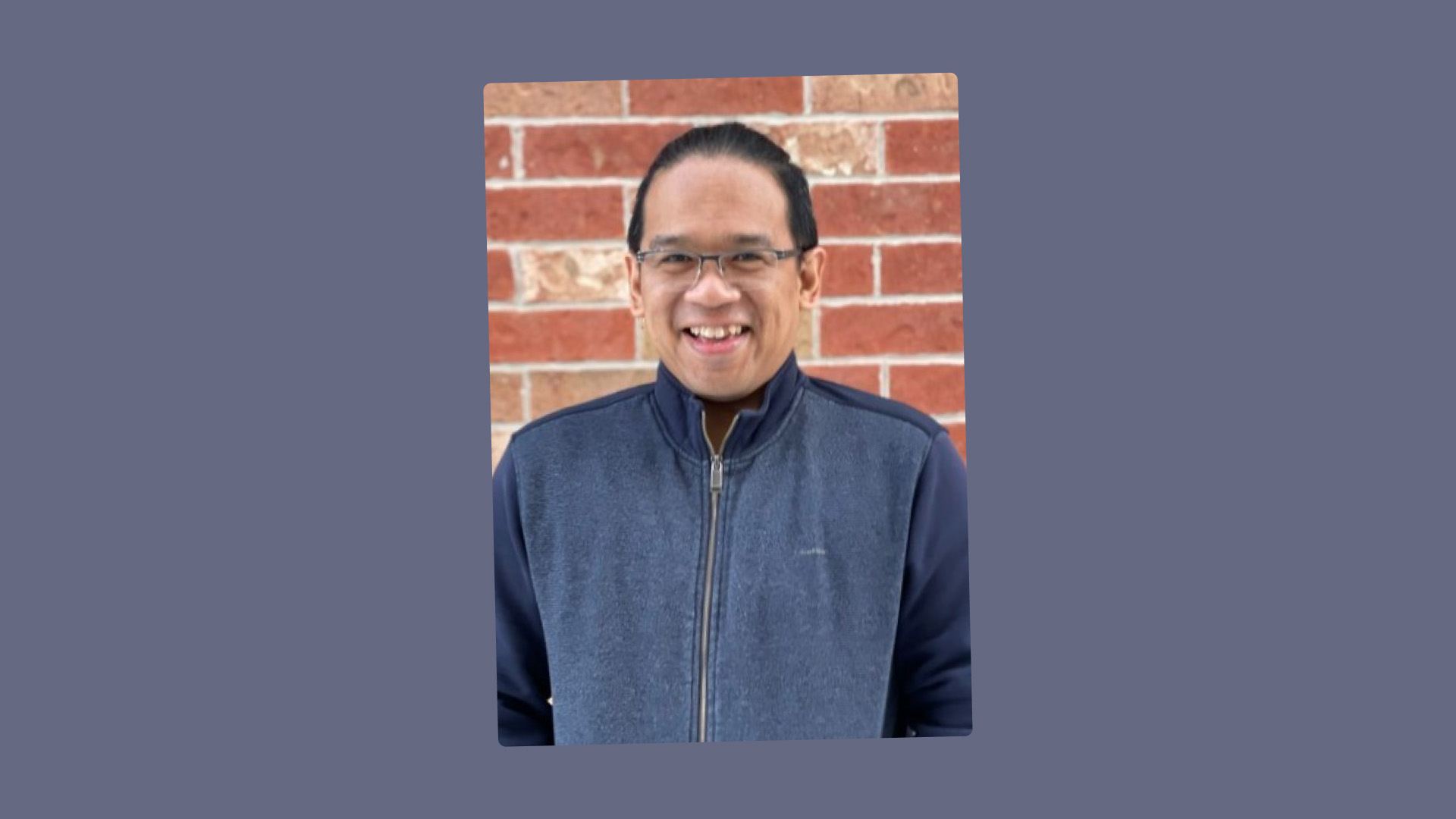
Jemm Cellan headshot

Jemm Cellan

Ontario, Canada

I’ve been with Media.Monks for: 2 years and 8 months

My role: Senior Product Marketing Manager

What AAPI History Month means to me: To me, it means adaptability and a strong sense of belonging, wherever I may be. 

A moment in AAPI history that has influenced or shaped me the most: Both my grandmother and grandfather were guerilla fighters and war veterans during WWII. Their colorful stories are inspiring and humbling at the same time. More importantly, they helped shape how I tackle challenges today and how I pick my battles on a daily basis.

I am inspired by: While there are many Filipino icons, the one that springs to mind is Lea Salonga. Filipinos are almost always associated with our shared love for music and I am no exception. Lea is best known for her theater roles—Miss Saigon and Les Misérables, to name a few—and she was the singing voice behind Princess Jasmine and Mulan.

Monk Thoughts It means adaptability and a strong sense of belongingness wherever I may be.
Jemm Cellan headshot
Lani Tuitasi headshot

Lani Tuitasi

Los Angeles, California

I’ve been with Media.Monks for: 4 years

My role: Director of Cultural Innovation

What AAPI History Month means to me: My Polynesian heritage—I’m a mixed Samoan, Tongan, and European Pacific Islander in the States—has always been important to me. I'm passionate about writing stories that centralize Polynesian American voices as well as exploring ways to own our narratives as a community. While the islands are small, the power of our culture is big and I want the world to know. 

A moment in AAPI history that has influenced or shaped me the most: During Samoa's fight from colonial rule, the women fearlessly protected the men who were under attack, peacefully protesting through dance and helping lead legislative efforts to successfully gain independence. My ancestry is rooted in the Mau and I try to tap into their strength and bravery in everything I do—from writing Polynesian stories to delivering big pitches at work. This AAPI month I honor them, my ancestors, and the Polynesian women today who carry their legacy. Fa'afetai.

I am inspired by: I am most influenced by the women of the Mau Movement in Samoa in the 1920s.

Monk Thoughts My Polynesian heritage has always been important to me…While the islands are small, the power of our culture is big and I want the world to know.
Lani Tuitasi headshot
Matthew Au headshot

Matthew Au

New York City, New York

I’ve been with Media.Monks for: 2 years

My role: Brand Manager

What AAPI History Month means to me: To me, it's the time when I can unabashedly and unapologetically show off why I'm proud to be Asian American and the highs and lows that my family has experienced in the past, present and future. It's a time for me to reflect on my heritage and, especially for a third-generation Hong Konger-American like myself, to think about what it means for me to be both Asian and American—when to be "more Asian" or "more American," knowing that I’ll never be fully Asian or fully American. As a linguist and polyglot, AAPIHM is also a time when I, pragmatically, am more thoughtful about my culture and the role of language. I’m not able to communicate fluently with my grandparents, so I think of how so many other Americans don't know how much they take for granted that they can speak to their grandparents about more than just food, mahjong or the weather.

A moment in AAPI history that has influenced or shaped me the most: I will never forget the Chinese Exclusion Act of 1882, which is the only US law ever passed by Congress that prevents a specific ethnic or national group from entering the United States.

I am inspired by: Too many to name, but Vera Wang stands out in particular.

Monk Thoughts AAPIHM is a celebration of the diversity of Asian and Pacific Islander cultures that exist. To me, it's the time when I can unabashedly, unapologetically (and with no qualifiers) show off why I'm proud to be Asian American…
Matthew Au headshot
Brittany Calvo headshot

Brittany Calvo

Oahu, Hawaii

I’ve been with Media.Monks for: Almost 4 years

My role: Creative Ops Manager

What AAPI History Month means to me: AAPI History Month is important to me because it presents an opportunity to share and raise awareness of the many, many cultures that make up Asian Americans and Pacific Islanders, as well as challenges that our community continues to face.

A moment in AAPI history that has influenced or shaped me the most: I’m inspired by my grandfather, Paul McDonald Calvo. Amongst the many other wonderful and inspiring things that he has accomplished, he served as Governor of Guam and in 1980 signed legislative Bill 417 into Public Law 15-128, creating the first Commission on Self-Determination (CSD) for the People of Guam. The Commission on Self-Determination was tasked with gauging the desire of the people of Guam as to their future relationship with the United States. 

I am inspired by: Furthermore, I’m inspired by the Hawaiian activist, educator, author and poet Haunani-Kay Trask.

Monk Thoughts AAPI History Month is important to me because it presents an opportunity to share and raise awareness of the many many cultures that make up Asian American Pacific Islanders, and challenges our community continues to face.
Brittany Calvo headshot
In recognition of Asian American and Pacific Islander Heritage Month, our DEI and Culture team and our AAPI Community Group come together to reflect and celebrate these communities. DE&I culture diverse workplace

Want to Make the World a Better Place? Start by Fully Embracing DE&I and Wellness in Your Workplace.

Want to Make the World a Better Place? Start by Fully Embracing DE&I and Wellness in Your Workplace.

7 min read
Profile picture for user lanya

Written by
Lanya Zambrano

Want to Make the World a Better Place? Start by Fully Embracing DE&I and Wellness in Your Workplace.
The past 18 months have presented unprecedented challenges for all of us: a life-threatening pandemic, social and political dissension and unrest, and escalating racial injustices. People have lost loved ones, jobs, and, for most of us, a familiar way of life—while also taking on a multitude of additional responsibilities and worries.

Yet, when the tragic killings of George Floyd, Ahmaud Arbery, Breonna Taylor, Elijah McClain, and others—all within a close proximity of time—pointed a national spotlight on racial injustice, many well-meaning companies, brands, and their leaders were ill-prepared for the public outcry for them to act. And many of their responses, while well-intentioned, rang hollow.

Now well into 2021, we continue to be faced with challenges—including more and more violent acts of racism in the US and beyond, like the persistence of devastating anti-Asian hate crimes. And the effects of pandemic-induced stress and isolation continue to take their toll on us. As business leaders, we are called to show up differently in this new landscape, to use our companies and resources as change agents for good. 

Our global agency, Firewood, was built on people-centric values based on respect and inclusion that have always guided our actions. That said, the events of 2020 stress-tested every aspect of our business and our decision making. We didn’t do everything perfectly, but we hit upon some strategies that served our employees well. While acknowledging that everyone needs to assess and act upon their own situation, we felt it important to share what worked for us with the hope that it may work for you. One imperative that’s risen to the top of our priorities is to double-down on centering our people by prioritizing well-being and incorporating diversity, equity, and inclusion (DE&I) fully into how we operate. 

Lay your foundation

To effect real change in today’s world, you must be willing to look within to ensure you’re doing everything you can to create a diverse, equitable, and inclusive world—and it begins with creating an inclusive workplace. When you accomplish this and live it every day, an inclusive viewpoint becomes ingrained in the way employees interact with each other, and how—as a company—you interact externally with the world. 

Setting a foundation to operate with a DE&I mindset in all areas of your business is essential, but to get there you need to first take a hard look at your current company culture and work environment. Sounds like a tall order, right? Here are some considerations to get you started.

  • Look in the mirror. Are people of diverse backgrounds and points of view able to be their authentic selves in your workplace? Does your company have a guiding set of principles that everyone understands, agrees with, and adheres to? Do your actions as an individual leader and as an organization exemplify—in all situations—a set of values? If you answered “no” to one or more of these questions then it’s time to sit down and draw up a new game plan that includes a foundational set of guiding principles and values as well as ways to ensure values are shared and reinforced with employees.
  • Understand your reach. None of us operates in a bubble—our actions create ripple effects that either help nurture DE&I so that it grows and flourishes, or serve to undermine it—there’s no neutral middle ground. Your employees, your colleagues, and your clients are all part of wider communities that will be impacted and influenced by the actions you, and your organization, take—or not. And very simply put, there is complicity in silence. So, ask yourself what you want the world to look like and then set out to lead by example. 
  • Create and promote an environment where everyone feels comfortable being themselves. Evaluate your recruiting processes and opportunities for growth within the company to ensure you’re hiring and promoting with a DE&I mindset. Incorporate DE&I practices into your culture and train managers and employees so that everyone is working toward an environment that supports belonging for all people. And provide pathways for people to freely voice their opinions. When people work in an authentically diverse and inclusive environment, fresh ideas, creativity, and innovation will begin to positively influence the workplace and your work product.

Here’s how to get there: If you’re just getting started, consider enlisting the help of a diversity and inclusion consultant. They can evaluate your current environment and recommend adjustments for everything from recruitment practices and onboarding to training and performance management. 

We’re also big fans of employee surveys. We value our employees’ opinions, and ask for them—a lot—by regularly conducting anonymous surveys so that employees feel comfortable freely voicing their viewpoints and concerns. The very first employee survey we took in the early years of our company was an eye-opener, providing us with a roadmap for engaging our people and incorporating their input. And we maintain a virtual suggestion box for anonymous suggestions, ideas, and opinions 24/7. 

Finally, stand behind what you say by donating your time and money to organizations that are in line with your values. For us, a giving program where employees nominate charitable organizations to receive monetary and pro bono hands-on marketing support from our agency makes everyone in the organization feel they have a hand in contributing to our communities and the greater good.

Put your stake in the ground

When things happen, employees need (and most actually want) support and guidance from leadership—and that means you must pick a lane. This can be tough to do when reacting to socially charged events, as there’s always a concern about doing or saying the wrong thing. But when you have a clear point of view and values in place that have been shared with your employees, partners, and clients it’s easier to respond. Coming from a place of authenticity and acting in alignment with your values—even when it means going against prevailing thought or what others are doing—will boost your confidence in making decisions quickly.

  • Lead with empathy. We can’t emphasize this enough: when you listen and truly understand your employees’ experiences, perspectives, and feelings you become a better leader. Empathy not only helps leaders and managers build trust with their employees but also helps them recognize stress and burnout.
  • Communicate. Don’t sit on the sidelines. A delayed response doesn’t serve your employees. If your actions or messaging are organic and authentically aligned with your values, your employees will respect you for it.
  • Take action. If you talk the talk, you really need to walk the walk. And it starts with accountability. The particular event or situation and your guiding principles and values will help make it clear to you how to take action authentically.

Here’s how to get there: Empathy comes naturally to some more so than others, so consider instituting learning opportunities that build empathy across your organization, particularly for managers and leadership. We try to set an example of showing empathy by regularly communicating with employees after difficult events. We directly address the event that occurred, offer genuine comfort and support to our employees, and reaffirm the mental health and wellness benefits and resources available to them. 

And when taking action, think about how your organization can act authentically: how are you uniquely qualified to make an impact? When the events surrounding George Floyd’s tragic murder occurred, we knew we needed to act. One area where we felt we could effect change was in doing our part to help curb systemic racism and inequity in our industry. We made a formal commitment to our employees and a public pledge to do better in ensuring that the voices of Black, Indigenous, and People of Color (BIPOC) are represented at all levels of our company. This commitment has led to action, and we will continue to act to ensure marginalized voices are amplified.

Prioritize well-being

The well-being of our employees is our north star. And we truly believe that physical wellness and mental wellness are closely intertwined. Understanding that the stressors in our everyday lives affect everyone differently is the first step in ensuring you’re taking care of your employees. In American professor, lecturer, and author Brené Brown’s Unlocking Us podcast, she discussed the effects of stress with Dr. David Eagleman, author and neuroscientist at Stanford University. “We’re an unusually social species. We thrive in the company of others,” Dr. Eagleman says. “So what’s happening during lockdown can—at the extreme—plug into what we know […] from studies of solitary confinement in prisons, which is extremely bad for our mental health.” 

Furthermore, Dr. Eagleman says that because we spend a lot of time trying to work out how to navigate and make sense of the world around us during trying times, our brains burn a ton of energy, leaving us feeling worn out. That’s why giving your employees the support they need, particularly during difficult times, is critical—and it’s part of your role and responsibilities as an inclusive leader.

  • Understand that everyone deals with crises differently. Different people from different walks of life view events through different lenses. And most of us are intersectional beings that identify with many different groups. Don’t make assumptions about how individuals may or may not be affected by events—not everyone of a particular group will be affected in the same way. Provide people with the support and resources they need to process their individual experience.
  • Ask employees what they need. Whether in a survey, an all hands Q&A session, or through one-on-one conversations, hearing from your employees will help you create a workplace where they feel valued and respected.
  • Promote wellness. We’ve found that placing a priority on employee wellness creates a space where employees feel that they matter beyond what they can contribute to the company. And as wellness is advocated more, people tend to feel comfortable sharing their stories, fears, and solutions to help others. 

Here’s how to get there: One thing we do when truly troubling events occur is to reach out to our employees to acknowledge the event and—when necessary—condemn the societal ills that are at play. We take the opportunity to reiterate our values and to ask our people what they need. And (if you don’t already) consider offering a benefits package that includes mental and physical wellness resources and additional personal days. This was one of our learnings last summer, and we made enhancements in our overall benefits package to address this need. We’re also beginning to understand the role that employee resource groups (ERGs) can play in building awareness and supporting employees, especially those of underrepresented and historically marginalized groups.

For us, talking openly about mental health and wellness, building awareness, and checking in with employees has become the norm. These kinds of actions can enhance a culture of inclusion, where awareness, understanding, and overall well-being prevail. Ideally, people will begin to open up more, especially when they need support.  

The key: keep growing

Challenges present all of us with opportunities to look ourselves in the mirror, and they keep us honest. Doing everything in your power to instill a DE&I mindset in your workplace and focus on the well-being of your employees is a great start, but as we all know (a little too well by now), the world we live in today will likely keep changing. We will be tested again. And though we don’t presume to have all the answers, we believe that when you’re open to learning while communicating authentically with your employees, you’re not only on the road to overcoming difficult times but also to thriving—no matter what comes your way.

The events of 2020 stress-tested every aspect of our business and our decision making. We felt it important to share what worked for us with the hope that it may work for you. Start by prioritizing well-being and incorporating DE&I fully into how you operate. Want to Make the World a Better Place? Start by Fully Embracing DE&I and Wellness in Your Workplace. DE&I diversity and inclusion workplace wellness diverse workplace

Paying it Forward: Insights from Our First DE&I Week

Paying it Forward: Insights from Our First DE&I Week

6 min read
Profile picture for user mediamonks

Written by
Monks

Paying it Forward: Insights from Our First DE&I Week

Diversity, equity and inclusion are important to any organization—and as we unify our teams across disciplines, backgrounds and skillsets, it’s become an important connector between our people, all around the world.

“As a business, we aim to represent the communities we live in and encourage a diverse approach in everything we do,” says Sir Martin Sorrell, Founder and Executive Chairman of S4Capital. This ambition has translated into a number of bold initiatives throughout the organization, including our recently launched Fellowship, which aims to address the imbalance in employment for underrepresented groups in the creative and tech industry.

But the work is never done: cultivating a more diverse and inclusive workforce remains a goal we strive toward to more accurately reflect the communities in which we work. While organization-wide initiatives play a large role in reaching that ambition, individuals and local teams also feel empowered to start initiatives of their own. “Our people care deeply about diversity and inclusion,” says Imma Trillo, Senior Vice President of Global HR/Talent at S4Capital, “and we’re seeing more and more initiatives being developed at the local level in many of our offices.” That’s why our Wellbeing team in London decided to launch DE&I week, a weeklong virtual event focused on diversity, equity and inclusion inspired by similar wellness-focused events, including Mental Health Week.

A Bottom-Up Approach

What began as a local initiative—a small group of colleagues meeting to determine what was important to talk about in the current climate of our pandemic and increasingly polarized world—grew into a company-wide initiative in which people around the globe engaged with difficult workplace subjects: What are microaggressions? What biases are we inadvertently imposing on others? How do we address people of different cultures, backgrounds, and gender identities respectfully? When should you call out someone, and how?

“What I really like is that it came from the bottom up,” says Martin Verdult, Managing Director of the London office. “People said, ‘This is something we want to talk about and take action on.’” And while these topics are anything but trivial, Verdult likens them to serendipitous conversations that have been hard to replicate without a physical office. “I really value that in this time of COVID that we take an hour of day to think about something that isn’t about the budget or deliverable—something people normally talk about over coffee,” he says. “We created this to drive topics we don’t always talk about.”

Monk Thoughts We’re seeing more and more initiatives being developed at the local level in many of our offices.

This drives home an important lesson for leaders: employees want to have these conversations, and you shouldn’t shy away from not having it all figured out. “It’s okay not to have everything solved internally,” says Liam Osbourne, Client Partner, Fashion & Luxury and DE&I lead in London. “Lean into external experts who can help.” Below, we offer a few of the insights experts have shared with our team throughout the week’s programming.

Creating a More Inclusive Workplace

To move toward a more diverse and inclusive workplace, employers must attract more diverse candidates—and if they’re not, it’s very likely their recruiting process is flawed, says Jane Hatton, founder and CEO of UK-based Evenbreak, a job board that connects disabled candidates with inclusive employers. “Talent doesn’t discriminate,” Jane says, “Recruiting with an eye toward diversity means removing the inadvertent biases and barriers in your process so that you’re reaching out and inviting all talent to come through.”

This point hit home for Osbourne. “One of my personal passions was changing the recruitment process,” Liam says. “How do we assess capabilities when we look at a CV based on past opportunities, not future potential? We need to find different ways of vetting candidates and support them in ways tailored to their needs.” One way to do that is to stop relying on CVs as a means of shortlisting candidates. Instead, Hatton suggests isolating three or four key strengths a job requires and highlighting them in the job ad. Ask them to answer a handful of questions or execute work-related tasks to showcase their skills and use that information to shortlist candidates. Removing personal information from the first step in the process—gender, age, schooling, and even past experience—levels the playing field for all applicants.

Get Comfortable with Uncomfortable Conversations

But hiring with an eye toward inclusiveness is just the first step in creating a more diverse and inclusive workplace. Nichole McGill-Higgins, Founder and CEO of management consultancy Changez Life posits that everyone in an organization is responsible for driving the diversity and inclusion agenda. And that means finding ways of not only changing the way we treat each other but openly talking with each other about race and racism—something that can be difficult between people from different cultures.

Monk Thoughts We need to find different ways of vetting candidates and support them in ways tailored to their needs.

It’s important to understand that no matter how well-intentioned we are as individuals, it’s human nature to have biases. And when left unchecked, biases in the workplace can manifest as microaggressions—statements or actions that are indirect, subtle or unintentional instances of discrimination against members of a marginalized group. Awareness of our own biases, defensiveness, and potential microaggressions is essential to being able to openly communicate with each other, especially about race.

Understanding Social Impacts

Just as with everything else, COVID and other disruptors of the past year—the US election, Brexit, increased awareness of racism and activist movements that have come out of it—have accelerated the need for more diversity and inclusion. “This is a journey we need to continue all the time,” says Verdult. “These events have accelerated the need and increased the urgency for those changes.”

In times of crisis, true colors show. As an organization, your response to a crisis has to come from a place of authenticity not in response to social pressure. When the murder of George Floyd put increased pressure on companies to speak up and change the way they were handling diversity, many companies made missteps because they weren’t coming from a place of authenticity. But when a brand goes beyond purpose and truly embraces its role—transforming the business from the inside out—it can make a true impact.

Combating Bias in Advertising

Marketers should understand well the influence that creativity has on our audience. For this reason, it’s critical that we’re each equipped to identify and combat our own personal biases. “Having bias is not necessarily a bad thing, it’s just human behavior,” says McGill-Higgins. “It’s just that we need to become more conscious about it,” and take the steps to combat them.

Monk Thoughts Speak to people from various communities to learn about them, or involve them in your work from the beginning.

Rich Miles, CEO of The Diversity and Standard Collective, agrees and suggests that when approaching client work, creatives focus on intentionally injecting diversity into the work. “If you’re creating an idea that doesn’t have any descriptors you may be inadvertently inviting bias in, because—given human nature—bias will always be applied,” Miles says. Instead, he recommends that at the very early stages of an idea you incorporate diverse descriptors for characters or settings so that diversity is baked into a project from the start. “We’re all very worried about getting it wrong,” he says, “So if you’re stuck, speak to people from various communities to learn about them, or involve them in your work from the beginning.”

So whether you’re looking to communicate more openly and effectively with co-workers or create more diverse and inclusive work, starting the conversation and creating a roadmap is key. When it comes to the workplace, several potential conversation starters for talking about race can center around whether individuals have experienced discrimination, whether the organization is doing enough to build an inclusive culture, and what can be done to further Black and POC inclusion in the workplace. Through this process, teams can catch harmful biases before perpetuating them through the creative and products they put out into the world.

That’s what the Wellbeing team in London did, and to great success. Feedback has already rolled in suggesting topics for the next DE&I Week, reaffirming that the work is never done—and that people are eager to carry the conversation.

A special thanks to the Wellbeing team in London for organizing the event and unearthing the above insights: Nafeesa Yousuf, Charlotte Igharo, Maxine Penney, Maithili Jalihal, Brendan O’Conner, Matthew Brett, Liam Osbourne and Nimo Awil.

We share insights and impressions from our first DE&I week, touching on topics like biases and building a more inclusive workplace. Paying it Forward: Insights from Our First DE&I Week An inaugural step in the continual process of building a more equitable workplace.
Diversity DEI DE&I inclusion erg’s employee resource group

Choose your language

Choose your language

The website has been translated to English with the help of Humans and AI

Dismiss