Choose your language

Choose your language

The website has been translated to English with the help of Humans and AI

Dismiss

We’ve Entered Newsweek’s Top 100 Global Most Loved Workplaces 2023, and It’s the Best News Yet

We’ve Entered Newsweek’s Top 100 Global Most Loved Workplaces 2023, and It’s the Best News Yet

Monks news Monks news 4 min read
Profile picture for user James Nicholas Kinney

Written by
James Nicholas Kinney
Global Chief People Officer

Employee group photos at media.monks events

Fresh off the press, I am exhilarated and honored to share some incredible news: Media.Monks has entered Newsweek’s Top 100 Global Most Loved Workplaces for the first time. In partnership with benchmark research company Best Practice Institute, Newsweek has carefully crafted this list of companies whose people truly feel appreciated, valued and cared for.

“The companies on this list stand out to their employees. They have open-door policies where employees feel heard, offer flexibility that supports work/life balance, and provide opportunities for professional development, promotion and recognition—to name a few,” to use the words of Nancy Cooper, Newsweek’s Global Editor in Chief. 

This recognition goes to show that our mantra—empathy, transparency and diversity—has paid off, and there’s no doubt that these goals will continue to guide the efforts of our global and local leadership in providing a space for all our people to thrive and feel pride in their work. It’s safe to say that this is one of the greatest moments in my time at Media.Monks, especially as this past year hasn’t been an easy one. 

We’re here to help our people overcome obstacles. 

From a people perspective, our organization—and many others with us—has been met with various unexpected and very difficult social challenges these last couple of years. While strict lockdowns as a result of the pandemic kept several of our teams in Asia-Pacific homebound, our people in Ukraine were suddenly forced to flee or take shelter due to the ongoing war. At the start of this year, we were also deeply saddened by the disastrous impact of the earthquake in Turkey and Syria. More than anything, these tragic and unforeseen events have made it abundantly clear that taking care of our people, which means making sure they are safe, satisfied and happy, should and always will be our top priority. 

Meeting our people’s needs and caring for them is not something that can be done in a couple weeks—it must happen in the present. That’s why we practice what we preach every single day, and if I may speak on behalf of our global People team, we are very proud and honored that our efforts to establish a clear vision and direction for the health, wellbeing and happiness of our people hasn’t gone unnoticed. Now, let’s take a closer look at what exactly we do to support our talent. 

Paving the path for our people to thrive. 

Beyond providing the basics such as health insurance, caregiver leave and paid vacation days, I believe that building a workplace where our 8,700+ people worldwide feel at home is about culture, belonging and representation, and making sure this is in line with everyone’s unique needs. 

Before we dive into this, it’s important to highlight that as an organization with presence in every part of the world, we always have to make sure our efforts and initiatives account for the many jurisdictional, regulatory, cultural and demographic differences that constitute our global footprint—what may be a mandatory diversity policy in one country, might be legally prohibited in another. That’s why we not only prioritize data-driven analysis of Diversity, Equity, and Inclusion challenges to support more localized approaches, but we also encourage and facilitate employee-led community groups and initiatives in all our offices. 

In establishing a company culture where everyone can flourish, our initiatives are aimed at fostering an environment of DE&I and belonging. From supporting women in tech to taking action to realize diversity, these initiatives include community groups—think of our Melanin.Monks, Pride.Monks or AAPI Community Group—cultural and heritage-based events and celebrations, and local coalitions to support near and dear creators and businesses. 

Besides fostering a safe and inspiring environment, most of the above initiatives facilitate peer-to-peer learning, which is just as important in building a solid company culture. And if we encourage our talent to educate themselves and others, then we should also provide space and opportunities for growth. That’s why we have initiated a range of educational programs, including our Women Leadership Program and the S4Capital Fellowship. Furthermore, next to offering bespoke online training on various topics, from foundational DE&I principles to managing a team with empathy, we’ve recently launched our first-ever global professional development program: Accelerate.Monks. Featuring internal subject matter experts, this initiative is all about upskilling and knowledge sharing between our talented colleagues. 

The golden thread in all of this is our insatiable curiosity, creative spirit and can-do mentality. To better understand the experience of our talent, the People team has deployed net promoter scores and found that many of us have dreams way beyond our daily work and want more purpose-driven jobs. These insights have ultimately shaped our operating model of creative-first and “break it and make it.” I believe that creativity breeds creativity, and long-lasting culture is all about constantly reinventing yourself in art, culture and business—that’s why we give our talent the tools they need to always rise to the moment. 

Another accolade closer to our mission.   

Despite our size and relative infancy in this industry, our mission is to become an industry force, and raising extraordinary talent is essential to this. That’s why I’m so thrilled that Media.Monks has received this honor, as it’s testament to our efforts and proof that we’re on the right track. As a top 10 Cannes Creative Company of the Year, Webby Production Company of the Year, and the owner of the most FWAs ever, I believe there’s no doubt about our creative chops. But as the Global Chief People Officer, entering Newsweek’s Top 100 Global Most Loved Workplaces just hits different, because this tells me that our talent not only creates outstanding work, but they feel appreciated, valued and cared for in doing so—and right now, that’s all that matters.

Fresh off the press, Media.Monks has entered Newsweek’s Top 100 Global Most Loved Workplaces for the first time. diverse workplace culture DEI diversity and inclusion diverse talent Monks news

AAPI History / Our History: Celebrating Rich Heritage

AAPI History / Our History: Celebrating Rich Heritage

Culture Culture, Monks news 9 min read
Profile picture for user mediamonks

Written by
Monks

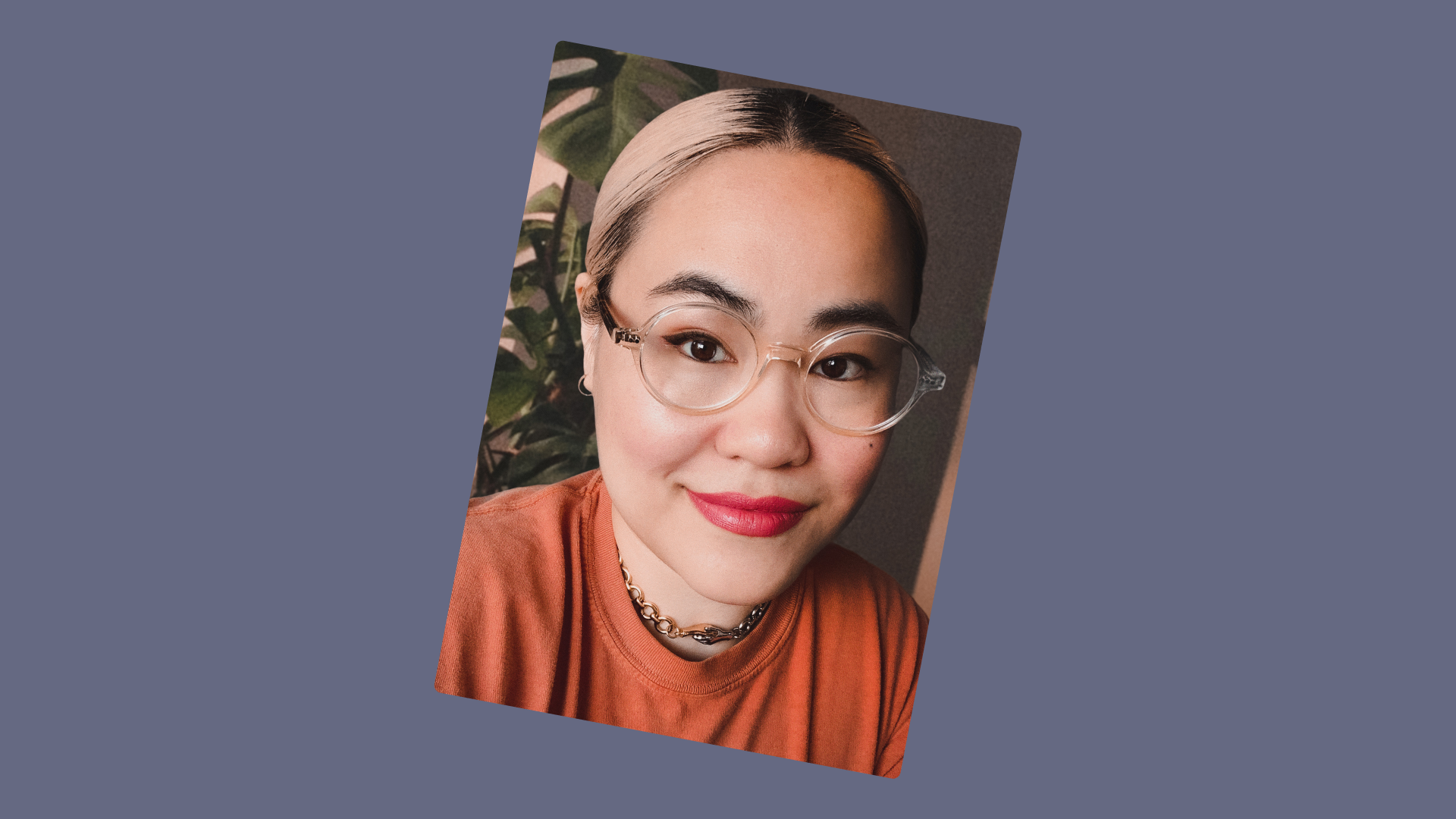
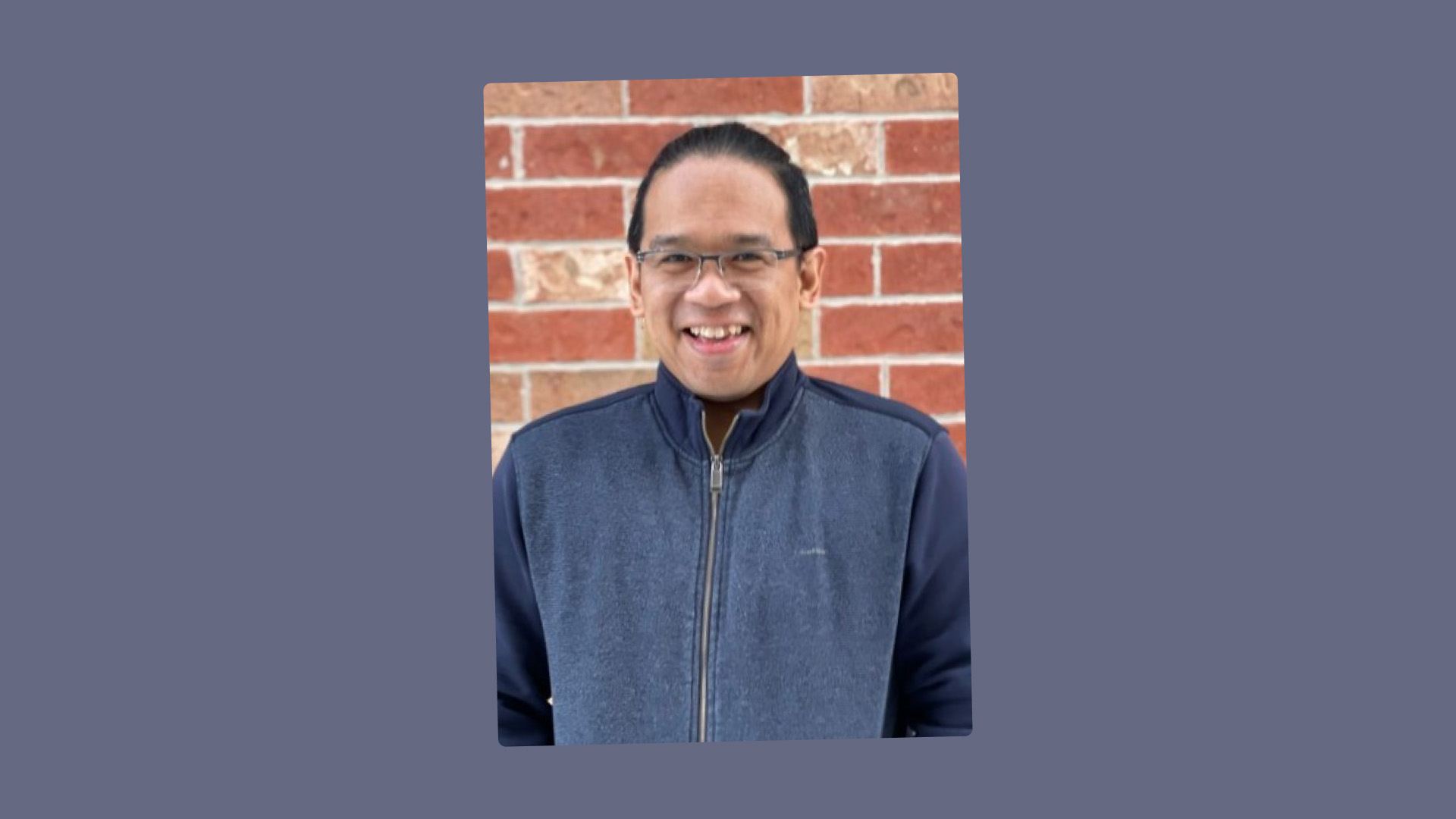
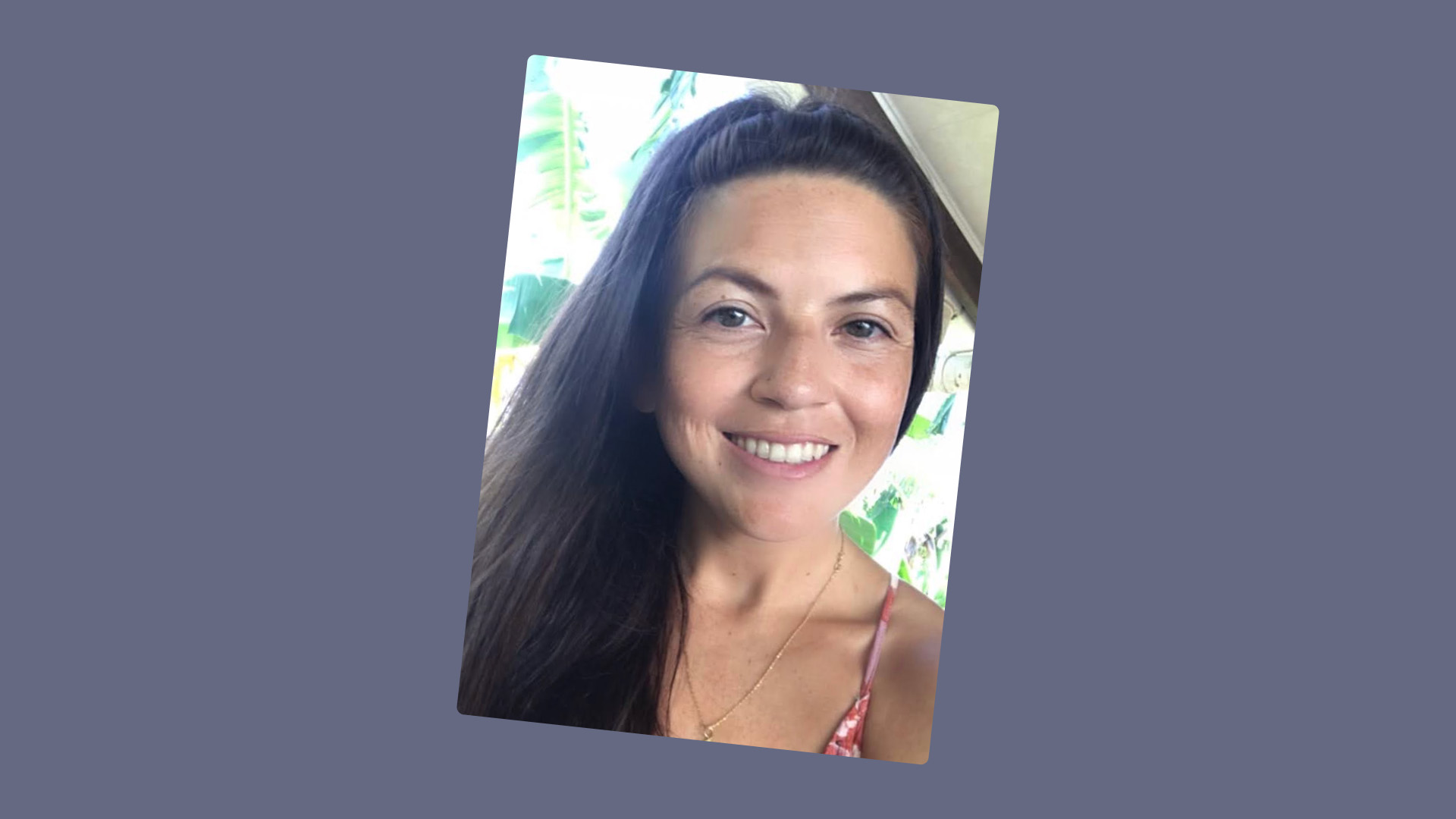
media.monks employee headshots

Every year, May revolves around celebrating the unique history and incredible impact of the Asian American and Pacific Islander (AAPI) community. Throughout the month, we’ll shine a bright spotlight on our AAPI people and focus on amplifying awareness around the achievements and challenges of the AAPI community as well as their contributions to US history and society.

Asian American and Pacific Islander Heritage Month takes place in May because of two key dates: May 7 and 10. The former marks the arrival of the first Japanese immigrants in the United States, whereas the latter—also known as Golden Spike Day—recognizes the completion of the US transcontinental railroad, connecting East to West. Nearly twenty thousand Chinese immigrants supported the construction of this incredible project, working under brutal conditions in the Sierra Nevada for very little pay. It’s critical that they are given recognition for their courage, hard work and dedication, today and into the future.


The AAPI umbrella term represents cultures from the entire Asian continent and the Pacific Islands of Melanesia, Micronesia and Polynesia. AAPI Heritage Month is an annual celebration that recognizes the historical and cultural contributions that individuals and groups of this descent have made to the United States—and there are many. From science, literature, art and sports to government, politics, activism and law, Asian Americans and Pacific Islanders have significantly contributed to and enriched various facets of American life. Over time, AAPI people, stories, and traditions have become more visible, with Michelle Yeoh taking home an Oscar for Best Actress, Bong Joon Ho winning Academy Awards for both Best Picture and Best Director for his film Parasite, Marvel launching its first-ever Asian superhero, and Kamala Harris becoming the first AAPI (and female) Vice President of the United States.


As our people spotlights show, representation matters—especially since AAPI people have such a long history in the United States. Records show that Asians first migrated to what is now known as the United States over 15,000 years ago, crossing the Bering Land Bridge that connected Asia with North America. This defeats the painful stereotype that Asian Americans and Pacific Islanders are perpetual foreigners, which entails the idea that they are inherently foreign, other and not truly American.


At Media.Monks, we empower our employees to build, innovate and work together as one team where everyone can feel like they belong and have a voice. Our focus is on fostering a diverse, equitable and inclusive environment by treating people the way they want to be treated, encouraging colleagues to raise their voices, and working together to complement our differences and learn from one another. This ultimately helps create space for employees to share their unique identities and affinities and celebrate both contrasting and common life experiences.


In recognition of Asian American and Pacific Islander Heritage Month—and the fact that AAPI people are the fastest growing racial group in the United States—members of our AAPI community have come together to reflect on and celebrate their unique histories and heritage.

Employee smiling and laughing

Nikki Azuma, Office Support Assistant

San Francisco, California

I’ve been with Media.Monks for: 

1 year.

What does AAPI Heritage Month mean to you? Why is it important?

AAPI Heritage Month is a chance for me to celebrate not only my heritage, but other people’s Asian heritage as well. For the longest time, being Asian wasn’t cool—and as I reflect about those early years, I realize that the lack of representation in American media was a huge factor in feelings of self-loathing. It wasn’t until anime really started making a mainstay that I started to appreciate and connect with my Japanese heritage. I think it’s really important to be proud of your heritage, to be able to share aspects of it with others in a safe environment, and to show respect to people who are from different cultures and upbringings. Often in discussing these things, we realize we have more similarities than differences!

What advice would you give to aspiring AAPI professionals?

My mom wanted me to graduate college, become a nurse and settle down with a nice Asian boy. Only one of those things happened. The choices I have made throughout my career have allowed me to discover what I really love and excel at: administrative work. Follow your heart, don’t feel like you’re trapped in a box of expectations, and have faith that the decisions you make will eventually work out. 

The theme for AAPI Heritage Month in 2023 is “Advancing Leaders Through Opportunity.” What does that mean for you?

It all starts with an opportunity, doesn’t it? I was given the opportunity to join this company, and now I feel like I’m thriving. My manager is amazing and gives me ample opportunities to make the office a better place than it was yesterday. Opportunities only take you so far though; it takes recognition and support from those who work both with and “above” you to be successful and make an impact. Every day, I am thankful that I was given this opportunity—but I also recognize that I was afforded some privileges that are not available to all people. The essentiality of recognizing privilege and using that to help uplift others allows me to feel more like “we advanced” versus “I advanced.”

How will you celebrate AAPI Heritage Month this year?

I will celebrate AAPI Heritage Month the same way I celebrate heritage every month: by developing a unique ethnic menu for our office’s lunch program, thereby supporting people of that heritage and promoting their brick-and-mortar restaurant (if applicable) by sharing information about it with our team. I often think about how I would like my heritage to be represented, and make sure to apply that same respect in representing another culture. So this month, we’ll be supporting all Asian-owned businesses!

Who inspires you from the AAPI community and why?

While not Asian American, I really love and respect Michelle Yeoh. I remember being in 6th grade, watching Wing Chun and realizing that being an Asian woman could mean kicking @$$. Watching her acceptance speech for winning an Oscar really deepened my love and respect for her, because she earned, deserved and most importantly OWNED that win.

Describe (if you have one) a moment in your family's story that can serve as an inspirational historical moment. 

I’m also half Chinese with strong females on the maternal side. My great-grandmother was a living legend. She lived through two world wars, watched us go from rotary phones to cell phones, and immigrated here as a paper daughter. She lived to be 109 years old, traversing the steep inclines of Chinatown until she was 95 and being in complete control of her faculties until she was 102. Her history of survival, struggles, and finally successes reminds me every day that I am also strong and that I can also overcome challenges.

An employee smiling

Jeffrey Leong, VP Biz Ops

San Francisco, California

I’ve been with Media.Monks for: 

7 years.

What does AAPI Heritage Month mean to you? Why is it important?

AAPI Heritage Month represents an opportunity to learn about and celebrate the diverse cultures, histories and contributions of Asian Americans and Pacific Islanders in the United States. It's important to me to celebrate as many cultures as we can and show respect to all backgrounds.

What advice would you give to aspiring AAPI professionals?

Identify what goals you want to achieve and then create a roadmap to reach those goals. Separately, if it is important to you, embrace your cultural identity—your heritage is an integral part of who you are, and it can be a source of strength and inspiration in your professional journey. 

The theme for AAPI Heritage Month in 2023 is “Advancing Leaders Through Opportunity.” What does that mean for you?

It's important that we give opportunities at Media.Monks to folks of all different backgrounds. We seek to be a merit-based organization and this theme embodies that ethos.

How will you celebrate AAPI Heritage Month this year?

Food! My favorite way to celebrate my own culture and those of others is by experiencing cuisine with other people. 

Who inspires you from the AAPI community and why?

My parents and family for their work ethic, perseverance and unity. 

Describe (if you have one) a moment in your family's story that can serve as an inspirational historical moment. 

My grandmother was the first Chinese-American Woman to own her own real estate brokerage in San Francisco. My family and I are very proud of that and of all the hard work and determination that went into that achievement.

An employee smiling

Vivian Huang, Senior Strategist

San Francisco, California

I’ve been with Media.Monks for: 

4 years.

What does AAPI Heritage Month mean to you? Why is it important?

AAPI Heritage Month is an opportunity to reflect on our roots and honor our heritage. It's a time for us to come together and share our experiences as Asian Americans and Pacific Islanders to celebrate our diverse histories and identities. It's an important time of the year because Asian Americans and Pacific Islanders contributed a lot throughout American history, but our accomplishments and contributions are often glossed over. As Asian Americans and Pacific Islanders, it's our job to be vocal and proud about who we are and what we bring to society. 

What advice would you give to aspiring AAPI professionals?

Do not be afraid to go into a field that is “untraditional.” Culturally, we are often told that a career such as being a doctor or an engineer is the only path forward. While those fields are certainly respectable, they’re not the only option. Asian Americans and Pacific Islanders can be artists and entertainers and so much more—we have just as much right and talent as anyone else to exist in every industry. By breaking the mold, we can pave the way for future generations to explore things that they're passionate about and chase their dreams.

The theme for AAPI Heritage Month in 2023 is “Advancing Leaders Through Opportunity.” What does that mean for you?

“Advancing Leaders Through Opportunity” means improving access to executives and influencers for AAPI professionals. It's about breaking structural barriers as well as the misconception that AAPI professionals are hard workers, but not good leaders. It's also about creating a safe space and a platform for AAPI professionals to be more vocal and visible. This starts with organizations understanding the diversity of the AAPI workforce and what barriers or challenges we face, addressing mental health needs or concerns, and truly analyzing whether leadership within an organization is systematically alienating AAPI professionals.

How will you celebrate AAPI Heritage Month this year?

I love podcasts and I've started to listen to a new one—AsianBossGirl (ABG)—which is a podcast by three Asian women about the modern day Asian-American female experience. In addition to that, I will definitely try to support more local Asian-owned businesses and look to connect with fellow AAPI professionals as much as possible.

Who inspires you from the AAPI community and why?

Bernice Chao and Jessalin Lam. They're the co-founders of Asians in Advertising, which is a community created for AAPI professionals to foster connections and opportunities, thereby helping Asians elevate to higher positions within the advertising industry. In an industry that's traditionally been a “boys only club,” it's really great to see two Asian women, who are both in positions of leadership within their respective organizations, help bring an underrepresented community together.

An employee smiling

Sterling Stovall, Art Director

San Francisco, California

I’ve been with Media.Monks for: 

3 years. 

What does AAPI Heritage Month mean to you? Why is it important?

I think AAPI Heritage Month is a special time when we can come together to celebrate everything the Asian community has done and how it continues to influence our culture today. It means a lot to me that we are continually seeing more and more Asian representation in our everyday lives, whether that’s in mainstream media or just in the workforce. It’s important because growing up, I didn’t really see as much representation happening, so it’s nice to see that progress is being made.

What advice would you give to aspiring AAPI professionals?

My advice would be to lean into your culture, take risks with what you can do, and be unabashedly yourself. The world and the workplace are a lot better when we have people bringing their unique personalities and perspectives to the table. Also, don’t base your status of success on where someone else is in their journey—we all walk our own timelines and that’s okay.

The theme for AAPI Heritage Month in 2023 is “Advancing Leaders Through Opportunity.” What does that mean for you?

To me, this theme means that we’re trying to do better by giving qualified and deserving candidates the opportunity to succeed and represent our country—because right now, it still seems that diversity is a problem in our government representation. I can only hope that as we move forward into the future, we not only have more Asian representation, but our government is an actual representation of what our country looks like.

How will you celebrate AAPI Heritage Month this year?

I will celebrate by spending time with my family, watching a bunch of Asian-influenced movies, and eating delicious Asian cuisine.

Who inspires you from the AAPI community and why?

Growing up, I was always inspired by Jackie Chan. My mom introduced me to him when I was very young and I just loved how he infused his martial art movies with comedy. The fact that he was tough and silly at the same time was something that I really looked up to. It’s amazing to see his dedication to the art and all the work he puts into his stunts, no matter how much it takes to get the perfect shot.

More recently, the cast and crew of Everything Everywhere All at Once inspired me, because they took an insane concept and executed it to perfection with barely any budget. I love all the recognition and awards it’s getting and how it has blasted to the forefront of the entertainment industry.

Describe (if you have one) a moment in your family's story that can serve as an inspirational historical moment. 

My mom is an inspiration to me because she immigrated to the US from Vietnam when she was only 14. While she didn’t know the language, she was trying to spearhead a better life in the States. She worked hard to develop a life out here and raise her kids. She taught me the value of kindness and hard work and I’ll always love her for that. She makes me proud to be a Vietnamese American.

In recognition of Asian American and Pacific Islander Heritage Month members of our AAPI community have come together to reflect on and celebrate their unique histories and heritage. Diversity diversity and inclusion cultural diversity diverse workplace Monks news Culture

Celebrating Strength and Solidarity on International Women's Day

Celebrating Strength and Solidarity on International Women's Day

DE&I DE&I, Monks news 3 min read
Profile picture for user Kate Richling

Written by
Kate Richling
CMO

Women leaders at Media.Monks headshots

A few months ago, I read Indra Nooyi's autobiography about her time leading up to, and as, Pepsi’s (first ever female) CEO. If you ask anyone who works on my team, they were well aware I was reading it as I proceeded to quote it, reference it and share my “a-ha” moments in the weeks that followed. But my favorite takeaway, far above anything I learned about the stock market or executive planning or annual reports, was her advice for supporting women as a business leader.

Practical and realistic advice that centered on the responsibility of executives now to create professional settings and a culture that helps women thrive. Support like providing fertility benefits that enable women to prioritize their careers early and feel more comfortable putting off family planning decisions until later in life. Advice and recommendations that actually empower women to climb the ladder, change their minds and rethink what “having it all” really means. 

That being said, it takes everyone’s support to make meaningful changes like these. As my colleague (and an all around amazing person), Jess Davey put it:

Monk Thoughts We absolutely appreciate the support of male allies. It cannot be done without male allies. But like I said, ally is a thing you get to earn through your choices, it is not just a word that you get to use once a year.
Jess Davey headshot

I just passed my fifth year at Media.Monks, and watching the company grow from 800 to 9,000+ in that time has included a number of personal career milestones for me as a woman. I’ve had the opportunity to see more women appointed to our executive team, work firsthand with emerging leaders inspired to drive initiatives that empower other women, and watched our People team evolve and implement surveys and DE&I efforts to better track and understand our progress. I’ve also built my own team, full of women who continue to push us (and me) in new (better) directions. A few of these women on my team are behind this year’s International Women’s Day, during which we’ll host a day of content, connected under the theme “Engage with Equity,” as I recently shared with The Drum.

Around the world, we’ll be taking the day to celebrate and uphold the contributions of some of the women from across S4 Capital. Our global programming includes a panel discussion with members from our Executive Leadership Team and our Global General Counsel, presented by Jess Clifton, who also supports our women year-round through her initiative “Women Connect.” We've invited everyone from the Women Connect community to submit questions and videos in advance to keep the conversation dynamic and personal—and to foster those one-to-one connections and conversations that I think set us apart. 

Our event will be streamed around the world on our internal video platform, the Shift, and our local offices are putting on viewing parties and other activities to uniquely reflect the women in their communities. But as we spend the day focused on women, the hope is everyone will show up. Jordan Cuddy captured this sentiment, as she so often does, in a post on LinkedIn: “Ideally more men would show up to support the women sharing their experiences. Get comfy with being a little uncomfy. And think about how they can be more aware, more supportive. True allyship is demonstrated by taking action to support minorities, even when that action might affect one’s status, wallet, time or access. Show up for the women this month.”

As part of our IWD programming, we’ll feature speakers from across many different teams, disciplines and countries around the world for “Take 10,” a set of mini-presentations, including: Jordan Cuddy on “How to F*cking Sell,” Aisha Bean on “Leaving a Leadership Legacy,” Nimo Awill and Tash Rosehill on “The Workplace as a Safe Space,” Luciana Haguiara on “10 Tips to Be a Great Creative Leader” and Jess Davey on “Being a Woman is a Superpower.”

One of the best parts of my job is acting as an editor for all the stories our team produces every day just like these. We get to amplify the most exciting bits and on days like today, and then take a moment to reflect on all we’ve achieved—as a team, and collectively as a company. My colleague Charlotte Mceleny reinforced  the importance of these efforts at New Digital Age:

Monk Thoughts What I am proud of is getting personal stories out into the industry that I think could inspire people for good. We can all talk a big game on diversity but it’s up to industry comms and marketing people to make sure we’re pushing this out as a priority.
Charlotte Mceleny headshot

So for today, here’s to the women at Media.Monks making headlines, setting new paths… and owning it… right now. With that I’ll leave you with one more (...much more punchy) line from Jess: “If women could fix this sh*t on their own, we would have already. It has to be a partnership in continuing to drive transformation and change.”

Our CMO Kate Richling shares personal experiences, spotlights internal initiatives, and celebrates all women at Media.Monks on International Women’s Day. women in tech diverse workplace culture Monks news DE&I

Asian American and Pacific Islander History / Our History

Asian American and Pacific Islander History / Our History

9 min read
Profile picture for user mediamonks

Written by
Monks

Media.Monks employees on a grey background in colorful squares

Every year in May, in recognition of Asian American and Pacific Islander Heritage Month, Media.Monks works to amplify awareness of the achievements and challenges of the AAPI community and their contributions to US history as well as today’s society. Throughout the month, we’ll spread the love by highlighting our AAPI community group and amazing employee base in their work towards celebrating the unique history and incredible impact of the Asian American and Pacific Islander community.

President Jimmy Carter designated May 4 to 10 as the official Asian/Pacific American Heritage Week on October 5, 1978. This moment in time signifies an important victory for Asian Americans and Pacific Islanders, the result of a long uphill battle during which both groups worked hard to prove their legitimacy to the national government. Following a pattern similar to the establishing of other heritage celebrations in the United States, it took more than a decade for Congress to pass a bill signed by President George H.W. Bush in May 1990, finally extending the week into a whole month. Years and many celebrations later, President Barack Obama officially changed the name to Asian American and Pacific Islander (AAPI) Heritage Month. 

The inauguration of May as the official Asian American and Pacific Islander Month was not a matter of chance, as it commemorates two crucial events in time. On May 7, 1843, the first Japanese migrants arrived in the United States, and on May 10, 1869, primarily Chinese laborers completed the construction of the transcontinental railroad on what is known as Golden Spike Day—literally and figuratively connecting East to West. 

At Media.Monks, we operate under people-centric values that empower our employees to build, innovate and work together as one team—where everyone belongs and everyone has a voice. We focus on fostering an environment where everyone feels at home by treating people in the way they want to be treated, encouraging colleagues to raise their voices, and working together to complement our differences and learn from one another. To that end, we support each and every person in creating community groups in recognition and honor of our unique identities and affinities. Ultimately, this helps create space for employees to share and celebrate both contrasting and common life experiences.

In recognition of Asian American and Pacific Islander Heritage Month, members of our DEI and Culture team and our AAPI Community Group have come together to reflect on and celebrate the history of these communities.


Andrew Weig headshot

Andrew Kondo Weigl

Chicago, Illinois

I’ve been with Media.Monks for: 3 months

My role: Associate Creative Director & Copywriter 

What AAPI History Month means to me: To me, it means a time to acknowledge the past and look to the future, while celebrating our collective accomplishments and honoring our losses. It’s an opportunity for self-reflection on how being Asian American has and continues to affect my life. 

A moment in AAPI history that has influenced or shaped me the most: Though it was before my time, the internment of Japanese Americans during WWII, including my American-born grandparents and aunt, has had a profound effect on my perception of the realities of the country that my family, friends, brothers, sisters, son and I in solidarity live in. The intimacy and connection I share with those who lived through it have made it an undeniable part of my own story. 

I am inspired by: Japanese American civil rights activist Yuri Kochiyama.

Monk Thoughts A time to acknowledge the past and look to the future. To celebrate our collective accomplishments and honor our losses. A chance for self-reflection on how being Asian American has and continues to affect my life.
Andrew Weig headshot
Nicholas Seo headshot

Nicholas Seo

New York City, New York

I’ve been with Media.Monks for: Almost 7 years

My role: Director, Go-to-Market for Commerce

What AAPI History Month means to me: Many things! Most importantly, it celebrates the diversity and richness across Asian and Pacific regions by honoring our past and reflecting on the present, which means casting a spotlight to remember and respect the heritage that has shaped our history and taking time to decipher what it means to be Asian in America today, and to shine a light on pressing issues that impact our future.

A moment in AAPI history that has influenced or shaped me the most: Again, many things, but in more recent memory, I would say the proliferation of Asian and Asian American representation in mass media and the growing acceptance of our stories as being "universal"—as having the shared condition of being human. This includes literature like "Minor Feelings" by Cathy Park Hong to cinema, like "Minari" by Lee Isaac Chung, and much more. The amplification of Asian American voices has inspired me to embrace my own AAPI identity, which I once shied away from.

I am inspired by: Grace Lee Boggs, a prominent Chinese American human rights activist, who was on the frontlines in the fight for social justice for minority communities, radicalizing what it meant to be an “American” in society.

Monk Thoughts AAPI History Month celebrates the diversity and richness across Asian and Pacific regions by honoring our past and reflecting on the present.
Nicholas Seo headshot
Deborah Kuzma headshot

Deborah Kuzma

Los Angeles, California 

I’ve been with Media.Monks for: 6 months

My role: Senior Art Director 

What AAPI History Month means to me: It gives me a chance to reflect upon my immigrant family's past and how it has shaped my personal life experiences.

A moment in AAPI history that has influenced or shaped me the most: The high-profile departure of Ann Curry from her post as co-host of NBC's TODAY in 2012 shaped my view of the continued need for conversation regarding the female Asian-American experience in the workplace.

I am inspired by: Kamala Harris, the Vice President of the United States of America.

Monk Thoughts It gives me a chance to reflect upon my immigrant family's past and how it has shaped my personal life experiences.
Deborah Kuzma headshot
Kervin Ray Morales headshot

Kervin Ray Morales 

New York City, New York

I’ve been with Media.Monks for: 2 years and 2 months

My role: Design Lead/Senior Art Director 

What AAPI History Month means to me: To me, AAPI history month is a month of proactive observance and acknowledgement. I’m proud of my Filipino heritage and it’s important to me to reflect and spotlight all the amazing creative work coming from the community. 

A moment in AAPI history that has influenced or shaped me the most: I don’t know if I would point to a specific moment in AAPI history, but seeing the recent increase in violence towards AAPI individuals has made me understand the importance of our visibility and community. 

I am inspired by: José Rizal has always been an inspiration to me. Outside of his political work, he also wrote beautiful poems and books about love, war and people.

Monk Thoughts AAPI history month is a month of proactive observance and acknowledgement for me. I’m proud of my Filipino heritage and it’s important to me to reflect and spotlight all the amazing creative work coming from the community.
Kervin Ray Morales headshot
Tiffanie Jan Lee headshot

Tiffanie Jan Lee

New York City, New York

I’ve been with Media.Monks for: 9 months

My role: Associate Creative Director

What AAPI History Month means to me: This is a simple question, but the answer is complicated. AAPI Heritage Month seems like a relatively new concept, or at least the mainstream celebration of it. Growing up, this wasn't a thing, but it is for kids today, and that is so important. I rarely saw people who looked like me mirrored in textbooks, unless it was about wars or quite frankly, stereotypes and antiquities. But whenever my passions brought me to fellow AAPI people across music, art, culture, media and activism, it always gave me the courage to continue doing my thing. My hope is that young people won't have to work so hard to find their communities and to feel seen, heard and safe. While AAPI Heritage month is about awareness and education, it is also very much about making visible the beauty across our vast diaspora—with all of our myriad nuances.

A moment in AAPI history that has influenced or shaped me the most: There isn't one moment per se. However, both Taiwan and Hong Kong New Wave cinema, think of directors like Hou Hsiao Hsien and Wong Kar Wai, heavily influenced me in my younger years. I'm also really into contemporary AAPI photographers like Peter Ash Lee, Zorawar Waraich, Heather Sten, Justin Wee and Kee Dinesh.

I am inspired by: Doris Ho-Kane. She is an archivist and community activist who has tirelessly and single-handedly illuminated AAPI and API women's history around the world. The type of stories she has documented are truly stunning—all real history that's been invisibilized and marginalized from culture and curriculum. Superwoman status!

Monk Thoughts ... while AAPI Heritage month is about awareness and education, it is also very much about making visible the beauty across our vast diaspora—with all of our myriad nuances.
Tiffanie Jan Lee headshot
Jemm Cellan headshot

Jemm Cellan

Ontario, Canada

I’ve been with Media.Monks for: 2 years and 8 months

My role: Senior Product Marketing Manager

What AAPI History Month means to me: To me, it means adaptability and a strong sense of belonging, wherever I may be. 

A moment in AAPI history that has influenced or shaped me the most: Both my grandmother and grandfather were guerilla fighters and war veterans during WWII. Their colorful stories are inspiring and humbling at the same time. More importantly, they helped shape how I tackle challenges today and how I pick my battles on a daily basis.

I am inspired by: While there are many Filipino icons, the one that springs to mind is Lea Salonga. Filipinos are almost always associated with our shared love for music and I am no exception. Lea is best known for her theater roles—Miss Saigon and Les Misérables, to name a few—and she was the singing voice behind Princess Jasmine and Mulan.

Monk Thoughts It means adaptability and a strong sense of belongingness wherever I may be.
Jemm Cellan headshot
Lani Tuitasi headshot

Lani Tuitasi

Los Angeles, California

I’ve been with Media.Monks for: 4 years

My role: Director of Cultural Innovation

What AAPI History Month means to me: My Polynesian heritage—I’m a mixed Samoan, Tongan, and European Pacific Islander in the States—has always been important to me. I'm passionate about writing stories that centralize Polynesian American voices as well as exploring ways to own our narratives as a community. While the islands are small, the power of our culture is big and I want the world to know. 

A moment in AAPI history that has influenced or shaped me the most: During Samoa's fight from colonial rule, the women fearlessly protected the men who were under attack, peacefully protesting through dance and helping lead legislative efforts to successfully gain independence. My ancestry is rooted in the Mau and I try to tap into their strength and bravery in everything I do—from writing Polynesian stories to delivering big pitches at work. This AAPI month I honor them, my ancestors, and the Polynesian women today who carry their legacy. Fa'afetai.

I am inspired by: I am most influenced by the women of the Mau Movement in Samoa in the 1920s.

Monk Thoughts My Polynesian heritage has always been important to me…While the islands are small, the power of our culture is big and I want the world to know.
Lani Tuitasi headshot
Matthew Au headshot

Matthew Au

New York City, New York

I’ve been with Media.Monks for: 2 years

My role: Brand Manager

What AAPI History Month means to me: To me, it's the time when I can unabashedly and unapologetically show off why I'm proud to be Asian American and the highs and lows that my family has experienced in the past, present and future. It's a time for me to reflect on my heritage and, especially for a third-generation Hong Konger-American like myself, to think about what it means for me to be both Asian and American—when to be "more Asian" or "more American," knowing that I’ll never be fully Asian or fully American. As a linguist and polyglot, AAPIHM is also a time when I, pragmatically, am more thoughtful about my culture and the role of language. I’m not able to communicate fluently with my grandparents, so I think of how so many other Americans don't know how much they take for granted that they can speak to their grandparents about more than just food, mahjong or the weather.

A moment in AAPI history that has influenced or shaped me the most: I will never forget the Chinese Exclusion Act of 1882, which is the only US law ever passed by Congress that prevents a specific ethnic or national group from entering the United States.

I am inspired by: Too many to name, but Vera Wang stands out in particular.

Monk Thoughts AAPIHM is a celebration of the diversity of Asian and Pacific Islander cultures that exist. To me, it's the time when I can unabashedly, unapologetically (and with no qualifiers) show off why I'm proud to be Asian American…
Matthew Au headshot
Brittany Calvo headshot

Brittany Calvo

Oahu, Hawaii

I’ve been with Media.Monks for: Almost 4 years

My role: Creative Ops Manager

What AAPI History Month means to me: AAPI History Month is important to me because it presents an opportunity to share and raise awareness of the many, many cultures that make up Asian Americans and Pacific Islanders, as well as challenges that our community continues to face.

A moment in AAPI history that has influenced or shaped me the most: I’m inspired by my grandfather, Paul McDonald Calvo. Amongst the many other wonderful and inspiring things that he has accomplished, he served as Governor of Guam and in 1980 signed legislative Bill 417 into Public Law 15-128, creating the first Commission on Self-Determination (CSD) for the People of Guam. The Commission on Self-Determination was tasked with gauging the desire of the people of Guam as to their future relationship with the United States. 

I am inspired by: Furthermore, I’m inspired by the Hawaiian activist, educator, author and poet Haunani-Kay Trask.

Monk Thoughts AAPI History Month is important to me because it presents an opportunity to share and raise awareness of the many many cultures that make up Asian American Pacific Islanders, and challenges our community continues to face.
Brittany Calvo headshot
In recognition of Asian American and Pacific Islander Heritage Month, our DEI and Culture team and our AAPI Community Group come together to reflect and celebrate these communities. DE&I culture diverse workplace

Painting the New Leadership Portrait

Painting the New Leadership Portrait

5 min read
Profile picture for user Sasha Schmitz

Written by
Sasha Schmitz
Managing Director, Data & Digital Media EMEA

S4 Women Leaders

Women’s History Month revolves around commemorating and celebrating women’s vital role in shaping our history, culture and society. It’s also a time and extra push to reflect on how we are currently creating space for future generations of females to thrive. A crucial part of this is to make way for more women in leadership positions. Not only does research show that this helps increase profitability, as Workplace states that “companies in the top 25% for gender diversity on their executive teams are 25% more likely to have above-average profitability,” but also that it fosters a more inclusive workplace which attracts diverse talent.

While businesses around the world are making progress on appointing more women to leadership positions, it’s high time we ramp up the pace. So, I was delighted to participate in S4Capital’s Women Leadership Program, a six-month virtual course designed in collaboration with UC Berkeley’s School of Business and led by the acclaimed Dr. Homa Bahrami. Open to female leaders within Media.Monks to help them reach the next level of leadership, the program touches on a range of topics such as Inclusive Leadership, Strategic Thinking and Innovation. Through this experience, I’ve had the opportunity to pick the brains of esteemed business scholars and fellow female leaders in defining what modern leadership looks like. In my view, we live in an ever-evolving, hyperconnected world today where talent, clients and consumers alike no longer wish, but demand to see the diversity of the global population reflected in their leaders. So, which new colours should we add to repaint the leadership picture? 

Strengthening Female Leaders to Drive Gender Equity 

In line with our mission to change who does the work, realizing gender equity is a top priority. However, while only hiring more women is not going to cut it, appointing them to senior leadership positions can. In light of this, S4Capital’s Women Leadership Program focused on how we can change the company and spur innovation. “It was amazing to see the diversity in perspectives when women in different roles come together and discuss the challenges we all face in everyday life,” says Helena Curado, VP of Business Consulting in Latin America. Moreover, the program seeks to build bridges between women in different capabilities and strata of the organization to foster a tight-knit internal network. For many, this has left a very positive mark on both their professional and personal development. 

“Through the program, the insights garnered from our global force of female leaders allowed me to see things differently, impacting my goals in ways that were previously not obvious to me,” says Erika Lang, SVP Group Account Director in New York. “The energy harnessed through our collective gathering has powered me up.” As positive leadership sparks positive change, equipping female leaders with a supportive, inspiring network can go a long way in realizing gender equity - and determining who will succeed them in senior leadership positions.  

Leading The Way With Diversity and Inclusion 

The global pandemic has drastically changed business as usual, forcing companies to completely rethink their organization. The transition to working from home has shown that people can retain their levels of productivity, wherever they are. With geo-distributed teams becoming the new norm, leaders will be challenged by time zones, cultural differences, and difficulties with nurturing relationships through virtual communication. While this certainly presents new challenges around culture-building, quality control, and effective communication, it also creates opportunities for leaders to put more effort into building trust, encouraging collaboration and fostering a safe professional environment. 

Hybrid work offers possibilities to be more inclusive of teams that need less stimuli to focus, revealing the need for new leaders who are willing to accommodate the neurodiversity of their teams and foster an inclusive environment where everyone can thrive. Moreover, strengthening DE&I has evolved into a top priority for companies, clients and consumers, as leaders recognize that establishing a diverse workforce is essential for your success, especially in terms of the talent and clients you attract.

Monk Thoughts Culture fuels results. An environment of inclusivity and enablement is how we must show up for our employees and this not only benefits individual growth, but company growth.
Erika Lang headshot

Design That Delivers Scale

With our world always in flux, it’s important to keep pace. To be an effective leader in a changing world means continuously designing yourself out of your current position and handing over the reins to emerging leaders when a new challenge comes knocking. Especially in hyper-growth environments such as the digital media industry, scale is the buzzword that never goes out of style.

Monk Thoughts The digital era has made business much more complex and granular, so to make an impact, leaders have to listen and co-create much more to make sure they are involving all the different angles that are needed to reach success.
Helena Curado headshot

As we scale, we need to nurture a culture that enables growth and employ a “coaching” leadership style in building our new generation of leaders. Studies show that women are skilled at strengthening team processes, collaboration and performance because of their ability to listen to different voices and guide by coaching, thereby capitalizing on the team’s combined skills and knowledge while uncovering where and what expertise is needed to scale the business. 

If Not a Victory, Then Always an Important Lesson

Sharing the Women Leadership Program experience with fellow female leaders has re-emphasized to me that it’s no sin to fail, so long as we celebrate our successes and always heed the lessons of failure. Our role as leaders is to provide feedback, training and mentorship to the next generation of leaders. It’s important that we let our teams experiment, and if they fail, try again. On top of that, our job is to encourage initiative, inspire learning moments, and stimulate a broader understanding of the problems, consequences and significance of failures. Above all, I trust our budding leaders will remember the lessons they learn throughout their journey.

Effective leadership is always going to be dynamic. There’s not just one style that works for every leader, team or even situation. In other words, leaders need to be adaptable. “Across sectors and industries, leadership can only be future-proofed by leaders' ability to evolve, adapt and embrace the unknown,” says Malin Hanås, Creative Director in London. “It's truly a necessity to never stand still,” Curado adds. 

At Media.Monks, we’ve developed a brand that is flexible and built with the intent to empower our people to make it their own. Though we as leaders all share the desire to fuel our team’s self-confidence, effectiveness and productivity, our daily fire drills are different. Still, there’s one thing we have in common: we’re not just here to change the work and what it can do, but especially who does the work. Let’s repaint the leadership portrait to create a more diverse, equitable and inclusive picture—all together.

Our senior leaders draw from their experience with the S4 Women Leadership Program and discuss which colors we can add to repaint the leadership picture. Our senior leaders draw from their experience with the S4 Women Leadership Program and discuss which colors we can add to repaint the leadership picture. diverse workplace S4 Capital business leadership diversity and inclusion

What We Deliver

Turn complexity into opportunity. We make every marketing move count.

Watch video

00:00

00:00

00:00

Ambitious brands are looking for more than just visibility. They want real influence, lasting relationships, and measurable growth—but navigating that complexity demands solutions that deliver clarity and impact at every stage.

We help brands grow by orchestrating marketing and technology into unified, intelligent systems. While anyone can access powerful tools, our expertise lies in the sophisticated deployment that leads to superior outcomes. Our teams work side-by-side to turn attention into action, ideas into innovation, and data into real business value.

By uniting marketing and technology under one roof, we empower brands to connect more deeply, move more intelligently, and achieve what no one else can.

`

Connect

What can we do for you?

This is where ambitious brands break through.

In partnership with

  • Netflix
  • Dove
  • HP
  • Hatch
  • Meta
  • Mondelēz
  • KFC
  • Forever 21

Partner to 24 of BCG's 50 most innovative companies in the world

To launch Sex Education Season 4, we created a culture-first OOH experience that cut through the noise, sparking real-time conversation and brand relevance.

Modernizing Dove’s familiar Real Beauty campaign to speak to more audiences in more places, we trained AI models and launched a campaign around a more inclusive definition of AI beauty photography.

To establish HP as an AI leader, we orchestrated creative talent and GenAI to produce landmark content with exceptional speed, setting a new bar for cost-efficient craft.

We redefined creative economics for Hatch with total clarity, using AI-powered tools for transparent asset production that maximizes investment and impact.

For Meta & the NBA, we engineered the software-defined production platform to turn their VR broadcast ambition into an operational reality for 56 games across three seasons.

We orchestrated their data and technology for Mondelēz, transforming their advertising into an insight engine that directly connects creative spend to sales and ROI.

We solidified the KFC Bucket’s icon status by transforming it into a resonant cultural moment, fostering lasting connections with fans through a partnership with Rolling Stone.

Applying radical transparency to performance creative, our AI-driven approach for Forever 21 delivered clear, measurable results—boosting their Meta ROI by 66%.

View Case Study

Trusted by industry-leading tech partners to deliver transformative solutions for ambitious brands.

More on Partnerships

Our Capabilities

Providing solutions and services that uplift your business and your customers.

Let’s unlock what’s possible together.

Hey👋

Please fill out the following quick questions so our team can get in touch with you.

Build for the Future Based on Accountability, Diversity and Inclusion

Build for the Future Based on Accountability, Diversity and Inclusion

9 min read
Profile picture for user mediamonks

Written by
Monks

Build for the Future Based on Accountability, Diversity and Inclusion

We’re currently in the midst of a very long and overdue national dialogue about systemic racial and economic bias and inequality. This conversation has become even more urgent as the pandemic continues to highlight disparities among communities: COVID-19-related unemployment and mortality rates are significantly higher for BIPOC Americans, the LGBTQ+ community and people with disabilities. And the increasing racism and acts of violence toward Asian Americans have only amplified the need to openly discuss these crises and take action. 

We believe employers have an essential role to play in stamping out these systemic structural inequalities and changing industries for the better by fostering diversity, equity and inclusion (DE&I) internally in a more strategic and holistic way.

Our global agency, Firewood, was built on people-centric values based on respect and inclusion that have always guided our actions. We’ve been partnering with inclusion and diversity consulting firm Forshay since 2019, so when Ad World asked members of the Firewood leadership team to speak at its May 2021 global conference about how companies can incorporate DE&I into their operations, it was only natural that we asked Forshay diversity and inclusion consultant Dr. Jon Shafran to serve as the moderator. We are immensely grateful to Jon for guiding us in this in-depth discussion. Below are some of the key takeaways.

Lanya Zambrano, Firewood Co-founder and President, on why a third-party DE&I assessment is important:

Jon Shafran, Ph.D., Forshay: In the last six months, we’ve seen a huge uptick in the number of organizations reaching out to us at Forshay to do the kind of work that we’ve been partnering with Firewood on these last few years. Lanya, can you share what motivated you to reach out to us for support in your DE&I commitment?

Lanya Zambrano, Firewood Co-founder and President: Part of our value system is listening to our people. And, like every great marketer, we do that through surveys. In 2019 we were growing very, very rapidly, so we sent out an internal diversity and inclusivity survey focused on our values to make sure that as we were growing, we were holding ourselves accountable and living up to what we stand for. One of the outcomes of that survey was that we felt we needed to create an internal DE&I working group that would get together and have honest conversations around what was happening in the organization—a group where everyone’s voice was represented. That was a connection point where we felt it was important to seek an outside perspective to assess and guide us. We reached out to you at Forshay and it was one of the best decisions we’ve made.

Monk Thoughts Part of our value system is listening to our people.
Portrait of Lanya Zambrano

Jon: At Forshay, we’ve found it’s really important to identify those collective blind spots and start to think about this work first by collecting data to get a clear understanding of where your strengths and your areas of growth are. A lot of times, organizations begin this work with a set of assumptions about how equitable or inclusive they are without having the data to confirm or disconfirm those assumptions. So it’s always great to have an outside perspective. And while you folks rightly saw that there were some areas that needed improvement, Firewood had the highest sense of belonging among employees that we’d ever seen. That segues nicely for moving into the topics at hand: how the events of 2020 shined a light on the inequities in our system, the need for employers to fully commit to diversity and inclusion, and the strategies you and your team have enlisted for building DE&I into your organization’s DNA.  

Lanya and the Firewood team on why the collectively shared tragedies of 2020, specifically the murder of George Floyd, necessitated action:

Lanya: After I watched the video of George Floyd’s murder, I felt punched in the gut. I had just witnessed a very public execution and it made me sick to my stomach. I was sad. I was disgusted. And I knew that if I felt that way, our people felt it, too. [My husband and Firewood co-founder] Juan and I felt it was incumbent upon us—as leaders of the company—to address what happened. In silence there’s complicity. And we wanted to make sure that our communication with employees was not only aligned around our values, but that we were extremely clear about our point of view. I think with any communication, transparency is important. But with something like this you’ve got to pick a lane, and our lane was: this is not OK—we condemn acts of racism and marginalization. We also felt it was important to focus on our people, acknowledge our Black Firewoodians and show our support both internally and externally.

Kamron Hack, Senior Director, Global DE&I and Culture, Firewood: For me, it was really personal. I had a very visceral response to seeing someone who looked like they could be part of my family being killed for no reason at all. But this feeling wasn’t new for me. My paternal grandparents moved the family from Memphis, Tennessee to Compton, California as a direct response to the murder of Emmett Till. These stories are woven into the fabric of the Black American, but this time felt really different for me because of how public this murder was. Working at a company where authenticity is a very lived value, I felt not only compelled to share my feelings, but also very safe in sharing my feelings. So I wrote an email to my boss, the head of HR, about how I thought we should say something to our employees. I also shared my thoughts with Lanya and Juan. Thankfully, they were already on the same page, so we worked together to address the issue and offer support, specifically to our Black employees.

Monk Thoughts Working at a company where authenticity is a very lived value, I felt not only compelled to share my feelings, but also very safe in sharing my feelings.

On how the events of last year altered how companies should approach DE&I work:

Sam Haskin, SVP of Client Services and DE&I Marketing Lead, Firewood: I think before 2020, DE&I in business was treated like a luxury or extra credit—the urgency behind it wasn’t consistent. It took a number of tragic deaths—George Floyd, Ahmaud Arbery, Breonna Taylor, Elijah McClain—all happening in such a short period of time that people really couldn’t look away. There was this acknowledgment that this has been part of the cultural conversation since even before Rodney King. But passive disapproval—specifically the passivity—has led to this boiling point where we now need to make up for lost time. And it was a pretty quick conclusion to draw that much of this stems from inequity—economic inequity and inequity in opportunities. And companies are now hearing from employees and consumers in a very, very loud voice that they must participate.  

Kamron: The subsequent expansion of the Black Lives Matter movement—that started in 2013 after Trayvon Martin’s killer was acquitted—and activists in our communities also played a significant role in bringing additional awareness and adding pressure to companies to look within and assess the ways in which they might be contributing to the problems of inequity and exclusion. I’d like to believe that this awakening is leading companies to more fully understand the necessity and the benefit of having a more comprehensive DE&I strategy that is integrated into every part of the business. It’s becoming more and more clear that these efforts can’t solely live within the confines of human resources.

On how companies can approach DE&I holistically longer term:

Lanya: DE&I has to be woven into every fabric of the organization. What happened last year was a war on our society, our social fabric and our mental health. Having a safe place—an environment where people feel safe being themselves and expressing themselves—is really important. But the biggest challenge for the longer term is making sure our commitment to change remains strong. This isn’t a one-and-done thing. Leaders have to show up and be accountable. We can say this until we’re blue in the face, but accountability is extremely important. At Firewood, we publish our employee demographics, and that transparency helps ensure that changes are happening. We also started working with groups like Hack the Hood on internship programs and shifted the focus of the inaugural class of our four-year S4 Fellowship Program to graduates of historically Black colleges and universities. We don’t have all the answers, but we’re continually building on the things that we’ve started and we remain committed.

Monk Thoughts The biggest challenge for the longer term is making sure our commitment to change remains strong. This isn’t a one-and-done thing. Leaders have to show up and be accountable.
Portrait of Lanya Zambrano

Kamron: We see building a long-term, holistic DE&I strategy as a three-pronged approach. We recruit with an eye toward DE&I, solidify a culture of belonging for all people through training and ensuring opportunities for growth, and then examine what we make and how we make it. Every step along the way we look very closely at areas where unconscious bias or leaning heavily on stereotyping and pigeonholing may have inadvertently crept in to become standard operating procedure. Building a baseline of understanding across the employee population is necessary and can be accomplished through mandatory training on the fundamentals—like unconscious bias and gender dynamics, various forms of discrimination of protected classes and microaggressions—and supplementing that self-directed learning with special programs that address equity and create a sense of belonging and community within the company. Employee resource groups can create safe spaces for difficult conversations that need to happen. One of our white employees wanted to explore ways for people to be better allies and to foster change through anti-racist activism. She rallied a bunch of coworkers and together they created what is now our anti-racism working group. 

On how DE&I can (and should) influence external work:

Sam: One of our focuses initially was to look closely at what we were doing and how we were doing it, to see if it held up against our values and through this lens of inclusivity. We started by looking at creative—how we were representing people in the creative work that we do. And we put together a system for checking ourselves, auditing the work and writing guidelines—creating a baseline for cultural awareness within the creative team. But we quickly realized that creative is just part of the environment. Creative gets its direction from briefs, briefs come from insights, insights come from data and data comes from research. And every step along the way assumes that the step before it had it all figured out and did everything perfectly. What we’re seeing is that a lot of steps along the way have the potential for unconscious bias or habitual behavior to creep in. So we’re pretty far down the process of breaking down all of those pieces and asking pointed questions around how we’re doing things. Some of the tools developed internally show you where blind spots are and where you can improve, and can easily be translated into the work you’re doing externally as well.

Monk Thoughts A lot of steps along the way have the potential for unconscious bias or habitual behavior to creep in. So we’re in the process of breaking down all of those pieces and asking pointed questions around how we’re doing things.

On how companies can begin infusing DE&I into their organizations:

Kamron: Some people are really comfortable with the status quo and might not really understand the benefits of this work yet, to the extent that they’re willing to engage. So it’s on leaders to recognize this and to make sure that the messaging that we’re putting out there is inclusive enough that we’re reaching people of all levels of understanding. A big misconception is that creating space to include a more diverse set of perspectives means that you’re taking something away from someone else. And that’s just not true. On the contrary, including more perspectives will make you better, and it will make you more innovative and allow your company to grow and to thrive. And that ultimately creates more opportunity for everybody. And then you have the other side of the spectrum—the people who just get it, and they’ve realized the collective error of their ways and they’re eager to rectify it immediately. I do appreciate that energy, but I will continue to beat this drum of the long journey. You need to build the stamina for this, a measured approach, so that the change can be impactful and long-lasting. And that means we have to stay open to this ongoing cycle of listening and messaging that this is not zero-sum work. This is about creating a more equitable workplace for everyone.

On the ultimate goal companies should strive for in rooting out inequities within their doors:

Sam: One goal is the recognition that integration of DE&I is a journey, not a destination. There’s no point when you’re done. We’re dealing with decades, if not centuries, of cultural examination to do. And the nature of progress is that there’s always room to evolve—we’re going to continue to learn things as we go deeper and get better. And then the other is that DE&I is not just about hiring or HR. If you bring a bunch of new voices into your company, the idea is to make sure the culture is ready and able to hear what they have to say.

Kamron: Ensure that your DE&I strategy permeates throughout the organization and promotes a culture in which everyone can experience a true sense of belonging—an environment where they feel safe bringing their unique perspectives and authentic selves to the table so they’re not wasting their precious energy hiding pieces of themselves so that they can be accepted by some norm.

Lanya: And listen, truly listen, to your people with empathy. Pick a lane, stick to it and make changes. You have to be bold. You have to be honest. And you must be inclusive.

Jon: Thanks very much for giving us a little bit of a peek into the tactics you’re using for ensuring DE&I is realized throughout your entire organization. This conversation has led to the conclusion—pretty strongly—that DE&I is essential for realizing our shared commitment to creating organizations in an industry where everyone can equally thrive.

Employers have an essential role to play by fostering DE&I internally. Our recent Ad World panel provides insights on how companies can incorporate DE&I into their operations. Build for the Future Based on Accountability, Diversity and Inclusion Employers play an essential role in fostering DE&I internally.
de&i ad world conference diverse workplace diverse culture workplace wellness

Humans First: How to Build an Approach for the Future Based on Accountability, Diversity, and Inclusion

Humans First: How to Build an Approach for the Future Based on Accountability, Diversity, and Inclusion

9 min read
Profile picture for user lanya

Written by
Lanya Zambrano

Humans First: How to Build an Approach for the Future Based on Accountability, Diversity, and Inclusion
We’re currently in the midst of a very long and overdue national dialogue about systemic racial and economic bias and inequality.

This conversation has become even more urgent as the pandemic continues to highlight disparities among communities: COVID-19-related unemployment and mortality rates are significantly higher for BIPOC Americans, the LGBTQ+ community, and people with disabilities. And the increasing racism and acts of violence toward Asian Americans have only amplified the need to openly discuss these crises and take action. 

We believe employers have an essential role to play in stamping out these systemic structural inequalities and changing industries for the better by fostering diversity, equity, and inclusion (DE&I) internally in a more strategic and holistic way.

Our global agency, Firewood, was built on people-centric values based on respect and inclusion that have always guided our actions. We’ve been partnering with inclusion and diversity consulting firm Forshay since 2019, so when Ad World asked members of the Firewood leadership team to speak at its May 2021 global conference about how companies can incorporate DE&I into their operations, it was only natural that we asked Forshay diversity and inclusion consultant Dr. Jon Shafran to serve as the moderator. We are immensely grateful to Jon for guiding us in this in-depth discussion. Below are some of the key takeaways.

Lanya Zambrano, Firewood co-founder and president, on why a third-party DE&I assessment is important:

Jon Shafran, PhD, Forshay: In the last six months, we’ve seen a huge uptick in the number of organizations reaching out to us at Forshay to do the kind of work that we’ve been partnering with Firewood on these last few years. Lanya, can you share what motivated you to reach out to us for support in your DE&I commitment?

Lanya Zambrano, Firewood Co-founder and President: Part of our value system is listening to our people. And, like every great marketer, we do that through surveys. In 2019 we were growing very, very rapidly, so we sent out an internal diversity and inclusivity survey focused on our values to make sure that as we were growing, we were holding ourselves accountable and living up to what we stand for. One of the outcomes of that survey was that we felt we needed to create an internal DE&I working group that would get together and have honest conversations around what was happening in the organization—a group where everyone’s voice was represented. That was a connection point where we felt it was important to seek an outside perspective to assess and guide us. We reached out to you at Forshay and it was one of the best decisions we’ve made.

Jon:  At Forshay, we’ve found it’s really important to identify those collective blind spots and start to think about this work first by collecting data to get a clear understanding of where your strengths and your areas of growth are. A lot of times, organizations begin this work with a set of assumptions about how equitable or inclusive they are without having the data to confirm or disconfirm those assumptions. So it’s always great to have an outside perspective. And while you folks rightly saw that there were some areas that needed improvement, Firewood had the highest sense of belonging among employees that we’d ever seen. That segues nicely for moving into the topics at hand: how the events of 2020 shined a light on the inequities in our system, the need for employers to fully commit to diversity and inclusion, and the strategies you and your team have enlisted for building DE&I into your organization’s DNA.  

Lanya and the Firewood team on why the collective shared tragedies of 2020, specifically the murder of George Floyd, necessitated action: 

Lanya: After I watched the video of George Floyd’s murder, I felt punched in the gut. I had just witnessed a very public execution and it made me sick to my stomach. I was sad. I was disgusted. And I knew that if I felt that way, our people felt it, too. [My husband and Firewood co-founder] Juan and I felt it was incumbent upon us—as leaders of the company—to address what happened. In silence there’s complicity. And we wanted to make sure that our communication with employees was not only aligned around our values, but that we were extremely clear about our point of view. I think with any communication, transparency is important. But with something like this you’ve got to pick a lane, and our lane was: this is not OK—we condemn acts of racism and marginalization. We also felt it was important to focus on our people, acknowledge our Black Firewoodians, and show our support both internally and externally.

Kamron Hack, Senior Director, Global DE&I and Culture, Firewood: For me, it was really personal. I had a very visceral response to seeing someone who looked like they could be part of my family being killed for no reason at all. But this feeling wasn’t new for me. My paternal grandparents moved the family from Memphis, Tennessee to Compton, California as a direct response to the murder of Emmett Till. These stories are woven into the fabric of the Black American, but this time felt really different for me because of how public this murder was. Working at a company where authenticity is a very lived value, I felt not only compelled to share my feelings, but also very safe in sharing my feelings. So I wrote an email to my boss, the head of HR, about how I thought we should say something to our employees. I also shared my thoughts with Lanya and Juan. Thankfully, they were already on the same page, so we worked together to address the issue and offer support, specifically to our Black employees. 

On how the events of last year altered how companies should approach DE&I work:

Sam Haskin, SVP of Client Services and DE&I Marketing Lead, Firewood:  I think before 2020, DE&I in business was treated like a luxury or extra credit—the urgency behind it wasn’t consistent. It took a number of tragic deaths—George Floyd, Ahmaud Arbery, Breonna Taylor, Elijah McClain—all happening in such a short period of time that people really couldn’t look away. There was this acknowledgment that this has been part of the cultural conversation since even before Rodney King. But passive disapproval—specifically the passivity—has led to this boiling point where we now need to make up for lost time. And it was a pretty quick conclusion to draw that much of this stems from inequity—economic inequity and inequity in opportunities. And companies are now hearing from employees and consumers in a very, very loud voice that they must participate.  

Kamron: The subsequent expansion of the Black Lives Matter movement—that started in 2013 after Trayvon Martin’s killer was acquitted—and activists in our communities also played a significant role in bringing additional awareness and adding pressure to companies to look within and assess the ways in which they might be contributing to the problems of inequity and exclusion. I’d like to believe that this awakening is leading companies to more fully understand the necessity and the benefit of having a more comprehensive DE&I strategy that is integrated into every part of the business. It’s becoming more and more clear that these efforts can’t solely live within the confines of human resources.

On how companies can approach DE&I holistically longer term:

Lanya: DE&I has to be woven into every fabric of the organization. What happened last year was a war on our society, our social fabric, and our mental health. Having a safe place—an environment where people feel safe being themselves and expressing themselves—is really important. But the biggest challenge for the longer term is making sure our commitment to change remains strong. This isn’t a one-and-done thing. Leaders have to show up and be accountable. We can say this until we’re blue in the face, but accountability is extremely important. At Firewood, we publish our employee demographics, and that transparency helps ensure that changes are happening. We also started working with groups like Hack the Hood on internship programs and shifted the focus of the inaugural class of our four-year S4 Fellowship Program to graduates of historically Black colleges and universities. We don’t have all the answers, but we’re continually building on the things that we’ve started and we remain committed. 

Kamron: We see building a long-term, holistic DE&I strategy as a three-pronged approach. We recruit with an eye toward DE&I, solidify a culture of belonging for all people through training and ensuring opportunities for growth, and then examine what we make and how we make it. Every step along the way we look very closely at areas where unconscious bias or leaning heavily on stereotyping and pigeonholing may have inadvertently crept in to become standard operating procedure. Building a baseline of understanding across the employee population is necessary and can be accomplished through mandatory training on the fundamentals—like unconscious bias and gender dynamics, various forms of discrimination of protected classes, and microaggressions—and supplementing that self-directed learning with special programs that address equity and create a sense of belonging and community within the company. Employee resource groups can create safe spaces for difficult conversations that need to happen. One of our white employees wanted to explore ways for people to be better allies and to foster change through anti-racist activism. She rallied a bunch of coworkers and together they created what is now our anti-racism working group. 

On how DE&I can (and should) influence external work:

Sam: One of our focuses initially was to look closely at what we were doing and how we were doing it, to see if it held up against our values and through this lens of inclusivity. We started by looking at creative—how we represent people in the creative work that we do. And we put together a system for checking ourselves, auditing the work, and writing guidelines—creating a baseline for cultural awareness within the creative team. But we quickly realized that creative is just part of the environment. Creative gets its direction from briefs, briefs come from insights, insights come from data, and data comes from research. And every step along the way assumes that the step before it had it all figured out and did everything perfectly. What we’re seeing is that a lot of steps along the way have the potential for unconscious bias or habitual behavior to creep in. So we’re pretty far down the process of breaking down all of those pieces and asking pointed questions around how we’re doing things. Some of the tools developed internally show you where blind spots are and where you can improve, and can easily be translated into the work you’re doing externally as well.

On how companies can begin infusing DE&I into their organizations:

Kamron: Some people are really comfortable with the status quo and might not really understand the benefits of this work yet, to the extent that they’re willing to engage. So it’s on leaders to recognize this and to make sure that the messaging that we’re putting out there is inclusive enough that we’re reaching people of all levels of understanding. A big misconception is that creating space to include a more diverse set of perspectives means that you’re taking something away from someone else. And that’s just not true. On the contrary, including more perspectives will make you better, and it will make you more innovative and allow your company to grow and to thrive. And that ultimately creates more opportunity for everybody. And then you have the other side of the spectrum—the people who just get it, and they’ve realized the collective error of their ways and they’re eager to rectify it immediately. I do appreciate that energy, but I will continue to beat this drum of the long journey. You need to build the stamina for this, a measured approach, so that the change can be impactful and long lasting. And that means we have to stay open to this ongoing cycle of listening and messaging that this is not zero-sum work. This is about creating a more equitable workplace for everyone.

On the ultimate goal companies should strive for in rooting out inequities within their doors:

Sam: One goal is the recognition that integration of DE&I is a journey, not a destination. There’s no point when you’re done. We’re dealing with decades, if not centuries, of cultural examination to do. And the nature of progress is that there’s always room to evolve—we’re going to continue to learn things as we go deeper and get better. And then the other is that DE&I is not just about hiring or HR. If you bring a bunch of new voices into your company, the idea is to make sure the culture is ready and able to hear what they have to say.

Kamron: Ensure that your DE&I strategy permeates throughout the organization and promotes a culture in which everyone can experience a true sense of belonging—an environment where they feel safe bringing their unique perspectives and authentic selves to the table so they’re not wasting their precious energy hiding pieces of themselves so that they can be accepted by some norm.

Lanya: And listen, truly listen, to your people with empathy. Pick a lane, stick to it, and make changes. You have to be bold. You have to be honest. And you must be inclusive.

Jon: Thanks very much for giving us a little bit of a peek into the tactics you’re using for ensuring DE&I is realized throughout your entire organization. This conversation strongly leads to the conclusion that DE&I is essential in realizing our shared commitment to creating organizations where everyone can thrive equally.
We believe employers have an essential role to play by fostering DE&I internally. Our recent Ad World Conference panel provides insights on how companies can incorporate DE&I into their operations. Humans First: How to Build an Approach for the Future Based on Accountability, Diversity, and Inclusion de&i inclusive marketing ad world conference diverse culture diverse workplace

Want to Make the World a Better Place? Start by Fully Embracing DE&I and Wellness in Your Workplace.

Want to Make the World a Better Place? Start by Fully Embracing DE&I and Wellness in Your Workplace.

7 min read
Profile picture for user lanya

Written by
Lanya Zambrano

Want to Make the World a Better Place? Start by Fully Embracing DE&I and Wellness in Your Workplace.
The past 18 months have presented unprecedented challenges for all of us: a life-threatening pandemic, social and political dissension and unrest, and escalating racial injustices. People have lost loved ones, jobs, and, for most of us, a familiar way of life—while also taking on a multitude of additional responsibilities and worries.

Yet, when the tragic killings of George Floyd, Ahmaud Arbery, Breonna Taylor, Elijah McClain, and others—all within a close proximity of time—pointed a national spotlight on racial injustice, many well-meaning companies, brands, and their leaders were ill-prepared for the public outcry for them to act. And many of their responses, while well-intentioned, rang hollow.

Now well into 2021, we continue to be faced with challenges—including more and more violent acts of racism in the US and beyond, like the persistence of devastating anti-Asian hate crimes. And the effects of pandemic-induced stress and isolation continue to take their toll on us. As business leaders, we are called to show up differently in this new landscape, to use our companies and resources as change agents for good. 

Our global agency, Firewood, was built on people-centric values based on respect and inclusion that have always guided our actions. That said, the events of 2020 stress-tested every aspect of our business and our decision making. We didn’t do everything perfectly, but we hit upon some strategies that served our employees well. While acknowledging that everyone needs to assess and act upon their own situation, we felt it important to share what worked for us with the hope that it may work for you. One imperative that’s risen to the top of our priorities is to double-down on centering our people by prioritizing well-being and incorporating diversity, equity, and inclusion (DE&I) fully into how we operate. 

Lay your foundation

To effect real change in today’s world, you must be willing to look within to ensure you’re doing everything you can to create a diverse, equitable, and inclusive world—and it begins with creating an inclusive workplace. When you accomplish this and live it every day, an inclusive viewpoint becomes ingrained in the way employees interact with each other, and how—as a company—you interact externally with the world. 

Setting a foundation to operate with a DE&I mindset in all areas of your business is essential, but to get there you need to first take a hard look at your current company culture and work environment. Sounds like a tall order, right? Here are some considerations to get you started.

  • Look in the mirror. Are people of diverse backgrounds and points of view able to be their authentic selves in your workplace? Does your company have a guiding set of principles that everyone understands, agrees with, and adheres to? Do your actions as an individual leader and as an organization exemplify—in all situations—a set of values? If you answered “no” to one or more of these questions then it’s time to sit down and draw up a new game plan that includes a foundational set of guiding principles and values as well as ways to ensure values are shared and reinforced with employees.
  • Understand your reach. None of us operates in a bubble—our actions create ripple effects that either help nurture DE&I so that it grows and flourishes, or serve to undermine it—there’s no neutral middle ground. Your employees, your colleagues, and your clients are all part of wider communities that will be impacted and influenced by the actions you, and your organization, take—or not. And very simply put, there is complicity in silence. So, ask yourself what you want the world to look like and then set out to lead by example. 
  • Create and promote an environment where everyone feels comfortable being themselves. Evaluate your recruiting processes and opportunities for growth within the company to ensure you’re hiring and promoting with a DE&I mindset. Incorporate DE&I practices into your culture and train managers and employees so that everyone is working toward an environment that supports belonging for all people. And provide pathways for people to freely voice their opinions. When people work in an authentically diverse and inclusive environment, fresh ideas, creativity, and innovation will begin to positively influence the workplace and your work product.

Here’s how to get there: If you’re just getting started, consider enlisting the help of a diversity and inclusion consultant. They can evaluate your current environment and recommend adjustments for everything from recruitment practices and onboarding to training and performance management. 

We’re also big fans of employee surveys. We value our employees’ opinions, and ask for them—a lot—by regularly conducting anonymous surveys so that employees feel comfortable freely voicing their viewpoints and concerns. The very first employee survey we took in the early years of our company was an eye-opener, providing us with a roadmap for engaging our people and incorporating their input. And we maintain a virtual suggestion box for anonymous suggestions, ideas, and opinions 24/7. 

Finally, stand behind what you say by donating your time and money to organizations that are in line with your values. For us, a giving program where employees nominate charitable organizations to receive monetary and pro bono hands-on marketing support from our agency makes everyone in the organization feel they have a hand in contributing to our communities and the greater good.

Put your stake in the ground

When things happen, employees need (and most actually want) support and guidance from leadership—and that means you must pick a lane. This can be tough to do when reacting to socially charged events, as there’s always a concern about doing or saying the wrong thing. But when you have a clear point of view and values in place that have been shared with your employees, partners, and clients it’s easier to respond. Coming from a place of authenticity and acting in alignment with your values—even when it means going against prevailing thought or what others are doing—will boost your confidence in making decisions quickly.

  • Lead with empathy. We can’t emphasize this enough: when you listen and truly understand your employees’ experiences, perspectives, and feelings you become a better leader. Empathy not only helps leaders and managers build trust with their employees but also helps them recognize stress and burnout.
  • Communicate. Don’t sit on the sidelines. A delayed response doesn’t serve your employees. If your actions or messaging are organic and authentically aligned with your values, your employees will respect you for it.
  • Take action. If you talk the talk, you really need to walk the walk. And it starts with accountability. The particular event or situation and your guiding principles and values will help make it clear to you how to take action authentically.

Here’s how to get there: Empathy comes naturally to some more so than others, so consider instituting learning opportunities that build empathy across your organization, particularly for managers and leadership. We try to set an example of showing empathy by regularly communicating with employees after difficult events. We directly address the event that occurred, offer genuine comfort and support to our employees, and reaffirm the mental health and wellness benefits and resources available to them. 

And when taking action, think about how your organization can act authentically: how are you uniquely qualified to make an impact? When the events surrounding George Floyd’s tragic murder occurred, we knew we needed to act. One area where we felt we could effect change was in doing our part to help curb systemic racism and inequity in our industry. We made a formal commitment to our employees and a public pledge to do better in ensuring that the voices of Black, Indigenous, and People of Color (BIPOC) are represented at all levels of our company. This commitment has led to action, and we will continue to act to ensure marginalized voices are amplified.

Prioritize well-being

The well-being of our employees is our north star. And we truly believe that physical wellness and mental wellness are closely intertwined. Understanding that the stressors in our everyday lives affect everyone differently is the first step in ensuring you’re taking care of your employees. In American professor, lecturer, and author Brené Brown’s Unlocking Us podcast, she discussed the effects of stress with Dr. David Eagleman, author and neuroscientist at Stanford University. “We’re an unusually social species. We thrive in the company of others,” Dr. Eagleman says. “So what’s happening during lockdown can—at the extreme—plug into what we know […] from studies of solitary confinement in prisons, which is extremely bad for our mental health.” 

Furthermore, Dr. Eagleman says that because we spend a lot of time trying to work out how to navigate and make sense of the world around us during trying times, our brains burn a ton of energy, leaving us feeling worn out. That’s why giving your employees the support they need, particularly during difficult times, is critical—and it’s part of your role and responsibilities as an inclusive leader.

  • Understand that everyone deals with crises differently. Different people from different walks of life view events through different lenses. And most of us are intersectional beings that identify with many different groups. Don’t make assumptions about how individuals may or may not be affected by events—not everyone of a particular group will be affected in the same way. Provide people with the support and resources they need to process their individual experience.
  • Ask employees what they need. Whether in a survey, an all hands Q&A session, or through one-on-one conversations, hearing from your employees will help you create a workplace where they feel valued and respected.
  • Promote wellness. We’ve found that placing a priority on employee wellness creates a space where employees feel that they matter beyond what they can contribute to the company. And as wellness is advocated more, people tend to feel comfortable sharing their stories, fears, and solutions to help others. 

Here’s how to get there: One thing we do when truly troubling events occur is to reach out to our employees to acknowledge the event and—when necessary—condemn the societal ills that are at play. We take the opportunity to reiterate our values and to ask our people what they need. And (if you don’t already) consider offering a benefits package that includes mental and physical wellness resources and additional personal days. This was one of our learnings last summer, and we made enhancements in our overall benefits package to address this need. We’re also beginning to understand the role that employee resource groups (ERGs) can play in building awareness and supporting employees, especially those of underrepresented and historically marginalized groups.

For us, talking openly about mental health and wellness, building awareness, and checking in with employees has become the norm. These kinds of actions can enhance a culture of inclusion, where awareness, understanding, and overall well-being prevail. Ideally, people will begin to open up more, especially when they need support.  

The key: keep growing

Challenges present all of us with opportunities to look ourselves in the mirror, and they keep us honest. Doing everything in your power to instill a DE&I mindset in your workplace and focus on the well-being of your employees is a great start, but as we all know (a little too well by now), the world we live in today will likely keep changing. We will be tested again. And though we don’t presume to have all the answers, we believe that when you’re open to learning while communicating authentically with your employees, you’re not only on the road to overcoming difficult times but also to thriving—no matter what comes your way.

The events of 2020 stress-tested every aspect of our business and our decision making. We felt it important to share what worked for us with the hope that it may work for you. Start by prioritizing well-being and incorporating DE&I fully into how you operate. Want to Make the World a Better Place? Start by Fully Embracing DE&I and Wellness in Your Workplace. DE&I diversity and inclusion workplace wellness diverse workplace

Choose your language

Choose your language

The website has been translated to English with the help of Humans and AI

Dismiss