Choose your language

Choose your language

The website has been translated to English with the help of Humans and AI

Dismiss

Uniting Brand and Performance in Marketing Strategies

Uniting Brand and Performance in Marketing Strategies

Brand Brand, Culture, Omni-channel Marketing, Performance Media 4 min read
Profile picture for user Julia Pacheco

Written by
Julia Pacheco
Head of Marketing Planning

person photographing someone trying clothes on at a store

We are currently in the midst of a unique moment in our history and, consequently, in our marketing practices. Never before have marketers had such a wide array of options for launching campaigns and expanding their businesses. There is an abundance of channels and formats to choose from when it comes to communicating the brand, along with a wealth of data waiting to be analyzed and understood. It sounds like a dream come true, but the reality is, this era of abundance also presents its fair share of challenges.

With so many options at hand, brands are spending significant time, money and effort on creating content that sometimes fails to resonate with their target audience and build relevance in the long run. Crafting and sustaining iconic and culturally significant brands has never been a simple undertaking, but the rise of AI and the proliferation of content have further compounded this challenge—especially in a post-pandemic world where consumer attention is increasingly saturated and apathetic towards brand messaging.

If this sounds all too familiar, rest assured that you are not alone. As someone who has experienced these challenges firsthand, I understand the frustration. However, the key lies in recognizing your unique value and identifying the specific opportunities and tools to capitalize on.  

The challenge: navigating a million touchpoints.

In the current landscape, brands encounter two primary challenges when it comes to their marketing efforts. The first one stems from the fact that consumers now place a growing emphasis on authenticity and genuine connections. As a result, their scrutiny of brand content and positioning has escalated. The second challenge has to do with their structure. More often than not, brands’ marketing teams have become more divided and hyper-focused, often operating in isolation with their metrics and objectives, neglecting the broader organizational and long-term strategies.

These teams often operate with a narrow perspective of their responsibilities. Brand teams focus on placing advertisements during prime-time TV slots, while performance teams prioritize generating ROI and revenue. Unfortunately, they often lack awareness of how the other team’s efforts impact their own. On top of that, there are thousands of touchpoints between the TV commercial and the static conversion piece—and it’s very dangerous to ignore them.

Google calls these thousands of mini-steps the messy middle, that place where people are constantly exploring and evaluating different brands and communications, feeding their decision-making biases and buying behavior. According to the 2020 report, the messy middle is a space of abundant information and unlimited choice, where consumers have learned to use cognitive shortcuts to navigate. In the traditional conversion funnel, we usually call this stage consideration, but a lot of potential is lost in considering it a single phase, without the nuances of people’s real consideration behavior. 

Within the messy middle, there is an additional layer to consider when devising a marketing strategy. The consumption of content and media, in general, has changed a lot in the last two decades. What was once a futuristic notion, omnichannel has now become a tangible reality. Consumers now anticipate greater coherence and consistency between their digital and offline experiences. The democratization of content creation, largely propelled by platforms like TikTok, has resulted in audiences transitioning from mere consumers to content producers themselves (today, 41% of Gen Z identify as content creators). Lastly, the range of possibilities for content consumption has expanded exponentially, encompassing various screen sizes and often simultaneous use of multiple screens.

The solution: creativity and personalization take center stage.

Despite the challenges, brands and marketing professionals now have an abundance of resources at their disposal to navigate them and establish a strong strategic position. In a world gradually influenced by artificial intelligence and highly personalized media solutions such as Performance Max, creativity and diversity have become the main characters in a compelling brand narrative. 

Embracing fresh perspectives and harnessing them to fuel creative innovation can transform your brand into a powerhouse. Brands and professionals who skillfully tap into this potential will gain a competitive edge in the years to come. How? To begin with, they must develop a comprehensive content production strategy that aligns with the brand’s mission and values while resonating with the fundamental emotions of the target audience.

It may seem necessary for a brand to be present in every conversation at all times. However, this approach is not only untrue, but can also harm consistency and relationships with loyal consumers. The role of a seasoned and strategic marketing professional is to thoroughly comprehend the core pillars that distinguish the brand and determine where and how its voice will be effectively heard by consumers.

To be relevant today is not about being on every channel, using every format and taking a stance on every issue, but rather about being meaningful wherever you are. With viewers becoming more discerning, capable of deciding within milliseconds whether to engage with content or not, mere presence is insufficient. Brands must strive to be an integral part of the culture, and engage with matters that align with their purpose and target audience.

Cultural listening, a relatively new concept, involves the skill of extracting and reinterpreting behaviors observed in a variety of media, such as TikToks, tweets, Instagram posts, songs, series, and other online or offline content, from a specific community. The objective is to navigate and thrive within a dynamic and ever-changing culture influenced by diverse factors—just look at how quickly TikTok’s viral trends come and go—without losing the brand essence. 

In digital, social networks and content creators serve as powerful tools. They not only allow brands to gauge the cultural zeitgeist but also enable active collaboration with creators to evoke emotional connections and diverse perspectives, thus nurturing creativity. Offline, it is equally crucial to align with culturally relevant events like concerts and gatherings, since this sphere presents additional opportunities for brands to engage with the audience in a sensory and memorable way, fostering deeper communication and connection.

Every channel and touchpoint presents an opportunity to build a brand. At the end of the day, users don’t know the difference between brand and performance, they just know it’s brand communication and will judge it as such. The recipe for success lies in brand and performance teams working more and more closely together, exploring and learning together what the “messy middle” of the business is and how to guide consumers in their decision-making process. 

In the face of apathy, it is culture that brings the solutions that marketing teams seek, while creativity has the power to transform channels and formats into communication powerhouses. It is our responsibility to cultivate sensitivity and incorporate both culture and creativity into our short-, medium-, and long-term marketing planning.

 

Our Head of Marketing Planning emphasizes the challenges and opportunities in using creativity, personalization and cultural listening for an omnichannel strategy. branded content always-on content brand authenticity campaign performance omni-channel marketing content personalization advertising and culture branding personalized creativity Brand Omni-channel Marketing Performance Media Culture

Your Brand Only Exists When People Make It Their Own

Your Brand Only Exists When People Make It Their Own

Community Management Community Management, Social Campaigns, Social moments 5 min read
Profile picture for user Samantha Herrerías Durán

Written by
Samantha Herrerías Durán
Sr. Brand Strategist

illustration showing memes

Art by Adriana Campos


These days, any piece of content has the potential to spawn more content. It's like a mere push is all it takes to set off a whirlwind of creativity. Take, for instance, the case of the cockroach at the Met Gala, which demonstrates how a significant event can be upstaged by a situation that goes beyond the original script—triggering a cascade of memes, jokes and various other forms of content.

For brands, navigating this audience-driven process can be challenging. While user-generated content flows freely, brands operate within controlled and limited environments. These spaces are often carefully curated, limiting the element of spontaneity. In contrast, viral content knows no bounds or restrictions, effortlessly traversing different media, platforms and even formats.

Considering style guides, risk management and other factors, it’s understandable that spontaneity may not come naturally to certain organizations. However, actively participating in the creation process can be the differentiating factor between a successful brand and one that no one has heard about. Let’s delve into the significance of content transformation and explore what brands should take into account to be involved in the creation process.

Content iteration serves as a means of social connection.

In today’s world, people establish connections by sharing content. We exchange memes, TikToks and all kinds of posts as a way to forge bonds, whether the goal is to showcase shared interests, convey emotions without relying on words, or simply bring joy to others.

What’s particularly fascinating to me is that when audiences can’t find the content they desire, they create it themselves—often drawing inspiration from others and then customizing it to suit individual needs. And just like that, everything we share digitally fulfills our creative, expressive and communal needs. It instills a sense of belonging, whether within a large or small community.

A great illustration of this phenomenon is the case of Cheems, who gained renewed attention following the unfortunate news of his demise. The Cheems meme initially originated from a photograph shared by its owner, which was then transformed into a meme by another user, who inspired a snowball of subsequent memes. Each one of those serves as an example of how content iteration has evolved into a significant mode of social connection—and it’s only natural for brands to strive to speak this language. While some may be hesitant, fearing it may divert from their brand identity, others have effectively integrated it into their content with great success.

Nostalgia becomes an opportunity.

When discussing how the public embraces a brand, it is impossible not to mention the remarkable phenomenon surrounding the Barbie movie. Not only did Barbie achieve unprecedented success at the box office and in marketing, but it also triumphed in generating user-generated content. Platforms like TikTok witnessed the audience embracing and replicating Barbie, with both critiques and praises of the movie, as well as the birth of numerous trends. Perhaps you've come across the viral TikTok trend where boyfriends surprise their partners with a Barbie doll as a gift, inviting them to watch the movie together.

Furthermore, songs from the soundtrack also gained significant traction on the platform. One notable example is Billie Eilish’s "What Was I Made For?" Initially, the content associated with the song revolved around the movie, featuring edited scenes and memorable moments. However, over time, the song evolved into a popular choice for sisterhood topics or introspective moments that resonate with people.

Barbie, along with other phenomena, opened doors for brands to engage in meaningful conversations and create captivating content. Opportunities like this demand that brands be quick and responsive, as these conversations take place at a specific, fleeting moment in time. Nevertheless, it’s important to mention that time constraints should not hinder a brand’s strategic approach. The Barbie/Oppenheimer collaborations, for example, garnered significant attention in certain markets, but it wasn’t well received by Japanese viewers.

That said, some brands successfully found the sweet spot, seamlessly intersecting the movie and their own brand identity. For instance, the post we created with KFC Mexico garnered an impressive organic reach of 1.7 million on Facebook, marking a 14.7-fold increase compared to the brand’s average regular posts.

From guilty pleasure to content vortex.

In Mexico, the reality show La Casa de los Famosos, produced by Endemol and broadcast by Vix and Televisa-Univision, became a powerful content generator. It was virtually impossible to avoid encountering related content when browsing any social network. TikTok and Reel edits seemed never-ending, spreading like wildfire through WhatsApp groups and even sparking face-to-face conversations. The edits evolved into filters and were accompanied by songs associated with the reality show.

As mentioned above, content iteration has become an integral aspect of the daily lives of younger generations, including millennials, Gen Z and Gen Alpha—the target audience that many brands, if not the majority, aim to connect with. This presents a unique opportunity for marketers to engage with their audience by providing platforms for self-expression and creativity.

To that end, the showrunners were skillful in choosing participants who already had a significant following on social media. In other words, they seized this opportunity by capitalizing on the contestants’ popularity to generate genuine interest, much like how brands partner with influencers who resonate with their target audience. As proof of the power of these connections, the winner of the show was initially propelled to fame by her ability to forge genuine connections with her fans through authentic and spontaneous live streams.

Overall, the surge was so overwhelming that brands using both paid and earned media attempted to capitalize on the phenomenon in one way or another. The objective was to intertwine their narrative with the ongoing conversation, effectively becoming an organic extension of the show’s cultural impact. This brings us back to the central premise of this article: your brand doesn’t truly come to life until people go beyond passive engagement and adopt it as their own.

Techniques for co-creating content (and culture) with consumers.

Recognizing that people are at the heart of content production is the first step. All consumers have the potential to be content creators, and this kind of "content anarchy" is what makes it a powerful communication medium.

However, this is where many brands face challenges. They struggle to propose and embrace consumer-generated content, as they are conditioned by rigid systems of meaning, values, visual identity and more. Brands often find it difficult to adapt and yield the spotlight in a landscape of flexible and adaptable content.

There are several mindsets that brands can adopt to co-create culture with their consumers while staying true to their values. Here’s a summary of what you need to consider:

  • Be a team player, not just a player. See your audience as part of your team and become a team player. Allow people to take ownership of your brand, not just during a purchase but also in the content they want to consume and replicate.
  • Be ready to iterate quickly. Consistency should not hinder your brand’s adaptability. While your brand holds meaning for the audience, that meaning is not fixed. Be swift in your ability to react and be part of ongoing conversations. Avoid exhaustive approval processes and explore the option of sharing user-generated content, as there is great value in the organic way your audience already relates to your brand. (Plus, it can help reduce production costs.)
  • Think less like a brand and more like a person. Embrace the concepts of buildability and personification. Understand that the content the audience creates, even without a sales call-to-action, can be equally or more powerful in building your brand, as it reinforces memory structures among the audience. Also, keep in mind that platforms like TikTok demand a higher degree of humanity. Find the sweet spot between your brand’s essence or personality and the life stage of your audience, considering their behavior, self-expression and interests. Embrace imperfections, just as people do.

It all boils down to the question: why should brands behave as something static, rigid and inert, instead of reflecting the dynamism of culture? Brands are born and evolve within culture, which is alive and constantly transforming. By adopting a more dynamic approach, brands can better connect with their audience and co-create culture together.

Learn how to leverage memes and user-generated content to connect with audiences on social. social media marketing advertising and culture branded content Social Campaigns Community Management Social moments
uni orange logo
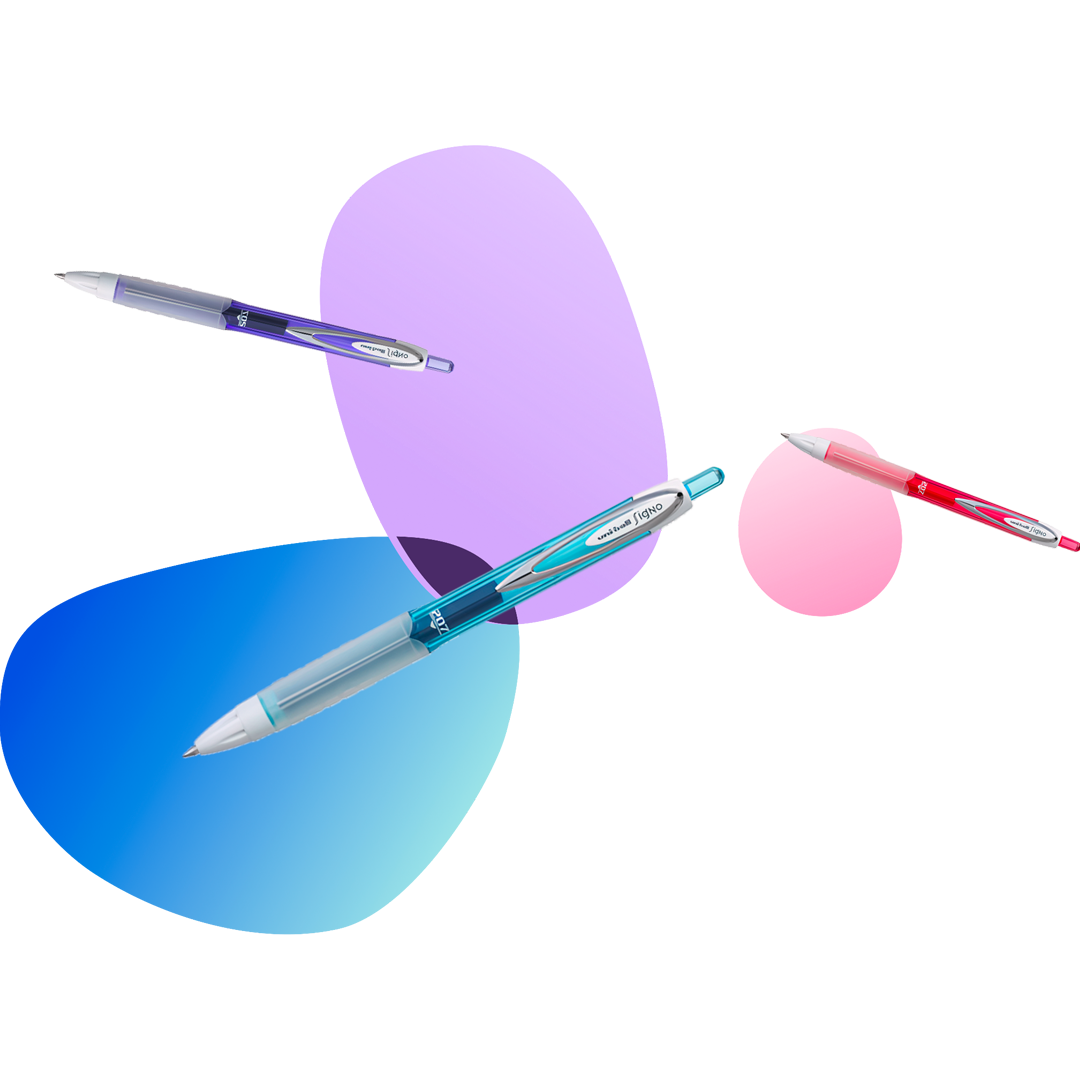
Uni pens with blue, purple, and pink colors

Start Your Story • A Transformational Brand Refresh and Launch Campaign

  • Client

    uni

  • Solutions

    BrandBrand Identity & SystemsGo-To-Market StrategyMediaPaid SearchPaid Social

00:00

00:00

00:00

Case Study

0:00

Reimagining a legacy brand.

As a world-class provider of innovative writing and art instruments, uniball had always been well aware of the power that lies in doing things differently. But for a 135-year-old brand that held its position as an industry leader for decades, change doesn’t come without its challenges. To write the brand’s most exciting chapter yet, we teamed up with uniball and developed a fresh brand identity, along with a go-to-market strategy that helped introduce it to the world. Renamed as uni, we launched the brand through an end-to-end omnichannel campaign spanning content, film, media buying and more—honoring its heritage while looking forward to the future.

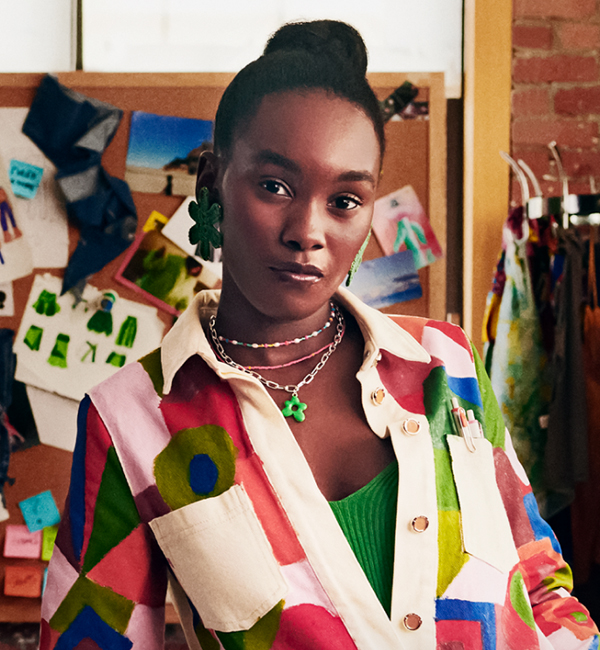
A woman wearing a colorful jacket stands in her studio
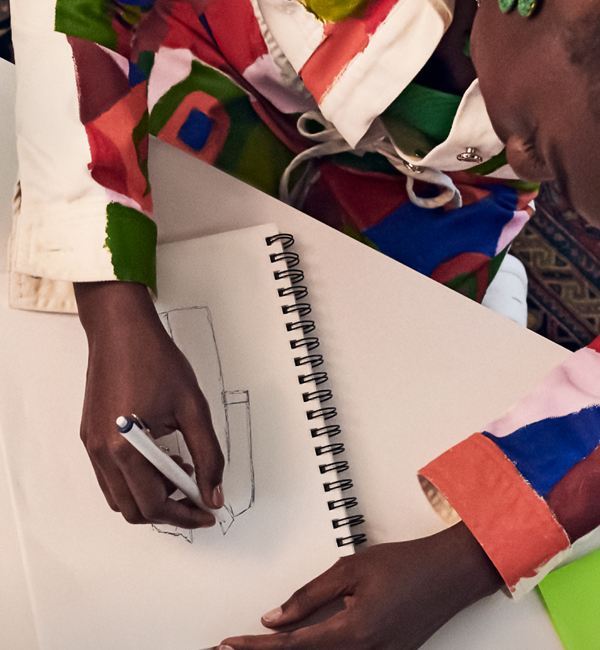
A woman drawing in her notebook with a uni pen
Press The vision for this campaign is to celebrate and empower people to take control of their personal journey.
Read on The Drum Pen maker Uniball writes new chapter as Uni

Transforming the brand experience from the inside out.

To create a new brand identity that resonates with consumers, we started by conducting a research study surveying over 500 primary household shoppers in the writing instrument category. This study informed the overall tone of voice, as well as the creation of hundreds of new brand assets—including a refined logo and color palette, brand guidelines, packaging and merchandising, social media channels, applications, OOH and print advertising. Turning uniball into uni, we helped create a more friendly brand, an approach that’s reflected in the optimized, revamped website. With different textures and popping colors, uni’s brand identity went from traditional to transformational—changing consumer perception while driving inspiration and fostering a stronger connection to the brands’ identity.

An insight-led campaign to establish stronger relationships.

To create a brand that resonates with consumers today, it’s vital to understand their core needs and shifting behaviors, as well as the market trends. So before we could introduce uni to the world, our strategy team identified customer, cultural, category and company insights through both primary and syndicated research. In doing so, we found that recent world events had awakened a desire to create and take on new challenges in the target audience. With this in mind, we developed a go-to-market strategy that articulated this sentiment.

Inspiring audiences to craft their own stories.

Once the new brand identity was ready and the research concluded, we developed and launched Start Your Story, an omnichannel campaign that centers on the first-person experiences of those writing their own futures. We focused on the brand’s inspiration pillar and kept an optimistic tone of voice that encouraged the audience to connect with their creative selves—raising brand awareness and driving audiences to see uni as a modern brand with a fresh new take.

To achieve maximum reach, our teams worked together to leverage the original research and created target personas, as well as allocated budget splits across media channels. This included using a testing framework with three creative variations and four measurement initiatives such as Brand Lift Studies and GWI Research, with data shown on an interactive live dashboard. In other words, we ensured the campaign was rolled out across today’s most relevant channels, according to their purpose within the brand ecosystem.

Results

  • 616% + planned paid media via online video and YouTube reach
  • 353% + planned social paid media reach
  • 46% + benchmark video completion rate
  • 30% + benchmark click-through rate
  • 29% + CPC benchmark with SEM

Looking to rebrand? Get in touch.

Hey 👋

Please fill out the following quick questions so our team can get in touch with you.

Can’t get enough? Here is some related work for you!

Inspiring Audiences Through Out-of-this-World Original Content

Inspiring Audiences Through Out-of-this-World Original Content

3 min read
Profile picture for user mediamonks

Written by
Monks

Inspiring Audiences Through Out-of-this-World Original Content

A new series of film shorts produced by Media.Monks ensures you don’t have to be a rocket scientist to understand the daily activities of the Frontier Development Lab. The lab (a partnership between NASA and the European Space Agency and hosted by the SETI Institute) must make sense of enormous amounts of data each day to tackle some of earth’s greatest challenges at greater speed and efficiency than ever before.

Backed by decades of research, scientists can predict solar flares, identify probable flood zones and search for natural resources on the moon. Powered by technology from Google Cloud and Intel, they can achieve even more, faster. The shorts offer an over-the-shoulder (and digestible) look at how FDL research affects our everyday lives, turning invisible technology that functions behind-the-scenes into tangible outcomes.

Through the films, viewers gain clarity on the invisible technology that supports FDL’s efforts—processes that formerly had to be carried out manually by scientists. With computing power from Google Cloud—whose CPU cores are provided by Intel—teams now carry out intense calculations of data faster than before.

While these technologies working in concert with one another could be perceived as fairly abstract, their effects are tangible: crunching the numbers in time makes all the difference between pre-emptively mitigating the effects of a natural disaster versus succumbing to catastrophe. “The series is a tribute to teamwork, and the optimistic message of the films show how people can come together to achieve great things, even solve out-of-this-world challenges,” says Pep Lupo, Executive Producer at Media.Monks and who leads on our work with Google.

Build Content that Inspires

Whether they aim to represent their purpose and role in society or merely want to connect more authentically with consumers, it can be tough for brands to stand out in the ways they stand up for what they believe in. But brands can cut through the noise and tear at the heartstrings through a more thoughtful approach to original content. Either entertaining, informative or a mix of both, this content should stand on its own legs—even if you were to remove the brand from it completely—with the same production value consumers would expect from content they actively seek out.

GoogleNasaMan

Through imagery and human-centered narration, the series, “NASA FDL – Exploring New Frontiers” aims to inspire audiences and offer a glimpse at a better future enabled by NASA, Google Cloud and Intel technologies. “This is an ode to humanity’s future, and the series lets audiences learn about the real challenges these scientists face.” says Carolina Brandao, Sr. Film Producer at Media.Monks.

Brandao’s words drive home an important distinction between premium original content and traditional messaging from brands. Original content is most effective when focusing on the brand and its impact on society. In other words, it must be relatable and entertaining—so much so that consumers would actively seek it out rather than merely have it served to them.

Bring Life to Stories Through Empowerment

Original content must focus on the human element to be impactful and authentic. Knowing this, the films center on the people who interact with these technologies each day, aiming to capture the spirit of the scientists who are solving big challenges through data and tech.

GoogleNasaWoman

We began by conducting off-camera interviews to inform the storytelling approach. In the finished films, the scientists deliver monologues that instill beauty in their work. Focusing on day-to-day activities and the role that tech plays in solving critical challenges not only helps viewers understand the results of FDL’s work, but also inspires cooperation between people and brands to achieve great things.

With the rise of so many new visual channels, original content is the next frontier in storytelling. But to succeed in delivering it, brands must first begin with a clear point of view and message. By recognizing and understanding what resonates with their audiences, brands can tell those stories authentically, bringing a human element to the story that builds emotional impact and relevance—even telling a story that speaks to the far reaches of the solar system.

Original content with a high production value builds brand relevance while informing and entertaining audiences far and wide. Inspiring Audiences Through Out-of-this-World Original Content These films show you don’t have to be a rocket scientist to be dazzled by NASA’s Frontier Development Lab.
Nasa Google Intel original content branded content films

IBM Examines Coding’s Impact in New Film

IBM Examines Coding’s Impact in New Film

4 min read
Profile picture for user mediamonks

Written by
Monks

IBM Examines Coding’s Impact in New Film

When you think of first responders, you might imagine disaster relief services like police, firefighters, medical personnel or the National Guard. But there’s another breed of first responders that’s largely invisible, and whose contributions are easy to take for granted: the coders whose skill and creativity power the tools that bring relief to those affected by disaster.

In collaboration with IBM Originals, Media.Monks produced a feature-length documentary film, Code & Response, that examines the ambition that drives several members of the global coding community to develop new, first-responder solutions amidst a backdrop of natural disasters that have grown in strength and number—and stand to become even worse in the future.

The film features four projects around the world, each tackling disasters that may have seemed far away and abstract to viewers before watching, but that are all too real for the coders and their communities. “We wanted to raise their profile in the culture’s discourse,” says Elisa Thomas, Content Strategist at IBM Originals. “To do that meant going deeper into their motivations and allowing their stories to unfold in a way that couldn’t be done in a two-minute clip. We wanted high-production value and time to do it right.”

And it looks like those stories have resonated with viewers; running the film festival circuit, Code & Response has taken home a few awards, like Best Documentary at International New York Film Festival and a Gold Award for Best Feature at the Southeast Regional Film Festival. A writer from The Next Web called it “the single most touching, inspiring documentary I’ve seen this year.”

Bringing Ideas to Life

The documentary’s acclaim offers a great lesson on what brands can achieve when they marry creativity with authenticity; despite its being made by IBM Originals, the brand doesn’t insert itself into the narrative. Instead, it focuses on the everyday people bringing their innovative (and important) ideas to life: for example, an offline mesh network that lets people communicate when normal connections are down, or drone scouts that identify SOS signals with image recognition technology.

“The point isn’t about the brand in the story, but telling a good story,” says Heather Hosey, VP Client Engagement at Media.Monks, who worked on the project. “IBM was pushing to tell a good story without promoting themselves, which is so different among what others do.”

KENJI_RIVER_10

Kenji Kato developed an application that helps first responders track and understand the path of wildfires.

Celebrating coders and letting them tell their own stories does more than demystify tech to a general audience. For developers, the stories can be inspiring. For those with the motivation to make something, too, IBM’s larger Code & Response initiative—including its “Call for Code” contest, local events and a resource platform for self-learning—is there to support them.

“When we titled the film, we didn’t expect it to become the title for a greater IBM initiative,” says Joe Esposito, Creative Director at IBM Originals. “Code & Response is now a $25 million, four-year IBM initiative to help bring these new open source technologies and solutions into the world. We hope the movie bolsters that commitment.”

An Authentic Connection to Community

The film owes much of its power to distilling complicated technology into relatable, human stories. “We didn’t want to typecast, so we featured normal people who are very passionate about their work,” said Hosey. The secret to surfacing up such powerful stories lies in embedding the creative team directly within the community: “We went to them, rather than ask that they come to us, and that yielded a better output,” says Hosey.

This meant digging deep and building contacts at IBM’s hackathons on a local level—easy enough if you’re profiling a single one, but requiring a bit of dedication when your focus extends across the globe. This led the team to meet with Pedro Cruz, one of the film’s subjects, who won first place at IBM’s Call for Code in Puerto Rico for DroneAid, his drone scouting project. Subalekha Udayasankar, also portrayed in the film, was a finalist in the global Call for Code with Project Lantern. But the team wasn’t interested in just the winners. Their drive to unearth the most compelling stories brought them in touch with Kenji Kato, who participated in Fremont, CA with a wildfire tracking system; and WOTA, a team of Tokyo-based engineers who developed a water circulation system that provides access to clean, running water to disaster victims.

Suba_1

Subalekha Udayasankar developed an offline mesh network that connects people when typical connections are down.

Keeping Goals Aligned

This investigative style of digging into the trenches ensures the story doesn’t get lost in the tech. Instead, the process authentically weaves in the impact that the coders have made on their communities through their work, aligning well with the film’s goals of challenging the way audiences look at developers and inspire its community of developers.

“There are so many archetypes for developers in the media—mostly, they’re wearing hoodies in basements, hacking companies for some sort of monetary gain,” says Thomas. “In reality, many are incredibly thoughtful and passionate people who use their skills to help people. And they do so with such humility and sincerity.”

Monk Thoughts Assessing all company priorities ahead of time is key to building a better story.

Hosey emphasizes the importance of ensuring everyone is on the same page early in the process. Film is a big endeavor, incorporating several players: brand leadership, the creative team, the production team and more. “Assessing all company priorities—creative and business—ahead of time is key to building a better story.” she says. “There will always be many players, and it helps creative and production to understand all those angles to set up a successful story.”

For IBM, the film not only brings to light the impact that coders have on their communities—it serves as example of how we can work together to build a better future. “IBM has always taken a progressive stand about building a smarter planet and we have thrived for more than 100 years because we focus on the shared success of business and society,” says Christopher Schifando, Creative Director at IBM. “By putting smart technologies to work in the hands of coders, we can invent new ways to help first responders save lives and create lasting and sustainable change.”

It takes close trust and partnership to align the narrative with what the creative team wants to convey and the results that leadership wants to achieve. The Media.Monks team worked alongside IBM throughout the film and production process, and the shared vision of the project kept the team focused and energized. “Our tagline was ‘One team, one dream,’” says Hosey. “What kept us all going was that it was a really cool project.”

“Code & Response,” a new film by IBM Originals and MediaMonks, presents a stirring depiction of how innovative ideas come to life. IBM Examines Coding’s Impact in New Film “Code & Response” examines coders and impact in first response and inspires the next generation of makers.
IBM code and response branded content film content brand film documentary filmmaking MediaMonks film content ecosystem

Choose your language

Choose your language

The website has been translated to English with the help of Humans and AI

Dismiss