FLUX.Monks Are Reimagining the Fashion Industry
FLUX.Monks Are Reimagining the Fashion Industry

It’s difficult to believe that it has only been a year since our fashion and luxury team—the FLUX.Monks—launched. And what an incredible year it’s been. As fashion weeks cancelled, retail stores closed and supply chains were disrupted, the FLUX.Monks had their work cut out for them. But they rose to the occasion, connecting the dots across a wide range of capabilities to drive fashion’s most powerful element—its human, emotional and expressive heart—into worlds that truly span digital and physical landscapes and platforms.
Contrary to the trappings of the traditional agency with siloed data and creative teams passing the baton, our teams work together from day one to come up with truly integrated and innovative solutions for clients. “The key,” says Liam Osbourne, Global Client Partner for FLUX, “is in maintaining the delicate balance between insight and instinct to preserve the aesthetics and signature style of a brand while exploring different channels, experiences and even audiences.”
As the industry has transformed, the FLUX.Monks have been busy helping brands reimagine how they connect with customers across numerous channels and experiences by interlacing data-driven insight, purposeful creativity and world-class production capabilities to elicit elegant and meaningful campaigns, activations and experiences. And this past year has been nothing short of amazing, both in what we’ve been able to achieve for fashion and beauty brands during this remarkable time, and what we’ve learned.
Stepping Off the Catwalk and Into an Interactive World
Over the past eighteen months, fashion shows around the world have enjoyed a period of digital experimentation. Stepping off the catwalk and onto immersive digital channels, fashion houses have had to reimagine the way they tell their stories and represent new collections. Digital experiences have enabled unparalleled access to the previously insider-only world of fashion shows. Now untethered from the catwalk, it’s likely that show formats will never return to the previous constraints of time and space. And with deep category expertise and world-class capabilities across new and emerging technologies, the FLUX.Monks are uniquely positioned to bring the fashion show of the future to life. The trick is in creating immersive, tactile experiences that engage new consumers without alienating, or inadvertently excluding, brand loyals.
Gen Z and millennials will dictate the future of luxury fashion, but how they engage with the luxury fashion market is a complete departure from previous generations.
Osbourne goes on to add: “They’re the most digitally sophisticated consumers to date and brands need to work with a team of experts that have deep understanding of platforms and emerging technologies while also being fluid in the nuances of fashion to succeed.”

As Italian fashion luxury brand Moncler’s official interactive broadstream partner, the FLUX.Monks helped bring the brand’s 2021 #MONCLERGENIUS Fashion Show to life with an experience that took attendees on an immersive, game-like journey—a fantastical trip around the world. Working closely with Moncler’s physical installation and design agency, Villa Eugenie, our team helped build interactive, virtual worlds inspired by installations spanning New York, Shanghai, Milan, Seoul and Tokyo to bring a new dimension to Moncler’s physical events that allowed the brand to reach a broader audience.
Central to the show itself—which was broadcast on YouTube Live—was interactivity. From animation to live event support, our teams worked alongside Moncler to give users unprecedented access to the show as they interacted with other viewers and contributors via the live-chat system. More than 4 million people visited the dedicated microsite—numbers that will only continue to rise as the platform lives on long after the live event—and 80% engaged with the livestream, with viewing times 4.5 x longer on the interactive (vs non-interactive) livestream.
Catering to Geographically Diverse Audiences
For most brands, no two markets are exactly alike. And that goes double in fashion and beauty where consumer tastes can be highly nuanced within even a single market. Global brands working to grow adoption across a number of markets need a multicultural partner who can help them show up meaningfully and authentically. So when Amazon Fashion Europe wanted to raise brand awareness and their cred in the fashion space, they turned to our FLUX team.
Challenged with penetrating five key but distinctly different markets within Europe—UK, Germany, France, Italy and Spain—the team not only brought their fashion expertise, but worked very closely with our social influencer and data teams to become a relevant part of the fashion conversation and strengthen Amazon Fashion’s presence in the channels where fashion and lifestyle are the main drivers.
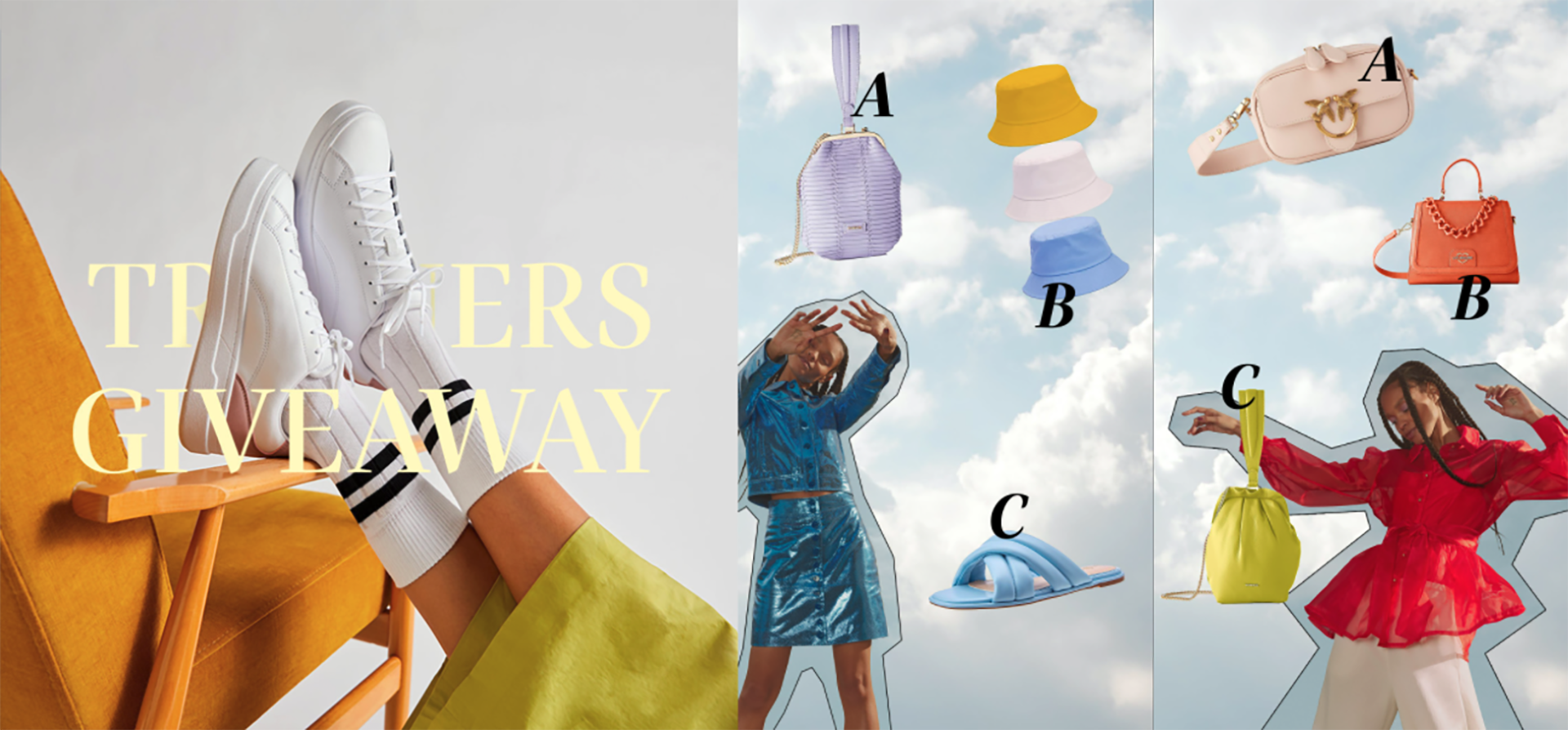
Spanning content and asset creation, social and influencer marketing, and community management, FLUX established the Amazon Fashion Council to ensure a humanized feel to the brand’s wide offering. Each member of the council—stylists, designers and fashion influencers—represents a key European market and shares their words of wisdom across the Amazon Fashion channel, engaging consumers in a targeted and personalized manner. Complete with language and translation support—all under one umbrella.
Bringing It All Together for an Iconic Brand
When Burberry wanted to expand their omnichannel presence and develop a 360-degree vision that includes digital, they selected our FLUX.Monks as lead social, creative, strategic and production partner. “Burberry is one of the most technologically innovative and digitally expressive brands in fashion,” says Osbourne, “and we have been equal parts awed and inspired to be partnering with them on numerous integrated campaigns and initiatives designed to reach millions of people globally.”
As part of the fifth installment of the “Burberry Generation” artist collaboration project, our team was tasked with creating bespoke storytelling and driving buzz on social platforms to promote the brand’s iconic handbag—the Olympia bag. We scouted and collaborated with installation and balance artists to build four breakthrough balancing art pieces that incorporated the bag, and delivered four hero short films and a pack of key visuals to showcase execution of the balancing installation. All launched across WeChat, Little Red Book, and social video platforms while the installations were covered in several media publications.
When asked to support Burberry on the launch of their smart retail store with Tencent in Shenzhen, we sought to create social buzz and to drive traffic, online and offline. Our strategy was to tap into media and various content creators, within both the fashion and tech worlds, to cater to Shenzhen as a high-tech hub, and to collaborate with celebrities and local influencers covering WeChat, RED, Weibo, Douyin and beyond usual platforms with Bilibili. Thanks to our launch strategy and local market insights the store was a destination—both online and bricks and mortar—generating massive social buzz and setting the benchmark for a flagship launch for the sector.

And to celebrate this year's monogram campaign for Burberry, our team worked with four land artists to reimagine Riccardo Tisci's contemporary monogram design on the Welsh shoreline, where it stood for hours before being swept back into the sea. Our second installation featured a series of 300 drones choreographed to create the iconic monogram pattern in the Colorado sky—a striking constellation above a remote mountain reserve. Together, both embody Burberry's celebration of exploration and the unexpected, and the inspiration of the great outdoors.
Yes, the FLUX.Monks—a global strategic, experiential design and creative team specializing in driving desire and relevance for fashion, luxury, lifestyle and beauty brands across the end-to-end customer journey—have had quite a year. And with the fashion industry changing moment-to-moment there’s much, much more to come.