




Case Study
Find Your Flow Digital Experience • Leveraging Spotify's Data to Connect With Young Fans
00:00
00:00
00:00
Engaging urban music fans through personalization.
Spotify is one of the most influential audio streaming platforms, a feat attributable to features like the ability to create personalized playlists and discover new music through curated recommendations. Constantly striving to offer unparalleled experiences, they pay close attention to their consumers’ behaviors and interests—which allowed them to notice an industry-wide increase of 170% in Latin music streams in the last five years. Recognizing this as a prime opportunity to establish stronger connections with younger listeners, we collaborated with Spotify to develop and amplify a digital experience that taps into urban music, one of Gen Z’s favorite genres, and their yearning for personalization.
In partnership with
- Spotify
Client Words
The music editorial team meticulously created custom playlists for every flow, considering song lyrics, subgenres, rhythms, and emotions. It’s a chance for users to express themselves and uncover what sets them apart through an enjoyable process.
Sol Naldi
Marketing Lead at Spotify Mexico
Adding value through data-driven insights.
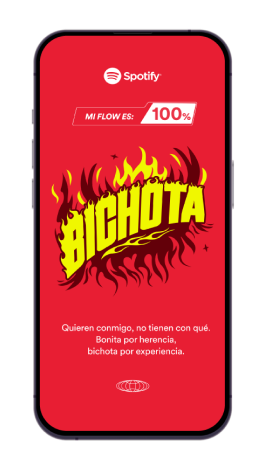
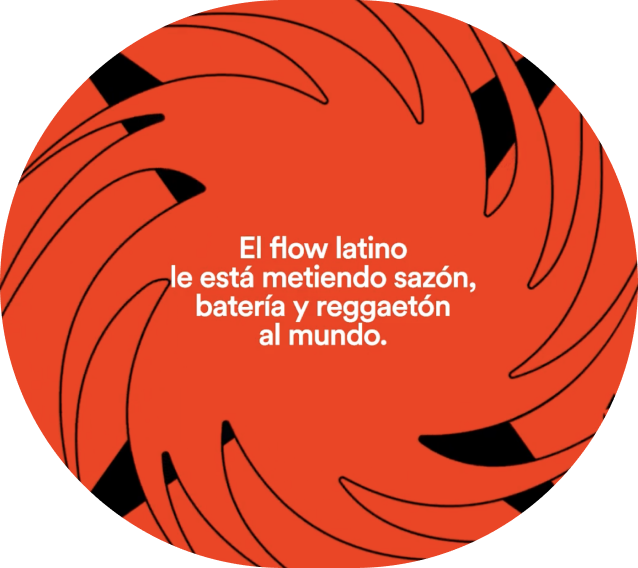
To establish Spotify as the ultimate hub for urban music fans, we developed Find Your Flow, an ingenious digital experience that leverages the platform’s consumption data to analyze people’s musical preferences and assign them a specific style within the urban genre. Known as a “flow persona,” each style is accompanied by fun and unique visuals inspired by its most prominent artists and producers, along with shareable assets for users to showcase their musical identities. Whether you identify as a “Pegao,” well-versed in the latest bangers and their accompanying dance moves, or a “Legend” with a penchant for reggaeton classics, the experience includes a curated playlist for each flow—enhanced by exclusive content, unique activations and merchandise.
Our Craft
Establishing brand awareness through a personalized experience.
A shareable experience that organically boosts engagement.
Thanks to the experience’s shareable features, which Spotify excels at, we were able to organically boost engagement through social media. On top of that, we developed content for each platform, which reinforced the call to action. With an overall impressive performance and excellent results, Find Your Flow has become one of Spotify’s most engaging experiences worldwide; a demonstration of the immense power of insight-driven creative solutions in establishing brand awareness.

Results
-
+34.6 M views
-
+350 M impressions
-
+15.6 M engagements
Want to talk social? Get in touch.
Can’t get enough? Here is some related work for you!
Experience
Redefine brand engagement through innovative, best-in-class digital experiences.
We are the architects of industry-defining brand experiences.
Over the last four decades, digital transformation has been the catalyst for growth. However, a new generation of digital natives with distinctive and high expectations has emerged. As experts in brand experience, we see every brand touchpoint as an opportunity to inspire, engage and innovate.
Our approach is centered around the power of bringing strategic, creative and in-house production together. We deliver award-winning, big-idea thinking through our unparalleled storytelling, exceptional craft and industry-defining digital expertise.
Redefining the future of virtual events
-
Work
ComplexLand • We translated the experience of ComplexCon into a shoppable, digital-first journey enjoyed by the most discerning trendsetters in culture.
-
![ComplexLand intro with logo in the clouds]()
Our Challenge
Realizing that trendsetters are increasingly just as interested in their digital identities as their physical ones, we leveraged this insight into new consumer behaviors to design ComplexLand.
-
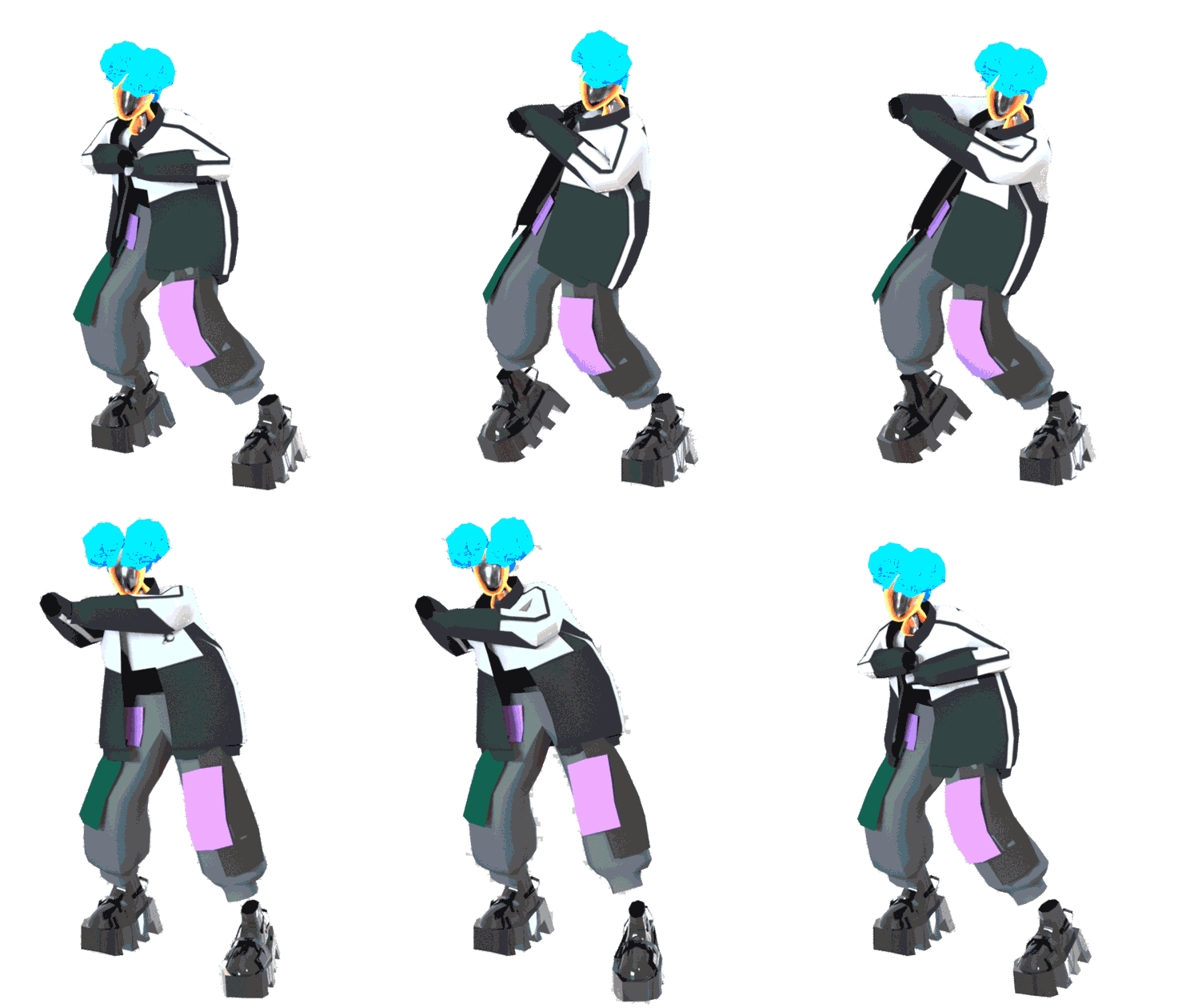
![An avatar dancing]()
-
![A shoe drop happens in ComplexLand]()
-
Since the start of our partnership years ago, ComplexLand has grown into a profitable media and retail platform that combines commerce and entertainment.
It’s the first of its kind to condense more than 70 brands into one shared virtual experience—allowing the institution to establish new partnerships with the hottest brands driving culture today.
-
Want to learn more about our partnership with Complex Networks?
Swipe
For More!
Drag
For More!
Monk Thoughts
Today’s consumers have seen it all and done it all – simply put, they expect infinitely more from brand experiences. Earning their affinity and their business requires insight and strategy rooted in culture, matched with highly innovative and disruptive thinking.

Connect
How can we help you innovate? Drop us a line.
Experience is everything.
As experts in brand experience design, we work to elevate and innovate your brand through every single consumer touchpoint.
We are your consultancy, agency and production arm all in one, specifically designed to help modern brands looking to disrupt, differentiate, and innovate everywhere customers interact with them. We exist to make complex problems simple.
Solutions
We are here to help with…
Highlighted
Solutions
Swipe
For More!
-
Impactful Brand Activations
Everything you need, end to end.
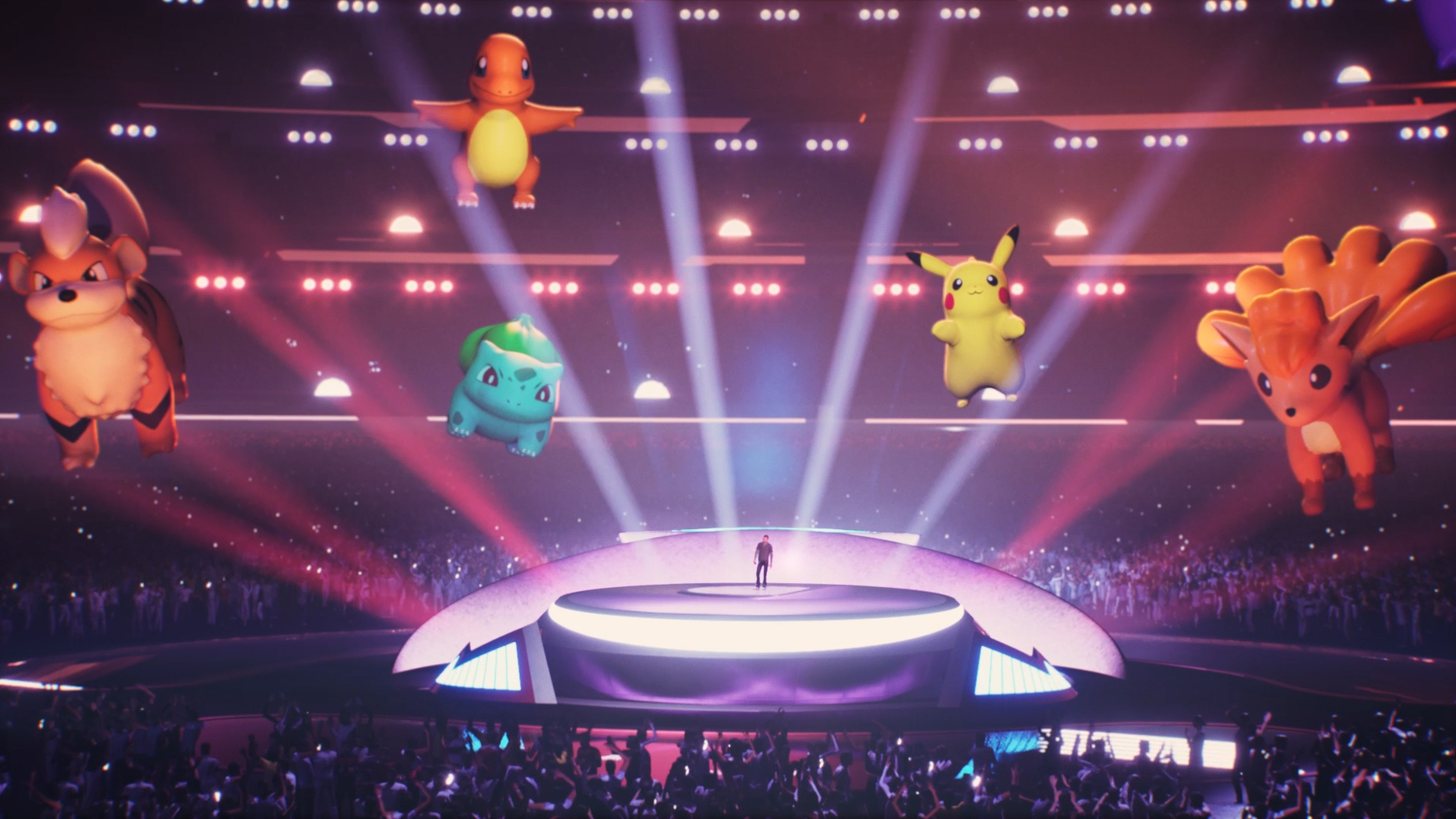
Everything you need, end to end. Launch mind-blowing moments and campaigns to win attention, engagement and conversion.
![A virtual pokemon concert showing different pokemon floating above stage]()
-
Omni-channel Marketing & CX
Experience-led ecosystem solutions.
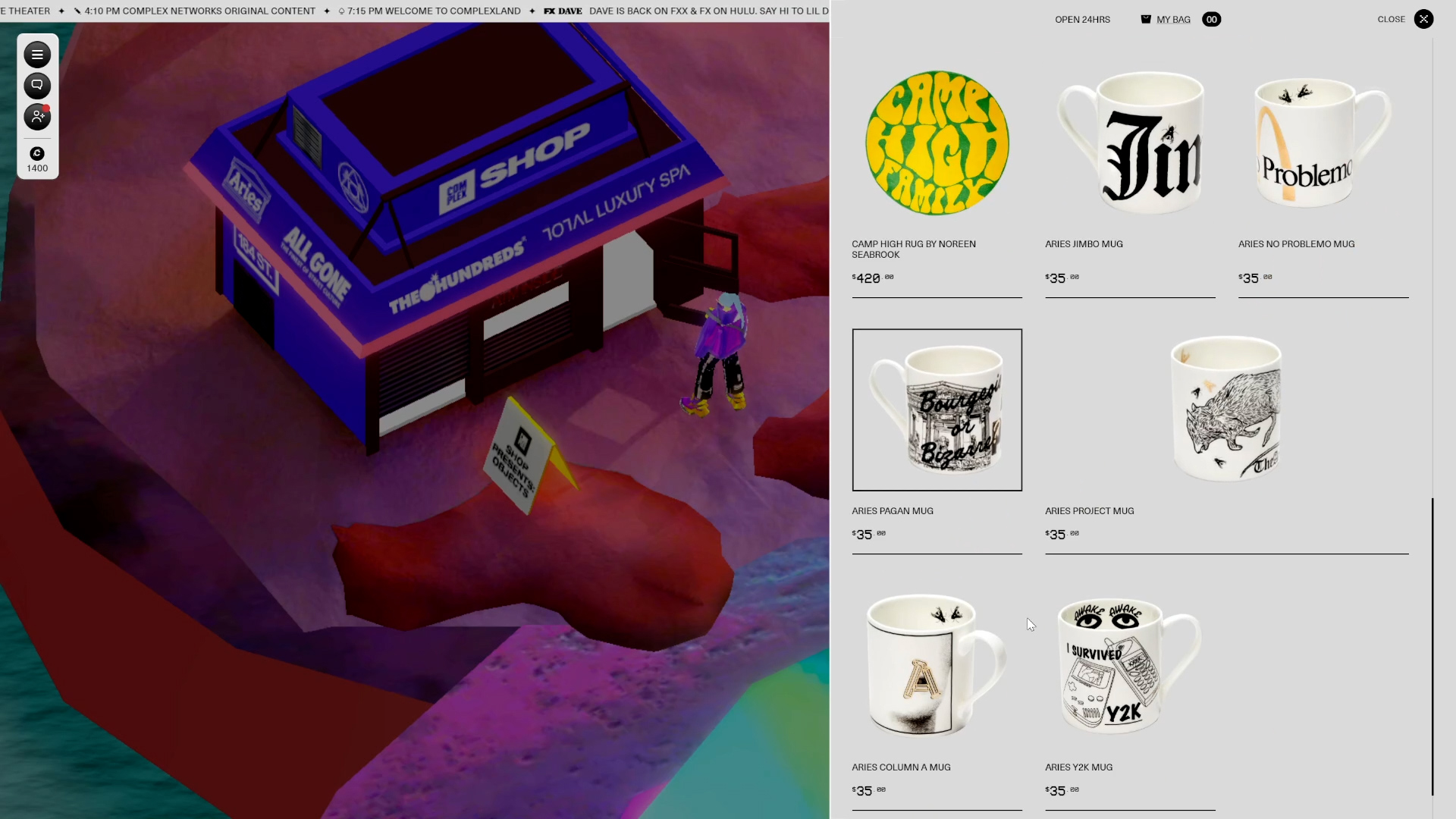
Experience-led ecosystem solutions. We connect across your brand touchpoints for seamless, impactful brand experiences.
![A bunch of shoppable merch is look through at the Complex store]()
-
Innovation Sprints
Innovate at speed.
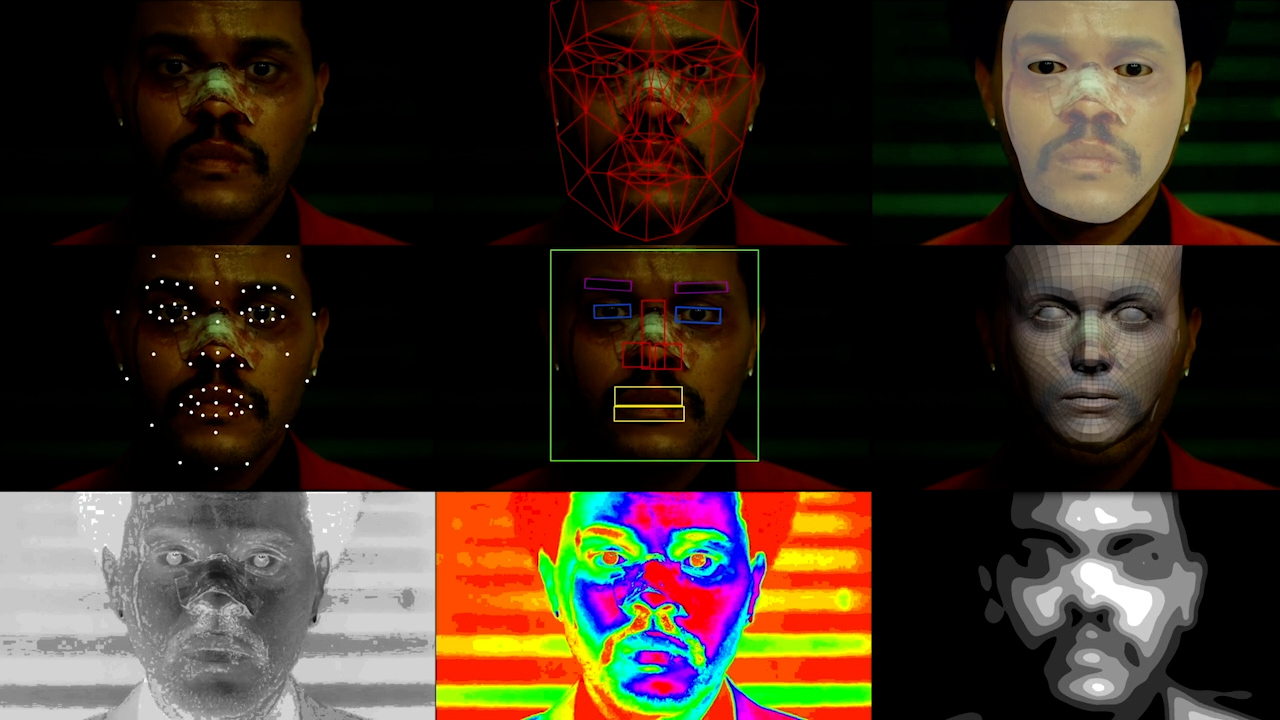
Innovate at speed. A fast-paced way to ideate around a new product or service and prototype what it could be.
![9 different variations of the weeknd's face]()
-
Immersive Brand Storytelling
Enrich the brand experience.
Enrich the brand experience. Increase engagement with immersive web, XR, gaming, metaverse and interactive experiences.
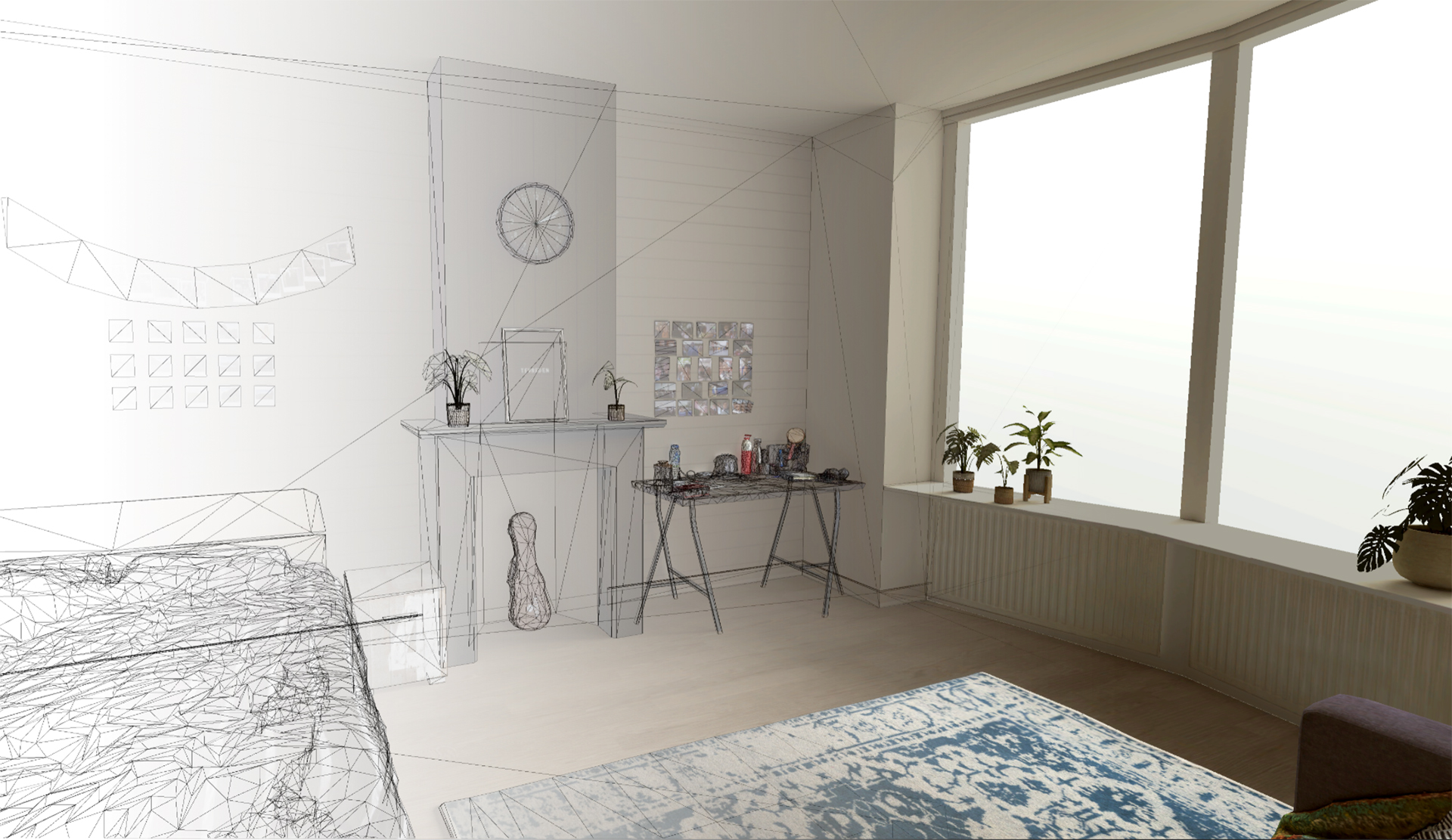
![An XR rendering of a bedroom]()
-
Product & Service Design
A partnership for the long haul.
A partnership for the long haul. From opportunity identification to launching your offering—and everywhere in between.
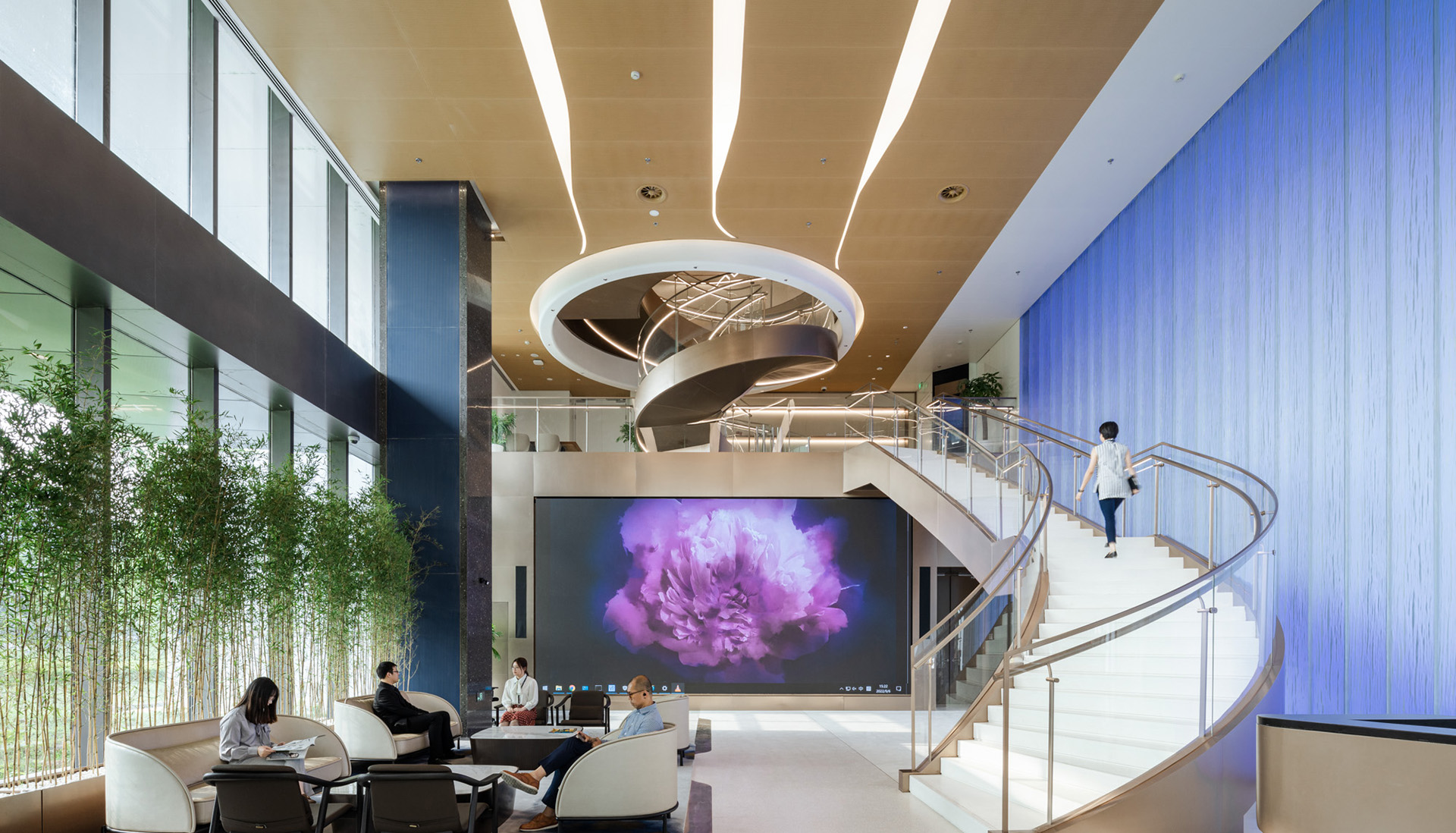
![A large room with a monitor showing a big pink flower]()
-
Retail Concept Innovation
Reinvent flagship spaces.
Reinvent flagship spaces. We revolutionize retail experience with new strategies, technologies and in-store experiences.
![Two people overlooking a retail space and clothing]()
-
Experiential Strategy & Production
Everything you need to elevate your brand IRL.
Everything you need to elevate your brand IRL. Define, plan and create awe-inspiring in-person experiences.
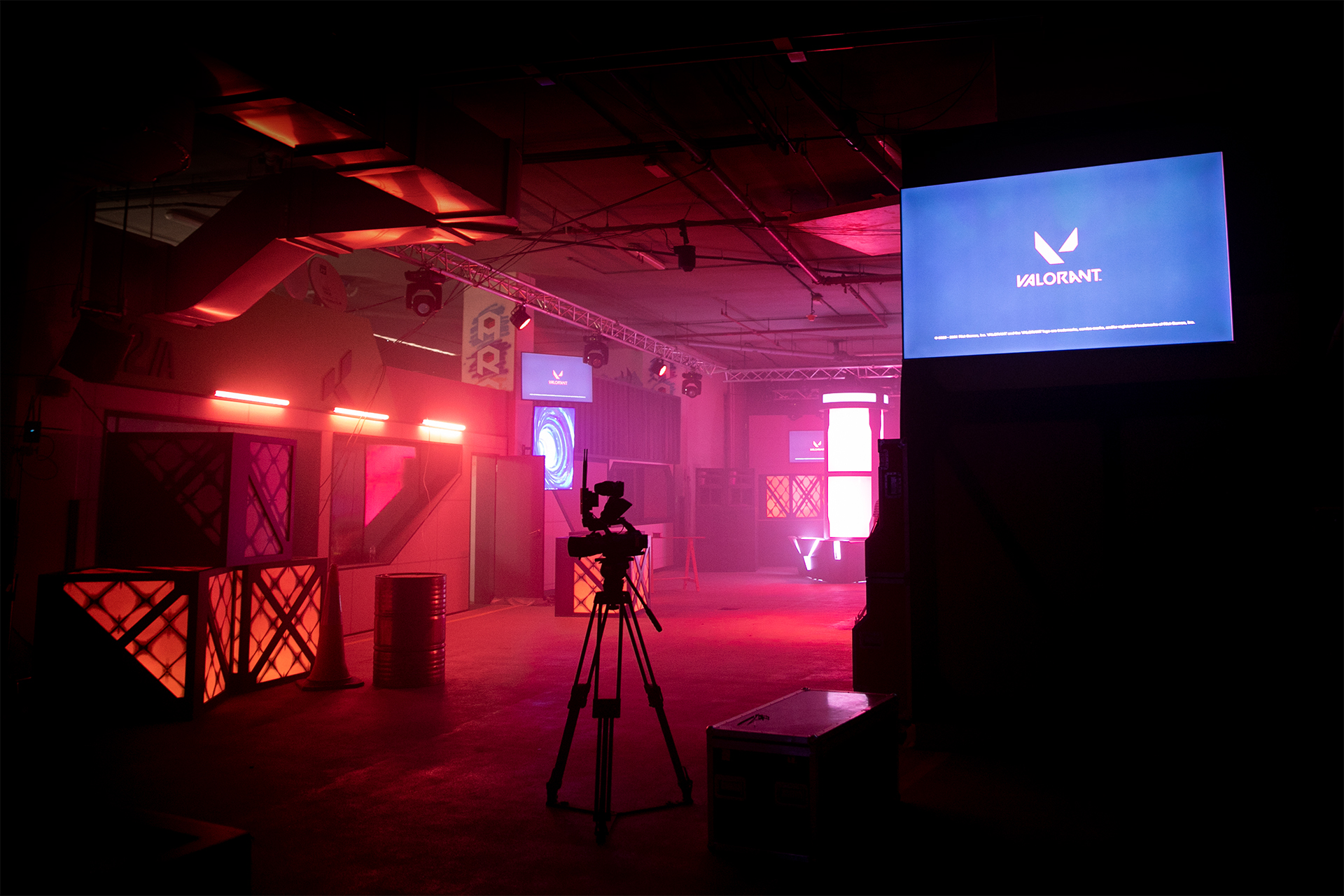
![Valorant experience hallway with a monitor and camera]()
-
AI & Emerging Technology Consulting
Embrace emerging trends.
Embrace emerging trends. Cutting-edge consulting in AI, XR, the metaverse and Web3 for your campaigns and products.
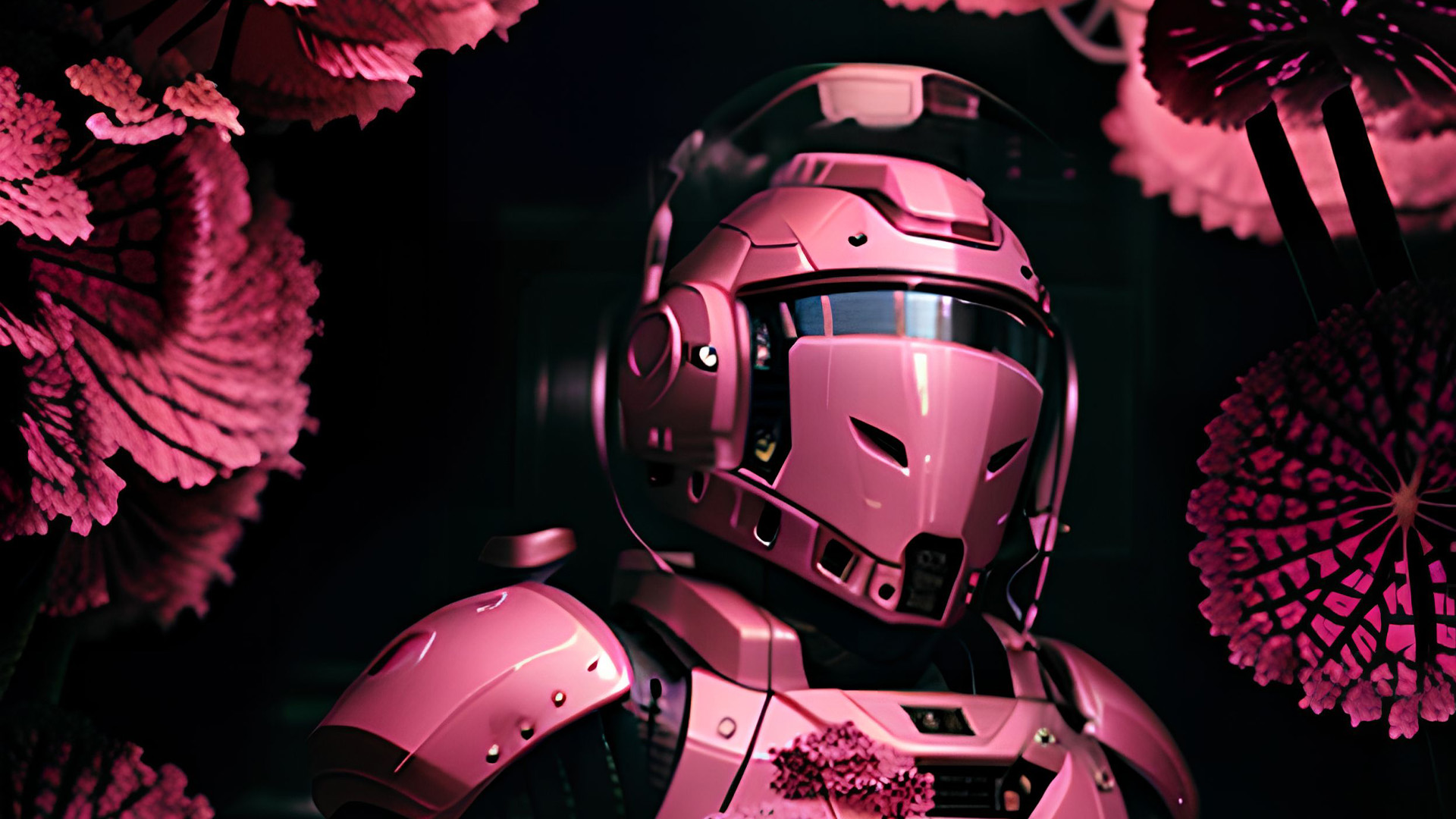
![A pink space person covered in flowers]()
-
VR & Live Video Production
Emmy-winning talent and a passion for innovation.
Emmy-winning talent and a passion for innovation. We offer award-winning livestream, broadcast and VR production.
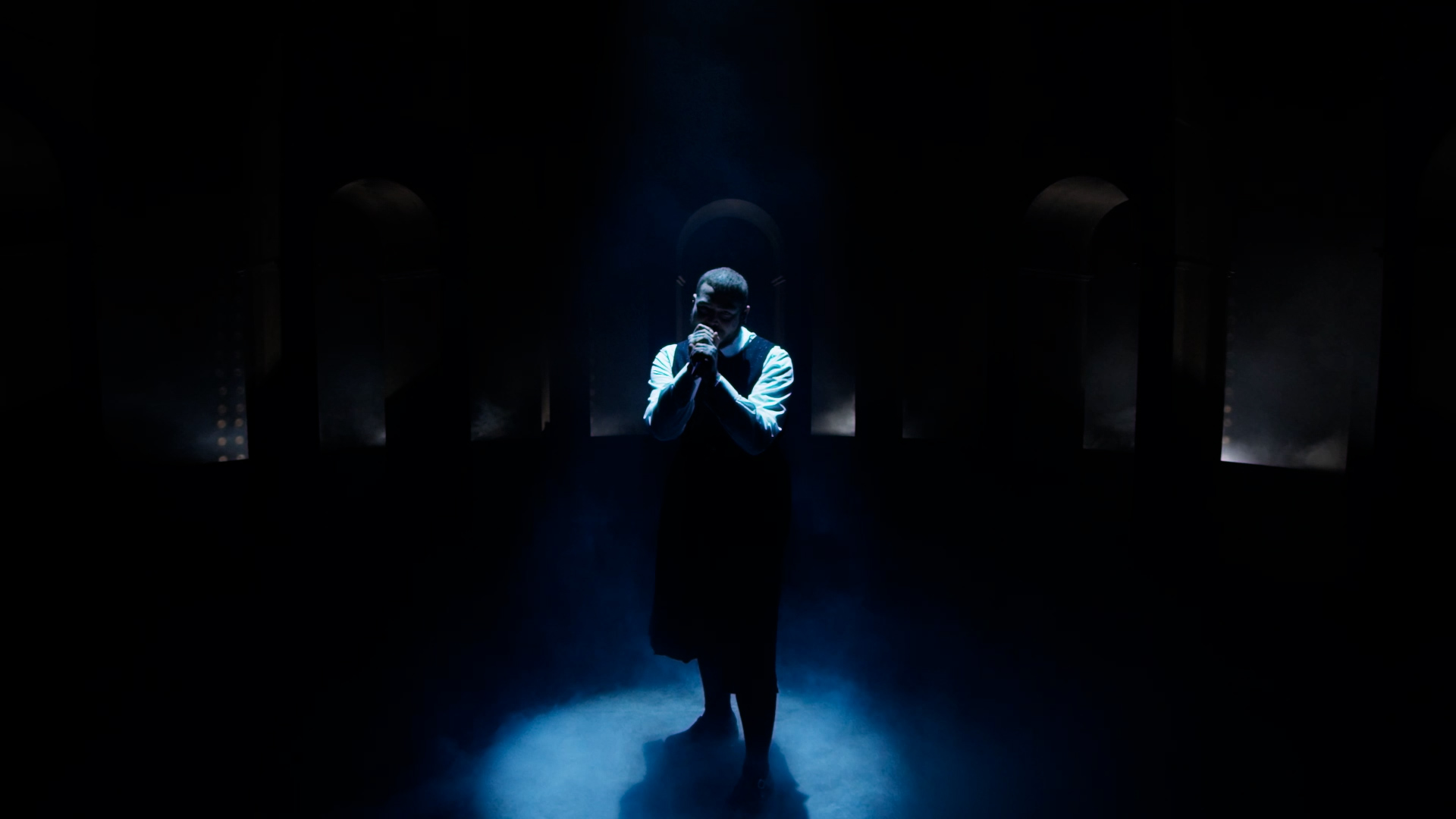
![Post malone on stage singing in the dark lit by a blue strobe]()
Monk Thoughts
We love experimenting with immersive spaces that engage the senses, evoke emotions, and build connections. Through innovative creative technology and interactivity, we transport audiences into a new level of brand engagement.

Bringing the future of urban living to life


Results
And it’s working…
-
$700,000+ in sales during the 5 days of ComplexLand 1.0
-
Complexland 2.0’s gamified virtual shopping increased sponsorship revenue by 60%
-
700K fans visited The Weekend x Spotify AI experience in the first 48 hrs
-
104 press articles & 2.1B impressions in 24 hrs for SONOS latest launch event
Monk Thoughts
Our goal is to deliver more personalized experiences for consumers and brands as efficiently as possible. Fans are increasingly craving personalized content, so we use the latest technologies and platforms to build upon our next-generation broadcasting solutions and deliver content people most want to watch.

Want to talk experiences? Get in touch.
Thinkers and Makers. Together at last.
-
How AI Is Changing Everything You Know About Marketing
-
How Live Remote Production Keeps Sustainability Goals Grounded
-
Creating Brand Love Through AI-Powered Customer Experiences
-
Three Shifts in Business Mindset to Guide Web3 Success
-
Web3: The Future of Customer Engagement
-
How Gaming Is Shaping the Future of Work in the Metaverse
How to Extend Real-World Events into Virtualized Experiences
How to Extend Real-World Events into Virtualized Experiences

Web3 and metaverse spaces offer exciting opportunities for brands to build incredible, new worlds and ways to interact inside them. But metaverse spaces are not reserved only for flights of fancy; they can also be stages to reimagine real-world events and experiences for global, digital-native audiences.
During the pandemic doldrums, we all saw how difficult it can be to translate the magic of in-person events from the stage to the screen—but increasingly immersive platforms solve these challenges by enabling a sense of presence within. While not a replacement for the experiences that inspire them, these activations can level up their ambition and become strategic, long-term additions to a brand’s digital strategy. Here’s how two brands were able to transform iconic IRL experiences into significant, long-term elements of their digital experience strategy.
Start with community.
Metaverse spaces serve as environments where people can connect with one another in real time, much like events in the real world. In fact, communal experiences are a hallmark of successful metaverse-related activations and Web3 projects, making community building a key design consideration. This was the case for Macy’s Thanksgiving Day Parade, which we marched into the realm of Web3 with a virtual recreation of New York’s Fifth Avenue—the IRL route for the parade—and a series of galleries featuring NFTs inspired by the parade’s iconic balloons and other popular projects like Cool Cats, VeeFriends and more.

Throughout its history, the parade has brought more and more people together through mass media channels: originally broadcast locally in New York in 1939, today more than 44 million people watch the parade each year. By building an immersive space where people can interact and engage with one another, even more attendees could enjoy the Macy’s Thanksgiving Day Parade in a totally new way no matter where they are: the event brought in over 90,000 users.
And for some virtual attendees, that’s just the start of the journey. With the ability to buy NFTs from some of the most popular projects, each with their own communities built around them, those who make a purchase are initiated into new entrepreneurial or artistic social circles.
Add value and cohesion through interoperability.
Culture doesn’t happen in a silo, so neither should a brand activation. One of the key promises of metaverse and Web3 technology is interoperability, or the ability of two or more systems to exchange and use information. Interoperability can mean enabling compatibility between different platforms or—perhaps more compelling for virtualizing IRL experiences—seamlessly bringing together both the real and virtual worlds.
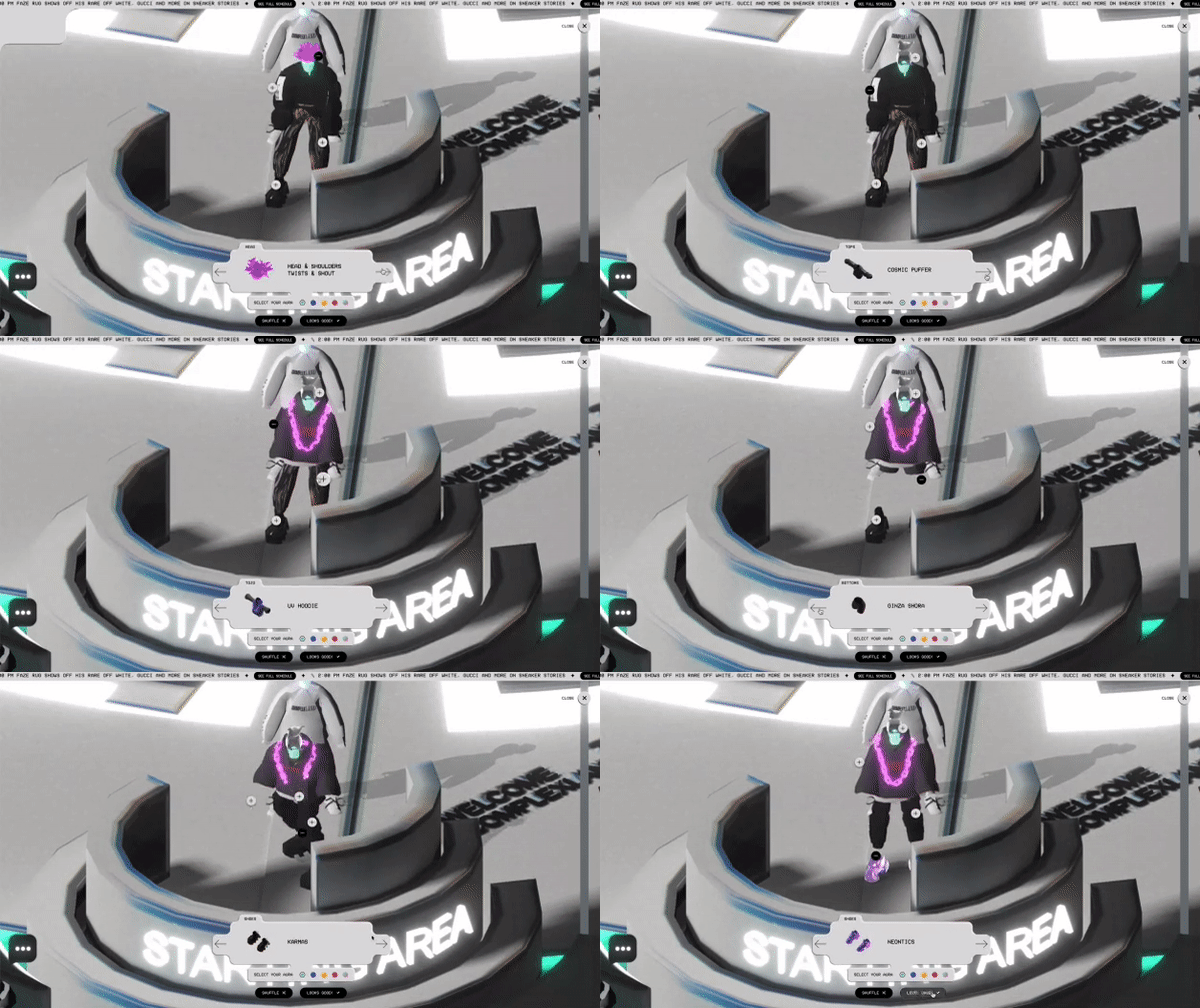
For that latter point, look at ComplexLand, a 3D digital platform inspired by ComplexCon—the cultural mecca bringing together the Complex Networks community, the hottest cultural trends and hype-fueled brands. Reimagined in a virtual format, ComplexLand provided a seamless shopping experience so attendees could fill both their physical wardrobes along with their virtual ones. Attendees could even unlock food deliveries by interacting with virtual food trucks parked throughout the world, bringing a little piece of the IRL festival experience to audiences from afar.

When it comes to interoperability in the more technical sense, the virtual Thanksgiving Day Parade was designed for attendees to take a little something with them across the metaverse. After purchasing an NFT, visitors could carry them into other worlds thanks to blockchain technology. They also had the chance to vote for which NFT project on display deserved to become a balloon in next year’s IRL show, further bridging together the real and virtual world (Cool Cats ultimately won).
Monk Thoughts
We're working closely with the Web3 focused team at Macy's to envision how year on year, a community can be built around Macy's and Web3 partners.

Build towards the future.
As metaverse spaces mature and the hype cycle winds down, brands are beginning to look beyond one-and-done activations for ways to build meaningful interactions that fuel long-term value. From setting the foundation for new revenue streams to iterating toward increasingly sophisticated metaverse experiences, reimagining an event can become a springboard for innovation.
You can trace this concept in action through the evolution of ComplexLand, with each annual edition building on those of previous years. Originally launched in 2019, the first ComplexLand was a single-player experience, though the following year added more opportunities for attendees to engage with others: sharing drops, having one-to-one conversations and interacting with branded non-player characters. This year’s version added Web3 capabilities—like minting NFTs—to enable new forms of connection and creative expression. The journey has led ComplexLand to become Complex Networks’ second-largest source of revenue and a key part of its events strategy.
The virtual Thanksgiving Day Parade similarly builds on Macy’s earlier Web3 efforts. Last year, the retailer celebrated the 95th anniversary of the parade by launching a series of 9,500 NFTs based on classic balloons. The addition of the immersive parade route and NFT galleries not only brings the magic of the holiday season to people everywhere; and introduces new audiences to both virtual spaces and NFTs.
Monk Thoughts
The program allows Macy's to continue to build deeper engagement with the community and partners while still being cause driven. Whether it’s in a Discord chat or in a virtual gallery, it opens up many new opportunities for collaboration both on-chain and off.

Build in authenticity by seizing the spirit of the event.
Finally, consider the overall purpose of your event or activation. Reinforcing a sense of purpose helps build authenticity into the overall experience. Macys captured the spirit of Thanksgiving with their virtual parade by donating all proceeds from NFT purchases to Big Brothers Big Sisters of America, a non-profit organization dedicated to supporting mentoring relationships for youth.
From the abstract world of ComplexLand to a virtual Fifth Avenue, both Complex Networks and Macy’s were able to expand the reach and relevance of their iconic IRL events. At the very least, these reimagined experiences offered moments of surprise to those familiar with their original in-person iterations. But more significantly, they serve as iterative steps that symbolize both brands’ willingness to continue building maturity in Web3 and the metaverse. By folding their core values into features that are inherently unique to the space, both brands authentically set the stage to meet digital-native audiences where they’re at.
How Digital Products Define Brand Identity
How Digital Products Define Brand Identity


In the vast digital ecosystem, brands often have to play by the rules of third-party platforms. While social media is incredibly useful for business expansion, it comes with a set of general regulations, codes, and best practices. Similarly, large e-commerce sites offer few opportunities to stand out, with a few exceptions. But among these necessary platforms, a brand's own digital products stand out as flexible tools for transforming the brand experience.
The term "proprietary digital products" refers to any digital platform where the code is owned by the brand. The terms "platforms" and "digital products" are often used interchangeably, but while the former can be confused with external channels like TikTok or Instagram, the latter is, in my opinion, a better name for spaces that are uniquely a brand's own. Characterized by their flexibility and customization, these digital products range from websites to TV apps and can serve any purpose we deem necessary to achieve our goals and meet consumer desires.
Because there are no intermediaries, we can have full authority over the brand identity that our digital products project. And that is a great responsibility. The way the brand experience looks and feels on these platforms will shape how the audience perceives the brand, so what should we prioritize when creating our own digital products?
Functionality, Efficiency, and Innovation.
In the past, websites were one-way streets, serving primarily as a source of information. Today, the standards are much higher. Whether it's a content hub or a smartwatch app, successful digital products are those that strike a perfect balance between functionality, efficiency, and innovation. The audience won't stick around on websites that make it difficult to find what they're looking for, or, even worse, don't function well. But they will be loyal to those that provide a seamless user experience.
Monk Thoughts
Within the entire brand ecosystem, proprietary digital products should be the most convenient channels.

That said, creating functional websites from scratch is anything but easy. For this reason, many brands turn to auto-site builders, or automatic site creation tools, especially when integrating e-commerce features. This can solve the problem temporarily, but as a permanent alternative, it raises the question of whether consumers will be able to remember these standardized sites. If they open multiple tabs in search of a product, will ours stand out from the rest?
Innovation is about creating those “wow moments” that will be etched in people's minds, and adding the interesting features that make a platform very different from its competitors, even if the offering is similar. Possibility City from HP, for example, is not just another e-commerce platform. It's a showcase of HP's digital printing presses that also hosts multiple events, from product presentations and webinars to one-on-one demonstrations. And while visitors explore the product line, the platform learns from their interests to provide personalized recommendations.

Data and Personalization: The last frontier of loyalty.
If our platform is intuitive to use and pleasant in its appearance, the next step is to offer personalized features that transform the experience into something truly unique. To do that, we need a data analysis infrastructure that provides valuable information about our consumers, and a team that can turn those insights into action.
I always work closely with the data team both within the company and on the client side to improve our understanding of consumers. On one hand, a solid first-party data framework can help us identify how consumers move through the ecosystem: where they click, how they behave, and where they encounter friction points. By designing around these general trends, we can offer a smoother experience for everyone.
On the other hand, individual data opens up a new world of possibilities in terms of personalization. With Possibility City, for example, we included a virtual assistant that learns from visitors' preferences and guides them through the brand's offerings, whether they are looking for efficiency, sustainability, or security. We also linked the platform to a CRM funnel that helps automate sales closing, keeping us informed about customer needs and how to be more efficient.
Designing around the business priority.
In addition to collaborating with the data team, my colleagues and I often work with the business consulting unit, as they have valuable information about brands' digital roadmaps and their long-term business goals. Digital products must be built around this vision. Not only to help brands achieve their goals more quickly but also to ensure that their platforms are unique.
When working with multiple airlines throughout my career, for example, I discovered that some needs are universal, but no two business models are identical. Options like "search flights," "check-in," or "view my reservation" are commonplace, but while some brands simply wanted a functional app to help travelers organize their trips, others sought to increase the average ticket value, encouraging consumers to opt for upgrades, additional luggage, and other add-ons. The mere act of designing around these priorities makes each platform very different from the other.
In conclusion, digital products are both the translation of our business and the embodiment of the brand identity. To get the most out of them, we need to understand our consumers and, above all, the brand itself. When working with clients, my goal is to help them create differentiated products that drive the business, and it is the brand values that ultimately have a decisive importance. By taking identifiable brand elements and combining them with functional, innovative, and personalized digital products, we can create a truly memorable brand experience that forges deeper connections with the audience.
How Digital Products Define the Brand Image
How Digital Products Define the Brand Image
Lea este artículo en español aquí.
In the vast digital ecosystem, brands often have to play by the rules of third-party platforms. Social media, whilst incredibly helpful in the pursuit of business expansion, comes with a set of regulations, codes and best practices that everyone has to comply with. Similarly, large ecommerce sites offer little room for differentiation—with a few exceptions. But beyond these highly necessary platforms, digital products owned by brands themselves rise as flexible tools to transform the brand experience.
Owned digital products designate every digital platform whose code belongs to the brand. The terms “platforms” and “digital products” are often used interchangeably, but while the former can be mistaken for third-party channels like TikTok or IG, the latter is, in my opinion, a better name for a brand’s unique spaces. Marked by flexibility and potential for personalization, these digital products encompass everything from dotcoms to TV apps—and can serve whatever purpose brands deem necessary in meeting their goals and keeping with consumers’ desires.
Because there are no intermediaries, you can have full authority over the brand image that your digital products project. And that’s a big responsibility. What the brand experience looks and feels like on these platforms is how people will perceive your brand to be, so what should you prioritize when it comes to building your own digital products?
Functionality, efficiency and innovation.
Back in the day, websites were unidirectional and served mostly as a source of information. Now, standards are higher. Whether we’re looking at content hubs or a smartwatch app, successful digital products must strike the right balance between functionality, efficiency and innovation. Consumers won’t stick around for websites that make it hard for them to find what they are looking for—or even worse, that don't fully work—but they will remain loyal to those that provide a seamless user experience.
Monk Thoughts
Out of the entire brand ecosystem, owned digital products should be the most convenient channels for consumers to use.
That said, building functional websites from scratch is no easy feat. Because of this, many brands resort to auto-site builders—especially when it comes to ecommerce integrations. While this may temporarily fix the problem, website templates are not a permanent solution because it begs the question of whether consumers are going to be able to remember it. As they search for product options and scour through multiple tabs, will yours stand out among the rest?
Innovation is about creating the “wow” moments that will remain engraved in people’s minds, and adding interesting features that make a platform completely different from those of your competitors—even if your offering is similar. HP’s Possibility City, for example, is not just another ecommerce platform. Rather, it’s a showcase of HP’s digital printing presses that doubles as a hub to house sales events—from product presentations and webinars to one-on-one demos. And while visitors explore the brand’s lineup, the platform learns from their interests and provides them with tailored content recommendations.
Data and personalization: the next frontier of loyalty.
Provided that your platform is intuitive in its use and delightful in its appearance, the next step is to offer personalized features that make the experience truly unique. To get there, you need the data analytics infrastructure to provide valuable information about your consumers and a team of experts who can turn that into actionable insights.
I always work closely with the data team on both the company and the client side to improve our customer understanding. On one hand, a strong first-party data framework can help you identify how consumers are moving across the ecosystem—where they click, how they behave and where they find friction points. By designing around these general trends, you can deliver a more seamless experience for all.
On the other hand, individual data unlocks a new world of possibilities in terms of personalization. With Possibility City, for example, we included a virtual assistant that learns from visitor preferences—whether they’re looking for efficiency, sustainability, security or other priorities—and guides them through the brand’s offering. We also tied the platform into a CRM funnel that helps automate the closing of sales, keeping us informed of customer needs and how to improve efficiency.
Designing around your business priority.
In addition to collaborating with data experts, my team and I work closely with the business consulting unit, as they can provide valuable insights into a brand’s digital roadmap and long-term business goals. Digital products should be built around this vision—not only to help brands achieve their goals quicker; also, to ensure their platforms are one-of-a-kind.
In working with multiple airlines throughout my career, for example, I found that while some needs were universal, no two business models were ever alike. Options like “book a flight,” “check-in,” or “see my reservation” were common currency—but while certain brands simply wanted a functional app to help travelers organize their trips, others sought to raise the average ticket value by encouraging consumers to opt for upgrades, extra bags and other add-ons. The mere act of designing around these priorities made each platform totally different from the next.
The bottom line is that digital products are as much the translation of your business as they are the embodiment of your brand identity. To get the most out of them, you need to understand your consumers and, above all, your own brand. In working with clients, my goal is to help them create differentiated products that drive their business forward, and it’s the brand’s values and identity that ultimately do the trick. By taking identifiable brand elements and combining them with functional, innovative and personalized digital products, we can create a truly memorable brand experience that forges deeper connections with your audience.
How to Build Digital Platforms for the Evolving Customer Journey
How to Build Digital Platforms for the Evolving Customer Journey

Dotcoms, microsites, mobile apps, ecommerce sites—digital platforms come in all shapes and sizes, and they’re key components in building a strong brand identity. Having a platform strategy is now a requisite for any business to thrive, as they serve as the backbone of most efforts to immerse the audience into a brand’s world. But while this truth may elude no one, the fact that platforms inhabit an ever-growing digital ecosystem poses the question of how we can make them memorable.
Because they are a direct reflection of a brand’s values, products and services, platforms should embody the brand identity in their look and feel. Above all, they should strike the perfect balance between functionality and impact. That, however, may be easier said than done. The process of developing, implementing and maintaining great platforms calls for a high level of subject-matter expertise—and here are some of our learnings from years of building brand legacies in this space.
The brand impression is determined by the digital ecosystem.
Digital platforms have evolved from playing a supportive role in the customer journey to becoming one of the main destinations in the brand’s ecosystem. That means that the experience they get will dictate their impression of the brand. “I like to say that we need to design for the ‘first date,’ because in that initial encounter, the interface is the brand,” says Creative Director Niels Dortland. "If a dotcom is flat and unremarkable, consumers will extend that perception onto the brand."
Monk Thoughts
Platforms need to be functional and easy to navigate, but they must be delightful digital experiences too.

As opposed to other channels in the ecosystem, dotcoms offer a fully ownable space. Because of this, astute marketers strive to make them the number one place where consumers interact with the brand. “You can’t be certain where the consumer will land within the digital ecosystem, but you can make sure your dotcom is the one they choose to come back to,” explains Dortland. “Investing in platforms that offer a great digital experience is investing in relationship-building with customers and business growth.”
While simplicity and clarity are great attributes for a platform to have, it doesn’t stop there. To stand out in a sea of sameness, we need to add another layer to the experience. Here’s the secret: the key to uniqueness lies in the brand’s identity.
Use your brand’s truth to rise above the noise.
Digital platforms are part of a broader ecosystem, and each one of these touchpoints should reflect the brand’s identity while serving a strategic purpose in the customer journey. “The way in which we add texture to an experience and make it truly authentic is by finding the brand’s truth and designing around it,” says Dortland. “If every platform is branded around that truth, that means they will be completely different to that of their competitors.”

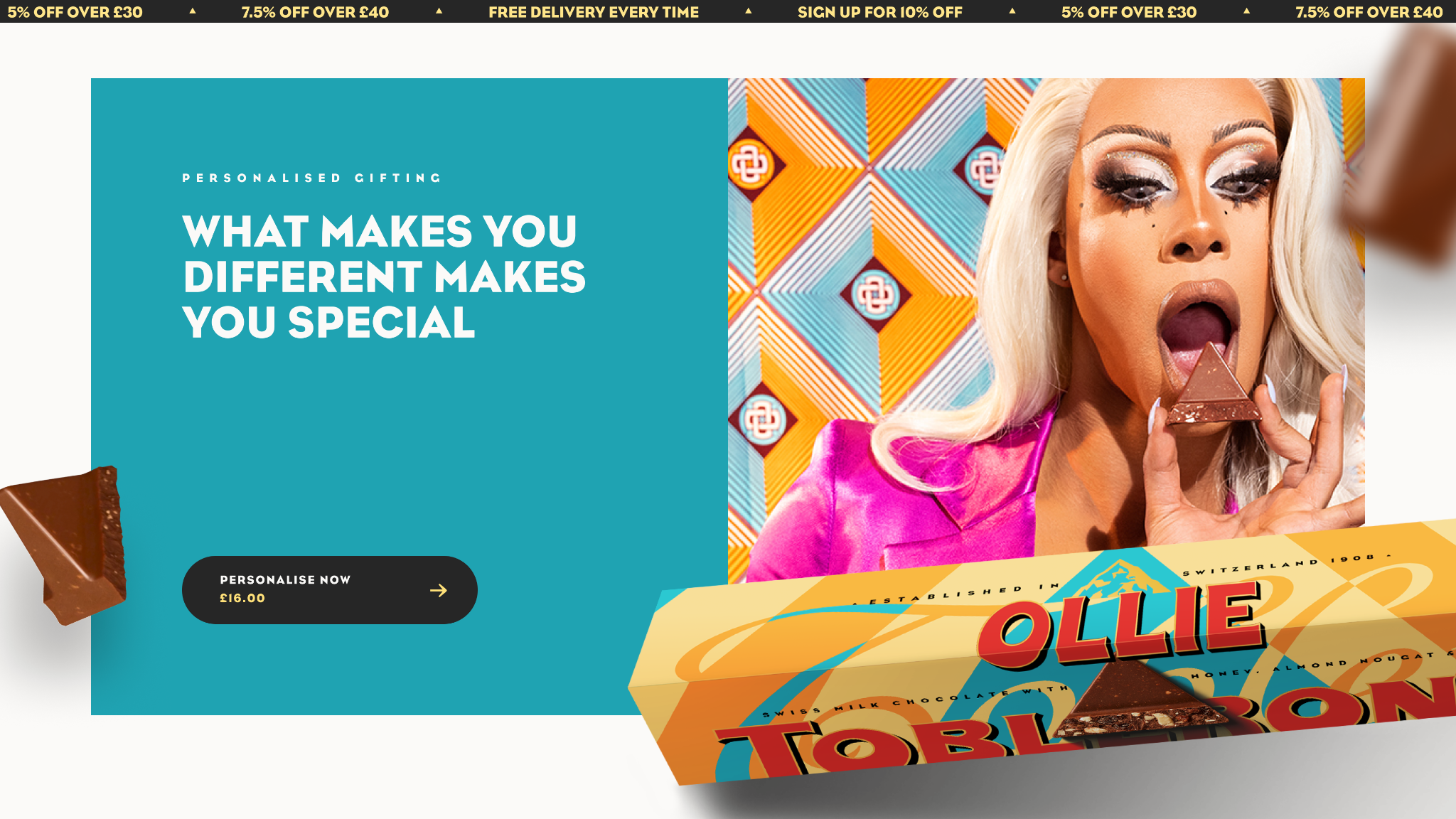
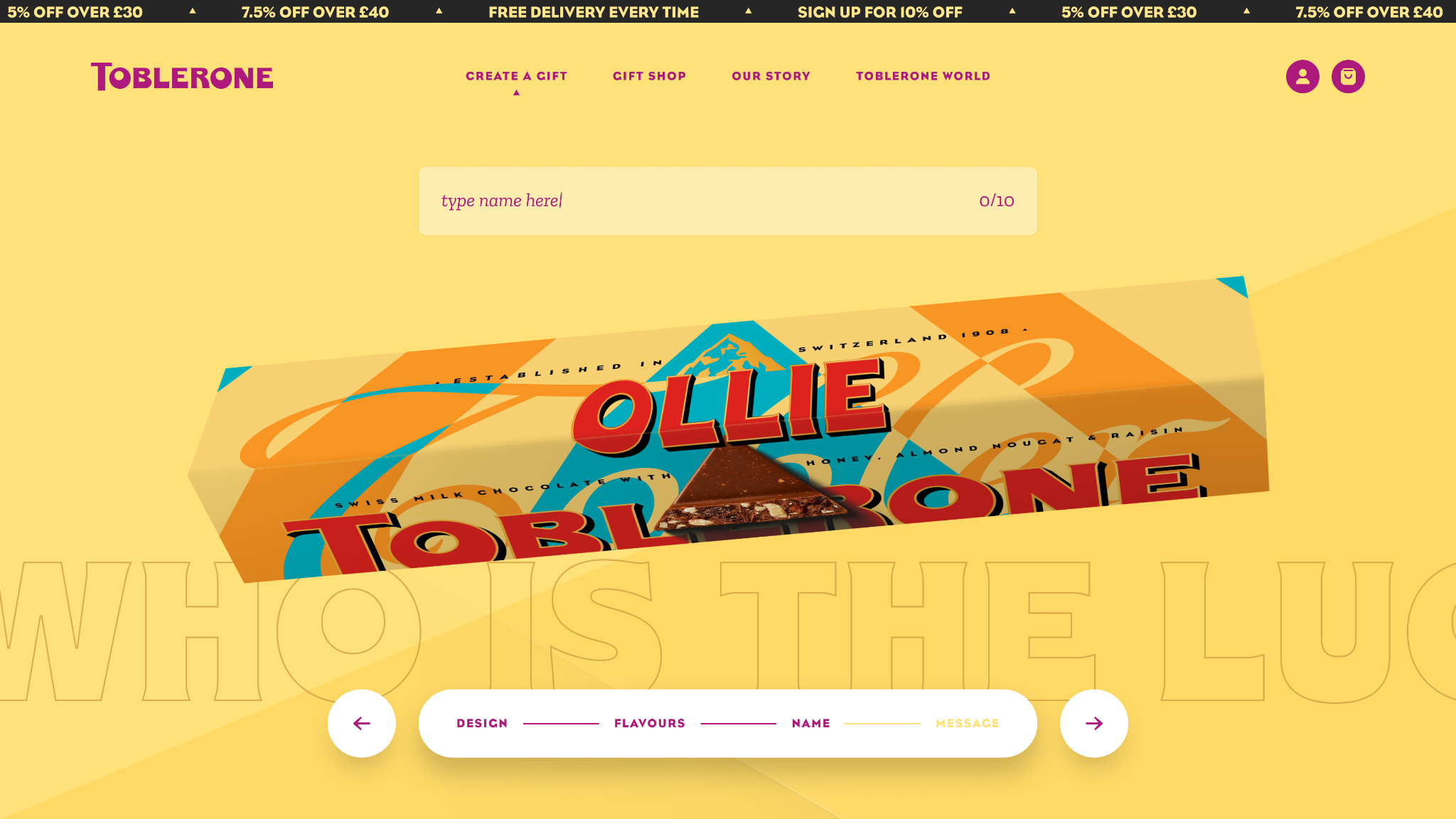
On The Climate Pledge platform, which we built in collaboration with Amazon, content comes to life through interactive elements and rich textures that fit WCAG 2.0 accessibility guidelines. When landing on the home page, visitors first see an animated intro video that spreads the optimistic ambition of the project, making for an impactful first impression. On Toblerone’s D2C platform, meanwhile, users are not only captivated by the stunning color palette, but also by the interactive features that allow them to create personalized gifts. Because they reflect the brand’s identity and tone of voice, both of these platforms are widely different, yet equally memorable.
Of course, what visitors find impactful is always a moving target. With people seamlessly jumping from offline to online and into digital spaces where everything is customizable, expectations are high for what a bespoke user experience should look like. There’s a higher demand for creator-led experiences and personalization—which spurs brands to leverage the user data in ways that benefit consumers.
First-party data elevates the potential of digital platforms.
The brand truth dictates the look and feel of your digital platforms, and data should also inform the design. Platforms facilitate interactions like product search and the purchase of goods and services, providing brands with new information about their consumers. In that process, any data collected should be used to offer experiences that are tailored to people’s needs, interests and even personalities.
What’s more, when the value exchange for someone’s data is clear, brands can establish a healthy feedback loop where they are providing a great service and gathering more information in the process. “The key to designing the right experience is listening to people’s behavior as they interact with the digital ecosystem,” says Dortland. “Our value lies in using data for customer understanding, which will ultimately help us design experiences that elevate brands, drive conversation and growth.” The more engaging the experience, the more data it will generate in return, meaning platforms can become increasingly more effective.
Platforms are more successful in a consistent brand ecosystem.
Essentially, platforms are key to enabling consumers to interact and transact with brands. They host digital experiences that optimize the customer journey and drive consumers’ loyalty. However, platforms are part of a larger brand ecosystem that needs to be consistent.
Monk Thoughts
While apps and dotcoms are must-haves for brands, they can’t live up to their full potential if there isn’t a broader strategy to support them.
If these touchpoints can’t be disconnected, neither should the teams that focus on each one. Working with partners that can develop an app from the ground up, create content for your brand’s social media or even deliver branded activations leads to a more cohesive narrative—a single truth that manifests itself across channels.
All of these considerations will help you forge deeper connections with your audience—and while building the perfect platform may not be easy, the good news is they are fully under your control. The customer journey never looks the same, but one thing is certain: behind every meaningful interaction is a bespoke platform strategy connecting the dots between people’s needs and a brand’s offering.
FLUX.Monks Are Reimagining the Fashion Industry
FLUX.Monks Are Reimagining the Fashion Industry

It’s difficult to believe that it has only been a year since our fashion and luxury team—the FLUX.Monks—launched. And what an incredible year it’s been. As fashion weeks cancelled, retail stores closed and supply chains were disrupted, the FLUX.Monks had their work cut out for them. But they rose to the occasion, connecting the dots across a wide range of capabilities to drive fashion’s most powerful element—its human, emotional and expressive heart—into worlds that truly span digital and physical landscapes and platforms.
Contrary to the trappings of the traditional agency with siloed data and creative teams passing the baton, our teams work together from day one to come up with truly integrated and innovative solutions for clients. “The key,” says Liam Osbourne, Global Client Partner for FLUX, “is in maintaining the delicate balance between insight and instinct to preserve the aesthetics and signature style of a brand while exploring different channels, experiences and even audiences.”
As the industry has transformed, the FLUX.Monks have been busy helping brands reimagine how they connect with customers across numerous channels and experiences by interlacing data-driven insight, purposeful creativity and world-class production capabilities to elicit elegant and meaningful campaigns, activations and experiences. And this past year has been nothing short of amazing, both in what we’ve been able to achieve for fashion and beauty brands during this remarkable time, and what we’ve learned.
Stepping Off the Catwalk and Into an Interactive World
Over the past eighteen months, fashion shows around the world have enjoyed a period of digital experimentation. Stepping off the catwalk and onto immersive digital channels, fashion houses have had to reimagine the way they tell their stories and represent new collections. Digital experiences have enabled unparalleled access to the previously insider-only world of fashion shows. Now untethered from the catwalk, it’s likely that show formats will never return to the previous constraints of time and space. And with deep category expertise and world-class capabilities across new and emerging technologies, the FLUX.Monks are uniquely positioned to bring the fashion show of the future to life. The trick is in creating immersive, tactile experiences that engage new consumers without alienating, or inadvertently excluding, brand loyals.
Monk Thoughts
Gen Z and millennials will dictate the future of luxury fashion, but how they engage with the luxury fashion market is a complete departure from previous generations.
Osbourne goes on to add: “They’re the most digitally sophisticated consumers to date and brands need to work with a team of experts that have deep understanding of platforms and emerging technologies while also being fluid in the nuances of fashion to succeed.”

As Italian fashion luxury brand Moncler’s official interactive broadstream partner, the FLUX.Monks helped bring the brand’s 2021 #MONCLERGENIUS Fashion Show to life with an experience that took attendees on an immersive, game-like journey—a fantastical trip around the world. Working closely with Moncler’s physical installation and design agency, Villa Eugenie, our team helped build interactive, virtual worlds inspired by installations spanning New York, Shanghai, Milan, Seoul and Tokyo to bring a new dimension to Moncler’s physical events that allowed the brand to reach a broader audience.
Central to the show itself—which was broadcast on YouTube Live—was interactivity. From animation to live event support, our teams worked alongside Moncler to give users unprecedented access to the show as they interacted with other viewers and contributors via the live-chat system. More than 4 million people visited the dedicated microsite—numbers that will only continue to rise as the platform lives on long after the live event—and 80% engaged with the livestream, with viewing times 4.5 x longer on the interactive (vs non-interactive) livestream.
Catering to Geographically Diverse Audiences
For most brands, no two markets are exactly alike. And that goes double in fashion and beauty where consumer tastes can be highly nuanced within even a single market. Global brands working to grow adoption across a number of markets need a multicultural partner who can help them show up meaningfully and authentically. So when Amazon Fashion Europe wanted to raise brand awareness and their cred in the fashion space, they turned to our FLUX team.
Challenged with penetrating five key but distinctly different markets within Europe—UK, Germany, France, Italy and Spain—the team not only brought their fashion expertise, but worked very closely with our social influencer and data teams to become a relevant part of the fashion conversation and strengthen Amazon Fashion’s presence in the channels where fashion and lifestyle are the main drivers.

Spanning content and asset creation, social and influencer marketing, and community management, FLUX established the Amazon Fashion Council to ensure a humanized feel to the brand’s wide offering. Each member of the council—stylists, designers and fashion influencers—represents a key European market and shares their words of wisdom across the Amazon Fashion channel, engaging consumers in a targeted and personalized manner. Complete with language and translation support—all under one umbrella.
Bringing It All Together for an Iconic Brand
When Burberry wanted to expand their omnichannel presence and develop a 360-degree vision that includes digital, they selected our FLUX.Monks as lead social, creative, strategic and production partner. “Burberry is one of the most technologically innovative and digitally expressive brands in fashion,” says Osbourne, “and we have been equal parts awed and inspired to be partnering with them on numerous integrated campaigns and initiatives designed to reach millions of people globally.”
As part of the fifth installment of the “Burberry Generation” artist collaboration project, our team was tasked with creating bespoke storytelling and driving buzz on social platforms to promote the brand’s iconic handbag—the Olympia bag. We scouted and collaborated with installation and balance artists to build four breakthrough balancing art pieces that incorporated the bag, and delivered four hero short films and a pack of key visuals to showcase execution of the balancing installation. All launched across WeChat, Little Red Book, and social video platforms while the installations were covered in several media publications.
When asked to support Burberry on the launch of their smart retail store with Tencent in Shenzhen, we sought to create social buzz and to drive traffic, online and offline. Our strategy was to tap into media and various content creators, within both the fashion and tech worlds, to cater to Shenzhen as a high-tech hub, and to collaborate with celebrities and local influencers covering WeChat, RED, Weibo, Douyin and beyond usual platforms with Bilibili. Thanks to our launch strategy and local market insights the store was a destination—both online and bricks and mortar—generating massive social buzz and setting the benchmark for a flagship launch for the sector.

And to celebrate this year's monogram campaign for Burberry, our team worked with four land artists to reimagine Riccardo Tisci's contemporary monogram design on the Welsh shoreline, where it stood for hours before being swept back into the sea. Our second installation featured a series of 300 drones choreographed to create the iconic monogram pattern in the Colorado sky—a striking constellation above a remote mountain reserve. Together, both embody Burberry's celebration of exploration and the unexpected, and the inspiration of the great outdoors.
Yes, the FLUX.Monks—a global strategic, experiential design and creative team specializing in driving desire and relevance for fashion, luxury, lifestyle and beauty brands across the end-to-end customer journey—have had quite a year. And with the fashion industry changing moment-to-moment there’s much, much more to come.
Prepare to Be Jelly: Jam3 Joins MediaMonks
Prepare to Be Jelly: Jam3 Joins MediaMonks

We’ve got some news that will sweeten the deal for any brand that wants to elevate digital experiences: Jam3 is joining MediaMonks! Based in Toronto and servicing forward-thinking brands around the world, the highly decorated experience agency shares our maker’s mindset—and reinforces an end-to-end approach that combines cultural insights with creativity and technology to connect people to brands, to each other and to the world.
Founded in 2004 by Mark McQuillan, Pablo Vio and Adrian Belin above a Toronto garage, Jam3 started from humble beginnings—and has since grown to Los Angeles, Amsterdam and Montevideo, expanding our presence into Uruguay and bringing S4Capital to a total of 31 countries. Shared clients include Google, Facebook, Spotify, Netflix and more.
As Jam3 gained ground around the world, the team has also joined us in claiming space on the digital craft award leaderboards. They became Campaign’s US Digital Agency of the Year (Gold), adding to our recent EMEA Agency of the Year (Gold) award and other Campaign wins, and were named alongside MediaMonks in Forrester’s “10 Digital Agencies to Supercharge Your Marketing.” Finally, they join us in the FWA Club 100—an achievement shared by only 10 teams.
“The work that Jam3 and our team does is some of the most iconic digital work over the last decade,” MediaMonks Founder Wesley ter Haar told Ad Age. “This makes it easier for our clients. Rather than putting us in competitive spaces, clients can put us into combined efforts.”
Scaling Up Innovation Together
By joining forces, Jam3 and MediaMonks blend together two teams of cross-border, multidisciplinary talent—making us better equipped to scale up innovation and best in class customer experiences (CX) around the world. With our unitary structure in place, brands will have seamless access to the world’s leading talent in creativity and technology.
Monk Thoughts
The work that Jam3 and our team does is some of the most iconic digital work over the last decade.

In fact, this model has been key to both of our growth over the decades. Like us, Jam3 has maintained a single P&L model that embraces friction and brings together diverse disciplines, which lay the foundation for groundbreaking work that resonates on both a cultural and individual level. In that sense, you could say our teams were made for each other like peanut butter and jelly.
“When we’re talking about being unitary or one P&L, we don’t turn up to the pitch with the same T-shirt,” says Sir Martin Sorrell, Founder and Executive Director at S4Capital. “We are bringing companies together as one. Clients want us executing on the creation, production, and distribution of content. MediaMonks and Jam3 are two competitors who have had great respect for one another, and it’s been interesting from my point of view to bring the two together.”
Trailblazing a Shortcut to Transform at Speed
Perhaps more urgently for brands, our unitary approach is key to unlocking transformation at speed. When faced with social distancing and the need to serve audiences at home, many brands were ill-prepared to show up within a digital-first landscape. They had long placed their faith in consultancies who burned their hours consulting rather than doing—an approach that was never sustainable and failed brands when they needed to compress years’ worth of innovation into just weeks or months.
Monk Thoughts
We were seeking a superpower partner who understands the value we bring to the table and allows us to excel at what we do best.
A longtime Jam3 mantra encapsulates this thinking: “Never trust an idea from anyone who doesn’t make the end project.” By cross-pollinating learnings across a vast global network of talent, we’re better able to pinpoint the fastest path to transformation while pushing technology to its creative limits, a process that has become essential for brands as consumer behaviors continually evolve.
We achieve this by zeroing our focus on building impactful, individual experiences—a purpose Jam3 is ideally suited for, as validated in its work and accolades. “When we looked into Jam3’s future, we were seeking a superpower partner of our own who understands the value we bring to the table and allows us to really excel at what we do best, which is the CX work, this high digital work,” says Mark McQuillan, President and Founder of Jam3.
Once rivals on the digital craft leaderboards, MediaMonks and Jam3 are now better together—and soon, our clients will be, too. “S4Capital is an amazing platform with lots of relationships, and we’re already seeing opportunities with our clients,” says McQuillan.
customer experience digital experience jam3 merger s4capital
How Persuasive Creativity Enhances Government Communication
How Persuasive Creativity Enhances Government Communication
There’s no understating the important role that the government plays in each of our lives. At the same time, accessing resources or need-to-know information through government agencies can sometimes pose a challenge, as government platforms and communication often aren’t at par with what people are trained to expect from the private sector.
Yet distinct, intuitive digital experiences aren’t outside of governments’ grasp. The Odd Shop—an agency founded in 2010 by Oscar Hamming, Niels de Wit and Robert van der Lans specializing in combining behavioral science and creativity to great success—is joining our team to power a range of government campaigns and activations.
Government Digital Experiences Often Come Up Short
Governments have historically had difficulty when it comes to connecting with audiences digitally, often due to challenges like archaic platforms or struggles to build insights that enable engaging experiences. These challenges take a new relevance today, as governments join brands in rapid virtualization to reach people in need. “We see that there’s still a lot to be done for governments when it comes to their digital strategy,” says Regina Romeijn, VP Business Strategy at MediaMonks. “With the expertise of the team, we’ll make communications for this sector smarter and more effective and help them target audiences that are often out of their reach.”
And amidst a pandemic and political disruption, governments also have a critical responsibility to serve crucial information for people in ways that are relevant and easy to understand. A great example of this is The Odd Shop’s famous Brexit monster, who stars in a campaign for the Government of the Netherlands.
Over the span of about four years, Brexit has brought uncertainty to both citizens of the UK and business owners throughout the European Union in ways that weren’t easy to anticipate or predict. The campaign takes a fun, lighthearted approach to highlight Brexit’s tangible impacts on Dutch business–and it resonated so well that just a single tweet about it from the Dutch Minister of Foreign Affairs Stefan Blok earned 2.7 impressions with zero media budget.
Elicit Emotion Through Behavioral Science
Emotionally resonant experiences succeed in combining insights on user behavior with the power of creativity—a foundation of our unique unitary approach to combining data, content and media. “By integrating the power of persuasive creativity with the best digital company in the world, we create endless possibilities,” says Oscar Hamming, Co-Founder of The Odd Shop. “Complementing Sorrell’s holy trinity of content, media and data with the power of behavioral science, we offer a unique skill set that can truly elevate campaigns.”
For The Odd Shop, insights and creativity combine through the team’s Persuasive Creativity Canvas. It’s a process that aligns two things. First, the team analyzes the organization and its target market to develop insights into the audience and the digital environment. Second, they examine behavioral determinants that can lead to desired behaviors. Together, these analyses map out opportunities to reach audiences as effectively as possible—blending emotion into the code, a crucial ingredient when building meaningful, data-driven experiences.
Monk Thoughts
With the expertise of the team, we’ll make communications for this sector smarter and more effective.

This strategy complements our own promise to connect with people through differentiated, effective digital experiences at the intersection of creativity and technology. “We’re able to translate scientific findings into creativity that stands out, and effective communication that hits a nerve,” says Niels de Wit, Co-Founder of The Odd Shop. “To be able to do this within the MediaMonks and S4Capital’s network is a dream come true.”
With an urgency to show up for constituents with easy-to-access information and intuitive experiences at speed, the time for governments to virtualize their services has never been so urgent. Through its Persuasive Creativity Canvas, The Odd Shop’s expertise strengthens our own approach to developing emotionally resonant content for brands and government agencies alike, helping them show up for audiences with added value through data and creativity.
The odd shop government behavioral science government communication digital experience