Choose your language

Choose your language

The website has been translated to English with the help of Humans and AI

Dismiss

Decoding Web3: How Blockchain is Transforming Commerce and Brands

Decoding Web3: How Blockchain is Transforming Commerce and Brands

Commerce Commerce, Media, New paths to growth, Web3 5 min read
Profile picture for user Xuanmai Vo

Written by
Xuanmai Vo
Content Marketing Manager

Four stacks of cash sitting atop a printout of different charts and graphs.

Over the years, Web3 has gained momentum as an innovative technology that can help brands build cultural relevance, tap into community, and unlock novel revenue streams. Despite the initial hype, followed by a pronounced "crypto winter," the dust has now settled to make way for more pragmatic and effective applications of the technology—particularly in the realm of commerce.

By enabling shoppable experiences that are deeply intertwined with brand narratives and cultural identities, the blockchain is redefining the very concept of value. As brands aim to gain deeper insights into their customers and create more relevant experiences, the adoption and effective use of Web3 shifts from an optional tactic to a fundamental requirement. In a recent episode of The Nex6 Project, Michael Litman, Senior Director of Emerging Tech Strategy, sat down with John Ghiorso, SVP, Strategic Advisor & Evangelist of Global Ecommerce, where they discussed how Web3 is evolving brands’ approach to commerce.

Web3 is transforming brand-consumer relationships.

When discussing the role of Web3 in facilitating community building, Litman highlights what he refers to as "the four C's": creativity, culture, community, and commerce. Emphasizing the significance of relationships in branding, he states, “In Web3, this dynamic relationship between the brand and the consumer transforms into a more robust, two-way relationship, where consumers actively engage, creating a reciprocal exchange.” The transparency provided by blockchain technology thus enhances the connection between brands and consumers.

Image stating the "four c's: culture, creativity, community and commerce.

Dom Pérignon realized this when they partnered with us to build an exclusive Web3 marketplace inspired by their collaboration with Lady Gaga—a move that enhanced the brand's cultural relevance. We furnished the high-quality immersive web platform with 100 NFTs that represented the Dom Pérignon Vintage 2010 and Dom Pérignon Rosé Vintage 2006 collections, and every NFT purchase was bundled with a purchase of the bottle depicted.

By linking the NFT purchase to the physical bottle, Dom Pérignon created an additional revenue stream for themselves while also giving consumers the chance to pocket digital collectibles that could be exchanged on the secondary market—where they grew their value by nearly 1500%. The shoppable experience effectively bridged the gap between the virtual and the real world while establishing Dom Pérignon as a pioneer in the Web3 space.

Dom Pérignon is not the sole beneficiary of embracing Web3. The prestigious jewelry brand Tiffany and Co. seized the opportunity within Web3 early on by tapping into the existing community of CryptoPunks holders and crafting a tokenized reward exclusively for them. The NFTs, cleverly named NFTiffs, were unleashed to 250 holders, allowing them to collect these unique digital assets and trade them for real-world customizable gold pendants. Tiffany and Co. made history as the first brand to intertwine fine jewelry with the digital world, with NFTiffs selling out in just 20 minutes at a mint price of 30 ETH, raking in an impressive $12.5 million in revenue.

Monk Thoughts These use cases essentially create these community-driven programs that deliver business value and benefit. We’re not talking about just community for the sake of people being part of something; there is generally business outcome and goals tied to that community driving aspect.
Image of Michael Litman's personal avatar.

Beyond standard ecommerce, Web3 enables entirely new shoppable experiences.

As brands use Web3 to tap into communities and drive cultural relevance, the space enables boundless opportunities for interactive, communal experiences in commerce that have never been possible before—especially as digital shopping experiences become more social, with global social commerce sales expected to reach nearly $1.3 billion this year.

But what makes Web3 unique compared to typical forms of social commerce? Essentially, says Ghiorso, it’s about giving consumers a space to interact with one another while keeping the brand at the forefront. “What really amplifies this is the community aspect. This one-to-many, many-to-one network gives the brand and their community the ability to conduct commerce effectively between those various consumer touchpoints.”

A virtual Macy's thanksgiving parade with buildings a parade floats

Macy’s has done an excellent job building these kinds of spaces for multi-user, communal interaction with the brand at the forefront. We partnered with the department store to virtualize its iconic Thanksgiving Day Parade in 2022, including a virtual Sixth Avenue featuring parade balloons inspired by the year’s most popular Web3 communities: Cool Cats, Boss Beauties, VeeFriends, and more. In addition to enjoying the parade, visitors had the chance to enter virtual storefronts and buy digital collectibles of their own, with each purchase benefitting Big Brothers Big Sisters of America. If they chose, they could resell those collectibles in Web3 resale platforms like OpenSea and more. Macy’s efforts show how Web3 capabilities can inspire a new class of shoppable, social experiences—and gave the retailer an entirely new product category to sell.

Other brands can do something similar by exploring ways to incorporate elements of Web3 into their existing strategies, similar to how Macy’s used its Thanksgiving Day Parade as inspiration for its own Web3 efforts. Brands can also explore ways to incorporate elements of Web3 into their existing strategies. This could involve creating an NFT for a brand, launching a blockchain-based loyalty program, or even creating token-gated experiences that can potentially drive a negative cost per acquisition, a disruptive shift from traditional commerce. "The lightbulb moment for me was when I found that in many cases, consumers are willing to pay upfront for limited access to token-gated physical products," says Litman. "What that means is they’re effectively crowdfunding, and the success of that program or project will be dependent on those upfront sales. Because of that delayed value exchange, it gives the brand time to get it right, get all the logistics and the distribution in place before they need to ship anything out.”

Unearth a trove of customer insights on the blockchain.

In addition to building relationships with communities, Web3 commerce has the potential to forge a deeper understanding of customers on the individual level—precisely when traditional means of following customer journeys, like third-party cookies, are no longer as reliable. In contrast, the blockchain’s transparent nature means businesses can gain more insight into consumers’ behavior, preferences, and purchasing patterns to inform personalized marketing strategies.

“Your Web3 wallet will become as ubiquitous as your email address, and it will provide this linkage between purchasing offline, online, and on-chain. That, to me, feels like an absolute data goldmine,” says Litman. It will take time for that to become a reality, but it is important for marketers to begin incorporating Web3 into their long-term strategic planning as they begin to envision alternative ways of learning about their audiences and connecting the customer journey.

In collaboration with Salesforce—who helps brands enter the Web3 space through a familiar, secure and trusted interface—we released a report that demonstrates how Web3 not only enhances experiences across the customer journey but also helps brands build key insights into their audience. As brands continue to beef up their customer relationship management to better understand their customers and lay the data foundations required for AI implementation, accounting for Web3 serves as another way to future-proof one’s efforts and adapt to emerging consumer behaviors.

The Web3 revolution won’t happen overnight—but brands can prepare now.

Beyond the NFT craze of 2022, the blockchain is transitioning from a speculative hype cycle to an integral part of brands’ strategies that is helping them build cultural relevance, deepen customer relationships, and ultimately enable new commerce experiences. "Many brands out there will have their own token that then has a value associated with it," says Litman. But for now, it’s imperative that brands swiftly recognize the value of Web3, and then adapt their strategies accordingly: the speculative nature of blockchain is evolving into a foundational element for the future of generational culture, community, and commerce.

Want to learn more? You can listen to the full episode of the Nex6 Project on Spotify, YouTube and Apple Podcasts.

Web3 enables shoppable experiences intertwined with brand narratives fostering community, and unlocking innovative revenue streams. Web3 social commerce Media Commerce Web3 New paths to growth

The Evolution of the Community Manager

The Evolution of the Community Manager

AI AI, Community Management, Social, Social moments, Web3 3 min read
Profile picture for user mediamonks

Written by
Monks

People working at a desk and on their phones and computers

From answering queries to becoming brand ambassadors, the job of community managers has evolved into a leading role that balances the audience’s expectations with the brand’s needs. While often underestimated and under-researched, community managers are at the heart of our digital communications—injecting brands with a dose of closeness and authenticity that has become necessary in recent times.

For the new generation of consumers, a brand that keeps its distance on social media is not a memorable one. Quite the opposite. Audiences today have come to expect a degree of relatability—and above all, a real understanding of their interests and necessities. It’s not about keeping up with the top 10 TikTok trends; rather, about thinking and creating like consumers. 

Marketers who have a solid grasp of this are expanding their businesses and promoting their brand just as with word of mouth. But they are not doing it alone. Community managers are one of the main players in the game of hooking consumers—even if their role is often simplified and associated with junior professionals who are just starting their careers. As consumer behavior continues to evolve, we need a new approach to community management that understands its importance and allows us to harness its true power. Here’s what that looks like.

AI and automation meet an increased focus on being human.

As previously mentioned, consumers are more likely to engage with brands that demonstrate some sense of humanity. And if they are not afraid to show an actual human behind the screen, all the merrier. Community managers today are spending less time solving problems and more time sharing their own opinions, experiences and emotions—acting more as entertainers and relatable friends than customer service agents.

If we think about the spaces where consumers connect with brands, these are mostly global digital platforms with a demand for always-on interaction. One of the ways that world-class brands deal with this expectation is by hiring community managers in a bunch of different time zones so that they are manually working round the clock to serve them. However, by incorporating automation tools—such as social bots or other applications of AI—you can also offer on-demand attention and instant solutions so that the users feel supported 24/7 while CMs focus on being creative.

In other words, these tools manage all the liking, retweeting and answering of repetitive queries so that community managers can better direct their energy toward inspiring real connections with people.

Twitter chats from the Atlanta FX takeover

On top of that, you can have fun with it. Working with the television series Atlanta, for example, we created their own custom AI bot to take over the show’s official Twitter account for a week. In a joint effort between Jam3, Cashmere and Media.Monks’ teams, we trained it on every tweet from the Atlanta handle. Then, we used Twitter’s new edit function to tease out a takeover that had communities on Reddit and Discord following along.

Web3 fosters a spirit of participation.

Many factors have pushed community managers to expand their roles, and as long as new platforms keep emerging, they’ll continue to adapt and evolve. With its values of collaboration, decentralization and power-to-the-user, Web3 is already changing the way we engage with communities, switching the focus from “talking to” to “participating with.” In that landscape, community managers will need to be quick on their feet and feel prepared to appropriately engage with consumers—whether that means communicating through a virtual avatar or even hosting an auction of NFT artwork

What’s more, commerce is going live—prompting brands to blend communities and real-time connection to offer entertaining interactive experiences. While influencers or digital creators are typically the stars of these events, community managers play a fundamental role in moderating and executing these activities. 

Community managers are becoming more involved in creative processes.

As virtual worlds evolve and virtualization emphasizes the spirit of collaboration, brands have an opportunity to give more thought to the role that community managers play within their team. Instead of simply asking ourselves what new platforms to join, we need to follow it up with, “What should be the purpose of the CM in each one?”

Not all brands need to have the same approach, but one thing is certain: when community managers are invited to creative rounds, campaign briefs and content calendar meetings, they are better equipped to create the kind of brand experience that social media managers and creatives are working so hard on. What’s more, they can provide unique insights they’ve gathered from interacting directly with consumers.

In a world where brands need to be active listeners and co-create culture alongside their audience, community managers are key liaisons between the two. As their role evolves, we need to get rid of the simplistic view of posting, responding and reacting—understanding that they have the power to create brand love and a direct impact on the brand experience. Let’s move away from the concept of community managers as an exclusively intern-level position and recognize the importance of elevating the role of those communicating directly with consumers.

As consumer behavior continues to evolve, we need a new approach to community management that understands its importance and harnesses its true power. Here’s what that looks like. consumer journey consumer insights social media marketing automation AI Web3 NFT Social Community Management Social moments AI Web3

Media.Monks is Named a Salesforce Web3 Launch Partner

Media.Monks is Named a Salesforce Web3 Launch Partner

AI & Emerging Technology Consulting AI & Emerging Technology Consulting, CRM, Emerging media, Experience, Monks news, Web3 3 min read
Profile picture for user nich

Written by
Nicholas Seo

Salesforce and Media.Monks logo

Web3 represents a considerable shift in the ways people meet, organize and build together online. And this has had profound implications in how brands are forging direct relationships with their base—precisely at a time when the need for deeper, privacy-safe insight into audiences has become table stakes.

And now that just got a whole lot easier. Salesforce has just launched Salesforce Web3, with two products: NFT Management and Web3 Connect. NFT Management makes it easy to mint, manage and distribute NFTs through any channel. Web3 Connect helps brands enrich customer profiles with digital wallet and NFT transaction data, effectively joining Web3 data with their existing CRM data ecosystem. Media.Monks will support Salesforce Web3 as an official launch partner, furthering our shared effort to guide industry-leading brands along their Web3 journeys. Here’s how to start your own.

Step into Web3, backed by a trusted technology partner.

Salesforce Web3 helps brands enter the Web3 space through a familiar interface. By easily creating digital collections with NFT Management, brands can reach new customers in Web3 channels while enriching customer relationships—meaning it’s never been easier for heritage brands to extend into Web3 as a new, connected touchpoint to sell, service and market to audiences.

Salesforce Web3 also builds legitimacy by overcoming some of the perceived challenges of Web3, like privacy and security concerns. For example, the platform keeps your data secure with configurable privacy controls and built-in fraud detection. This way, brands and their customers can invest confidently in Web3.

Additionally, brands can leverage Web3 Connect to bridge Web2 and Web3 identities, joining Salesforce's existing data attributes within its Customer 360 ecosystem together with Web3 wallet data. This is key, because Web3 offers a new first-party data set, which brands will increasingly rely on to deliver personalized, omnichannel engagement at scale: wallet and NFT transaction data unlock real-time insights into audiences and channels that help future-proof a brand in a time of new privacy regulations and cookie deprecation.

Build insights and longevity through incredible Web3 experiences.

One of the most important things to understand about Web3 is that it’s more than just NFTs and PFPs: it’s an evolution in the ways people engage with one another and with brands. This calls for a re-evaluation of how brands relate to digital audiences today, as well as a need for new skills to collaborate with them authentically. Our digital experts combine deep cultural understanding of Web3 with longstanding CRM expertise to guide brands and show them the way to authenticity in the space.

Monk Thoughts A revolution in brand-customer relationships calls for a significant overhaul in ways that brands and people engage.
sol

Based on their experiences with notable early adopters in Web3, our team has shared insights in two foundational thought leadership pieces, published in collaboration with Salesforce. Web3 and the Future of Customer Engagement invites readers to follow the near-future customer journey augmented by a range of Web3 use cases and touchpoints. A follow-up piece, Web3 and the Future of Luxury, goes deep inside an industry that has enthusiastically embraced Web3, showing how a new class of digital entrepreneurs and craftspeople empowered by technology are already transforming brands and business.

It's clear that a successful step into Web3 means more than just dropping an NFT collection and calling it a day. Ranging from discovery, strategy, activation and optimization, we’ve helped brands maximize the impact of Web3 activations across their business—for example by enhancing customer loyalty programs, building immersive experiences in virtual worlds, nurturing emerging communities in channels like Discord, or even launching IRL experiences that bridge the virtual and the real. 

The byproduct of building brand love across these touchpoints is a stronger understanding of consumers, as Web3 offers numerous triggers to develop first-party data, from the contents of one’s wallet to the kinds of communities that people choose to invest time, activity or money in. Our experience of future-proofing brands’ data strategies in preparation for the privacy era helps connect the dots between activation and insights that can fuel the business long-term.

Start your Web3 journey now.

From digital experiences that reach new audiences to building up first-party data sets, Web3 is ripe for brands to build longevity and future-proof their business. As a space that is inherently driven by emerging consumer behaviors, meeting new expectations within Web3 relies on understanding how customer relationships and attitudes toward ownership and participation continue to evolve. Brands who can rise to the occasion are ideally suited to the new era—and as a trusted Salesforce Web3 launch partner, we can help get them there. Reach out below to get started on your Web3 journey.

Salesforce Web3 is a trademark of Salesforce, Inc. and used here with permission.

Media.Monks will support Salesforce Web3 as an official launch partner, furthering our shared effort to guide industry-leading brands along their Web3 journeys. Web3 Web3 technology NFT salesforce marketing Experience CRM AI & Emerging Technology Consulting Monks news Web3 Emerging media

Three Shifts in Business Mindset to Guide Web3 Success

Three Shifts in Business Mindset to Guide Web3 Success

AI & Emerging Technology Consulting AI & Emerging Technology Consulting, CRM, Customer loyalty, Experience, Industry events, Web3 4 min read
Profile picture for user mediamonks

Written by
Monks

Purple threads travel into a white circle

So much of the discussion around Web3 is focused on tech jargon, exorbitantly priced artwork and the promise of riches. But in the doldrums of a crypto winter, brands are looking beyond the hype to explore where NFTs, blockchain and Web3 philosophies can meaningfully fit within their wider marketing strategies.

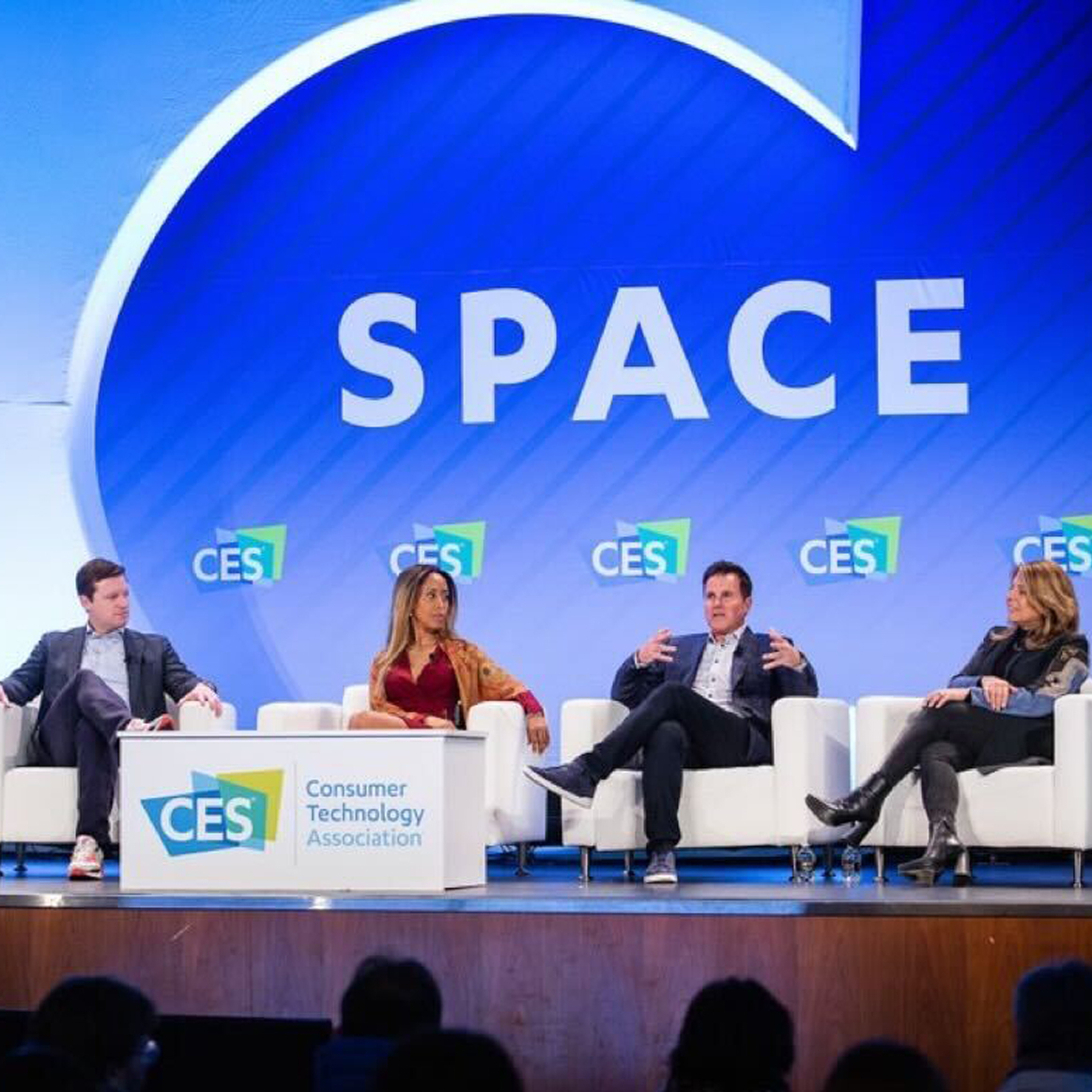
To explore how brands could innovate a scalable, customer centric Web3 strategy, we partnered with the Salesforce Web3 Studio to gather a team of experts for a Brunch ‘n Learn session at CES. Jordan Cuddy, Partner and Chief Client Officer at Jam3; Marc Mathieu, Co-Founder of Salesforce Web3 Studio; and Swan Sit, Independent Board Director, Advisor, Creator and Investor, discussed how early adopters have leveraged Web3 to create more meaningful connections with their customers—and how the technology represents a foundational shift in customer relationships.

Jordan, Matthew, and Swan at CES
Suite at CES where a crowd gathered for Media.Monks presentation on Web3

While the conversation touched on several key insights and examples of brands in the space, the trio uncovered three key shifts in mindset that will help brands realize the true potential of Web3, whether by strengthening customer experiences, better understanding who they’re marketing to, or building long-term loyalty.

It’s about the value of the brand, not the product.

Whether it’s a loyalty program, a digital wearable collection or something different altogether, the true value in any Web3 engagement lies in whether it feels authentic to the brand. In short, no one is going to care about (or stick with) a Web3 project that’s at odds with what the brand stands for. So if you consider making moves in Web3, start by taking stock of what makes your brand valuable to people already. “In your P&L, when you look at the intangible lines and want to look at the value of a brand or community, that’s a representation,” says Sit.

As for what an authentic brand alignment looks like, Cuddy offered an example from our work with Adidas. The strategy team at Jam3 realized there was a shift in consumers’ minds from “Where can I go in the metaverse?” to “Who can I be in the metaverse?” Realizing the desire for unique ways to express oneself in this space, we built a platform that generates a unique, interoperable metaverse avatar based on each user’s personality. “It made sense for a brand that says ‘Impossible is nothing,’” Cuddy says.

Monk Thoughts Never do tech for tech’s sake. Does it make sense for your brand? Authenticity is key, and this generation sniffs it out so fast.
Jordan Cuddy headshot

Digital identities are complex and nuanced—not just numbers.

Consumers are people. It may sound obvious, but marketing teams everywhere are facing a reckoning for chasing cookies and arbitrary identifiers rather than forging meaningful, impactful personal relationships with their base. “We’ve forgotten that people are not just data and that we can just target them,” says Mathieu. “In reality, the underlying technology of Web3 is about giving back power to the user and creators, but that means we need to be ready to stop thinking of them as just consumers.” 

Think of them collaborators, co-creators, co-innovators or co-contributors—but either way, make sure the service you’re providing is actually valuable to them, because that’s what drives anonymous Web3 users to identify themselves. “Most people don’t want to give you their data if you don’t give them something in return,” says Mathieu, noting how in this way, Web3 technology can play a crucial role in future proofing brands’ CRM strategies as they head into the post-cookie future.

Beyond futureproofing, Web3 will make identity more complex. “A lot of people feel more authentic digitally because they’re able to express and experiment with who they are more freely without prejudice and inequalities,” Mathieu says. “We’re on the verge of having to deal with a very different concept of identities.” But that’s a good thing, because those complexities are rich for gaining deeper and more nuanced insight into your audience. What projects or communities a person chooses to invest in says a lot more about them than traditional identifiers like a phone number or email address, says Mathieu.

Loyalty is about being loyal to your customer.

“We’ve been thinking of loyalty as something consumers owe us,” says Mathieu. “Now, consumers are saying, ‘How will you be loyal to me? Are you going to serve me throughout my life through products, experiences and services?’” Again, looking at your customers as collaborators—in which brand and audience both have skin in the game—is a path to unlocking greater loyalty.

Web3 is a creator space, and brands who are comfortable collaborating with their consumers will come out on top. In fact, there may already be a community dedicated to your brand without your knowledge or authorization—but instead of pulling the plug, consider ways you can support and join in the fun. Matheiu compared it to the time he worked at Coca-Cola in the early days of Facebook, when the company discovered a group about the brand made by fans. “We asked how to make it bigger instead of shutting it down,” he says.

Cuddy also shared the process of seeking fan input in developing ComplexLand, a virtualization of the iconic ComplexCon that we continued to evolve over three annual editions. “Between each version, we talked to the community. We didn’t do typical market research; we talked to people who actually participated,” says Cuddy. In year two, for example, the team added multiplayer experiences based on fan feedback. The most recent iteration implemented NFT creation to solve fans’ need for more ways to express themselves creatively. “We listened to them and applied it, and that starts to build that loyalty when they’re the co-creator.”

Shift your mindset to win in Web3.

Remember, NFTs, blockchain and the like are just technologies—a means to an end, not the end itself. Sit aptly put it this way: “When someone asks what music you listen to, you don’t say MP3s.” 

Likewise, the way brands unlock value in Web3 isn’t to put out projects for the sake of it; it’s about working in partnership with your customers to better serve their needs. Web3 has ignited consumer mindset shifts across trust, products and ownership, and now’s the time to follow suit—because when you do, you’ll gain a stronger, more nuanced relationship with your base.

Uncovered three key shifts in mindset that will help brands realize the true potential of Web3. Web3 Web3 technology customer experience NFT CRM strategy Experience AI & Emerging Technology Consulting CRM Web3 Industry events Customer loyalty

Fostering the Future of Customer Loyalty

Fostering the Future of Customer Loyalty

AI & Emerging Technology Consulting AI & Emerging Technology Consulting, CRM, Customer loyalty, Experience, Web3 5 min read
Profile picture for user Michael.Litman

Written by
Michael Litman
Senior Director, Emerging Technology

A person shopping on their cellphone

What does it take to stay ahead of the curve in this digital industry? If you ask me, it’s crucial to first fully submerge in the culture and understand the ever-evolving online communities, before moving on to commerce. Ultimately, everything we do is about connecting consumers with commerce.


In this spirit, I've been down a two-year-long rabbit hole in the Web3 space, investigating various digital innovations and closely observing all the steps key trailblazers are taking. While our detailed “Future of Loyalty” report with Reddit, Salesforce and Polygon Labs lays out all the facts and figures, this article represents the condensed culmination of my exploration. To start with the conclusion for a change, I believe digital collectibles as a product and Web3 as a space are highly beneficial for brands to incorporate in their loyalty programs, as they help foster the future of customer loyalty.

Benefits that go both ways. 

Now, let’s take a few steps back. Loyalty programs, which are typically presented to people during the point of purchase, are designed to incentivize customers to shop both more items and more frequently, engage with the brand more often, and share it with more people they know—in a way, it’s all about incentivizing more, more, more. To actually realize these actions, loyalty programs offer rewards that unlock various branded benefits, from discounts to exclusive product deals. From a brand’s perspective, the purpose is to find out more about its customers, while offering a value exchange. 

Brands can use various metrics to measure the effectiveness of their loyalty programs, including customer lifetime value (CLV), average order volume (AOV) and conversion rate (CR). A successful program is able to maintain or increase one or all of these metrics. For example, this means that customers continue to shop from the brand and for longer periods of time. While customers search and purchase products, the brand is able to gather a ton of data on them. More information means more personalization, which, in turn, means more rewards for consumers. In short, the objective is to incentivize actions, interactions and return visits.   

The vast majority of high-performing loyalty programs are digital, accessible through a brand’s app or website. However, that may be about to move into a new direction, as we’re now ushering into the next era of the internet—Web3—and it’s all about culture and community-building.

NFTs: your ticket into a brand’s action.  

More than just a new tech infrastructure, Web3 represents a foundational shift in the ways people organize and engage with one another. Through the arrival of Web3, we’re entering an ownership era where everyone has a chance to own a piece of the action. This ownership partly lies in NFTs or digital collectibles, which can be many things—an artwork that evolves over time as users get involved, a digital object, and more. So, how exactly do NFTs fit into the next generation of loyalty ecosystems? 

While NFTs can take on any digital form, they all act as memberships. Think of them as traditional membership passes that are built on the blockchain, offer exclusive benefits, and serve as access passes into a brand’s Web3 loyalty program. NFTs are the new means of digital value exchange that help consumers unlock ownership over brand experiences. They are the future of loyalty and community in an increasingly tokenized world, where you become a small investor in a brand and its future success once you get your hands on its NFT. By joining a brand’s community and interacting with it, consumers tend to feel proud about the NFT’s value and their personal association with the brand. This, in turn, creates a new form of engagement and commitment.

Supercharging memberships to cement customer loyalty. 

From Gucci to Starbucks, both luxury and everyday brands are looking for ways to launch into the world of Web3 and reach new communities, and the most common route is through NFTs. In partnership with SuperRare and NiftyKit, Vault—Gucci's experimental online platform—launched the Vault Art Space. It’s a place where fans of the brand, art lovers and crypto-natives can bid on, mint and collect exclusive, curated digital artworks. This future-forward move made Gucci the first legacy brand in the world to own and manage its very own digital art marketplace, demonstrating its literacy and legitimacy by using the right body language in the Web3 space as well as its ability to move beyond the hype.

  • A gucci nft with flowers An illustrated nft with colorful flowers

As for Starbucks, the popular American coffee company has just brought a blockchain-based loyalty platform to market titled “the Starbucks Odyssey Beta experience.” This will offer its members the ability to buy and earn digital collectable stamps in the form of NFTs, which create access to new immersive coffee experiences. By integrating NFTs into its industry-leading loyalty program at scale, Starbucks is building an accessible Web3 community. The coffee company’s loyalty program is already a success story, with more than half of all sales coming from its reward members. Besides, it’s a great way for the brand to gather first-party data. Starbucks getting into Web3 is a big deal for the industry, for innovation and for brand spectators—if done right, this loyalty integration will increase its conversion rates and help the brand collect even more user data. 

This goes to show that brands from across the board are building new supercharged memberships as part of loyalty programs. Our recent “Web3 and the Future of Luxury” report, which my fellow Monks wrote and released together with Salesforce, states that “Memberships open people up to a community of others—something that’s missing from traditional loyalty programs, which provide only a relationship between an individual and the brand. And while loyalty programs are designed to reward consumers through continual consumption, memberships give them the opportunity to shape the brand and generate value.” The power of Web3 is that it builds on people’s desire to be part of a tribe by giving them a more significant role after they’ve bought into a brand, thereby cementing their loyalty. 

It’s time to launch your loyalty program into the next era of the internet. 

Though many people only know of NFTs as digital artworks, the Web3 space encompasses so much more than just aesthetics. First up, there’s identity, as you would only purchase a product to enter a space that aligns with your personal interests and values. Next up, it’s about community and connecting with a group of people that have similar passions and interests. The Web3 space is also about cooperation and teaming up with your peers. Finally, there’s also some good ol’ luck involved, as some NFTs are only available to those that had also bought into the brand’s previous NFT projects. Sometimes it’s really just a matter of being in the right place at the right time. Then again, this exclusivity is tempting. Overall, these are the guiding principles from a consumer perspective, and highlight what loyalty programs should be able to provide when customers engage with a brand’s NFTs.  

Circling back to my conclusion, I believe NFTs and Web3 are beneficial for brands to incorporate in their loyalty programs. Enhanced customer lifetime value, average order volume and conversion rates are all huge benefits that NFTs and Web3 can bring to a loyalty program. First, they allow customers to get exclusive perks for an upfront cost and continuously uncover deeper layers of the loyalty ecosystem, keeping them engaged with the brand at an ownership level. Second, NFTs offer exclusive access to unique items and benefit those who buy multiple items, which increases what people are willing to pay for an item and how much they will purchase. Third, they enhance conversion rates, as exclusive items and token-gated experiences sell out more often than not when done well. 

These are just three of the primary perks that loyalty programs supported by the next era of the internet can bring. Depending on your business and other KPIs, there may be many other benefits. This goes to show that NFTs and Web3 help foster the future of customer loyalty, as many people are eager to get into projects they believe are cool, innovative, interesting, relevant and set to deliver long-term value. How to get there? Just follow our three-step process: culture, community, and then commerce.

Learn how NFTs or digital collectibles as a product and Web3 as a space are beneficial for brands to incorporate in their loyalty programs. NFT Web3 customer loyalty brand loyalty Experience AI & Emerging Technology Consulting CRM Web3 Customer loyalty
`

CES Insights from Media.Monks

On the ground we saw trends from the showroom floor offer a way forward for brands looking to trailblaze new paths to growth.

CES stage with Catherine Henry from Media.Monks
Two people on floor at CES in front of a car

Catch up on the biggest trends from CES and what they mean for brands.

A lot happened at CES this year—and while the conference famously offers a glimpse into the future of technology, we’re excited to apply the learnings that we’ve gathered to help brands innovate now. As attendees descended into Las Vegas to attend the show, many wondered: what’s in the cards for technology and culture this year, and how can I make smart investments rather than take a gamble? Fueled by insights and observations from our people on the ground, we’ve rounded up key trends from the CES floor—along with what they mean for brands as they begin to embark on new paths to growth.

Open in browser

Hey?

Lewis shares how both Virtualization and recent tech advances have brought us into the future now.

Want to talk about what this may mean for you? Get in touch.

Hey?

Please fill out the following quick questions so our team can get in touch with you.

Here's more related content

Make our digital heart beat faster

Get our newsletter with inspiration on the latest trends, projects and much more.

Thank you for signing up!

Head over to your email for more.

Media.Monks needs the contact information you provide to us to contact you about our products and services. You may unsubscribe from these communications at any time. For information on how to unsubscribe, as well as our privacy practices and commitment to protecting your privacy, please review our Privacy Policy.

Report: Web3 and the Future of Luxury

Report: Web3 and the Future of Luxury

AI & Emerging Technology Consulting AI & Emerging Technology Consulting, CRM, Customer loyalty, Experience, Web3 2 min read
Profile picture for user mediamonks

Written by
Monks

web3 and the future of luxury text with blue and purple designed patterns

Inside the New Guild reshaping craft and self-expression.

Web3 is further spawning novel, ownable ways for self-expression—and the realm of fashion and luxury are paying attention. The British Fashion Council have introduced a Metaverse Design category and Decentraland launched the first-ever Metaverse Fashion Week. With coveted “verified” checkmarks, exclusive profile pics and more, what drives the desire to own or flex certain visual markers online? Do these new cues count as “fashion?” How much of it is just the emperor’s new clothes? Built on insights from some of the biggest names in both traditional and virtual fashion and luxury, this bulletin seeks to answer these questions and more by examining how fashion and luxury brands are experimenting in Web3, as well as the new generation of makers who are helping them.

web3 and the future of luxury text with blue and purple designed patterns

You’re one download away from…

  • Learning how digital fashion aids in identity formation.
  • Discovering new roles emerging in fashion and luxury.
  • Understanding blockchain’s benefits to memberships, provenance and more.

This experience is best viewed on Desktop.

Download Now
Monk Thoughts In Web3, brands become the platform for the creator economy. Understanding this new class of consumers is key to unlocking growth within the new era of customer engagement.
sol

The time has passed for flashy, disconnected activations or the cash grabs that once earned fleeting attention. How can brands relate to the tastemakers, innovators, entrepreneurs and investors of tomorrow? Now is the time for brands to build their understanding of what motivates people in this space, and how their continued activities will reshape the brand-customer relationship for the better.

Learn more about our end-to-end Salesforce capabilities, from discovery to strategy to activation and optimization, here.

Discover how Web3 is reshaping the realm of fashion and luxury, with insights from Media.Monks and Salesforce. customer experience Web3 Fashion luxury metaverse Experience AI & Emerging Technology Consulting CRM Web3 Customer loyalty

Looking Back at a Year of Digital Innovation

Looking Back at a Year of Digital Innovation

AI AI, AI & Emerging Technology Consulting, Extended reality, Metaverse, New paths to growth, Technology Consulting, Technology Services 7 min read
Profile picture for user mediamonks

Written by
Monks

Colorful crystals and shapes fly out of an image of person shaking their head

Lea este artículo en español aquí.

And just like that, another year comes to a close—twelve months packed with the emergence of exciting developments in technology and new consumer behaviors. The metaverse matured, commerce went social, and brands learned to move beyond vanity metrics and cookie consent to build actionable data with bottom-line impact. In essence, there’s been no shortage of challenges (and solid victories) over the past year—so as you begin to look ahead at the next, let’s take a quick review of 2022 highlights and trends.

Virtualization defines the transformation of digital.

As the world opened back up, an era of digital transformation gave way to the transformation of digital. By this, we mean virtualization: a set of new audience behaviors, cultural norms and technology paradigms resulting from 30 years of digital transformation, hyper-accelerated over the past five years. Virtualization, covered in our report earlier this year, marks a revolution in consumer behavior as people demand more from the digital platforms they engage with, which implicates the ways they look at digital experience, community, ownership and identity. For example, the design of ComplexLand, a virtualization of the hype-fueled annual event ComplexCon, was built around the insight that today’s fashion trendsetters are becoming just as invested in their digital identities as their corporeal ones.

The Social Innovation Lab, who explores up-and-coming trends in social, delved deeper into what motivates some of these behavioral changes in The Search for Meaning. By exploring how technology shapes the ways consumers find and make meaning in their lives, the Social Innovation Lab uncovers how brands can adapt to the new era in digital.

Monks Thoughts We're seeing the emergence of a new set of consumer expectations based on digital experiences that are richer, more meaningful, and more ownable. New tools, technologies, and talent on part of brands to show up and meet consumers in a new way. We call this virtualization

00:00

00:00

00:00

Doug Hall VP, Data Services and Technology

Experiments in the metaverse drive real success.

One of the biggest manifestations of the virtualization trend has been the rise of the metaverse, which many brands have experimented with this year to find their footing. Duolingo celebrated the birthday of its lovable (and persistent) mascot by hosting a game jam in Roblox and building larger-than-life public artwork in Decentraland. Logitech for Creators reinvented the awards show format by building the first music awards show in the metaverse, the Song Breaker Awards.

The fashion industry in particular has found a lot of success in the space. Liam Osbourne, Global Client Partner at the FLUX.Monks, our dedicated fashion and luxury team, shared with Vogue some insight on how the metaverse is an opportunity to become more inclusive. For brands exploring that question and more, the FLUX.Monks have authored a quick bulletin on why the metaverse matters.

Monk Thoughts Exploring the rules for access that are not the traditional levers of wealth or proximity to power would be great to see.
Liam Osbourne

As the metaverse continues to take shape, now is an excellent time for brands to continue experimenting in the space, which was a large part of a discussion shared between SVP Web3, Metaverse & Innovation Strategy Catherine D. Henry; Chief Innovation Officer Henry Cowling; and Mike Proulx, VP and Research Director at Forrester as part of our Meet Me in the Metaverse series. Eager to get started experimenting in the metaverse yourself? Our map of the metaverse can help you find the right home for your brand within this quickly evolving space.

Web3 and other emerging tech begin to mature.

In addition to the metaverse, other emerging technologies have fueled transformative digital experiences—most notably Web3. We showed up at NFT.NYC, the biggest Web3 conference on this side of the screen, with an immersive installation for Cool Cats that blurred the boundary between virtual and the real. Meanwhile, Gucci opened the virtual door to an immersive gallery space used to host an auction of NFT artwork.   

More than just a new tech infrastructure, Web3 marks a foundational shift in brand-consumer relationships, a topic covered in a bulletin we released in collaboration with Salesforce this year titled Web 3: The Future of Customer Engagement. For those wondering how to begin making moves in Web3, check out insights from our In a Monk’s Opinion series, which lays out everything you need to know about NFTs and the blockchain. One tip from the Labs.Monks: be sure to make your NFT projects sustainable.

Speaking of the Labs.Monks, our R&D team has continually released missives on the bleeding edge of tech throughout a year of innovation. Their most recent report on generative AI explores the potential of AI tools like Dall-E and Mid Journey that have captured creatives’ imagination (and people’s social feeds). One example of what the tech can achieve: unlocking efficiencies in animation and other production needs.

Creativity and media go hand in hand.

Throughout the digital era, it’s been tempting to focus attention on vanity metrics. But as CMOs invest more dollars into media (and face increasing budget scrutiny with a possible recession), they will benefit from transforming their approach to a more holistic strategy that blends media and creative to optimize their spend. Speaking to Digiday, Media.Monks Global Head of Media Melissa Wisehart unveiled how our integrated media pillar is designed to help brands make this leap.

Monk Thoughts We’re really looking at and drawing statistical correlation between what happened in the media universe and what is the downstream business impact.
Melissa Wisehart headshot

Uni's relaunch campaign demonstrates this more holistic approach through the development of both the creative and media placement by one partner. With three creative variations and four measurement initiatives, we ensured the creative rolled out across today’s most relevant channels according to their purpose within the brand ecosystem.

When it comes to creative optimization, wellness brand Hatch found great success—and shared some of their secrets in an episode of In a Monk’s Opinion featuring Hatch’s VP Growth Marketing Holly Elliott. Many brands that rely on digital platforms for their marketing face a series of challenges: rising acquisition costs; a limited ability to manage their performance, attribution and audience targeting; and the risk of losing brand authenticity. Hatch assuaged these concerns by striking a balance between creative and performance. In the episode, Holly and our creative performance experts offer insight into how historical performance data can fuel further creative iterations.

Brands prepare for the oncoming privacy era.

While media optimization and performance may be top of mind now, budget conscious CMOs are also eyeing another obstacle on the horizon: overcoming their reliance on third-party cookies as attitudes in privacy shift and as Google aims to sunset third-party cookies with the Chrome browser. And speaking of cookies, VP of Data Services and Technology Doug Hall recently shared ways marketers can rethink cookie consent and management using the Privacy Sandbox platform.

Add to the mix that Google is sunsetting GA360 to make way for its new GA4 platform, meaning brands have plenty of adjustments to manage in the near future. Thankfully, GA360’s sunset was postponed to July 2024, meaning they have more time to perfect their migration strategy. Our data experts put their heads together to create a short guide on how to maximize your move to GA4 before the deadline.

Monk Thoughts Google is postponing the Google Analytics 360 sunset. The move to GA4 is now 2024. This is not a time to pivot on your data and privacy strategy, this is the time for you to perfect your migration over to GA4.

00:00

00:00

00:00

Doug Hall VP, Data Services and Technology

We’ve also got some inspiration based on how other brands have future-proofed their data strategies with great success. We began our partnership with Molson Coors in 2021 with the goal to bring more of its digital media in-house. By taking an ambitious, holistic approach focused on modernization, we’ve since helped the brand future-proof with a robust, in-house digital media team: a data transformation that ranges from data acquisition, data activation and enrichment, and optimization.

And in the commerce space, leadership from Canadian retailer Reitmans shared the role cloud computing played in building a single source of truth throughout its entire organization, joining online consumer behavior with data from over 400 brick-and-mortar locations. Check out the episode of IMO to learn how a strong data foundation helped the brand adapt at speed.

Speaking of data foundations, emerging technologies like Web3 offer new ways of connecting with consumers and strengthening relationships. In an episode of Meet Me in the Metaverse, Ashley Muscumeci, our Director, Go-to-Market, sat down with Jordan Cuddy, Chief Client Officer at Jam3, and Avanthika Ramesh, Senior Product Manager, NFT Cloud at Salesforce, to explore how building a resilient data foundation will help brands get a head-start into the Web3 future. One key insight: despite being a new space, the same rules apply when it comes to user consent. “Even if you are bridging Web3 and Web2 data to bring all these identifiers about a consumer together, it’s really important that the user opts in and provides consent to merge these identities,” says Ramesh.

Commerce goes social and creators go virtual.

In recent years, creators have expanded their digital footprint into new spaces—like gaming and social audio—and have even adopted new content ventures to translate audience engagement into revenue for brands. So, what does the intersection of content, commerce and entertainment look like today? The Social Innovation Lab launched a report earlier this year, The Year of Digital Creators, to explore the state of the creator economy in depth, available in English, Spanish and Portuguese.

One example of how creators have transformed the consumer journey is through the rise of live commerce, the subject of a recently released Social Bite from the Social Innovation Lab. Live commerce blends communities and real-time connection to offer entertaining, interactive and personalized experiences for audiences, and the short deck offers a glimpse into the live commerce journey and how brands can activate audiences every step of the way.

What’s next in the realm of digital creators? Expect more and more virtual influencers in the form of CGI-rendered fictional characters or avatar alter-egos of real people. With the rise of the metaverse and more accessible motion capture technology, virtual influencers are primed to become a more common presence in brands’ influencer marketing strategies—and if you’re curious about the role one could play in your own marketing, check out another Social Bite about how virtual influencers are coming alive.

Here's to a new year of innovating!

With so much innovation in the last year spanning experiences, content creation and optimization through data, there’s a lot to celebrate as we cap off 2022. Looking ahead into the new year, these trends will continue to shape brands’ strategies as they seek to engage with hyper connected audiences in the new digital era.

Where will you begin? Reach out to start your 2023 journey with confidence.

As you plan for the new year, revisit innovations that defined 2022: virtualization, Web3, the metaverse, privacy and more. Innovation digital marketing trends innovation trends metaverse Web3 data data privacy media buying media strategy Technology Services Technology Consulting AI & Emerging Technology Consulting New paths to growth AI Extended reality Metaverse

Repasando los hitos de un año de innovación digital

Repasando los hitos de un año de innovación digital

6 min read
Profile picture for user mediamonks

Written by
Monks

Colorful crystals and shapes fly out of an image of person shaking their head

Y así sin más, otro año llega a su fin: doce meses repletos de desarrollos tecnológicos y nuevos comportamientos de lxs consumidorxs. El metaverso maduró, el ecommerce se volvió social, y las marcas aprendieron a ir más allá de las métricas de vanidad y el simple consentimiento respecto a las cookies para crear conjuntos de datos procesables con un impacto real. En esencia, los desafíos no han escaseado (ni tampoco las victorias) durante el último año. Mientras comenzamos a pensar en el próximo, repasemos rápidamente los hitos y tendencias del 2022.

La virtualización define la transformación de lo digital.

A medida que el mundo volvió a abrirse, una era de transformación digital dio paso a la transformación de lo digital. Con esto nos referimos a la virtualización: un conjunto de nuevos comportamientos, normas culturales y paradigmas tecnológicos que son el resultado de 30 años de transformación digital, particularmente hiperacelerada en los últimos cinco. La virtualización, como explicamos en nuestro informe a principios de este año, representa una revolución en el comportamiento de lxs consumidorxs, quienes demandan más de las plataformas digitales con las que interactúan, derivando en cambios en la idea de experiencia digital, comunidad, propiedad e identidad.  

Por ejemplo, el diseño de ComplexLand, una virtualización del popular evento anual ComplexCon, gira en torno a la idea de que lxs trendsetters de la moda de hoy en día se están interesando en sus identidades digitales tanto como en las corporales. De forma similar, la campaña de lanzamiento de Cielo Grande en Netflix incluyó la gamificación de la trama de la serie en Roblox, una plataforma extremadamente popular entre preadolescentes. Con misterios a resolver y ‘meet&greets’ con el elenco, se trata de una experiencia digital completamente nueva en la que la audiencia puede interactuar directamente con los personajes de la serie a través de avatares. 

Los experimentos en el metaverso llevan al éxito verdadero.

Una de las mayores manifestaciones de la virtualización ha sido el surgimiento y crecimiento del metaverso, en el que muchas marcas han comenzado a establecerse a través de distintos experimentos. Duolingo celebró el cumpleaños de su adorable (e insistente) mascota organizando un game jam en Roblox y construyendo obras de arte en Decentraland. Macy’s extendió su desfile del Día de Acción de Gracias a una experiencia virtual en OnCyber, donde fans de todo el mundo podían explorar cinco galerías con colecciones de NFT y votar por sus favoritas. 

La industria de la moda en particular ha sido muy exitosa en este aspecto. Liam Osbourne, Global Client Partner de lxs FLUX.Monks, nuestro equipo dedicado a ‘Luxury & Fashion’, compartió con Vogue algunas ideas sobre cómo el metaverso es una oportunidad para que las marcas sean más inclusivas. Para quienes quieran saber más sobre este tema, lxs FLUX.Monks elaboraron un breve boletín sobre la importancia del metaverso.

Monk Thoughts Sería genial explorar nuevas reglas de acceso que no sean los medios tradicionales de riqueza o proximidad al poder.
Liam Osbourne

Ahora que el metaverso está tomando forma, nos encontramos en un momento ideal para que las marcas continúen experimentando en este espacio. De eso mismo hablaron Catherine D. Henry, nuestra SVP Web3, Metaverse & Innovation Strategy; Henry Cowling, Chief Innovation Officer; y Nike Proulx, VP y Research Director en Forrester, en un episodio de nuestra serie Meet Me in the Metaverse. Si estás ansiosx por comenzar a experimentar, nuestro mapa del metaverso es de gran ayuda a la hora de encontrar el espacio adecuado para tu marca. 

La Web3 y otras tecnologías emergentes comienzan a madurar.

Además del metaverso, otras tecnologías emergentes han sido el motor de experiencias digitales transformadoras, principalmente la Web3. Durante NFT.NYC, la conferencia Web3 más grande de este lado de la pantalla, nos presentamos con una instalación inmersiva para Cool Cats que difumina el límite entre lo virtual y lo real. Mientras tanto, Gucci abrió su propia galería inmersiva para albergar una subasta de obras de arte NFT.  

Más que una nueva infraestructura tecnológica, la Web3 marca un cambio fundamental en las relaciones marca-consumidor, un tema tratado en un folleto que publicamos en colaboración con Salesforce este año. Para quienes se preguntan cómo comenzar a moverse en la Web3, pueden consultar los insights de nuestra serie In a Monk’s Opinion, que expone todo lo que necesitamos saber sobre los NFT y la blockchain. Un consejo de los Labs.Monks: debemos asegurarnos de que los proyectos NFT sean sostenibles

Hablando de los Labs.Monks, nuestro equipo de investigación y desarrollo ha publicado una serie de misivas sobre las tecnologías más avanzada a lo largo de este año de innovación. Su informe más reciente sobre IA generativa explora el potencial de las herramientas de inteligencia artificial como Dall-E y Mid Journey, que han capturado la imaginación de lxs creativxs (y los feeds de social media). Un ejemplo de lo que la tecnología puede lograr: desbloquear eficiencias en animación y otras necesidades de producción. 

Creatividad y media van de la mano.

A lo largo de la era digital, ha sido tentador enfocar nuestra atención en las métricas de vanidad. Pero a medida que lxs CMO invierten más dinero en medios (y se enfrentan a un escrutinio presupuestario cada vez mayor con una posible recesión), es más beneficioso adoptar un enfoque más holístico que combine medios y creatividad para optimizar su gasto. En conversación con Digiday, nuestra Head of Media Melissa Wisehart reveló cómo nuestro pilar de medios integrados está diseñado para ayudar a las marcas a dar este salto.

Monk Thoughts Realmente estamos observando y trazando una correlación estadística entre lo que sucedió en el universo de los medios y el impacto comercial posterior.
Melissa Wisehart headshot

Este enfoque más holístico se puede apreciar en nuestra campaña de relanzamiento de Uni, para quien desarrollamos tanto la creatividad como el posicionamiento en medios. Con tres variaciones creativas y cuatro iniciativas de medición, nos aseguramos de que la creatividad se implementara en los canales más relevantes según su propósito dentro del ecosistema de la marca.

Cuando se trata de optimizar la creatividad, la marca de bienestar Hatch parece haber encontrado la fórmula del éxito, como explicaron en un episodio de In a Monk’s Opinion con Holly Elliott, VP de Growth Marketing en Hatch. Muchas marcas que dependen en plataformas digitales para su marketing se enfrentan a una serie de desafíos: aumento de los costos de adquisición; límites en la capacidad de administrar su performance, atribución y targeting; y el riesgo de perder autenticidad. Hatch alivió estas preocupaciones logrando un equilibrio entre creatividad y performance. En el episodio, Holly y nuestrxs expertxs en performance ofrecen información sobre cómo los datos históricos de rendimiento pueden impulsar más iteraciones creativas.

Las marcas se preparan para la era de la privacidad.

Si bien la optimización y la performance de medios pueden ser de lo más importante hoy en día, lxs CMO que están pendientes del presupuesto también anticipan otros obstáculos: superar su dependencia en las cookies de terceros a medida que cambia la actitud en torno a la privacidad y Google busca eliminar las cookies de Chrome. Y hablando de cookies, nuestro VP de Data Services and Technology , Dough Hall, compartió recientemente formas en que lxs marketers pueden repensar la idea de consentimiento y la administración de cookies utilizando la plataforma Privacy Sandbox.   

Si le sumamos a eso el hecho de que Google se está despidiendo de GA360 para dar paso a su nueva plataforma, GA4, es evidente que las marcas tendrán muchos ajustes que hacer en el futuro cercano. Afortunadamente, el fin de GA360 se pospuso hasta julio de 2024, lo que significa que hay más tiempo para perfeccionar las estrategias de migración. Nuestrxs expertxs en data trabajaron en conjunto para crear una breve guía sobre cómo maximizar este proceso antes de la fecha límite. 

El comercio se vuelve social y lxs creadorxs se vuelven virtuales.

En los últimos años, los creadores y creadoras han expandido su huella digital a nuevos espacios, como juegos y redes sociales de audio, e incluso han utilizado su contenido para transformar el engagement de la audiencia en ingresos para las marcas. Entonces, ¿cómo luce hoy la intersección de contenido, ecommerce y entretenimiento? El Social Innovation Lab lanzó un informe llamado “El año de lxs creadorxs digitales”, que explora en profundidad el estado de la economía de lxs credorxs y está disponible en inglés, español y portugués

Un ejemplo de cómo lxs creadorxs han transformado el journey de lxs consumidorxs es a través del live commerce, o comercio en vivo. El live commerce combina comunidades y conexión en tiempo real para ofrecer experiencias entretenidas, interactivas y personalizadas para las audiencias, tal como exploramos en este informe (actualmente solo disponible en inglés). 

¿Y qué es lo que sigue en el universo de lxs creadorxs digitales? Para empezar, podemos esperar ver más influencers virtuales en CGI o alter-egos de personas reales en forma de avatares. Con el auge del metaverso y más acceso a tecnologías de motion capture, lxs influencers virtuales se convertirán en un elemento más común en las estrategias de marketing. 

¡Por un nuevo año de innovación!

 Con tanta innovación en el último año; desde nuevas experiencias y creación de contenido hasta optimización a través de datos; hay mucho que celebrar. De cara al nuevo año y a medida que le damos un cierre al 2022, estas tendencias seguirán dando forma a las estrategias de las marcas, siempre y cuando busquen interactuar con audiencias hiperconectadas en la nueva era digital. ¿Por dónde empezarás tú?

Repasamos las innovaciones que definieron el 2022: virtualización, Web3, el metaverso, privacidad y mucho más, para empezar a planificar el nuevo año. Innovation digital marketing trends innovation trends metaverse Web3 data data privacy media buying media strategy

Choose your language

Choose your language

The website has been translated to English with the help of Humans and AI

Dismiss