Case Study
Real-Time Brands
We blend brand strategy and media effectiveness for the real-time world.
We maximize the value of each opportunity your brand has to connect.
We create impactful brand expressions that are thoughtfully contextualized across multiple dimensions—including audience, channel, timing and desired outcomes—to deliver truly optimized experiences in a fast-moving world.
Drawing on our broad expertise in culture, creativity, experience design, production, media investment, and measurement, we help position your brand as the top choice for your audiences. By embedding an intelligent and streamlined operational model, powered by data and AI, we create the agile foundation that allows you to do more with less, making every dollar work as hard as your creative at unprecedented speed and agility.
Every engagement we design not only connects with people in meaningful moments but also generates valuable data, enabling your brand to remain agile, responsive, and relevant—both in real time and over the long term.
You recently might have seen…


Connect
What can we do for you?
Solutions
Creative experiences that connect everywhere.
Highlighted
Solutions
Swipe
For More!
-
Brand Platforms
Strategic, lasting creative foundations.
Strategic creative foundations that give way to a multi-year, lasting presence while simultaneously accounting for audience and messaging evolutions.
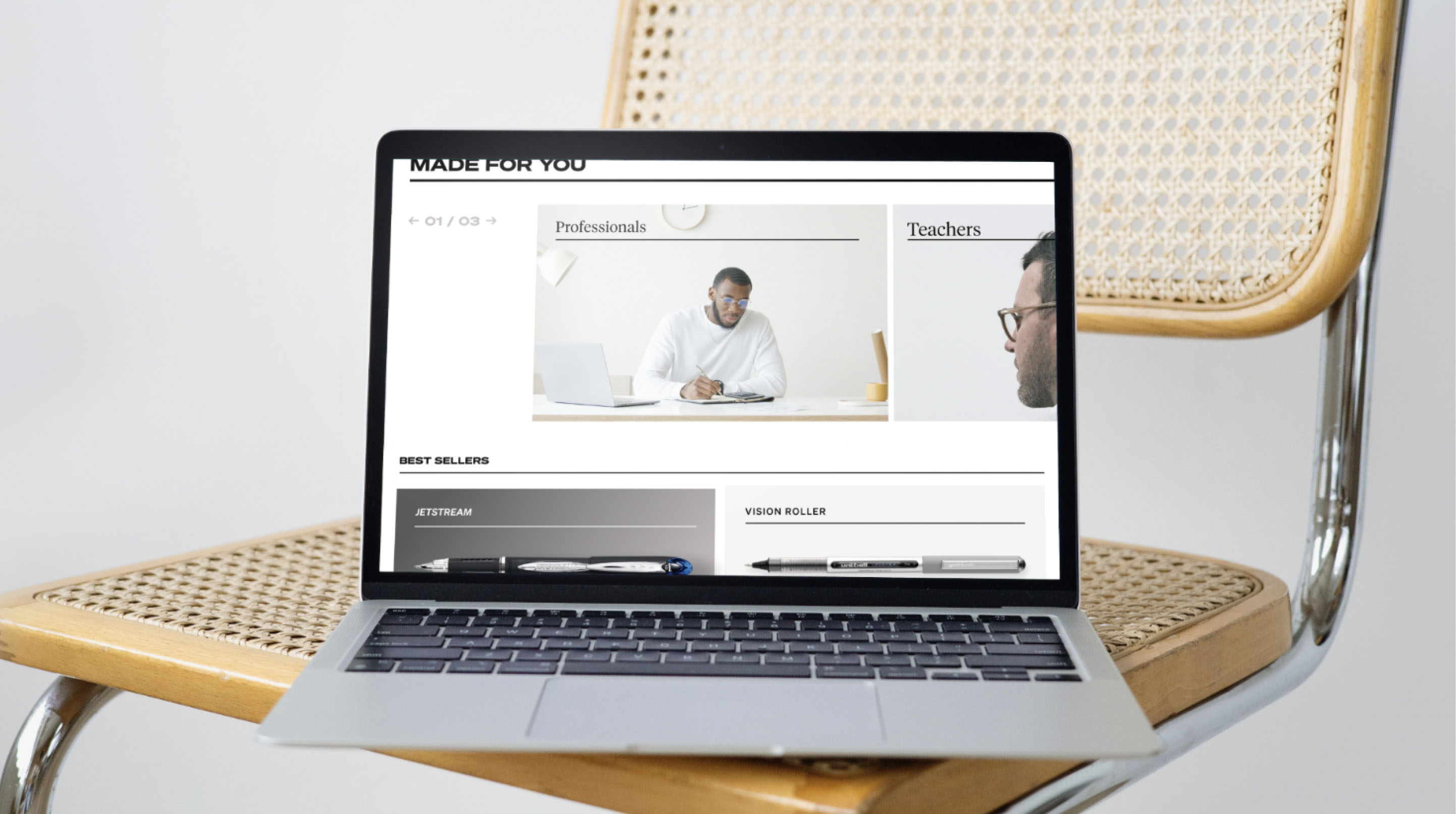
![the new uni website on a laptop screen]()
-
Brand Identity
Defining the principles and ethos of your brand.
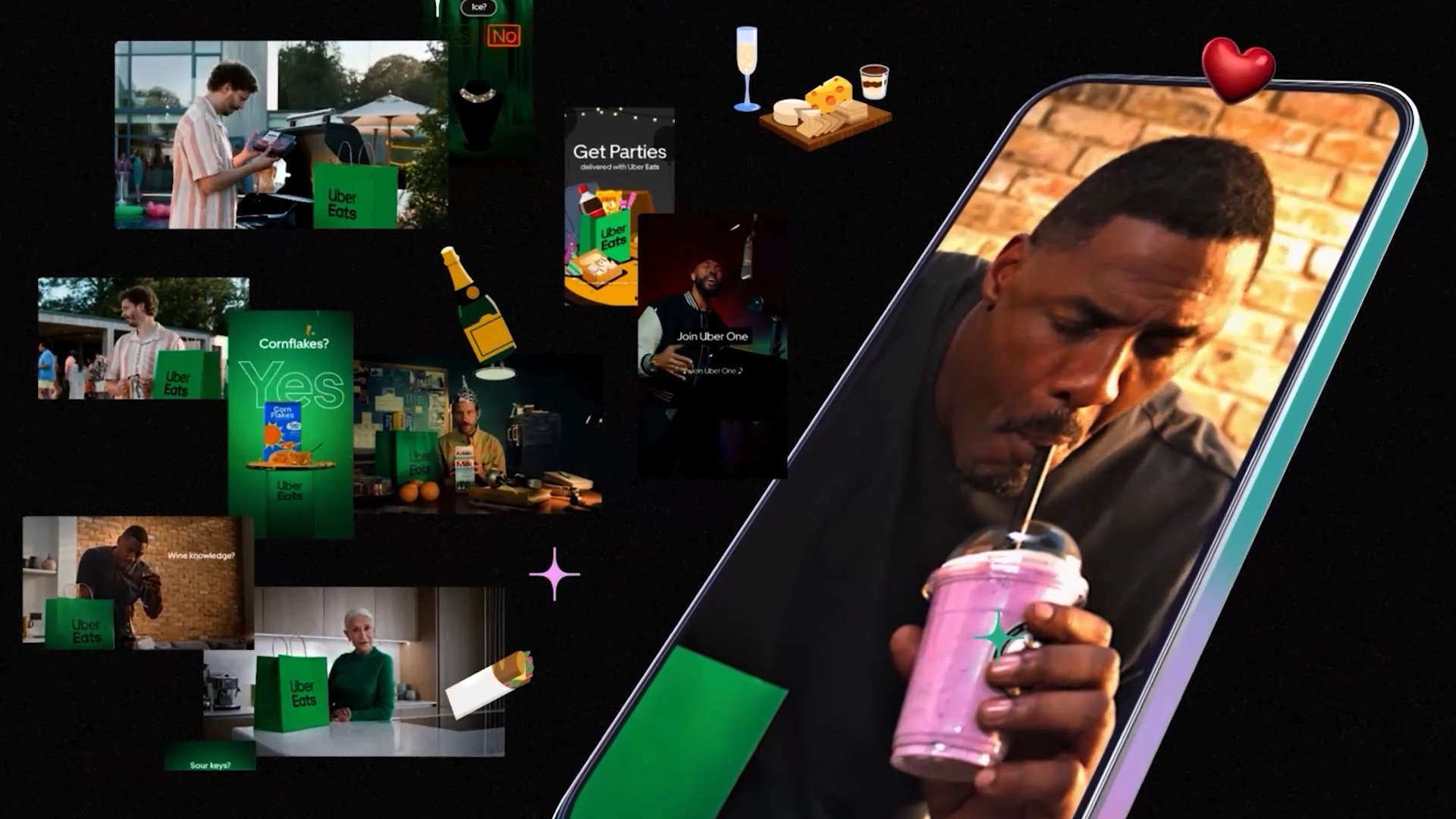
Brand elements that create lasting systems across dynamic expressions for audiences, channels, moments and outcomes.
![Idris Elba drinking a milk shake with a bunch of phone mock up designs surrounding him]()
-
Culture Strategies
Strategy rooted in cultural understanding.
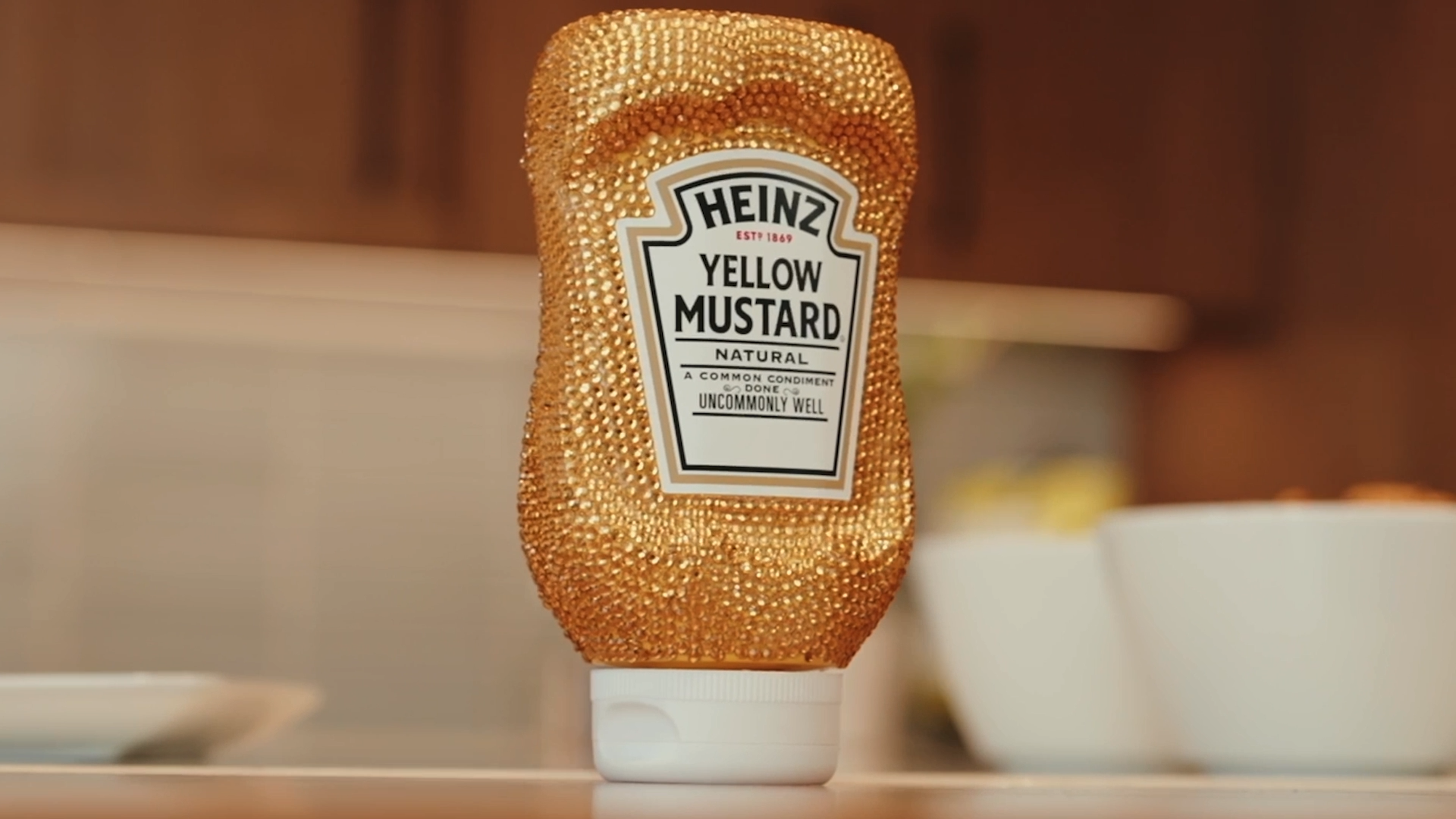
Brand communications and strategies rooted in understanding how audiences engage and react to culture.
![Heinz mustard bedazzled in diamonds]()
-
Brand Campaigns
Thoughtfully contextualized campaign design.
Breakthrough, integrated creative campaigns with thoughtfully considered touchpoints across audiences, channels, moments and desired outcomes.
![Person is stepping into the yellow sex education car]()
-
Social Content Creation and Creators
Reacting to culture in real-time.
Designing for and reacting to culture in real-time through dynamic creator strategy and implementation, platform content development, and audience dialogue.
![The image shows a hand holding a newspaper titled "El Universal," featuring an article titled "El Prólogo" by Rodrigo Prieto, centered on a table with more newspapers in the background.]()
-
Brand Experiences
Extending brand connections through forward-thinking experiences.
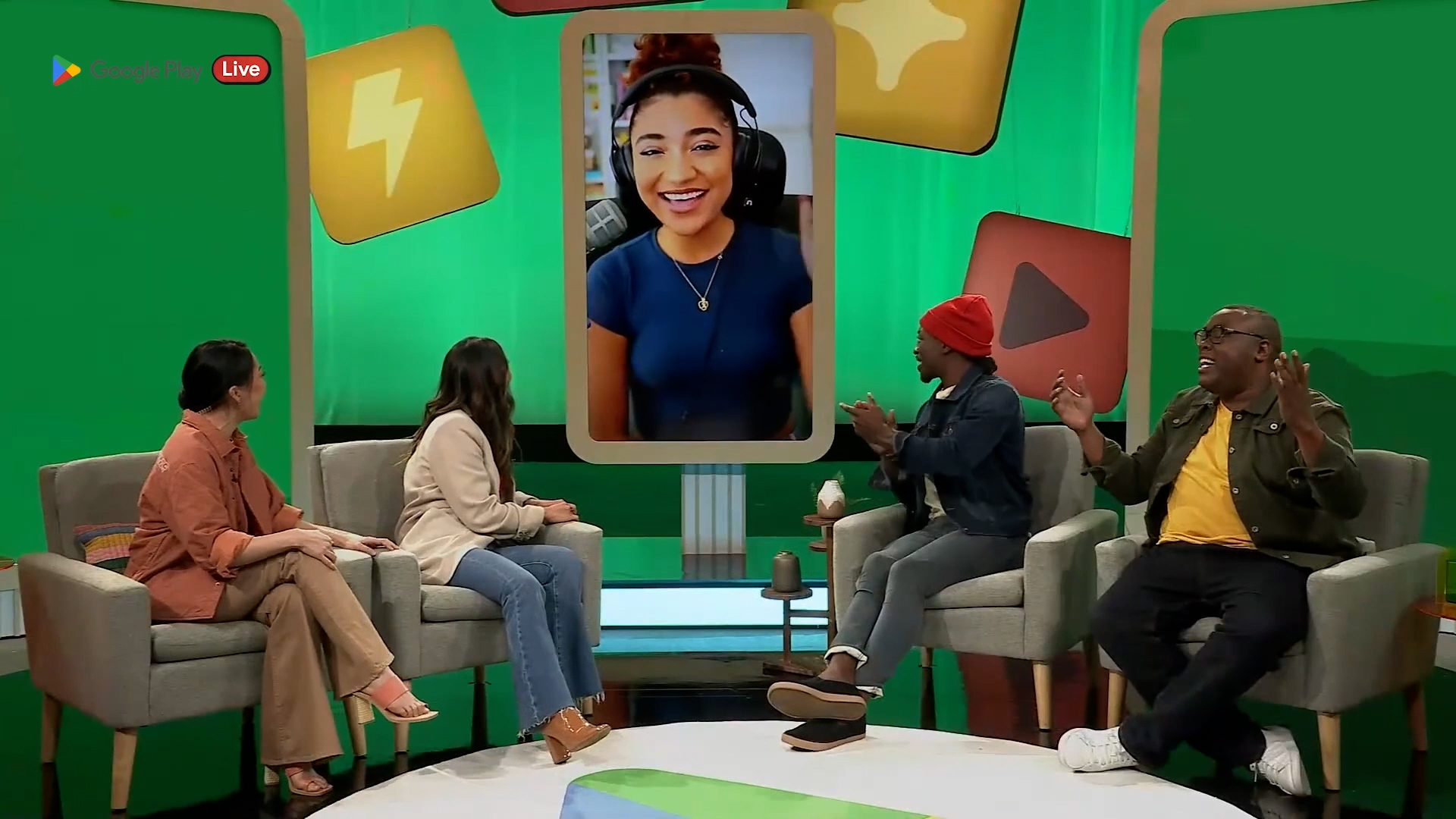
Crafting forward-thinking experiences in the real world, online, and in-between from big idea to flawless execution and on-the-ground support.
![The image shows a lively studio set where four presenters are engaged in conversation, with one presenter appearing via video call on a large screen, all set against a vibrant green backdrop decorated with colorful graphics.]()
-
Creative Analytics and Insights
Real-time insight into creative effectiveness.
Intentional creative design and taxonomies built to better optimize creative efforts over the entirety of a campaign journey to meet full-funnel goals.
![A line graph spiking and falling on a laptop]()
-
Agile Production
Create at the speed of culture.
Production approaches designed to more efficiently meet channel needs, and explore multiple facets of creative ideas.
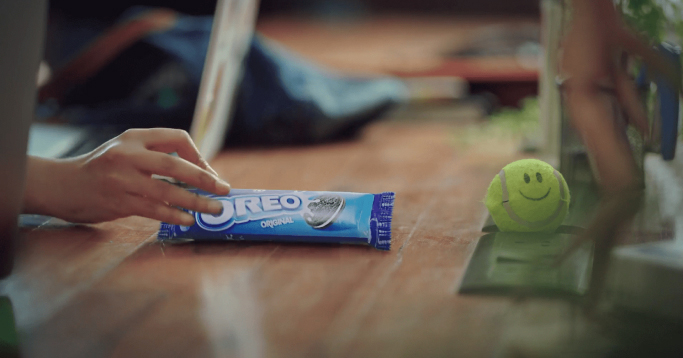
![A hand holding a package of Oreo cookies on a desk]()



FAQs
Your questions answered to boost brand relevance at scale:
How do you help our brand maintain relevance with emerging audiences?
We implement strategies that treat brand content as a performance engine, not a static asset. Our approach leverages constant social listening and influencer marketing at scale to connect your brand's purpose-driven marketing to community building on emerging platforms.
How do you guarantee a seamless omnichannel brand experience?
We eliminate fragmentation by integrating your customer data platforms (CDP) to create one unified customer view. This enables us to orchestrate a consistent, context-driven brand message across all digital touchpoints, directly addressing the technical concerns of a CIO.
What is the best way to measure brand relevance and sentiment online?
The best way is through continuous, integrated brand sentiment analysis and brand equity measurement. We use data to drive creative decisions, moving beyond vanity metrics to prove genuine brand lift and demonstrate the value of your marketing investment.
How do you integrate our brand storytelling with technical performance at scale?
We combine deep technologists and brand practitioners into one agile force. Our team develops a strategy where creative storytelling is linked to a unified customer experience, ensuring the technical performance of all digital assets reinforces the brand narrative for global reach.
How is your approach to digital branding strategies different from other agencies?
We are born digital-first and believe in the power of our collective intelligence. We treat clients like colleagues by speaking honestly—even when it's tough—translating complex strategies into straightforward, action-oriented plans that drive growth.

Explore our strategic service offerings
Let’s unlock what’s possible together.
The Key Ingredients for Viral Campaigns
The Key Ingredients for Viral Campaigns


Art by Christopher Guzmán
They say there's no formula for creating advertising that transcends and goes viral, but I must admit that I don't fully agree. In fact, I would dare to contradict that idea and state that there is indeed a "how to" for designing advertising pieces worthy of being remembered and shared multiple times. The key is not only to aim to impress with sales metrics or vanity, but to achieve what we call human performance: ideas that truly move people.
Let’s start from the beginning. Imagine you receive a new brief from your client. This brief calls for something (1) emotional, (2) disruptive and (3) viral. You might wonder, who wouldn’t want that? At every stage of advertising production, regardless of the client, industry, or budget, the ultimate goal is to create something memorable, something that people want to share. At the same time, we face an increasingly skeptical audience and a more competitive ecosystem. So, what can we do to meet that brief?
In this article, I’ll explore some elements and how to combine them to attempt to achieve just that.
The campaign should be emotional, but which emotions should we prioritize?
In his book "Contagious," Jonah Berger explores the psychology behind content that is shared massively. He argues that intense emotions such as fear, awe, joy, and anger are essential for capturing the audience’s attention and motivating the spread of content.
Fear, for example, triggers deeply instinctive reactions, tapping into the need for protection and action. Obviously, in our line of work, it’s not advisable to scare anyone, but understanding how this works is important. Examples of how fear is exploited to foster widespread sharing can be observed in political marketing, where propaganda and ideological discrepancies are frequently employed to maintain our vigilance.
On the other hand, awe is highly powerful. Feats and displays of mastery always capture people’s attention, eliciting surprise and the desire to share that sensation with others. This explains why we share certain campaigns, consume certain art, or admire certain types of creativity.
Monk Thoughts
Content that is unexpected or challenges expectations often generates an intense response and, therefore, is more likely to be disseminated. In advertising, this translates to thinking about that surprising twist that redefines what we are seeing.

Joy is related to anything that brings a smile to our faces, evokes tenderness, or makes us feel warm; all of this is easily shared, as we want our circle to experience it. Think about how contagious a joke or a meme can be in this sense.
Finally, strong emotions like anger, irritation, or discomfort often drive us to act. Content with this type of emotional charge can mobilize millions around the world and even inspire organized social movements. However, similar to fear, we need to use these emotions responsibly. Our goal should always be to foster positive social engagement rather than exacerbate negativity. When considering this approach, it is essential to carefully weigh the potential impacts, ensuring that it aligns with ethical marketing practices and contributes constructively to societal conversations. This delicate balance of emotion can be pivotal when crafting compelling messages but must be handled with sensitivity and foresight.
Disruption (but without annoying anyone, please).
Although I would personally like this word to be used less loosely, it is crucial to understand the key principles behind disruption: familiarity and surprise. For disruption to be innovative and appealing, it must combine a degree of familiarity that avoids alienating the audience and facilitates its adoption, along with a surprising element that makes it feel unique and outstanding. Let's take the example of Uber at the beginning: the platform was different enough from existing transportation options, but at the same time, it maintained similarities with already-known services. It’s easier said than done, but understanding these principles can speed up some steps.
For example, in the work we did for BMW alongside Lil Miquela, we combined the fascinating aspects of the digital world with real elements to launch the new iX2 model. On one hand, the familiar was represented by the brand itself and the traditional methods of commercial communication in the industry. However, the innovation shone through the blending of the digital and physical worlds, putting Lil Miquela not only behind the wheel of the car but also at the forefront of the campaign. This strategy allowed us to connect with 8.2 million people, creating a disruptive model that linked BMW with a new audience in a unique space, without losing sight of its legacy and cultural background.
The virality formula: reach, memorability and mentions.
Emotional and disruptive values are essential to connect with the audience and draw attention to our work. It's difficult to go viral without them, but we must also consider other factors, such as reach, memorability, and the number of mentions.
Reach refers to the ability to use all the touchpoints surrounding the brand to reach all audiences engaging with the category. This involves presence on digital platforms, participation in relevant events, and creation of strategic partnerships to maximize our presence and connection with potential consumers. Memorability relates to the connections we create in the mind around our brand, everything that helps us be remembered: phrases, mascots, assets, and advertising styles. For example, what brands come to mind when you think of polar bears, gorillas, or finger-licking?
Moreover, the number of mentions is essential for successful virality. Just as a scientist knows their work is successful based on how often it's cited, we can recognize a good campaign, idea or piece when it's frequently mentioned. Think of your favorite piece and ask yourself: could you explain the idea? If the answer is yes, you're already halfway there, as pieces that are easier to talk about are more digestible and contagious.
The art and science of connecting with your audience.
In the words of Dave Trott, a campaign worthy of being shared, told, and going viral must have three components, in this order of importance:
- Impact
- Communication
- Persuasion
Without impact, attention won’t be captured; without communication, the message won’t be understood. Therefore, emotions are needed to make an impact, disruption to grab attention, and repetition to effect change; in a word, persuade.
In summary, viral content is a combination of artistic ability (yours) and science (the steps presented). By understanding and applying these emotions, integrating disruptive elements, and ensuring that the idea is easy to convey, brands can create content that captures the audience's attention and resonates deeply. Stop worrying about going viral and focus on connecting with your audience.
Take as an example what we did for Ray-Ban. The campaign strived for impact by featuring stunning hero content across multiple platforms—including social media, 3D visuals, outdoor advertising, TikTok challenges, and video games—which caught the eye and held attention across a diverse range of consumer touchpoints. Additionally, our collaboration with 11 popular Italian TikTok influencers to launch an elevator dance challenge showcases effective communication, turning a simple call to action into an engaging, participative experience that resonated well with audiences. This not only persuaded participants to join in but also helped the challenge go viral, achieving 12 billion views worldwide and inspiring over 3.2 million user-generated videos.
So, in your next brainstorming session, ask yourself:
- What emotion do I want to tap into?
- Does it have the right mix of familiarity and surprise?
- Is it easy to tell? To remember?
Remember that creative work is an experiment, and these are just some steps that can help you in your next projects. If you have doubts, comments, or are interested in learning more, remember that the Brand Planning team at Media.Monks is here to help you, challenge you, and collaborate on implementing ideas based on these principles, whether you are a client, collaborator, or just want to put to the test what has been presented here.



Google CES • An Experiential Space Combining Strategy and Design to Bring the Brand Experience to Life at CES 2024
00:00
00:00
00:00
Case Study
0:00
Standing out at the biggest tech event of the year.
As a leading technology company, Google is known for its innovative solutions that ease the lives of millions by blending simplicity with cutting-edge technology. However, CES 2024 posed a challenge: how could Google distinguish the latest features of the Android mobile operating system within a sea of futuristic concepts and cutting-edge technology?
To address this, we designed a temporary, ambitious 18,000-square-foot interactive space that encapsulated the open and connected ethos of Google and Android. The centerpiece of this space was a custom, eye-catching, 80-foot overhead canopy—the first of its kind at CES—under which attendees could immerse themselves in Android’s new features through 15 analog-inspired interactive experiences stationed across four seamlessly connected substructures, each underscoring the brand's latest offerings in an intuitive manner.


Swipe
For More!
Drag
For More!
Breaking the norm with strategic insight and brand storytelling.
Google has historically adopted a minimalist approach at CES, which we saw fit to disrupt by taking visitors on an immersive journey that reflected a “choose your own adventure” experience, letting attendees follow their own path and explore the technologies most helpful to them. Following this approach, we transformed Google's space into a visually appealing, modern-day, which served as an inviting point of entry into the exciting exploration of tech possibilities offered by Google.
Step into the cutting-edge realm of Google AI on Android, where the synergy of the latest Google and Android-powered technology unfolds.


A playful approach to product demos.
As part of the immersive experience, we focused on making Google's new features, powered by generative AI, accessible and user-friendly. We adopted a skeuomorphic design approach that connected each feature to recognizable, real-life objects and activities. For example, we turned Magic Compose—a feature that composes vibrant, stylized messages on the user’s behalf—into a postcard-making station shaped like a mail collection box. This approach encouraged visitors to interact with the technology in a familiar and natural way, promoting easy understanding and adoption of Google’s most innovative tech.


A holistic approach to experience design.
Finally, we upheld our principle of delivering excellence in craft across all facets of the project. Our vision extended across three critical areas—the physical, the digital, and the virtual—delivering a holistic brand experience. We integrated these aspects from the project's inception, ensuring a seamless fusion of all experience layers in service of the narrative we wanted to build.

Revolutionizing the brand’s presence at CES through effective experiential strategy.
Our approach to experience design—leading with strategy, making products accessible, and excellence in craft—built a potent narrative and resulted in powerful experiences that resonated with visitors. Even in an overwhelming, tech-saturated setting like CES, Google was able to effectively communicate their promise to audiences with trademark simplicity. This project not only left a lasting impact on Google's team but also fundamentally transformed the way they approached their presence at CES, inspiring more effective and impactful brand experiences.

Results
-
The activation garnered 72,062 impressions
-
21,714 engagements/attendees.
-
Attendees spent an average of 14.06 minutes in the space.
Want to talk experience? Get in touch.
Can’t get enough? Here is some related work for you!


Hey?
Meet The NL Monks.Supporting Brands From Start to Finish.
00:00
00:00
00:00
Case Study
0:00
We are the end-to-end crafters of change.
The Netherlands might be small on the map, but our 450-strong team knows how to make an impact—and completes the Monks story. NL Monks bring together a mix of creative minds and tech talent, ready for any challenge. Whether it’s turning insights into strategy or ideas into standout creative work, we know how to move brands forward from start to finish. Brands that want to stay ahead come to us for fresh creativity, a hands-on approach, and the smart application of technology—especially in AI and digital innovation, where we lead the way.
Innovation is in our DNA. We’re always looking for smarter ways to solve challenges and keep our clients ready for what’s next. It’s about moving brands and people ahead, together.
We work with some of the world's best brands.

Ready to transform your business? Contact our NL Monks team.
Our Work
Supporting Life with the Dutch Cancer Society (KWF)
Here’s how we helped the nation-wide organization reposition their mission among Dutch audiences.
-
Dutch Cancer Society (KWF) Repositioning Campaign • KWF isn’t just against cancer, but primarily pro life and everything that makes it worthwhile. With that in mind, we helped the largest charity in the Netherlands redefine this brand positioning with the aim to further shift people's mindsets.
-
![A women laying of the living room on the ground playing with her baby.]()
KWF isn’t just against cancer, but primarily pro life and everything that makes it worthwhile. With that in mind, we helped the largest charity in the Netherlands redefine this brand positioning with the aim to further shift people's mindsets.
-
![Closeup of a women. She has a sad expression on her face.]()
-
![Women and child are sitting on the ground in a hallway. They are playing a game with clapping hands.]()
From the touch of a lover to the smile on a child’s face, this campaign shows all the little things that make life absolutely worth living. The main message? By supporting KWF, you support a person’s life and everything that’s part of it.
-
See why your support matters


Swipe
For More!
Drag
For More!
Our Work
Securing People’s Safety with ProRail
ProRail Model Crashes
On average, there are 160 collisions and near-collisions on the railway each year, some of which are fatal. Surprisingly, more and more of these incidents involve experienced drivers—and so, ProRail wanted to warn them about the dangers around railway crossings.
The challenge was clear: we couldn’t use real footage of previous collisions for this campaign, as this would be too traumatic for the train operators and professional drivers who were once affected by such an incident. So, we had to think of a creative solution.
By applying model construction and forced perspectives, we found a way to depict possible dangerous situations without actually showing any collisions. As such, this campaign drives impact—but doesn’t warrant a trigger warning.


Our Work
Connecting People and Places with GVB
Here’s how we helped the public transport company become top of people’s minds again.
-
GVB Travel Poet • Travel is so much more than moving from A to B—it’s all about connections. After the social disruptions caused by the global pandemic, Amsterdam’s public transport operator GVB wanted to rekindle the flame between the Dutch capital and its inhabitants.
-
![Portret of the Travel Poet. In the left side of the image you see the title 'Reisdichter'. On the right side her autograph.]()
Whether people get to their destinations by bus, metro or tram, the travel experience had to be truly unique. So, we welcomed the world's first-ever Travel Poet into GVB’s vehicles: Roziena Salihu crafted spoken words specifically for our public transport.
-
![A photo of the calnals of Amsterdam by daylight. And on top of that in illustrated white letters the word Amsterdam.]()
-
![Two young women laughing at each other.]()
-
![Photo strip with portraits of all people who travel with the GVB.]()
The Travel Poet's words captured the feelings of wonder and community that emerge while traveling on public transport—adding an emotional layer to the daily commuting routine to strengthen connections between the people of Amsterdam and the city they call home.
-
![Portret of the Travel Poet. In the right side of the image you see her sitting and in the left frame you see the title 'Reisdichter'.]()
-
![A young male sitting in public transport and staring out of the window.]()
-
![An elderly couple sitting in a waiting booth of the public transport. There is an illustrated white heart pleaced between them.]()
-
Hear the power of the spoken word


Swipe
For More!
Drag
For More!
Our Work
Generating Tunes with BMW and Tomorrowland
BMW teamed up with Tomorrowland, Europe’s biggest EDM festival, and wanted to celebrate the partnership in style. With AI tools already top of mind, it was only a matter of time until they started topping the charts—and we made sure of that.
As part of THE MARCOM ENGINE, we collaborated with BMW on creating an interactive AI experience that invited music fans worldwide to produce a song that voices their connection to Tomorrowland, while boosting their excitement for the big event.
Besides enabling people to generate a personalized track with matching artwork and helping them share it on social, the ChatGPT-powered “Future Record” project did one more thing: it brought the generative AI revolution into the music industry.


Check out more of our top-notch projects
Swipe
For More!
Drag
For More!
-
Is Amsterdam ‘the Harvard of advertising’? Reflections with Wesley ter Haar
-
The Empathy Experiment: An Innovative Approach to Training Empathy
-
AI Consulting
-
Will Brands Sink or Swim in the AI Video Revolution?
-
How AI is Influencing the Future of Search
-
How AI-Driven Interfaces Help You Connect with Your Customer
-
Labs Report 32: Generative AI
-
MightyHive Launches in The Netherlands



Our Capabilities
Providing solutions and services that uplift your business and your customers.
- Media The best specialists in tech-enabled media, working as one.
- Data We help brands build and leverage their most valuable asset: their data.
- Technology We advise, build, and scale digital products and organizations.
- Social We help brands drive culture at the speed of social.
- Platforms We build ownable products and platforms that build brand love.
- Studio Transforming production to infuse stories with purpose and soul.
- Experience Incredible, immersive digital experiences that bring people together.
- Brand We design human-centered brands built for the digital age.
Select an office
Select a team
AI Test Kitchen • Building a Recipe for AI-Powered Success
A freshly seasoned approach to identify AI opportunities.
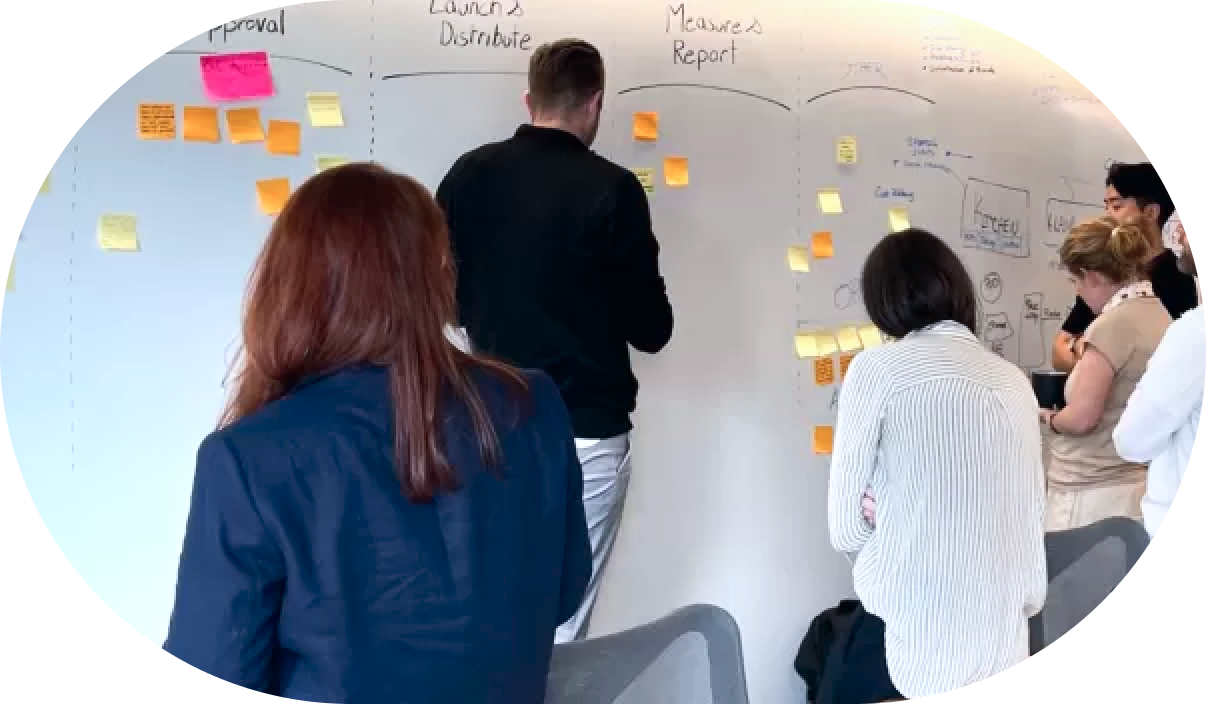
When it comes to harnessing the power of AI, there are endless opportunities to cook up a storm. So, how does one know which recipes to use? The Kitchen—Kraft Heinz’s in-house agency and creative chef behind its iconic brands—could immediately see the value of AI technology, but simply didn’t know where to start. In need of a sous-chef, they asked us to help them develop ideas and create a roadmap to implement AI throughout their business model. Therefore, we organized an in-person workshop to identify where and how AI could drive high value across all of The Kitchen’s operations with the aim to increase efficiencies, save costs, and elevate strategic, creative and production output. The outcome? An action plan to power their business with AI.

Fully baked solutions help us roadmap to success.
We started off by centralizing the question of “how might we?” to uncover the numerous areas of opportunity. From establishing AI foundations to trendspotting, creative development and production, our shopping list of possible AI use cases included lots of ingredients. So, we made sure to boil our ideas down to four focus areas: sharpen the primary insight, social trendspotting, creative ideation, and brand virtualization. Then, we created pilot implementation plans for each theme, thus defining the business value, the proposed scope, recommended tools and technologies, and the estimated effort as the concept evolves. Ultimately, we distilled all of this information into a single strategic AI roadmap, outlining how The Kitchen can build a brand virtualization foundation, while executing pilots that spur adoption of tools, learning and development, and creative ideation.

Four ingredients that are fundamental when you’re cooking with AI.
In addition to the main dish—the roadmap—we delivered four key takeaways. First, we advised The Kitchen on protecting Kraft Heinz’s data from AI model exposure, as we always say that any strong AI strategy starts with an airtight data strategy. Second, we highlighted the importance of communications around the role of AI within an organization, which can accelerate people’s acceptance and adoption of a new technology. Innovation sprints, for example, offer a safe space for talent to learn by doing and collectively push innovation forward. Third, we showed The Kitchen that the easiest point of entry is testing out AI use cases that don't require internal data, like those that spark creative processes. And as a final note, we emphasized that AI tools are constantly evolving, so it’s critical to have a solid foundation and establish a framework and process focused on adaptability— so that they're ready to adopt when the next big thing comes along.
With this strategic roadmap, The Kitchen can change the course of its value.
Through the workshop, we were able to show The Kitchen how they can use Kraft Heinz’s data to build a large language model ecosystem that supports various AI tools and use cases—and ultimately empower their talent by equipping them with flexible tools that can be used across a wide array of workflows. With that, they can now return to their chopping boards with a refined palate and a clear understanding of how to leverage AI to unlock new opportunities and add more value to their business model.
Results
-
Identified 64 AI use cases
-
Provided actionable key findings in the form of a strategic AI roadmap
Want to talk AI? Get in touch.
Can't get enough? Here is some related work you!


The Definitive Guide to a Successful TikTok Campaign
The Definitive Guide to a Successful TikTok Campaign


TikTok, a platform that was once considered complementary, now takes center stage in the marketing strategies of major brands. The reasons behind this are many. For starters, TikTok is a famously powerful space to engage with younger generations—especially Gen Z and Millennials—who flock to the platform for product recommendations, reviews and more.
It’s not a coincidence that the platform attracts these audiences and also humanizes brands by encouraging them to show a more genuine side. To put it simply, TikTok stands out among other platforms by not only connecting with younger audiences but also providing brands with unique opportunities to establish emotional connections, showcase their authenticity and effectively reach new potential customers in creative ways. Moreover, it serves as a fertile ground for creating trending content and attaining viral status within seconds—resulting in the highly sought-after “sold out” scenario that every brand aspires to achieve.
In a marketing landscape that is constantly evolving, having a presence on TikTok is not just an option, but a wise decision for brands aiming to differentiate themselves and stay relevant in the face of an increasingly demanding digital audience. Surprisingly, though, many have yet to fully tap into its potential. Worry not—whether you’ve tested the waters already or are just thinking about dipping your toes into the platform, this guide will help you succeed in your TikTok campaigns.
Stage 1: Initial Preparation
Before venturing into TikTok from a brand perspective, it is essential to actively engage on the platform as a user. Becoming familiar with the language and dynamics of TikTok is the first step toward achieving success. Whether you are a brand owner, employee or part of an agency, absorbing the essence of TikTok is crucial.
Success on TikTok requires synergizing a distinctive tone of voice with the unique social essence of the platform. The brand voice, which may be cautious and dependable elsewhere, can (and likely should) become inspiring, lighthearted and humorous on TikTok. That’s the only way to break down barriers and establish a relationship with consumers that’s built on trust. Ultimately, TikTok provides the ideal environment to unravel untapped aspects of the brand.
Some of the ways brands can actively participate on TikTok include:
- Creating an organic profile on TikTok:
This strategy involves building a brand profile on the platform and consistently sharing organic content. It requires meticulous planning, as the videos should resonate with TikTok’s audience and align with their interests.
While it demands a high level of dedication, the benefits outweigh the effort. By having an organic presence, the brand’s profile becomes a testing ground, enabling the brand to extract valuable insights from videos, explore topics that intersect with diverse niches within TikTok and receive real-time feedback from users. These learnings can then be applied to paid content, ensuring its effectiveness is maximized.
- Using TikTok ads:
Another alternative is to invest in paid ads on TikTok.These ads can appear in the discovery feed, just like organic videos, but there are also special formats that provide a prominent position on the homepage, as well as sponsored challenges. The lack of an organic account doesn’t necessarily affect the performance of these ads, making this a great choice for brands that want to test the platform without fully committing to it yet. It’s also an effective tactic to amplify seasonal campaigns.
- Partnering with TikTok creators:
Partnering with creators not only serves as an alternative for those unable to choose one of the previous options but also acts as a complementary strategy that can and should be combined with the others. Content creators on TikTok are native to the platform, meaning they possess expertise in producing content that truly resonates with audiences. By partnering with the right ones, you can gain an intermediary that effectively translates the brand’s message while also attracting potential customers from their trusted follower base.
There’s no such thing as a one-size-fits-all approach when it comes to collaborating with creators. Instead, it’s important to avoid a cookie-cutter style and focus on customizing strategies to accommodate individual differences and cater to specific needs. More often than not, creators complement brands’ strategies through dark posts, but increasingly, they are involved in the early stages of the campaign, helping to determine the best way to introduce it on the platform.
Stage 2: Beyond the Top of the Funnel
Recognizing that TikTok isn’t just restricted to the initial phase of the marketing funnel opens up space to plan a comprehensive strategy with videos that address all stages of the customer journey, which can be even more effective.
When we think about TikTok, it’s not uncommon to associate it with the awareness stage, in which brands can leverage the viral nature of the app to capture the attention of a wide audience. However, it doesn’t end there. In the conversion stage, brands can incorporate clear call-to-actions within the videos or in the captions, directing users to visit a website, make a purchase or sign up for a newsletter.
To drive ad communication, though, it is crucial to have a clear understanding of campaign objectives and key performance indicators (KPIs). What is the core message we aim to convey? What will be the call to action (CTA)? These considerations will guide the development of an effective campaign.
Stage 3: Detailed Research
Research is a powerful ally in shaping a TikTok strategy. It is crucial to collect and save relevant references, templates and resources for future adaptations. Analyzing consumer-generated content, both from the brand and others in the industry, provides valuable insights into what resonates with the audience.
By exploring the different hashtags and trends that are closely related to the campaign theme, you can join the conversations that organically align with the strategy. Attentively listening to customer feedback, identifying recurring themes and evaluating overall brand perception will guide the path to success.
Stage 4: Key Considerations for Planning
During the planning phase, brainstorming with the team is key to selecting the best ideas. From there, it is necessary to identify the required resources—including roles such as store employees, content creators or celebrities—as well as materials such as sets, props and products. These resources will be used in filming, adapting existing content, or recording videos at home.
Not long ago, we successfully brought Kopenhagen’s Easter campaign to TikTok. The Topview announcement in particular had an impressive reach of 4.1 million people, exceeding expectations. In addition, the click-through rate (CTR) was 35% higher than the standard benchmark. The impact was even more remarkable as the proportion of new users visiting the brand’s website increased by over 60% during the period when this format was utilized. In short, this broad visibility, coupled with a significant CTR, resulted in a notable growth in the number of potential customers during one of the most important dates for the brand.
Another crucial aspect is the development of a well-defined timeline, encompassing the entire process from the initial creation to the launch of the TikTok campaign. In doing so, it’s necessary to dedicate enough time to each step, ensuring they are properly distributed within the available time frame. This helps avoid last-minute planning for seasonal campaigns.
Stage 5: Creating Impactful Content
When it comes to creating content for TikTok, every second counts. Unlike other platforms, where longer videos are favored, TikTok is all about agility and action, which means that the first three seconds are particularly crucial in capturing the user’s attention. That’s when you should be highlighting offers, promotions, coupons and even free shipping—maximizing efforts to attract and engage the audience effectively.
By understanding the language and trends, conducting comprehensive research, carefully planning and creating relevant content, brands can achieve outstanding results on TikTok. While harnessing its full potential may not be as easy as it seems, when executed effectively, it becomes a formidable marketing tool. The platform’s evolution has made it essential for successful campaigns. Let’s embrace creativity, innovation and strategy to fully unleash its power.
Brand
Go beyond creative limits to unlock enhanced storytelling opportunities.



We’re an end-to-end agency partner to bring your business vision to life.
We help businesses thrive in the digital era. Our holistic approach connects every aspect of your brand world, ensuring a cohesive, seamless and impactful presence across all digital platforms, physical spaces & media.
As an agency partner, we combine expertise in brand strategy, design thinking, and cutting-edge technology to bring your business vision to life. Whether you're looking to expand globally or enhance your local presence, we provide the insights, tools and resources to realize your long- term vision.
A 360° brand experience
-
Work
A Platform-Wide Rethinking of the Brand • With a refreshed brand voice that enables engaging experiences across all digital platforms, we helped uni write a new chapter.
-
![A wall with uni ads covering it while a person walks past]()
Our Challenge
To support uni's brand relaunch, we shifted focus onto the people who use uni in their everyday lives. This helped the brand create a fresh voice that resonates with modern audiences while honoring the uniball legacy and heritage.
-
![a uni brand book in different colors]()
-
![uniball pen showing the gel colors of black, red, and blue]()
![uniball pen showing the gel colors of black, red, and blue]()
-
![the new uni website on a laptop screen]()
-
![a uni designed black box in white lettering]()
-
Want to learn more about our partnership with uni?


Swipe
For More!
Drag
For More!
Monk Thoughts
We help brands act now to drive value and create relationships for the long term. The only constant is change, therefore we build brands that can anticipate and adapt to evolving business and consumer needs.

Connect
How can we help you innovate? Drop us a line.
Ready to serve every creative ambition.
Few partners have the skills that it takes to claim an Emmy, a Peabody Award, a Webby and a bundle of Cannes Lions. No matter your vision, we tap into our extensive pool of creative digital experts to make it a reality. We blend exceptional craft and curiosity to tell brand stories and create brand experiences that drive cultural resonance.
Build upon strategic foundations to reach your business vision.
We don’t just build exceptional creative and stories—we also create the tools needed to bring those experiences to life across the entire brand ecosystem. We lean into strategy to understand what makes sense for the business, then construct user journeys that inspire action and build brand love.
Solutions
We are here to help with…
Highlighted
Solutions
Swipe
For More!
-
Business Transformation
Realize your brand's potential.
Realize your brand's potential. Our transformative approach helps brands navigate pivotal changes and repositioning.
![A presentation on a large screen in front of clients]()
-
Brand Identity & Systems
We design comprehensive brand systems.
We design comprehensive brand systems. Scale your brand across platforms and global markets.
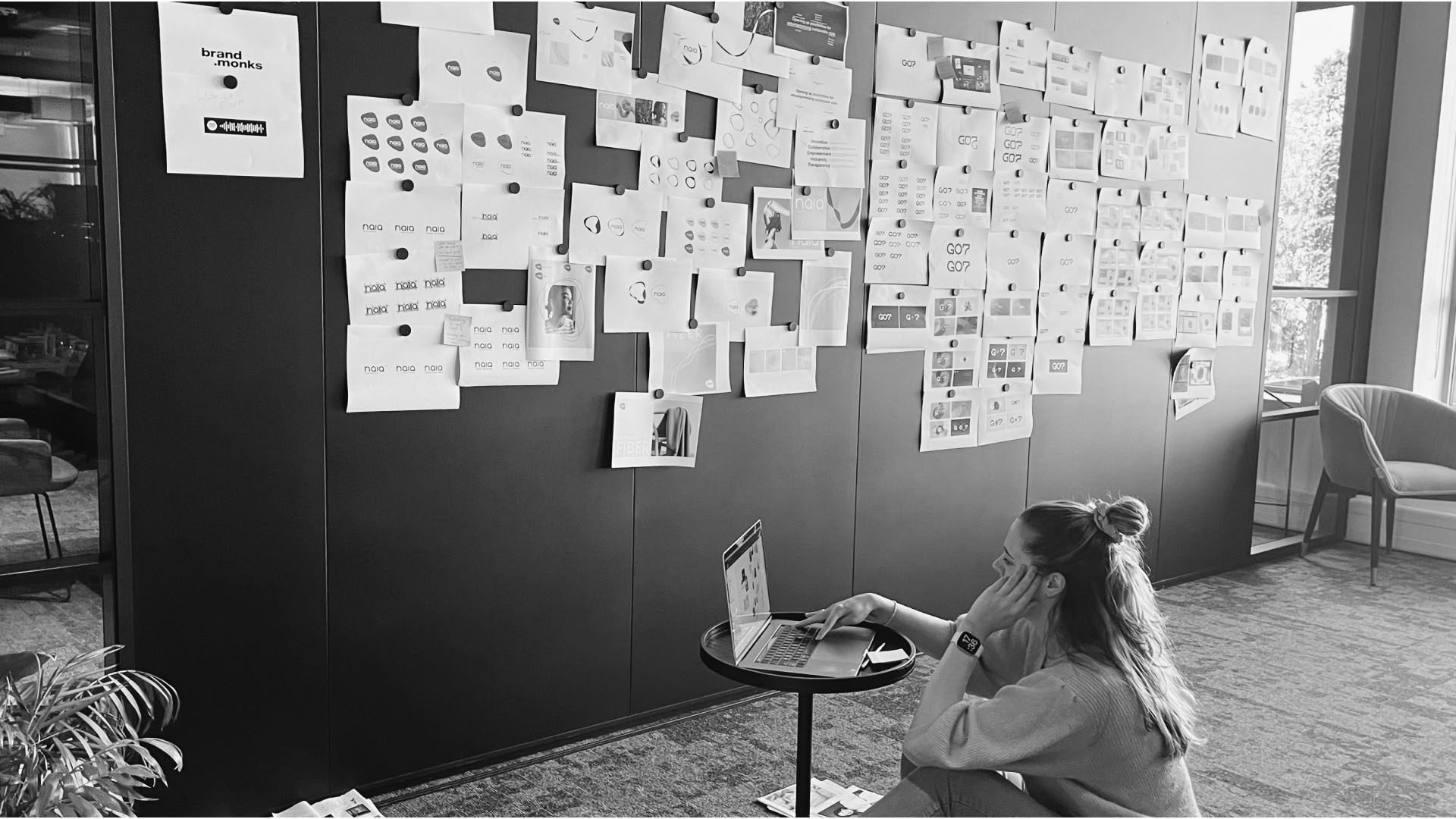
![A wall full of artistic concepts and a person working on their laptop]()
-
Go-To-Market Strategy
Expertise that extends across touchpoints.
Expertise that extends across touchpoints. We uncover audience insights that bring ideas to life.
![Brand.Monks working together and looking at concepts on a whiteboard]()
-
Omni-channel Marketing
Seamlessly integrate brand, message and experiences.
Seamlessly integrate brand, message and experiences. We move consumers down the sales funnel to fuel meaningful impact.
![Two media.monks employees sitting on a couch working together]()
-
End-to-End Agency Partner
All your needs in one place.
All your needs in one place. We build on brand fundamentals with a multidisciplinary approach serving every touchpoint.
![An office setting with employees creating together]()






Want to talk branding? Get in touch.
Here's more of our thinking



Amazon Advertising Strategy • Boosting Sales With An Organic-First Approach
Results
-
55% increase in total sales YoY
-
41% Increase in branded searches within the first month
-
Tripled the number of keywords with top 10 page one organic rank placement
-
Acquired Amazon’s Choice badges on 17 additional keywords

Partnering to retool an ecommerce advertising strategy.
As a family-owned and -operated import and wholesale business since 2004, Maxwood Furniture specializes in the design, production and distribution of high-quality furniture, manufacturing three distinct brands and serving as a factory-direct shipping partner to retailers. Yet, after two years of highly successful growth fueled by the ecommerce boom of the early 2020s, Maxwood faced slowing demand and rising cost-per-click in the kid’s furniture category—which meant their low-funnel advertising approach was no longer working. We joined forces with Maxwood Furniture to boost brand awareness and drive incremental sales by restructuring the brand’s Amazon advertising strategy.
Monk Thoughts
Our strategy focused on the bottom of the funnel up. With strategic audience targeting through Amazon DSP, the brand experienced higher sales velocity and improved organic rank.

Knowing when less can mean more.
Working as an extension of Maxwood’s internal team, we began with an extensive audit of the brand’s account and advertising strategy—reviewing all keywords, content, product listings, top-performing ASINs (Amazon Standard Identification Numbers, the unique identifiers assigned to products by Amazon.com and its partners) and past performance. We found that on high-volume search terms, Maxwood products had zero visibility in the top two rows of organic search results, and had earned only two Amazon’s Choice badges—an important designation given to products that best match target keywords—across non-branded keywords. We quickly determined that advertising efforts were spread too thin across a considerable number of keywords, products and match types resulting not only in low organic ranking and declining traffic on Amazon, but also fluctuating sales. We knew that by focusing more time and resources on fewer products—helping customers find a strategic set of products on Amazon—we could profoundly improve Maxwood’s short-term results while driving longer-term, sustainable growth.


Adopting an organic approach to winning on Amazon.
We implemented our award-winning organic-first approach that began with focusing more time and resources on a core list of 10 ASINs. Our philosophy is that as organic rank and page visibility improves, brands will experience a sales lift across their entire product catalog. To optimize Maxwood’s advertising strategy, we dialed in the focus by categorizing advertised products into three individual tiers with defined goals:
- Tier 1: Drive sales through keyword segmentation to ensure high-volume keywords were not taking up all of the budget and that rank was improving across both high- and low-volume search terms.
- Tier 2: Identify additional ASINs that could move up to Tier 1
- Tier 3: Increase visibility on recently launched products
For Maxwood, the lift was immediate. Within the first month, branded searches increased by 41% and by the end of the campaign we’d tripled the number of Maxwood product listings that ranked organically on Amazon, translating to more traffic and customers for the brand.
In partnership with
- Maxwood Furniture
Client Words
Thank you for getting us to this fantastic result. We could not have gotten here without your help and thought leadership. We're looking forward to hitting another record on Prime Day.

Anne Jensen
CMO, Maxwood Furniture
Awards
-
1x AdExchanger Award
Want to talk performance? Get in touch.
Can’t get enough? Here is some related work for you!


How Financial Services Can Win Gen Z’s Trust
How Financial Services Can Win Gen Z’s Trust


Keeping up with the language of Gen Z can be tough, but here’s a concept any financial services brand can understand: investing over the long term. Brands’ obsession with youth reflects an interest into their future potential as customers, with acquisition and long-term loyalty both being key to playing the long game. So, the principles of making real-life investments—start small, stay consistent and be committed—are key to building lasting ties with Gen Z. But brands won’t get anywhere without first laying a foundation of trust.
Understand the importance of trust.
Market volatility has been a withstanding theme that our entire generation is still learning to grapple with—a concern shared with Gen Z, who in the US identify “level of trust and security” as the top priority when choosing a financial service provider. And while 50-80% of smartphone-owning Gen Z in the US use mobile banking, their preference for mobile and digital service doesn’t mean they’re uninterested in traditional banks. In fact, traditional banks and payments remain more trusted and preferred for Gen Z.
Traditional banking and payment brands already have the trust of Gen Z, but that doesn’t mean there’s little to no work to be done for these brands—especially in light of the recent banking crisis in the US. As we progress through myriad uncertainties—stagflation, rounds of layoffs and more—even the most established names need to stay vigilant. Thankfully, Gen Z has clued us in to what’s important to them: namely the desire of personalization, speed and simplicity of engagement. Delivering on these needs boils down to the fundamental concept of building brand trust, of which social media can play a big part.
Focus on the content that matters most to your audience.
A generation brought up by the internet, more than half of Gen Z seek financial advice online through social media, with TikTok and Instagram having the greatest pull. Roughly two thirds of Gen Z cannot answer more than 50% of general financial literacy questions correctly, meaning content that focuses on areas of financial literacy (and shared through emerging formats) would best benefit Gen Z audiences.
This gives brands the opportunity to position themselves as a source of truth and thus, demonstrate their competence with the shared knowledge. And while the range of content on social media is big, it doesn’t hurt to start small. Simply start with the basics and continue to iterate from there.
Keep language consistent and coherent.
To succeed on social channels, brands need to establish strong social media principles, content focus and tone of voice. Without a social media strategy, they risk falling into the trap of focusing too much on tactical promotions. Here’s what not to share:
- Marketing speak that is difficult to understand (“Get up to 3.5% rebates”)
- Promotions with inaccessible fine print (“Limited redemption for the first 100 customers weekly for each outlet”)
- Rules that are confusing to understand (“Stand a chance to be eligible for up to 8% per annum interest if you qualify for more than three categories”)
Keeping things simple might be one of the most challenging tasks for brands in the financial services industry. But it’s incredibly fruitful: just look at how Gen Z have skewed towards “buy now, pay later” options over credit cards thanks to their simplicity.
Transparency is key to maintaining trust.
Investing in greater transparency on social media goes a long way toward building trust. In fact, 53% of consumers say a brand’s transparency on social media would prompt them to consider that brand for their next purchase, and 37% say they would purchase more from a company that is transparent on social media.
Moreover, social media’s predilection for connection makes it easier for brands to track sentiment and results from campaigns. Approaching content in a friendlier, youthful persona helps reflect Gen Z’s demand for more authentic content. Breaking down the “fourth wall” between brands and consumers requires decision makers to act with integrity and respect the standards of interaction on each channel.
Through each of the tactics above, we’ve explored key ways financial service brands can build trust with their audiences. From supporting consumers early on their journey to financial literacy, to focusing on simplicity and transparency, brands can build strong, trustworthy voices to connect with consumers.
Are Ad Partners Doing Right by Plant-Based Brands?
Are Ad Partners Doing Right by Plant-Based Brands?


Letters from the fringe.
The world’s first official vegan was a British man named Donald Watson, who coined the term in 1944 and shared his Vegan Society newsletter with 25 subscribers. By the time he died 61 years later, the vegan community comprised more than 2 million vegans in the US alone.
A number of factors have fuelled an increase in plant-based foods, from dairy alternatives to meat substitutes. The branding of these products tends to be bold, punchy and irreverent, with an equal emphasis on health and personality. The days of vegans being largely viewed as fringe weirdos wearing hemp shirts are gone. Instead, veganism has become almost sexy. It’s no longer a single carton of soy milk hidden at the back of the store, but it’s young brands like Oatly that turn a yearly profit of hundreds of millions of dollars by producing over ten different types of oat drink, ice cream, and vegan yogurt called “oatgurt.” Rather than having Donald Watson explain how to pronounce “vegan” to a small group of subscribers, it’s Ariana Grande sharing #vegan recipes with her 289 million followers on Instagram.
This leaves our Creative Director Films & Content Ben Phillips, Executive Creative Director Christy Srisanan, and Senior Copywriter Omnya Attaelmanan wondering: Is the advertising industry helping plant-based brands lean into veganism’s popularity and perceived edginess? Or are we relying too much on tried and true food marketing techniques, failing to support these brands in setting themselves apart from more traditional ones with fresher approaches to advertising?
More consumers are going for clean greens.
Surprisingly, vegans aren’t necessarily the driving force behind the rising popularity of plant-based products, as one in four consumers identify as flexitarian. This means that the largest, most significant consumer group for plant-based products might not be vegans or vegetarians, but omnivores trying to fit a few non-meat days into their weekly menu.
For many consumers, concern for the environment is a driving factor behind choice of diet. A study by the University of Oxford found that animal products are responsible for more than half of all food-related greenhouse gas emissions, and according to the Intergovernmental Panel on Climate Change (IPCC), adopting a plant-based diet can help fight climate change. Simply put, plant-based food and drinks can offer up a flavorful experience without the carbon footprint associated with animal products.
Flexitarianism, vegetarianism and veganism represent steps towards more climate-friendly ways of consuming. This opens up great opportunities for marketing and advertising plant-based products in a way that emphasizes their minimal impact on our planet. Such environmental messaging is likely to resonate more strongly than ever, especially considering recent extreme weather events around the world—because selling plant-based food is all about the mission.
Thinking outside the animal-based box.
As opposed to animal products, plant-based food and drinks are rarely advertised with a focus on the sensory pleasure of consuming them. That’s the case for beef burgers, not plant-based patties. For the latter, advertising always needs to account for a consumer mindset that’s deliberate and thoughtful in its approach to food. Besides trying to compete with animal products in terms of taste and texture, vegan brands also aim to focus on their mission and bake it into their branding at every level.
This typically translates into positioning themselves as being morally superior to “old school” animal products. The messaging of plant-based products often tends to call out non-vegan competitors, from Oatly’s “It’s like milk, but made for humans” to Beyond Meat’s “You’ve evolved. So should your snacks.” Sometimes, this can have dramatic results. Oatly, for instance, was sued by the Swedish dairy lobby over an ad that featured their slogan and the line “Wow, no cow.”
These brands are navigating multiple fine lines—between confrontational and adversarial, between punchy and preachy, and, perhaps most importantly, between cool and commercially viable. Too quirky, and you might lose consumers who would otherwise be interested. However, too bland, and you don’t stand a chance in a market full of edgier brands. Maintaining the right balance is a real challenge, which is an opportunity for advertising partners to step up their game.
(Re)planting the seeds for plant-based brands’ success.
When partnering with vegan brands, it’s crucial to bear their mission in mind. It isn’t just important—the mission is everything. Even the most profit-focused vegan brands will want to highlight their commitment to fostering sustainability, animal rights and healthy eating habits. So, it is our job to tap into that shared passion between plant-based food producers and consumers.
However, there’s still plenty of room to explore the sexier side of veganism and promote both the mission and the taste, texture and satisfaction of the product. So, we believe that the next step for advertising partners is to think about how, when and where we can help vegan brands add some sizzle to all the substances. How do we make plant-based food and drinks not just appealing, but actively tempting? How do we elevate both the mission and the marketing? How do we do all of this without rehashing old, stale techniques to sell food that the industry has relied on for decades?
“There’s usually a strong directive from brands to ‘stay in category’ to meet consumer expectations, resulting in a lot of food-related ads using similar tropes,” says Catherine Millais, our Film Director and tabletop photography expert. “Think of dairy products being shot in morning light, the classic chocolatier stirring his melted chocolate, or ads highlighting a burger’s ingredients through slow-motion footage—usually with a male voice-over and masculine energy.”
In addition, Millais argues that there’s room for much more storytelling in the plant-based product space. “Older, more established brands rarely introduce themselves to consumers anymore,” she says. “Why should they? The legacy has already been established and the origin story has largely been told. We all know about Ray Kroc and McDonald’s. Newer brands, however, have a chance to introduce themselves and tell their brand story in engaging, inventive ways that weren’t available ten or more years ago.”
By adhering to traditional food advertising tropes, we’re missing important opportunities to market plant-based products as an entirely separate category. This is a chance to substitute standard practices for new, innovative ideas and swap masculine energy for gender-neutral joie de vivre—all to exceed and subvert consumer expectations.
Plant-based food brands represent a bold departure from a long-established norm. This is as true today as it was back when Donald Watson started his Vegan Society. In trying to appeal to a consumer base of both vegans and meat-eaters, we can’t afford to tread the same old paths and forget that boldness—this does a disservice to brands that strive to fulfill a mission, consumers that try to take a more conscious approach to food, and advertising partners that aim to connect them through meaningful marketing.