The website has been translated to English with the help of Humans and AI
Dismiss
Start Your Story• A Transformational Brand Refresh and Launch Campaign
Client
uni
Solutions
BrandBrand Identity & SystemsGo-To-Market StrategyMediaPaid SearchPaid Social
Share
Twitter
LinkedIn
Copy URL
00:00
00:00
00:00
Case Study
0:00
Reimagining a legacy brand.
As a world-class provider of innovative writing and art instruments, uniball had always been well aware of the power that lies in doing things differently. But for a 135-year-old brand that held its position as an industry leader for decades, change doesn’t come without its challenges. To write the brand’s most exciting chapter yet, we teamed up with uniball and developed a fresh brand identity, along with a go-to-market strategy that helped introduce it to the world. Renamed as uni, we launched the brand through an end-to-end omnichannel campaign spanning content, film, media buying and more—honoring its heritage while looking forward to the future.
PressThe vision for this campaign is to celebrate and empower people to take control of their personal journey.
Read on The DrumPen maker Uniball writes new chapter as UniPress
Transforming the brand experience from the inside out.
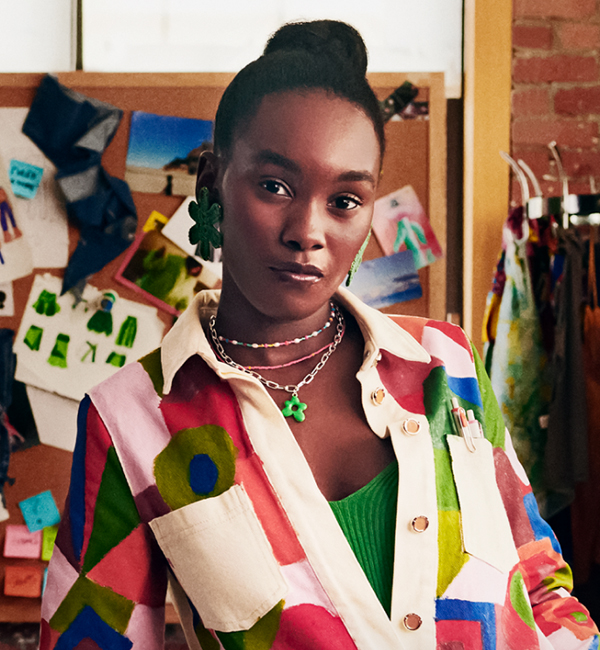
To create a new brand identity that resonates with consumers, we started by conducting a research study surveying over 500 primary household shoppers in the writing instrument category. This study informed the overall tone of voice, as well as the creation of hundreds of new brand assets—including a refined logo and color palette, brand guidelines, packaging and merchandising, social media channels, applications, OOH and print advertising. Turning uniball into uni, we helped create a more friendly brand, an approach that’s reflected in the optimized, revamped website. With different textures and popping colors, uni’s brand identity went from traditional to transformational—changing consumer perception while driving inspiration and fostering a stronger connection to the brands’ identity.
An insight-led campaign to establish stronger relationships.
To create a brand that resonates with consumers today, it’s vital to understand their core needs and shifting behaviors, as well as the market trends. So before we could introduce uni to the world, our strategy team identified customer, cultural, category and company insights through both primary and syndicated research. In doing so, we found that recent world events had awakened a desire to create and take on new challenges in the target audience. With this in mind, we developed a go-to-market strategy that articulated this sentiment.
Swipe For More!
Drag For More!
Inspiring audiences to craft their own stories.
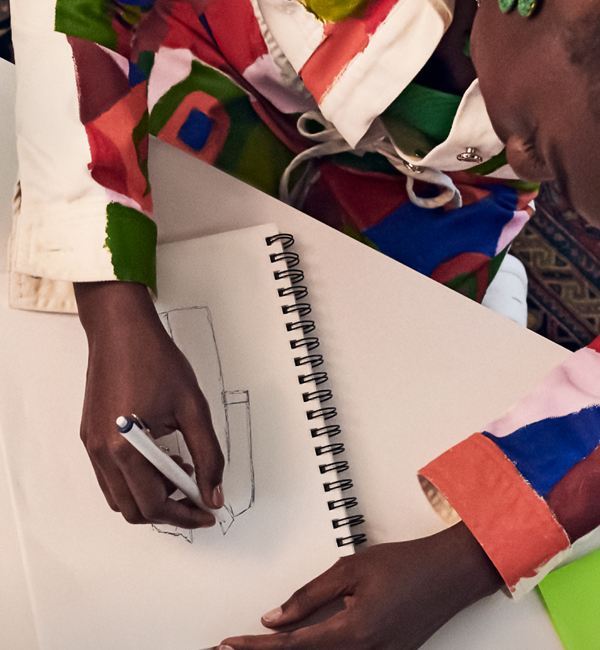
Once the new brand identity was ready and the research concluded, we developed and launched Start Your Story, an omnichannel campaign that centers on the first-person experiences of those writing their own futures. We focused on the brand’s inspiration pillar and kept an optimistic tone of voice that encouraged the audience to connect with their creative selves—raising brand awareness and driving audiences to see uni as a modern brand with a fresh new take.
To achieve maximum reach, our teams worked together to leverage the original research and created target personas, as well as allocated budget splits across media channels. This included using a testing framework with three creative variations and four measurement initiatives such as Brand Lift Studies and GWI Research, with data shown on an interactive live dashboard. In other words, we ensured the campaign was rolled out across today’s most relevant channels, according to their purpose within the brand ecosystem.
Results
616% + planned paid media via online video and YouTube reach
353% + planned social paid media reach
46% + benchmark video completion rate
30% + benchmark click-through rate
29% + CPC benchmark with SEM
Looking to rebrand? Get in touch.
Hey 👋
Please fill out the following quick questions so our team can get in touch with you.
Can’t get enough? Here is some related work for you!
2022 Seller’s Guide to Amazon Prime Fall Deal Event in EMEA
1 min read
Written by Monks
Share
Twitter
LinkedIn
Copy URL
Gear up for Prime Day events and maximize your earnings with our guide.
Amazon’s upcoming Prime Fall Deal Event is expected to go live in Q4 2022, meaning now is prime time for Amazon sellers to prepare. Because this will be the first event of its kind, we've put together a resource that unpacks Prime Day tactics and sets brands up for success on the platform.
With the Turkey 5 (a 5-day span between Thanksgiving and Cyber Monday) right around the corner, brands must align budgeting tactics, promotional campaigns, and inventory levels to ensure a profitable shopping event.
You're one download away from success on the Amazon platform with:
Forecasting inventory levels to prepare for Prime Day traffic.
Selecting the products to promote.
Learning marketing tactics and promotions to win Prime Day and beyond.
Your Guide to a Better 2023 Chinese New Year Brief
BrandBrand, Culture, End-to-End Agency Partner, Impactful Brand Activations, Seasonal marketing, Social Campaigns1 min read
Written by Monks
Share
Twitter
LinkedIn
Copy URL
Chinese New Year is the great marketing equalizer, revealing which brands truly understand their audiences versus those who simply see the world through their own myopic view. Consider the overabundance of product shots that dominate feeds and attention, versus realistic, people-focused moments that stir emotions. While the festival isn't upon us just yet, now is the time to plan—and it all starts with the brief from brands themselves.
Shanghai.Monks have developed an easy-to-use guide to identify key insights that can serve as a bedrock for more thoughtful, intentional CNY briefs. Inside, you’ll find the most salient consumer mindset shifts that will shape CNY sentiments in 2023.
How to translate holiday traditions into new contexts
Why leading with empathy is key
Monk ThoughtsTo help your Chinese New Year campaigns rise above the noise, our report spotlights 3 major mindset shifts shaping the ways audiences will perceive CNY content.
How to Build Digital Platforms for the Evolving Customer Journey
DataData, Death of the cookie, Platform, Websites & Platforms4 min read
Written by Monks
Share
Twitter
LinkedIn
Copy URL
Dotcoms, microsites, mobile apps, ecommerce sites—digital platforms come in all shapes and sizes, and they’re key components in building a strong brand identity. Having a platform strategy is now a requisite for any business to thrive, as they serve as the backbone of most efforts to immerse the audience into a brand’s world. But while this truth may elude no one, the fact that platforms inhabit an ever-growing digital ecosystem poses the question of how we can make them memorable.
Because they are a direct reflection of a brand’s values, products and services, platforms should embody the brand identity in their look and feel. Above all, they should strike the perfect balance between functionality and impact. That, however, may be easier said than done. The process of developing, implementing and maintaining great platforms calls for a high level of subject-matter expertise—and here are some of our learnings from years of building brand legacies in this space.
The brand impression is determined by the digital ecosystem.
Digital platforms have evolved from playing a supportive role in the customer journey to becoming one of the main destinations in the brand’s ecosystem. That means that the experience they get will dictate their impression of the brand. “I like to say that we need to design for the ‘first date,’ because in that initial encounter, the interface is the brand,” says Creative Director Niels Dortland. "If a dotcom is flat and unremarkable, consumers will extend that perception onto the brand."
Monk ThoughtsPlatforms need to be functional and easy to navigate, but they must be delightful digital experiences too.
Niels Dortland
Group Creative Director
As opposed to other channels in the ecosystem, dotcoms offer a fully ownable space. Because of this, astute marketers strive to make them the number one place where consumers interact with the brand. “You can’t be certain where the consumer will land within the digital ecosystem, but you can make sure your dotcom is the one they choose to come back to,” explains Dortland. “Investing in platforms that offer a great digital experience is investing in relationship-building with customers and business growth.”
While simplicity and clarity are great attributes for a platform to have, it doesn’t stop there. To stand out in a sea of sameness, we need to add another layer to the experience. Here’s the secret: the key to uniqueness lies in the brand’s identity.
Use your brand’s truth to rise above the noise.
Digital platforms are part of a broader ecosystem, and each one of these touchpoints should reflect the brand’s identity while serving a strategic purpose in the customer journey. “The way in which we add texture to an experience and make it truly authentic is by finding the brand’s truth and designing around it,” says Dortland. “If every platform is branded around that truth, that means they will be completely different to that of their competitors.”
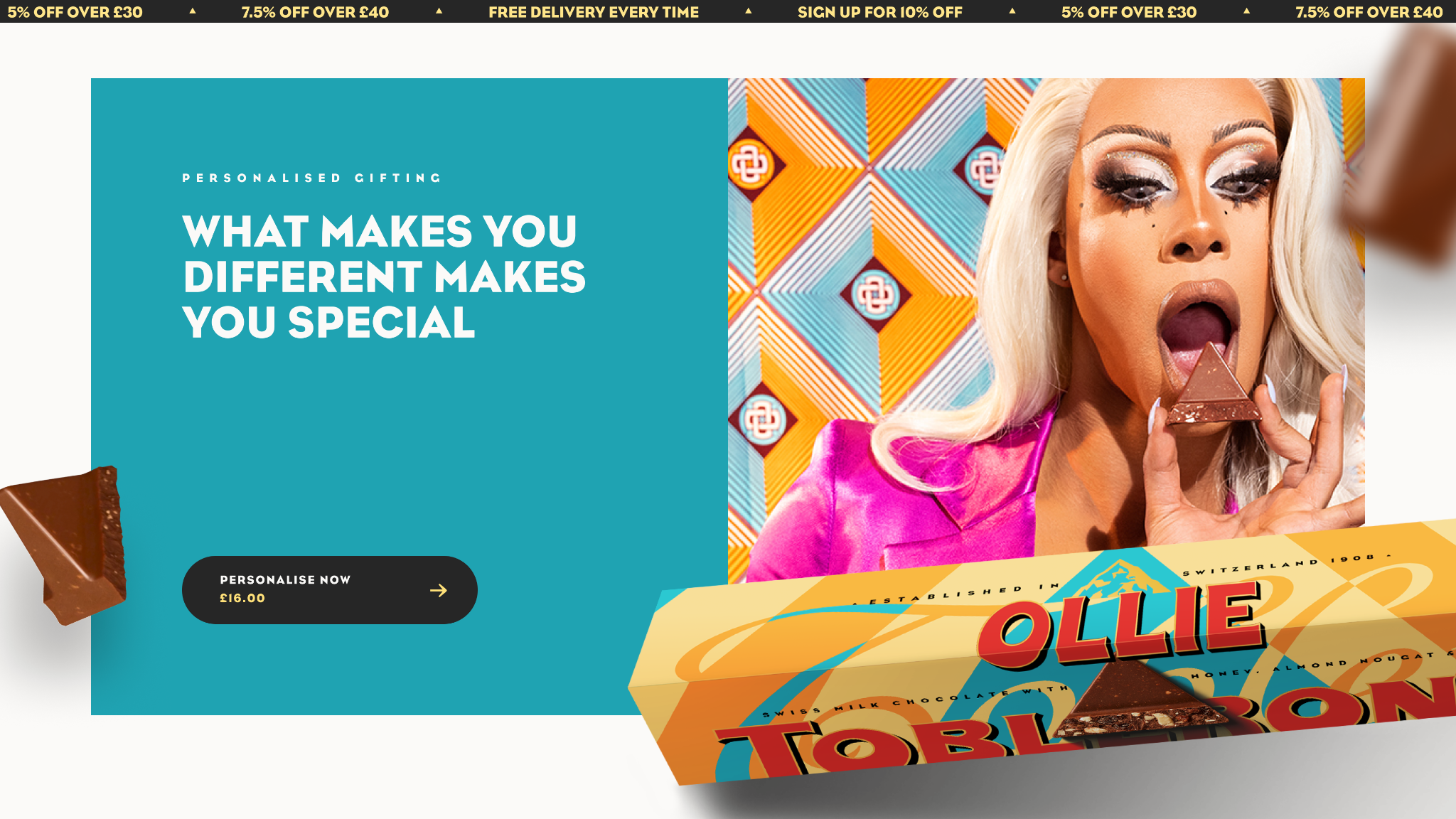
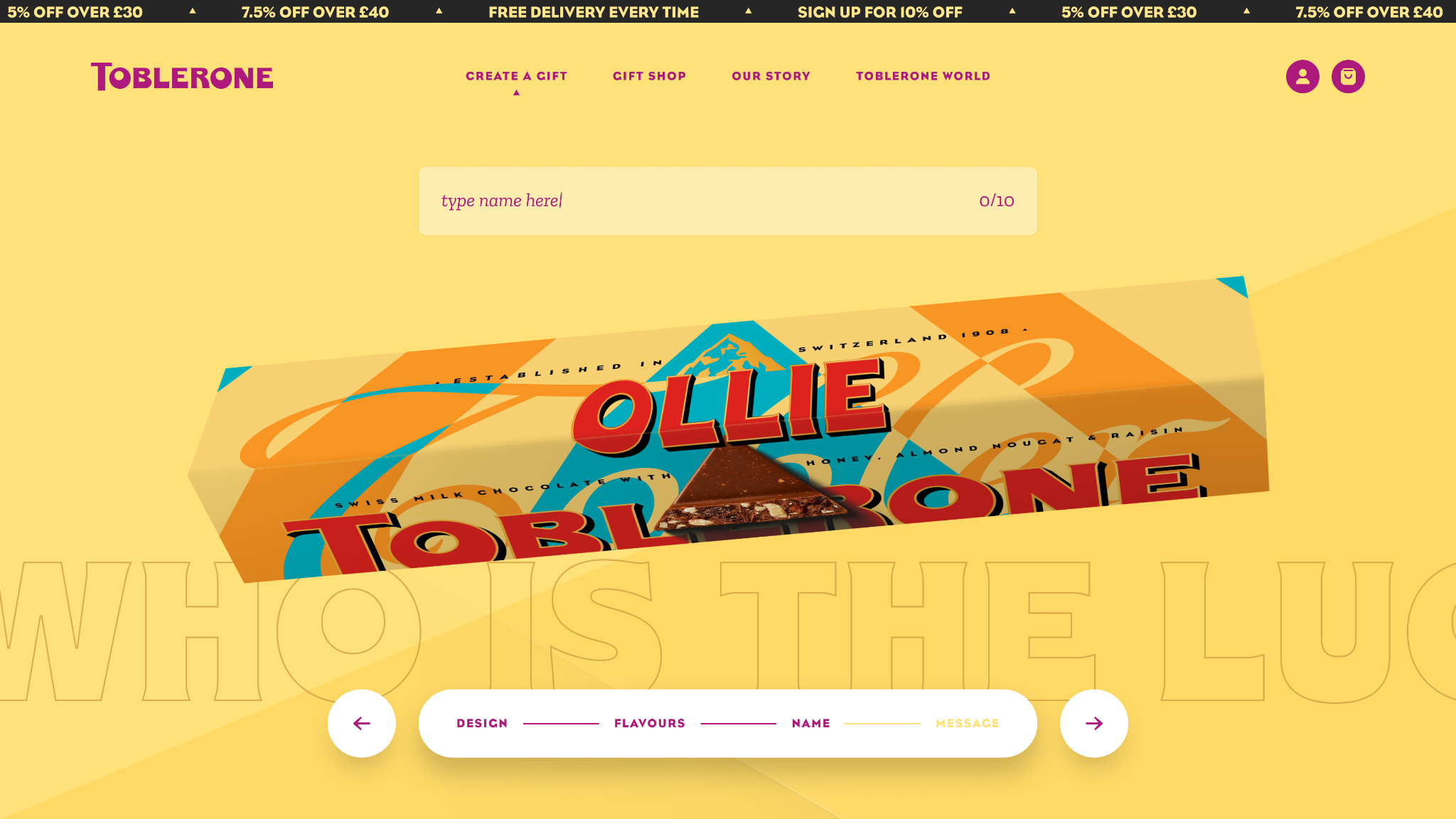
On The Climate Pledge platform, which we built in collaboration with Amazon, content comes to life through interactive elements and rich textures that fit WCAG 2.0 accessibility guidelines. When landing on the home page, visitors first see an animated intro video that spreads the optimistic ambition of the project, making for an impactful first impression. On Toblerone’s D2C platform, meanwhile, users are not only captivated by the stunning color palette, but also by the interactive features that allow them to create personalized gifts. Because they reflect the brand’s identity and tone of voice, both of these platforms are widely different, yet equally memorable.
Of course, what visitors find impactful is always a moving target. With people seamlessly jumping from offline to online and into digital spaces where everything is customizable, expectations are high for what a bespoke user experience should look like. There’s a higher demand for creator-led experiences and personalization—which spurs brands to leverage the user data in ways that benefit consumers.
First-party data elevates the potential of digital platforms.
The brand truth dictates the look and feel of your digital platforms, and data should also inform the design. Platforms facilitate interactions like product search and the purchase of goods and services, providing brands with new information about their consumers. In that process, any data collected should be used to offer experiences that are tailored to people’s needs, interests and even personalities.
What’s more, when the value exchange for someone’s data is clear, brands can establish a healthy feedback loop where they are providing a great service and gathering more information in the process. “The key to designing the right experience is listening to people’s behavior as they interact with the digital ecosystem,” says Dortland. “Our value lies in using data for customer understanding, which will ultimately help us design experiences that elevate brands, drive conversation and growth.” The more engaging the experience, the more data it will generate in return, meaning platforms can become increasingly more effective.
Platforms are more successful in a consistent brand ecosystem.
Essentially, platforms are key to enabling consumers to interact and transact with brands. They host digital experiences that optimize the customer journey and drive consumers’ loyalty. However, platforms are part of a larger brand ecosystem that needs to be consistent.
Monk ThoughtsWhile apps and dotcoms are must-haves for brands, they can’t live up to their full potential if there isn’t a broader strategy to support them.
Niels Dortland
Group Creative Director
If these touchpoints can’t be disconnected, neither should the teams that focus on each one. Working with partners that can develop an app from the ground up, create content for your brand’s social media or even deliver branded activations leads to a more cohesive narrative—a single truth that manifests itself across channels.
All of these considerations will help you forge deeper connections with your audience—and while building the perfect platform may not be easy, the good news is they are fully under your control. The customer journey never looks the same, but one thing is certain: behind every meaningful interaction is a bespoke platform strategy connecting the dots between people’s needs and a brand’s offering.
Gear up for Prime Day and maximize your earnings with our guide.
Amazon’s annual Prime Day, anticipated to take place in July is right around the corner, meaning now is prime time for Amazon sellers to prepare. Because this is one of the largest sales events of the year, we've put together a resource that unpacks Prime Day tactics and sets brands up for success on the platform.
With Prime Day a few months away, brands must align budgeting tactics, promotional campaigns, and inventory levels to ensure a profitable shopping event.
You're one download away from success on the Amazon platform with:
Forecasting inventory levels to prepare for Prime Day traffic.
Selecting the products to promote.
Learning marketing tactics and promotions to win Prime Day and beyond.
Brand Identity & SystemsBrand Identity & Systems, Culture, Social, Social AOR4 min read
Written by Monks
Share
Twitter
LinkedIn
Copy URL
Picture this: you’re the CMO of one of the biggest brands in the world, operating globally and connecting with consumers on multiple social media channels. Since joining the company a few months ago, you’ve been working hard on a unified strategy that covers every platform your target audience is spending time on: an integrated plan that drives the business forward. To have a real impact, however, you need to ensure your brand is driving culture, not merely following it. But how do you find the space for innovation when keeping up with our fast-changing culture is a challenge in itself?
For starters, it’s important to have a holistic view of the brand experience and how it manifests across the various touchpoints. In the wake of new behaviors, devices and channels, an end-to-end approach is needed to drive value across digital—the kind that includes branding, creative, social, go-to-market, UX and more. On top of that, consumers crave personalization, which adds data management to the equation. In the past, these needs could’ve been met by hiring different providers for each. Now, we know that the brand experience is more than the sum of its parts, meaning there can’t be disconnections between them.
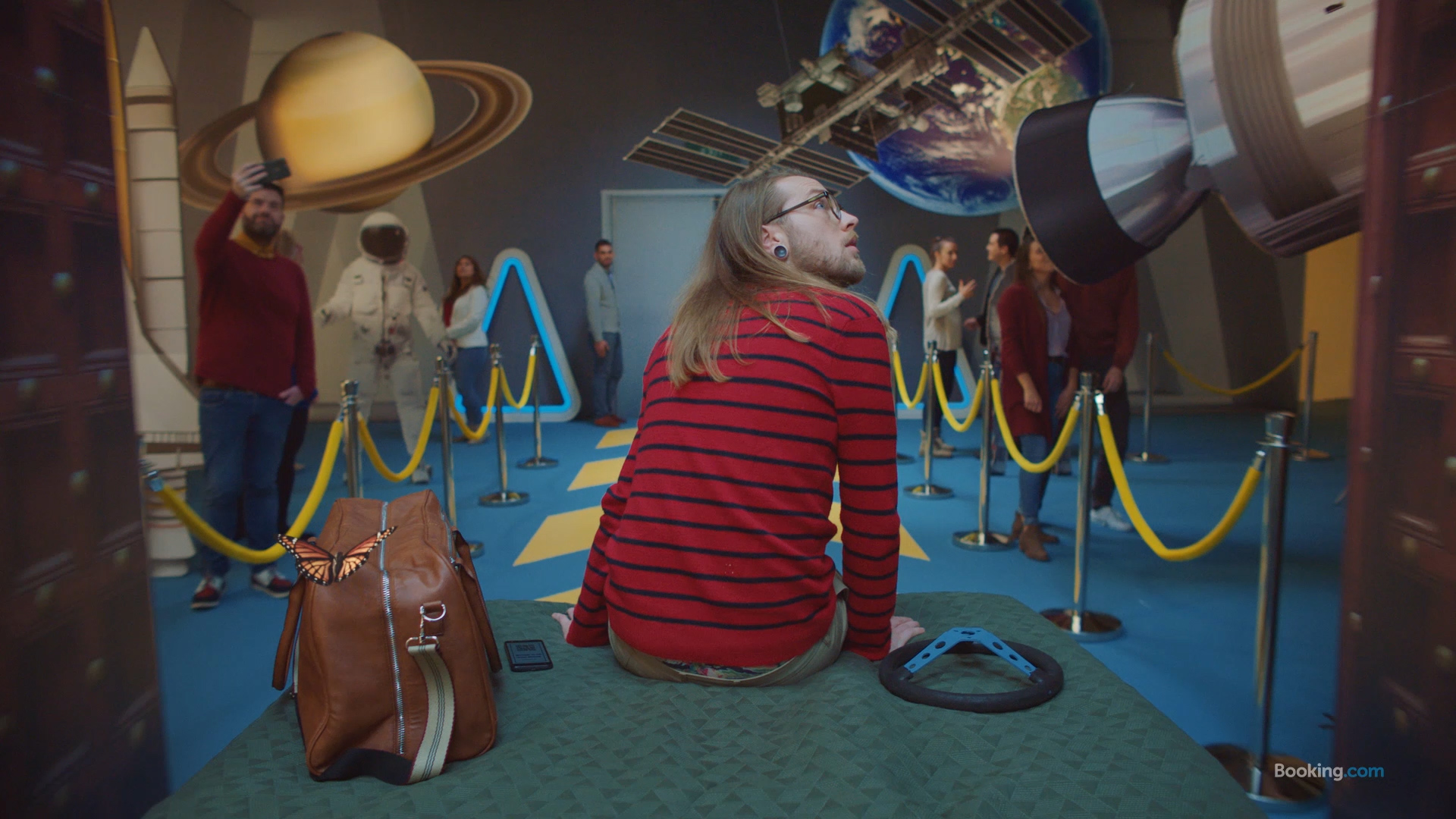
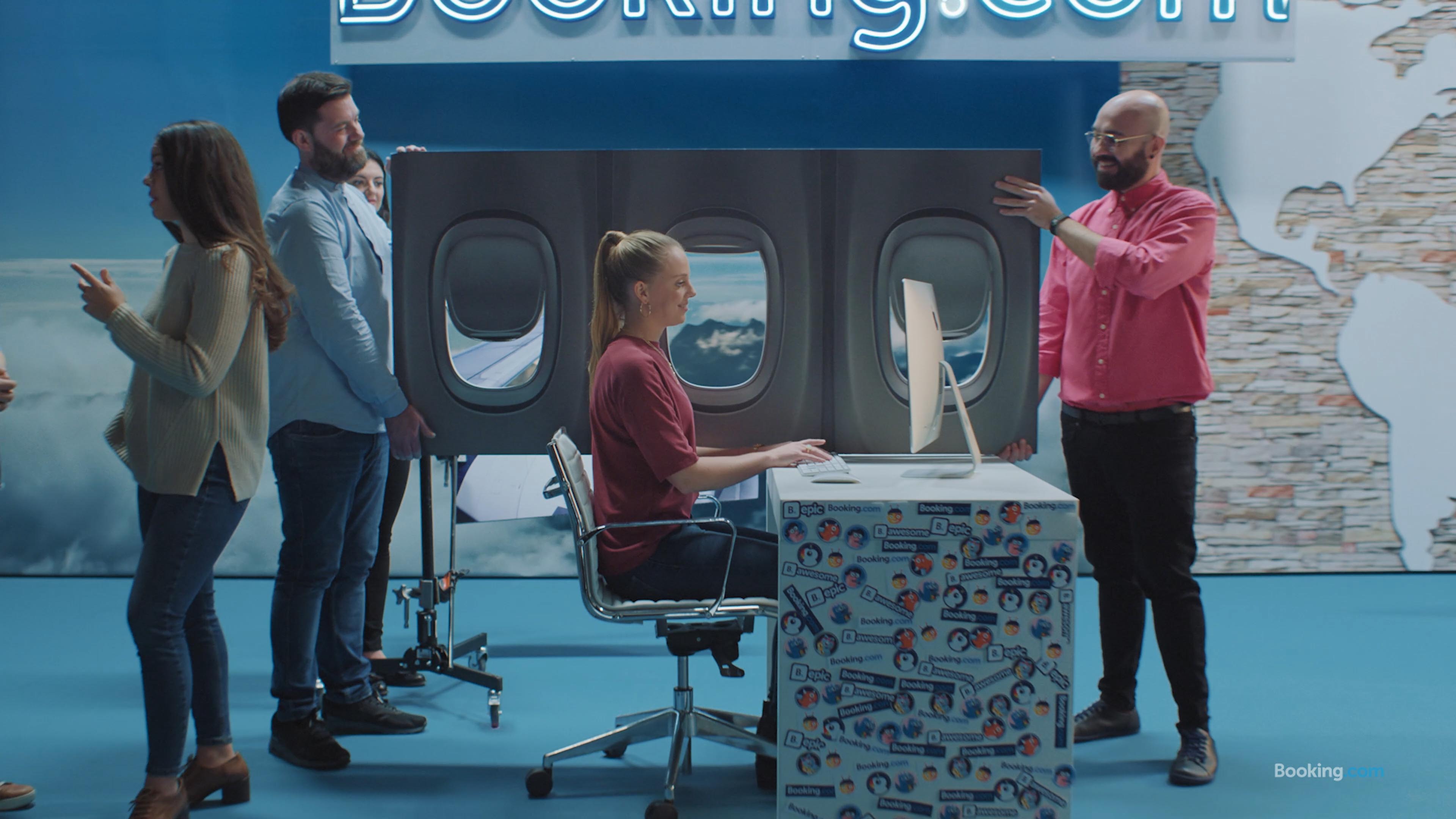
For Booking.com, this realization came into sharper focus as its SVP and Chief Marketing Officer Arjan Dijk set out to leverage the accelerated shift in consumer behavior and the post-pandemic rise of travel intent. This prompted his search for an end-to-end partner that could bring all digital disciplines together. Fast forward to today, we’re proud to announce Media.Monks is Booking.com’s new social partner of record, and we’ll work together to deliver a future-proofed social strategy that covers everything from content creation to data management.
When every brand is a social brand, creative differentiation matters.
As previously hinted, the biggest brands today are the ones driving culture, which means they found success in leading the conversation—not chasing trends. In that, the role of social media can’t be overlooked. Social is the barometer of culture—a fundamental indicator of what people find exciting, the problems they face and the issues they care about. It’s also the entry point for any brand looking to make an impact.
Doing so, however, may be harder than it sounds. Creative competition is becoming fiercer, especially in the new era of virtualization. Consumers’ voices are stronger, expectations around personalization are higher, and audiences are well aware of the value of their data, money and attention—meaning they demand a clear value exchange. Meeting those needs is no easy feat, but here’s the good news: communities are hungry for opportunities to co-create alongside brands, and those who provide those opportunities for them will be greatly rewarded.
In any case, this has prompted a new urgency for creative differentiation. To that end, having a partner of record can help. While consultancies spend more time consulting than creating, a partner of record is fully immersed in the day-to-day of working in data management, content creation, creative editorial, digital media and beyond. That constant exchange of insights and expertise is key to engaging with audiences on social media, where delivering relevant content can be challenging and coming across as authentic is table stakes.
Creative innovation is a mindset, not a sum of capabilities.
To seize cultural opportunities as they arise, a brand and its partners need to be quick on the draw. That means not only delivering with speed-to-market, but also coming up with creative ideas in the first place. A social partner of record fosters that by having a constant exchange of knowledge and ideas with the brand. While the brand’s input is key to crafting a story that’s true to its identity, the social partner provides unique perspectives that come from years of working with thousands of clients in different industries. And because they work so closely together, they operate as one well-oiled machine.
With Booking.com, we’re building on a long-standing relationship with a history of driving value through culturally-relevant campaigns. Not long ago, we helped the brand show up across cultures during the world’s largest musical event, Eurovision. Through an integrated strategy that included everything from influencer partnerships to content creation, we inspired audiences to experience the music, language and cultures that Europe has to offer—fostering meaningful conversations between influencers from different countries. And on the day of the event, we enticed the audience with exclusive behind-the-scenes content from the venue.
This, of course, is only the beginning. For Booking.com, the new, integrated social strategy includes managing PR campaigns, starting a global TikTok channel, doing a community management tune-up, adding paid social to the mix and aligning on how to communicate with the audience across platforms. “We will expand our partnership into end-to-end social that includes the launch of the first Booking.com TikTok channel, paid social, influencer marketing, community management and social strategy,” says Cedric Brunings, Head of Social Growth EMEA. “We will put together a team of social talent in Amsterdam and Madrid that will be fully dedicated to enhancing the brand’s social media presence.”
While mastering a variety of capabilities is key to seizing opportunities at the speed of social, it’s having the right mindset that sets you up for success. This means not only being adept at identifying the places, events or spaces where your brand should engage, but also knowing how you can show up authentically in every instance. That is why a social partner of record joins the conversations further upstream: because it helps marketing teams gain awareness on upcoming opportunities.
Monk ThoughtsOur set-up with a single P&L allows us not just to collaborate on social capabilities, but also to provide Booking.com with data services, live stream capabilities, and more. This way, they can rely on a single partner for their entire social strategy.
Bruno Lambertini
Co-Founder, Media.Monks
Working as Booking.com’s social partner of record, our job is to bridge innovative thinking with end-to-end creativity and speed-to-market to enable the brand to show up for consumers across platforms, regions and languages.
Takeaways From Cannes We Cannes’t Stop Thinking About
Industry eventsIndustry events6 min read
Written by Kate Richling CMO
Share
Twitter
LinkedIn
Copy URL
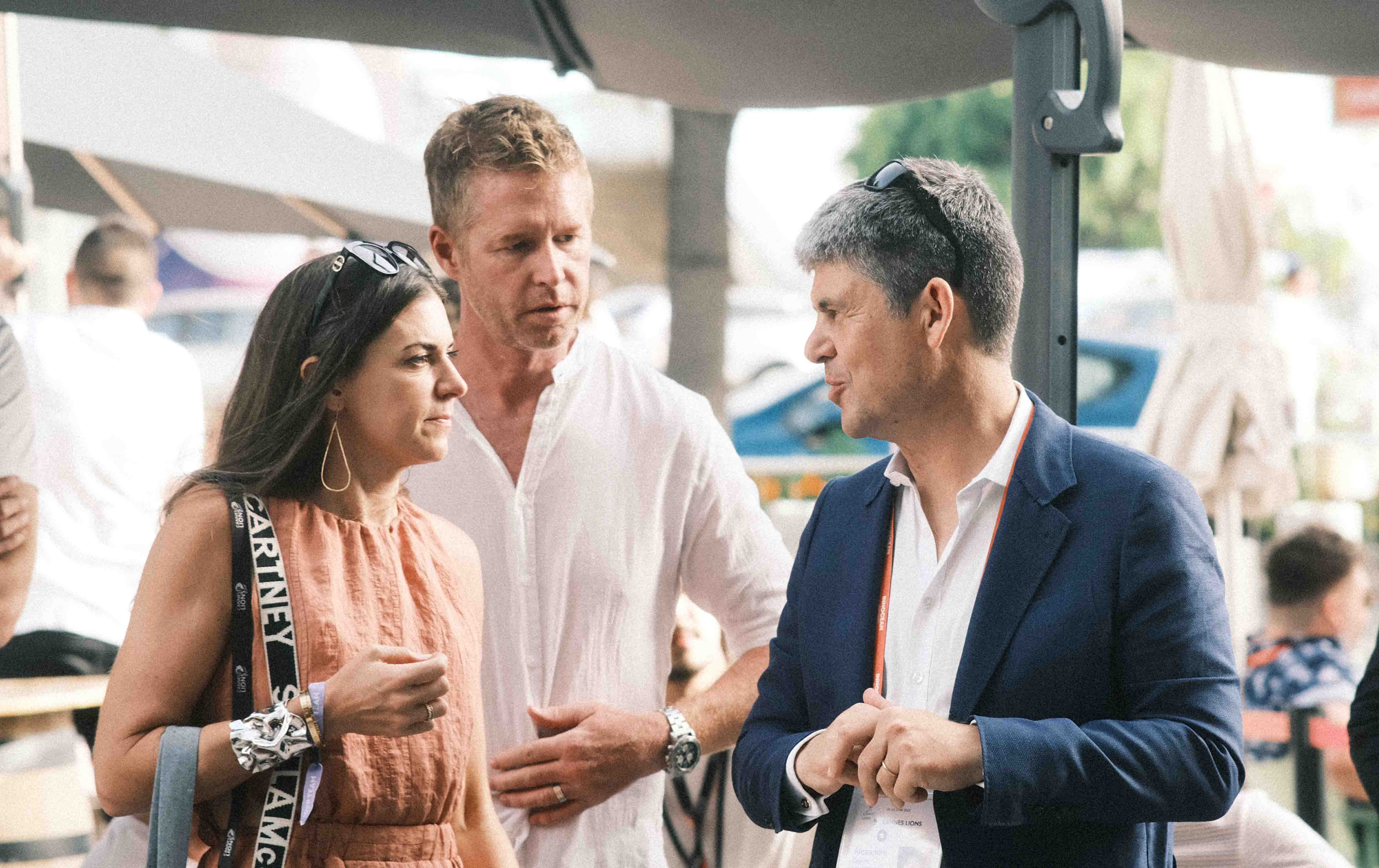
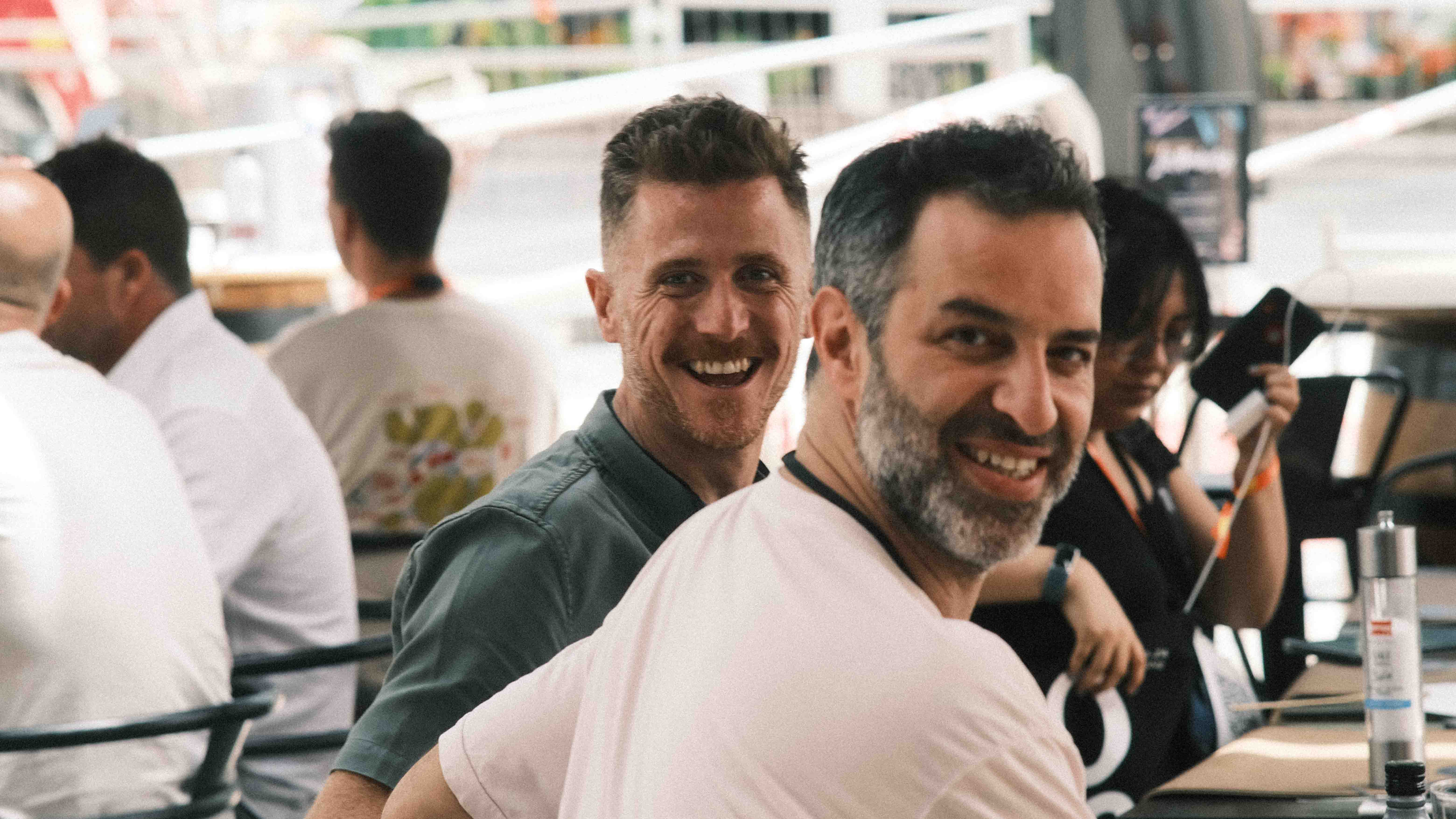
This year’s Cannes Lions International Festival of Creativity brought the industry’s top minds back together, and we were there to welcoMMe them back by debuting our integrated Media.Monks team in person. The momentous occasion, after canceling our ‘22 CES plans and skipping SXSW, called for an all-new approach. From our digital ads at the Nice airport that set the stage, to our (humble) Les.Monks Café directly across from the Palais, to bringing back our (epic) party with MassiveMusic, we took the opportunity to (re)connect with our clients, partners and press—including Calum Jaspan, who encapsulated the festival’s vibe in Mumbrella:
“Sorrell sat down last week with Mumbrella at a bustling Les.Monks Cafe, Media.Monks’ headquarters at the festival in the South of France. The festival appeared to be in line with Sorrell’s vision for the future of S4Capital, citing the intersection of tech, digital, and creativity as why it may have been well-timed for the freshly merged Media.Monks at Cannes.” Sir Martin concurred in conversation with LinkedIn News at Cannes:
Monk ThoughtsThis not a festival of creativity. It’s a festival of creativity driven by data and technology. The world has changed dramatically. Our model is data-driven, driving insights that we create content around and personalization at scale.
Sir Martin Sorrell
S4Capital Executive Chairman
And with that, here’s a quick look of what I learned from the Grand Prix Lions and our Monks, who took the stage and chatted with press to make their thoughts known. And because it’s not a Media.Monks missive without either alliteration or a punny sense of humor, here are the top takeaways I Cannes’t stop thinking about since I crossed the pond back home. If a deck is more your speed, don’t miss our #MonkNews Wrap-Up.
Purposeful, human-centered creativity stole the show.
“The pandemic proved that creativity can help pull a business through a crisis,” the Cannes Lions summed up in their Official Wrap-Up Report. “The most dynamic transformations [use] creative solutions to change the fundamentals of how businesses operate and inspire industry-wide, cultural change that will have a lasting impact.”
This became clear as the wins rolled in. Against the backdrop of the war and residue of the pandemic, this year’s Grand Prix winners raised topical issues, and set out to solve problems rather than just generate awareness. Putting people, creators and communities at the heart of the creative process, the big winners focused on emotion and practical solutions, rather than tech innovation and clever use of platforms that have won in previous years. As a result, the category relevance became almost secondary–and several of the campaigns won big across multiple categories.
“Flashiness for its own sake no longer cuts it,” Sara Cosgrove, Global Director of Awards and Creativity at Media.Monks, shared at our team’s Creative Council meetup at Les.Monks Café. “But while tech may have taken a backseat this time around, that certainly doesn’t mean innovation is any less important than it ever was. As a focus on human behavior takes the wheel, a virtualized approach will help brands leverage emerging technologies to drive culture forward, build legacies and meet people’s needs in creative new ways.”
Innovation met cultural needs to truly drive impact.
While the content program was rife with metaverse and Web3 sessions, the two were largely absent from the Grand Prix winner’s lineup. On one hand, these spaces are nascent; with time to mature, they may have a bigger presence among winners next year. But, Media.Monks Chief Creative Officer Jouke Vuurmans challenged the audience at his Young Lions Session to reconsider misuse of innovative tech for its own sake: “Blinded by a shiny new thing, a nearsighted pursuit of rapid innovation can lead to a misuse of technology. With flashy acts that don’t contribute to overall brand business objectives, the fun is over before it ever even really begins. How can we be better as an industry in this next phase? Let’s do it right.”
Luciana Haguiara, Executive Creative Director, Media.Monks and Digital Craft Jury President, shared a similar sentiment with LBBOnline, recapping her thoughts after exiting the jury room. “In the last year we’ve seen a lot of work that exists as a response to Covid: a wave of virtual events, digital experiences and entertainment, living side-by-side with campaigns and content that reflect the important cultural shifts and difficult conversations.” She went on to say:
Monk ThoughtsDigital is a place to meet people and make stuff, not a machine to fuel clicks and conversation. The big takeaway from Cannes will be about how brands will enter the virtualization era in a meaningful way.
Luciana Haguiara
Executive Creative Director
Virtualization gave shape to the transformation of digital.
Luciana’s comment hinted at a major theme that we’ve been following over the last couple of years: that we’ve entered the era of virtualization. Virtualization is defined by a set of new audience behaviors, cultural norms and technology paradigms resulting from 30 years of digital transformation, hyper-accelerated over the past five years. Consumers today have heightened their expectations, adopted new behaviors and ultimately demand more from the brands they engage with, each of which are covered in our recent report, “The Transformation of Digital: Virtualization & the New Era of Growth," which released just in time for this year’s festival. Designed to help brands build lasting legacies now and into the future, we amplified report takeaways throughout the week.
Our Chief Innovation Officer Henry Cowling hosted a meetup that distilled the transformation of digital for the festival audience, explaining that “after two years of hyper online behavior, consumers are craving more than traditional digital can offer: access, information and connectivity are table stakes. For a new generation, digital experience is becoming foundational to their identity––and with the advent of Web3, ownable. For many, it’s not even digital anymore. It’s just life…we’re seeing a new relationship with digital that we’re just starting to scratch the surface with.”
And much of this year’s winning Cannes Lions work demonstrates the profound ways that post-digital transformation behavior and culture are redefining concepts of experience, community, ownership and identity, and we’ve selected some of our favorite examples in our #MonkNews Cannes Wrap-Up I mentioned above.
Creative effectiveness became top-of-mind.
“Build some preparedness for what’s next by placing small investments in your company and its learning today. It’s the new ROI: Return on Innovation,” wrote Jordan Cuddy, Chief Client Officer, Jam3, in an op-ed for Adweek. Published at the start of the festival, her point proved prescient and anticipated a growing theme as the week went on: that brands need to balance innovation and effectiveness in their strategies, especially as a likely recession comes into focus.
Of course, the metaverse was a popular topic of conversation when it came to meaningful investments in innovation. Sir Martin shared his own bullish perspective on the space, which we saw make headlines in the days following his mainstage talk with Christian Deuringer, Head of Global Brand Communication at Allianz, and John Stinchcomb, Global Chief Revenue Officer of The Wall Street Journal. Sir Martin explained: “The revenue opportunities for brands using the metaverse are currently limited. Conversations that open up about the metaverse often lead elsewhere. We have a long way to go to understand this and it will be extremely important in the long term.”
One of the ways that marketers can dip their toes into the metaverse—or simply adopt a more virtualized mindset, no matter which channels they choose to serve—is by reconsidering the role community plays in their ecosystem. Today’s consumers don’t want to simply purchase a good. They want to invest their time, talent—and yes, money—into helping shape brands and communal environments. At the Les.Monks Café, Jordan Cuddy joined Matthew Sweezey, Co-founder of the Salesforce Web3 Studio, to celebrate the studio’s launch. In the fireside chat, she noted:
Monk ThoughtsCommunity used to be, I would say, a bottom part of the funnel from a marketing perspective. But now it's the first thing you think of. Community is the experience now, and digital is the destination.
Jordan Cuddy
Chief Client Officer, Jam3
A formula to win over hearts (and Lions) comes into view.
If the discourse at Cannes has made anything clear, it’s that now is the time for purpose to take center stage. The last two years have prompted brands and consumers alike to reassess their priorities and evaluate whether initiatives truly make a mark (and a difference) in the culture. And as communities finally meet in-person again, new challenges—a trough of disillusionment and a looming recession—are again substantiating the need for creativity that supports new human behaviors amidst the shifting values of modern society.
Looking ahead, virtualization will offer a path to solving these needs: helping brands better understand their audiences, where they’re at, and how we can ultimately innovate together to overcome these challenges. It’s through this collaborative approach that virtual-first brands will build meaning into every part of their business—a formula that won’t just win Lions, but also the hearts of many.
Social Bites: State of Play and the Augmentation of Self
CultureCulture, Social, Social AOR1 min read
Written by Monks
Share
Twitter
LinkedIn
Copy URL
Uncovering new tactics to win audiences over.
One of the best ways to learn is through play (consider the instructive and empathy-building power of role play as one example). When used to better oneself, it’s easy to see how aspects of play extend beyond games and frivolity: they’re embedded in many of the ways we interact with one another, from making negotiations to measuring how your work stacks up against KPIs.
Building on this realization, the Social Innovation Lab have dedicated the latest issue of Social Bites to examining “The State of Play” and its role in modern marketing. This means more than the gamification strategies of awarding badges or leveling up from one loyalty tier to the next; the function of play is quickly evolving, influenced by spaces like the metaverse that offer fresh opportunities to push oneself beyond traditional limitations. Whether to fuel competition or cooperation, “State of Play and the Augmentation of Self” illustrates how digital communities and the channels they call home are integrating playful design to augment the self.
Access the issue now and you’ll learn:
Game theory and its role in motivating choices and interaction
How to seamlessly integrate actions between physical and virtual spaces
How to build a sense of belonging in spaces like the metaverse by enabling a sense of play
Meet Me in the Metaverse: Finding a Purposeful Brand Strategy
3 min read
Written by Monks
Share
Twitter
LinkedIn
Copy URL
Evolving from a niche term used by aspirational tech enthusiasts into a key business priority across industries, the metaverse has conquered high-level discussions in every market. In the span of a few months, brands began to break out of Zoom fatigue in favor of more immersive experiences, leaving those who have yet to claim their space in the metaverse with major FOMO.
In this frenzy, it’s easy to feel like one’s lagging behind in comparison to the big tech companies dominating the scene. But if there’s one thing we’ve learned about the metaverse it’s that no one company can build it, as it relies on the joint development of millions of people and communities under one interoperable ecosystem. And so, the fundamental questions remain: What is the metaverse? How can my brand enter it? Should I enter it?
Mike Proulx, VP and Research Director at Forrester, joined our SVP Web3, Metaverse & Innovation Strategy Catherine D. Henry and Chief Innovation Officer Henry Cowling in an episode of Meet Me in the Metaverse to discuss these questions and more. Sharing insights from his recently-launched report “Ready Player Brand: Marketing In The Metaverse,” published on May 25, 2022, by Forrester Research, Proulx discusses with our team why the metaverse is still finding its feet and what success looks like in this space.
Creating Value is a Two-Way Street
In the last few months, there’s been no lack of investments and experiments around the metaverse—but we’ve only just scratched the surface of what it may grow to be. Today, the biggest challenge is bridging the gap between marketer intent and user behavior, a disconnect whose solution relies on consumer value—and time. As Proulx explains in the episode, maturation is “predicated on the accessibility of devices, making them less intrusive, demonstrating to the everyday consumer the value that they get from immersive media.”
As marketers, it’s our job to follow people’s interests and find them where they are. But so is creating experiences they can extract value from, especially in a space that’s still in its infancy. When it comes to the metaverse, it’s about showing people why these experiences are meaningful and why they would want to join. “If you can’t create reasons for people to come back, then it will be a flash in the pan at best,” says Cowling. “The smarter brands will be investing in and fostering community over the long term.”
In other words, fostering community calls for a long-term commitment, which is why delineating one’s goals is a critical first step in every metaverse venture. According to Proulx, “The first question all brands need to ask themselves is: what is my business objective? If it’s because everyone is doing it, that’s not a good enough objective.” Rather, making necessary strategic investments today will help you succeed in the metaverse as it matures, because the best way to learn is by doing. Start by gaining an understanding of how your target audience is experiencing XR and how it can be optimized and scaled over time.
Good Metaverse Investments Start with a Purpose
Once you’ve decided to venture into the metaverse, creating value for your consumers also hinges on what aspects you’re factoring in when choosing the right space to interact with them. As Catherine D. Henry explains, it may be tempting to pick the most popular platforms with the highest numbers of active users, but that alone does not equal good results. “Look at what communities are doing, who they are, before commuting to a platform-first strategy.”
The culture and rituals on each platform should hint at whether that’s a good match for your brand. Once you’ve found the right space, it all comes down to experimenting with an open mind and being ready to apply one’s learnings along the way. “I think a near-term opportunity that brands have to activate in this space is simply to create moments of surprise and delight in the customer journey,” says Cowling. “If you consider every digital touchpoint in the customer journey, the metaverse is a new canvas that brands can go in and imagine new experiences, new ways of creating loyalty, and ultimately conversion.”
That said, the main ROI brands can get from tapping into the metaverse today are the learnings that come with it. “I’m all for, and support and encourage, brands to test and learn right now because I don’t want them to become flat-footed as this technology and these opportunities develop,” concludes Proulx. “Don’t let yourself fall behind, but temper your expectations and temper your investments right now.”
Now is the time to test and learn. While there’s still a long way to go until the metaverse delivers on its full promise, brands can start getting acquainted with the community behaviors that will shape the future of digital and learn how to express their brand identity in ways that feel relevant and authentic. Tune in to the latest episode of Meet Me in the Metaverse to explore key considerations as you begin to build a metaverse strategy that suits your unique business objectives.
Social behavior has significantly changed over the last year, and it shows no sign of stopping: according to Statista, one billion new social media users will be coming online between 2019 and 2025 worldwide. Social is becoming the entry point for everything we do online. It’s where we get our news, entertainment, communication and now commerce, too. Already highly successful in China, social commerce is one of the fastest-growing capabilities in digital marketing.
Inspired by these trends, our Social Innovation Lab teamed up with the Phenomena.Monks, a community of strategists providing exploration of social phenomena, to explore this trend further and summarize their findings in their latest report: “Social Commerce Commences.” The resource investigates the different influences—including user behaviors, retail, platform features and more—that have made social channels the place to open up shop, and provides brands with some strategies and insights they can use to meet their audiences more effectively across the digital customer journey. The report is also available in Spanish and Portuguese.
How Social Shapes Shopping
Social commerce is all about meeting people where they are through platforms that provide a unique and evolved experience for shoppers. When the pandemic confined people indoors, mobile usage skyrocketed. At first, people turned to marketplaces to buy products that met their basic needs. Now, most feel comfortable buying almost anything on social platforms—even cars—and spending their time in virtual flagships.
But although the pandemic played a pivotal role in the expansion of ecommerce, it wasn’t the only factor leading to this phenomenon. Successes in China, where social and live commerce are commonplace, as well as the rising influence of creators have both set the stage for everyone’s favorite new way to shop. With each come new ways for brands to differentiate and better meet the needs of their audiences everywhere they show up.
Mindset (R)evolution
What we considered to be a “full customer journey” has been flipped on its head. Social commerce ecosystems have set the stage for brands to provide an immersive and frictionless shopping experience. Users are no longer passive customers, rather, they have evolved into creative agents. The “TikTok made me buy it” trend, featuring sometimes offbeat and quirky products that have gone viral on the platform, is an excellent example: social audiences now frame their self-expression by curating their virtual identity and consumption.
With audiences online becoming a greater influence in the purchases of their peers, social commerce represents a shift in power from retailers and brands to people. This new dynamic suggests brands reexamine how they create meaning in each stage of the purchase journey across almost every product category.
New Platforms and Spaces
Platforms have evolved from being a top-funnel involvement category to a high-interaction experience category. Consumers understand this, and are raising their expectations for technology’s role in their shopping journey.
For users, social commerce is not a one-size-fits-all experience—so it shouldn’t be for brands, either. For platforms, the race to become the go-to social commerce destination comes down to powering more effective interactions by understanding their customers first. For example, WhatsApp helps brands meet consumers’ growing expectation for 24/7 customer service through a 1:1 chat interface, while Snapchat’s sophisticated AR lenses give people the chance to engage with and learn more about a product or brand. Aligning platform-specific features with the needs of your audience is the key to connecting with audiences on a meaningful and authentic level.
The report goes deeper into the changing role of communities, creators and platform algorithms in brands’ social commerce strategies, though retail stores are in the midst of a significant transformation of their own—one that runs in parallel to emerging social commerce trends as people rely on technology to fill gaps in the experience. For instance, the concept of “phygital” experiences happen when you mix offline (physical) and online (digital) experiences through technologies like mixed and augmented reality. The future of retail is multidimensional and omnichannel, with stores increasingly taking on the role of community hubs and spaces for brand building.
Above and Beyond: The Next Iteration of Social Commerce
Social commerce is thriving. Even though the key forces and players behind its growth are all operating as independent silos and platforms, their impact on consumer journeys and the decision-making process are still shaped by independent influences. When it comes to the future of social commerce and what drives change for these players, recognizing the adaptability of business models, technologies and the evolution of how trust triggers are designed will remain key to success. Social commerce is dynamic. It's fast-moving. And it requires all players to build out processes and tools to help brands and businesses adapt. To that end, our report will help you strategize to lay the foundation for more meaningful, consumer-centric experiences whether in feeds or in the shopping aisle.
Social commerce is one of the fastest-growing capabilities in digital marketing, and our recent report shares strategies for brands to create more meaningful experiences.
Social commerce is one of the fastest-growing capabilities in digital marketing, and our Social Innovation Lab teamed up with the Phenomena.Monks to explore these trends in their latest report.
social commercedigital marketing trendsdigital experiencesbrand strategy