



Case Study
Sneaker Cam • Turning a Streaming Blind Spot into a Retail Opportunity
00:00
00:00
00:00
Case Study
0:00
Streaming commerce meets sneaker culture.
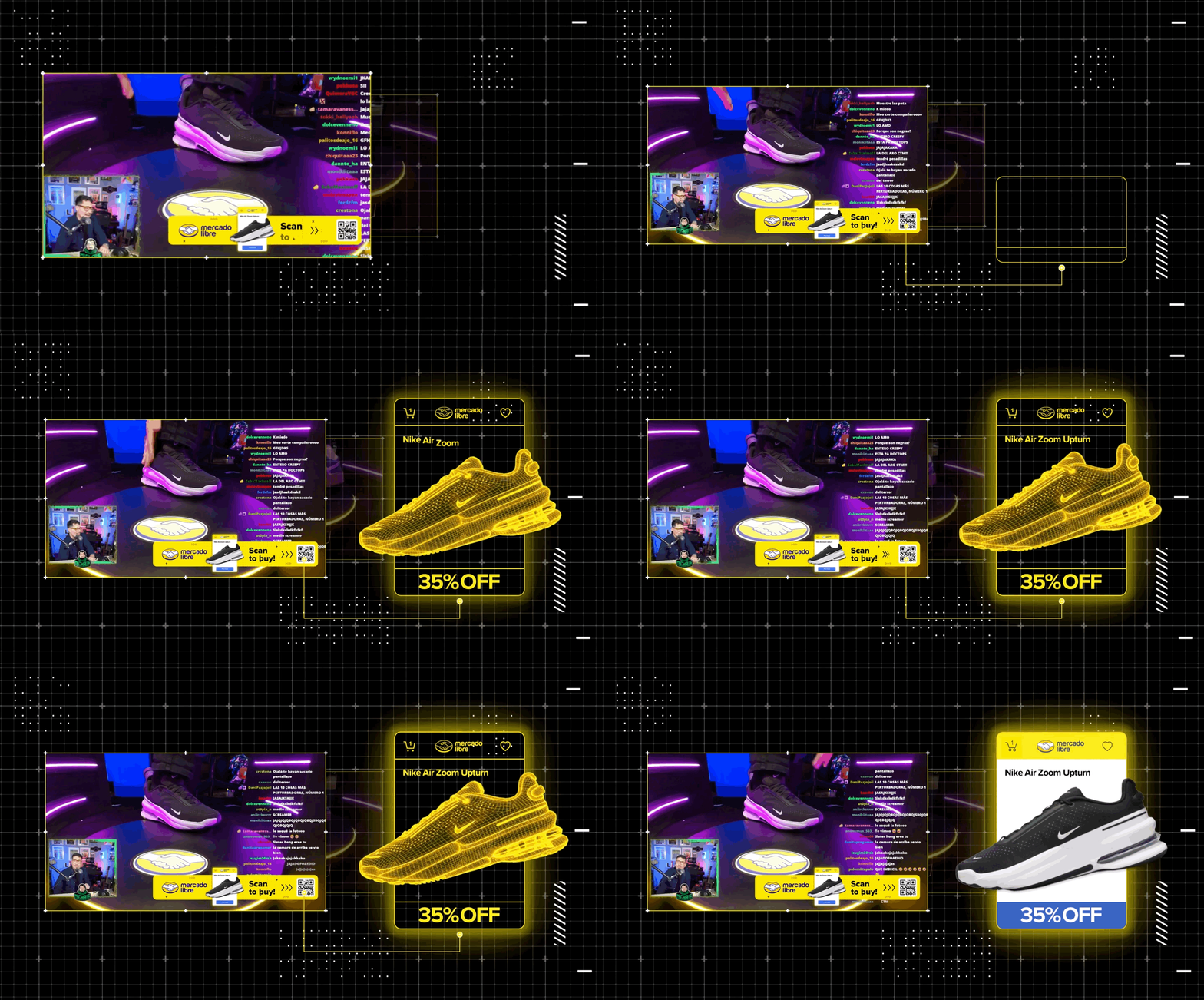
Mercado Libre stands as Latin America’s largest ecommerce platform and a primary destination for the region's thriving sneaker culture. While top live streamers on Twitch and YouTube have become the ultimate fashion influencers for Gen Z and Millennial audiences, the standard chest-up camera frame leaves their most coveted footwear permanently hidden to live audiences. This lack of visibility drove fans to search for products off-platform, resulting in lost potential sales. To solve this, we worked with Mercado Libre to introduce the Sneaker Cam, a hardware and software integration that turned this traditional blind spot into an immersive, real-time point of sale.
Technical innovation enables real-time retail.
We equipped top creators with custom secondary cameras installed directly beneath their desks, providing a dedicated angle focused exclusively on their kicks. This simple hardware upgrade empowered streamers to seamlessly switch their broadcast feed, bringing hidden sneaker culture into the frame whenever the conversation turned to fashion or personal style.
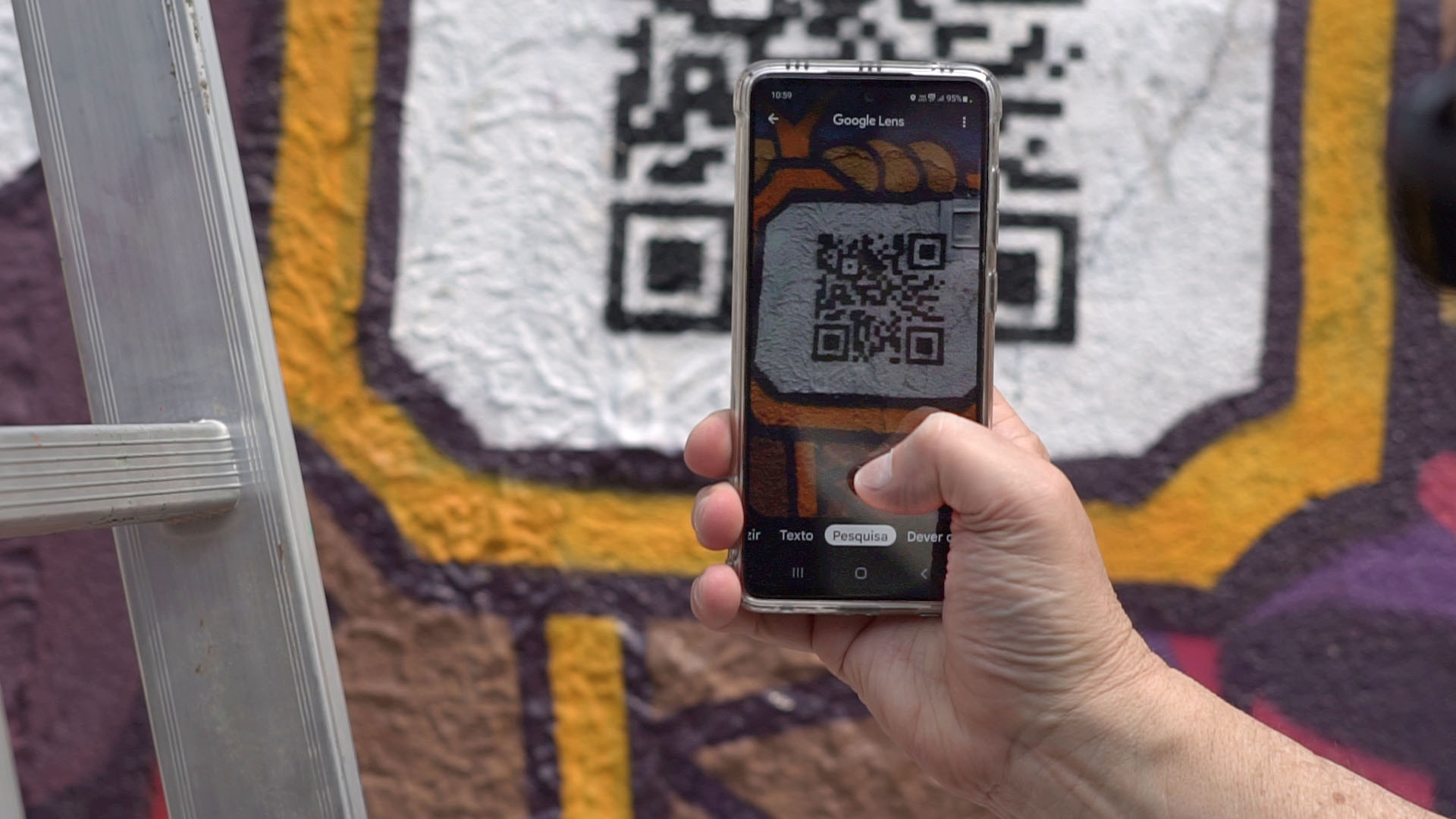
A dynamic digital overlay supported the live feed, featuring a unique QR code that appeared on-screen whenever the camera was active. This interactive element allowed viewers to scan the code with their smartphones for immediate redirection to the corresponding product page on the Mercado Libre platform. Every scan automatically triggered an exclusive discount in the user's cart, creating a frictionless journey that moved users to a completed purchase in seconds. This removed the traditional barriers of ecommerce by turning visual inspiration into a native part of the entertainment experience.
Influencer engagement drives record sneaker sales.
The campaign successfully transformed passive viewing into a high-converting commerce channel, reaching more than 3.5 million users and sparking organic conversation across gaming and lifestyle communities. Sneaker Cam secured the position of the platform's top-performing campaign of 2025 in terms of click-through rate, outperforming site averages by 26 percentage points. These engagement metrics translated into massive commercial success, including a 58% year-over-year spike in sneaker sales. The work established Mercado Libre as a pioneer in the future of streaming commerce, erasing the boundaries between live entertainment and retail.
Want to talk social commerce? Get in touch.
Can’t get enough? Here is some related work for you!
TikTok
Amplify your brand's impact by building authentic connections on TikTok.


Our partnership with TikTok is about helping brands engage authentically and build real relationships with their audiences. Social media is where ideas take off and trends are shaped, and we guide clients in becoming true social brands that create lasting impact. TikTok offers a unique space for trust and intimacy, and whether it's crafting a comprehensive campaign or leaning into culture with a 10-second trending video, we help our clients spark meaningful engagement and grow their brand in a way that feels true to who they are.
Solutions
Ways we can support in your TikTok journey.
Agile Media Investment
Optimize ROI through continuous monitoring and adaptive buying.
Dynamic Targeting & Content
Deliver the right message at the right moment to maximize impact.
Live Audience Engagement
Connect with users as trends emerge, ensuring your brand stays at the forefront.
Instant Data-Driven Strategies
Leverage real-time insights to fine-tune your campaigns on the fly.
Matched Market Testing
Prove the true incremental impact of your TikTok investment using data science-backed methodology.
MMM
Our proprietary model illustrates the value of activating a full funnel strategy on TikTok.
Diverse Ad Formats
Connect with audiences in a creative, authentic and relevant way—including In-Feed Ads, TopView, Brand Takeover, Branded Hashtag Challenge, Branded Effects, Spark Ads and Shopping Ads.
Here’s how we create impactful social-first campaigns

Monk Thoughts
The TikTok partnership has been a key asset in establishing and growing our paid capabilities within the rapidly evolving ads platform. Through this partnership, we've been able to craft best-in-class, go-to-market campaign strategies and thought leadership on the latest offerings, i.e., shops.

Solutions
We are here to help with...
Highlighted
Solutions
Swipe
For More!
-
Paid Media
![A person on a cellphone on social media]()
-
Influencer Marketing
![A woman wearing a large white hat lays on a bed in a pool]()
-
Affiliate Marketing
![A girl taking a selfie under an umbrella]()
-
Content Strategy
![A person working at a whiteboard]()
-
Creative
![young trendy man in a colorful jacket]()
-
Video Production
![A broadcast room with so many monitors and a soundstage]()
-
Measurement
![A person staring at an analytics dashboard on a computer and phone]()
-
Shops Strategy
![Increase Google Shopping Revenue With Feed A/B Testing]()
-
Social Commerce
![A phone taking a picture of a QR code]()


How can we help you innovate? Let’s talk.
Dive Deeper
-
![collage of photos of our people at the TikTok Ad Awards]()
Blog Post
We Were Named Creative Agency of the Year at the TikTok Ad Awards in Mexico By Asahi Ruiz Jimenez 4 min read -
![Young students dance in front of a phone]()
Blog Post
The Definitive Guide to a Successful TikTok Campaign By Fernanda Padovan 5 min read -
![VR headsets and production equipment images are collaged together]()
Blog Post
Generate Content at a Fast Clip with Fan-Focused AI Highlights By Lewis Smithingham 4 min read


Key Takeaways from Advertising Week Latam as We Look Toward 2025
Key Takeaways from Advertising Week Latam as We Look Toward 2025

Organized annually by Insider, Advertising Week Latam has cemented its reputation as a must-attend event for the advertising world. Year after year, it gathers top leaders from major brands and agencies to discuss emerging opportunities, trends, and technologies with both local and global relevance—and this year’s event was no exception.
Held in early November, Advertising Week offers a preview of the ideas and themes set to drive the industry’s agenda in the year ahead. Whether you missed it or just want the highlights, here are the trends poised to shape the road to 2025.
We’re entering a new era for creators and brand ambassadors.
If you attended Advertising Week at the Papalote Museo del Niño in Mexico City on November 5–7, you probably noticed the prominent role of content creators across multiple panels. Judging by how quickly these rooms filled up, these sessions captured special interest, highlighting the growing value brands and marketers place on creators. We are in an era where connecting authentically, relevantly, and in real-time with audiences is not just desirable but essential—and that is redefining the relationship between brands and creators.
“The importance of creators lies in their deep connection with the audience,” says Alejandra Chiang, Account Director at Monks. “When communities trust a creator, and that creator partners with a brand that shares their values, the metrics always reflect that synergy.” But gone are the days when a promotional post was enough. Today, forging genuine connections requires actively engaging in dialogue with audiences and moving in tune with culture.
Expectations are rising while attention spans are shrinking. For brands and creators alike, the secret to thriving in this environment is delivering genuine value to audiences. A case in point: in a campaign for Sinuberase, a probiotic treatment by Opella, we collaborated with a diverse set of creators, including Mexican influencer Arturo Lemmen. The key to success was giving each creator creative freedom to generate content that genuinely interests their audience, allowing for a deeper connection with the product.
The power of data and large-scale personalization.
Creating value for consumers is essential, but it’s also easier said than done. It all starts with a deep understanding of the audience, requiring brands to prioritize data analysis to unlock consumer insights—and sometimes uncover surprising behaviors.
“Consumers don’t always use platforms for their intended purposes, which requires constant data analysis to adjust strategies,” says our Group Creative Director, Camilo Monsalve. A standout example shared during one panel came from the ecommerce giant Mercado Libre, where some users treat the platform as a search engine rather than a shopping destination.
Similarly, Heineken discovered its content resonates not just with its customers but also with non-beer drinkers. This is largely because the brand skillfully taps into major cultural moments, creating content that connects with people through shared passions and meaningful experiences. “What matters most is recognizing these behaviors, seizing opportunities around music festivals, sports events, or culinary experiences, and engaging with people’s interests beyond just the product,” explains Monsalve.
Monk Thoughts
This approach not only helps brands thrive in increasingly complex algorithms but also reinforces its relevance by communicating with audiences in their own language and interests.

Efficient data management also helps brands elevate personalization to new heights. “Rather than focusing on a narrow niche, data allows us to segment and customize messages for diverse groups with greater precision,” explains Andreia Tavares, VP, Head of Social, LATAM. “This enables sharper communication across segments, maximizing the impact for both brands and their portfolios.”
In today’s landscape, where a brand’s relevance depends on staying in constant dialogue with its audience, the combination of creativity and data is essential. “We have to operate in real time, moving at the same speed as consumers, to ensure brands remain relevant,” says Tavares.
AI enhances engagement and creativity.
It’s impossible to discuss real-time interaction without considering the impact of artificial intelligence. During Advertising Week, it became clear that AI not only improves how marketers present and sell ideas—whether to clients or within their own organizations—but also expands team capabilities. “AI enables smaller teams to offer full-scale services without becoming overwhelmed by tasks they can’t fully manage,” explains Chiang. Success isn’t about team size but about striking the right balance between creative talent and technology.
Part of achieving that balance is realizing it goes beyond just automating tasks to gain speed and efficiency at a lower cost. The real shift lies in using AI to foster deeper connections—restoring a sense of humanity in interactions between brands and people and reimagining what’s possible in that relationship. AI helps ensure the right message reaches the right audience on the right channel.
This combination of technology, data, personalization, and empathy will define leading brands by 2025 and beyond. Audiences increasingly value authentic and personalized connections, and brands must not only adapt to cultural changes in real-time but also actively participate in the creation of culture. A significant year lies ahead for those who manage to find the balance between creativity and technological precision while engaging in ongoing dialogue with their audiences.
This Black Friday, Influencers Are in Demand
This Black Friday, Influencers Are in Demand

Black Friday is a massive seasonal event known as the unofficial start of the holiday shopping season, with campaigns designed to offer significant discounts to attract as many customers as possible. And it’s only getting bigger: in 2022, Black Friday was the biggest day for in-store shopping within the United States with over 72.9 million consumers reached, gaining a 15% year-over-year increase.
Black Friday discounts are so irresistible to brands and consumers alike that the shopping holiday’s influence has extended beyond a one-day event into concepts such as Cyber Monday, Small Business Saturday and beyond. In fact, online offers that are promoted days after Black Friday, during Cyber Week, represent 16.7% of the entire season’s revenue, with $35.3 billion in sales in the U.S. The undeniable economic impact of influencers on Black Friday (and Cyber Week) transcends doubt and highlights their indispensable role in shaping the retail landscape.
But there are other ways Black Friday has evolved in recent years: the rise of influencer partnerships across seasonal campaigns, helping brands better connect with audiences and stand out amidst competition. As brands plan their communication and sales strategies for this year’s Black Friday and beyond, it’s not too late to tap into the help of digital creators and their communities—here’s how and why you should add them to your marketing wish list.
Creators’ influence continues to grow.
Today, it isn’t unusual to see an influencer representing a brand by either acting as its spokesperson or simply creating stories about a product. Influencer marketing strategies have become increasingly essential and indisputable for the marketing ambitions of large, medium and small brands.
Marketing professionals understand that to reach new audiences and build loyalty, producing content about the features of a product or service alone is no longer sufficient to retain or win new customers. Instead, partnering with influencers bridges the gap between the brand and the audience by delivering social media engagement, loyalty and connection. By developing a close and authentic relationship with their community, influencers can provide honest recommendations and reviews of products and services. Such relations become imperative for Black Friday campaigns, where the focus is on finding the best deals among inbox and in-feed clutter.
Indeed, Black Friday makes the competition for attention fiercer as brands compete for reaching budget-strapped customers. “Black Friday and the holidays are undoubtedly one of the busiest times of year for both influencers and influencer agencies alike, with brands committing high percentages of their yearly budgets to drive consumers to shop their sales,” says Celine Sidani, Account Supervisor, Influencer Marketing. “With participating brands and holiday budgets growing higher and higher each year, it is more important than ever for brands to devise influencer strategies and creative narratives that will stand out in an oversaturated market and truly drive audiences to purchase.”
Influencers boost sales and relevance in the following ways:
- Increased visibility of promotions: The influencer’s community is a lever for the brand to genuinely connect with new audiences.
- Product recommendations and reviews: Reviews and unboxings are content categories highly sought after by consumers hoping to gain honest product recommendations. 37% of consumers trust social media influencers over brands, validating the persuasive power of digital creators.
- Development of personalized campaigns: With a diverse range of influencers excelling in various categories such as sports, beauty, entertainment, etc., brands can partner with them to create social media campaigns that target specific audiences.
- Humanization of the brand: Creating an authentic narrative allows consumers to better understand the benefits of the product or service and promotes a genuine connection with the brand’s community.
Get started planning an influencer campaign this holiday season.
Planning campaigns in advance helps marketing professionals avoid unnecessary or unforeseen costs, and working with influencers is no different. The first step is to analyze which influencers will be a part of the campaign depending on your defined goals and the measurement of influencer reach, social media engagement, traffic or conversions.
After this initial stage of goal and objective setting, begin selecting your creators of choice. It’s essential to check their history to ensure they have not been involved in controversies. Most importantly, the influencer should resonate with the brand’s audience to ensure a consistent tone of communication.
Once the influencers are selected, begin briefing and scripting the creative in partnership with them. A co-created effort with content creators brings more authenticity to the final product and makes it more organic to the relevant social platforms.
Put influencer Black Friday campaigns on your holiday wish list.
Brands recognize that using influencers in their marketing strategies amplifies results. As influencers become brands in their own right, they’ll only become even more formidable partners for brands who want to bridge the gap with end consumers. So, if you're a brand looking to make a big impact this Black Friday—or beyond—consider the power of influencers to help kick off the holiday shopping season on good footing. By collaborating with the right influencers, you can create a buzz, drive traffic to your store or website and ultimately achieve your sales goals.
Why Booking.com Sought a Social Partner of Record
Why Booking.com Sought a Social Partner of Record

Picture this: you’re the CMO of one of the biggest brands in the world, operating globally and connecting with consumers on multiple social media channels. Since joining the company a few months ago, you’ve been working hard on a unified strategy that covers every platform your target audience is spending time on: an integrated plan that drives the business forward. To have a real impact, however, you need to ensure your brand is driving culture, not merely following it. But how do you find the space for innovation when keeping up with our fast-changing culture is a challenge in itself?
For starters, it’s important to have a holistic view of the brand experience and how it manifests across the various touchpoints. In the wake of new behaviors, devices and channels, an end-to-end approach is needed to drive value across digital—the kind that includes branding, creative, social, go-to-market, UX and more. On top of that, consumers crave personalization, which adds data management to the equation. In the past, these needs could’ve been met by hiring different providers for each. Now, we know that the brand experience is more than the sum of its parts, meaning there can’t be disconnections between them.
For Booking.com, this realization came into sharper focus as its SVP and Chief Marketing Officer Arjan Dijk set out to leverage the accelerated shift in consumer behavior and the post-pandemic rise of travel intent. This prompted his search for an end-to-end partner that could bring all digital disciplines together. Fast forward to today, we’re proud to announce Media.Monks is Booking.com’s new social partner of record, and we’ll work together to deliver a future-proofed social strategy that covers everything from content creation to data management.
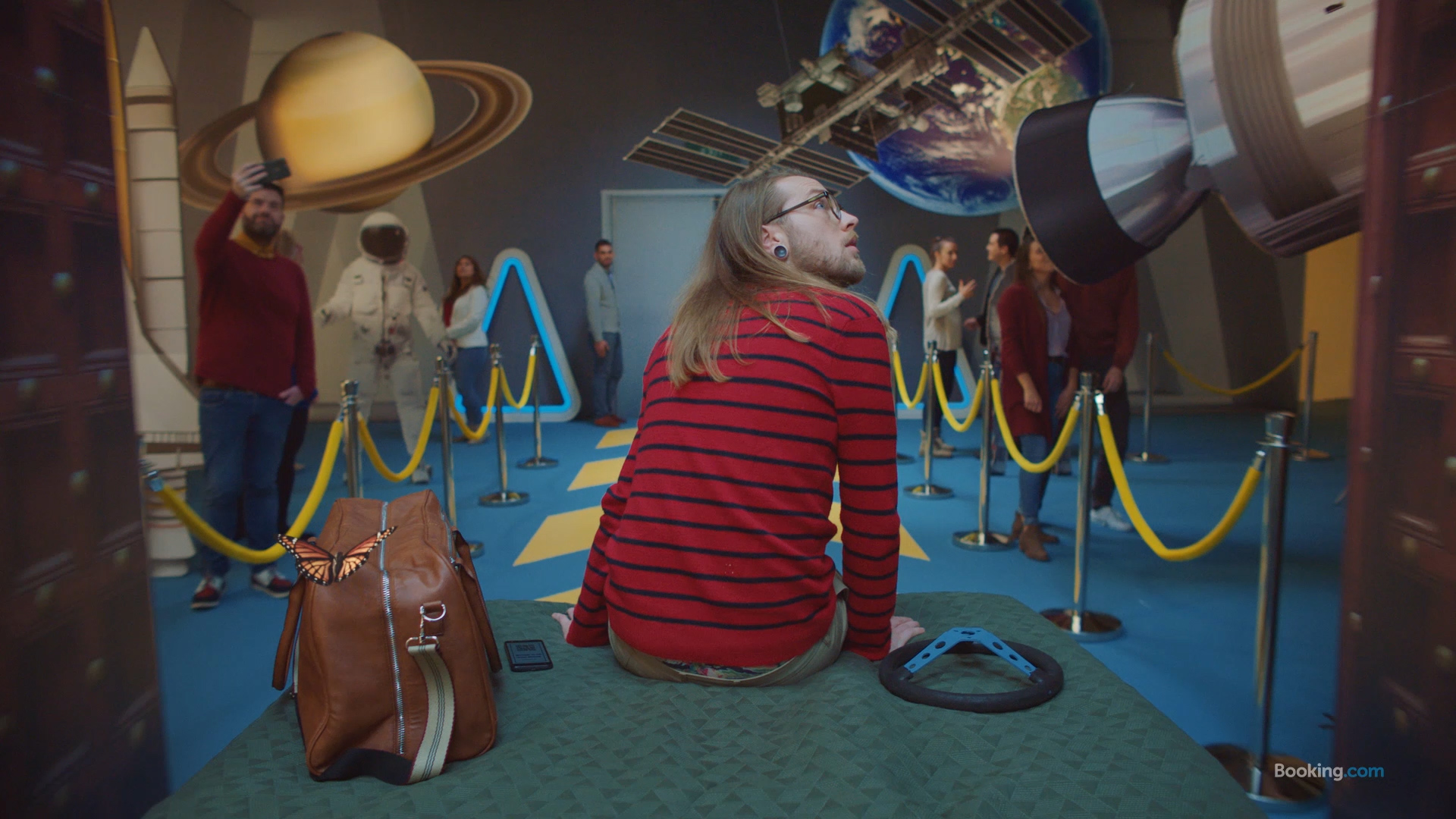
When every brand is a social brand, creative differentiation matters.
As previously hinted, the biggest brands today are the ones driving culture, which means they found success in leading the conversation—not chasing trends. In that, the role of social media can’t be overlooked. Social is the barometer of culture—a fundamental indicator of what people find exciting, the problems they face and the issues they care about. It’s also the entry point for any brand looking to make an impact.
Doing so, however, may be harder than it sounds. Creative competition is becoming fiercer, especially in the new era of virtualization. Consumers’ voices are stronger, expectations around personalization are higher, and audiences are well aware of the value of their data, money and attention—meaning they demand a clear value exchange. Meeting those needs is no easy feat, but here’s the good news: communities are hungry for opportunities to co-create alongside brands, and those who provide those opportunities for them will be greatly rewarded.
In any case, this has prompted a new urgency for creative differentiation. To that end, having a partner of record can help. While consultancies spend more time consulting than creating, a partner of record is fully immersed in the day-to-day of working in data management, content creation, creative editorial, digital media and beyond. That constant exchange of insights and expertise is key to engaging with audiences on social media, where delivering relevant content can be challenging and coming across as authentic is table stakes.
Creative innovation is a mindset, not a sum of capabilities.
To seize cultural opportunities as they arise, a brand and its partners need to be quick on the draw. That means not only delivering with speed-to-market, but also coming up with creative ideas in the first place. A social partner of record fosters that by having a constant exchange of knowledge and ideas with the brand. While the brand’s input is key to crafting a story that’s true to its identity, the social partner provides unique perspectives that come from years of working with thousands of clients in different industries. And because they work so closely together, they operate as one well-oiled machine.
With Booking.com, we’re building on a long-standing relationship with a history of driving value through culturally-relevant campaigns. Not long ago, we helped the brand show up across cultures during the world’s largest musical event, Eurovision. Through an integrated strategy that included everything from influencer partnerships to content creation, we inspired audiences to experience the music, language and cultures that Europe has to offer—fostering meaningful conversations between influencers from different countries. And on the day of the event, we enticed the audience with exclusive behind-the-scenes content from the venue.
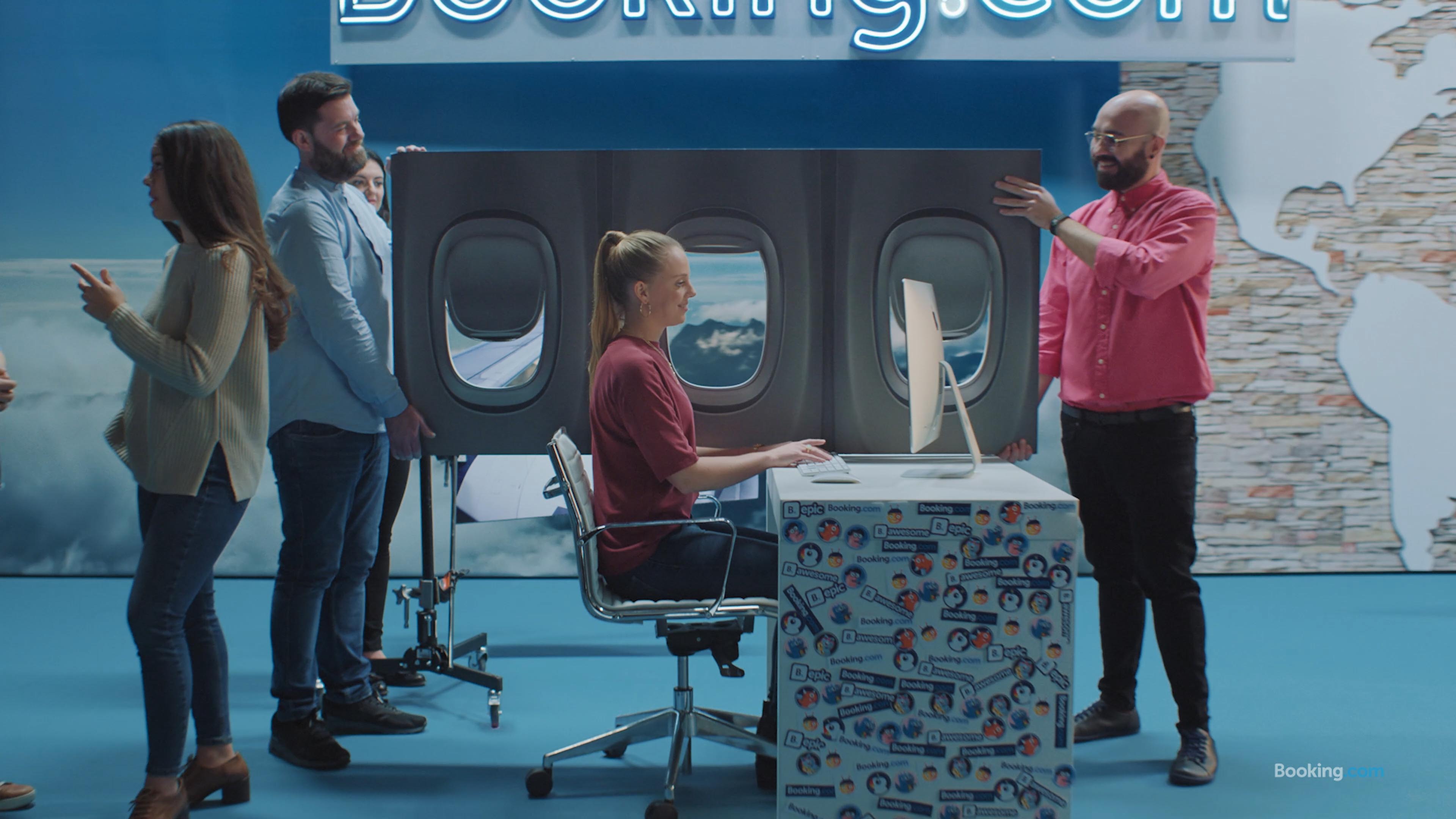
This, of course, is only the beginning. For Booking.com, the new, integrated social strategy includes managing PR campaigns, starting a global TikTok channel, doing a community management tune-up, adding paid social to the mix and aligning on how to communicate with the audience across platforms. “We will expand our partnership into end-to-end social that includes the launch of the first Booking.com TikTok channel, paid social, influencer marketing, community management and social strategy,” says Cedric Brunings, Head of Social Growth EMEA. “We will put together a team of social talent in Amsterdam and Madrid that will be fully dedicated to enhancing the brand’s social media presence.”
While mastering a variety of capabilities is key to seizing opportunities at the speed of social, it’s having the right mindset that sets you up for success. This means not only being adept at identifying the places, events or spaces where your brand should engage, but also knowing how you can show up authentically in every instance. That is why a social partner of record joins the conversations further upstream: because it helps marketing teams gain awareness on upcoming opportunities.
Monk Thoughts
Our set-up with a single P&L allows us not just to collaborate on social capabilities, but also to provide Booking.com with data services, live stream capabilities, and more. This way, they can rely on a single partner for their entire social strategy.

Working as Booking.com’s social partner of record, our job is to bridge innovative thinking with end-to-end creativity and speed-to-market to enable the brand to show up for consumers across platforms, regions and languages.
Using the Power of Connection in Social Communities
Using the Power of Connection in Social Communities


Humans are inherently social, and the Covid-19 pandemic has proven that we remain very much so: online connections have grown even as the pandemic separated us individually. Social media platforms such as Reddit, TikTok, YouTube and Twitch have seen the number of social communities rise with increased social engagement and community building. It’s easy to see why engagement of online communities grew by 81% since the beginning of the Covid-19 pandemic.
The role of digital communities is multifaceted and growing—not just to connect with loved ones or those who share similar interests, but to also gain information and understanding of the world around us. In short, digital communities aren’t just for the bottom of the social media marketing funnel any longer. For today’s virtualized era, they play a significant role in driving purchasing decisions, arguably more than traditional advertising. My colleague Ryan Ford aptly put it this way: “TikTok made me buy it isn’t just a meme; it’s a powerful driver of social proof.” Given the elevated role that communities play in consumers’ lives today, brands must infuse community across their digital marketing strategy—an important tactic behind brand virtualization as brands aim to remain relevant within a new era in digital. Here’s how you can.
Bringing users closer to your brand.
Communities thrive on human-to-human connection. In realizing the power they have to forge deep relationships, savvy brands are tapping into communities’ highly engaged members and the key opinion leaders (KOLs) they admire—an approach to marketing that’s built around driving conversation, not conversion.
Monk Thoughts
Social communities are the new word-of-mouth marketing, where authenticity reigns supreme.

Acting with a sense of purpose is key to supporting—not exploiting—the communities that your audience has carefully built, and this reinforces communities’ power to validate or amplify a brand’s values. For example, OPPO realme’s inspiring and inclusivity-minded campaign exemplified the power of community by featuring local influencers known to defy the status quo in their own communities. A brand film championed the pursuit of their individual and collective truths—a rallying cry that resonated so well that it achieved 1.5 billion topic engagements in just two weeks.
There are many more ways brands can effectively and authentically engage with existing communities—or maybe even launch their own. To know how to best plug into communities, it’s helpful to understand the different kinds that exist.
Personal interest communities.
Platforms focused on user-generated content like Reddit and Discord are examples of personal interest communities. Diverse groups of highly active users meet in these self-governed communities to share their interests and passions. Norms are unique to each one, making it important that brands understand their culture to engage with them authentically.
In some instances, personal interest communities cross social media platform lines, meaning that accounts set up on one social media platform may funnel users to another. For example, an instructor in sports anatomy may post an instructive video on Instagram that tells followers to tune in for a live Q&A session on TikTok. Another example, this time among gaming communities, is overlaying Discord chats on Twitch streams.
Brand-initiated communities.
Brand-initiated communities are communities built by brands that draw in audiences who align with their core values. Fitness giant Nike has cultivated its lifestyle communities via a range of apps and touch points such as Nike+ and Nike Running Club. These spaces allow Nike to actively engage not just individuals, but also their personal circles, by allowing consumers to share their own fitness and lifestyle goals with like-minded friends within the Nike ecosystem.
LG recently took an approach that blended key aspects of both personal interest and brand-initiated communities. Partnering with Star Wars to promote its OLED TV, LG launched a Discord server focused on the sci-fi franchise in conjunction with its presence at the Star Wars Celebration held at Anaheim Convention Center.
To entice fans to join the new Discord community, LG handed out lenticular cards with a QR code that directly linked visitors to the group. Merging product demonstration with digital activation, an LG TV acted like a photo booth for visitors to take photos from. Animated photos could also be retrieved digitally from the Discord channel.
Monk Thoughts
With consistent engagement and interactions on the Discord channel, LG attracted a passionate and highly engaged community, with more than double the initial expected membership on its Discord channel.
KOL-led communities.
KOL-led communities are centered around key opinion leaders and are ready made for brands to tap into. Much like brand-initiated communities, KOLs attract followers who align with their personal values and enjoy the content they put out. Therefore, brands partnering with KOLs can associate themselves with values of those community and the positive associations that come with them.
Automobile innovator Kia engaged with KOL communities to great effect with their “Movement that inspires” rebranding campaign. Kia created a virtual instrument using high-resolution music samples captured from nature. Partnering with Soundcloud, Kia then launched a music competition with its freely available virtual instrument.
Media.Monks curated a list of prominent music producers known not just for their artistic ability, but also for their past work as advocates for the environment. This fostered genuine synergy between Kia’s rebranding and the music community and demonstrated to audiences how Kia is both sophisticated and conscious of sustainability.
In order to thrive, being genuine is key.
Connected by shared passions and values, audiences in social communities are incredibly engaged. Brands who immerse themselves in these spaces authentically have an opportunity to gain new fans and drive culture in compelling ways.
Staying true to your brand’s values and being consistent in how you show up—despite the fleeting and fickle nature of social media—instills trust. By fueling conversation and supporting audiences, brands can build deeper relationships with consumers and position themselves at the forefront of how people connect today.
O ano dos criadores digitais
O ano dos criadores digitais

O status da economia dos criadores conteúdo em constante mudança
A economia de criadores de conteúdo está crescendo rápido — e enquanto isso, os próprios criadores estão se adaptando a novas formas da tecnologia, eles estão mudando simultaneamente as formas com que os consumidores se engajam/envolvem e se conectam com as marcas. Por meio de sua criatividade altamente valorizada, os criadores construíram um ecossistema próspero e instauraram formas inovadoras de interagir com o comércio, culturas e distribuição de conteúdo. Como resultado, eles se concretizaram como recursos indispensáveis para marcas alcançarem novos públicos e construírem posicionamentos de sucesso a longo prazo. Essa tendência chamou a atenção do chamado Social Innovation Lab, ou Laboratório de Inovação Social [da Media.Monks] e inspirou o desenvolvimento do relatório “O Ano dos Criadores Digitais” – um olhar aprofundado sobre a rápida evolução da economia de criadores de conteúdo, que está imprimindo sua importância no espaço mais amplo das redes sociais.
Neste relatório, vamos explorar o status da indústria de criadores de conteúdo, como eles inspiram as pessoas e como as marcas podem trabalhar em conjunto com eles para alcançar novos públicos em todo o mundo.
Você precisa fazer apenas um download para:
El año de lxs creadorxs digitales
El año de lxs creadorxs digitales
El estado de la cambiante economía de lxs creadorxs
La llamada creators economy, o economía de lxs creadorxs, está creciendo rápidamente. Y en la medida que las creadoras y creadores se adaptan a las nuevas formas de tecnología, cambian simultáneamente la forma en que las audiencias interactúan y se conectan con las marcas. A través de su creatividad altamente valorada, han construido ecosistemas prósperos y han innovado en las formas de interactuar con el comercio, las culturas y la distribución de contenido. Como resultado, se han consolidado como los recursos por excelencia para que las marcas lleguen a nuevas audiencias y construyan un posicionamiento a largo plazo. Esta tendencia llamó la atención de nuestro Social Innovation Lab, e inspiró el desarrollo del informe “El año de lxs creadorxs digitales”, una mirada más de cerca a esta economía en rápida evolución que ha implantado su importancia en las redes sociales.
En este informe, exploraremos el estado de la industria de lxs creadorxs, cómo inspiran a las personas y cómo las marcas pueden trabajar junto a ellxs para llegar a nuevas audiencias en todo el mundo.
Estás a una descarga de distancia de:
Report | The Year of Digital Creators
Report | The Year of Digital Creators
The State of the Ever-Changing Creator Economy
The creator economy is growing fast—and while creators themselves are adapting to new forms of technology, they’re simultaneously changing the ways consumers engage with them and connect with brands. Through their highly-valued creativity, creators have built thriving ecosystems and pioneered innovative ways to interact with commerce, cultures and content distribution. As a result, they’ve cemented themselves as quintessential resources for brands to reach new audiences and build long-term positioning. This trend caught the eyes of the Social Innovation Lab and inspired the development of “The Year of Digital Creators” report, a closer look into the quickly-evolving creator economy which is imprinting its importance in the broader scope of social media.
In this report, we will explore the state of the creator industry, how they inspire people and how brands can work in unison with creators to reach new audiences around the globe. This report is also available in both Spanish and Portuguese.
You're one download away from:
social media social commerce influencer marketing social content
Social Bites: Virtual Influencers Come Alive
Social Bites: Virtual Influencers Come Alive

Virtual influencers are followed by millions. Mimicking the roadmap of a real-life celebrity—albeit with a few advantages—they give music concerts, collaborate with brands and even entertain kids from their YouTube channels. They come in all shapes, sizes and forms—ranging from CGI models that mimic humans to cartoon-style characters—and they’ve become fundamental players in the multi-million dollar industry of influencer marketing.
While some may mistake them for another trend in the new era of virtualization, a mere by-product of the metaverse, or a new development to demonstrate the power of artificial intelligence, these virtual personalities have been around for a while. You may have heard about Hatsune Miku, for example, a virtual singer created by the music technology company Crypton Future Media, Inc. She was released to the world in 2007 and has since performed sold-out concerts worldwide—including venues in LA, Singapore and Tokyo. Or perhaps you remember Lighting, a character from the Final Fantasy franchise with whom Louis Vuitton partnered in 2016 to model their Series 4 collection.
Either way, the concept of a virtual celebrity is not new. Its widespread growth, however, may have been deferred by a lack of access to certain technologies like CGI, or the necessary computing power for people to interact with them, things that we now hold—quite literally—in the palm of our hands. Moreover, as virtual influencers became more realistic and our lives moved increasingly online, people began to form communities around them, thus spurring a new level of engagement.
In the latest edition of Social Bites, the Social Innovation Lab explores the opportunities that virtual influencers bring for brands today, as well as how they are challenging our concept of beauty, talent and creativity. You can find the issue of Social bites here, and get into the swing of things with our key findings below.
A Perfect Fit for Transmedia Storytelling
At their core, virtual influencers are computer-generated characters that engage directly with an audience on social media, live-stream commerce, in video games, or even in mainstream media. They have one main purpose: to increase followers, engagement and conversion.
That said, many characters who now operate as virtual influencers were not born digital. Barbie, the fashion doll who debuted in 1959 long before the social media era, now communicates with fans through a popular YouTube channel and Instagram account. Now a virtual influencer, she moves across platforms and formats as needed to show up for her community.
Because they are so diverse in form, virtual influencers offer endless possibilities in transmedia storytelling. They can seamlessly transition between different virtual environments to tell a single story, all while remaining recognizable to audiences. These benefits apply to marketing campaigns as well: the presence of a virtual character representing a brand can feel authentic anywhere from the metaverse to social media. On occasion, they even outperform their real-life counterparts when it comes to engagement.
What’s more, virtual influencers are never stuck in one place at a time. This great advantage extends to virtual versions of real-life celebrities. Last year, we worked with Pokémon and director Jason Zada to celebrate their 25th anniversary by hosting a computer-generated concert featuring Post Malone. The rapper performed for more than 10 million viewers on YouTube and Twitch, taking his fans on a journey “across the land”: a series of diverse biomes populated by Pokémon. We’re looking at a very scalable setup: in addition to virtual venues fitting more people than a physical stadium, it’s also possible to give the same concert several times, across multiple time zones.
Ethical Considerations for Working With Virtual Creators
Just like real-life influencers, their virtual counterparts are diverse in their personalities, but they all have one dangerous thing in common: they can be shaped into any form their creators desire. They can advance unattainable standards—they don’t grow old, they don’t get tired and they can change their looks to match new trends at a moment’s notice. And while it may be tempting to use these unique qualities to your advantage, upholding such standards are counter to goals around diversity of representation. We recommend that brands working with virtual influencers focus on these matters as they would do with their real-life predecessors.
Tech companies are working on making virtual influencers showcase a larger diversity of body types and flaws. It’s about ethics, but also relatability. After all, people need to be able to connect with a creator to be truly engaged. The good news is that we’re already seeing progress in this respect. Angie, who was named “the imperfect virtual influencer” by CNN, offers a refreshing alternative. With her creased makeup, faint acne scars and uneven skin, she is challenging beauty standards in China and beyond—showcasing her imperfections for the world to see.
That is to say that if done right, virtual influencers have the potential to reshape digital culture and our ideals of beauty, coolness or even what it means to be human. Brands that lead this evolution in marketing can strengthen their bonds with consumers, but only as long as diverse creators are involved and provide the space for consumers to feel seen.
The Immediate Evolution of Virtual Influencers
While virtual influencers operate under no location or time zone constraints, it’s true that the APAC region is leading the way in facilitating real-time interaction between them and their followers. Dior, for instance, created a digital avatar of its regional ambassador, Chinese celebrity Angelababy. As reported by the South China Morning Post, Angela 3.0’s surprise appearance generated more than 90,000 Weibo interactions in two hours.
Meanwhile, the ecommerce giant Taobao developed a gamified community where users create and dress virtual avatars in real-world items available on the platform. These 3D avatars can interact with others, perform daily tasks and use virtual coins to purchase items.
There’s clear evidence that these brands have found virtual influencers to be a great tool to further engage their audience, and there’s a lot the rest of the world can learn from these advancements in APAC. Virtual influencers are here to stay, and the doors of opportunity are wide open for brands to experiment in this space. Especially for those who feel like working with a real-life influencer poses a risk, creating their own virtual influencer may be a perfect choice.
Looking for more social media insights? Tune into our weekly Social Innovation Lab podcast to hear from the brightest minds in social and learn how to create winning social media campaigns. Check out the latest episodes of the Social Innovation Lab podcast.