

Case Study
#GoBeyond • A Social Strategy to Sink Your Teeth Into
00:00
00:00
00:00
Case Study
0:00
A social-first campaign pushing beyond limits.
Founded in 2009 and launching their first product (Chicken-Free Strips) in 2012, Beyond Meat is one of the true pioneering players in the plant-based food category. While its B2B strategy was taking them exactly where they wanted to be, there hadn’t been a defined B2C approach until July 2020, when Beyond Meat partnered with us to launch a social-first, end-to-end campaign that would carry the brand well beyond the shifting values, attitudes and appetites of consumers and onto dinner plates around the world.
Our Craft
Appetizing assets.
Making a movement.
Based on Beyond Meat’s mission to make small changes that lead to greater impact, we asked on Twitter: “What if we all…?” and invited people to fill in the question with their own ambition for a better world. Within hours of posting, influencers amplified the message to inspire millions of others on the platform. The response was overwhelming and would go on to fuel our strategy from end to end, including 55 pieces of flavorful fit-for-format content and a purposeful TV spot that pushed the brand forward from a campaign to a movement.
Keeping the conversation going.
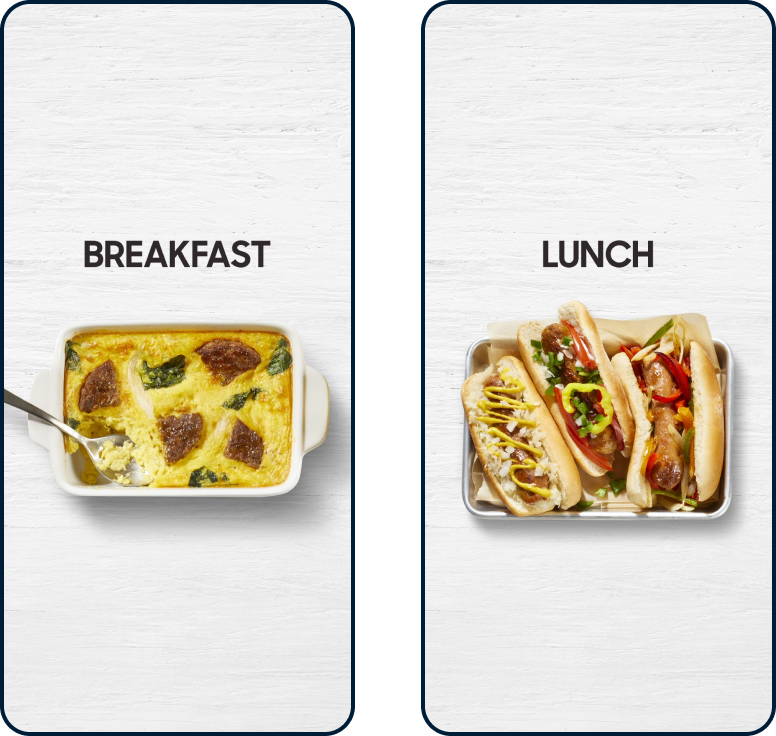
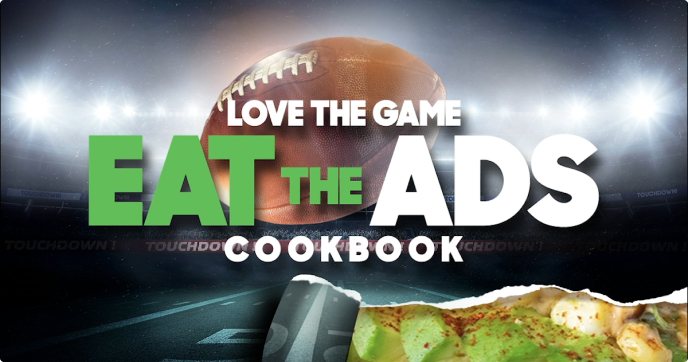
After launch, we wanted to continue the conversation and ensure Beyond Meat remained at the top of shopping lists, taking the form of real-time community management. During the Super Bowl – arguably the biggest day in advertising – we reacted to the crave-inducing food commercials on everyone's big screen with a series of recipes featuring those same products in real time. We knew that one of the most common requests the brand receives on Twitter is for recipes people can try with the product, making the opportunity to deliver savory stories and tweets too delicious to pass up.
Results
-
150 million total impressions
-
87% of replies reflected a positive response
-
10 twitter posts resulted in 10k organic impressions
Want to talk social? Get in touch.
Can’t get enough? Here is some related work for you!
Influencer Marketing
Strategic influencer marketing, end-to-end management, and performance analysis services.
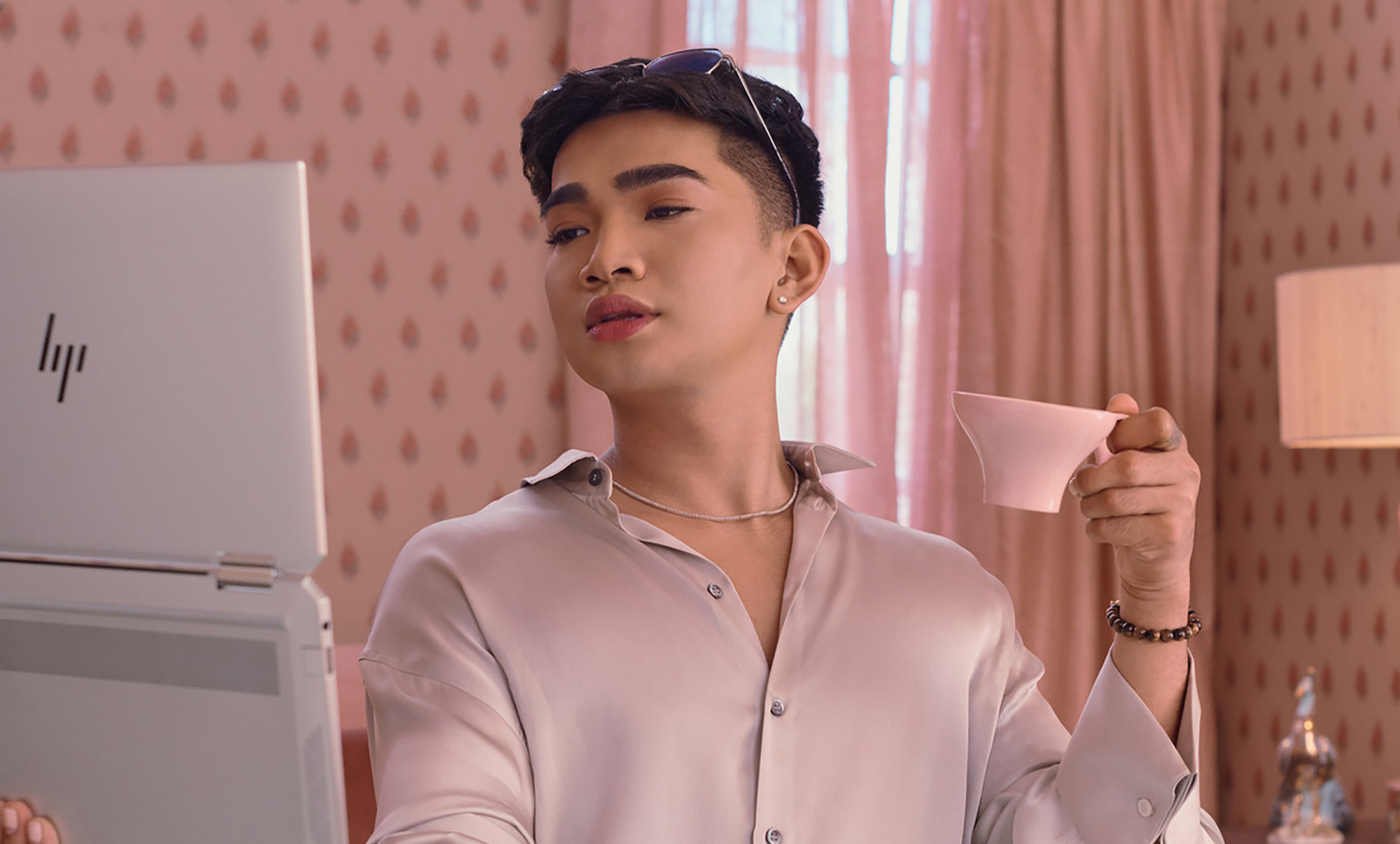


As a premier influencer marketing agency, Monks builds social brands through five key practice areas: Creator & Influencer Community AOR, Influencer & Creator Campaigns, Creator UGC Content-at-scale, Affiliate Marketing, and Live Experiences. We harness the power of the creator economy and influencer marketing to blend social insights, culture, media, experiences, creators, and commerce, driving brand growth. As a global leader, we provide the strategic support and efficiencies brands need to thrive, focusing on influence at scale within a rapidly changing social landscape. From strategic planning to creative execution and talent management, we guide clients through the dynamic creator industry to achieve impactful business outcomes.
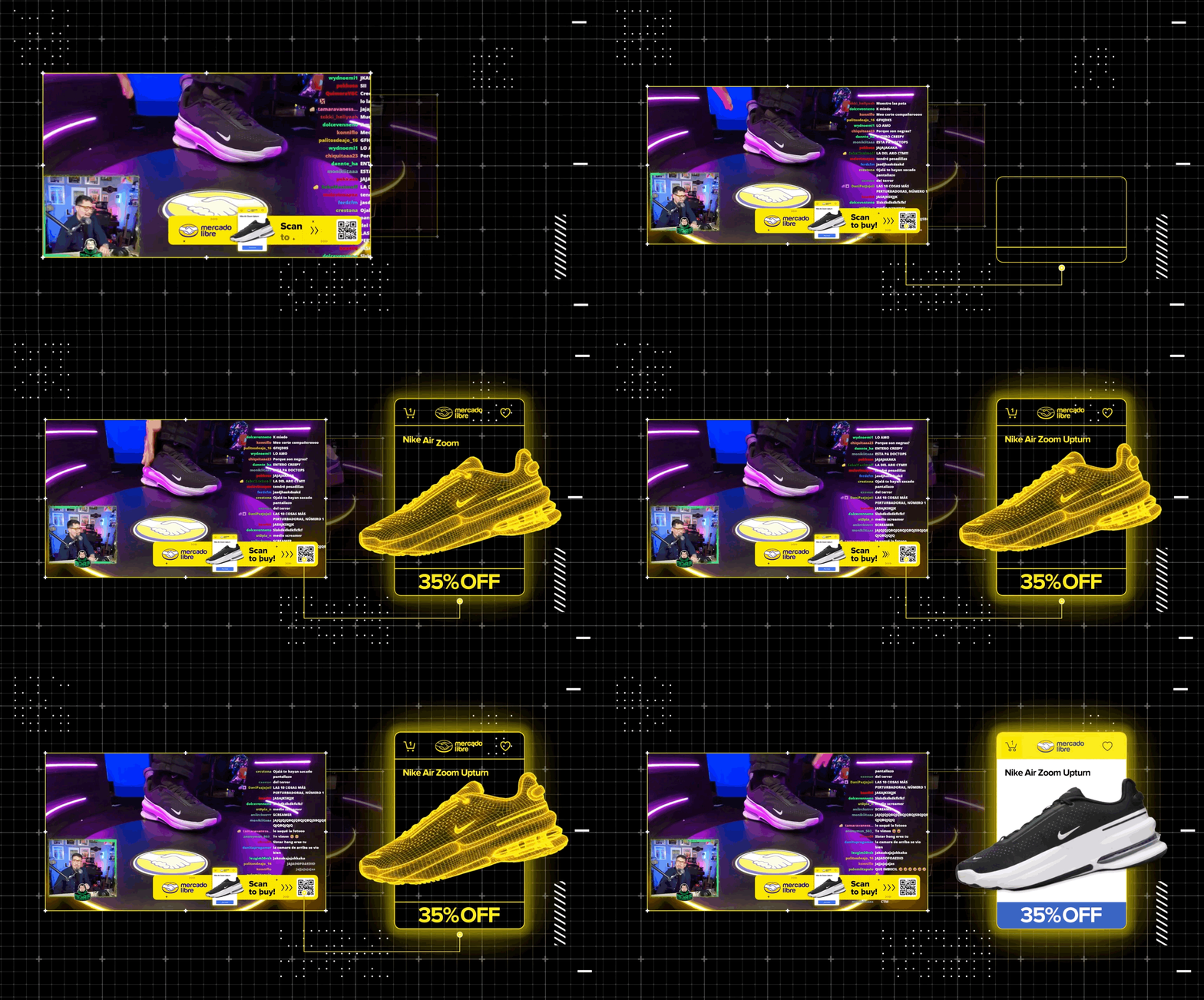
Creators turned a blind spot into a point of sale.


Connect
What can we do for you?
Services
Here's ways we can help now.
Creator & Influencer Community AOR
Prioritize cultural relevance and community insights to make brand messages resonate. By cultivating creator communities of authentic brand advocates, we foster meaningful connections and engagement.
Influencer and Creator Campaigns
Our campaigns are designed to leverage the influence of creators and elevate your brand's presence in the zeitgeist. They aren't just promotional; they're cultural touchpoints.
Creator UGC Content
User-generated content (UGC) is a powerful tool in today’s marketing landscape. Our team utilizes cutting-edge technology like gen AI and data-driven insights to produce creator content at scale.
Affiliate Marketing
Our solutions bridge creators, media, and commerce for seamless integration of the consumer commerce experience. We pinpoint growth opportunities for your brand by engaging creator communities that drive revenue growth.
Compelling Creator Experiences
We blend creative production with talent management to elevate your brand through immersive virtual and IRL experiences. Each interaction is designed to captivate, ensuring meaningful engagement.
Strategy
We develop tailor-made creative and strategic proposals, grounded in social listening and audience behaviors, to define clear timings and objectives.
Creator Sourcing and Vetting
Creator Sourcing and Vetting Deep searches identify authentic, diverse creators with strong channel engagement, followed by a rigorous, multi-step vetting process to ensure absolute brand safety.
Contracting & Briefing
We handle talent contracts, licensing, and compliance completely in-house, followed by comprehensive creative briefing calls to align creators with your brand's vision.
Production
Meticulous oversight of content execution and review facilitates rapid testing and iteration, guaranteeing all assets meet the highest standard of creative excellence.
Paid Amplification
We maximize the impact of creator content by seamlessly integrating it across your brand's owned social channels and paid media ecosystems.
Measurement
We use robust management platforms, we provide comprehensive tracking, final reporting, and post-mortem insights to measure KPIs and deliver actionable takeaways.
-
How We Work •
-
![project setup]()
Project Setup: Align cross-functional teams during a formal kickoff, establish internal workflows, and finalize budgets
-
![talent casting]()
Talent Casting: Review strategic briefs to source the right creators, present curated longlists for client approval, and initiate outreach and rate negotiations.
-
![Influencer management]()
Influencer Management: Execute legal contracts, conduct comprehensive briefing calls, and manage the content review process to ensure all assets are client-approved before going live.
-
![Reporting a closing]()
Reporting & Closing: Track active campaign metrics through management platforms, process talent payments, and deliver a comprehensive post-mortem report detailing performance and insights.
-
Ready to launch your next influencer campaign.


Swipe
For More!
Drag
For More!
Let us help you build a community of advocates. Get in touch.
FAQs
Your questions answered to boost brand influence and cultural relevance at scale.
How do you find and vet the right influencers for a brand campaign?
As an experienced influencer marketing agency, we find and vet the right influencers by matching your strategic casting brief with a rigorous, multi-step screening process. Brand managers can feel confident knowing we evaluate candidates for channel quality, authenticity, and diverse representation while strictly filtering out hostility, clickbait, and community violators. This deep search ensures every creator we present perfectly aligns with your brand's voice and values.
How much does influencer marketing cost, and how are creator rates determined?
Influencer marketing costs vary widely based on the creator's follower tier, ranging from nano-influencers to hero celebrities. Marketing leaders rely on our team to negotiate rates based on the project's creative needs, usage rights, and the specific type of creator—whether they are an agency expert, an external producer, or a traditional influencer. We manage the entire out-of-pocket budget to ensure you get the most efficient impact for your spend.
How do you measure the success and ROI of an influencer marketing campaign?
We measure campaign success and ROI by capturing real-time metrics and engagement data through industry-leading platforms like Captiv8. Once a campaign concludes, we provide social media directors with an in-depth post-mortem report and presentation. This connects content performance directly to your core KPIs, offering actionable insights for both upper and lower funnel objectives.
What is the difference between creator UGC (User-Generated Content) and traditional influencer campaigns?
The main difference is that creator UGC provides always-on content primarily for brand channels and paid media, whereas traditional campaigns leverage an influencer's established audience on their own channels. Growth marketers love our UGC approach because it delivers hyper-personalized, testimonial-style content at scale across unlimited consumer segments. Conversely, traditional influencer campaigns are used to build cultural touchpoints and tap into a creator's unique relationship with their followers.
How do you ensure brand safety and FTC compliance in influencer partnerships?
We ensure brand safety and compliance by managing all legal contracts, licensing, and mandatory FTC disclosures entirely in-house. For marketing executives, our dedicated influencer management team enforces a strict vetting tracker and Captiv8 checks before any partnership begins. We guarantee that no unapproved content goes live, keeping your brand protected at every step of the campaign.
Why Choose Monks?
Partner with an influencer marketing agency trusted by industry giants like Google, TikTok, and L’Oréal. At Monks, we set trends—not follow them. Let us transform your brand by building vibrant communities of advocates and delivering measurable business success.



Explore more of our Social solutions
Cinderella Shopping: How to Coach Yourself up for This New Trend
Cinderella Shopping: How to Coach Yourself up for This New Trend


Ever since Shopee’s fist Midnight Mega Sale earlier this year, a new trend has caught the eye of astute marketers and ecommerce platform owners alike. Named “Cinderella Shoppers” by the Singaporean ecommerce giant, nocturnal consumers are beginning to shop after midnight, most commonly between 12 and 2 AM. Now, marketers are asking themselves what draws them to hit the purchase button in the wee hours of the night—and more importantly, what it means for their brands.
There’s been much ink spilled about emerging consumer behaviors of the new digital era, and of the spending mindset brought about by the proliferation of ecommerce. From the fear of missing out on in-demand products as they run out of stock to the popularity of retail therapy, consumers are changing why, how and when they buy—and online shopping has become an essential part of the equation. This shift spans a plethora of categories, from luxury items to grocery delivery, and will continue to expand as ecommerce expands to more industries.
These changes were accelerated by the Covid-19 pandemic—which, for instance, came with a steep increase in mobile online shopping. Although the possibility to shop from anywhere is not necessarily new, the comfort level reached during lockdown surely is—and it has caused old habits to go the way of the horse and carriage for most consumers. With Cinderella Shopping growing strong and steady in Asia and beyond, it’s time to reassess our strategies and consider the new opportunities that are opening up.
The Rise of a New Trend
Before Shopee’s Midnight Mega Sale, the brand had already noticed a not-so-subtle tendency toward late-night shopping. It was their curiosity about this pattern that prompted them to do a midnight sale in the first place—a bid to target those audiences with flash deals that were available only during the first two hours of the day. Surprisingly, the sale recorded six times more purchases than on any average occasion, which incentivized the ecommerce platform to keep on rewarding these late-night shoppers with more benefits.
This trend is not limited to any region or industry. As Global Head of Innovation & Social, I’ve witnessed the phenomenon first hand with one of the world’s largest producers of electronics. Not long ago, we supported a live event in Italy to promote the brand’s new product offerings, and saw the highest conversion rates between 10 and 11 PM, seven hours after the livestream had ended. At first, I was surprised by the stats, but with consumers being able to access on-demand content anytime and anywhere, it’s only natural that they will do so when they see fit. Moreover, it’s fair to assume that consumers may want to take their time to research the product before buying.
This isn’t to say that your efforts should exclusively focus on the wee hours of the night. Peak timings in general stand between 8 and 9 PM, but if consumers are skewing towards new routines, looking into—and rewarding—these late-night shoppers can be worth it. After all, all uncharted territory is a good opportunity to stand out among your competitors.
You Can’t Put the Same Shoe on Every Foot
When we think about the reasons that may have led to this sudden rise in late-night shopping, many different factors come to mind. One thing, though, is key: where it would normally be impossible to go to a store after a certain hour, the proliferation of online shopping made it feasible for consumers to purchase at any time.
Although late-night shopping can be commonly associated with impulsive purchases that are cancelled the morning after, this is not always the case. For some, the frenzy of the work day prevents them from finding the time to sit down and fill the shopping cart, or research the products they’re interested in buying. At midnight, though, when the household is asleep and the phone has stopped ringing, it’s easier to focus. At the same time, checking something off the to-do list helps people sleep more soundly, which explains why some may feel the urge to click the ‘order’ button before hitting the sack.
You can’t put the same shoe on every foot, but you can try and see where the footprints lead to. That is, take the time to get to know your audience. By following their patterns, you’ll be able to provide a customer experience that adapts and responds to their habits—whether with online shopping, virtual events or any kind of content.
How to Be the Belle of the Ball
Once you’ve gotten familiar with your consumers, their behaviors and nuances, it’s important to deliver experiences that will reward and incentivize them. One way to do this is by offering special flash deals for night owls—but you can move further up in the funnel, too. After witnessing how our livestream views scaled later in the day, my team and I decided to complement future day-time streams with additional content for our audiences to enjoy later if they had missed the action live.
Seeking new partnerships can also expand your reach. This includes marketplaces that can add visibility and sales, but also celebrities and content creators that will allow you to tap into their fanbase. It’s not merely about capitalizing on their followers; with creators that consumers already love, you can make shopping a more innovative and social experience that connects the dots across the entire customer journey. For their Mega Midnight Sale, Shopee offered users a unique experience with K-pop girl group Mamamoo, who performed through Shopee Live.
This serves as a great example of how you can draw new audiences into your existing deals and benefits. Even when consumers are not necessarily in shopping mode, the right content and the right time can set the mood. Think about it: if audiences are leveraging the last couple of hours before going to sleep to make purchases, they must be using the time to watch other types of content, too. We know revenge bedtime procrastination is real, so take the opportunity to interact with your consumers when it works for them. That is, when they actually have the time to engage.
Cinderella Shopping is still an emerging trend, but just like with any new audience, it’s never too soon to build a relationship. To do so, start by making sure you’re familiar with your consumers’ behavior, and give yourself the opportunity to experiment with new ways to target, incentivize and reward those with new habits. You can’t just wave the magic wand to engage with late-night shoppers, but the more equipped you are, the higher the chances of delivering a successful strategy that supports emerging behaviors while rewarding your most loyal customers.


#CareWithPride • Influencers Inspiring Meaningful Action
00:00
00:00
00:00
Case Study
0:00
Every person has the right to a family.
Families come in all shapes and sizes. And they deserve to be treated equally. So Johnson & Johnson wanted to start a conversation around LGBTQIA+ rights and the key role that the nonprofit organization Family Equality plays in driving positive change in society.
By partnering with Monks, Johnson & Johnson was not only able to build advocates for positive social change, but for their brands as well. Through the #CareWithPride campaign, we helped them build an influencer network that authentically represented and connected with audiences to drive donations and awareness toward Family Equality, whose mission is to advance the legal and lived equality of LGBTQIA+ families.
Elevating community voices.
To support this important cause, we asked a group of 42 outspoken and engaging influencers—individuals and families handpicked for their connection with the target audience—to add a little more color to the world. By participating in two #CareWithPride campaigns throughout the second half of 2020, these creators shared inspiring stories about what family means to them and what they take pride in, exciting audiences to support this important initiative and helping change hearts and minds.
Inspiring meaningful action.
To spark the conversation and celebrate the cause even more, we painted social media with a branded filter for Instagram Stories, and brought all of the influencers together in a short video that was shared by each of our superstar creators after being released on the company’s own channels.
By leveraging meaningful times of year like Pride Month and National Coming Out Day in the US, we helped Johnson & Johnson feed the feeds with support and creative expression from across the community—and put the advancement of legal and lived equality for LGBTQIA+ families front and center. The #CareWithPride hashtag made it easy for people to share the message with a broader audience to keep the initiative top of mind while allowing users to connect with brands they already trust and love.
Results
-
16 million combined impressions.
-
43% increase in earned media content.
-
413% increase in product page views.
-
462% uplift in sales.
-
1x Influencer Marketing Award
-
2x Pro Awards
Impact
A response to be proud of.
Everyone has the right to form and sustain loving families and live in communities that recognize, respect, protect and value them. The #CareWithPride campaign—supported by an enthusiastic influencer network handpicked by Monks—helped Johnson & Johnson not only drive awareness for the need to advance legal and lived equality of LGBTQIA+ families but also generate much-needed funding to further the cause.


Want to talk social? Get in touch.
Can’t get enough? Here is some related work for you!


#RefreshWithHelloFresh • A Palate Cleanser for Building Healthy Cooking Habits
00:00
00:00
00:00
Case Study
0:00
Cooking up healthy eating habits, one plate at a time.
We all realize the importance of developing a healthier lifestyle—but sometimes we need a little push in the right direction to make sure better habits stick. So, we worked with HelloFresh to issue a challenge to people in the UK: join a community of home cooks as they refresh their eating habits by cooking from scratch for 21 days.


Making a healthy choice the easy choice.
By delivering quick recipes and quality ingredients to customers’ doorsteps, HelloFresh makes meal prep simple. We wanted to highlight this simplicity by partnering with 15 UK-based influencers who each shared their journey in building kitchen confidence. Every week, TV personality Davina McCall stirred the pot with a task that inspired participants to get cooking and share their progress. As the digital creators and influencers weighed in with their meals and cooking tips, they kept both their audiences and fellow participants motivated throughout the three-week program.


Relatability spiced things up.
Professional, influencer-produced content helped curry favor for healthier eating. Some creators shared their personal goals and motivation (like reducing dependency on takeout to feed their busy families), while others showed their followers what they could expect from a HelloFresh meal plan—from unboxing ingredients to trying new recipes. The campaign culminated with a video in which each influencer was invited to HelloFresh HQ with Davina to make (and share) their favorite meals from the experience.


Swipe
For More!
Drag
For More!
Serving up delicious results.
The campaign delivered a veritable smorgasbord of content: influencers doubled their expected output, producing 20 posts each on average. #RefreshWithHelloFresh also won two Silver Influencer Marketing Awards: Best Food & Drink Campaign and Most Effective Collaboration or Partnership.
Results
-
5.5 million impressions.
-
461 influencer posts.
-
20% of the influencers’ followers mentioned HelloFresh on Instagram.
-
2x Influencer Marketing Awards
Want to talk social? Get in touch.
Can’t get enough? Here is some related work for you!
The Revolution of Shoppable Content
The Revolution of Shoppable Content


It is no secret that social media had an incredibly fast evolution in the last decade—so much so we can only speculate how far the next few years will take us. Today, social content plays a fundamental role in the consumer journey. While new platforms and features are introduced seemingly every day, marketers must strive to be at the forefront of social media trends and make the most of the emerging technological possibilities like their brands depend on it—because they do.
A new white paper from IMA, our influencer activation team, seeks to guide brands through the next era of social media: shoppable content. Titled Influencers and Shoppable Content: the Future of Social Media, the report covers the habits that COVID-19 changed forever and how they’ve impacted the seamless fusion of content and commerce across platforms. It also provides a clear outlook on the role influencers play in virtual shopping and the era of everywhere commerce.
The Future of Shopping is Social
The paper starts by setting the scene with statistics on the current state of online shopping, and its acceleration during the pandemic. In a matter of months, skeptic consumers who were previously reluctant to adopt online shopping habits were suddenly “filling up their digital carts,” and by April 2020, online retail orders had grown 146% worldwide.
According to IMA, brands that tap into this new consumer behavior have the opportunity to “establish a robust social presence and take advantage of third-party ecommerce platforms.” But online shopping is no longer channel-specific. Both social and ecommerce platforms are already adding features that will revolutionize how consumers spend their time online and make purchases—allowing users to shop directly from social media channels and blurring the lines between content and commerce. Our BrandLab partnership with Mercado Libre (LATAM’s ecommerce giant) and L’Oréal Paris serves as a clear example: we developed an ideal “digital destination” for beauty enthusiasts with video tutorials led by recognizable influencers, which help differentiate the brand and its products while providing an improved user experience for shoppers.

"Beauty Click" combines content and commerce through video tutorials
Amazon is placing its bets on shoppable livestreaming through Amazon Live, too. The platform allows sellers to promote their products through their own livestreams with a smart addition: a carousel where shoppers can browse and seamlessly purchase featured items. Similarly, Instagram promises to amplify its influence in the shopping process with the “checkout” feature, which is swiftly “transforming the platform into an immersive storefront for people to explore and purchase” without leaving the app, according to the report.
Everywhere commerce will continue to rise in prominence and competitiveness, and platforms are also likely to incorporate AR and AI to increase customer confidence—enabling them to try before they buy. This will open a gateway to new entertaining shopping experiences that build user engagement as consumers share these virtualized experiences on their social media accounts.
From Awareness To Conversion, Influencers Conquer The Funnel
Of course, influencers will be key to brands as they envision how to show up in a revolutionized social media ecosystem. As deft content creators, natural conversation-starters and production powerhouses, influencers will become ever-more important for any brand’s social strategy—a must-have in any marketing mix.
As new, improved ecommerce functionalities are introduced, influencers are often early adopters who perfect delivering relevant content at speed. And they are the most proficient at doing so, too, finding meaningful ways that resonate with their audiences and enable seamless implementations that raise both awareness and conversions. Tapping into communities with a human touch, influencer-generated content is more likely to be perceived as authentic by the audience—especially within niche communities, where engagement levels tend to be higher. According to the white paper, 63% of consumers aged 18-34 years old say they trust what influencers say about brands much more than what brands say about themselves in their advertising.

The authenticity that influencers bring can help define brands’ success in a shoppable ecosystem.
This authenticity that influencers bring to the table can help define brands’ success in a shoppable social ecosystem as long as the balance is right. “It’s important to keep in mind though that in order to maintain the genuine relationships between influencers and brands, these ecommerce features should be used in a meaningful way that resonates with audiences,” says Maddie Raedts, IMA Founder and Global Head of Social, Fashion & Luxury at Media.Monks. “Don’t merely add shoppability to each post that features products, as it can come across very spammy and have the opposite effect.”
From livestreams with purchase options to Instagram posts with shoppable tags, influencer marketing will conquer the funnel from top to bottom—not only inspiring audiences but also driving direct, more measurable conversions. In addition to being at the forefront of social shopping, influencers are the enablers and catalysts of this evolution. For those who want to learn more about how shoppable content is revolutionizing customer behavior across platforms, Influencers and Shoppable Content: the Future of Social Media provides invaluable insights, and it’s available for download below. Discover the next generation of online shopping.
Influencers influencer marketing shoppable content digital marketing social media marketing everywhere commerce
Mix Entertainment and Shopping with Livestream Commerce
Mix Entertainment and Shopping with Livestream Commerce

Sectors of the retail industry have been hit especially hard with many businesses unable to open their physical doors. These brands are left to rely on big name retailers or pivot their approach to increase reach visibility to convert consumers digitally. To do so, many are seeking inspiration from the direct to consumer model to engage directly with their audiences and make their products more widely available. While retailers and brands have both incrementally invested in digital platforms more and more, year after year, these challenges show how the need to digitally transform has accelerated to keep up with shifting user behaviors.
At a time when consumers are craving entertainment and connection while at home, livestream commerce—evoking the idea of home shopping TV programs, but made more interactive—is an intriguing solution for brands to directly and authentically engage with audiences. As a response to increased video viewership of at-home audiences, the strategy builds on recent trends in shoppable social content and the rise of influencer partnerships.
China is No Stranger to Livestream Commerce
While it may be having a moment right now, livestream commerce isn’t new; Taobao Live, the largest ecommerce streaming platform in China and owned by Alibaba, made $2.85 billion in sales on Singles Day (the country’s biggest shopping event) last year. The COVID-19-induced lockdown in China has increased the popularity of the platform even further; in February, merchants on the platform raised by 719%, according to Glossy.
Much of the appeal of livestreaming commerce is its ability to mix engaging, interactive content with brand stories. JD.com, another ecommerce platform in China, hosted online “e-clubbing” events featuring musical performances and DJ sets—and the ability to buy liquor in a few taps, replicating the social experience of being at an actual club.
How Western Brands Are Experimenting with Shoppable Content
In the west, Amazon has similarly mixed commerce and content with its “Twitch Sells Out” event for Prime Day, enlisting influencers and content creators in the gaming space to showcase items on sale that are relevant to the content they typically put out—for example, listing their streaming setup, gaming equipment or merchandise for a favorite game franchise. More than just a one-off event, Amazon employees livestream commerce on its Amazon Live platform, where brands and influencers broadcast content with shoppable listings underneath.
Monk Thoughts
If ecommerce and conversion-based content is an essential bucket, we can help fill it faster and more effectively.

Elsewhere, other platforms have begun experimenting with shoppable advertisements. Instagram Checkout, lets users discover and purchase products right within the feed, and Levi’s has had success with a similar feature on TikTok. In the linear TV space, NBCUniversal has introduced NBCUniversal Checkout, making content across the brand shoppable. Emarketer’s Q1 2020 Digital Video Trends report notes that NBC’s Peacock streaming service will include shoppable content among the ads that it serves.
While these examples aren’t live, their development suggests there is a general growing demand for content that converts. MediaMonks Founder Wesley ter Haar notes that for many brands, conversion-based content remains top of mind as they consider ways to pivot existing strategies or continue to engage with audiences digitally.
“Brands are asking themselves if they need to keep the ‘content machine’ running,” he says. “If ecommerce and conversion-based content is an essential bucket, we can help fill it faster and more effectively by shifting from traditional production to tapping into influencers and livestreaming.”
While Social Distancing, Video is King
Over the course of the pandemic, at-home users have flocked to video content. According to data from WARC, 38% of consumers are watching more online video content now than they had before the pandemic. Out of that group, 73% say they expect to maintain that higher amount of viewing time. Among the most popular video content that people want to watch are how-to and tutorial videos, according to data from Hootsuite, a category that lends itself well to influencer content and B2B stories.
In fact, influencers are ideally situated to engage with new and existing customers with creative and livestreamed content. They are adept at using their voice and authority to recommend products to audiences and have built loyal followings through tutorial content—for example, the lucrative beauty space on YouTube that has catapulted popular vloggers into full-fledged business owners.
Monk Thoughts
User behavior is being built that will change how we use these tools and how we create and connect together.
In response to the challenges that brands and retailers have felt due to the ongoing pandemic, our influencer activation team IMA recently offered a few solutions, including multichannel influencer campaigns that amplify voice and awareness across communities, as well as partnering with existing product advocates to carry business momentum on social media. Such strategies enable brands to reach consumers authentically, backed by a consolidated effort to ensure working teams can easily continue production safely at home and produce the stream remotely.
Build Value Through Assistive Content
While brands and retailers are focused on solving the “now,” they must also look ahead into how they will serve consumers throughout what may be a difficult year ahead. As consumers seek out content and connection that helps them understand and make the most of a new normal—whether that means staying sane while social distancing or stretching the value of a dollar—livestream commerce offers a great opportunity to build a brand relationship.
Despite being a vehicle for commerce, it doesn’t have to be too salesy—think about a retailer offering a live cooking show focused on recipes using ingredients that are already in the pantry, for example, or a makeup artist giving tutorials featuring “dupes,” or greater-value versions of popular cosmetics.
“This is the new family dinner, this is how we watch movies together,” says ter Haar on the innovative ways that people are connecting. “We’re building traditions now that we don’t yet know are traditions. User behavior is being built that will change how we use these tools and how we create and connect together.”
Now more than ever, brands and retailers must be there for their audiences. Through livestream commerce, brands can accommodate new user behaviors that have emerged and engage in authentic, informative ways with video content. Accommodating a need for connection and entertainment, the format is well tailored to building strategic relationships into the year ahead.
Livestream commerce livestream content livestreaming ecommerce dtc influencers influencer marketing amazon taobao alibaba shoppable content shoppable video
Humanize the B2B Brand Story with Tactile, Relatable Content
Humanize the B2B Brand Story with Tactile, Relatable Content

As consumer needs change, so do business strategies. Realizing the importance of purposeful, personalized digital experiences to their audiences, future-thinking B2B brands have seek to engage their audiences in new ways, humanizing their brand stories in the process.
In essence, this means adopting a “business to human” approach through customer-driven digital experiences. Today’s B2B customers expect an experience that is similar to the shopping they do in their personal lives. “The B2H model involves maintaining coherence while extending your offering across context and environments, and being able to break down your brand’s message into personalized variations that are relevant to a myriad of customer interests,” explains Remco Vroom (Global Head of Business, Platforms and Ecommerce, MediaMonks) and Tobias Wilson (VP Growth APAC, MediaMonks) over at Marketing Interactive.
Even with traditional production hampered by social distancing, brands can still achieve the above through more personalized, customer-driven digital experiences. Powered by CGI content, virtual demos and influencer validation, these small experiences are relatively easy for brands to begin building and offer the opportunity to plug into larger content strategies—here’s how.
Build Tactile Brand Stories Through Interactive Experiences
In B2B services, there exists a gap in delivering interactive, branded digital content that provides potential customers with the information they need to make informed purchases. According to data from Bizfeel, more than half of consumers say that the biggest drawback to shopping online is the inability to touch, feel or try a product. Without being able to try a product themselves, they turn to other avenues: 80% of business decision-makers look toward articles rather than ads for brand information.

These findings highlight a big need for brands to own their brand storytelling through interactive content that provides a good “feel experience”—a tactile experience that immerses the audience—and differentiates the brand by showcasing product features and stories. A gorgeous example is the Blue Canyon Technologies website, which features 3D graphics developed by MediaMonks. Each 3D model portrays a product in the company’s fleet of spacecraft as well as the specific components that set them apart. Visitors are invited to click on these features to learn more about them in depth, demystifying the technology against the backdrop of deep space.
CGI Content Enables Scale
B2B brand stories are powerful because they help customers better understand processes that might seem complex and abstract. To help build awareness and understanding of the HP Indigo Digital Press—an industrial printer differentiated by a unique component that allows for shorter runs—we used an existing set of CAD designs to develop a fluidly animated CGI walkthrough of its inner workings.
“When you’re looking at presses this big and complicated, you can’t move around them or look inside very easily,” says Chris Bryne, Global Program Director at MediaMonks. “It’s a way of letting people see under the hood.”
The use of renderings to produce the video also came out of a particular constraint: the product wasn’t yet manufactured, which meant there was no physical product yet to film. Today, as so many brands are experimenting with new ways to produce content while social distancing, CGI serves as an excellent example of how to tell a compelling brand story through video without a traditional shoot.

“CG assets are easy to update if features change or things are replaced,” says Byrne, noting that the technology is economical for scaling up and retailoring to other formats, too. “Experiences like these result in extra assets you can use to power different experiences across platforms.”
For example, following a video walkthrough, brands might want to add greater tangibility and intuitiveness by crafting an interactive demo with those assets, tying it into a larger customer obsession strategy. For HP, we built on the video offering by adding a WebGL demo that lets users get up close and personal with the LEPx technology that powers the Indigo printer. This way, users gain a tangible understanding of the product specifications through discovery.
Validate Your Brand Story Through Influencers
When you consider tailoring a B2H story to other platforms, don’t forget another strategy that’s risen to much fanfare in the B2C world: influencer marketing. Yes, influencer marketing does have a place in the professional world, too; in fact, 91% of B2B transactions are influenced by word of mouth.
Monk Thoughts
Experiences like these result in extra assets you can use to power different experiences across platforms.
Influencer strategies can plug into customer advocacy (lending legitimacy through success stories), employee advocacy (adding relatability through employees’ experiences) and expert advocacy. The latter includes the thought leaders and industry experts who lend credence and validation to a product or service.
Each of those strategies fit within different channels, whether you intend to raise awareness or support audiences in the consideration stage—for example, validating the decisions that customers have made. On this note, Byrne cautions that before brands get too far into establishing what kind of content their audiences need, they must first consider where those audiences fit within the customer decision journey. “Focusing on awareness or conversion gives your content a very different purpose.”
Purpose is key to delivering on the needs of your B2B audience. Whether it’s authentically relating with your audience via influencers or scaling up virtual product demoes through CGI content, seek ways to humanize your brand story by injecting interactivity through unique, personalized digital experiences.
B2b b2b marketing b2h b2h marketing business to human interactive content personalization influencer marketing webgl cgi virtual production
IMA Explores How Gen Z is Reshaping Culture in New White Paper
IMA Explores How Gen Z is Reshaping Culture in New White Paper

It’s widely understood that social media has fundamentally changed our culture—so rapidly, and in so many ways, that it can be difficult to gauge. For example, many still struggle to understand the role that social media plays in the lives of young people, an important segment of the market that enjoys increased purchasing power and exemplifies a radical shift in consumer values.
A new white paper from IMA, our brand activation and influencer engagement team, seeks to demystify Gen Z’s impact on culture, and provides key learnings on how today’s brands can retain relevance and build impact amidst shifting cultural values. Titled Anticipating Culture & Changing Behavior, the white paper lays out what separates Gen Z from those that came before it, and how influencers are key to reaching these community-obsessed consumers.
Surveying Today’s Social Landscape
Anticipating Culture & Changing Behavior opens with a look at the current state of culture and how it is shaped online. A key change that’s emerged in the past few years is that influencers have stepped in to replace brands as the intermediaries of culture, “bringing innovations from the margins of society into the mass market.”

How, or why, have influencers risen to take on this role? IMA’s describes a phenomenon called “crowdculture” to describe the new ways that younger consumers—most notably, Gen Z—are reshaping the way we gather together, build identities and discover or engage with brands.
Crowdcultures operates in two different ways. First, they include subcultures built around passions and hobbies. Second, they include “art worlds,” or the “loose network of overlapping subcultures held together by a belief in art,” according to IMA. The former includes niche interests, while the latter addresses the fact that individuals in such communities inspire and compete with one another, fueling an exchange in ideas and content that is amplified on social media. It’s within these new environments and networks that brands must learn to engage with audiences authentically.
Understanding Gen Z
If anyone is embedded within crowdcultures, it’s Gen Z—and forward-thinking, future-proofed brands across industries are eager to understand this unconventional consumer base that has largely eschewed labels. But IMA has one useful name for them, which gets at the heart of what they care about: they’re “the truth generation.”
With digital fluency and the ability to research products and brands, Gen Z is always in the pursuit of the truth. This includes expressing their own individual truths or connecting with those of others—such as experimenting with different identities.
Monk Thoughts
Gen Z’ers are always in search for authenticity, since they believe it generates greater freedom of expression and greater openness to understanding different kinds of people.
Communication and dialogue are key for this type of exploration. “Gen Z’ers are always in search for authenticity since they believe it generates greater freedom of expression and greater openness to understanding different kinds of people,” reads the white paper. “They value connecting to different truths,” whether it be investigating diversity, environmental sustainability or more.
IMA’s work in casting and producing influencer-driven content illustrates this well. Working with audio equipment brand Marshall, they partnered with influencers to develop content for the brand’s Guided by Music social content series—a digital city guide through the lens of music and rock and roll—IMA developed a multi-tier influencer strategy for both reach and engagement. Giving influencers like musician Charlie Barker and professional skateboarder Boo Johnson creative freedom to produce content (backed by the help of professional assistance), Marshall was able to develop a full-year framework for authentic content.
Where to Begin Your Influencer Marketing Strategy
To evolve your digital strategy to accommodate these cultural shifts, first understand that influencers today are not just popular users, but innovators in their own right. They embody a new set of shared values and have risen through the ranks as leaders in their own respective art worlds and subcultures. Challenge yourself to extend your view outside of the conventional influencer “image” and recognize that they are authorities whose insight and opinions are trusted by today’s consumers.
Monk Thoughts
What’s happening now is that brands are facing a structural problem, not a creative one.
Second, understand that consumers want to engage with other people—not faceless brands. “What’s happening now is that brands are facing a structural problem, not a creative one,” notes IMA’s paper. “They have the budget and the creativity to go above and beyond, however, they fail to arouse consumers’ interest and attention because they do not immerse themselves in their culture, their community, and their ideologies.” In a drive to become more customer-obsessed and assistive in their audience’s lives, brands would do well to explore how influencers can fit into their marketing mix to build relevance.
Driving online conversation and bolstered by increased purchasing power, Gen Z has fundamentally changed our culture. Brands that refuse to acknowledge shifts in younger consumers’ values and how they affect engagement with brands risk falling behind into obsolescence. For those that need guidance for integrating influencers into their marketing mix, Anticipating Culture & Changing Behavior is a great starting resource.
Influencers influencer marketing gen z digital marketing social media marketing values-based marketing
Fast-Forwarding Through Feeds, Consumers Pause for Shoppable Video
Fast-Forwarding Through Feeds, Consumers Pause for Shoppable Video
Video content is compelling to users that have flocked to visual social platforms like Instagram, Snapchat and (more recently) TikTok. And after Instagram began to offer features that link content directly to the point of sale, video has captured renewed interest for brands and marketers as well.
Shoppable video has caught on with brands and consumers as social networks like Instagram have aimed to support consumers in not only discovering products within the platform but in making purchases as well. In “The Forrester Tech Tide™: Video Technologies For Customer And Employee Experience, Q1 2019,” Senior Analyst Nick Barber notes, “One aim of the technology is to bridge the gap between virtual and in-store shopping experiences. When US online adults choose to shop in stores rather than buy online, 38% do so to touch, see, feel, or smell products before purchasing them.” With these consumer needs in mind, shoppable video becomes an important way for consumers to engage with a brand and get to know their products better.
So, video is useful within an ecommerce setting. But how can it elevate the social experience? As it turns out, consumers enjoy turning to “Story” content—the quick, one-to-many snippets of video content distributed on platforms like Snapchat, Instagram and Facebook—to learn more about brands and products. An eMarketer analysis notes that 69% of Facebook Story users feel that “brands using stories is a great way for people to get to know new products or services,” and 62% say they “become more interested in a brand or product after seeing it in stories.”
Monk Thoughts
69% of users feel that “brands using stories is a great way for people to get to know new products or services.
Realizing this, brands have been using shoppable video to drive consumers throughout the purchasing funnel, letting users discover, save and purchase content directly through the platform. Instagram Checkout, a feature that went live last year, is one such feature that makes shopping on the platform easier than before: previously, brands had to link out to an external website to complete a purchase—a barrier that risked losing a sale by prompting users to save the purchase for later (and possible forget to go through with it).
Approach Shoppable Video as a Storytelling Opportunity
Shoppable video offers a potential revenue stream for brands, but it can also be a compelling storytelling medium in its own right, helping to build the story behind a brand or explain product benefits in a captivating way. This means that before you invest in shoppable content, you’ll want to consider what your goals are and what types of creative experiences you want to offer with the medium.
“Whenever investing in a new channel, brands must ask themselves if their target audience is there and if it makes sense for them to be in that space,” says Heather Hosey, VP Client Engagement at MediaMonks. “For example, some luxury brands may be concerned with whether channels that increase accessibility, like shoppable video, video cheapens the brand. They might turn to social to approach an audience that skews a little younger but will wonder how they can elevate that experience.”
Approaching the creative experience with a sense of purpose is critical to ensuring the channel is both effective but also compelling for the brand. Too often, we’ve seen marketers treat mobile video as a smaller TV screen, often featuring cutdowns of TVC’s and linear film. This approach flies in the face of what makes mobile—let alone social content found there—so special in the first place: its potential to spark interaction and collaboration, two characteristics that have contributed to the meteoric rise in platforms like TikTok.

At the Facebook Stories Xperience, a collection of vertical videos stand apart...

...or come together into a cohesive, visually impressive whole.
In exploring the creative potential of stories to build authentic connection between brands and their audiences, MediaMonks partnered with Facebook and 72andSunny to build an installation of 12 mechanically moving monitors at Facebook Beach at Cannes last year. Each monitor features best-in-class use of the medium; visitors to the installation could control the display by bringing the monitors together into a cohesive whole, showcasing Stories’ power to change perspective and disrupt—two uses of mobile video that we’d love to see brands lean into more.
Consider Shoppable Video’s Role Within the Overall Customer Experience
Like anything else, it’s important to note that social doesn’t exist in a vacuum: it’s just one ingredient that sits within the wider context of the brand’s overall marketing strategy. For example, Misty Gant, SVP USA at our influencer activation team IMA, notes that brands that don’t have a strategy in place might find themselves looking at abandoned carts—but that doesn’t mean the content, which consumers might come across at the top of the funnel, wasn’t valuable.
“It’s very important from an analytical standpoint, because you have the data,” Gant says. “Back in the day, through flipping through a magazine or watching a commercial, you couldn’t quantify who purchased from that ad.” But through shoppable content, you get a better sense of who’s tapping through, what they tapped next, what was the bounce rate and more—data that can be essential to understanding the path to purchase. “A good marketeer is always looking at that kind of data,” says Gant. “You want to see what’s working but also what the problems are, to figure out where in your ecosystem you can better support and work with that.”
Hosey agrees that taking a holistic view of the overall customer experience is critical to success with shoppable content. “For CPG brands in particular, it can be a challenge to determine where that link will actually send the user,” says Hosey. “If you don’t typically support buying direct, how do you choose which retailer to connect users with?” Hosey notes that establishing an exclusive deal with a retail partner opens up all sorts of new questions about a campaign that brands must consider—for example, how long the promotion will run for.

Brands should also consider how a shoppable campaign remains cohesive with their existing creative. For the launch of L’Oreal’s Unbelieva-brow, we began with the brand’s existing global campaign and assets as inspiration for a social-first video campaign—this time, targeting millennial consumers in Italy. The strategy was built around a handful of influencers that knew their audiences best, catering to a diverse group of interests and segments—beauty-oriented, sporty, travel-focused and an on-the-go actress—allowing the brand to tell relatable stories about the product’s durability throughout the many situations someone might run into throughout the day.
Shoppable content is an excellent way for brands to play to video’s strengths in helping consumers discover brands and learn about their products. Connecting directly with consumers and prompting them to pause and consider content, shoppable video offers a more authentic way to engage with consumers at any point of the funnel—prompting a sale or simply driving initial awareness—provided that brands are strategic in their approach.
Shoppable content shoppable video social content social video influencer marketing ecommerce social ecommerce