Case Study
TikTok
Amplify your brand's impact by building authentic connections on TikTok.
Our partnership with TikTok is about helping brands engage authentically and build real relationships with their audiences. Social media is where ideas take off and trends are shaped, and we guide clients in becoming true social brands that create lasting impact. TikTok offers a unique space for trust and intimacy, and whether it's crafting a comprehensive campaign or leaning into culture with a 10-second trending video, we help our clients spark meaningful engagement and grow their brand in a way that feels true to who they are.
Solutions
Ways we can support in your TikTok journey.
Agile Media Investment
Optimize ROI through continuous monitoring and adaptive buying.
Dynamic Targeting & Content
Deliver the right message at the right moment to maximize impact.
Live Audience Engagement
Connect with users as trends emerge, ensuring your brand stays at the forefront.
Instant Data-Driven Strategies
Leverage real-time insights to fine-tune your campaigns on the fly.
Matched Market Testing
Prove the true incremental impact of your TikTok investment using data science-backed methodology.
MMM
Our proprietary model illustrates the value of activating a full funnel strategy on TikTok.
Diverse Ad Formats
Connect with audiences in a creative, authentic and relevant way—including In-Feed Ads, TopView, Brand Takeover, Branded Hashtag Challenge, Branded Effects, Spark Ads and Shopping Ads.
Here’s how we create impactful social-first campaigns
The TikTok partnership has been a key asset in establishing and growing our paid capabilities within the rapidly evolving ads platform. Through this partnership, we've been able to craft best-in-class, go-to-market campaign strategies and thought leadership on the latest offerings, i.e., shops.
Solutions
We are here to help with...
Highlighted
Solutions
Swipe
For More!
-
Paid Media
-
Influencer Marketing
-
Affiliate Marketing
-
Content Strategy
-
Creative
-
Video Production
-
Measurement
-
Shops Strategy
-
Social Commerce
How can we help you innovate? Let’s talk.
Dive Deeper
-
Blog Post
We Were Named Creative Agency of the Year at the TikTok Ad Awards in Mexico By Asahi Ruiz Jimenez 4 min read -
Blog Post
The Definitive Guide to a Successful TikTok Campaign By Fernanda Padovan 5 min read -
Blog Post
Generate Content at a Fast Clip with Fan-Focused AI Highlights By Lewis Smithingham 4 min read
The Definitive Guide to a Successful TikTok Campaign
TikTok, a platform that was once considered complementary, now takes center stage in the marketing strategies of major brands. The reasons behind this are many. For starters, TikTok is a famously powerful space to engage with younger generations—especially Gen Z and Millennials—who flock to the platform for product recommendations, reviews and more.
It’s not a coincidence that the platform attracts these audiences and also humanizes brands by encouraging them to show a more genuine side. To put it simply, TikTok stands out among other platforms by not only connecting with younger audiences but also providing brands with unique opportunities to establish emotional connections, showcase their authenticity and effectively reach new potential customers in creative ways. Moreover, it serves as a fertile ground for creating trending content and attaining viral status within seconds—resulting in the highly sought-after “sold out” scenario that every brand aspires to achieve.
In a marketing landscape that is constantly evolving, having a presence on TikTok is not just an option, but a wise decision for brands aiming to differentiate themselves and stay relevant in the face of an increasingly demanding digital audience. Surprisingly, though, many have yet to fully tap into its potential. Worry not—whether you’ve tested the waters already or are just thinking about dipping your toes into the platform, this guide will help you succeed in your TikTok campaigns.
Stage 1: Initial Preparation
Before venturing into TikTok from a brand perspective, it is essential to actively engage on the platform as a user. Becoming familiar with the language and dynamics of TikTok is the first step toward achieving success. Whether you are a brand owner, employee or part of an agency, absorbing the essence of TikTok is crucial.
Success on TikTok requires synergizing a distinctive tone of voice with the unique social essence of the platform. The brand voice, which may be cautious and dependable elsewhere, can (and likely should) become inspiring, lighthearted and humorous on TikTok. That’s the only way to break down barriers and establish a relationship with consumers that’s built on trust. Ultimately, TikTok provides the ideal environment to unravel untapped aspects of the brand.
Some of the ways brands can actively participate on TikTok include:
- Creating an organic profile on TikTok:
This strategy involves building a brand profile on the platform and consistently sharing organic content. It requires meticulous planning, as the videos should resonate with TikTok’s audience and align with their interests.
While it demands a high level of dedication, the benefits outweigh the effort. By having an organic presence, the brand’s profile becomes a testing ground, enabling the brand to extract valuable insights from videos, explore topics that intersect with diverse niches within TikTok and receive real-time feedback from users. These learnings can then be applied to paid content, ensuring its effectiveness is maximized.
- Using TikTok ads:
Another alternative is to invest in paid ads on TikTok.These ads can appear in the discovery feed, just like organic videos, but there are also special formats that provide a prominent position on the homepage, as well as sponsored challenges. The lack of an organic account doesn’t necessarily affect the performance of these ads, making this a great choice for brands that want to test the platform without fully committing to it yet. It’s also an effective tactic to amplify seasonal campaigns.
- Partnering with TikTok creators:
Partnering with creators not only serves as an alternative for those unable to choose one of the previous options but also acts as a complementary strategy that can and should be combined with the others. Content creators on TikTok are native to the platform, meaning they possess expertise in producing content that truly resonates with audiences. By partnering with the right ones, you can gain an intermediary that effectively translates the brand’s message while also attracting potential customers from their trusted follower base.
There’s no such thing as a one-size-fits-all approach when it comes to collaborating with creators. Instead, it’s important to avoid a cookie-cutter style and focus on customizing strategies to accommodate individual differences and cater to specific needs. More often than not, creators complement brands’ strategies through dark posts, but increasingly, they are involved in the early stages of the campaign, helping to determine the best way to introduce it on the platform.
Stage 2: Beyond the Top of the Funnel
Recognizing that TikTok isn’t just restricted to the initial phase of the marketing funnel opens up space to plan a comprehensive strategy with videos that address all stages of the customer journey, which can be even more effective.
When we think about TikTok, it’s not uncommon to associate it with the awareness stage, in which brands can leverage the viral nature of the app to capture the attention of a wide audience. However, it doesn’t end there. In the conversion stage, brands can incorporate clear call-to-actions within the videos or in the captions, directing users to visit a website, make a purchase or sign up for a newsletter.
To drive ad communication, though, it is crucial to have a clear understanding of campaign objectives and key performance indicators (KPIs). What is the core message we aim to convey? What will be the call to action (CTA)? These considerations will guide the development of an effective campaign.
Stage 3: Detailed Research
Research is a powerful ally in shaping a TikTok strategy. It is crucial to collect and save relevant references, templates and resources for future adaptations. Analyzing consumer-generated content, both from the brand and others in the industry, provides valuable insights into what resonates with the audience.
By exploring the different hashtags and trends that are closely related to the campaign theme, you can join the conversations that organically align with the strategy. Attentively listening to customer feedback, identifying recurring themes and evaluating overall brand perception will guide the path to success.
Stage 4: Key Considerations for Planning
During the planning phase, brainstorming with the team is key to selecting the best ideas. From there, it is necessary to identify the required resources—including roles such as store employees, content creators or celebrities—as well as materials such as sets, props and products. These resources will be used in filming, adapting existing content, or recording videos at home.
Not long ago, we successfully brought Kopenhagen’s Easter campaign to TikTok. The Topview announcement in particular had an impressive reach of 4.1 million people, exceeding expectations. In addition, the click-through rate (CTR) was 35% higher than the standard benchmark. The impact was even more remarkable as the proportion of new users visiting the brand’s website increased by over 60% during the period when this format was utilized. In short, this broad visibility, coupled with a significant CTR, resulted in a notable growth in the number of potential customers during one of the most important dates for the brand.
Another crucial aspect is the development of a well-defined timeline, encompassing the entire process from the initial creation to the launch of the TikTok campaign. In doing so, it’s necessary to dedicate enough time to each step, ensuring they are properly distributed within the available time frame. This helps avoid last-minute planning for seasonal campaigns.
Stage 5: Creating Impactful Content
When it comes to creating content for TikTok, every second counts. Unlike other platforms, where longer videos are favored, TikTok is all about agility and action, which means that the first three seconds are particularly crucial in capturing the user’s attention. That’s when you should be highlighting offers, promotions, coupons and even free shipping—maximizing efforts to attract and engage the audience effectively.
By understanding the language and trends, conducting comprehensive research, carefully planning and creating relevant content, brands can achieve outstanding results on TikTok. While harnessing its full potential may not be as easy as it seems, when executed effectively, it becomes a formidable marketing tool. The platform’s evolution has made it essential for successful campaigns. Let’s embrace creativity, innovation and strategy to fully unleash its power.

The Authentication Dilemma and the Power of Verified Accounts
Art by Adriana Campos
In a world where fake news spreads rapidly and the distinction between reality and fiction becomes blurred, social media platforms have implemented measures to verify the identities of individuals and influential brands. The aim is to curb the dissemination of misinformation, which can be as deceptive as a counterfeit music festival lineup. One such measure is the highly sought-after “verified” badge, commonly represented by a blue checkmark. However, is this the most effective solution to our worries about the trustworthiness of the content we encounter?
On Twitter (now controversially referred to as “X”, but that’s another story), the number of verified accounts has grown from 5,000 in 2010 to over 424,000. This leads us to ponder whether there will come a point when everyone is verified, or if the platform will offer content authenticity as an inherent value without relying solely on badges. While nothing is certain, here are some of the advantages and disadvantages that come with seeking verification.
The importance of verification in ensuring the authenticity of information.
To understand the pros and cons of verification, it’s worth looking back at where it all began. One significant turning point was the 2018 Cambridge Analytica scandal. While that case highlighted a larger issue pertaining data privacy and the use of personal information, it also sparked discussions about the spread of misinformation. Among other things, Cambridge Analytica utilized personal data to create targeted political advertisements and present users with tailored messages—amplifying content from dubious sources in the process.
The scandal emphasized the need for stricter verification measures to ensure credibility of information. While it’s part of a broader effort that includes education, fact-checking and privacy policies, verification plays a crucial role in distinguishing legitimate sources of information from fake profiles.
More recently, there have been other instances where verification has been employed for positive purposes. For example, during the Covid-19 pandemic, verified accounts—such as that of the World Health Organization—have been instrumental in ensuring users have access to reliable information during the pandemic. Plus, platforms like Facebook and Twitter partnered with some of these reputable organizations and outlets to append reliable information to related posts.
Similarly, verification plays a role in amplifying and legitimizing the voices of individuals and organizations involved in specific movements. With Black Lives Matter, verification provided a means to distinguish genuine accounts from fake profiles that sought to undermine or misrepresent the movement.
The pros and cons of verification in social media profiles for brands.
All things considered, let's analyze the advantages and disadvantages of obtaining verification in social media profiles. First, let’s begin with the pros.
- It serves as a credibility check. The main benefit of verified accounts is the credibility they bring to social media platforms. In an environment flooded with impostors and anonymous trolls, the blue verification badge is a knight in shining armor, shielding users from fake profiles and misleading information. It is worth mentioning that the phenomenon of virality can sometimes create a false sense of authenticity, but reaching a verified source generally helps halt the dissemination of falsely amplified information.
- It offers VIP access to privileged circles. Having a verified account unlocks a world of exclusive privileges: from accessing restricted features and joining unique communities to enhancing the reach of the content itself (as emphasized by Mr. Musk). For brands and individuals actively engaged in social media, this serves as a ticket to participate in elite conversations. (You can't sit with us!)
- It’s an extension of your business model. Monetizing exclusive responses for verified accounts is just the tip of the iceberg of the controversial add-ons that platforms plan to implement; a glimpse into the future of advertising where verified content and brand safety will be paid for.
We are witnessing creators and brands transforming their content into valuable assets, elevating its quality, but we also know that social proof has a direct correlation with increased purchases compared to content that lacks authenticity.
Now, we cannot discuss the benefits of verification in this era without considering the disadvantages. For example:
- It can turn into a Game of Thrones of verification. In most platforms, obtaining the coveted blue badge is no easy feat; and if it’s achieved through payment, there’s no guarantee that platforms won’t revoke it at some point. An uncomfortable truth is that the verification system has been criticized for being exclusive and favoring established figures. There have also been cases where verification has been granted to fake or parody accounts, causing chaos within the network, as exemplified by Disney.
- At times, the unverifiable is verified. The blue badge is not an infallible shield against deception. Recent incidents have underscored the vulnerability of verified accounts to misinformation. For example, a fake image of an explosion at the Pentagon, shared by verified Twitter accounts, caused confusion and even triggered a stock market downturn.
- Advertisers missing in action. The possibility for verified accounts to obtain monetary benefits through Twitter ads raises concerns regarding the authenticity of sponsored content. It becomes difficult to distinguish whether a celebrity’s endorsement of a miracle product is genuine or simply the result of Photoshop or AI manipulation.
In conclusion, verification provides a crucial safeguard against identity impersonation and enhances the credibility of brands and influential individuals. However, the verification process can be exclusive, and verified accounts are not immune to the propagation of misinformation. The introduction of ads in replies can bring economic advantages, but it also raises concerns about the authenticity of sponsored content.
Finally, a question that has crossed every marketer’s mind: Does verification have an impact on our metrics? At least for now, the answer is yes. On platforms like Instagram, verified accounts can experience up to 30% more engagement, according to a study encompassing over 6.5 million accounts. However, other platforms like Twitter may show smaller increases. Therefore, dear friends, proceed with caution, as not everything that glitters with a blue verification badge is gold.
And let us not forget, in the tumultuous realm of social media, where truths and falsehoods often intertwine, it is always prudent to approach every tweet and post with a healthy dose of skepticism, a touch of humor and a discerning eye for the truth.
The Battle of the Chickens • A Cultural Campaign to Engage With Freestyle Fans
A culturally-relevant campaign that resonates with young audiences.
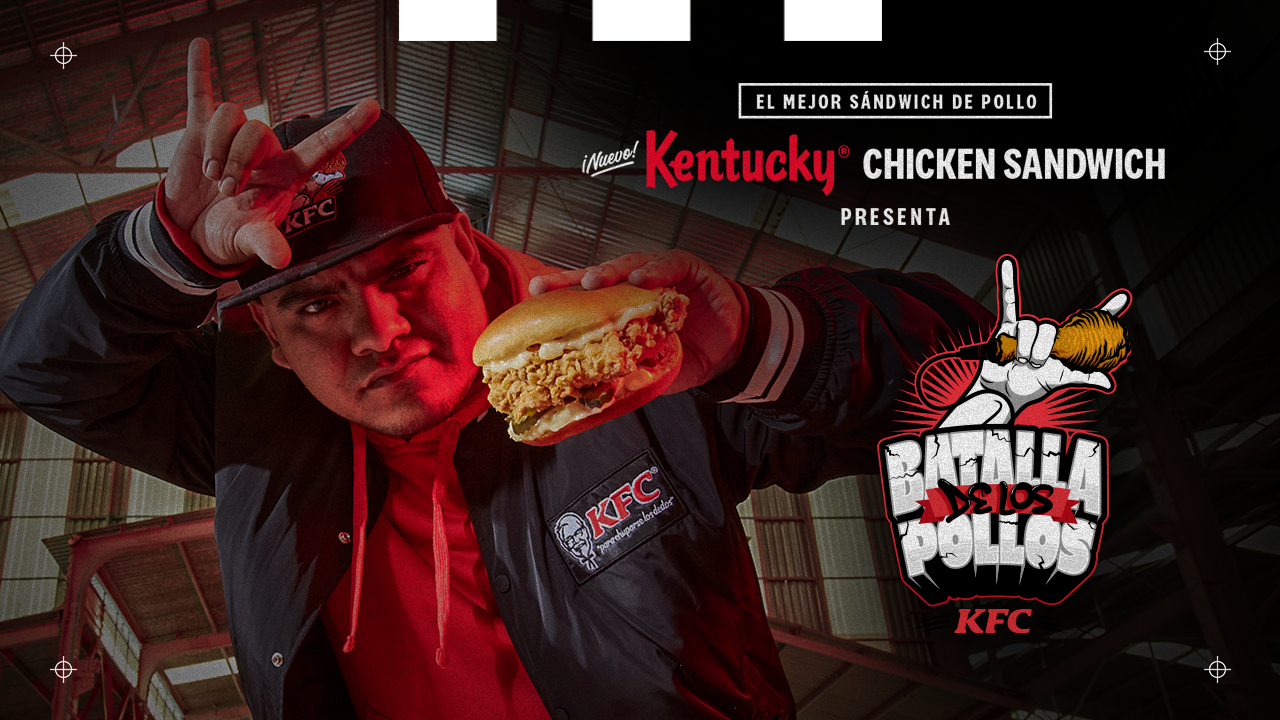
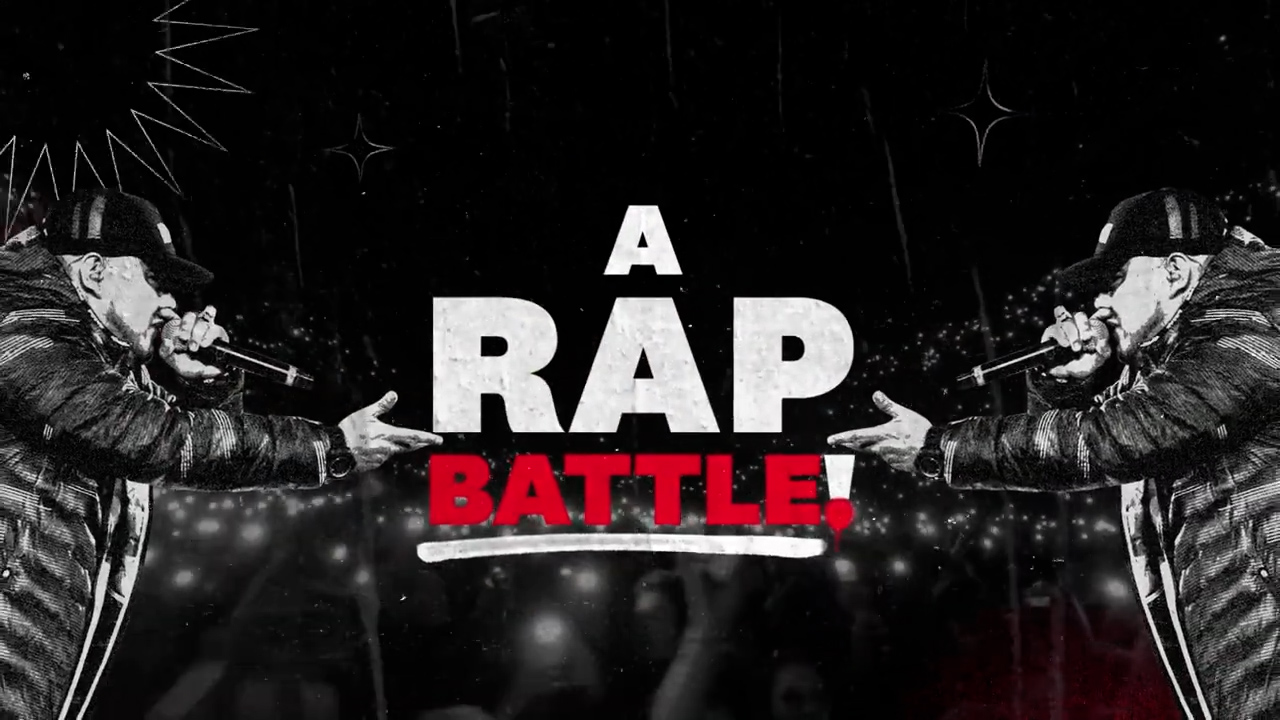
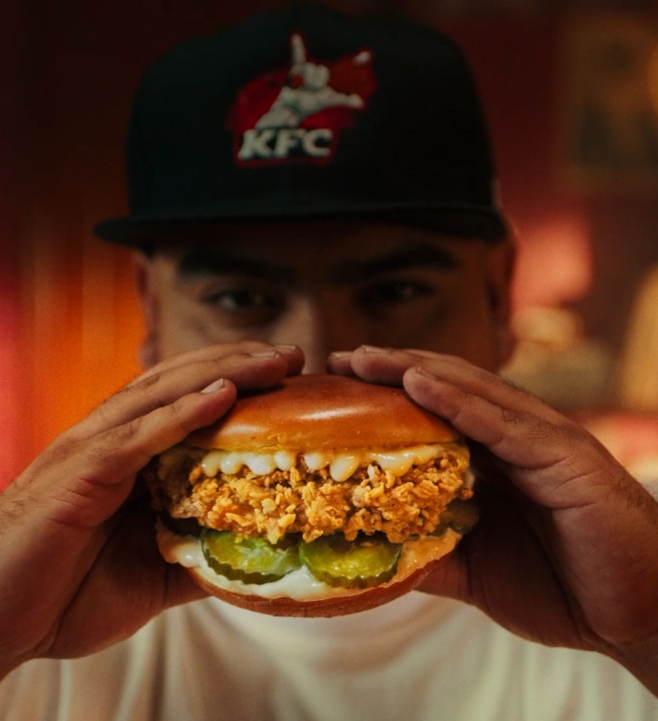
With a global presence spanning across the globe, KFC is primarily known for its signature fried chicken. In Mexico, the American brand has firmly established itself as a beloved fast-food chain, with its unique menu and the Colonel’s secret recipe serving as key elements of its brand identity. However, in 2022, the brand ought to introduce a brand-new product to the country: the Kentucky Chicken Sandwich. To generate curiosity, intrigue and conversation surrounding this new creation, we devised an impactful social-first campaign that taps into the power of freestyle rap battles, known as “rooster battles” in Spanish—a perfect match for a chicken-centric brand.
In partnership with
- KFC
This campaign aimed primarily to connect with our younger consumers, promoting the brand in an authentic and organic way while linking it to a winning product like the Kentucky Chicken Sandwich. We always accept the challenge to create actions that build cultural relevance for new generations.
Ernesto Hernandez
Marketing Manager at KFC Mexico
A three-time world champion amplifies a winning product.
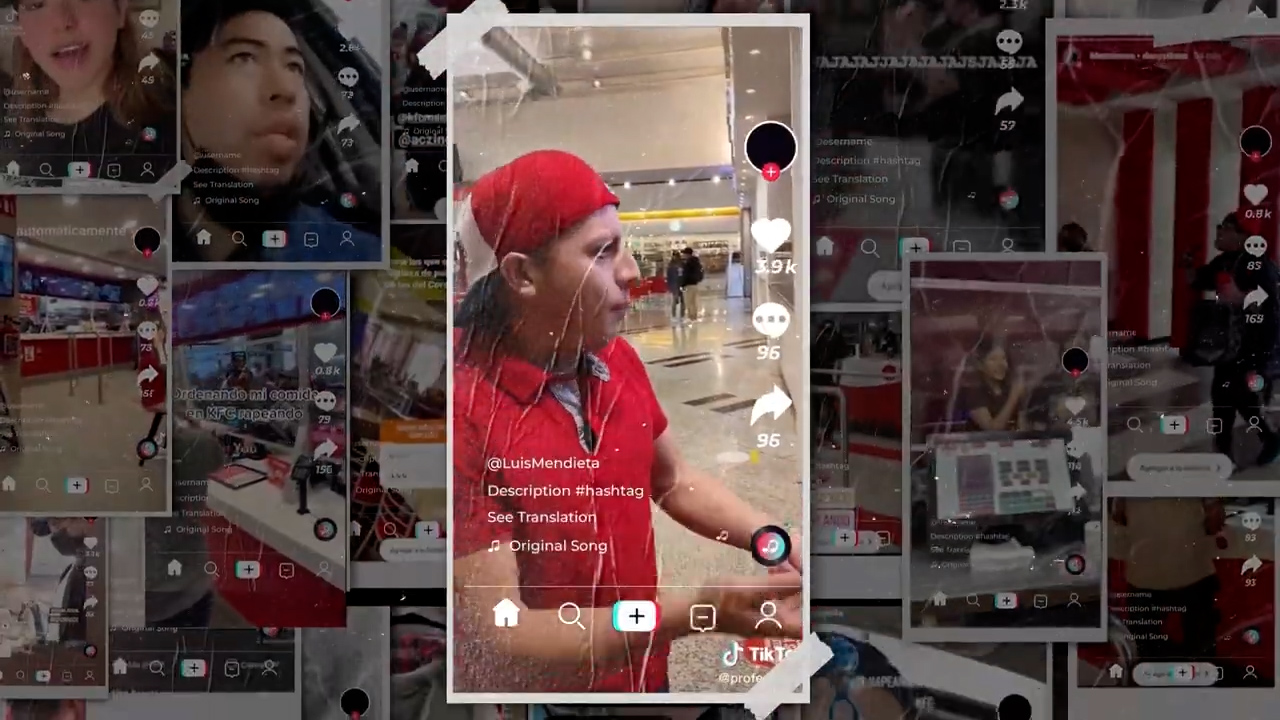
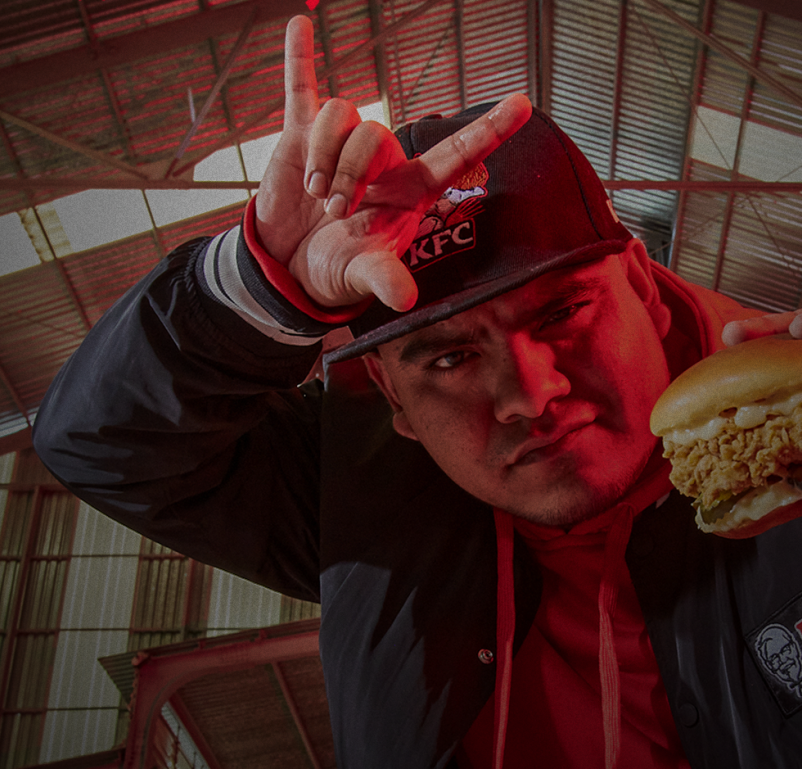
When it comes to driving interest from a specific audience and creating something meaningful for them, partnering with the experts adds an invaluable touch of authenticity. With this in mind, we joined forces with renowned Mexican rapper Aczino, who composed an original song about the Kentucky Chicken Sandwich. We then invited everyone to follow his steps with a simple challenge: craft your finest rhymes and receive a 30% discount. In no time, the initiative sparked a rap frenzy across restaurants, drive-throughs, and social media platforms—amassing over a hundred million views and turning KFC into a three-day trending topic.
Our Craft
A digital-first campaign with authenticity at its core.
Unlocking a freestyle frenzy through strategic content.
To amplify the campaign far and wide, our film experts produced a series of promotional music videos starring Aczino. We seamlessly incorporated the artist’s visual identity into the videos, blending it harmoniously with KFC’s signature color palette. This approach, combined with a powerful social strategy, proved to be the perfect recipe for viral success on TikTok. As fans were inspired to showcase their freestyle skills, professional rappers organically joined in, adding to the momentum. Brands across the world replicated the challenge, too, leveraging freestyle to promote cars, nails and even real estate—thus generating a snowball effect that made this KFC launch their most successful to date.
Results
-
106 million views on TikTok
-
Trending topic in Mexico during the first three days.
-
198k interactions.
-
38k comments.
-
1x El Ojo Award
-
1x Effies
-
4x Circulo Creativo Awards
Want to talk social? Get in touch.
Can’t get enough? Here is some related work for you!
How to Choose Media Channels to Drive the Best ROI
When planning a media campaign, it is important to choose a mix of channels that will provide the greatest return on investment (ROI). The more sales driven by each unit spent on a channel, the more successful that channel has been at driving ROI. Marketing mix modeling tells us that channels vary in their average ROI, with some media giving you more bang for your buck than others. Where TV used to be the media channel that was most likely to pay back a company’s investments, marketers now primarily turn to social media. According to HubSpot’s State of Inbound Marketing Trends Report 2022, Facebook is still the leading social media channel in terms of engagement—and thus a go-to platform for marketers.
It’s not only important to know which media channels perform best, but also why they do better than others. To help your marketing team figure out what works best for your brand, our media experts have outlined four main factors that help explain the ROI of a particular media channel.
Engagement. Due to the medium used, some channels are naturally more engaging than others. The more engaging an advert, the more memorable and more likely it is that consumers will react to it. Comparing TV adverts to print, the former makes use of visual and sound effects that allows for more engaging content, whereas the latter is more limited by its medium. When it comes to social media, popular platforms such as TikTok have shown the widespread impact of video content in any form. “From the addition of Reels into Facebook, to the rise of YouTube Shorts and TikTok overtaking Google as the most popular domain, the great shift to short-form video is in full swing,” according to HubSpot.
Targetability. This factor refers to how well marketers are able to reach their target audience using their selected channels. Online channels tend to have greater targetability than offline due to their ability to choose to show adverts to very specific demographics. Online channels also allow for retargeting customers who have already seen an advert from the same company, which is very useful when it comes to selling a large amount of items like flight tickets. Greater targetability boosts ROI because less spend is wasted on people who see the advert, but aren’t likely to purchase the advertised product. That said, the requirement of targetability depends on what a brand is selling, as some products appeal to broad demographics and thus do not necessitate targeted advertising.
Adstock. The adstock effect—which is also known as the ‘memory’ effect of media—differs between media channels. TV, for example, tends to have a higher adstock because the adverts are often more memorable compared to channels like online display, where the adverts are typically simpler, subtler and therefore less engaging.
Reach. Last but certainly not least, the number of views and impressions that an advert can generate depends on what media channel is used. By working with channels that have large and widespread audiences, you increase the chances that your advert reaches many people. Some channels are more limited and simply have less consumers using them, which can lead to diminishing returns because your ads keep reaching the same, smaller audience.
In all, these pillars help explain the differences in sales uplift per dollar spent when comparing the impact of your ads across different media channels. This knowledge is especially useful when it comes to making a decision about your brand’s optimal media channel mix. However, that said, it is important to note that a channel’s ROI shouldn’t be its only measure of success. Some channels serve a particular purpose such as driving brand awareness, and thus might still deserve a place in your brand’s optimal media mix, despite their potentially lower returns. In short, ROI isn’t the main metric that brands should be chasing—rather, from a business point-of-view, it’s best to consider this in maximizing net profit. Learn more about how we can help now.
How Financial Services Can Win Gen Z’s Trust
Keeping up with the language of Gen Z can be tough, but here’s a concept any financial services brand can understand: investing over the long term. Brands’ obsession with youth reflects an interest into their future potential as customers, with acquisition and long-term loyalty both being key to playing the long game. So, the principles of making real-life investments—start small, stay consistent and be committed—are key to building lasting ties with Gen Z. But brands won’t get anywhere without first laying a foundation of trust.
Understand the importance of trust.
Market volatility has been a withstanding theme that our entire generation is still learning to grapple with—a concern shared with Gen Z, who in the US identify “level of trust and security” as the top priority when choosing a financial service provider. And while 50-80% of smartphone-owning Gen Z in the US use mobile banking, their preference for mobile and digital service doesn’t mean they’re uninterested in traditional banks. In fact, traditional banks and payments remain more trusted and preferred for Gen Z.
Traditional banking and payment brands already have the trust of Gen Z, but that doesn’t mean there’s little to no work to be done for these brands—especially in light of the recent banking crisis in the US. As we progress through myriad uncertainties—stagflation, rounds of layoffs and more—even the most established names need to stay vigilant. Thankfully, Gen Z has clued us in to what’s important to them: namely the desire of personalization, speed and simplicity of engagement. Delivering on these needs boils down to the fundamental concept of building brand trust, of which social media can play a big part.
Focus on the content that matters most to your audience.
A generation brought up by the internet, more than half of Gen Z seek financial advice online through social media, with TikTok and Instagram having the greatest pull. Roughly two thirds of Gen Z cannot answer more than 50% of general financial literacy questions correctly, meaning content that focuses on areas of financial literacy (and shared through emerging formats) would best benefit Gen Z audiences.
This gives brands the opportunity to position themselves as a source of truth and thus, demonstrate their competence with the shared knowledge. And while the range of content on social media is big, it doesn’t hurt to start small. Simply start with the basics and continue to iterate from there.
Keep language consistent and coherent.
To succeed on social channels, brands need to establish strong social media principles, content focus and tone of voice. Without a social media strategy, they risk falling into the trap of focusing too much on tactical promotions. Here’s what not to share:
- Marketing speak that is difficult to understand (“Get up to 3.5% rebates”)
- Promotions with inaccessible fine print (“Limited redemption for the first 100 customers weekly for each outlet”)
- Rules that are confusing to understand (“Stand a chance to be eligible for up to 8% per annum interest if you qualify for more than three categories”)
Keeping things simple might be one of the most challenging tasks for brands in the financial services industry. But it’s incredibly fruitful: just look at how Gen Z have skewed towards “buy now, pay later” options over credit cards thanks to their simplicity.
Transparency is key to maintaining trust.
Investing in greater transparency on social media goes a long way toward building trust. In fact, 53% of consumers say a brand’s transparency on social media would prompt them to consider that brand for their next purchase, and 37% say they would purchase more from a company that is transparent on social media.
Moreover, social media’s predilection for connection makes it easier for brands to track sentiment and results from campaigns. Approaching content in a friendlier, youthful persona helps reflect Gen Z’s demand for more authentic content. Breaking down the “fourth wall” between brands and consumers requires decision makers to act with integrity and respect the standards of interaction on each channel.
Through each of the tactics above, we’ve explored key ways financial service brands can build trust with their audiences. From supporting consumers early on their journey to financial literacy, to focusing on simplicity and transparency, brands can build strong, trustworthy voices to connect with consumers.
How S4 Came Together to Own the Stage at Ad World 2021
This week at Ad World, our experts across S4Capital owned the virtual stage during its ‘21 edition. Combining their knowledge with hyper-focused speeches, actionable strategies and in-depth workshops, they showed up in the same way we approach our work as the marketing world converges: together. Here’s your cheat sheet in case you skipped class.
From the secret sauce behind the TikTok algorithm to new ways to foster diversity, equity and inclusion internally, this virtual conference left no subject out of the curriculum. Our marketers and leadership alike were there to shine a light on the most relevant aspects of a sustainable strategy, all through a common thread: the importance of truly knowing your consumers.
What Makes Audiences Tick on TikTok
Our very own Claudia Cameron, Head of Marketing and Insights at IMA, inaugurated Stage 1 on Monday for a 20-minute session on all things TikTok. She started with a very simple rule: don’t make ads, make TikToks. While many brands overanalyze and overproduce what they post, keeping it simple and focusing on storytelling is the real key to an entertainment experience that doesn’t feel forced.
Claudia Cameron, Head of Marketing and Insights at IMA, covered all things TikTok.
Moreover, your focus should not be on what a platform can give you. Instead, you may want to stop and consider what you can give its audience. “Keep low-key branding, look for native TikTok creators and maintain the collaborative environment,” she said. One way to do this? Join an existing challenge and sponsor influencer content to post on your brand account.
Although different brands go for different solutions, it’s important to have a long-term strategy and not just post once in a blue moon. Some additional tips include: make the first three seconds memorable, pick a trending sound and encourage users to leave comments. TikTok is a great environment for brands to experiment and build closer digital connections with consumers, as long as they are able to speak their language.
Mitigate Flaws in Your Attribution
Regardless of the platform you’re using, one thing is true for all: you have to follow the metrics. However, it’s important to remember that even though attribution models are useful, they are never completely accurate. That was the main concept of VP of Account Services Brittany Blanchard’s talk on Tuesday, titled “How to Break Your Reliance on ROAS for Paid Search Campaigns.”
Don’t overthink it. Use lots of metrics to tell your performance story and let common sense reign.
With more users making cross-device purchases, return on ad spend (ROAS) becomes a flawed representation of each channel’s real effectiveness. Basing your decisions on this metric alone can be misleading—and while advertisers may be scared to put leads at risk for testing, it’s a necessary step toward growth. “Don’t overthink it. Use lots of metrics to tell your performance story and let common sense reign,” says Blanchard.
Her in-depth talk unveiled the foundations for a better testing and experimentation approach to digital marketing, focusing on how to set up your paid search and social performance measurement in a foolproof way. “To answer the questions you may have, it’s important to run a test,” she explained. How? “Choose a control audience and a test audience. Agree to what you’re going to measure, how, and give it enough time.” That last point is the key: “Things don’t happen instantly. Consumers think before they buy.”
Marketers, the Modern-Age Investors
Even after all this measuring, cross-checking and strategic thinking, marketers are seldom thought of as investors. However, that’s exactly what they are. On his panel “An Economist Approach to Marketing That Drives Accelerated Long-Term Growth,” Decoded Advertising’s Head of Media Strategy, James Donner, talked about maximizing profit—and how the lack of investment discipline can create both massive risk and opportunity for brands.
“Advertisers and media buyers are less trained in economics, but they should be,” Donner explained. To truly maximize profit, marketers need to get rid of bad habits like short-term thinking, having a narrow view of return on investment (ROI) and relying on flawed data. These mistakes may lead them toward sales activations to boost ROI—and although these scale faster, so do they decay. Instead, focus on brand-building campaigns, which are the main drivers of growth.
James Donner, Head of Media Strategy at Decoded Advertising, brought an economist approach to marketing.
According to Donner, another tip is to track incrementality. “Measure brand’s impact on the bottom line over an extended period of time. Give it 12 or 14 months before drawing any conclusions.” And while you do so, make the most of your strategy by creating benchmarks for channels and audiences at various levels of spend over time.
A Recipe for Continued Growth
Although proper measurement takes time, the timeline for content creation has shortened. As S4Capital Executive Chairman Sir Martin Sorrell said during the conference, “In today’s world, activation and implementation became more important. You can’t spend three to six months producing a TVC when the market is moving at lightning speed.”
In his eye-opening session about the future of advertising, Sorrell broke down the pillars he stands by—faster, better, cheaper—and how the death of the cookie will enhance the power of first-party data. As a first step, brands should reclaim their data and build an ecosystem that can inform the development of content and its distribution through digital media. This includes adapting the content to different needs, regions and languages. To do so, regional structures are no longer necessary. As Sorrell puts it: “In a digital world, we can centralize the production hub and create, produce and distribute digital content in all different regions. Our BMW Mini win from last year is a good example of that.”
In his eye-opening session, S4Capital Executive Chairman Sir Martin Sorrell shined a light on the future of advertising.
As the world evolves and moves beyond the pandemic, efficiency will continue to be key. “Digital is where growth was, is and will be,” Sorrell noted. “By 2024, 70% of the market is going to be digital, which is why we are digital first in our constitution.” Circling back to the S4’s foundational pillars, he explained how agility and a better understanding of the ecosystem protect the value of the delivered products.
It all boils down to one concept: to get consistent growth, you have to understand consumers. However, it’s important for marketers to know that there’s no single source of truth to get there. Every attribution model will kill your strategy if it’s the only thing you follow—but by analyzing multiple data points to see what your audience is engaging with and through a more efficient, adaptive production process, you can better apply learnings to deliver effective content at record speed.
Ad world TikTok branding attribution ROAS performance growth