Choose your language

Choose your language

The website has been translated to English with the help of Humans and AI

Dismiss

The Key Ingredients for Viral Campaigns

The Key Ingredients for Viral Campaigns

Brand Brand, Go-To-Market Strategy, Omni-channel Marketing 5 min read
Profile picture for user Eduardo Cabrer

Written by
Eduardo Cabrer
Sr. Brand Strategist

hero image depicting different emotions

Art by Christopher Guzmán

They say there's no formula for creating advertising that transcends and goes viral, but I must admit that I don't fully agree. In fact, I would dare to contradict that idea and state that there is indeed a "how to" for designing advertising pieces worthy of being remembered and shared multiple times. The key is not only to aim to impress with sales metrics or vanity, but to achieve what we call human performance: ideas that truly move people.

Let’s start from the beginning. Imagine you receive a new brief from your client. This brief calls for something (1) emotional, (2) disruptive and (3) viral. You might wonder, who wouldn’t want that? At every stage of advertising production, regardless of the client, industry, or budget, the ultimate goal is to create something memorable, something that people want to share. At the same time, we face an increasingly skeptical audience and a more competitive ecosystem. So, what can we do to meet that brief?

In this article, I’ll explore some elements and how to combine them to attempt to achieve just that.

The campaign should be emotional, but which emotions should we prioritize?

In his book "Contagious," Jonah Berger explores the psychology behind content that is shared massively. He argues that intense emotions such as fear, awe, joy, and anger are essential for capturing the audience’s attention and motivating the spread of content.

Fear, for example, triggers deeply instinctive reactions, tapping into the need for protection and action. Obviously, in our line of work, it’s not advisable to scare anyone, but understanding how this works is important. Examples of how fear is exploited to foster widespread sharing can be observed in political marketing, where propaganda and ideological discrepancies are frequently employed to maintain our vigilance.

On the other hand, awe is highly powerful. Feats and displays of mastery always capture people’s attention, eliciting surprise and the desire to share that sensation with others. This explains why we share certain campaigns, consume certain art, or admire certain types of creativity.

Monk Thoughts Content that is unexpected or challenges expectations often generates an intense response and, therefore, is more likely to be disseminated. In advertising, this translates to thinking about that surprising twist that redefines what we are seeing.
Eduardo's headshot

Joy is related to anything that brings a smile to our faces, evokes tenderness, or makes us feel warm; all of this is easily shared, as we want our circle to experience it. Think about how contagious a joke or a meme can be in this sense.

Finally, strong emotions like anger, irritation, or discomfort often drive us to act. Content with this type of emotional charge can mobilize millions around the world and even inspire organized social movements. However, similar to fear, we need to use these emotions responsibly. Our goal should always be to foster positive social engagement rather than exacerbate negativity. When considering this approach, it is essential to carefully weigh the potential impacts, ensuring that it aligns with ethical marketing practices and contributes constructively to societal conversations. This delicate balance of emotion can be pivotal when crafting compelling messages but must be handled with sensitivity and foresight.

Disruption (but without annoying anyone, please).

Although I would personally like this word to be used less loosely, it is crucial to understand the key principles behind disruption: familiarity and surprise. For disruption to be innovative and appealing, it must combine a degree of familiarity that avoids alienating the audience and facilitates its adoption, along with a surprising element that makes it feel unique and outstanding. Let's take the example of Uber at the beginning: the platform was different enough from existing transportation options, but at the same time, it maintained similarities with already-known services. It’s easier said than done, but understanding these principles can speed up some steps. 

For example, in the work we did for BMW alongside Lil Miquela, we combined the fascinating aspects of the digital world with real elements to launch the new iX2 model. On one hand, the familiar was represented by the brand itself and the traditional methods of commercial communication in the industry. However, the innovation shone through the blending of the digital and physical worlds, putting Lil Miquela not only behind the wheel of the car but also at the forefront of the campaign. This strategy allowed us to connect with 8.2 million people, creating a disruptive model that linked BMW with a new audience in a unique space, without losing sight of its legacy and cultural background.

The virality formula: reach, memorability and mentions.

Emotional and disruptive values are essential to connect with the audience and draw attention to our work. It's difficult to go viral without them, but we must also consider other factors, such as reach, memorability, and the number of mentions.

Reach refers to the ability to use all the touchpoints surrounding the brand to reach all audiences engaging with the category. This involves presence on digital platforms, participation in relevant events, and creation of strategic partnerships to maximize our presence and connection with potential consumers. Memorability relates to the connections we create in the mind around our brand, everything that helps us be remembered: phrases, mascots, assets, and advertising styles. For example, what brands come to mind when you think of polar bears, gorillas, or finger-licking?

Moreover, the number of mentions is essential for successful virality. Just as a scientist knows their work is successful based on how often it's cited, we can recognize a good campaign, idea or piece when it's frequently mentioned. Think of your favorite piece and ask yourself: could you explain the idea? If the answer is yes, you're already halfway there, as pieces that are easier to talk about are more digestible and contagious.

The art and science of connecting with your audience.

In the words of Dave Trott, a campaign worthy of being shared, told, and going viral must have three components, in this order of importance:

  • Impact
  • Communication
  • Persuasion

Without impact, attention won’t be captured; without communication, the message won’t be understood. Therefore, emotions are needed to make an impact, disruption to grab attention, and repetition to effect change; in a word, persuade.

In summary, viral content is a combination of artistic ability (yours) and science (the steps presented). By understanding and applying these emotions, integrating disruptive elements, and ensuring that the idea is easy to convey, brands can create content that captures the audience's attention and resonates deeply. Stop worrying about going viral and focus on connecting with your audience. 

Take as an example what we did for Ray-Ban. The campaign strived for impact by featuring stunning hero content across multiple platforms—including social media, 3D visuals, outdoor advertising, TikTok challenges, and video games—which caught the eye and held attention across a diverse range of consumer touchpoints. Additionally, our collaboration with 11 popular Italian TikTok influencers to launch an elevator dance challenge showcases effective communication, turning a simple call to action into an engaging, participative experience that resonated well with audiences. This not only persuaded participants to join in but also helped the challenge go viral, achieving 12 billion views worldwide and inspiring over 3.2 million user-generated videos.

So, in your next brainstorming session, ask yourself:

  • What emotion do I want to tap into?
  • Does it have the right mix of familiarity and surprise?
  • Is it easy to tell? To remember?

Remember that creative work is an experiment, and these are just some steps that can help you in your next projects. If you have doubts, comments, or are interested in learning more, remember that the Brand Planning team at Media.Monks is here to help you, challenge you, and collaborate on implementing ideas based on these principles, whether you are a client, collaborator, or just want to put to the test what has been presented here.

Learn the strategic elements for creating viral campaigns with insights from real-world examples by our Sr. Brand Strategist. brand creative brand strategy Brand Go-To-Market Strategy Omni-channel Marketing

Looking Forward to Dubai Lynx 2024: What Makes the MENA Region a Goldmine for Creative Opportunities

Looking Forward to Dubai Lynx 2024: What Makes the MENA Region a Goldmine for Creative Opportunities

Industry events Industry events 6 min read
Profile picture for user Pierre Nelwan

Written by
Pierre Nelwan
Managing Director, Hilversum

Collage of headshots featuring Gavin Stradi, Hoda El Nazer, Nada Nassar, Tomas Almuna and Pierre Nelwan.

In just a few days, I’m taking off to Dubai for the Middle East and North Africa (MENA) region’s premier Festival of Creativity: Dubai Lynx 2024. For the past several months, I’ve been getting more and more hyped about this work trip—not least because it’s the first time that I’ll be carrying the Jury President torch for the Film Craft category, but also because I finally get to meet some of the incredible minds behind the creative heat that’s been coming from this region.

As the Managing Director of one of our offices in the Netherlands, I’m officially an outsider who’s looking in. What I see is a region with a rich and diverse cultural heritage, which usually provides a deep well of inspiration for creative expression. As someone with a multicultural background (and an extensive career in this creative industry), I know that this cultural richness often translates into unique storytelling, vibrant visuals, and a fusion of traditional and contemporary elements.

At the same time, I see a region that—like most others—has a complex social and political landscape, marked by historical events and ongoing challenges. Such a context can serve as a source of inspiration as well as motivation for creative professionals to address pressing societal issues and challenge norms, so I’m curious to see which brands dare to spark complex, impactful conversations through their work.

Lastly, I’ve been amazed by how talent across this region has embraced technology and digital platforms in the most innovative ways. From interactive installations to virtual reality experiences to AI-powered integrated campaigns, creatives in MENA have been at the forefront of utilizing technology to deliver immersive and engaging content that truly captivates audiences.

Moving beyond what meets the eye, I want to understand what matters in the MENA region, what makes both brands and audiences tick, and what opportunities exist for international companies looking to set up shop here? What’s top of mind, trending and creatively outstanding? So, in the lead-up to Dubai Lynx 2024, I decided to sit down with a few fellow Monks who are also joining the big event. Scroll down and get the full scoop from Hoda El Nazer, Gavin Stradi, Nada Nassar and Tomas Almuna.

Quote from Nada Nassar: "Digital marketing in the MENA region is on the cusp of a revolution, spearheaded by AI. We're looking at a future where personalized marketing becomes not just an option, but a necessity.

Nada Nassar, Associate Creative Director

How does creativity in the MENA region stand out in the global landscape?

What sets us apart is our unique ability to merge traditional storytelling with modern mediums, creating a rich, distinctive voice in the global arena. Our creative landscape is diverse, encompassing everything from cutting-edge tech in Dubai to groundbreaking films in Egypt. We’re not afraid to push boundaries or challenge norms, often infusing our work with social and political commentary that resonates globally.

How do you see the role of digital marketing evolving in the MENA region over the next year, especially with the use of AI?

Digital marketing in the MENA region is on the cusp of a revolution, spearheaded by AI. We're looking at a future where personalized marketing becomes not just an option, but a necessity. AI will enable brands to understand and predict consumer behavior with unprecedented accuracy, tailoring content, recommendations, and interactions to the individual level. Chatbots, voice search, and AI-driven content creation will become more sophisticated, providing consumers with instant, relevant, and interactive brand experiences. Moreover, AI’s role in analyzing big data will allow for more strategic decision-making based on consumer trends and preferences. The key will be to use AI to enhance human creativity, not replace it, making marketing campaigns more effective and emotionally resonant than ever before.

What do you think matters most to audiences in the MENA region right now?

In the MENA region, authenticity and digital engagement are king. Audiences here crave content and products that resonate with their cultural and personal identities, all while seeking seamless, technology-driven experiences. Brands should prioritize storytelling that is deeply rooted in local culture yet has a universal appeal. This year, focus on leveraging cutting-edge technologies like AR and VR to create immersive experiences. Sustainability is also a hot topic; consumers are increasingly drawn to brands that demonstrate genuine commitment to environmental and social responsibility. In essence, blend tradition with innovation—and always keep it real.

What opportunities exist for international companies looking to tap into the MENA region?

The MENA region is a goldmine of opportunities for international companies, offering a young, tech-savvy population, a growing economy, and an appetite for innovation. To succeed here, companies must navigate the landscape with cultural sensitivity and a genuine desire for partnership. The key is localization—understanding that each market within the region has its own preferences and nuances. Collaborating with local talent, respecting cultural values, and contributing to the community will help build lasting relationships. Additionally, the region’s strategic location as a bridge between East and West offers unparalleled access to diverse markets. In short, come with respect, bring your A-game in innovation, and be prepared to embrace the vibrant complexity of the MENA region.

Quote from Gavin Stradi: The MENA region is a hub of creativity, showcasing an interesting blend of modern innovation and heritage and tradition. This fusion positions the region not only on the global stage, but as a true global peioneer across multiple industries.

Gavin Stradi, Creative Director

How does creativity in the MENA region stand out in the global landscape?

The MENA region is a hub of creativity, showcasing an interesting blend of tradition and modern innovation. It maintains local authenticity, yet has a universal appeal. As MENA creatives embrace digital and AI tools, they're not just pushing boundaries—they're redefining them, propelling the region into the limelight with innovative, forward-thinking ideas. This fusion of heritage and innovation positions the MENA region not just on the global stage, but as a global pioneer across multiple industries.

What do you think matters most to audiences in the MENA region right now?

As we navigate the ever-growing digital landscape of MENA, it's clear that the pulse of the market is defined by authentic connections and personalized interactions. Today's consumers are active participants seeking brands that they can connect with. It’s up to brands to not only listen, but also engage in a dialogue that is personal and genuine. The most successful brands will be those that harness the power of AI to peel back layers of data, revealing consumer preferences and behaviors. These insights will be the cornerstone of marketing strategies, crafting experiences that reflect the nuanced cultural diversity intrinsic to the MENA region.

How do you see the role of digital marketing evolving in the MENA region over the next year, especially with the use of AI?

The digital marketing domain within the MENA region is on the brink of an AI revolution. In the coming year, we'll witness an evolution towards hyper-targeted messaging that speaks to the individual, all thanks to the alchemy of AI. Programmatic advertising will refine its aim, ensuring that every bit of the budget is an investment in engaging the right audience at the opportune moment. As the omnichannel experience becomes the norm, AI will help form a cohesive narrative, transforming the marketing ecosystem into a mix of synchronized interactions.

Quote from Hoda El Nazer: "Brands have to deliver content that meets the audience's needs and interests, is relatable to the local culture, and relies on storytelling to establish an emotional connection with the audience."

Hoda El Nazer, Managing Director Cairo - Head of Film & Content, MEA

What do you think matters most to audiences in the MENA region right now?

In this current fast-paced, technology-driven world, it's very common for brands to lose track of their message. You have to deliver content that meets the audience’s needs and interests, is relatable to the local culture, and relies on storytelling to establish an emotional connection with the audience. Brands that prioritizes care in their communication strategy will be the ones that stand out. Moreover, audiences in this region are craving the need to make a difference, so a clear call to action should be a priority.

What opportunities exist for international companies looking to tap into the MENA region?

There are ample opportunities for international companies looking to expand their business. From renewable energy to technology and innovation, countries across the region are actively investing in various sectors to diversify their economies and foster sustainable growth. In addition, several cities in the MENA region are aspiring to become smart cities, integrating technology for improved efficiency and sustainability. The region has also seen a significant rise in e-commerce and digital services, especially considering the convenience factor and the amount of time younger generations spend online.

Quote from Tomas Almuna: "I believe that the creativity of the region has become a global benchmark because it is honest with its roots, possesses its own identity, and doesn't try to be something that it's not."

Tomas Almuna, Head of Creative and Judge in the Entertainment Category at Dubai Lynx 2024

How does creativity in the MENA region stand out in the global landscape?

In recent years, the MENA region has become a hugely important player in the world of creativity and business. Personally, I believe that the creativity in this region has become a global benchmark because it is honest with its roots, possesses its own identity, and doesn't try to be something it's not. It has a highly identifiable style that is typically deeply rooted in its cultural foundations, which, in my opinion, is the best way to build ideas that leave a lasting impact and evoke envy on a global scale.

What will you focus on in selecting the cream of the crop in your category?

Entertainment, the category I'll be judging this year, is one of my favorite categories. I believe that one of the fundamental pillars of our work is to entertain and not bore. When it comes to judging, that’s the baseline for me. Then, of course, the idea is—and always will be—the life of the party. As judges, we will put a lot of focus on rewarding those ideas that embody the foundations of the category, offer a fresh and unique approach, and have made an impact with their audiences and in the business. But primarily, I will look for ideas that have this “wow” factor that we all love to see.

What do you look forward to most at Dubai Lynx?

Dubai Lynx is a festival that I know very closely. Some years ago, I was fortunate enough to work in the MENA market and participate in the festival, so I have a vast understanding of the talent that exists and the quality of the work—and that’s really what excites me the most. To be surprised again with culturally powerful ideas and insights that are capable of shaping and challenging the future of the region. Well, and clearly also to see old friends again.

As we prepare for Dubai Lynx, the premier creative festival in MENA, we check in creative experts to learn what makes the region so unique. creative content brand creative Industry events
.
.
.

NBA Pixel Arena • The World’s First Customizable Metaverse World for NBA Fans.

  • Client

    Google & NBA

  • Solutions

    ExperienceWebsites & Platforms

00:00

00:00

00:00

Case Study

0:00

Delivering the future of sports entertainment.

Google and the NBA partnered with Monks to design the future of sports entertainment: an immersive, multiplayer 3D world inside the NBA app. Inside this personalized metaverse world, fans could customize their avatar in futuristic street-style, recreate the legendary dunks of their favorite players and play battle royale minigames against other fans to unlock new, exclusive merch.

.
.

Creating a truly immersive experience for today’s fan.

The NBA has one of the most passionate followings of any league. How do you create an experience that revolutionizes the way they enjoy games? Alongside the NBA and Google, we set out to redefine the fandom experience through an iconic interactive world. We knew the experience had to reward fans with exclusive opportunities, foster community and connections, allow users to express themselves, and go deeper into the game they love.


A sprawling WebGL world.

The arena is a sprawling WebGL complex and metaverse world that fans can explore together. Generate a lifelike avatar of yourself in the locker room, then head to the highlight remixer to recreate iconic shots from the biggest players in the NBA. Head over to the skill zone to participate in multiplayer games with other fans and rise to the top of the leaderboard. Inside the arena you can purchase new items at the shops, join a game with other fans, and create a custom highlight reel. Ultimately, NBA Pixel Arena sets a new standard for fan-fueled experiences.


Want to talk experience? Get in touch.

Hey 👋

Please fill out the following quick questions so our team can get in touch with you.

Can’t get enough? Here is some related work for you!

eBay Brand Portal • How eBay Made Brand Training Worth Caring About

  • Client

    eBay

  • Solutions

    ExperiencePlatformBrandImpactful Brand ActivationsProduct & Service Design

00:00

00:00

00:00

Case Study

0:00

This is how you brand.

eBay approached us to help tell their brand story to their entire global team through a comprehensive training platform. An internal tool like this is a massive undertaking, and when done properly, has the power to unite an entire company—from the sales division to product development—around a central mission. We set out to create an innovative internal tool that would inform, surprise and entertain everyone across the eBay team.

Designing information

In order to tell this brand story, we developed the “map,” a visual language that complemented eBay’s mosaic style guide. We mapped out every beat of the experience, working closely with the strategy team to define every chapter, source every image, write every article, and design the interactive elements, including quizzes, graphs and videos.

Our Craft

A fully-customized brand management tool and training platform for eBay that's practical, impeccably organized, and beautiful.

Learning the ins and outs of the brand.

To convey the look, the history, and the pillars of the eBay brand, we became exceedingly well-versed in their ecosystem. This meant working very closely with our partners, ensuring every aspect of the training was authentic to the company. We also had to ensure it would be comprehensive enough for every member of their organization. Our primary challenge was creating an experience that would provide a clear vision of the company to every person working there.


.

Keeping a global team in the know.

The brand training comes in 30 and 60-minute versions and is mandatory for all employees and third-party vendors. The training also features an introductory video, made entirely in-house, that shows the importance and effectiveness of a cohesive brand. The key takeaway is that strong brands are made through the cooperation of every team member—and with its new internal tool, eBay’s brand culture is now stronger than ever.

Want to talk experience? Get in touch.

Hey 👋

Please fill out the following quick questions so our team can get in touch with you.

Can’t get enough? Here is some related work for you!

From AI Transformation to Purpose, These Are the Top Insights We’re Taking From Cannes

From AI Transformation to Purpose, These Are the Top Insights We’re Taking From Cannes

AI AI, AI & Emerging Technology Consulting, AI Consulting, Community Management, Culture, Digital transformation, Original Content, Sustainability 8 min read
Profile picture for user Kate Richling

Written by
Kate Richling
CMO

collage of photos of people on stage at Cannes Lions 2023

It’s come and gone again: the Cannes Festival of Creativity, one of the most prestigious and influential events in the advertising and creative industries. From networking over glass after glass of rosé to toasting the year’s most award-winning work, people from around the world came together at the festival, now in its 70th year, which serves as a barometer for what’s on marketers’ minds.

If you missed it (or could use a refresher), no worries—we’ve collected insights from across the week that set the agenda for what brands and their partners are focusing now and into the next year. Want to see the key themes at a glance? Find our deck at the bottom of the page.

Surprise: everyone was talking about AI.

It’s no surprise that among all the themes covered at Cannes this year, generative AI was the toast of the town. Our programming at Les.Monks Café centered on how marketers are using the tech now—or how they can lay the foundation for the revolutionary effects of AI in the very near future. “AI: Powering Transformative Customer Experiences” was one panel touching on these topics.

Panelists from Media.Monks talk on AI at Cannes
Les Monks Cafe with attendees listening to a panel talk

At the top of the conversation, Jay Pattisall, VP & Principal Analyst at Forrester, shared insights from his recent forecast report co-authored by Michael O’Grady. “In Q1, 19% of marketers in the US have used generative AI in their marketing execution. By Q2, that grew to 56%. There’s a really substantial growth,” he said, noting that early use cases include content development as well as media strategy and buying.

But what does this look like? Carlos Ricardo, Sr. VP Marketing Services & Creative Production at HP, laid out the brand’s strategic balance in identifying opportunities now versus building toward future goals. “We established what would be the potential business impact in terms of prioritization,” he said. “So, we determined 14 different work streams that we are currently working on which we call ‘Day Zero’—experiments that have already started.” In addition, the team has mapped out plans for 30, 60 and 90 days into the future to keep its AI transformation on-track.

Solange Bernard, Sr. Director/Head of Marketing Communications at Tim Hortons, also offered a peek behind the counter at how they’re using AI: “The way we’ve been approaching it is twofold. One, you see it as an opportunity to be more efficient. And then there’s also creative content development—there’s a lot of excitement in what we could be doing.” Bernard noted AI tools have enabled the team to take their first steps into virtual production to scale up creative.

AI plays a key role as an integrator that unlocks growth for brands.

As Pattisall shared, AI is more than unlocking creative content at scale—there’s also great potential in media. Later in the panel, Media.Monks Co-Founder Wesley ter Haar explained that when you bring both disciplines together through dynamic creative optimization, you truly unlock AI’s revolutionary impact. “For me, it brings to the front the original intent and promise of digital advertising: this idea that we can be real-time responsive, have highly personalized goals, and highly targeted feedback loops.”

This sentiment was echoed at our “TuesdAI Breakfast Session” with our EMEA CEO Victor Knaap and EMEA Chief Growth Officer Maria Nordstrom. With the discussion focused primarily on the basics of generative AI, Knaap explained the importance of integration across the business to “make an enterprise-ready pipeline where we can go all the way from insights to the assets that run on media,” and that he expects to see brands implement structural changes from the top down to accommodate.

Media.Monks presenting on AI at Les Monks cafe in Paris

One example: the work we’ve done with BMW and Mini, in which “atomic assets”—bits and pieces of creative, like the car model or environment featured—come together based on user profiles and data. “So, you get an infinite amount of assets that can be served into media,” says Knaap, noting that this infinitude can even resonate with audiences you haven’t formally targeted—leading to newer insights along the way.

The secret to cultural relevance? Leaning into communities that align.

AI wasn’t the only topic for discussion at Cannes this year. There was also a lot of talk on building cultural relevance and authenticity, especially when it comes to serving a movement or community. This is already top of mind for many brands during Pride Month—but the 50th anniversary of hip-hop during August this year offers a case study of this concept in real time as brands lean into the culture.

This was a key topic in our panel “Hip Hop 50. Then. Now. Forever,” hosted in collaboration with Billboard, ADCOLOR and Sony Music Group. “Any time a brand wants to utilize or activate a culture, it’s got to be really thoughtful, and it’s got to have intention,” said Eric Johnson, Executive Creative Director, North America at MassiveMusic. “It’s really important for brands to honor the culture and understand the culture.”

Hip Hop 50th Anniversary panel with Media.Monks and Billboard

With the group diving into legendary brand collaborations in the early days of hip-hop—like Run DMC’s historic signing with Adidas in the 80s after endorsing the shoes in their songs—Cashmere President and Chief Creative Officer Ryan Ford expressed the importance of seeking these natural alignments. “We’re trying to help brands understand where the authentic alignment is already. It’s not just about slapping a ‘Hip-Hop 50th Anniversary’ logo on your product, right?” Instead, he says, you need to think hard about how to show up for the cultural moment.

Mike Van, President at Billboard, offered one approach. “[Hip-hop culture] is inherently entrepreneurial, it’s bootstrap culture all the way. It’s all about financial independence and empowerment, and you have a whole generation now of consumers and fans of hip-hop who are thirsting for that kind of content.” The opportunity: brands can become arbiters to build knowledge within the culture.

Real purposeful marketing focuses on real solutions. 

One area where cultural relevance is key is purpose-driven marketing, which shows no sign of slowing down on the award circuit. That said, the nature of what passes for truly transformative, purposeful work has evolved from previous years. “We’ve moved beyond just raising awareness for good causes. We need tangible solutions,” Sara Cosgrove, our Global Director of Awards & Creativity, on our “Women Connect” panel.

The Women Connect panelists at Cannes

Cosgrove was joined by Jo Wallace, Global Executive Creative Director, and Ashley Knight, Strategy Director, in the panel, which was moderated by Luciana Haguiara, Executive Creative Director, Latam. With Wallace and Knight having served on juries this year, the group pushed back against work that tacks on a cause. “It has to have absolute relevance,” Wallace said. “We’re noticing a real disparity between brands that have a genuine purpose and a reason to function in that space and to bring good, and brands where there’s some laziness—you’re trying to bolt on this purpose and it shows.”

A favorite piece of work among the team is our Havaianas Pride Research project, where we teamed up with Havaianas, Datafolja and All Out to create Brazil’s biggest LGBTQ+ survey. Questions related to community had been excluded from Brazil’s official census, so the survey was designed to make the community and its needs more visible. Its findings were released on a beautifully designed web platform developed by the Media.Monks team. 

There’s no single definition of “good” creative.

Speaking of impactful work, the leadup to Cannes this year didn’t have the single frontrunner that was expected to sweep all the awards—but that’s not a bad thing, because it’s indicative of more diversification of what “good” creative is. An increasingly diverse talent base, plus more diverse and representative juries at the festival, will continue to affect what work is awarded and further challenge industry norms and expectations.

“It all comes down to empathy. There’s never been as many diverse crises we’ve been facing as a group of people, as an industry, and I think the expectation is creativity needs to do more to create empathy among these groups,” Knight shared. “Having more diverse perspectives that can speak to other people’s circumstances and needs can only be a good thing and that’s where I see a lot of change in the work this year.”

So, what makes outstanding work? The Women Connect panel made a rubric: have a clever insight that links to the brand, don’t overcomplicate things, play to emotion, and give newcomers the chance to challenge their more established peers. This helps bring new perspectives to the fore that can uniquely relate to audiences.

Supporting green talent is the idea behind our NextUp.Monks competition, in collaboration with Cannes Lions, which aims to elevate up-and-coming creative talent. This year, teams competed by answering a creative brief from Meta, "VR for Good," which challenged participants to transform how Gen Z thinks about VR and show how a headset can change minds and transform lives. We finished the week with a toast to the six competition winners—Vasyl Ilba, Mykyta Zolotoverkhyi, Ashwin Paul, Jorene Chew, Anna Zhang and Yazad Dastur, Jr.—who touched on their processes and experiences bringing the brief to reality.

Our NextUp.Monks chatting about the Cannes Festival of Creativity

One interesting tidbit came from Dastur, on zeroing in on an idea that has an impact. “While we wanted to do something different, we didn’t want to do something big. We aligned really quickly that we wanted to focus on a very small problem that would be able to help everyday life.”

Looking ahead, brands are planning their transformation strategies.

Throughout Cannes, we got a glimpse into what brands are thinking about right now. But what should they be doing now to prepare for next year—and beyond? S4 Capital Executive Chairman sat down with Salesforce President Sarah Franklin and Diageo Chief Digital Officer Susan Jones to speak on “Gathering the Transformation Trio” and aligning C-suite leadership across agency, technology and brand for continued success.

Franklin kicked things off by touching on the evolving role of the CMO. “You’re seeing more CMOs as more strategic in the business, the pathway to these more strategic roles, even the pathway to the CEO which, I think, speaks volumes for how much is on the shoulders of the marketeers and how strategic they are,” she said. Sir Martin Sorrell’s advice to building more strategic brands: be agile, take back control, and invest in first-party data.

On agility, Jones spoke on the need of continually evaluating and re-evaluating your activities. “Test new things as they come long to understand how they work, and then take a step back and go, ‘Is this sustainable? What’s a better way?’” This agility helps empower teams to reorganize around changed or emerging needs.

Sir Martin Sorrell at Cannes during a panel held at Les Monks cafe

When it comes to in-housing, Sorrell notes that the important thing is bringing teams together to work far more efficiently—something that AI can help unlock. “Being able to disseminate knowledge across the organization on the assumption that you’ve ingested the right data, and that you’ve opened it for access to all, is the really powerful thing—and it means you’re going to become a much more singular force for agencies to deal with,” by breaking down the silos and politics that typically slow things down.

Finally, “You have to have a strong foundation of your data. Your data has to be in order,” particularly when it comes to setting up artificial intelligence. But as the lifeblood of your brand, a solid data foundation can accomplish even more. Franklin mentioned Formula One, whose “Drive to Survive” Netflix series brought in a new fanbase, many of whom are women. “So you see how something which is very orthogonal to their actual business, which is a TV series, created this whole new community of fans for them. And what they’ve done from the data side to be able to really drive that personalization has been really impressive.”

The festival captured an industry at a pivotal moment.

While AI dominated the conversation at Cannes this week, it’s important to consider some of the pre-requisites touched on elsewhere throughout the festival: getting your data in order, integrating the business to achieve new outcomes and ensuring you lead with authenticity with everything you do. The beautiful part? Once you’ve made a solid foundation on each of these, you’ll be prepared to fully unlock the potential of technologies like generative AI. 

That’s it for Cannes this year—and we can’t wait to see how AI, more intentional creative and greater diversity on teams will continue to influence creativity next year.

We’ve collected insights from the Cannes Festival of Creativity that set the agenda for what brands and their partners are focusing now and into the next year. Cannes Festival of Creativity brand creative AI advertising and culture Digital transformation data and analytics AI & Emerging Technology Consulting AI Consulting Community Management Original Content AI Digital transformation Culture Sustainability

Brand

Go beyond creative limits to unlock enhanced storytelling opportunities.

  • Number of Projects

    75+

  • Number of Monks

    300+

A phone showing a instagram reel
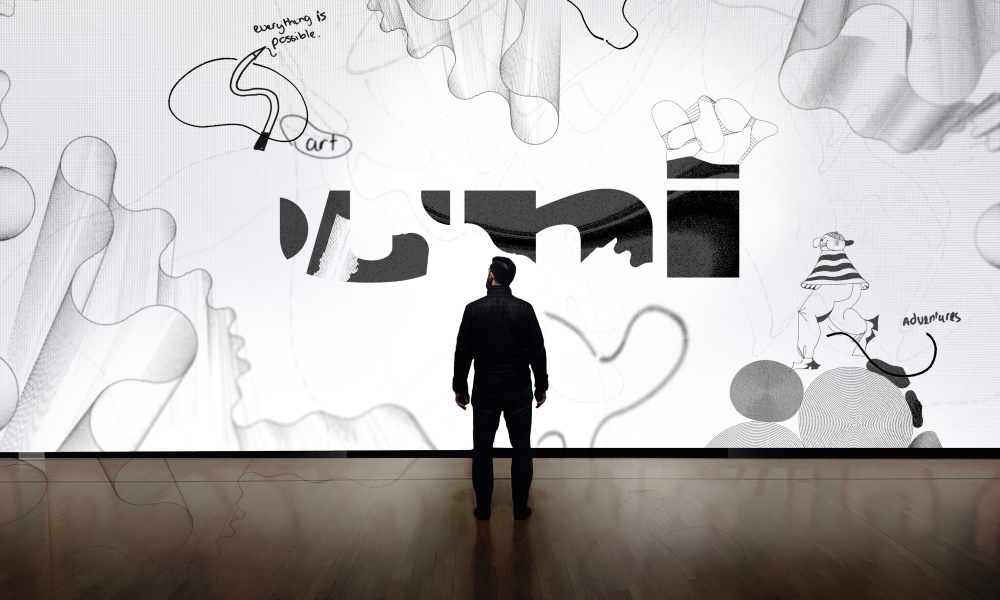
A person standing and looking up at a mural of uni designs
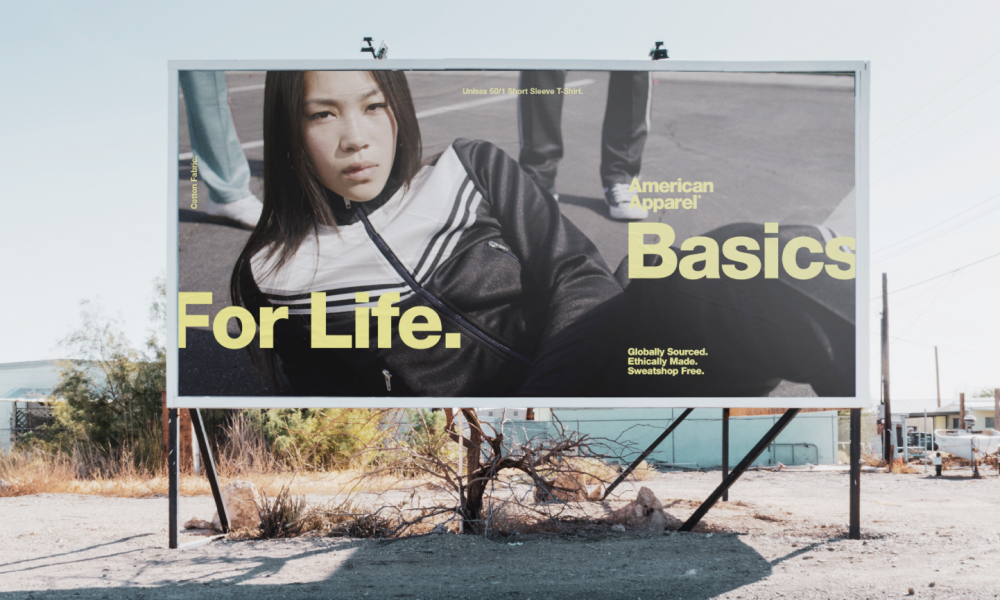
A billboard ad on a street in new york city

We’re an end-to-end agency partner to bring your business vision to life.

We help businesses thrive in the digital era. Our holistic approach connects every aspect of your brand world, ensuring a cohesive, seamless and impactful presence across all digital platforms, physical spaces & media.

As an agency partner, we combine expertise in brand strategy, design thinking, and cutting-edge technology to bring your business vision to life. Whether you're looking to expand globally or enhance your local presence, we provide the insights, tools and resources to realize your long- term vision.

A 360° brand experience

  1. Work

    A Platform-Wide Rethinking of the Brand • With a refreshed brand voice that enables engaging experiences across all digital platforms, we helped uni write a new chapter.

  2. A wall with uni ads covering it while a person walks past

    To support uni's brand relaunch, we shifted focus onto the people who use uni in their everyday lives. This helped the brand create a fresh voice that resonates with modern audiences while honoring the uniball legacy and heritage.

  3. a uni brand book in different colors
  4. uniball pen showing the gel colors of black, red, and blue
    uniball pen showing the gel colors of black, red, and blue
  5. the new uni website on a laptop screen
  6. a uni designed black box in white lettering
  7. Want to learn more about our partnership with uni?

Swipe
For More!

Drag
For More!

Monk Thoughts We help brands act now to drive value and create relationships for the long term. The only constant is change, therefore we build brands that can anticipate and adapt to evolving business and consumer needs.
Jonny Singh headshot
`

Connect

How can we help you innovate? Drop us a line.

Ready to serve every creative ambition.

Few partners have the skills that it takes to claim an Emmy, a Peabody Award, a Webby and a bundle of Cannes Lions. No matter your vision, we tap into our extensive pool of creative digital experts to make it a reality. We blend exceptional craft and curiosity to tell brand stories and create brand experiences that drive cultural resonance.

Build upon strategic foundations to reach your business vision.

We don’t just build exceptional creative and stories—we also create the tools needed to bring those experiences to life across the entire brand ecosystem. We lean into strategy to understand what makes sense for the business, then construct user journeys that inspire action and build brand love.

Solutions

We are here to help with…

Highlighted

Solutions

Swipe
For More!

A white windmill in front of a cloudscape
Flying birds
A winding river with lush green shrubbery

Case Study

The Climate PledgeAn optimistic platform focused on sustainable transformation, inspiring leading brands to pledge to meet the Paris Agreement goals.

See Full Case Study

Want to talk branding? Get in touch.

Hey👋

Please fill out the following quick questions so our team can get in touch with you.

Here's more of our thinking

How to Build a Creative System to Sustain Innovation

How to Build a Creative System to Sustain Innovation

Brand Brand, Technology Training & Coaching 3 min read
Profile picture for user Shashwith Uthappa

Written by
Shashwith Uthappa
Marketing Director, APAC

Talking Creativity in Bold Text

Every organization wants to grow, and the most sure-fire way to do so is through innovation. In the beginning stages of growth, it is easier to be nimble and disruptive but as companies scale, they need to sustain current revenue streams while planning for new ones, all while keeping a keen ear to the ground on what consumers need.

Enterprise companies are seeking management practices focused on strategies, systems and culture that foster creativity. On our first installment of “Talking Creativity” webinars, we touched on the topic of always-on creativity: how leading brands are maintaining high standards of creativity and the ways that creatives, who form the engine for sparking innovations, are building the systems for scale. Below are a handful of takeaways from the session.

Everyone is creative, but some exercise it better than others.

From finance to data, legal to sales, or even science to football, every job function has individuals who are inherently creative. Being creative is never an end, but rather a means to finding solutions. One must continuously hone their skills in creativity. Haniah Omar, Associate Creative Director for Media.Monks Singapore, put it this way: “Remember pretending to be a plane when you were a kid? Bring that amusement back and channel it to solve real-world problems.”

The new-age creatives need to be like Swiss army knives.

Creatives need to dream big but dream quickly. They need to imbibe an iterative approach to creativity by thinking, doing, testing and repeating. Most creatives today need to be “T-shaped people”: experts in one or two fields who also have skills in other ones, and who are able to connect those competencies. For example, if you have pitched your creative idea, you have been a salesman. It’s donning multiple hats but knowing the one that fits rather comfortably.

Organizations must be willing to invest in creativity and innovation.

Global Marketing Director for Paypal Shane Capron shares that his mantra is to innovate or die. He quoted a study he’d read about how 77% of brands could disappear and people wouldn’t even care. The only way of survival is to invest in creativity, knowing that it might not yield results immediately but can help future-proof your business. It’s important to avoid having myopic view. Think of both the immediate and long-lasting effects of creativity and innovation on the brand.

Agility can be a bit of a dangerous word.

Despite needing to be agile in today’s volatile world, Capron warns brands not to get on a race to the finish line, absorbing as much data as possible and applying them into campaigns. That’s when brands turn to a cookie-cutter approach to creativity, making their marketing ineffective and their people burnt out. Creativity comes from unlocking beautiful insights that enable brands to make a significant impact on its consumers now and into the future. Agencies who help brands do that build brand continue to build value amidst disruption.

Simplify the brief.

Capron shares how briefs can be a whiteboard for demonstrating marketer knowledge and includes all the bells and whistles. This is when creativity can be in the ether but not touch real ground. It’s important to really dig into what problem statement the brand is dealing with and what are the mediums they could explore within a time frame. Instead of the nice-to-haves, focus on the north star and try to understand what’s not on the brief. Those cues are important to brand learning.

Monk Thoughts The hardest briefs are the ones with no guardrails.
Haniah Omar headshot

Make space for collective creativity.

We pride ourselves for offering brands seamless access to a diverse range of global talent, agnostic of where your business is. This comes from the understanding that collective creativity is truly a superpower and that sharing insights is key. Organizations must create a system for creativity and innovation by combining people and teams with three individual factors: plasticity (drive to explore), divergence (high-degree of non-conformity and impulsivity) and convergence (ability to be precise, conscientious and persistent by seeing interdependencies). Omar believes putting your soul out there as a creative is scary but teamwork makes it lesser so.

"A great innovative idea can come from anywhere." Shane Capron, Global Marketing Director, PayPal

Seize the areas ripe for creativity.

With digitalization and now virtualization, creativity will play a key role in riding the future. Capron warns brands to not just fit into mediums for the sake of it. Instead, they should define their purpose and then choose the medium that best supports it. Creativity is finding the right role brands can play to add value to the customer. We’ve mapped out different virtual realms to help brands discover ways they can authentically present themselves in our Map of The Metaverse worlds

Finally, the panelists shared that the ultimate role of creativity is about being meaningful and influencing change—be it in changed behavior, identity, experience and/or growth. Awesome work ultimately creates memory recall and has a lasting impact on the minds of consumers. Thus, exercising creativity is knowing the role you play in shaping the future.

Learn how brands are maintaining high standards of creativity and the ways that creatives are building creative systems for scale. assets at scale brand creative creative design creative efficiency Brand Technology Training & Coaching

Transform Your Marketing Performance Through Your Creative Planning Process

Transform Your Marketing Performance Through Your Creative Planning Process

Content Adaptation and Transcreation Content Adaptation and Transcreation, Media, Performance Media 4 min read
Profile picture for user Robbie Wiedie

Written by
Robbie Wiedie
VP, Creative Services

An illustrated rocketship shoots off into space

Digital has transformed along with the explosion in new channels and behaviors that are challenging the way brands show up online and in culture. With a need to meet increasingly fragmented and oversaturated audiences, going all in on one “big idea” no longer suits audiences’ increasing expectation for relevant, channel-native content—and certainly doesn’t deliver the top-line outcomes of engagement and conversion brands so hungrily seek.

CMOs understand this need to meet audiences where they are more effectively: research from WARC shows that half of marketers say they are spending more on performance this year than last. If marketers are not marrying the performance levers of media and measurement to that of creative, they are not leveraging the most-malleable potential for aptly fueling for performance.

Adopting the performance creative mindset does more than enhance the rigor of ideas; it helps brands develop creative that is authentic to each channel and made for a target-specific audience. If done strategically, it educates and informs consumers, meeting them where they are—at the right place and right time, motivating them to engage with the brand speaker and (eventually) move down-funnel to purchase. Let’s dig into the tenets for performance creative success.

Be data-first, always.

Rethink your approach to creativity to make room for data inputs and outputs. Challenge yourself to view each new idea as potentially iterative, malleable for specific audiences and the different ways they interact across the user journey. This also gives ideas legs to stay relevant in the long term.

Monk Thoughts Data is the ultimate creative director; think of it as the North Star that guides everything you do.
Robbie Wiedie headshot

The old agency practice is antiquated, but many still place longform TV spots on digital. Rather, we must put in the time and energy to meet people where they are, creating meaningful experiences for audiences in a personalized and culturally conscious fashion. When we think with our audience truly in mind, they accept our invitation and welcome us as a speaker.

In this respect, performance creative isn’t about ticking off the boxes to optimize for the lowest common denominator in the audience. In an interview with SoDA Executive Director Tom Beck, Media.Monks Co-founder Wesley ter Haar put it this way: “It’s about how we message and personalize in ways that are actually meaningful for people and fun… understanding where the content lives and whether the effectiveness of the work you’re doing actually delivers the results you want.”

We aim to create the most-refined “fuel" for the media engine through rigorous iterative testing. With data as our driver, we continue to learn virtuously through an ever-evolving approach where performance metrics inform future creative briefs. Because we have the data, we understand what messaging and visuals perform best with our audience. And, in turn, we can more-confidently invest in larger creative production efforts.

Produce at scale to extend campaign lifespans.

To fuel experimentation and maximize the lifespan of any campaign, it's important to capture as much raw content as possible when investing the time, energy and capital in live production. This yields a healthy reservoir of raw content that you can continually draw from in post-production to craft an ecosystem of deliverables that are channel-specific in terms of best practice and intended audience consumptive behavior. And, past 2-3 weeks of placement, we can continue to adjust iteratively based on performance data indicators.

Here's how it worked for Hatch, a brand whose devices help people achieve better sleep. We used an out-of-the-box creative approach combining feedback data and content production to iterate fresh content at speed. We identified top-performing creative placements based on key metrics and began our efforts by iterating messaging and intro visuals as our baseline to quickly improve rising CPAs. Initial learnings led to wider, net-new messages and visual testing utilizing post-production only, and also instilled confidence in briefing live production efforts. Following this plan, Hatch was able to meet larger audiences more effectively, all with a greater variety of data-driven creativity.

Meet people where they are.

An insights-based approach to production also helps teams focus on which creatives best appeal to audiences on different platforms. Think about it: people turn to YouTube to lean back and relax, Pinterest for shopping inspiration, or TikTok for user-generated content and snackable reels—and content that performs best on these channels is designed to meet those expectations. We must, therefore, always begin all efforts with our audience in mind.

It’s important to be purposeful in how you show up across channels and play by the best practices to reflect the content each audience seeks. A look that fits the feed means all the difference between a viewer who’s engaged versus one who’s pining to hit the “skip” button as soon as five seconds are up. And be aware of what you’re up against: on social media, for example, your content competes with the personal relationships and connections that people care most about. Making a strong opening hook is crucial to capture attention, stopping audience thumbs and eyes and driving them to engage.

Also consider creative’s place in the funnel. Awareness content is most powerful when it’s educational and informative, while consideration content lends itself well when focused on a product’s single-minded, USP-specific message. Conversion content should be quick to incentivize the viewer.

Turning fear of failure into data-driven success.

If you don’t see improved metrics out of the gate, you must go back and keep trying. A lack of performance doesn’t necessitate a lack of learnings to inform future creative efforts. Even when a creative placement “fails,” we’re able to glean data on what does not work and devise new approaches. Follow the mantra: “Always be testing.”

Once you have built an ecosystem of deliverables that enable creative testing at scale, you’ll be able to iterate content at scale with data as your guide. So don’t be afraid to fail. It takes the best scientists time to synthesize the purest fuels and ignite transformative, new compounds. Likewise, performance creative begins by making a commitment to being data-driven, producing at scale and being willing to test, iterate and learn to meet audiences meaningfully where they are. We must be creative scientists in the endless pursuit to synthesize better and better assets to fuel media efforts.

Adopting the performance creative mindset does more than enhance the rigor of ideas. If done strategically, it educates and informs consumers. Learn how. performance marketing performance creative content brand creative assets at scale data driven creative Media Performance Media Content Adaptation and Transcreation
A woman stretching on a bed with white sheets and linens
hatch restore on a nightstand

High-Performance Ad Creative • Testing Our Way to Content That Scales Sales

  • Client

    Hatch

  • Solutions

    BrandMediaPerformance MediaContent DistributionOmni-channel Marketing

Results

  • 120% increase in view-to-completion
  • 220% increase in click-through rate
  • 44% incremental sales growth (vs control group)

Accelerating output to meet the demand for channel-native content.

As a fast-growing wellness and health brand, Hatch has won the hearts of countless people whose sleeping habits were drastically improved by its Restore smart sleep assistant. But given the need for a constant flow of fit-for-format content, Hatch sought a way to produce and deliver relevant experiences to audiences without losing sleep. Leveraging our insights in creative performance, we partnered with Hatch to help accelerate their creative output and keep up with the growing demand for channel-native content.

A line graph trending upwards

In partnership with

  • Hatch
Client Words Our partnership with Monks has quickly unlocked additional sales at a lower cost. They've helped Hatch accelerate its creative process and launch a robust testing strategy.
Holly Elliot headshot

Holly Elliott

Vice President of Growth Marketing, Hatch

Leaning on subject expertise to find areas of improvement together.

Working hand in hand with the brand to feed on each other’s subject expertise, we identified areas of improvement within two main platforms, YouTube and Facebook, as well as other social channels. For YouTube, we developed a series of high-performing 15-second videos powered by fit-for-format imagery, cadence and narrative arcs to tell a deeper story of Hatch Restore, and drive more users to the website. Studying the feedback data and iterating at speed, we ran a series of tests to identify and double down on those who showed the best performance, leading to a 220% increase in click-through rate.

Our Craft

A fit for format approach that restores viewers alike.

The power of animation to influence audiences.

We incorporated animated aspects that drew everyone’s eye and got consumers viewing, swiping and buying. In doing so, we identified that the creatives with the heaviest animation generated a stronger conversion rate, and iterated quickly to improve the CPA. In perfect balance, we brought an out-of-the-box approach to creative production while ensuring the content felt authentic to Hatch’s identity. And above all, we eased the rising pressure on the creative team to deliver at speed. Now packed with learnings to inform future efforts, Hatch can meet larger audiences where they are, and scale their business through data-driven creativity.

  • A woman staring at a Hatch device A hatch restore product on an end table
  • Hatch restore add showing a sunset and the product A woman meditating on her floor

Want to talk performance? Get in touch.

Hey 👋

Please fill out the following quick questions so our team can get in touch with you.

Can’t get enough? Here is some related work for you!

Get Creative and Get Out of Your CX Rut

Get Creative and Get Out of Your CX Rut

4 min read
Profile picture for user mediamonks

Written by
Monks

A new Forrester report by Jay Pattisall, unveiled at the start of Cannes Lions, highlights how the pursuit of customer experience (CX) as a go-to strategy has in fact inhibited growth for many brands. Instead, brands must invest in creativity (and identify the right partners to help them do so) to achieve higher returns. It’s welcome news at Cannes, which celebrates creative excellence and serves as a benchmark for best-in-class communications—and MediaMonks is proud to have been interviewed alongside other agencies for the report.

Pattisall relates CMOs’ focus on CX to a diminishing prioritization of creativity; one   finding in his Forrester report is that “Every brand offers the same digital experience because they all address the same customer needs, use the same technology platforms, and design for the same mobile use case.” Brands shouldn’t put all their eggs in one basket by focusing purely on function, but place greater attention on offering creative experiences.

A recent article published by Marketing Week agrees that brand creativity is on an overall decline, yet is a key indicator of success: 67% of companies with top ratings on McKinsey’s Award Creativity Score—measuring quantity, variety and consistency of Cannes Lions awards won—have above-average growth, according to the article.

Learn more about the cost of losing creativity.

Monk Thoughts Every brand offers the same digital experience because they all address the same customer needs.

What does this mean? Creativity might not be immediately quantifiable, but it can go a long way in increasing enterprise value. MediaMonks Global Executive Creative Director Jouke Vuurmans has long spoken out against brands failing to take advantage of the creative opportunities available to them. He has noticed a “suburbanization” of design where bold brand identity has taken a back stage to sanitized interfaces that tick off the same boxes. Because digital interfaces are often the most common—or even first—settings in which users will engage with a brand, this results in a lot of wasted potential for brands to differentiate themselves and deliver on the brand promise.

Building content and experiences requires input from many people across the organization, each perhaps pursuing their own goals—but they must collaborate to ensure their efforts are on the same page. “Just because so much focus is on digital doesn’t mean we should ignore brand within this relentless creation and distribution of content,” says ter Haar as quoted in the Forrester report, “The Cost of Losing Creativity,” highlighting the importance in remembering that even the most solutions-oriented approach shouldn’t dismiss the brand-building opportunities of creativity.

The Interface is the Brand

At MediaMonks, we believe every engagement that users have with a brand is an opportunity to represent its core products and services. Most apps that exist to fulfill a specific function essentially look and feel identical, lost in a sea of sameness where differentiating factors are slight, if they exist at all. This is especially true in travel brands, for example: any airline app will let you book a flight or check in with a digital boarding pass. But brands can stand out by fusing creativity and technology to fulfill a wider purpose. The Aeroméxico app is a great example of this by offering smart content based on users’ itineraries, helping them easily find offers most relevant to their trips.

Monk Thoughts People underestimate the creative value of always-on communication.
black and white photo of Wesley ter Haar

The use of highly relevant and targeted personalized content shows how even the smallest interactions can make a big impact on the user experience—and those interactions directly translate into brand loyalty. “Creative experiences that embed the brand’s purpose and values within a tech-fueled solution connect the uniqueness of the brand, the emotional needs of its customers, and the convenience of technology,” writes Pattisall in the Forrester report.

We agree. While brands have come under great pressure to engage their consumers through always-on content, it’s become easy to view small pieces of content as disposable or having limited impact on the overall consumer experience. “People underestimate the creative value of always-on communication,” cautions ter Haar. “Just because it’s 6 seconds on Facebook doesn’t mean you can’t think about distinction.”

Drive Purpose Across the Ecosystem

A remedy for unlocking the creative potential in any touchpoint or piece of content is to begin thinking in terms of ecosystems. The user journey extends beyond individual channels and platforms. Likewise, brands should take a more holistic approach at the creative experiences they provide. “We spend a lot of time thinking about creativity as a broader term—something as part of UX, digital design, flow—across anything that’s building people into an ecosystem,” says ter Haar. “How does the work we do for brands lock people into an ecosystem?”

Image from iOS (11)

Forrester's report on the importance of creative experience released at the Cannes International Festival of Creativity, shown above.

Take grilling brand Weber, who also realized audiences were beginning to care less about objects—like grills—and gravitate more towards experience. This shift in consumer focus provided Weber with an untapped opportunity: how could they use creativity through content and experience to position grilling (and by extension, their brand) at the center of social experiences that consumers crave?

The result is an all-encompassing digital ecosystem that serves not only as a place to learn about grilling products, but to seek out and discover inspiration about grilling as a lifestyle. By infusing this promise across an ecosystem that encompasses personalized web content, connected apps, interactive demos, in-person experiences and more, Weber has achieved a compelling digital ecosystem that accounts for a griller’s every need, infusing emotion and aspiration into every step of the experience.

Monk Thoughts We spend a lot of time thinking about creativity as a broader term, across anything that’s building people into an ecosystem.
black and white photo of Wesley ter Haar

In his Forrester report, Pattisall highlights the importance of infusing creative problem solving at the beginning of every creative process: “Rather than bolting creative on at the end of the process as an established look or defined list of deliverables, initiate the project with creative problem solving to help define the problem and craft a solution at the start,” he writes.

It all boils down to instilling your work with a sense of purpose. When working with clients to narrow their efforts and align those goals with moving the business forward, we enjoy quoting the NASA janitor who proudly told President Kennedy that he was helping to put a man on the moon. A similar sense of purpose should manifest from every step of the creative process, at every level of an organization and at every touchpoint at which users engage. Such an approach ensures customer experiences differentiate a brand and uniquely affect consumers to strike a stronger, longer-lasting connection.

Customer experience has long been the go-to strategy for growth, but a recent Forrester Research report suggests it’s time for a new kind of CX: creative experience. Get Creative and Get Out of Your CX Rut Stand aside, customer experience—it’s time for brands to focus on creative experience, too, according to a new report from Forrester.
creativity brand creative branding brand strategy creative content digital sameness digital ecosystem creative design

Choose your language

Choose your language

The website has been translated to English with the help of Humans and AI

Dismiss