









3 Key Takeaways and New Tools from Google Marketing Live 2025
3 Key Takeaways and New Tools from Google Marketing Live 2025


Google Marketing Live 2025 showed that the way people search, shop and make decisions is shifting—and Google’s ad ecosystem is shifting with it. With AI baked deeper into Search, new transparency tools for performance reporting, and ad formats designed for faster conversion, this year’s announcements reflect a platform trying to meet users in the moment while giving marketers better ways to steer outcomes. Here’s what stood out and how to make it work for you.
These are our three takeaways that defined GML 2025.
Takeaway 1: Ad delivery is getting more flexible across Google’s network.
Google is shifting away from channel-based ad setups and leaning into more fluid, moment-driven experiences. Instead of building separately for Search, YouTube, or Display, ad products are increasingly designed to find users wherever they are—scrolling, streaming, or shopping. This expansion means more opportunities to reach users but also more demand for creative that fits each touchpoint, which often requires brands to scale video visuals and messaging quickly with the help of AI (or not). Measurement tools are also being updated to support this shift, aiming to track how these moments connect and contribute to sales across the journey. Flexible measurement (going beyond pixel-based attribution by incorporating incrementality, MMM, etc.) is essential as customer paths rarely follow a straight line.
Takeaway 2: AI is now embedded in Search and how brands connect.
The rollout of AI Mode and ads in AI Overviews marks a shift in how users navigate Search and how brands show up. These tools change not just ad placement, but the buying journey. Search is becoming more visual, more video-led, and more human in tone, which results in a search and shopping experience that’s more tailored and productive for users. For advertisers, what used to require multiple campaign types and formats is continuing to evolve into a single system of outcome-based products. This year Google’s messaging this as their “power pack”—Performance Max, AI Max and Demand Gen—for brands that use AI to reach consumers. If advertisers want to capitalize on the relevance and performance Google says the “power pack” provides, media buyers must focus on giving the AI the right quality inputs, in high volumes (conversion data, creative assets, etc.).
Takeaway 3: Google is rolling back the black box for visibility and transparency.
Advertiser pressure for more transparency is starting to pay off. Google is introducing new Performance Max insights, lower spend thresholds for incrementality testing, and agentic tools like “Your Google Ads Expert” to make results easier to explain and optimize. But blind spots remain. For example, there’s still no placement-level reporting for ads in AI Mode or Overviews. Progress, yes. Total clarity, not yet.
These are the new features our team expects to be most impactful for advertisers.
AI tools are reshaping how we search, shop and advertise.
Search is no longer just a typed query in a box. With tools like Gemini, Google Lens and AI Overviews, the buying journey is becoming more visual, conversational and context-aware. The path from awareness to purchase is increasingly possible in one scroll, without leaving Google’s ecosystem. Google’s newest tools reflect this shift:
- Smart Bidding Exploration (in beta) blends flexible ROAS targets with new bidding logic to uncover valuable queries you may be missing.
- AI Overviews are live on mobile in the US, with desktop and other markets coming next. These ad placements are designed to align with broader search intent.
- AI Mode, currently in testing, introduces a conversational, multimodal search experience with an AI-powered shopping layer launching in the US soon.
- Agentic tools like “Your Google Ads Expert” and “Your Google Analytics Expert” (in beta) aim to speed up insights and surface optimizations. “Your Marketing Advisor,” a Chrome-based AI assistant, will soon help teams manage tasks and surface recommendations across tools.
Put it into practice: These evolutions in the SERP are reshaping user behavior and redefining what ad success looks like. For advertisers, your inputs—site content, product feeds, conversion data, creative assets, etc.—matter more than ever as the content and experience will be derived automatically with AI. Invest in shoring up those foundations to make sure you’re showing up accurately and effectively in these new SERP experiences.
AI Max for Search gives you automation with a clearer view.
AI Max for Search Campaigns is a one-click upgrade that uses AI to match your landing pages, ads and keywords to real-time search intent. Google reports early tests showed up to 27% more conversions at similar CPA or ROAS, especially when using exact and phrase match. Unlike Dynamic Search Ads, which auto-generate content with limited reporting, AI Max surfaces clear insights into which queries, headlines and landing pages are driving performance. It’s still automated, but with a clearer view of what’s happening behind the scenes.
Put it into practice: Try AI Max on a campaign where broad match is performing well but hasn’t hit its ceiling. Use the new reporting to spot high-converting queries and creative, then scale what’s driving results.
Performance Max now shows where results are coming from.
Performance Max has always prioritized automation over transparency. But Google is finally pulling back the curtain. Channel-level reporting now shows results across Search, YouTube, Shopping and other surfaces. Asset-level insights and fuller search term visibility offer more granular data to understand what’s actually working. For brands running full-funnel campaigns, this is a significant improvement.
Put it into practice: Shift budget to top-performing surfaces using channel data by influencing Google's spending. Update or remove underperforming assets within your campaign. If YouTube is lagging, shorten your video creative or adjust your audience signals.
Having channel-level visibility in PMax makes the campaign more accountable, customizable, and measurable—turning it from a black box into a smarter, more collaborative tool for growth.
Video ads in Search and Shopping compress the funnel.
Video placements are now being tested directly within Search and Shopping results, giving advertisers a shot at influencing high-intent shoppers without relying on separate awareness plays. The line between discovery and purchase is disappearing, and Google wants to keep the entire journey within its ecosystem. Users aren’t skipping steps in the funnel, they’re completing all of them in a single scroll.
Put it into practice: Add horizontal and vertical video assets to your ad groups. Focus on short-form content that delivers value fast, such as how-to clips, testimonials or product highlights.
This is the new prime real estate. If your video doesn’t stop the scroll and say something meaningful, you’re wasting a huge moment.
Measurement tools are improving, but still require setup.
Google maintained its focus on measurement this year, sharing advertiser stories about the value of Meridian and unveiling updates to measurement features within Google Ads. For example, they lowered the threshold significantly for in-platform incrementality testing, making it more accessible for brands to measure what tactics are creating incremental results.
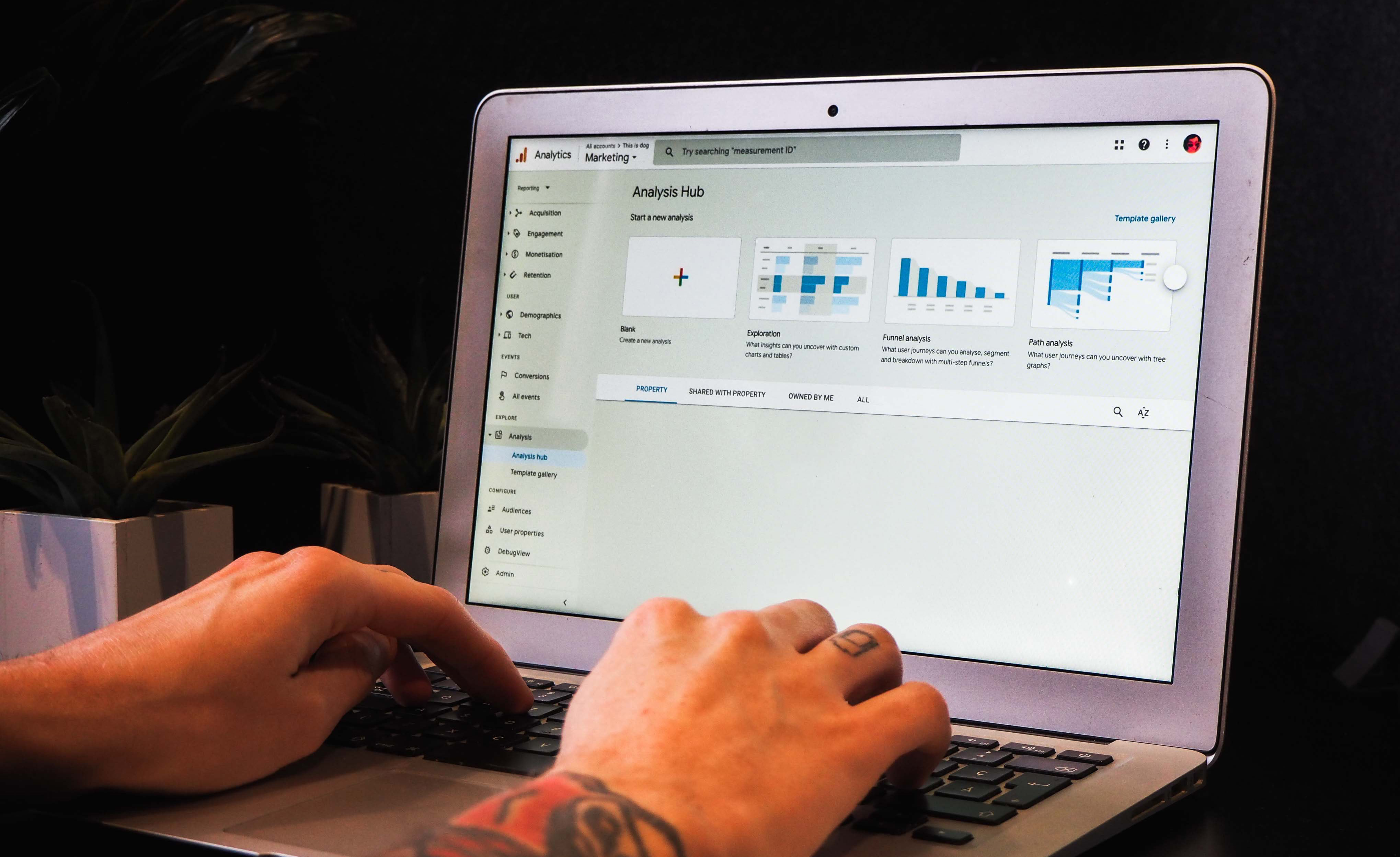
Additionally, Data Manager is Google Ads’ latest tool aimed at improving signal quality and measurement reliability. It helps advertisers connect and validate first-party data from websites, apps, CRMs, and in-store systems, making campaign data cleaner, more actionable, and privacy-compliant. It also supports better attribution by ensuring tags and signals are set up correctly.
Put it into practice: Use Data Manager to set up and quality check your tagging configuration, confirm that key data sources are linked to your Google Ads account, and connect first-party data from third-party platforms like BigQuery, Salesforce, Shopify, Google Sheets, and more. A clean setup leads to better optimization and clearer insights.
Turn GML 2025 updates to real business outcomes.
GML 2025 showed that performance marketing is becoming more creative, more automated and more measurable. These updates are your chance to simplify workflows and scale impact. If you’re connecting creative, data and AI in one system, you’re going to move faster than your competitors.
Need help connecting the dots? Let’s talk. We help brands turn updates like these into growth strategies that drive results.
3 Key Takeaways and New Tools from Google Marketing Live 2025 GML 2025 rolled out new Google Ads features focused on AI, tracking and automation. Learn how to apply them to your performance strategy.
Google AI Overviews Google advertising industry AI agentic ai AI brand experience ai experiences Performance Media Industry events AI New paths to growth


