
















00:00
00:00
00:00
Choose your language
The website has been translated to English with the help of Humans and AI
Dismiss
At CES 2026, we’re revealing how to integrate Monks.Flow, our agentic AI ecosystem for marketing orchestration, to deliver measurable gains today while building the foundation to transform your organization into a high-speed, high-performance creative enterprise. Learn more about what we’ll be up to across the floor and on stage:
Sessions & Demos
In this 30-minute session, followed by a live Q&A, we’ll showcase AI workflows powered by Monks.Flow that drive growth today while laying the foundation for a marketing organization that’s efficient, scalable and ready for what’s next. Reserve your spot.
We’re taking our monthly innovation briefing from the screen to the stage! As part of the CES Foundry masterclass sessions, our experts will update you on the latest AI news and share practical ideas you can use today. Join us on Wednesday, January 7 at 3pm in the Fontainebleau, Level 4 Capri room 2! Learn more.
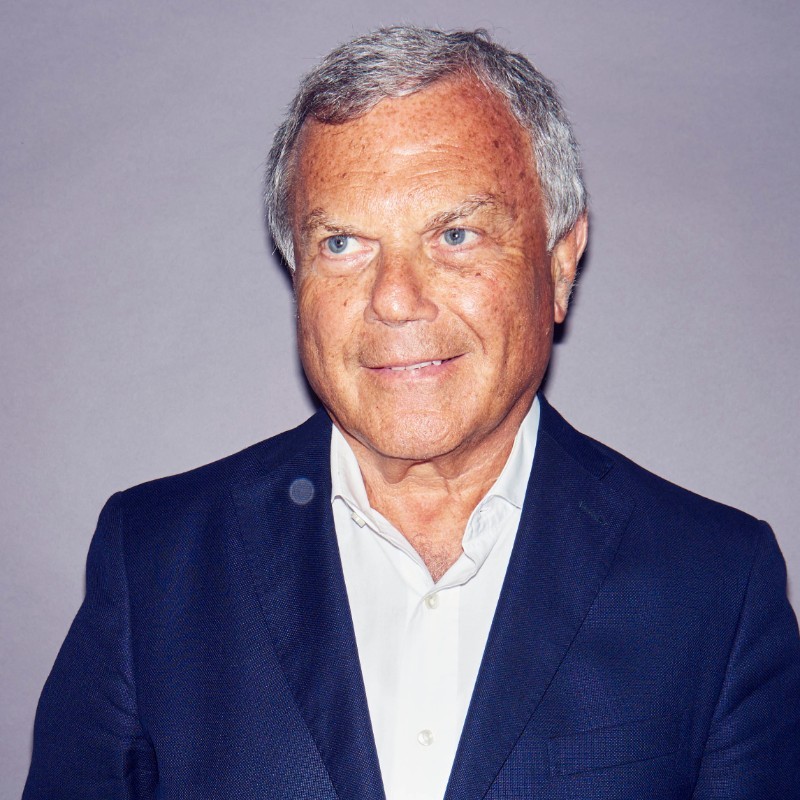
Join us on Monday, January 5, from 4:00-6:00 PM, at the Aria as Sir Martin Sorrell explores AI's role in advancing creativity and crafting fundamentally human experiences. Moving beyond cost, the focus is on strategic insight and true transformation. Learn more.
Join us on Wednesday, January 7, from 9-9:25 AM, at the Aria, Joshua 8 meeting room as The Drum's Diane Young, Adobe’s Hannah Elsakr, and Monks’ Wesley ter Haar explore liquid content: AI-powered stories and brand worlds that evolve in real time via audience interaction. Learn more.
Join us on Wednesday, January 7, from 9:30-9:55 AM, at the Aria, Joshua 8 meeting room as brand leaders share the playbook for unlocking agility, transparency and AI growth. Learn more.
Join us on Wednesday, January 7, from 10-10:25 AM, at the Aria, Joshua 8 meeting room to explore how AI is redefining fan engagement, transforming sports and media experiences with personalized content, immersive interactions, and smarter storytelling. Learn more.
Join us on Wednesday, January 7, from 10:30-10:55 AM, at the Aria, Joshua 8 meeting room as this session maps practical steps for brands to take now to capture AI-driven upside without needlessly constraining media buys. Learn more.
Join us on Wednesday, January 7, from 11-11:40 AM, at the Aria, Joshua 8 meeting room to learn what happens when retail data meets CTV as industry visionaries reveal how agentic AI is building the next era of connected commerce. Learn more.
Join us on Wednesday, January 7, from 1:00-1:30 PM, as Monks' Wesley ter Haar, Leonardo.AI's Dwayne Koh, NVIDIA's Jamie Allan, and AWS' Chris Ziemer reveal the architectural vision for the AI-native enterprise. Get the roadmap to move beyond pilot mode and unlock unprecedented efficiency. Learn more.
Jordan Cuddy returns to Digital Hollywood for a third year to discuss conversational AI and virtual engagement. Join her on Monday, January 5, at 2:00 PM. The session will take place in Aria – Joshua 8. Learn more.
Wesley ter Haar will take the stage at THE SHIFT Summit to discuss the definitive proof point on running agentic workflows that hold up under enterprise rigor. Join him on Wednesday, January 7, at 10:40 PM. The session will take place in Aria – Joshua 3. Learn more.
Join us January 7-8 within the Fountainbleau as we showcase interactive demos on Monks.Flow and LiveVision™. Attendees can explore tangible examples of our work and engage with key partners through live demonstrations.
Join us on Tuesday, January 6, from 4:10-4:25 PM, as Monks’ Donna Smith and Leonardo.Ai’s Dwayne Koh explore how to use AI as a springboard for unique brand experience. Attendees will learn how to build workflows that empower creative teams, navigate the ethics of authenticity and leverage machine intelligence. Learn more.
Throughout our programming, we’ll offer a proven, scalable architecture for CMOs and CTOs to move past experimental AI and achieve:
Move from legacy control rooms to scalable, intelligent production. LiveVision™ leverages AI to automate complex video workflows, from smart footage tagging to managing wireless resources, allowing you to deploy high-performance broadcast pipelines wherever they are needed.

Event Details
Schedule an AI Now session led by an executive from our Innovation team to learn how to validate and scale your AI investments. Email ces@monks.com to book your 45 minute slot.
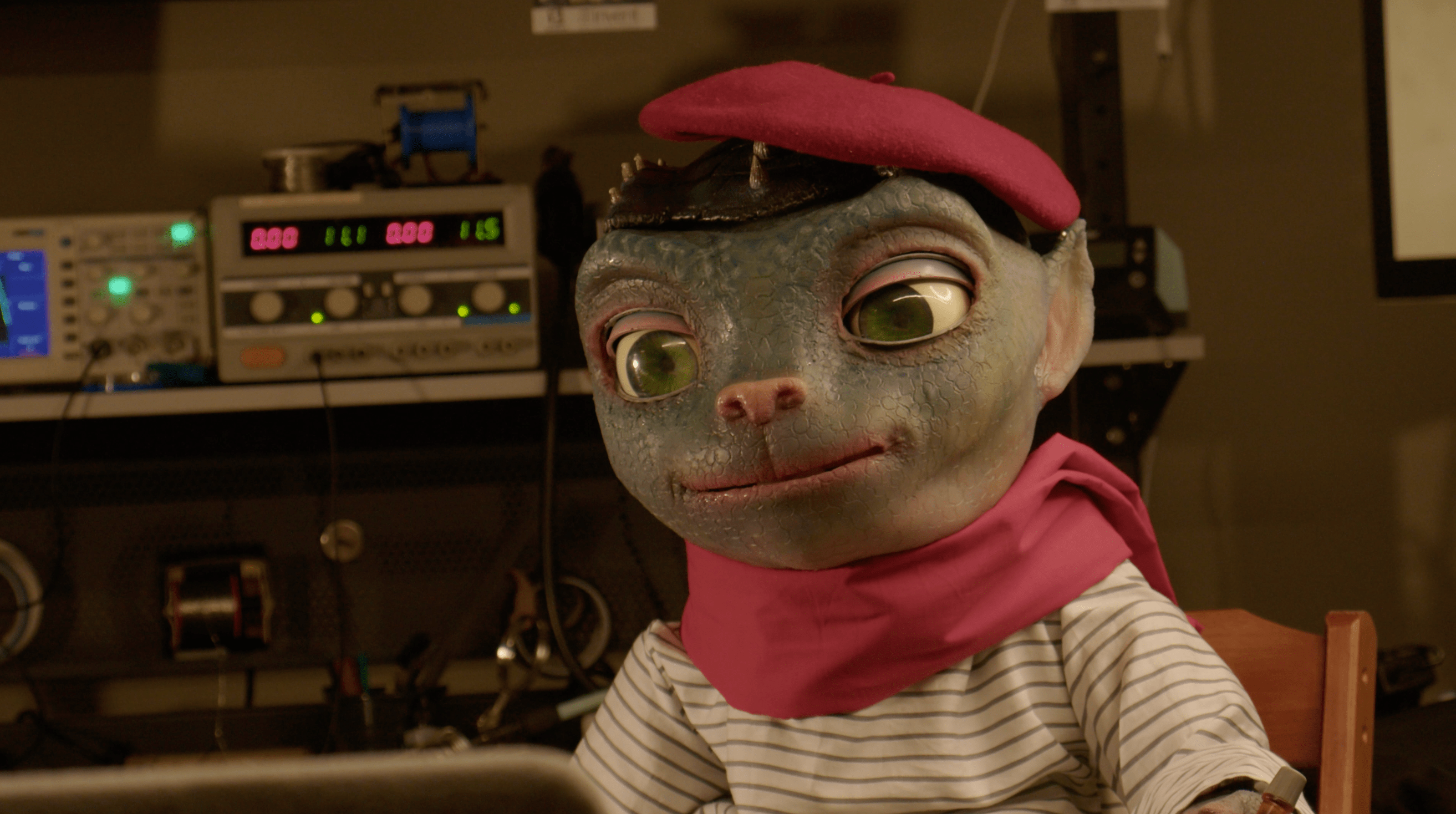
Sir Martian is a groundbreaking fusion of AI innovation and artistic expression, transforming the traditional experience of street portraiture into an interactive, otherworldly encounter. This humanoid alien robot, affectionately named after S4 Capital Executive Chairman Sir Martin Sorrell, invites visitors to engage in a dynamic conversation while it creates a personalized line art portrait. This experience is not just about capturing a likeness but also the essence of the individual, informed by the dialogue shared.
Subject Matter Experts
Subject Matter Experts
Swipe
For More!
EVP of Global Media
Media & marketing expert driving growth across CPG, retail, & B2B tech. Leads global media strategy at Monks.
Executive Chairman at S4 Capital
Founder of S4 Capital and former WPP CEO for 33 years.
EVP, Global Head of Experience
With a background in strategy, creative and client management, Jordan leads Monks' global Experience capability.
EVP, Innovation
Leads the expansion of Monks’ Innovation Sprint team. Michael sits on the board of SoDA.
Director, Go to Market
Leading Monks' Go-to-Market for CRM, Ashley’s focus revolves around crafting connected, personalized experiences that are rooted in data.
Chief Innovation Officer
Leads global position on gen AI, influencing adoption and pioneering a new AI-driven commercial model.
Group Creative Director, Innovation
Vanessa leverages technology, strategy, and creative vision to create meaningful user experiences that span physical, digital, and virtual spaces.
SVP, Growth
Ad and tech sales leader empowering brands' digital marketing strategies.
Chief Operating Officer
Operational expert who leverages client-intimate culture to generate successful outcomes for stakeholders.
Global Chief Growth Officer
Growth leader and transformational marketer dedicated to building trust and driving sustainable business growth.
VP, Media Solutions and Emerging Technology
Empowering brands through data, strategy, and evolution.
EVP of Strategic Industries
Through creative and technical expertise, Lewis pioneers innovation at the forefront of digital transformation.
SVP, Global Head, Media Growth
Greg helps brands drive success by leveraging innovative digital media and data solutions for transformational results.
Chief Operating Officer, S4 Capital
Previously at Ernst & Young for 18 years. Expert in tech, media, & telecom, advising boards on strategic initiatives in advertising.
On the ground we saw trends from the showroom floor offer a way forward for brands looking to trailblaze new paths to growth.
A lot happened at CES this year—and while the conference famously offers a glimpse into the future of technology, we’re excited to apply the learnings that we’ve gathered to help brands innovate now. As attendees descended into Las Vegas to attend the show, many wondered: what’s in the cards for technology and culture this year, and how can I make smart investments rather than take a gamble? Fueled by insights and observations from our people on the ground, we’ve rounded up key trends from the CES floor—along with what they mean for brands as they begin to embark on new paths to growth.
Hey?
00:00
00:00
00:00
Como el evento de tecnología más grande y, posiblemente, más influyente del mundo, no podíamos dejar pasar la oportunidad de visitar el CES este año, y en esta ocasión vinimos con todo la familia, incluyendo a nuestra empresa hermana MightyHive y a nuestra empresa matriz S4Capital. Al comienzo de esta nueva década, el CES colocó a las industrias en una encrucijada, destacando los retos y las oportunidades que tienen enfrente.
El CES ha crecido tanto en los últimos años que ha dado lugar a varios eventos paralelos, incluyendo C Space: Marketing and Advertising (dedicado a tendencias disruptivas que dan forma al comportamiento de los consumidores y a los medios publicitarios) y la cumbre Brand Innovators’ Mega-Trends. MediaMonks estuvo presente en ambos eventos a lo largo de la semana, con Sir Martin Sorrell, Director Ejecutivo de S4Capital, llamando a Brand Innovators “un CES dentro de CES,” destacando su ambiente más íntimo. A continuación, veamos a fondo algunos de los insights que surgieron en ambos eventos.
Al inicio del año nuevo, Raja Rajamannar, CMO de MasterCard, dio algunos consejos en Brand Innovators: “Adáptense pronto, o corren el riesgo de quedarse atrás. Los mercadólogos deben ser siempre curiosos, tomar riesgos bien pensados y crecer con rapidez, ya que el ritmo de la tecnología y la innovación no se va reducir en el futuro cercano.”
A medida que MediaMonks piensa cómo poner la emoción en la marca como socio, los mercadólogos también deben hacerlo.
Hablando del papel de los especialistas al imaginar la experiencia de marca infundida con tecnología, Silke Meixner (Partner, Digitial Business Strategy en IBM Global Business Services) destacó como “a medida que MediaMonks piensa cómo poner la emoción en la marca como socio, los mercadólogos también deben hacerlo,” señalando como la realidad aumentada presenta una oportunidad para lograrlo.
Ya sea ser más decidido en adoptar la mentalidad retadora, elevar la relevancia con la ayuda de nuevos modelos de socios, o construir valor en experiencias guiadas por las emociones, el CES de este año ofreció muchas oportunidades para las marcas de construir conexiones más fuertes con los consumidores a través de la tecnología. A medida que se embarcan en una nueva década, las discusiones en el CES parecen optimistas para las marcas, y no podemos esperar para ayudar a redefinir las grandes ideas y darles vida.

Es una mentalidad compartida por Kimberly Gardiner, VP y CMO de Mitsubishi, quien busca aprendizajes e inspiración fuera de su industria. En plática con Nick Fuller (SVP, Growth en MediaMonks) frente a una chimenea en la cumbre Brand Innovators, dijo “No buscamos inspiración en nuestros competidores de la industria automotriz, sino en compañías que van directo al consumidor. Queremos ser una marca que desafíe lo convencional.”
Este enfoque de desafío ha ayudado a Mitsubishi, que ha disfrutado su segundo año consecutivo como la marca automotriz asiática más rápida, a concentrarse en una audiencia dedicada. “No podemos gastar más que nuestra competencia, así que nos enfocamos en una audiencia muy específica y enfocada,” dijo Gardiner. “Queremos apuntar a personas que no son como todas los demás.”
En su propia charla junto a la chimenea con Wesley ter Haar, Fundador de MediaMonks, Sir Martin también adoptó la mentalidad disruptiva y retadora al crear una conexión entre la misión de S4Capital y el festival Burning Man. “Burning Man refleja una creatividad disyuntiva, se trata de crear algo y destruirlo cada año,” señaló.
Para desafiar convenciones con éxito y adaptarse al acelerado paso de la innovación tecnológica, las marcas deben tener las capacidades bien establecidas para escalar o dar giros con rapidez. Esto es de particular importancia si tomamos en cuenta el incremento de la hiperadopción del consumidor, es decir, la velocidad a la que cambian los comportamientos de los usuarios, y así desafiar aún más las métricas tradicionales de éxito.
En el pasado, podrías haber tenido cuatro grandes momentos en el año, pero ahora los mercadólogos tienen que entregar miles y miles de activos en diferentes formatos y canales.
En la sesión de storytelling the S4Capital en C Space, moderada por Marta Martínez (Directora de Plataformas de Marketing de Google), el liderazgo de S4 se reunió para discutir algunos de los principales retos y oportunidades que enfrentan las marcas al avanzar la nueva década. Louise Martens, Global Head of Embedded Production en MediaMonks, señaló cómo el aumento en la conversación social y en la adopción tecnológica ha acelerado el ritmo al que las marcas deben entregar resultados.
“En el pasado, podrías haber tenido cuatro grandes momentos en el año, pero ahora los mercadólogos tienen que entregar miles y miles de activos en diferentes formatos y canales.” ¿La solución? Nuevos modelos de sociedad que satisfagan la necesidad de las marcas de tener velocidad y escala. “Esa presión sobre las organizaciones ha generado nuevos modelos como la ubicación conjunta, el trabajo interno y la integración.”
Y a medida que las plataformas digitales se saturan cada vez más, la propiedad y la implementación de datos se vuelve clave para el éxito. “Para ganar, las marcas deben voltear a su ecosistema: medirlo, hacerle pruebas y enviar esos datos de vuelta hacia la creatividad,” dice Martens.

Al señalar que la personalización es una apuesta importante en 2020, Pete Kim, CEO de MightyHive, también mencionó la batalla por los datos ‘first-party’ e integrarlos de forma más cercana con la estrategia creativa de la marca. “Espero ver crecimiento continuo a medida que forjamos los procesos del futuro, poniendo el mensaje correcto y la creatividad adecuada frente a la persona indicada a escala.”
El piso de la sala de exposiciones en el CES ofrece una buena cantidad de aciertos y errores, lo que presenta a las marcas un recordatorio para asegurar que su inversión en tecnologías nuevas y emergentes otorgue un valor real, tanto para los negocios como para los consumidores. Olivier Koelemij, Managing Director d MediaMonks LA, participó en un panel como parte del tema Hollywood Digital en CES que buscaba destacar el valor que una de esas tecnologías, la realidad aumentada, puede ofrecer a las marcas. Títulado “La Experiencia de Realidad Aumentada/Mixta,” el panel incluyó a expertos de la industria como Magic Leap, Microsoft, IBM Global Business Services y más.

Uno de los retos clave para la realidad mixta que destacó el grupo, tal vez de manera contra intuitiva, es su acelerada madurez. Mientras que los saltos tecnológicos han facilitado el diseño y la implementación de experiencias digitales impresionantes, por ejemplo la adición de Depth API a ARCore, también elevan el listón de cómo se ve una experiencia verdaderamente de ayuda y valor agregado. Para marcas con una menor madurez digital, el panel destacó el papel que pueden jugar las alianzas para centrarse en ese factor de valor y transformar las ideas en realidad.
“Hay muchas formas de definir el valor,” dice Koelemij. Habló sobre el Dark Knight Dive, una experiencia de 4D VR que permite a los usuarios “volar” a través de una ciudad Gótica virtual mientras están suspendidos en un túnel de viento de paracaidismo, como un gran ejemplo de lo que pueden lograr las marcas al aventurarse con la realidad extendida. “Con este proyecto, pudimos conectar a AT&T con la IP de Batman que habían adquirido poco tiempo antes, y la prensa estaba fascinada. Los mercadólogos deben pensar sobre cómo medir y definir el éxito.”
As the world’s largest and arguably most influential tech trade show, you know we wouldn’t pass up the chance to visit CES this year—and this time we brought the whole family along, including our programmatic sister company MightyHive and parent company S4Capital. At the dawn of a new decade, this year’s CES placed industries at a crossroads, highlighting the challenges and opportunities that stand before them.
CES has become so big in recent years that it’s also sparked its fair share of side events, including C Space: Marketing and Advertising (devoted to disruptive trends that shape consumer behavior and advertising media) and the Brand Innovators’ Mega-Trends summit. MediaMonks had a presence at both events throughout the week, with S4Capital Executive Chairman Sir Martin Sorrell calling Brand Innovators “a CES within CES,” noting its more intimate feel. Below, let’s dive into some of the insights that surfaced across these events.
At the start of the new year, MasterCard CMO Raja Rajamannar gave Brand Innovators some choice advice: “Adapt quickly, or you risk being left behind. Marketers need to stay constantly curious, take thoughtful risks and scale fast, as the pace of technology and innovation will not slow down anytime soon.”
As MediaMonks thinks about putting emotion into the brand as a partner, marketers need to, too.
Speaking of marketers’ role in envisioning the tech-infused brand experience, Silke Meixner (Partner, Digital Business Strategy at IBM Global Business Services) noted how “As MediaMonks thinks about putting emotion into the brand as a partner, marketers need to, too,” mentioning how AR presents an opportunity to achieve that.
Whether being more purposeful in adopting a challenger mindset, raising relevance with the aid of new partner models, or building value in emotion-driven experiences, this year’s CES offered ample opportunities for brands to build stronger connections with consumers through tech. As they embark on a new decade, the discussions at CES look optimistic for brands—and we can’t wait to help refine their big ideas and bring them to life.
Kimberly Gardiner in conversation with Nick Fuller at the Brand Innovators Mega-Trends summit.
It’s a mentality shared by Mitsubishi’s VP and CMO Kimberly Gardiner, who looks outside of her industry for learnings and inspiration. In conversation with Nick Fuller (SVP, Growth at MediaMonks) in a fireside chat at the Brand Innovators summit, she said, “We don’t look at auto competitors for inspiration—we look at DTC companies. We want to be a brand that challenges convention.”
This challenger approach has helped Mitsubishi—which enjoyed its second year in a row as the fastest Asian-owned auto brand—zero in on a dedicated audience. “We can’t outspend our competition, so we focus on a narrow, focused audience,” Gardiner said. “We want to target people that aren’t like everyone else.”
In his own fireside chat shared with MediaMonks Founder Wesley ter Haar, Sir Martin also embraced the disruptive, challenger mindset by building a connection between S4Capital’s mission and Burning Man. “Burning Man reflects creative disruption—it’s about creating something and destroying it every year,” he said.
For brands to successfully challenge conventions and adapt to the quickening pace of technological innovation, they must have the capabilities in place to scale up or pivot with speed. This is especially important given the rise of consumer hyperadoption, or the speed at which consumer behaviors shift, and further challenges traditional metrics of success.
In the past, you may have had four big moments in the year. Now marketers have to turn around thousands of thousands of assets across formats and channels.
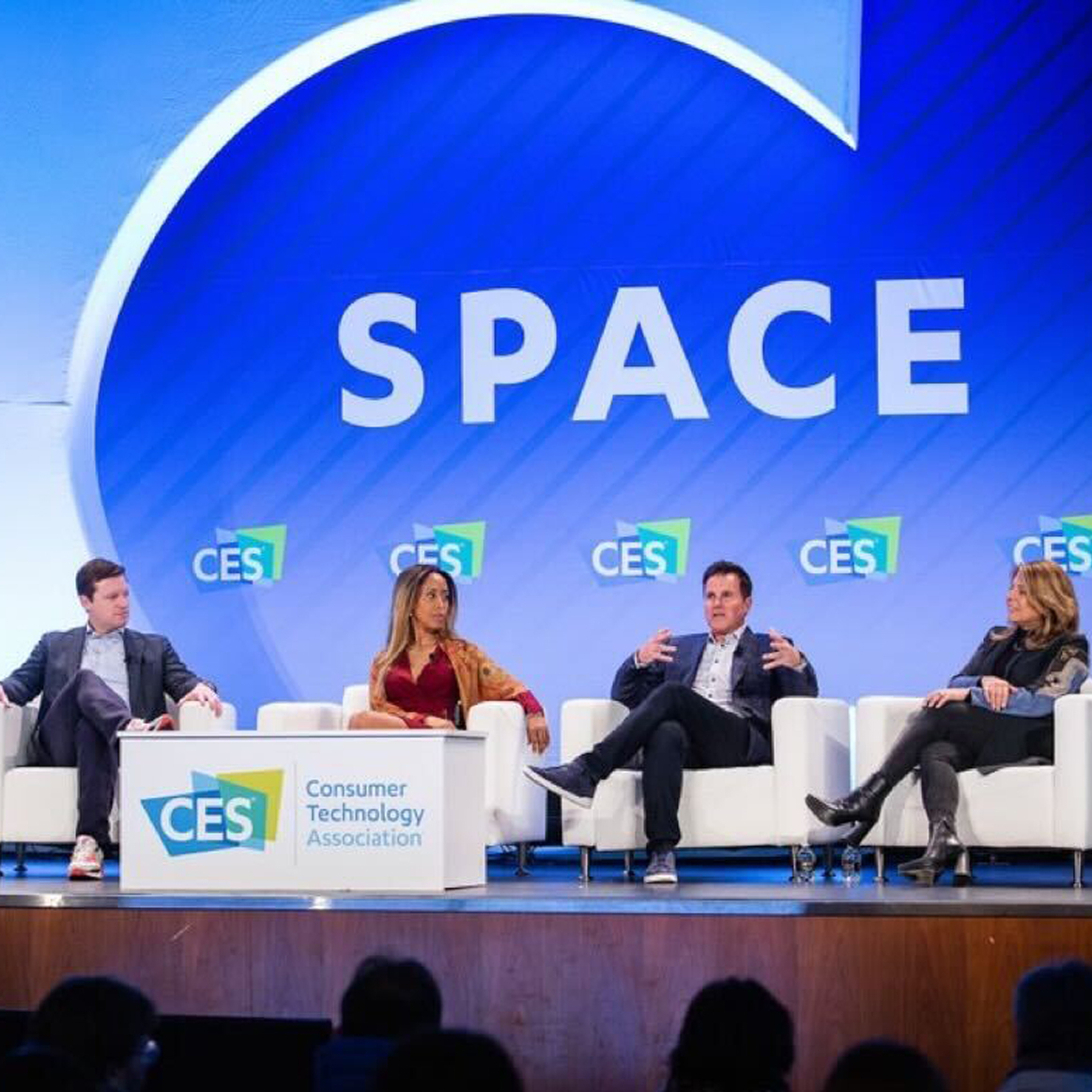
At the S4Capital Storytelling Session at C Space, moderated by Marta Martinez (Director of Google Marketing Platforms), S4 leadership met to discuss some of the reigning challenges and opportunities that brands face while moving into the new decade. Louise Martens, Global Head of Embedded Production at MediaMonks, mentioned how the uptick in social conversation and tech adoption has quickened the pace at which brands must deliver.
“In the past, you may have had four big moments in the year, but now marketers have to turn around thousands of thousands of assets across formats and channels.” The solution? New partner models that satiate brands’ need for speed and scale: “That pressure on organizations has sparked new models like co-location, in housing and embedding.”
And as digital platforms become increasingly saturated, ownership and implementation of data become critical to success. “To win, brands must look at their ecosystem: measure it, test it and feed that data back inside to the creative,” says Martens.
Pete Kim and Louise Martens on the C Space stage.
Noting that personalization is table stakes in 2020, MightyHive CEO Pete Kim also mentioned the battle for first-party data and integrating it more closely with a brand’s creative strategy. “I hope to see continued progress as we forge the processes of the future—putting the right message and the right creative in front of the right person at scale.”
The showroom floor at CES offers its fair share of hits and misses, which presents brands with a sober reminder to ensure their investment in new and emerging tech provides real value, both to the business and consumers alike. Olivier Koelemij, Managing Director of MediaMonks LA, participated in a panel as part of the Digital Hollywood track at CES that sought to highlight the value that one such technology—augmented reality—can offer to brands. Titled “The Augmented/Mixed Reality Experience,” the panel included industry experts such as Magic Leap, Microsoft, IBM Global Business Services and more.
Olivier Koelemij at CES.
One of the key challenges to mixed reality that the group highlighted, perhaps counter-intuitively, is its fast-growing maturity. While tech leaps have made it easier to design and implement impressive digital experiences—take Depth API’s addition to ARCore, for example—they also raise the bar on what a truly assistive, value-added experience looks like. For brands at a lower digital maturity, the panel highlighted the role that partnerships can play in homing in on that value factor and bringing ideas into reality.
“There are many ways to define value,” says Koelemij. He discussed the Dark Knight Dive, a 4D VR experience that lets users “fly” through a virtual Gotham City while suspended in a skydiving wind tunnel, as a best-in-class example of what brands can achieve when going big on extended reality. “With this project, we were able to connect AT&T with the Batman IP that they’d recently acquired, and the press was all over it. Marketers must think about how they measure and define success.”
The Consumer Electronics Show, or CES for short, is one of the world’s greatest celebrations of advancement in consumer technologies. Running throughout the week in Las Vegas, both the biggest players in tech and new startups alike have descended upon the conference to discuss and show off some of the biggest breakthroughs in tech throughout the past year.
While new tech is always exciting, each year presents its own challenge in separating hyped-up optimism from reliable use cases. But this time around, it seems that some technologies have graduated past the hype curve and are settling into proven, worthwhile use cases. Here are some of our highlights from CES 2019.
Fragmentation is the enemy of speed.
To kick off the conference, the faces of S4 Capital shared the stage for a panel session on the first day of the show. Sir Martin Sorrell was joined by Wesley ter Haar of MediaMonks and Peter Kim of MightyHive, bringing the whole S4 family together to discuss the ever-evolving landscape of storytelling in the digital age. The three discussed some of the biggest challenges for organizations, mainly the need for always-on creative and personalization as well as control of data required to deliver on those creative opportunities. On that latter point, Kim offered a solution.
“Fragmentation is the enemy of speed,” he said, “and we see the opportunity to unite the creative and media function in a way that hasn’t been done for decades.” It’s clear that it’s time to tear down the walls that lock away the data needed to provide a better experience to users and help brands in their media buys. And speaking to that need for personalizes data at a faster output, Sir Martin Sorrell identified the platform that will have perhaps the biggest impact in the next five years: voice.
Just how important is voice, anyway? Take a look at the CES show floor and the answer is obvious: extremely. In the past year, Amazon has made a point to introduce its Alexa assistant to seemingly any and every device and appliance in the home. Kohler showed off its Alexa-controlled Numi toilet, which allows users to heat the seat, control lights or play ambient sounds via voice. If that signals anything, it’s that no space is off-limits.
Voice is turning homes into the new frontier for business.
Now Google, who has given its Google Assistant a heavy presence at this year’s show, is following Amazon’s example in unveiling its Google Assistant Connect platform. The tool enables developers to integrate the assistant into their own devices more easily, allowing for an entire home ecosystem of Assistant-enabled devices and inviting entirely new user contexts into the home.
Voice-enabled interfaces are “turning homes into the new frontier for business,” according to MediaMonks Innovation Director Geert Eichhorn. While AI has been ubiquitous in our lives for some time—controlling air traffic, recommending movies based on our view history and more—it’s this new humanization of AI that’s helping brands get their foot through users’ front doors.
Voice isn’t the only hot interface at this year’s show. AR and VR also made an exciting splash—for example, HTC’s announcement of the Vive Cosmos, a virtual reality headset that promises to pair not just with PC’s but also smartphones as well, letting users take it on the go

Our Weber Pulse app reveals not only product features, but also how useful AR can be for retail.
At a panel titled “The Augmented Reality Experience,” Managing Director at MediaMonks LA Olivier Koelemij offered a few key insights and takeaways about AR for brands who want to take advantage of the tech, but don’t know where to begin. First, “Mildly branded, shareable filters like you see on Facebook and Snapchat have been really positive examples for the new types of advertising enabled by AR.” But most exciting to him were platforms like Google Playground, which enables users to create shareable AR content directly in their smartphone’s camera, opening up new types of interactions for users.
Pick the right reality for the right idea.
Whether your experience is the right fit for virtual reality, augmented reality or mixed reality depends on what you’re trying to achieve: AR selfie filters are great for letting users express themselves, though it can be a powerful tool for showing off how a product fits into users’ lives (for example, previewing how furniture looks in the home). VR, meanwhile, provides a great environment for storytelling and building empathy.
And that’s a wrap! CES never fails to disappoint, and there’s plenty to look forward to in the next year. While creative ideas like roll-up displays and flying cars take the imagination for a wild ride, the real theme of this year’s CES is the data that, when used effectively, lets organizations develop content and experiences in demand by their audience. We’re excited to watch—and continue to participate in—the industry’s evolving trajectory.
Choose your language
The website has been translated to English with the help of Humans and AI
Dismiss



