Choose your language

Choose your language

The website has been translated to English with the help of Humans and AI

Dismiss

The metaverse is the 3D successor to the internet that will enable us to move around and explore environments both real and fantastical on a 1:1 scale. You might access these worlds via virtual reality, a mobile device, your computer or a game console.

Myla Unique Minor's avatar giving thumbs up
Wide angle view of Myla and Renee high-fiving on the basketball court

Going Beyond: Women’s History Month • Rewriting Representation in the Metaverse

  • Client

    Meta

  • Solutions

    ExperienceVR & Live Video ProductionImmersive Brand Storytelling

00:00

00:00

00:00

Case Study

0:00

Scoring points for women in sports.

Fans from around the world hold their breath as the ball flies through the air and a slick alley-oop finally makes the virtual net of the Phoenix Suns swish. Professional basketball player Renee Montgomery high-fives our colleague Myla Unique Minor and does a little victory dance. She sees, she shoots and she scores.    


If it wasn’t for the metaverse, this anecdote may not have actually happened. Partnering with the NBA and Meta, we hosted a first-of-its-kind virtual reality interview with a professional athlete on a cutting-edge stage similar to the NBA court in Meta Quest. In celebration of Women’s History Month, Myla Unique Minor, Assistant Director and Producer at Monks, sat down with Renee Montgomery, two-time WNBA Champion and co-owner and VP of the Atlanta Dream. During halftime of the live VR broadcast of the game between the Philadelphia 76ers and the Phoenix Suns, the two women had a heartfelt conversation about female representation and how the rules around this can and should be rewritten.

Monk Thoughts My idea was so big that I knew I needed extremely creative people to pull it off. We managed to merge their innovative VR workflow with my wild imagination, not only building a groundbreaking experience but also celebrating women’s achievements along the way.

00:00

00:00

00:00

Myla Unique Minor Assistant Director and Producer

The GOAT in creative craft.

When it comes to creating unparalleled digital experiences, every shot counts. So, we designed and developed a one-of-a-kind halftime show. We were tasked to build the virtual set, which was available exclusively to all viewers who were watching the game live in Horizon Venues using their Meta Quest headsets. This custom-made set for the event took place inside Meta’s Horizon Worlds platform, with avatars for both women crafted to capture their unique sense of self in the digital world, and was built on Amazon Web Services (AWS) to deliver an engaging live experience. Traveling from the court to the stage, fans could tune into the halftime show to listen to Montgomery’s interview with Minor and see them shoot virtual hoops.

Myla Unique Minor and Renee Montgomery in the metaverse celebrating on a basketball court
Press [Monks] incorporated principles of traditional broadcasting with the technology to enable Montgomery and Minor to interact in unique ways and give viewers a front-row seat.
Read on Adweek.com

Equality on and off the court, that’s game.

While we are no stranger to streaming sports events in the metaverse, this segment has changed the game. Through our ongoing partnership with the NBA and Meta Quest, we support the live broadcasting of matchups in Horizon Venues, enabling fans to watch their favorite team play in virtual reality. However, this halftime show pushed the boundaries of what is possible, as the entire interview was filmed and captured in the metaverse, thereby merging the worlds of professional sports, entertainment and technology. On top of that, it welcomed the first-ever female commentator of the NBA in Meta Quest—making a slam dunk for women’s representation in sports and beyond.

Want to talk experience? Get in touch.

Hey 👋

Please fill out the following quick questions so our team can get in touch with you.

Can’t get enough? Here is some related work for you!

Get Versed in the Metaverse

Get Versed in the Metaverse

AI & Emerging Technology Consulting AI & Emerging Technology Consulting, Experience, Extended reality, Metaverse 1 min read
Profile picture for user mediamonks

Written by
Monks

Metaverse Image

The Metaverse Demystified

As the next phase of transformation, virtualization is changing how we interact with the digital touchpoints in our lives—and has set the stage for the metaverse. As more headlines espouse the benefits the metaverse will bring to digital audiences, it’s important to step back and understand the overarching concepts and virtualized behaviors that shape the space. Our report provides a straightforward overview of the metaverse with the context you need to gain a better understanding of the reinvention of the web.

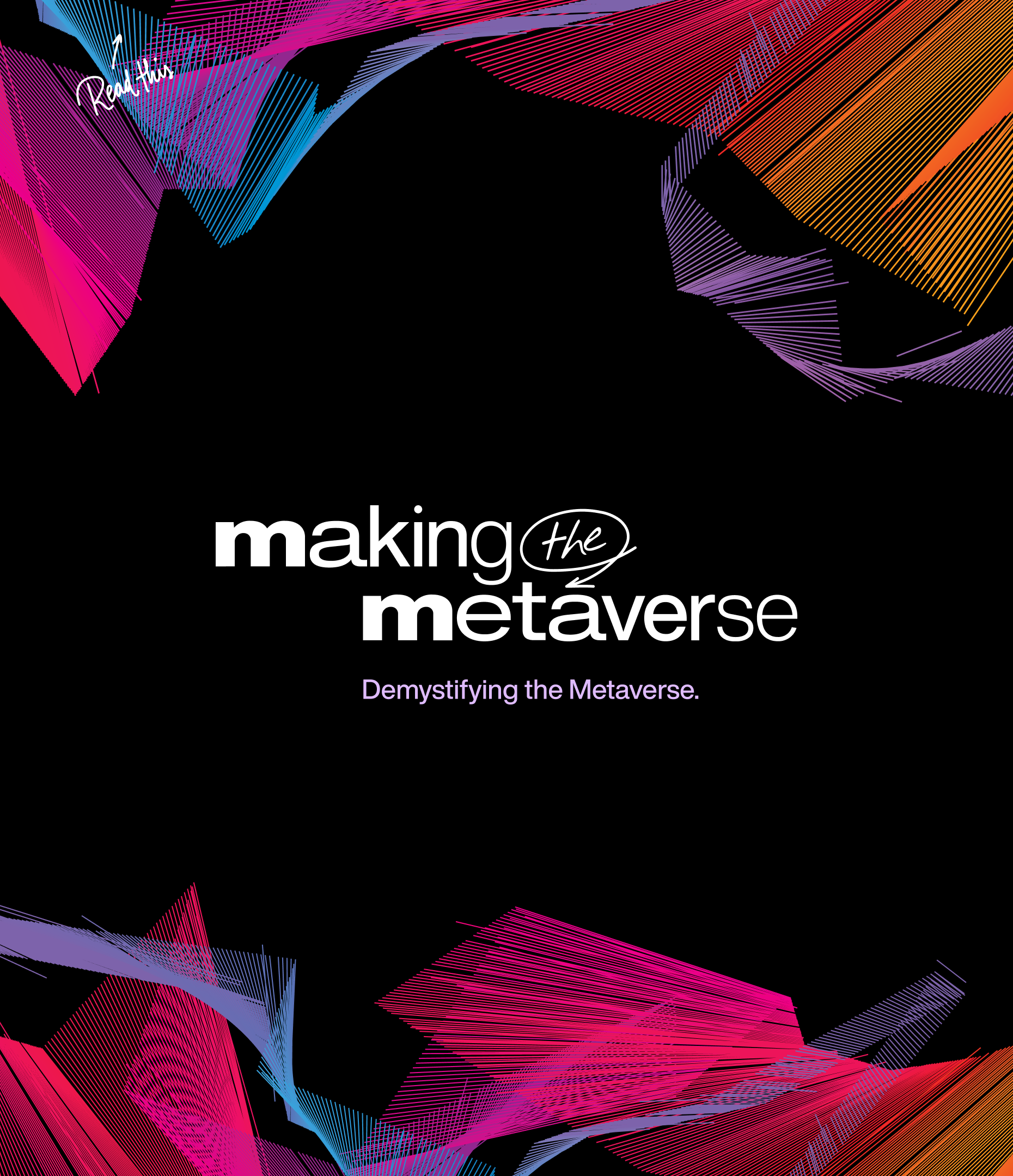
Making the Metaverse report cover page

You're one download away from:

  • Understanding exactly what virtualization is and how digital transformation plays into it.
  • Learning about tech-tonic trends and themes that are driving demand for immersive, new experiences.
  • Building an understanding of where your brand fits into the metaverse.

This experience is best viewed on Desktop

Download Now
This report provides a straightforward overview of the metaverse with the context you need to gain a better understanding of the space and the overarching concepts. This report provides a straightforward overview of the metaverse with the context you need to gain a better understanding of the space and the overarching concepts. metaverse brand virtualization virtual experiences virtual experiences Digital transformation AI & Emerging Technology Consulting Experience Metaverse Extended reality

Making the Metaverse Accessible and Inclusive by Design

Making the Metaverse Accessible and Inclusive by Design

4 min read
Profile picture for user mediamonks

Written by
Monks

A group of roblox characters stand in front of a sign and two women sit on a virtual basketball court for an interview

There is no doubt that the metaverse is full of promise as a new creator economy that offers access and equity to people online. That’s not a new promise—it’s been the goal ever since the internet first entered homes more than 20 years ago. So, what stopped this dream from becoming reality?

Web 2.0, the most recent iteration of the internet characterized by the rise of social media and user-generated content, did much to reframe the social consciousness around race, gender, sexuality, disability and more. While social platforms elevated a diverse range of voices, the leadership behind them are often white and male, betraying the notion that digital is the welcome space for everyone that it should be.

As we begin to envision and engage with the metaverse, we have the responsibility to help build a digital environment that is truly inclusive and accessible, that gives everyone (regardless of ability, economic situation, or any other factor) the chance to create and participate. Because the more people who can, the better the metaverse will be for everyone.

We All Have a Responsibility to Make the Metaverse Accessible

There’s the phrase “Nothing for us without us.” What it means is that the design of policies should not be decided without the representation and participation of those who are affected. To this respect, the gaming industry has made considerable inroads with the disability community: the much-celebrated accessibility features of racing game Forza Horizon 5, which released late last year, were created in partnership with direct input from the community. These features tend to trickle down into other games and immersive experiences like those found in the metaverse. Still, brands and businesses that lead in the creation of the space—builders of hardware, platforms and digital experiences—can do much more to enable true access and participation.

Broadly speaking, accessibility in the metaverse means providing an equitable playing field so everyone can contribute to the key economic driver it is: the metaverse economy is expected to be worth $13 trillion by 2030. Yet only 63% of the world’s population are connected to the internet at all. Lack of connectivity isn’t reserved for developing countries. Nearly a third of New York City households lack broadband internet, a base requirement for the immersive experiences that characterize the metaverse. Having access to broadband internet is essential for any creator hoping to build, sell or trade assets in these new worlds, or to develop the fundamental skills needed to thrive in the metaverse.

Many countries are addressing these concerns by declaring digital access a human right, including Estonia, which has established a national digital literacy system. But we shouldn’t wait for governments to catch up to the pace of technology; businesses can play an important role in upskilling and providing access. This could include supporting coding camps or donating hardware to schools, helping the next generation prepare and keep competitive for the virtualized economy.

The Importance of Representation and Self-Expression

Building is a fundamental activity in the metaverse, in which audiences participate in shaping experiences by leveraging the tools provided by developers. This makes representation important in metaverse experiences and storytelling, enabling audiences to construct identities that feel authentic to them—whether that means a 1:1 representation of the physical self, a complete departure from reality, or somewhere in-between.

Just as accessibility options have opened gaming to large audiences, a wide variety of representational options can enable belonging in the metaverse. While there’s still room to improve, games like The Sims serve as an excellent example for how to represent diversity to construct avatars and identities, like expansive gender options and eliminating the exclusivity of options between male or female characters. Likewise, those building and designing metaverse experiences can include inclusive options like Black hairstyles, prosthetics, assistive/mobility devices and more to ensure everyone in the metaverse can be themselves.

Still, real-world biases are likely to spill into the metaverse—meaning people may not always feel comfortable representing themselves in ways that reflect their physical appearance. Hardware limitations may also affect the faithfulness in representing a wide variety of bodies; for example, VR headsets on the market today were originally developed with certain color gradients as a lesser priority, evoking similar issues in photography from the days of film to now. Though by enabling diversity in both the creation and participation in these spaces, developers of metaverse platforms and experiences can cultivate a digital culture of respect where we hope to see a shift away from these concerns.

Platforms Must Anticipate Safety Concerns

Access and representation are crucial so that people of all walks of life can visibly participate in the metaverse, either as industry professionals building the technology or audiences participating in communities and experiences. But these efforts fall flat if it’s not a safe space for everyone, meaning an inclusive and equitable metaverse must account for user safety.

As we’ve seen over the last two decades online, anonymity can lead to destructive behavior—and there’s no reason to believe those behaviors will simply go away in a more embodied digital space. Moderating in digital has historically been difficult to scale, though the developers of games and tech platforms can mitigate unsafe experiences by implementing features that help people take greater control over how others can interact with them. The Safe Zone feature in Meta’s Horizon Worlds, for example, allows people to distance themselves from others by setting personal boundaries. Metaverse platforms can continue to evolve and adapt these features as needed.

No single company or culture can build an equitable and inclusive metaverse. That’s why those in our industry—including the brands, partners and tech platforms we work with—must unite with the communities we serve to develop open, secure and trusted virtual environments. Together, we have an opportunity to do better and build a new era in digital that’s inclusive from the start. Let’s get working.

Insights for this piece were contributed by Catherine D. Henry, SVP Growth, Metaverse & Innovation Strategy; Lewis Smithingham, Director of Creative Solutions; James Nicholas Kinney, Chief of Diversity and Talent Discovery; Iulia Brehuescu, Digital Accessibility Manager; Sam Haskin, Inclusive Marketing Practice Lead; Rona Mercado, Chief Marketing Officer, Cashmere Agency; and Vanessa Zucker, Director of Marketing and Communications.

As we begin to envision and engage with the metaverse, we have the responsibility to help build a digital environment that is truly inclusive and accessible for everyone. metaverse inclusive marketing brand virtualization diveristy diversity and inclusion

A Backstage Look at the Metaverse’s First Music Award Show

A Backstage Look at the Metaverse’s First Music Award Show

5 min read
Profile picture for user mediamonks

Written by
Monks

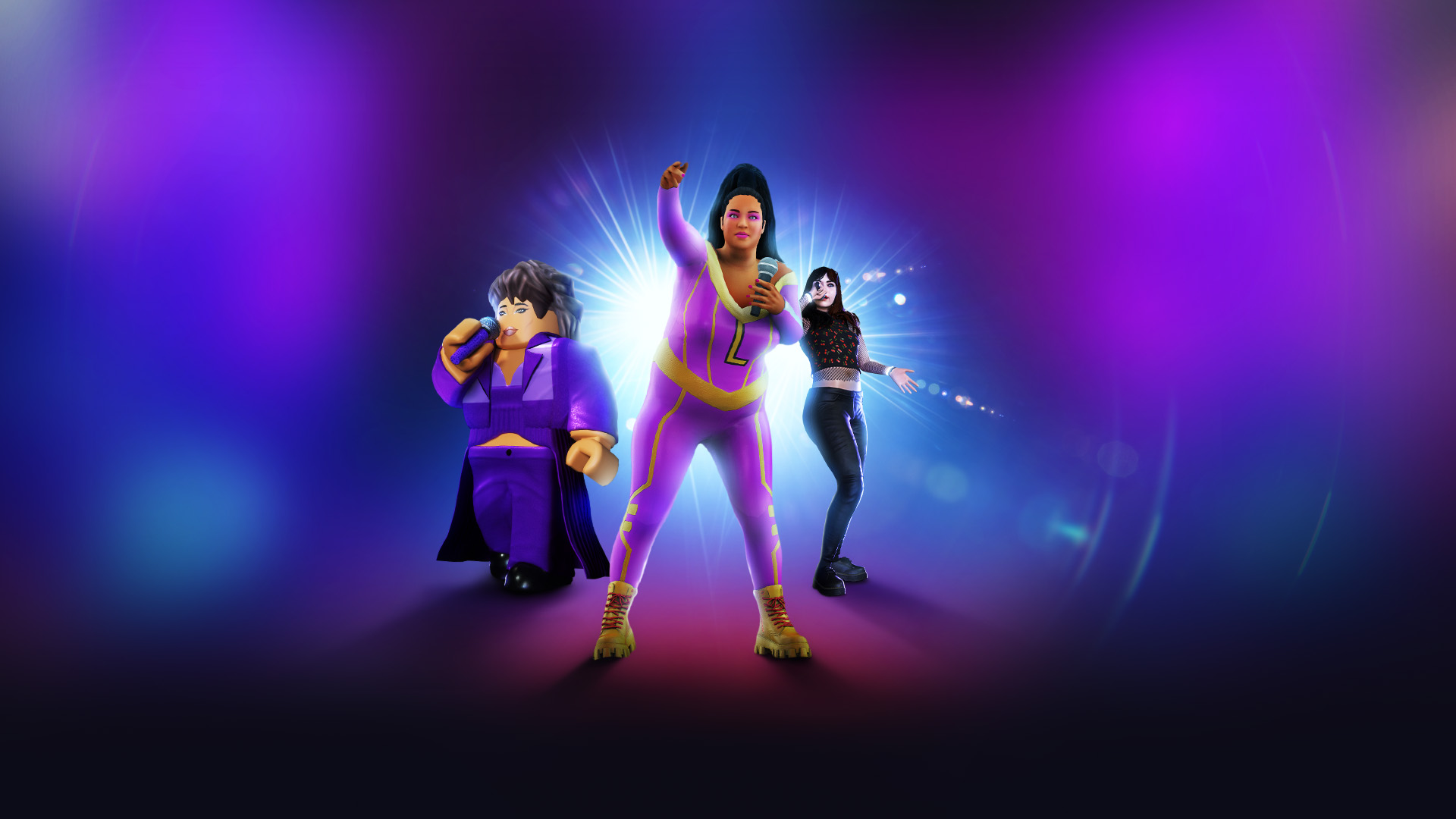
Bretman Rock, GAYLE, and Lizzo Roblox avatars

Historically, award shows have been exclusive affairs: from serving looks on the red carpet to the after parties, much of the experience is mediated through the screen to viewers far away. The vicarious thrill of the glitz and glamour isn’t lost on viewers watching from home, but gains in digital have the potential to reinvent the award show format into experiences that are playful, interactive and open to anyone with an internet connection.

“Television award shows are seeing a decline in viewership, while social media and audience expectations have challenged what an award show should even be,” says Eric W. Shamlin, Media.Monk’s Global Head of Entertainment. “Today the audience is more demanding and in more control than ever before.”

Digital culture has already made its mark in mainstream ceremonies, as exhibited in TikTok’s influence over the Best New Artist category at this year’s GRAMMYS. But more broadly speaking, the internet has played a substantial role in shaping culture through music. This trend is proven by the Billboard Song Breaker Chart, a monthly music industry chart co-created with Logitech For Creators, to spotlight trendsetting creators who are driving music consumption through content creation and positively disrupting the traditional music business model.

This year the second annual Song Breaker Awards, presented by Logitech For Creators, is putting those names on display. The ceremony will take place in Roblox on April 30 at 10 a.m. PST, pulling back the velvet rope to deliver a creator-centered, fun-first experience honoring ten individuals driving culture. As reported by Fast Company, it’s the first music award show in the metaverse and will be hosted by Bretman Rock. The experience culminates in performances by singer-songwriter GAYLE and multi-GRAMMY award-winning artist Lizzo, who is making her metaverse debut with a new single. But more importantly, the show offers a blueprint to how metaverse worlds can uniquely celebrate and enable creativity at an unprecedented scale.

"In re-imagining what a creator-focused award show could look like in the metaverse, we sought a partner that could guide us in this brand new space,” said Meridith Rojas, Global Head of Talent and Entertainment, Logitech. "In order to create for this format, you need to know this format. Media.Monks' inclusion of narrative and game-play resulted in a truly vibrant and engaging environment and production that's sure to surprise and delight the audience."

An Awards Show Starring… You

Owing to the Song Breaker Awards’ roots in digital creativity, Roblox itself is a robust platform for creative expression. It makes game and experience development easy for audiences with little to no background in programming, which has sparked a thriving creator community of 49.5 million average daily active users in Q4 2021. This makes the platform an ideal space for an engaging twist on musical award shows—if you know what the community values.

We partnered with Kurt Bieg, Chief Game Designer at Simple Machine, to create an experience that feels authentic and engaging to the Roblox community. “We built the show around a story that kids will care about,” says Bieg, teasing a high-stakes plot that players will engage with in real time. But focusing on a participatory narrative doesn’t mean the award ceremony itself falls into the background. “As viewers will see, the honorees will play a key role in shaping the story. It supports Logitech For Creators’ promise, ‘Together we create,’” says Bieg.


Monk Thoughts Moving the classic award show into the metaverse allows for maximum engagement and increased levels of interactivity and storytelling. There’s no turning back and we’re proud to support Logitech in this bold move that will set the standard for awards shows of the future.
Eric Shamlin headshot

Once inside the world, attendees can explore a futuristic city tricked out with gamified and interactive elements, from larger-than-life selfies, a shop stocked with digital Lizzo and Logitech merch, and even a roller coaster that glides throughout the city’s borders. What makes this space unique to other high-profile Roblox experiences is that the entire event takes place within one seamless environment. “Usually, Roblox experiences play out across a series of scenes like dioramas, but ours is one persistent world,” says Bieg.

Song Breaker Awards Roblox entrance

In that respect, the Song Breaker Awards might be more like a physically embodied event than initially expected. “We treated the show more like a traditional stage, where set pieces are moving in and out,” says Brett Burton, Creative Director at Media.Monks. “It seems like an old-fashioned way of doing things, but it is technically challenging.”

Interactive Environments Range from Chill to Thrill

As people explore the city, they’re met with a series of experiences that build up excitement before the big show—perhaps the flashiest being the Selfie XL, a unique innovation developed for the Song Breaker Awards. Rather than take a photo, the camera recreates players’ avatars with a clone that towers over the city skyline for everyone to see.

The Selfie XL is made possible through a quirk in the way selfies  function in the platform. When you take a photo in Roblox, the program renders a copy of the scene and flattens it into a 2D image. “We thought, ‘If we’re cloning the models, why don’t we just make them ginormous and not flatten them?’” says Bieg, who expects fans will try to push the Selfie XL to its limits, like trying to fit as many people as possible in its field of view.

A roller coaster designed to look like Logitech mice makes for another way to immerse oneself in the city as it travels across various places of interest. It’s just one of many creative nods to popular Logitech products that players may recognize from their own setups. “We wanted to turn Logitech’s products into unique experiences that would surprise everyone,” says Burton. “We wanted to incorporate them in ways that didn’t feel heavy handed but fit the world.”

Taking another cue from amusement park design, these main attractions—outside of the musical performances and award ceremony itself—are cleverly spaced out to invite attendees to explore around the entire city. Burton notes that many nooks and crannies are designed to be meme-able to encourage sharing—think of them like the virtual version of selfie stations you might find at a zoo or a museum. As people wander, they may uncover a handful of Creator Coins that unlock exclusive dances and animations to uniquely express themselves throughout the show.

Doubling Down on Creative Expression

Speaking of expressing oneself, one of the most fun things about Roblox is outfitting your avatar and showing off your style. Meanwhile, one of the best parts of seeing a good show is hitting the merch store for a memento that expresses your fandom. Those who attend the Song Breaker Awards can do both by exploring an immersive shop filled with virtual Lizzo merch and gear based on Logitech products, like a Blue Yeti microphone arm or an Astro headset.

The approach to merch hearkens back to Logitech For Creators’ purpose in supporting digital content creators. “We thought around what would make the merch valuable to someone playing Roblox. The idea was to let people dress themselves like a walking influencer,” says Bieg. Some of the pieces, like a body suit in the shape of a mouse, are sillier—serving the community’s love for funniness and memes.

Inside the merch store within Roblox for the Song Breaker Awards

Of course, the headlining experience of the Song Breaker Awards is the show itself, as well as lifelike virtual performances by GAYLE and Lizzo using motion capture. Viewers will also get to see MeganPlays (known as “The Peachy Princess of Roblox”), musician and activist Jaden Smith and Twitch streamer Shroud throughout the event. But beware: we hear that a mischief maker may crash the party to throw things into disarray. Can the power of creativity and community set things right?

“From start to finish, the level of detail that went into designing a fully-immersive and interactive world inside Roblox is truly unmatched,” said Nick Cicchetti, Media.Monks Senior Producer. “Beyond that, the narrative and storytelling that ties the performances together with internet culture to bring everyone in the audience from passive viewer to active participant is something that can only be done in a new environment made possible by technology and creativity. I’m thrilled to push the boundaries of what’s possible in the metaverse to bring the Song Breaker Awards to life, and I can’t wait for everyone to experience it firsthand.” 

You can explore the Song Breaker Awards pre-show area in Roblox right now. Look forward to the main event on Saturday, April 30 at 10 a.m. PST with three additional screenings throughout the weekend.

Discover how we built the creator-centered Song Breaker Awards experience to Roblox, the first music award show in the metaverse. metaverse brand virtualization virtual experiences virtual events

web3

Unlock the power of Web3 for unparalleled engagement.

  • Web3.Monks

    30+

  • NFT Market Size

    125BN+

Web3 hexagon infrastructure outline with colorful dots surrounding the design
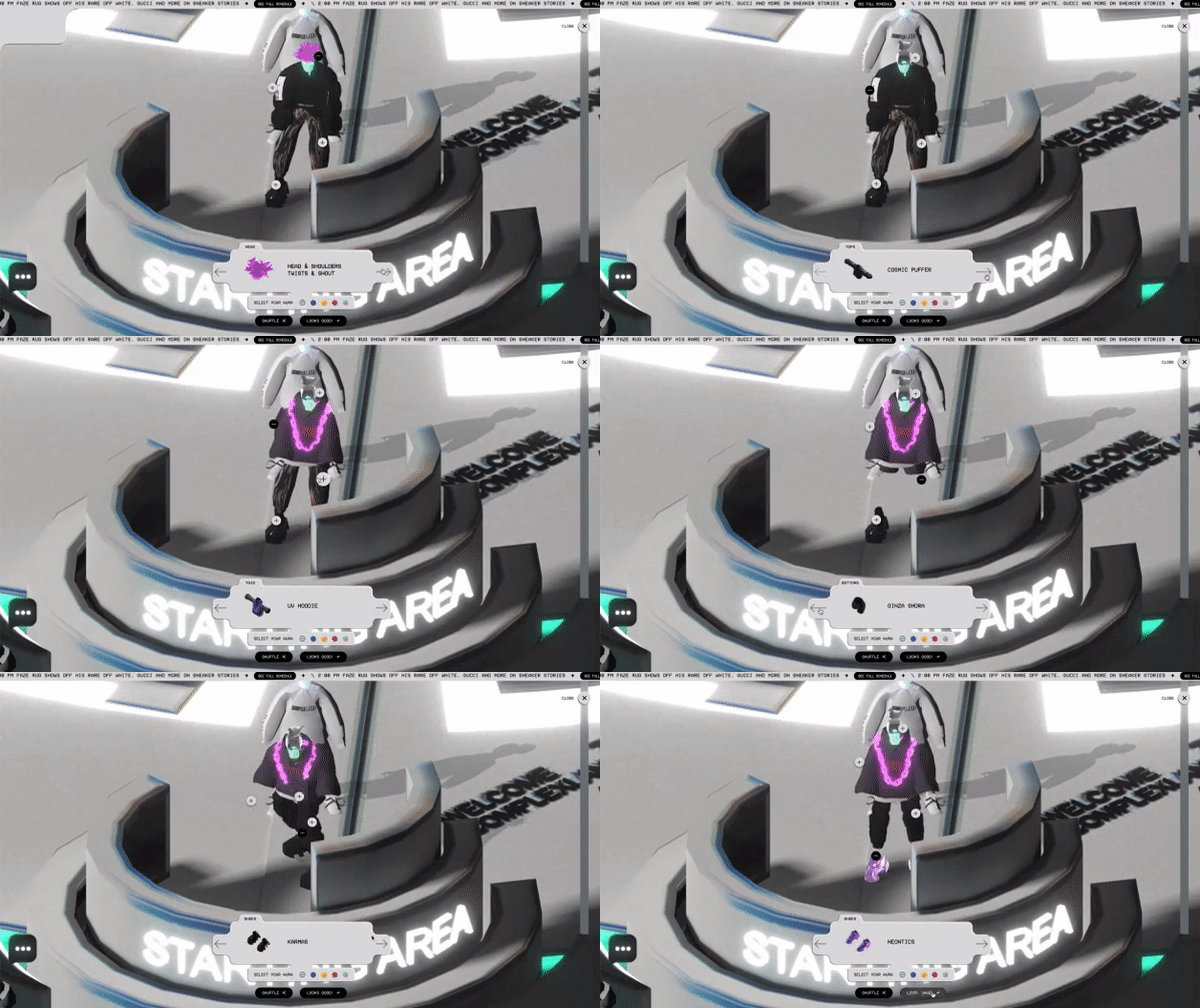
An avatar changing outfits
A screen shot of the uncensored library in the game minecraft

Third time’s the charm.

You’ve heard it all before: Web3 is rife with scams, blockchain is bad for the environment and we’re blowing up a bubble that’s about to burst. These criticisms are valid and are to be expected for any nascent technology where the landscape is messy and voices are loud. But Web3 enables us to do old things on the internet in new ways while unlocking new features, too—and that’s something worth paying attention to.

Monk Thoughts

Will shares how to innovate authentically and drive value using Web3.

Find your place in the ecosystem.

Web3 is more than a tech infrastructure; it represents an entirely new way of thinking about how brands build and engage with culture. Products have given way to projects, with fans wanting to participate and have a stake in the long-term building of communities. Meanwhile, the interoperability afforded by the blockchain allows people to seamlessly connect and revoke data with ease, causing implications in newly connected experiences and the authentication of identities. As a consultative partner in virtualization, we help brands identify and act on these opportunities and more.

Untangle the web.

  1. Our Approach

    Web3 Activation & Transformation • We’re a 360-degree partner brands rely on as they build the foundations of the next web. Supporting authenticity, accessibility and innovation, these are the ways we can help.

  2. A colorful pattern of dots in rows

    We provide a task force of go-to Web3 experts to begin building out a Web3 infrastructure. This includes legal frameworks and structure for accepting crypto.

  3. A few colorful lines coming in from the left shoot off into different directions

    Community is essential to Web3, and is achieved through minting NFTs, creating virtualized experiences and spaces, and supporting immersive new platforms.

  4. Web3 hexagon infrastructure outline with colorful dots surrounding the design

    Learn more about the landscape and your place within it, like how to set up your wallet, choose sustainable blockchains, and keep your community free of scams.

  5. Scroll down to learn more about why these efforts matter.

Swipe
For More!

Drag
For More!

A new approach to value with NFTs.

NFTs remain an accessible entry point for brands to experiment with the Web3 ethos. But the underlying value of an NFT is only as strong as the community that one has built around it, which can mean all the difference between cultural cachet and creative clutter. From mint to market, we help brands connect authentically (and sustainably) with audiences and NFT creators to build cultural engagement and artifacts for a new age.

Monk Thoughts As you're starting to activate Web3 experiences make sure to think about how you're bringing data in and bringing it together with the data you already have about your consumers so you're truly creating that 360 degree view of what's going on.

00:00

00:00

00:00

Ashley Musumeci Director, Go-To-Market

The intelligent enterprise takes a new direction.

More than currencies and collectibles, Web3 offers incredible opportunities to transform the enterprise. Smart contracts on blockchain—essentially programs that automatically execute transactions or document events according to the terms of an agreement—can be used to strengthen loyalty programs or automate entire workflows, like managing intellectual property across the business. Finally, Web3 also opens up the potential to move into new business models, like developing digital-native or exclusive products and services.


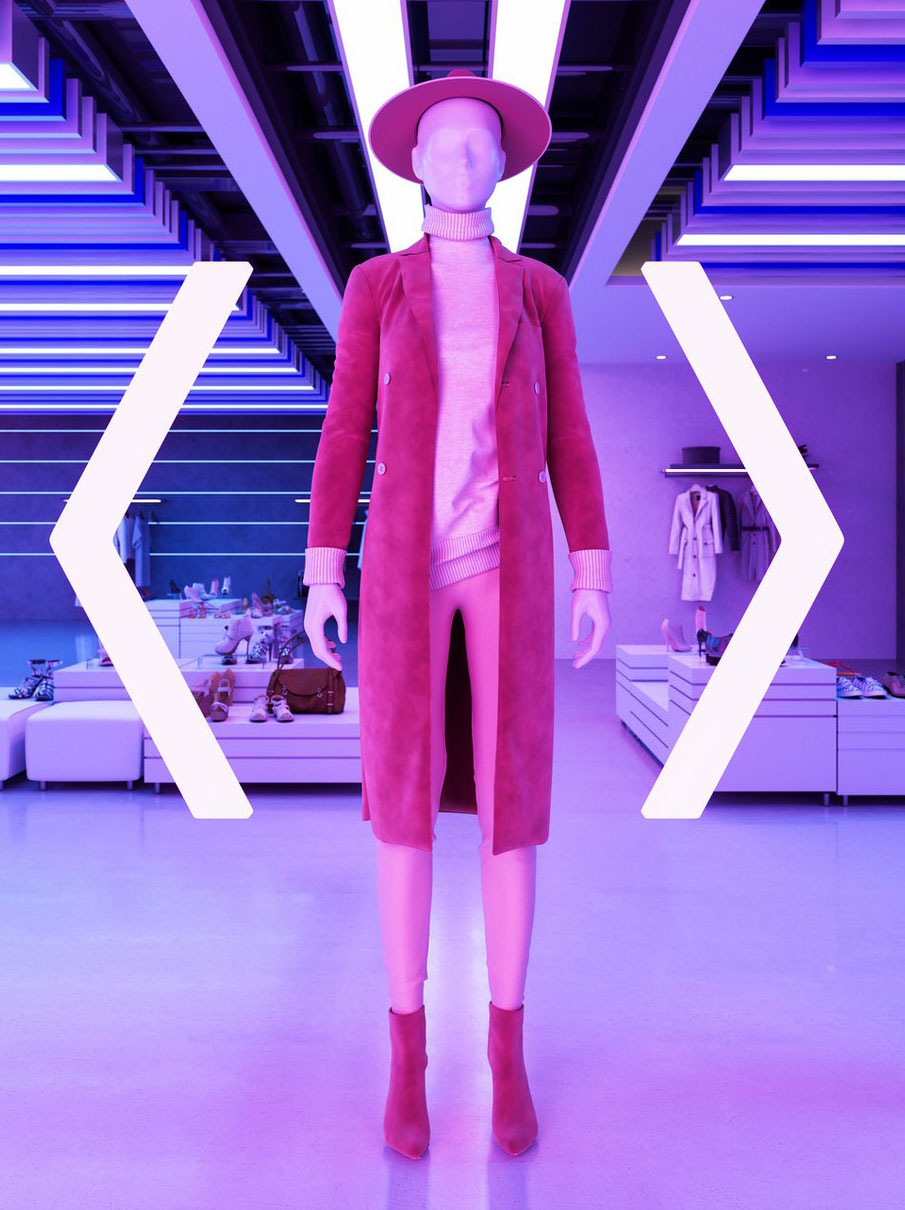
A mannequin dressed in pink stands in a purple room
Press This cultural shift is all about letting consumers contribute to creating your brand experience, as Web3 essentially entails a reward system in which consumers develop a much deeper connection with a brand by taking part in the creative process.
Read on Forbes.com

Want to talk Web3? Get in touch.

Hey?

Please fill out the following quick questions so our team can get in touch with you.

More on Web3

Everything to Know About NFTs, in a Monk’s Opinion

Everything to Know About NFTs, in a Monk’s Opinion

5 min read
Profile picture for user mediamonks

Written by
Monks

Famous NFTs on a blue background

Technology moves fast, and often the most cutting-edge developments can feel challenging to wrap one’s head around. That’s why we’ve launched a new live webinar series, IMO (short for “In a Monk’s Opinion”) where subject matter experts and client partners explore the hottest trends in digital marketing through an accessible discussion. In addition to covering the latest trends in virtualization, panelists also explore the tactics you can use today to make the most of them.

Hosted by Director of Content Marketing Adam Remson, the first episode of the monthly series is a special “Ask Me Anything” edition focused on NFTs featuring Jam3 Strategy Director Rachel Noonan, Lead Creative Strategist Michael Litman and Strategy Director, FLUX Dan Lewis.

As one of the biggest trends in marketing last year, NFTs have gotten a lot of attention from marketing teams and have become an accessible entry into the metaverse. But the tech behind them can add a bit of an esoteric mystique. An NFT is a token showing ownership of a digital asset. Because they can be proven unique, they can be assigned value (and accrue more before being traded or sold). This has led to incredible interest in the space, including from people willing to pay top dollar to dress their avatars in designer sneakers, purchase unique digital artworks or even land in the metaverse. Watch the episode of IMO to see how NFTs are being used in a marketing context already:


Throughout the live webinar, our audience flooded our inbox with questions about the technology and how to use it effectively—more than we could cover in a single webinar. Here, we’re surfacing up marketers’ most urgent questions about NFTs, ranging from their fundamentals, safety and security concerns, costs involved and use cases.

What does it mean to own an NFT?

If you are considering creating your own NFTs, first think of them as a “certificate of ownership” and not as a copyright. It is like verifying a painting you own as an original piece. You own it and can now price it to sell based on its value in the art market. This however does not prevent people from printing out images of your artwork from the internet, framing it and hanging it on their walls.

Rebecca Minkoff’s NFT collection

Rebecca Minkoff’s NFT collection, unveiled at New York Fashion Week, comprises a mixture of unique items and limited editions, released on OpenSea and The Dematerialised.

How do NFTs have value?

The value in physical objects is clear: they’re tangible and unique goods that tend to grow in value as they become scarce over time. Digital assets meanwhile run the risk of being duplicated. Still, NFTs are widely understood to have tangible value; because each digital asset is unique or limited in quantity, NFTs have the potential to benefit from the same sense of scarcity that applies to physical goods. In minting your own NFT, you are in control of how many are produced (ie, the scarcity of the asset) or a specific window of time in which they are available to buyers.

Are there any moves being made to increase the accessibility of NFTs? 

NFTs are a nascent technology. That, paired with “gas” fees (essentially a transaction fee that changes throughout the day based on network traffic) can make minting NFTs an expensive and confusing affair. But many are already making the creation or purchase of NFTs simpler for the average user. Platforms have already emerged allowing the purchase of NFTs via credit card, for instance, cutting out the need to purchase cryptocurrency altogether. But for now, the sense of exclusivity may work for some—the fashion and luxury industries, priding themselves for being at the cusp of artistry and craft, have adopted the technology well.

Should I be concerned about security?

Blockchains are decentralized, relying on a network of servers that confirm and validate transactions along a digital ledger. This means the record of ownership of an NFT or cryptocurrency isn’t contained on a single server, making them tamper-proof and more secure by design. Therefore, even if the server where the NFT is hosted is taken down, the NFT is not lost due to the decentralized nature of the mechanism that verifies the authenticity of NFTs. Still, NFTs are not 100% safe. They can be stolen from their owners’ crypto wallets through phishing schemes, and marketplaces that mint or exchange them can be hacked. NFT thefts occur when an owner is tricked into opening up their digital wallets and transferring the ownership of their NFT property.

How much does it cost to create NFTs?

When it comes to the cost of minting one, look at a minimum of $70, with costs fluctuating based on gas fees (which can drive costs to over $100) and the volatility of the cryptocurrency used to pay. There is also a commision fee levied by the host server of the initial sale of the NFT that a seller bears, which ranges between 3% and 15%.

How can marketers utilize NFTs?

NFTs may not be right for every single brand or every single industry. A brand needs to understand what it wants to achieve with an NFT activation, and an NFT should be part of a longer-term roadmap where it can provide unique benefits and virtualized experiences for people that wouldn’t be experienced anywhere else.

One of the best examples in use case for NFTs can be seen in events and entertainment. For example, NFT concert tickets can open up a world of opportunities and ways for artists to connect with their audience. The NFT not only acts like a music pass but is also a collectible and a tradable asset. It can be a tactical enablement tool for marketers in which users can unlock exclusive experiences like early-access to sale tickets of the next concert, special meetups with the artists, and cross-promotions with other brands. Concert tickets are the one of the most obvious places right now, especially when there’s fandom or a community that hinges on it. Used this way, artists and creators benefit because they can bypass intermediaries to connect directly with their audience.

An image of a screen with a man speaking

An unreleased scene gifted as an NFT was given to the quickest code-cracker as part of our immersive web experience for Netflix's Army of the Dead film.

How might NFT ownership translate to physical goods and experiences?

Sometimes an NFT isn’t tied just to the ownership of a digital good but confirms the ownership of a physical good as well. This type of hybrid NFT arises when NFTs expand their scope and utility by bringing the real world on-chain. The Real-World Asset NFT (rNFT) is a way of tokenizing physical property or goods so they can be traded, collateralized, governed and owned using smart contracts on blockchains. Tokenizing products can generate new revenue streams for fashion brands by increasing the penetration of physical products and adding new services such as early access to limited collections, special events, experiences or even unique virtual products and activations. An interesting recent example of virtualization leveraging NFTs is Dolce & Gabbana’s Collezione Genesi, a nine-piece virtual fashion collection released as NFTs. Five of them offered their owner the opportunity to redeem the corresponding physical pieces. This type of utility is exciting in the world of luxury and art, but it’s safe to assume use cases will start to proliferate across many different categories.

The premiere of IMO, a new webinar series from Media.Monks, tackles some of marketers' biggest questions about NFTs. The premiere of IMO, a new webinar series from Media.Monks, tackles some of marketers' biggest questions about NFTs. metaverse webinar brand virtualization virtualization NFT

How Gaming Is Shaping the Future of Work in the Metaverse

How Gaming Is Shaping the Future of Work in the Metaverse

4 min read
Profile picture for user mediamonks

Written by
Monks

Screen grabs of videos games on a black background

Today, gaming is the gateway to the metaverse. Brands know it, marketers know it, and so it comes as no surprise that Microsoft has reached a deal to buy Activision Blizzard in the biggest all-cash acquisition in history. Or that just days before, Take-Two Interactive had made its own powerful move by agreeing to acquire Zynga, arguably the biggest company in social gaming.

For the industry, these two momentous deals are bursting with clues of what the future might look like. Brands are moving into or doubling down on gaming as they seek to tap into that community, bring interactive features to their business and create new virtual worlds to connect with consumers. And in years to come, we’ll continue to witness big moves in that direction as brands become increasingly interested in leaving their mark on the metaverse.

But in addition to gearing up for something that’s still being developed, these companies know that gaming spaces are already rich in cultural momentum and provide endless opportunities to create virtual environments where people can collaborate, exchange ideas and engage with others. But it’s not just consumers who will be there—these experiences can also extend to brands’ prospects and their own workforce. So, what exactly does the gaming trend mean for the future of work? 

Investing in Memory-Making

If you’ve read our metaverse report, which you can read in English, Spanish, Portuguese or Chinese, you may recall the anecdote of how our Director of Creative Solutions Lewis Smithingham had a meeting with his client in the video game Red Dead Redemption, where their business talk was interrupted by a lion attack. Far from being ruined, the meeting became an inside joke that brought them closer together—a fun memory that they wouldn’t have made on a regular video conference.

The anecdote shows how the memories we form online can have the same value as those made in any IRL experience. Perhaps even more so, as virtual spaces enable us to do things we wouldn’t have otherwise—like fending off your adversaries with clients. The fact is, people have been collecting real memories online for a long time, participating in exchanges over their shared passions and making new friends. It’s only natural for companies to start leveraging the potential for memory-making, and bring that value internally.

The report also illustrates how gaming drives the desire for cooperation, which becomes easier and more engaging in immersive worlds. On one hand, it erases the notion of borders and physical distance, meaning two people can be present in the same virtual space in a matter of seconds. It also levels the playing field: with games like The Last of Us, people can customize their experience through the accessibility settings, which includes features that benefit low-vision players and other options focused on fine motor and hearing.

Horizon Workrooms’

The same level of personalization can be extended to virtual workstations. People with chronic medical conditions or disabilities can personalize their setup according to their own needs and preferences instead of adapting to the one-size-fits-all kind of equipment they would find anywhere else. Horizon Workrooms’ settings, for instance, include color correction filters that help color blind people better distinguish elements. 

Beyond the Fun and Games

It would be a big mistake to assume that immersive worlds can only bring value to the entertainment industry. Microsoft’s Mesh, for instance, is a platform that enables team collaboration through immersive telepresence, making use of elements of the AtspaceVR platform that the company acquired. Soon, that same technology will be used to enhance the Teams platform. Noticeably, Microsoft has identified immersive worlds’ potential to bring work teams together and provide them with the same engaging, bonding effect it has on consumers.

Immersion can also be extremely powerful when it comes to networking. As a guest on the Campaign Chemistry podcast, Smithingham explains there’s a special level of focus that comes from having one’s hands on a controller, which pushes you to be present in the moment. So while regular video conferences lack some of the most engaging elements of an in-person meeting or the famous “hallway moment,” immersive worlds reduce the possibilities for distraction, leading to higher productivity.

When it boils down to it, accommodation makes all the difference in performance. The virtual workspace offers the possibility to be designed and redesigned for each individual without intruding on the preferences of others. With personal assistive technology, workers easily focus on their tasks and preserve energy for what really matters instead of wasting it on working around the same old barriers.

That said, as we embrace these technologies we must make a conscious effort to erase other inequalities—financial, cultural, racial—and create digital environments for everyone. “An open metaverse is more than just interoperability; it's about accessibility,” explains Catherine D. Henry, SVP Growth, Metaverse Innovation & Transformation Strategy, XR Creative Technology.

Monk Thoughts Digital democracy is ensuring everyone has access to the tools to participate in the virtual economy. The more active participants, the richer the ecosystem and the user experience.
Catherine Henry headshot

The Gateway to the Metaverse

For companies looking to build these immersive, collaborative environments, gaming serves as a source of inspiration and technological prowess. It shows how personalization and accessibility can bring about meaningful experiences, and that we don’t need to be in the same physical space to create a culture we truly feel part of. 

But among all the learnings that transpire from gaming brands, perhaps the most important is the value they place on authenticity. These brands keep players’ interests at heart to focus solely on experiences and partners that deliver true value to their community. By the same token, it’s essential to take a people-centric approach when it comes to virtual workspaces. Only if we put people’s preferences first will we be able to become the sponsors of an unforgettable experience. 

In seizing all the opportunities that the gaming industry is enabling for brands, it would be wise to approach each with an open mind. We’re already witnessing how modern and traditional companies alike are dipping their toes in gaming to unlock untapped audiences, but these values will also shift the way we approach other instances of life, such as work. 

If the metaverse is the successor of the internet, and gaming is defining the shape it’s going to take, it’s time we start looking at the tools and features that make it so engaging, and find new ways to incorporate them into our own business. After all, experimenting internally is the first step to providing our audiences with the virtual, immersive worlds they crave.

As companies invest in gaming, the development of immersive worlds will shift the way we approach work. As companies invest in gaming, the development of immersive worlds will shift the way we approach work. gaming metaverse immersive future of work

Scrap the Manual: The Metaverse

Scrap the Manual: The Metaverse

15 min read
Profile picture for user Labs.Monks

Written by
Labs.Monks

Text against a blue background that reads, "Metaverse"

What even is the metaverse?

In this episode, Angelica and Rushali expand on our metaverse-focused Labs Report with a quick overview of how they created a Roblox prototype demonstrating the metaverse concept of interoperability. You’ll get an inside look into some of the quirks of the Roblox platform as well as its developer culture—and because Roblox is viewed as a pioneer in the metaverse landscape, the process may give you some insight into what to consider when building your own metaverse experiences.

You can read the discussion below, or listen to the episode on your preferred podcast platform.

00:00

00:00

00:00

Angelica: Hey everyone! Welcome to Scrap The Manual, a podcast where we prompt “aha!” moments through discussions of technology, creativity, experimentation, and how all those work together to address cultural and business challenges. My name's Angelica.

Rushali: And my name's Rushali. We're both creative technologists with Labs.Monks, which is an innovation group within Media.Monks with a goal to steer and drive global solutions focused on technology and design evolution.

Angelica: Today, we're going to be doing our Labs Report segment, where we give a quick TLDR (too long didn’t read) of one of our lab reports and deep dive into something that we didn't get to cover in depth in the report, such as expanding on our prototype we created, a topic that has some interesting rabbit holes, but didn't fit neatly onto a slide. You know, that kind of thing.

Rushali: Today we are going to be covering…the Metaverse. 

Angelica: The Metaverse!

Rushali: We have a whole bunch of research and resources for anyone interested in the Metaverse to deep dive into it from creators to C-suite. But if you need a refresher on a few things, here is a quick TLDR of the Labs Report on the Metaverse.

Angelica: What even is the Metaverse? It's like this big thing, there's a lot of buzzwords around it. There's a lot of different components. There’s a lot of different opinions about the Metaverse. But what we can do is divide it up into the key ingredients of the Metaverse.

The metaverse is 3D because, similar to the physical world that we live in, the metaverse has a collection of different worlds, all connected together into one ecosystem. One thing that we were talking about internally, as we were creating the Labs Report, we referenced a whole bunch of different ones, but Wreck-It Ralph Breaks the Internet, that particular movie, where they had Twitter and Facebook and eBay, all connected together into this one ecosystem. That's one version of—or one interpretation of—what the Metaverse could be within a 3D space.

Another thing to consider is that the Metaverse is inherently social. This came up a lot, especially during the pandemic, and how experiences are really focusing on not just the singular aspects of each individual person and their version of the Metaverse or what they see the Metaverse as, but also how they connect to other people.

There's also the aspect of the Metaverse in which Facebook, now branded as Meta (at the time of recording), is pushing towards working together within this Metaverse. So not just for fun, but also moving into how do people work within this Metaverse and how people within these more separate spaces connect and work. Something that is also an aspect of the metaverse, which we're going to talk a little bit about within our prototype, is the metaverse going beyond hardware and talking about interoperability.

So there are certain apps or certain games and platforms that are really exclusive to a particular medium. The Metaverse is really thinking towards this interoperability and where you can access the things that we're used to accessing maybe in only one medium, but in multiple different mediums and multiple different ways, like to join a zoom office meeting in VR or like the mix and matching of things.

But essentially meaning: There's a lot of different things going on to make it accessible for a wide variety of audiences, wherever they want to be. 

Rushali: Yeah, the world is headed towards more decentralized and democratized situations and solutions, which make these systems interoperable. So you can have currencies in different formats that can be exchanged.

And if you look at how the virtual world is progressing, it is headed towards something where you do not have to fit into a bucket and you can basically move from one environment to the other quite easily. So the Metaverse is headed towards that. It is trying to use these emerging technologies when it comes to cryptocurrency or blockchain. 

Angelica: It's sort of like currencies, right? In the United States there's the Dollar. In Europe, you got the Euro. And you got all these different types of currencies, but they act as a way to divide between country lines.

Rushali: And not just divide, I would go further and say even discriminate. 

Angelica: Yeah.

Thinking about how all those affect us currently within those different types of currencies, that's where the Metaverse would come in.

So there wasn't this sort of lost currency, just because you have to transfer from dollars to euros or whichever type of currency you use. You could have this democratization of how to even just pay for, and even earn money for goods and services. 

Rushali: The last thing about the Metaverse is the user-generated content.

This place is going to be a collaborative place. We have all seen how much interaction and content gets created on social media platforms. And the Metaverse is just going to be the big nudge for creators to go from not just a 2D space, but involve the entire gaming industry and other online interactions to really push for user-generated content.

Angelica: Yeah, we see this already through gaming as well like thinking about DLC or mods that help enhance the game that's already there. That user generated content adds that extra level from fans, creators, and players that makes them feel a little bit more invested within it. And that's kind of part of the Metaverse, right? Where we're not going to be going into these cookie cutter worlds. That these worlds will be somewhat affected by the people that are participating in them.

So it’s this holistic world that we can't just say one person or one company made it. It's a collection of the many that also makes it customizable. 

Rushali: Absolutely, and it's going to be a lot more collaborative than what we have right now. For example, the Metaverse is going to be able to bring in what the people watching the concert want to do in a way that we can't do right now with, let's say, gravity and other limitations. So the Metaverse is really going to be allowing for products, services, artists, to collaborate with their fans, with their users, with their customers in ways that was not possible until today. 

Angelica: Exactly.

Okay, so we've covered the high level aspect of the Metaverse. Like we mentioned in the beginning, there's so many resources.

So if you want to learn more about the Metaverse and all the deep dives into it, you can see that later on in the show notes and also within our blog post. But for now, we're going to be moving forward towards the types of things that we didn't necessarily see within the Labs Report. We're going to be talking about our prototype, which is something that we do a lot with our lab reports. We're not just researching. We take that a step further and actually create something to show that what we learned has an application within the real world and how it could show itself within different types of contexts and business challenges

Rushali: We decided to build something on Roblox for the Metaverse Lab Report.

Angelica: Yeah. What we wanted to focus on in this prototype and what we ended up creating was a tangible thought piece, an interactable thought piece, on what the Metaverse would be if it was really embedded within our day-to-day lives and wasn't just something that was a one-off or something that we'd go to once but as something that is really a part of our daily lives. And that was divided into: Admin, Social and Shopping. We made sure each room had a unique approach on what we could see each of these types of environments being like moving forward and how they interconnect with each other. And then even later on, we have a bit of an easter egg about how these different types of worlds not just interact with each other really well but interact outside the world. Because that's something we don't see a lot of currently. 

Rushali: In Admin world, you could basically have the central hub of personal information. You could keep your virtual currency there, you could keep an overview of your friends, your stats. Basically your inventory of things that you have.

The second part was the social part, which was this ethereal, thought bubble environment that we created that users could view what other people were doing, could share what they were doing, and would connect with others in real time. Much like what social media allows us to do, but more in a 3D space…more in a Metaverse-y space.

And the last one was the shopping world. The shopping world was a dynamic environment where you basically have countless categories of whatever you wanted to buy, whether it was virtual or physical. You could order food in the Metaverse in Roblox and it would get delivered to you at your doorstep. Or you could buy an NFT of a dress or try on something through a Snapchat lens.

There was a hidden world, which was the entertainment world, but we didn't deep dive into it, because there's a lot of examples of entertainment in the metaverse out there already. 

Angelica: So that was the overview of the prototype. Diving a bit deeper into what our process was: it was a variety of different things because the metaverse is a topic that has been in the works for years and is also something that's currently in progress. So it's not something that we can retroactively reflect on this particular type of concept.

So it's something that's ever-evolving. And so our brainstorm and prototype phase was also ever-evolving based on what was going on and what we were learning throughout the process.

So it was a bit longer of a phase, more than our typical lab reports, because we ended up breaking it up into: What are the different things that we like about the Metaverse? What are the different aspects that get us inspired or what are things that we could explore more deeply within a prototype? And then once we had an idea of all these different worlds that connect with each other and seamlessly integrate within each other, how do we create that? And then what are those worlds? What do they look like? What are the interactions that people have? And so we whittle it down through all these different concepting sessions and user journeys. Our final concept was a semi-homemade approach, as I like to say, because one of the things that happens within our Labs Reports is we set a timetable to complete them at.

And for this one, it was about a month and a half, I think it was. Because of that, we need to really make smart decisions on, okay, based on this prototype, how do we want to demonstrate it? And also to what fidelity and how much interaction. The concept was really playing on the interoperability of the Metaverse.

That's really what we wanted to hit home because there weren't a lot of examples or interactable thought pieces on this concept. So we were envisioning a world and an environment where essentially people could go home from work and be able to check in on their friends from their phone. Then that translates into desktop and they're able to check in on their Admin. Then that goes into Social, checking in on what they're doing in the evening. Then that goes into Shopping, preparing for the day. “Oh, wait, I'm hungry.” You know, all those different types of things that end up affecting our day-to-day lives currently. But what would the Metaverse look like if that was a part of the equation?

Rushali: Awesome. 

Should we dive into why Roblox? 

Angelica: Yes. Why in the world did we choose Roblox ?

Rushali: For starters, I had never interacted with Roblox. I am not 13 years old unfortunately…

Angelica: It's open to everybody.

Rushali: That is true. 

Angelica: But Roblox is considered, at least within the United States, geared towards younger audiences. And they have a lot of moderation policies that really emphasize the fact that it really was meant for audiences, let's say 15 years and younger. But it has some interesting aspects to it that made us choose Roblox particularly.

Rushali: Absolutely, and Roblox is one of the platforms where developing a game is simplified. They use a programming language called Lua, which is often a language used for teaching children how to code. And it takes very little time to grasp the concepts of Roblox and as any game engine, it has a similar interface and layout. But what is interesting is that it's not as complex as Unity or Unreal. It takes away all of the complexities so that even a 15 year old could build a pretty complex game out of it with scripts, building blocks, as well as all of the assets and essentials that you need and logic that you need to build a game.

Angelica: Yeah, and going back to your point about Unity and Unreal. There’s very similar aspects that Roblox shares, but in a much more simplified way. So like you mentioned about plugins and things. Unity has plugins. Unreal has plugins. Roblox has plugins, right? Thinking about customizing interactions, Unity has a way to do that through custom code, Unreal does as well, and so does Roblox. So it's pretty much creating this infrastructure of a general understanding of a lot of these types of game engines, but in a way that's accessible and also powerful in some instances. Another thing that is really interesting about Roblox is the generated content like we mentioned, and how there's a really open type of thought process in how other developers can help other developers. And that's also the infrastructure that we see in other game engines and coding platforms as well.

Rushali:The Roblox community is extremely well set up and there's a lot of support. So if you get stuck on something, there's always a tutorial. Or there is always someone who ran into the same issue, but someone else explaining how to resolve that issue out in the internet for you to build on top of. 

Angelica: Yeah.

Roblox is this dark horse of sorts where, in the coding community, we see like the tried and true platforms. And then Roblox comes in and it's like, “Roblox? Really gonna build for Roblox?” But there's a lot of similarities between other platforms and how the development process goes, that it can really be a powerful tool if leveraged the right way and also access a lot of different types of audiences that may not be available within other platforms.

Rushali: I think while I was researching, I found a statistic that said that Roblox developers are making like, millions of dollars? So if you're a developer, hop on that Roblox train.

Angelica: Choo choo.

The other cool thing about Roblox, and one of the reasons why it was interesting for us to do the prototype on that platform, is really re-imagining what it means to be a gaming platform. Like Unity and Unreal, we call them game engines, but they can do so much more than that. Roblox is a very similar way, in thinking about where Roblox is used traditionally for games and experiences, it could be leveraged for non-game reasons. Blurring the line between these digital events and experiences outside of a game world and really transform it into something completely different and something that matures as the Metaverse will as well. 

Now as much as we talk about how Roblox was great, and there's all the support, there were challenges that ended up coming up in the prototype.

If it was smooth sailing, we would be very suspicious on, wait, why is it all going so well? Or really realistically, are we pushing the bounds enough of the platform, right? Because we are an R&D group after all. And these types of things do come up because we are thinking about how to push these platforms further. So roadblocks are inevitable as a part of this process.

Rushali: One of the things that I've found really hilarious about Roblox is that you cannot upload logos of certain trademarked things. Like we couldn't upload the Media.Monks logo. Or we would get banned constantly for trying to upload something that we didn't know that we couldn’t upload. So you have to really read through the approval process and the agreements of Roblox’s constraints

Angelica: Yeah and this is because the platform was originally, and still is to a particular extent, geared towards being kid friendly. And so a lot of those are considerations of why they have those different types of policies.

Rushali: Absolutely. I think there's a couple of constraints when it comes to Lua and Roblox where certain things are not possible because they have had to simplify the way that their engine works. But it's also quite surprising that the amount of things that are possible to do when things are that simplified. So it's really a beautifully designed environment for children to learn how to code, but also for adults to sit down and really think about how complex things become, like state of the matter, for us as we grow.

Angelica: Like, should it be that complicated? 

Rushali: Yes, exactly. I had a philosophical moment while working on the prototype where I was like, “Do I need to think in such complex ways in life?” 

Angelica: Right.

One thing that it actually reminds me of is how Roblox is great because of the user-generated content. It's able to both support and the community be able to give back on the different types of interactions that fellow developers can do because one developer was able to open source it to everybody. Or, in some instances, for a fee. But let's remember that this platform is thought about and made for children. So with them being some or many of the developers, there are still children. And so they can still be punks like adults are. And one of the things that we ran into a few different times is: we think about how, like, bugs or different types of plugins that we bring in for other platforms can sometimes error out or just make sure to double check where you download things. That's just the general ethos of what we need to do.

And it applies here as well. Roblox is not immune to childish viruses that come up, but there were a few different plugins that we had, even as much as we go to like reading reviews, making sure that it seems reputable. When you download them and click play there are a few viruses that are just like, “Hehe, [username] got you.” And it would just put that on all the different assets and it would take so long to get rid of it. And it would slow down the experience sometimes as well. 

Rushali: See this is why My Chemical Romance’s song “Teenagers” is my favorite song because teenagers are literally the scariest people on the planet. I think.

Angelica: Or preteens, too.

Rushali: Yeah. Preteens, too.

I can't say. The next generation seems like, super kind. But Roblox is where teenagers are, so be mindful and keep your guard on.

Angelica: It's more just making sure, maybe for certain plugins, test it in a separate environment that maybe isn't a part of the actual world that you want to integrate it within just to make sure the plugin is all good and isn't going to slow everything down. Or there are some that you wouldn't be able to use your mouse. Like a lot of them were very benign or minimally frustrating, 

Rushali: Minimally volatile or violent. 

Angelica: Yeah, yeah. But it was still something that took away from the process of developing. So those are some things that we had to keep an eye out for.

Moving on from Roblox, there's other things that just thinking retroactively about the prototype and the things that we were able to do, we're also contemplative on: what are the different things we did not do? What are the things that we hope for the prototype to achieve, but maybe isn't available yet? Or weren't able to do within the timeframe that we would like to see within the future. So one thing that was implementable is how these Roblox worlds could be accessible through an app, accessible through a desktop, accessible through VR devices. It was one of our stretch goals to be able to have it be integrated within VR. So that's something that looking back would be great to implement within future options and something that would be definitely within this Metaverse aspect of things…Or even like a console version. That would be an interesting one to deep dive into.

Within the prototype video, we discussed how someone could integrate their Uber eats account within Roblox and be able to purchase food. And it actually would be delivered as if you had ordered it from the app. That is something that's not currently available, but we would love to see that within feature iterations or as the Metaverse progresses, actually being able to see that fully functioning within our reality.

Rushali: I think integrating APIs when you're in a PG environment is slightly trickier, which is why their entire technological constraints with Roblox are a little more complex because they want to be PG-13.

Angelica: Yeah, exactly.

So we've covered a lot because the metaverse is a lot. What are the different things that we can consider moving forward?

One consideration that comes off the top of my head is the Metaverse is today. The metaverse is tomorrow. But where is the metaverse in between? How do we get to that “Ready Player One” reality that has been talked about, or within Snow Crash as well. What are these different types of Metaverse POVs that everybody's really excited to get to, or it might be like some mixed reactions to those towards the utopian and the dystopian version. But how we get to those somewhat futuristic visions of what the Metaverse could be, it takes one step at a time. It's something that isn't going to be at our doorstep tomorrow, but it will take time for many companies, creators, and individuals for us to get to that point. Thinking about hardware, advancements, software advancements that need to be done to be able to get us to that point, right?

So it's one of those classic, over estimating how much progress we could make in the future and then underestimating how soon we'll be able to get there. That type of classic dilemma. But it could be somewhere in the middle where it will take years to get to the point where we see in “Ready Player One,” or in these different types of things. But it's not to say that the Metaverse isn't going on right now. It is going on right now in these different aspects of the Metaverse. So thinking about virtual reality, augmented reality, NFTs, collectibles, user-generated content…a lot of those are the principles that the metaverse will stand on and will be built off of.

Rushali: Yeah like, basically what's happening right now is all of the key ingredients of the metaverse are available in fragmented ways but they all need to come together. So the interoperability is something that is being worked on by multiple companies across the world, not just for computation and hardware reasons that we can't get to the “Ready Player One” situation. It is something that is here right now, but at the same time, getting built as we speak.

Angelica: Yeah, the investment and participation of these platforms and those fragments today is going to greatly shape and influence what's going to look like moving forward. So it is something where us as a collective of individuals and companies and developers will be able to influence this.

Thanks everybody for listening to Scrap the Manual. Be sure to check out our blog post, in the show notes for more information and references of things that we mentioned here. If you like what you hear, please subscribe and share! You can find us on Spotify, Apple Podcasts, and wherever you get your podcasts.

Rushali: If you want to suggest topics, segment ideas, or general feedback, feel free to email us at scrapthemanual@mediamonks.com. If you want to partner with Media.Monks Labs, feel free to reach out to us over there as well. 

Angelica: Until next time!

Angelica and Rushali expand on our metaverse-focused Labs Report with a quick overview of how they created a Roblox prototype demonstrating the metaverse concept of interoperability. technology metaverse virtual experiences
`

Metaverse

Demystifying the Metaverse.

Discover how to leverage the metaverse to connect with consumers.

An animated portrayal of different metaverse worlds
Making the metaverse report

A new era in digital.

Live digital events have eclipsed the largest gatherings in human history. Digital images, once considered meaningless, now sell for millions. In short, we’ve moved from a decade of digital transformation to the transformation of digital—what we call the new era of virtualization. And this evolution is best represented by the metaverse connecting these phenomena and experiences together.

On our minds

Building beyond the hype.

There’s no questioning that the metaverse offers the next stage of growth for modern, world-leading brands—but knowing how to show up to support virtualized experiences isn’t always clear. By keeping a laser focus on emerging user behaviors and experimenting at the forefront of new formats and features, we help brands look beyond the hype and zero in on tangible ways to bring value to audiences in the metaverse and across the digital ecosystem.


00:00

00:00

00:00

“Meet Me in the Metaverse,” highlights the role of the Metaverse through interviews with subject matter experts throughout our company.

An immersive experience that drives culture

  1. Work

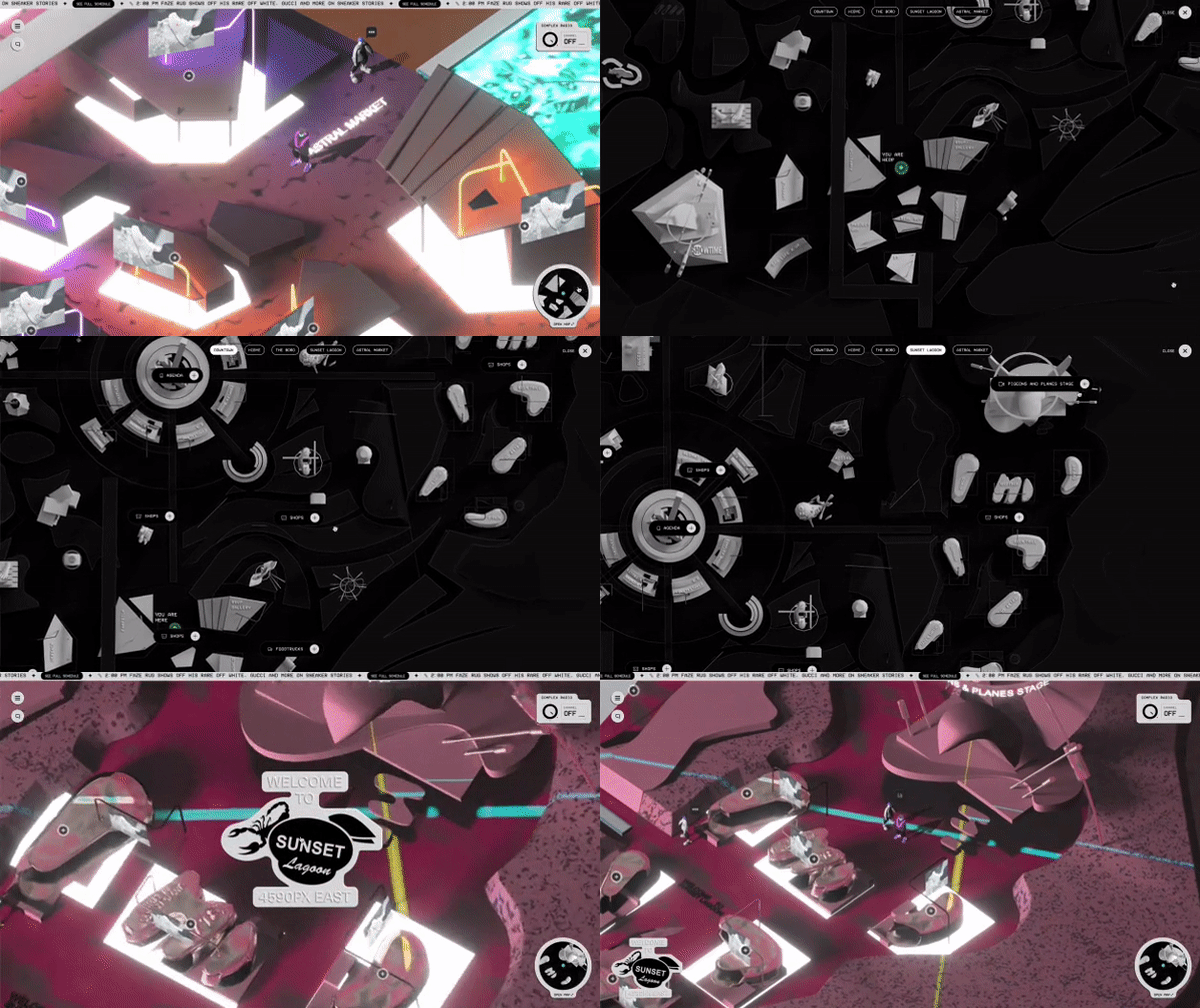
    ComplexLand • We rewrote the festival playbook by co-creating ComplexLand: a free, immersive 3D digital experience featuring exclusive drops, releases, shopping, music performances, food, moderated conversations and more.

  2. ComplexLand avatar

    We designed ComplexLand to be a single-player experience focused on global accessibility, incredible partnerships, and lots of fully-shoppable merch.

  3. An overhead view of ComplexLand map
  4. A ComplexLand avatar choosing their outfit
  5. ComplexLand avatar standing in front of a shoe drop
    An adidas shoe purchase in ComplexLand
  6. The schedule for ComplexLand
  7. Want to learn more about how we showed up at ComplexLand?

Swipe
For More!

Drag
For More!

Reality redefined.

Look in the dictionary and the term “virtual” might suggest something that’s close to (but not quite) the real thing. That connotation is antiquated; today, interactions, relationships and memories made within immersive digital experiences can become just as real as those made offline—maybe even more real. The metaverse is the new stage where people go to connect, and we help brands build memories and relationships there that last.

An experience like no other before.

Roblox avatars from Song Breaker Awards

Case Study

Song Breaker AwardsWe teamed up with Logitech for Creators to host the first-ever music awards show experience in the metaverse.

See Full Case Study

Meet audiences where they’re at.

More than just a new frontier for growth, the metaverse is an extension of ourselves. As cultural norms and personal identities continue to shift and evolve with it, we help brands support the values of audiences and communities by leveraging new platforms and formats, like cooperative gaming and user-driven creativity.

Monk Thoughts

Rachel shares how brands can bring value to customers within the metaverse.

It’s time to adapt to a new age.

The metaverse—and by extension, web3—redefine what ownership means for a digital society. With virtualization transforming the human experience for a new age, we help brands adapt and respond to opportunities by pursuing new revenue streams, seizing opportunities for commerce and connection, and producing immersive original content that drives culture.

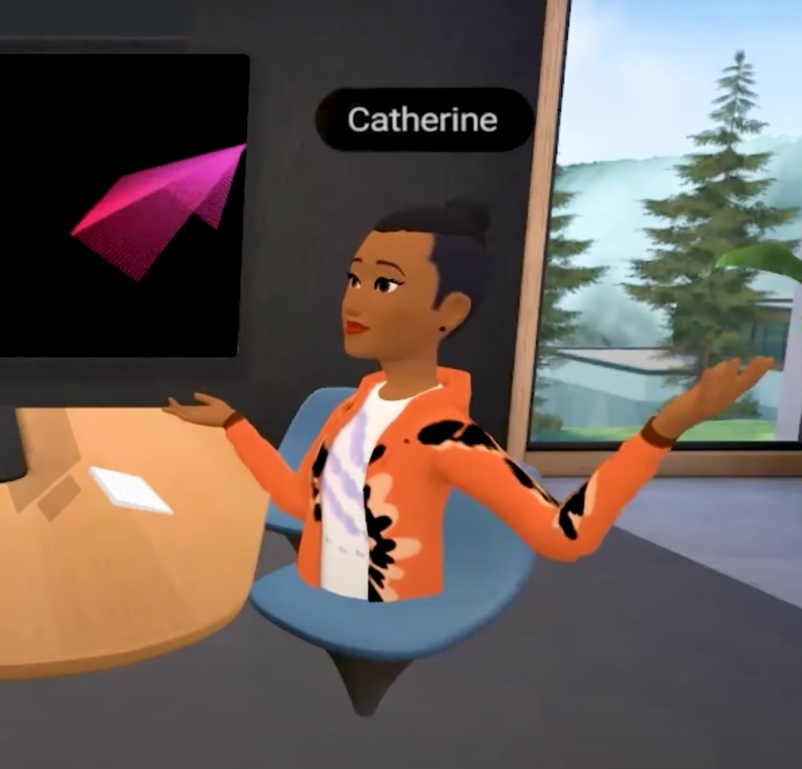
Catherine Henry's avatar in Meta's Horizon Rooms
Press The persistence of one’s online identity across platforms is a hallmark of the metaverse. As a result, the brands and products that consumers are most likely to purchase virtually are those that engage with users’ appearance or identity.
Read on Digiday.com

Want to talk metaverse? Get in touch.

Hey👋

Please fill out the following quick questions so our team can get in touch with you.

More on the metaverse

The Labs.Monks Reveal Their Top 10 Tech Trends of 2021

The Labs.Monks Reveal Their Top 10 Tech Trends of 2021

6 min read
Profile picture for user Labs.Monks

Written by
Labs.Monks

Disrupting insights and predictions text on a dark purple background

While 2020 felt slow, arduous and sometimes scary, 2021 seemed to have raced by—and the state of the world in January seems almost foreign to today (in the best of ways). That’s why we Labs.Monks—the innovation arm of Media.Monks—have come together to reflect on some of our favorite trends, disruptions and technologies that have emerged in the last year and will set the stage for the next.

First, let’s just talk about the elephant in the room: everyone is incredibly excited about the metaverse, and you’ll find that it’s a running theme throughout many (but not all) of the trends our team has highlighted. So if you’re looking for more ways to understand what “the metaverse” means beyond simply being a virtual world, consider this a nice way to get up to speed with many of the metaverse-adjacent technologies that are sure to mature in the near future. Now, without further ado, let’s dive in!

10. Fashion Gets a New (Virtual) Look

One of the earlier topics we explored this year, in collaboration with our fashion and luxury team FLUX, was the virtualization of fashion. The report anticipated many of the conversations that are now closing out the year—namely, the role of personalized avatars and digital assets within the metaverse. “If there ever was one timely trend we managed to point out and detail, it would be this one,” says Sander van der Vegte, Head of the Labs.Monks. One takeaway that Sander finds especially compelling about the virtualization of fashion is the opportunity that it opens up for a more sustainable industry. “I think sustainability is going to make a big step in 2022,” he says.

Monk Thoughts What’s not to love about testing a new clothing line in the metaverse before determining if it’s popular enough to put it in production? Good for business, good for the world.
Sander van der Vegte headshot

9. Digital Humans Come Alive

As a corollary to virtual fashion, digital humans were another trend we explored at the very start of the year that has gained new relevance in recent months. By casting a spotlight on Vtubers (content creators who represent themselves in the form of a virtual avatar), virtual influencers, AI-powered agents and more, our report examined how our perception of what it means to be human may be shifting.

Again, virtual agents and avatars in the metaverse will only accelerate the adoption and acceptance of virtual humans, especially as technology closes the uncanny valley. Andrei Ungureanu, Creative Tech Intern, says: “The digital humans lab report really opened my eyes to how much technology has evolved in breaking the uncanny valley. I always viewed this stuff as gimmicks for attracting attention to games or brands, but by seeing all of the applications I see more value in this area.”

8. Extended Reality Gets its Moment

Extended reality isn’t new; consumer VR headsets were made available as early as the 90s, and social media users have enjoyed AR lenses for years. But neither technology has reached its true potential—though that may quickly change in the next year thanks to lowered device costs and increased adoption throughout the pandemic. “I think the biggest trend for the next and coming years is that expensive and hard-to-use tools will become more easily accessible for the typical user,” says Lennart Croese, Creative Tech Intern, who mentions not only virtual reality headsets but also other emerging technologies like deep fakes.

7. Mirror Worlds Emerge

As extended reality becomes more accessible and palatable to end consumers, AR cloud technology—essentially a 3D spatial map overlaying the real world—is set to give way to a “mirrorworld” that doubles our own. Innovation Director Geert Eichhorn notes that many of the major players in AR are already working towards this goal, with Niantic’s Lightship platform, Google’s Cloud Anchors API and Snap’s acquisition of 3D mapping developer Pixel8Earth each serving as key examples. The benefit? More locally relevant, multi-user experiences. “AR Cloud may start to emerge finally, which will allow us to create very precise experiences and gather technologies together,” adds Luis Guajardo Diaz, Creative Technologist.

6. Motion Capture Captures Consumer Attention

Augmented reality and mirror worlds aren’t the only technologies that will bring the virtual and physical worlds together. With a desire to seamlessly interact with virtual objects and spaces, motion capture technology—with the use of suits or even digitally, like the Oculus Quest’s built-in hand tracking—will become an important link.

Monk Thoughts How do we move and see movement in the metaverse? Increasingly, it will be with mocap.
Portrait of Geert Eichhorn

Once reserved for film and video game production, motion capture suits may soon make their way into everyday users’ hands with consumer-level versions—providing more precise motion tracking than purely software-driven solutions like computer vision. With Vtubers gaining in popularity, it’s easy to spot the demand for more natural and 1:1 movements. “To embody ourselves in virtual worlds, we’re going to need more accessible ways to represent and visualize ourselves,” says Javier Sancho Rodriguez, Project Manager.

5. Healthcare Gets a Digital Checkup

The pandemic prompted mass adoption of telehealth and other innovations in healthcare—but not without contention. “Healthcare is one of those industries that is influenced by social, political, economic and technological opinions and affects us all so personally, and yet there is so little we can do individually,” says Rushali Paratey, Creative Technologist. “Any innovation or prototype in this field is looked at under the microscope, which makes it extremely tricky to get something into the wheel of the system—but I like thinking about difficult things!” She speaks from experience: as part of our report on how to heal healthcare, Rushali helped the team develop a prototype that translates medical jargon into plain English that anyone can understand, demonstrating digital technology’s power to empower patients.

“Our report hinted at how innovation powered by data could revolutionize the way we see and improve health,” says Geert. “This could have global implications when it comes to identifying new diseases, patterns and cures. DeepMind’s recent breakthrough in determining a protein’s 3D shape from its amino-acid sequence is a strong example.”

4. Game Engines Level-Up Content Production

Game engines—a software framework that includes several tools and features to aid in video game development—aren’t just for games anymore. Unreal Engine, developed by Fortnite developer Epic Games, has been famously used in shows like Westworld and the Mandalorian, not to mention several other films and series. And as the metaverse drives demand for immersive worlds and digital assets, game engines will become crucial in the development of digital experiences now and into the near future.

Monk Thoughts Gaming is an integral part of the metaverse trend, not only because of playful aspects but mainly because the metaverse relies on the same technology and skills we’ve developed over the years in gaming. The metaverse will leverage both and take them to a whole new level.
Javier Sancho Rodriguez headshot

3. We Break Some Rules–And Write New Ones

One undercurrent running behind many of the trends of the last year is a desire to break free from convention and old ways of doing—an attitude that drives our team’s thirst for innovation. There’s probably no better example of this in action than enthusiasm around the blockchain and NFTs, which can transform everything from how we shop online to how we pay content creators and much more. All this is to say: expect more disruption as users continue to shake up power structures and democratize their communities.

“I think the biggest innovations will be the ones that satisfy our collective need to break out of restrictions,” says Rushali. “The pandemic caused a lot of restrictions, so we are going to break out of those in the digital world: cryptocurrencies run by decentralized autonomous organizations or maybe even communities governed by them on platforms like Discord or Clubhouse, where people can connect under their own rules.”

2. Crypto Goes Mainstream

Speaking of crypto, many brands took the opportunity to experiment with NFTs and virtual assets throughout 2021. Yet for many, discussion surrounding NFTs remains focused on market speculation and quickly cashing in on hype, detracting from the more revolutionary and utilitarian purposes of the technology. Javier shares his wish for 2022: “We’re already seeing crypto-based products and metaverse as part of our mainstream discourse, but it is very polarized and motivated by a lot of wrong reasons. My hope is that this will settle down into a more nuanced discourse and we can use these opportunities to do good.”

1. Self-Expression and Identity Evolve

The internet has long been a liberating place where people can represent themselves on their own terms. And while anonymity has slowly faded through real-name registration rules on some platforms, metaverse worlds—like Roblox and VRChat—reinforce the utopian vision that you can be anyone online.

Monk Thoughts I’m looking forward to further growth of the metaverse because of the impact it can have on people having more freedom to connect and express themselves.
Angelica Ortiz headshot

In addition to that, the ability to adopt different personas can have profound implications for brand building and storytelling. “There’s added pressure to not just deliver any type of content, but content that makes us feel something, be someone and challenges us to think differently.” Angelica adds.

And that’s it! There certainly hasn’t been a lack of innovation over the past year, and as we look ahead to 2022, we can’t wait to see what happens next. But stay tuned, as the Labs.Monks will continue providing regular insights and experimentation into new trends as they emerge. See you then!

The Labs.Monks reflect on some of our favorite trends, disruptions and technologies that have emerged in the last year and will set the stage for the next. The Labs.Monks reflect on some of our favorite trends, disruptions and technologies that have emerged in the last year and will set the stage for the next.
emerging technology innovation trends emerging tech trends metaverse virtualization AR VR healthcare

Choose your language

Choose your language

The website has been translated to English with the help of Humans and AI

Dismiss