

Case Study
Experience
Redefine brand engagement through innovative, best-in-class digital experiences.
We are the architects of industry-defining brand experiences.
Over the last four decades, digital transformation has been the catalyst for growth. However, a new generation of digital natives with distinctive and high expectations has emerged. As experts in brand experience, we see every brand touchpoint as an opportunity to inspire, engage and innovate.
Our approach is centered around the power of bringing strategic, creative and in-house production together. We deliver award-winning, big-idea thinking through our unparalleled storytelling, exceptional craft and industry-defining digital expertise.
Redefining the future of virtual events
-
Work
ComplexLand • We translated the experience of ComplexCon into a shoppable, digital-first journey enjoyed by the most discerning trendsetters in culture.
-
![ComplexLand intro with logo in the clouds]()
Our Challenge
Realizing that trendsetters are increasingly just as interested in their digital identities as their physical ones, we leveraged this insight into new consumer behaviors to design ComplexLand.
-
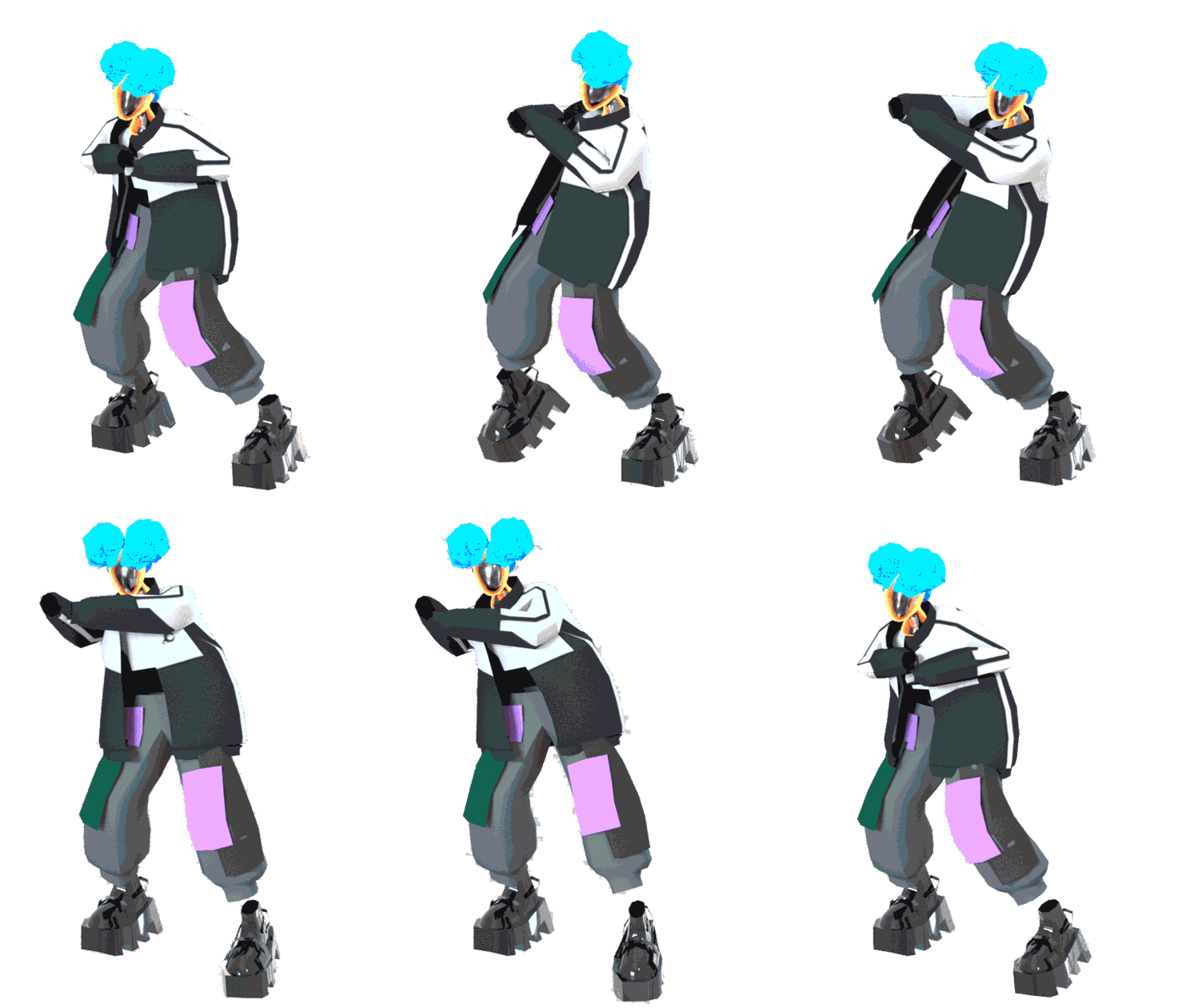
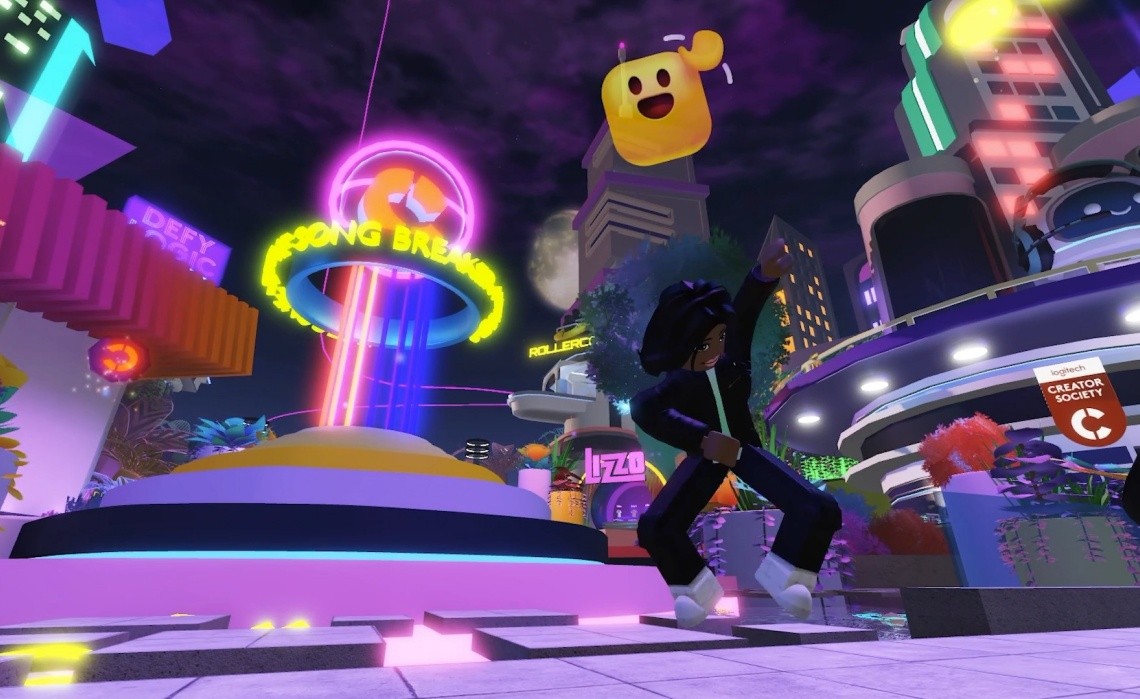
![An avatar dancing]()
-
![A shoe drop happens in ComplexLand]()
-
Since the start of our partnership years ago, ComplexLand has grown into a profitable media and retail platform that combines commerce and entertainment.
It’s the first of its kind to condense more than 70 brands into one shared virtual experience—allowing the institution to establish new partnerships with the hottest brands driving culture today.
-
Want to learn more about our partnership with Complex Networks?
Swipe
For More!
Drag
For More!
Monk Thoughts
Today’s consumers have seen it all and done it all – simply put, they expect infinitely more from brand experiences. Earning their affinity and their business requires insight and strategy rooted in culture, matched with highly innovative and disruptive thinking.

Connect
How can we help you innovate? Drop us a line.
Experience is everything.
As experts in brand experience design, we work to elevate and innovate your brand through every single consumer touchpoint.
We are your consultancy, agency and production arm all in one, specifically designed to help modern brands looking to disrupt, differentiate, and innovate everywhere customers interact with them. We exist to make complex problems simple.
Solutions
We are here to help with…
Highlighted
Solutions
Swipe
For More!
-
Impactful Brand Activations
Everything you need, end to end.
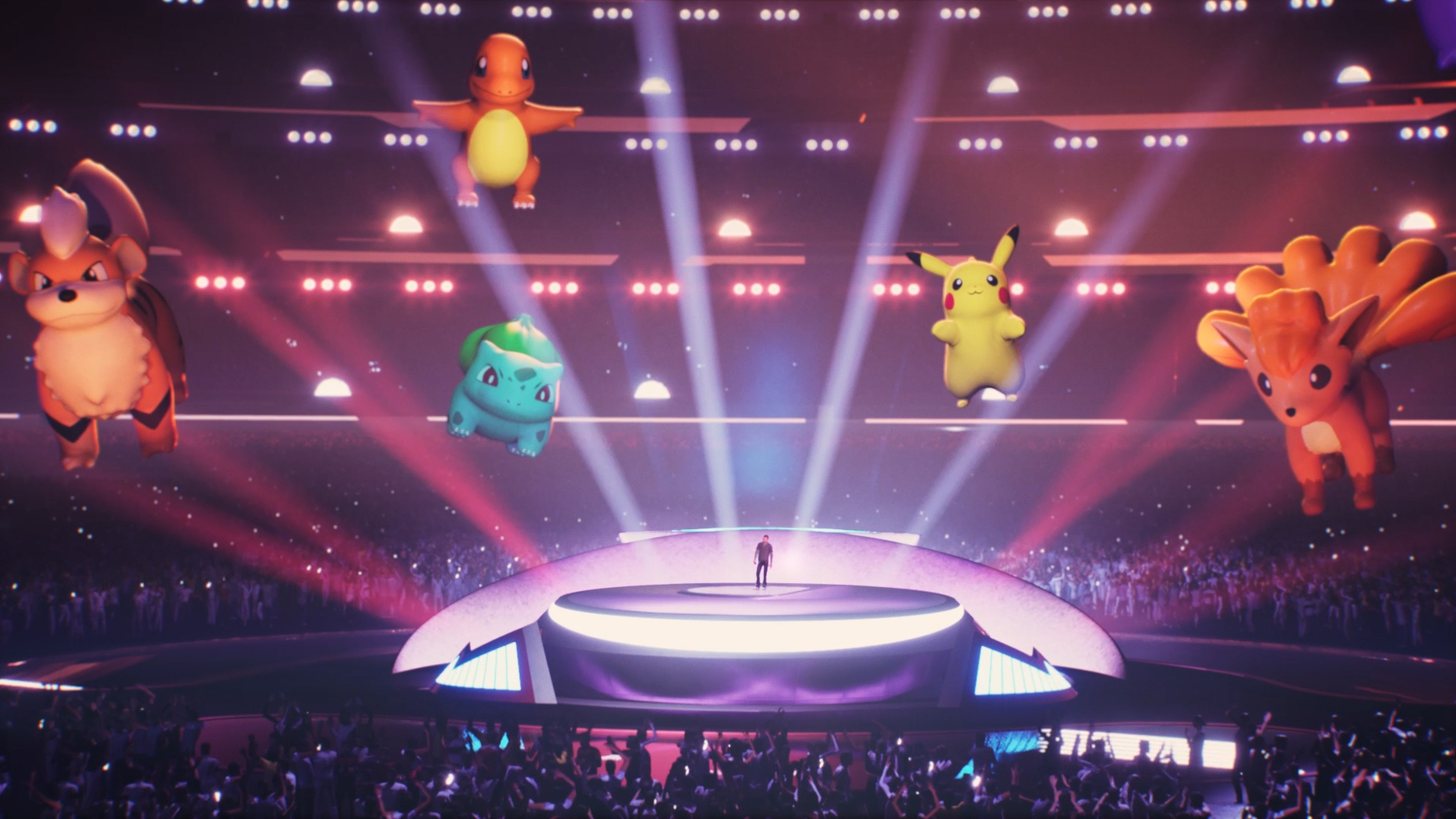
Everything you need, end to end. Launch mind-blowing moments and campaigns to win attention, engagement and conversion.
![A virtual pokemon concert showing different pokemon floating above stage]()
-
Omni-channel Marketing & CX
Experience-led ecosystem solutions.
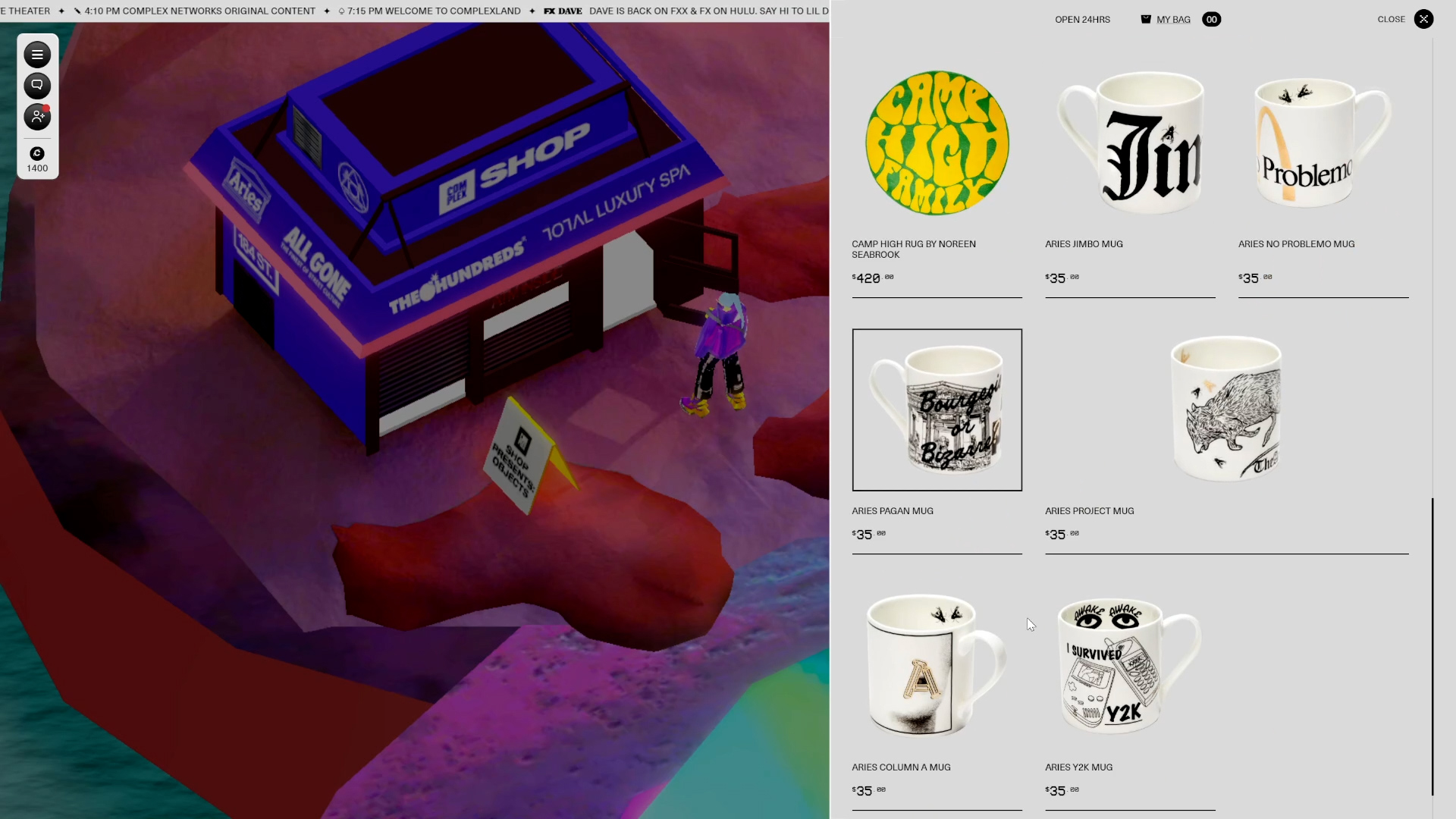
Experience-led ecosystem solutions. We connect across your brand touchpoints for seamless, impactful brand experiences.
![A bunch of shoppable merch is look through at the Complex store]()
-
Innovation Sprints
Innovate at speed.
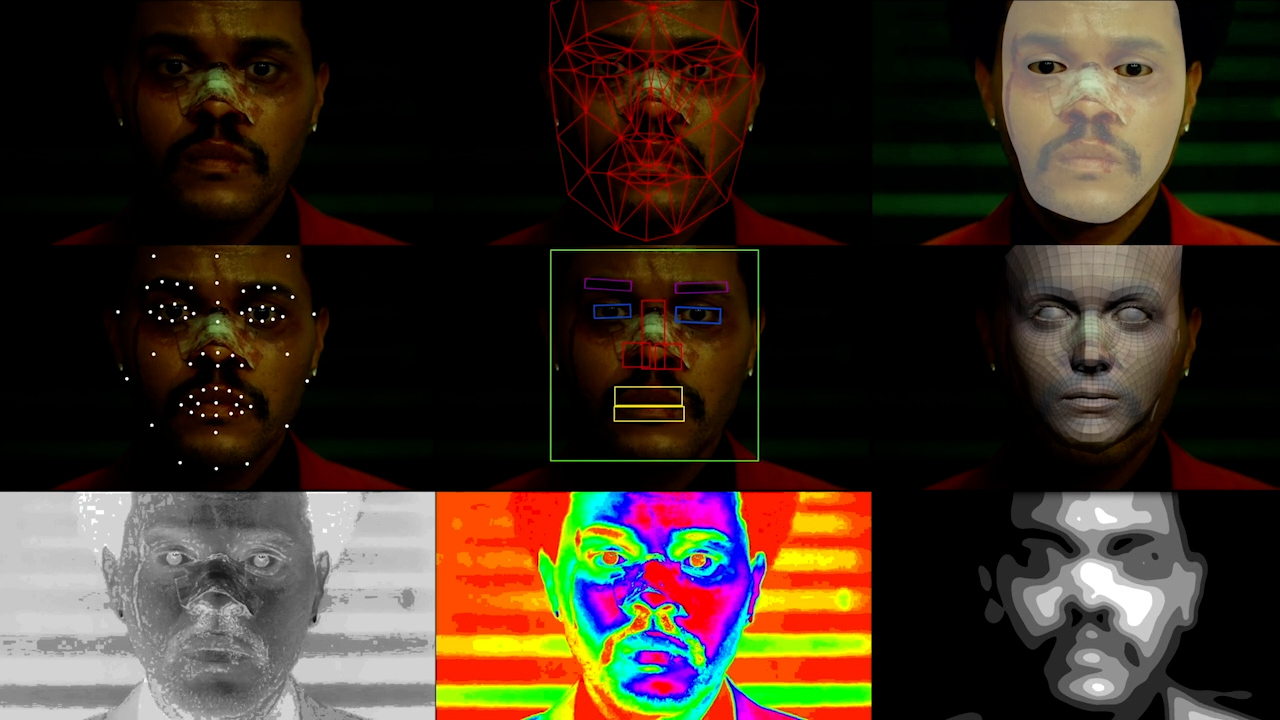
Innovate at speed. A fast-paced way to ideate around a new product or service and prototype what it could be.
![9 different variations of the weeknd's face]()
-
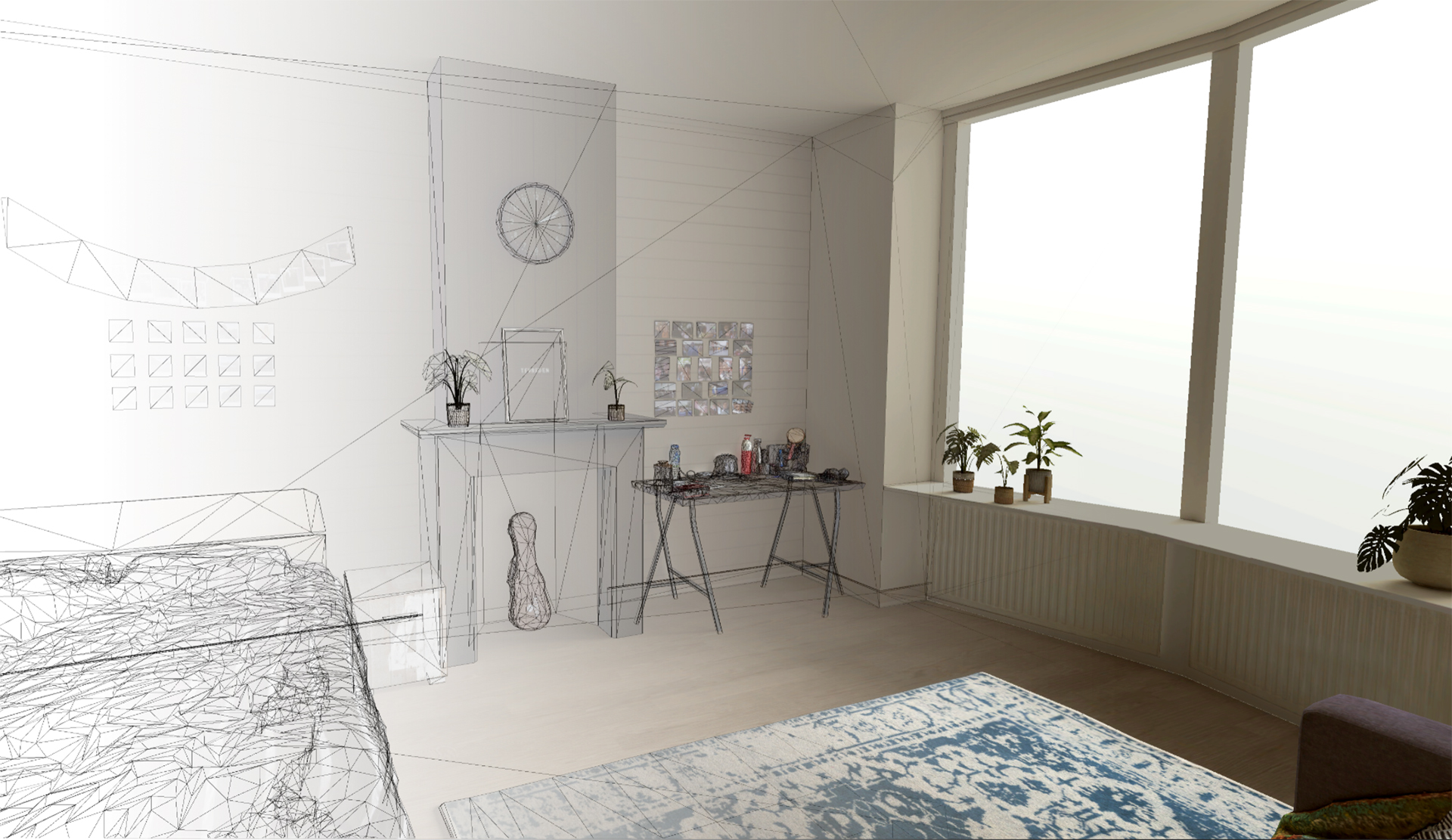
Immersive Brand Storytelling
Enrich the brand experience.
Enrich the brand experience. Increase engagement with immersive web, XR, gaming, metaverse and interactive experiences.
![An XR rendering of a bedroom]()
-
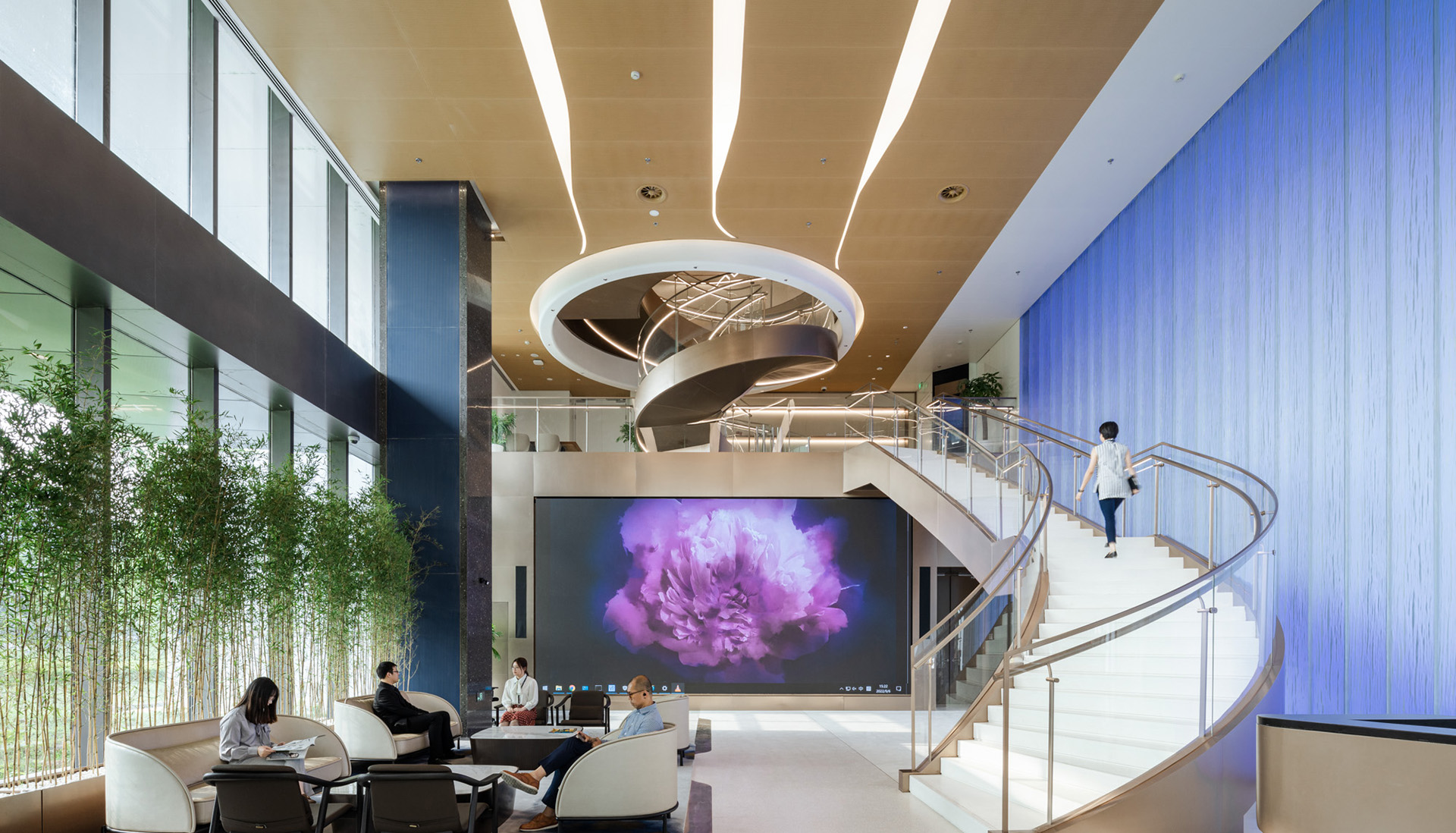
Product & Service Design
A partnership for the long haul.
A partnership for the long haul. From opportunity identification to launching your offering—and everywhere in between.
![A large room with a monitor showing a big pink flower]()
-
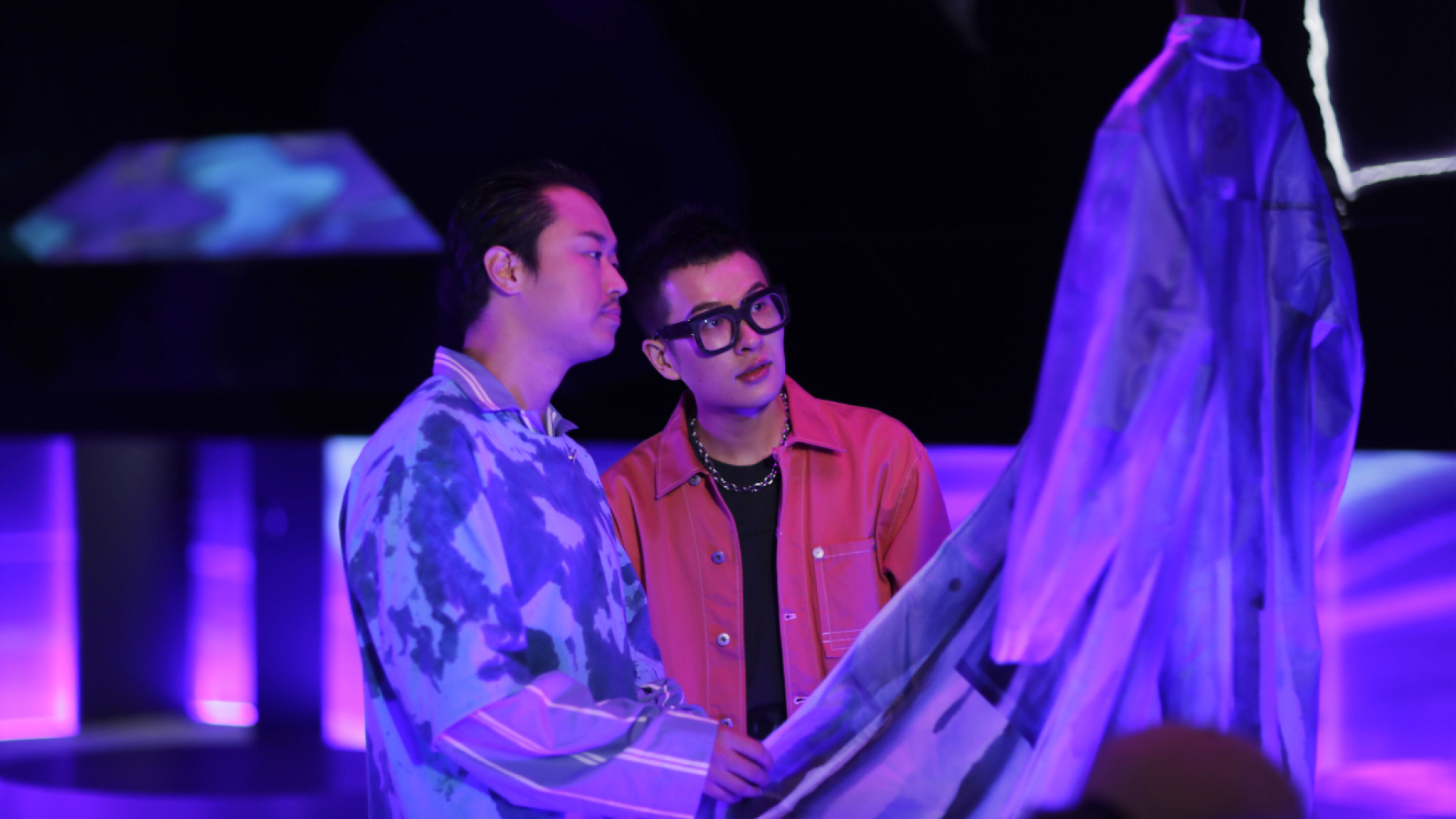
Retail Concept Innovation
Reinvent flagship spaces.
Reinvent flagship spaces. We revolutionize retail experience with new strategies, technologies and in-store experiences.
![Two people overlooking a retail space and clothing]()
-
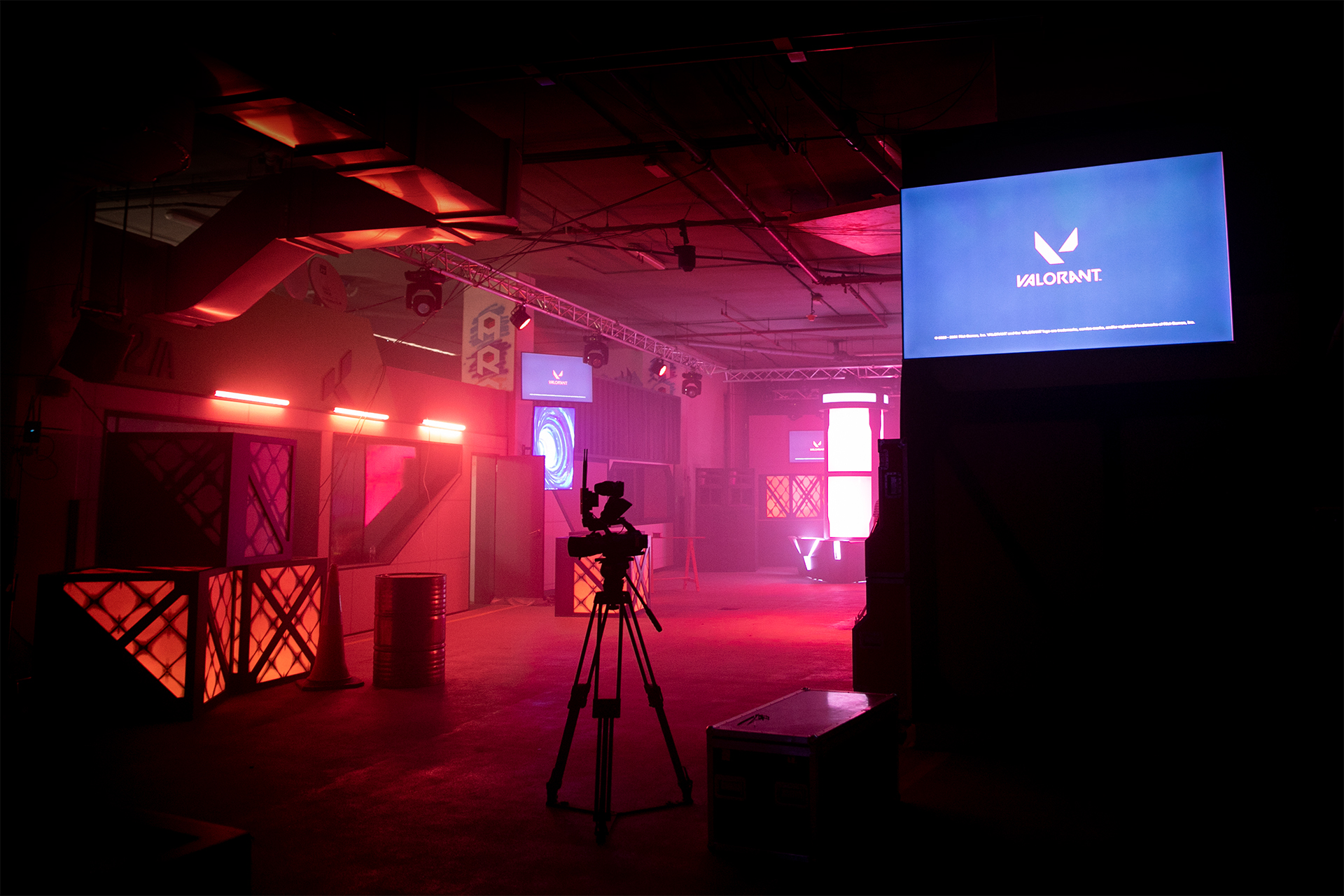
Experiential Strategy & Production
Everything you need to elevate your brand IRL.
Everything you need to elevate your brand IRL. Define, plan and create awe-inspiring in-person experiences.
![Valorant experience hallway with a monitor and camera]()
-
AI & Emerging Technology Consulting
Embrace emerging trends.
Embrace emerging trends. Cutting-edge consulting in AI, XR, the metaverse and Web3 for your campaigns and products.
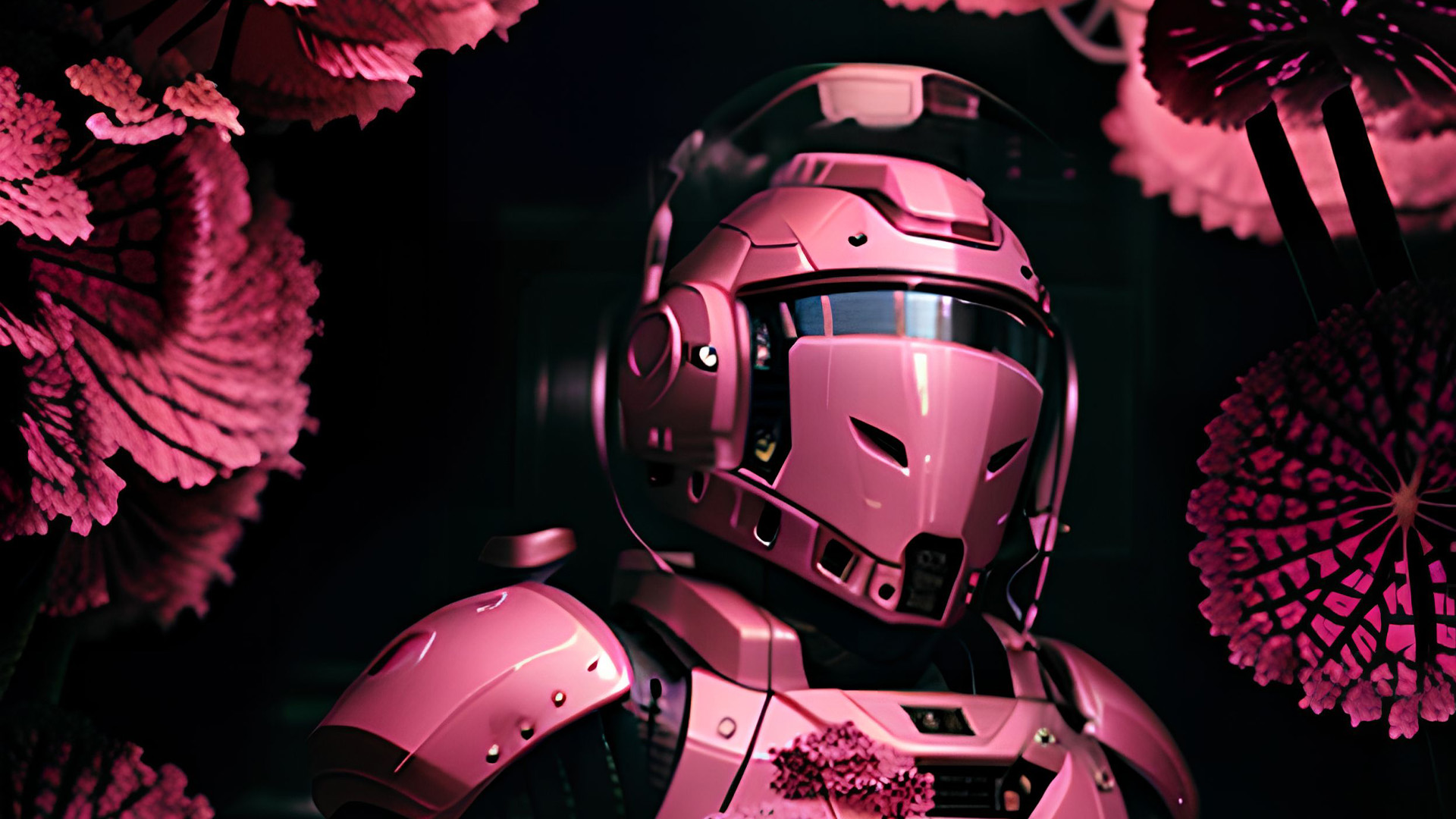
![A pink space person covered in flowers]()
-
VR & Live Video Production
Emmy-winning talent and a passion for innovation.
Emmy-winning talent and a passion for innovation. We offer award-winning livestream, broadcast and VR production.
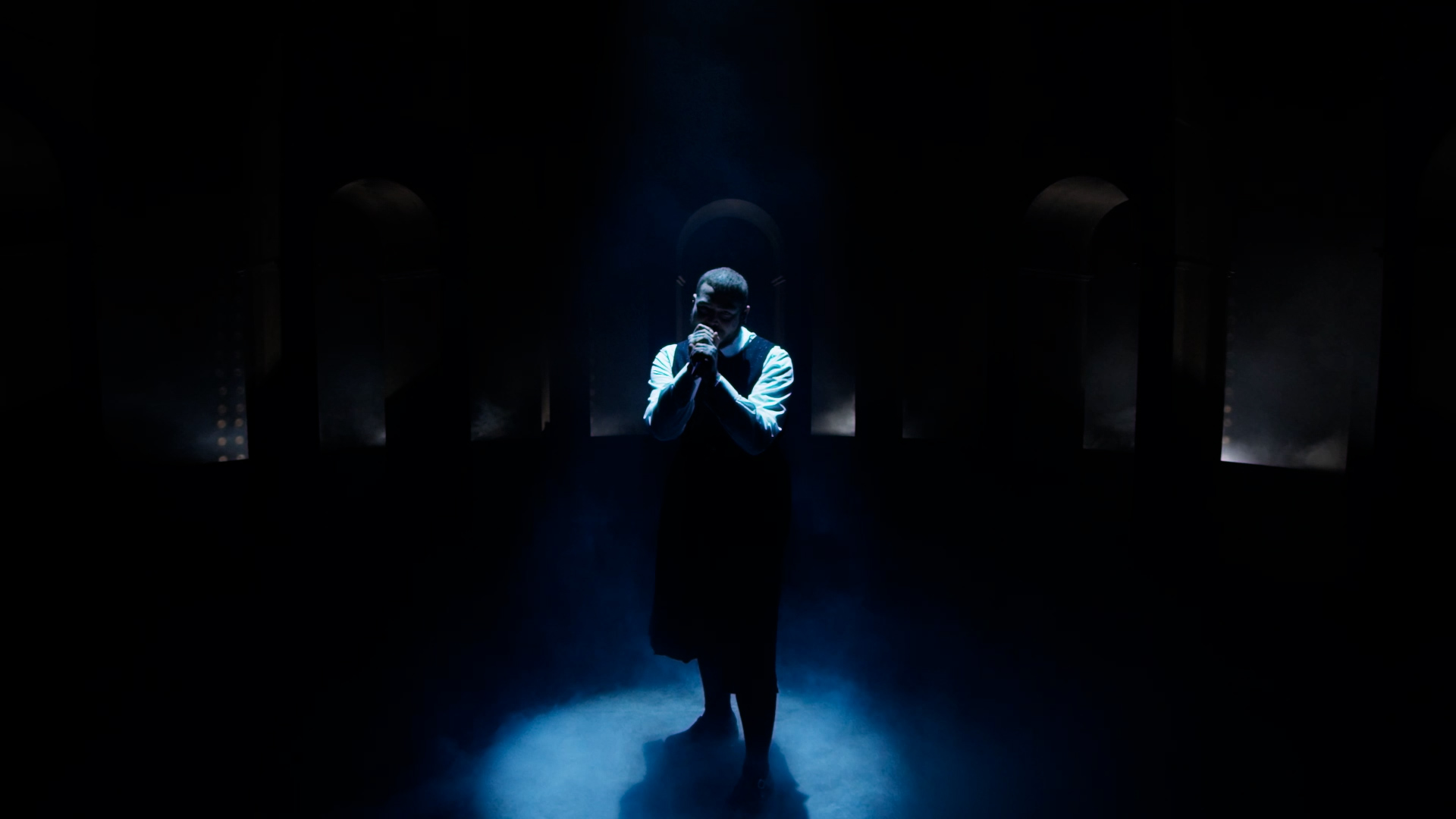
![Post malone on stage singing in the dark lit by a blue strobe]()
Monk Thoughts
We love experimenting with immersive spaces that engage the senses, evoke emotions, and build connections. Through innovative creative technology and interactivity, we transport audiences into a new level of brand engagement.

Bringing the future of urban living to life


Results
And it’s working…
-
$700,000+ in sales during the 5 days of ComplexLand 1.0
-
Complexland 2.0’s gamified virtual shopping increased sponsorship revenue by 60%
-
700K fans visited The Weekend x Spotify AI experience in the first 48 hrs
-
104 press articles & 2.1B impressions in 24 hrs for SONOS latest launch event
Monk Thoughts
Our goal is to deliver more personalized experiences for consumers and brands as efficiently as possible. Fans are increasingly craving personalized content, so we use the latest technologies and platforms to build upon our next-generation broadcasting solutions and deliver content people most want to watch.

Want to talk experiences? Get in touch.
Thinkers and Makers. Together at last.
-
How AI Is Changing Everything You Know About Marketing
-
How Live Remote Production Keeps Sustainability Goals Grounded
-
Creating Brand Love Through AI-Powered Customer Experiences
-
Three Shifts in Business Mindset to Guide Web3 Success
-
Web3: The Future of Customer Engagement
-
How Gaming Is Shaping the Future of Work in the Metaverse
Vision Pro Is a Mixed Reality Milestone—Here’s What It Means for Brands
Vision Pro Is a Mixed Reality Milestone—Here’s What It Means for Brands


If the reveal of Apple’s Vision Pro has made one thing clear, it’s that we’re currently at an inflection point where hardware innovation meets consumer behavior. Though it isn’t the first mixed reality headset on the market, following Magic Leap and Meta’s Oculus, it comes at a moment when the industry is poised to redefine how we interact with digital content.
“This is perhaps one of the most hotly anticipated product launches in recent years,” says our VP, Interactive Projects Simon Joseph. “It not only gives credit to the field of augmented and mixed reality, but also to its staying power and the potential for the future to come. For the era of spatial computing and AR, this is only just beginning, and we are so excited to see where it goes from here.”
Anyone who has ever dabbled in augmented reality (AR) knows that it’s a powerful tool for capturing people’s attention and standing out in a crowded market by seamlessly blending digital content with the physical world through visual overlays, engaging audio and motion control. Parallel to the metaverse’s rise in the cultural consciousness, these immersive features are proving advantageous to brands who aim to shine in an abundance of content, stuffed social feeds and crowded app ecosystems. On top of that, the technology promises to evoke truly memorable and emotional responses in consumers.
Innovations across the board are helping AR advance at speed.
Compared to consumers, brands have been slower to recognize AR’s practical use. Data from Snap and Ipsos shows that 90% of brands think AR is primarily for fun, while only 57% of consumers think of it that way, instead seeing potential in activities such as shopping. As a trio of technological forces—not just hardware, but also software and heightened connectivity—converge to enable a new breed of AR experiences, we believe brands will realize AR’s potential across the customer journey.
New AR headsets are gaining interest and intrigue—there will be over 1.7 billion active AR devices worldwide in 2024, and 18 million AR/VR headsets will ship this year—but software like visual positioning systems will also greatly enhance multiplayer digital experiences on mobile devices. Moreover, 5G Advanced is set to improve speed, coverage, mobility and power efficiency, which means no latency and no more cache limitations as people will stream high-quality experiences in real time.
The fact that AR experiences will become more easily accessible for consumers is great news for brands, because AR’s value extends from the top to the bottom of the sales funnel. Research from WARC found that “AR ads capture the attention of broad audiences who are early in their purchase journey, with a +7% increase in aided ad recall among this group of consumers. And AR can help brands nudge consumers who are in the consideration phase by making the brand seem more up-to-date and differentiated.”
Dive in head first to get ahead.
Time has shown that early adopters can reap first-mover rewards, and the present moment offers brands a chance to get ahead: with the launch of new hardware comes a new app marketplace, and early explorers of AR are primed to benefit from being quick to take the plunge. That said, effectively introducing AR into your customer experience journey requires careful consideration—questions around the medium, culture fit, and collaborating with vendors are bound to come up—so here are some chief concerns marketers should consider in setting themselves up for success.
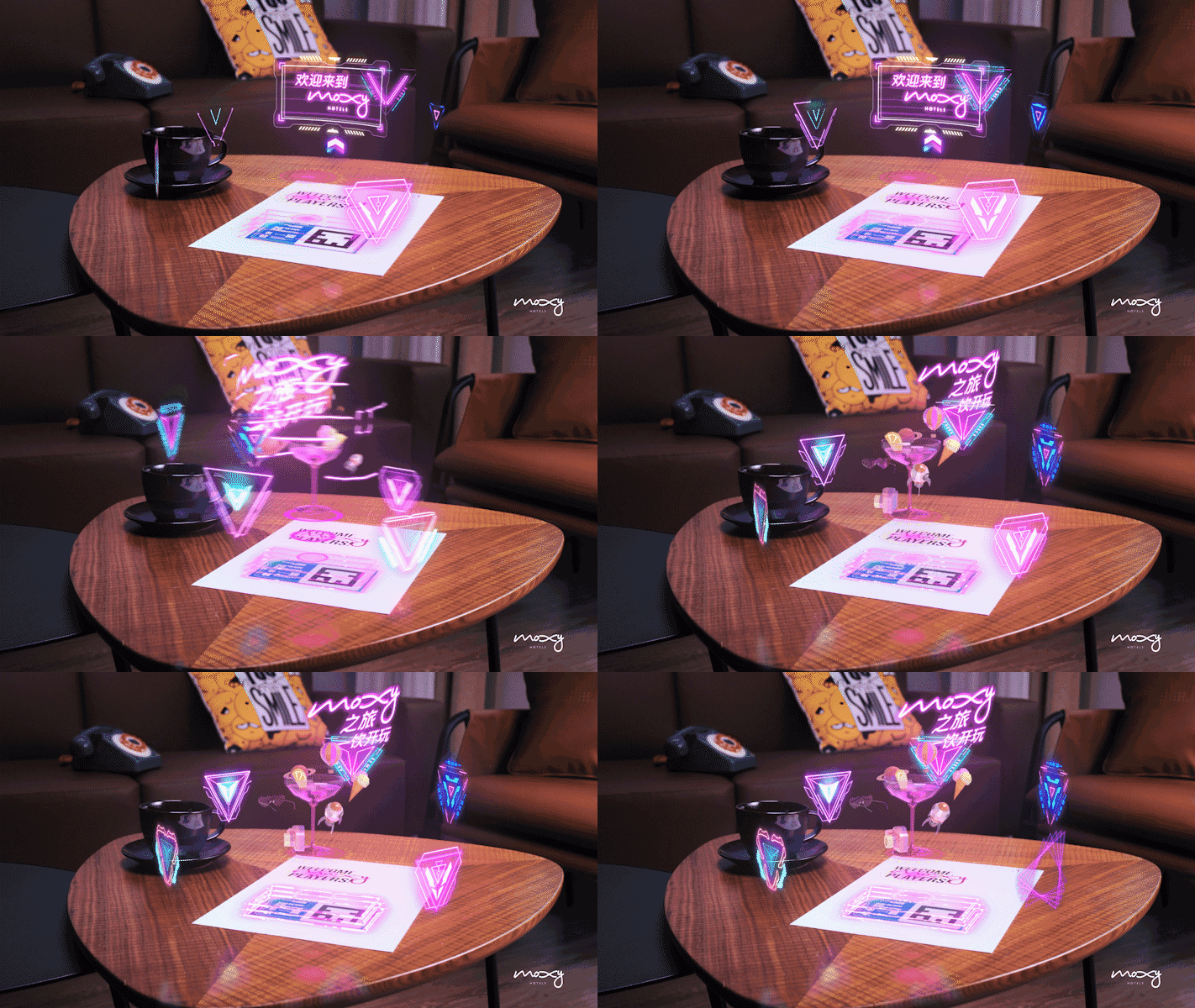

For starters, find out whether immersive AR experiences will excite your audiences. To understand how AR might make sense for your brand, follow the “jobs to be done” framework, an important tool for assessing any innovation. Consider customer needs and the motivations that drive them, as well as the circumstances in which they achieve them.
Furthermore, make sure you take advantage of the medium. Whether you’re aiming to drive powerful immersion through interactive content or overlay real-world contexts with useful information, the medium determines the benefits. That’s why it’s important to carefully plan how certain benefits from AR can help your brand achieve its goals.
Finally, explore other tools that aid AR development. Thanks to software kits and frameworks, creating AR experiences has never been easier—and with new urgency to develop immersive 3D content, various AI-powered tools have emerged to streamline content creation. Nvidia’s Instant NeRF allows teams to quickly create digital doubles of photographed objects, while Stability for Blender adds the force of Stable Diffusion to 3D software and Unity AI leverages the power of Unity game engine and large language models by building entire scenes based on a written prompt.
It’s time to break the mold and trust the potential of AR.
AR is an undeniably powerful tool for brands to connect with their audiences. Through immersive and interactive experiences, this technology is transforming the traditional customer journey, offering a blend of entertainment and utility that captures people’s attention and drives engagement. Several brands are already shaping the future of consumer engagement. By exploring the vast possibilities of AR, addressing key considerations, and leveraging innovative technologies, your brand can unlock the full potential of the technology, too, cementing your position as a leader in this rapidly evolving landscape.
experiential
Craft unforgettable moments that bring people and brands together.

Step into the future of experiential.
Our experiential team blends creative and technical expertise to deliver experiences offline, online and everywhere in between. Combining best-in-class talent and tools to work across any medium and industry to meet the needs of a new, hyper-connected generation.
We are a full, in-house team of makers, creatives, engineers, developers, artists, and technologists combining worlds through innovation and interaction.
We are physical, virtual, and hybrid.
Monk Thoughts
Experiences inspire emotions and create memories. Experiential connects brands and their audiences on this unforgettable level.

Physical
Invite people to step into the world of your brand through highly PR-able spaces and activations where they can take part and engage in new ways.
From event spaces, retail, land-art, to ambitious exhibition centers, we craft future-forward experiences augmented by emerging technology, making use of our entire end-to-end experiential expertise.


An experiential look into the future of living.
Monk Thoughts
Our focus is to understand our clients’ needs, then create tailored, immersive experiences that reach their KPIs.
Want to talk experiential? Let’s chat.
Virtual
From product launches to trade shows, our end-to-end virtual events platform drives excitement across the full experience journey. Our suite of custom tools, including our proprietary LiveXP platform, fuels connection and interactivity in real time.
00:00
00:00
00:00
00:00
00:00
00:00

Hybrid
The future of experiences is hybrid, so we design experiences for digital participants and in-person audiences alike. From physical set pieces that online viewers can control to inviting audiences to participate in real time, we bridge the online and offline experience together to engage with audiences everywhere.
Swipe
For More!
Drag
For More!
Monk Thoughts
We love to transform innovative ideas into immersive experiences, always at the intersection of art, space and technology.

What makes us unique.
-
Skills Across the Spectrum • From the initial idea to the finishing touches on-site, we provide an end-to-end experience solution using in-house experts in every region.
-
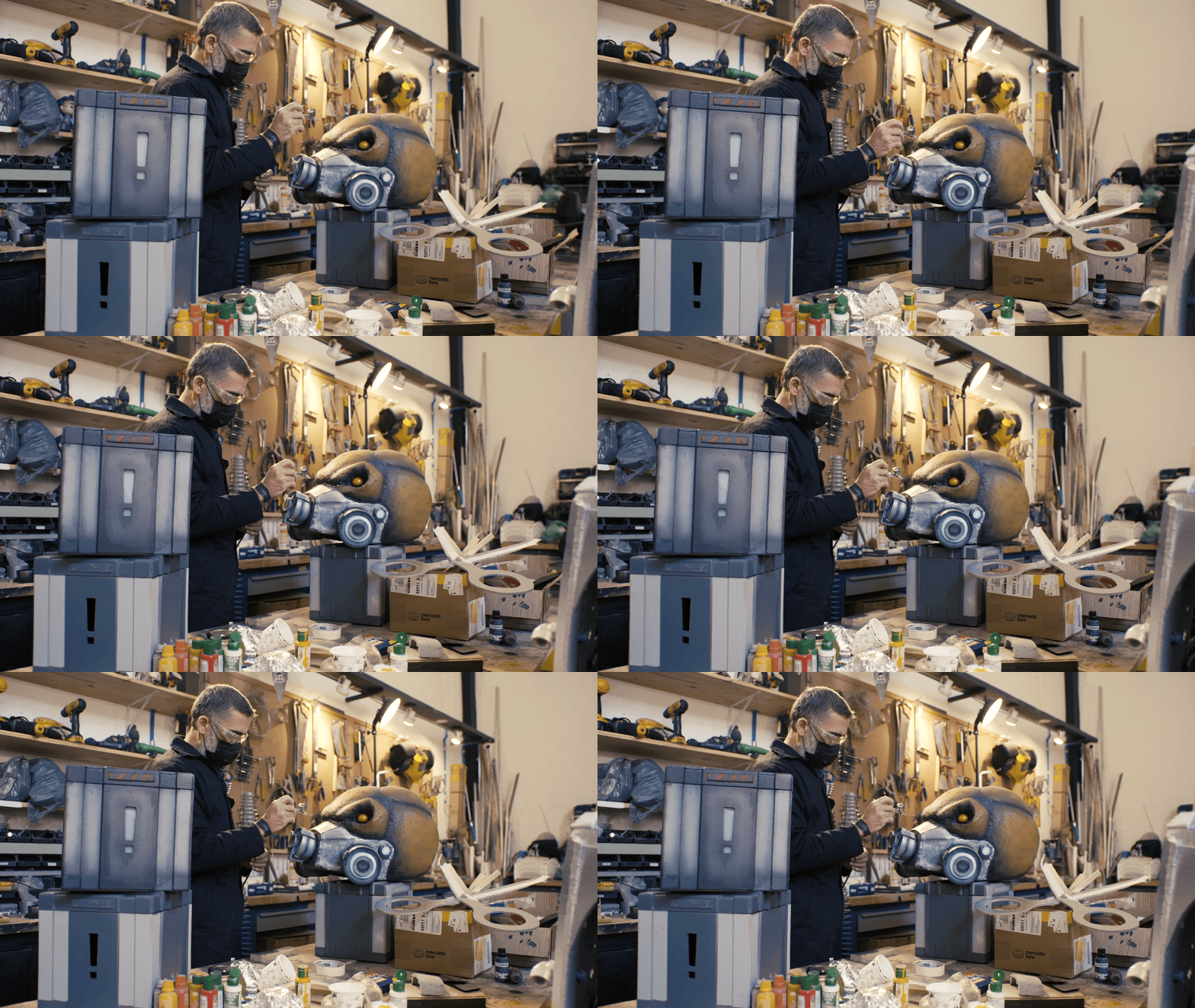
![A person working in a workshop on a sculpture]()
-
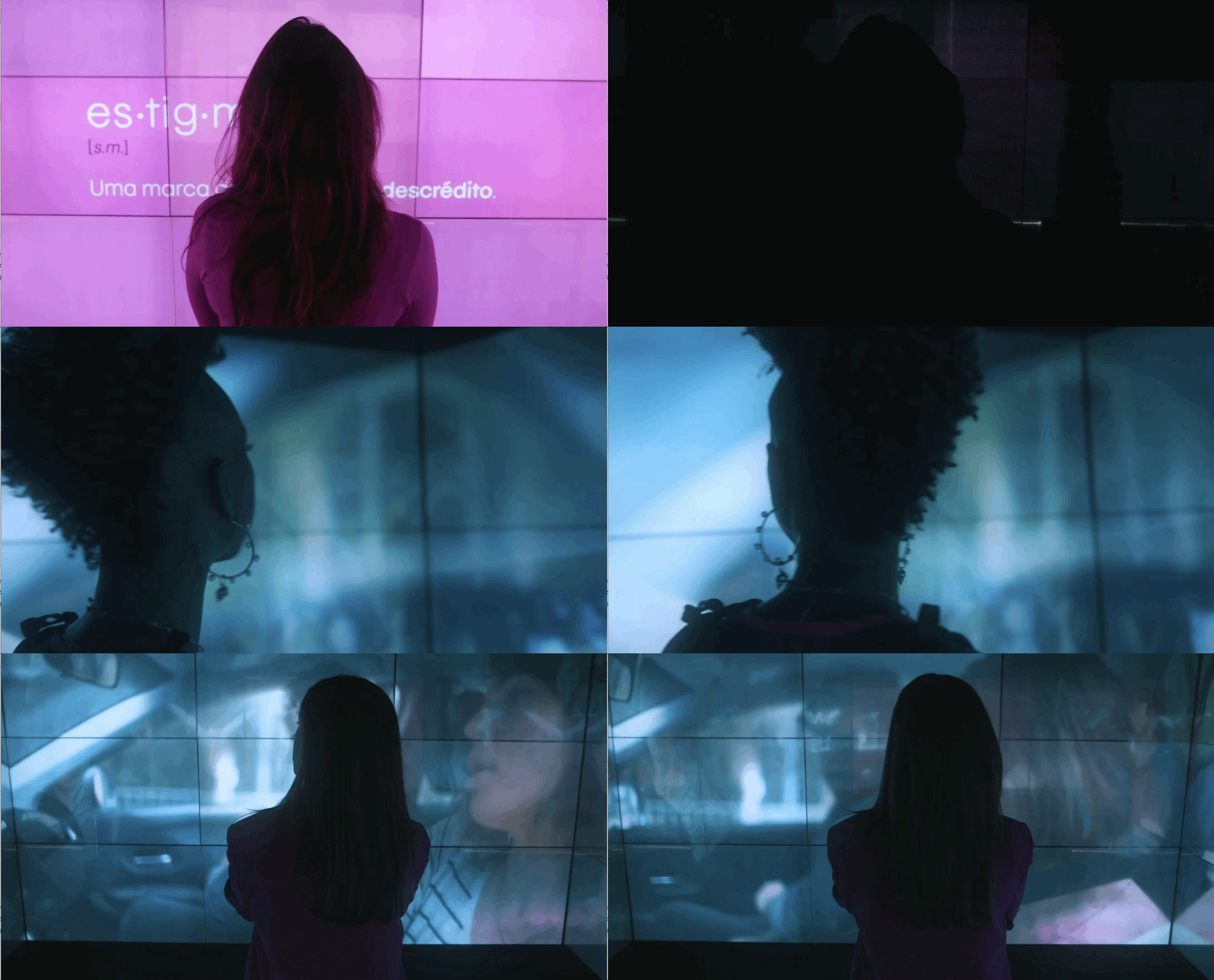
![A person standing in front of a large amount of LED screens]()
Creative
We’re a team of creative makers where creativity meets tech execution to launch experiences and events that drive culture.
-
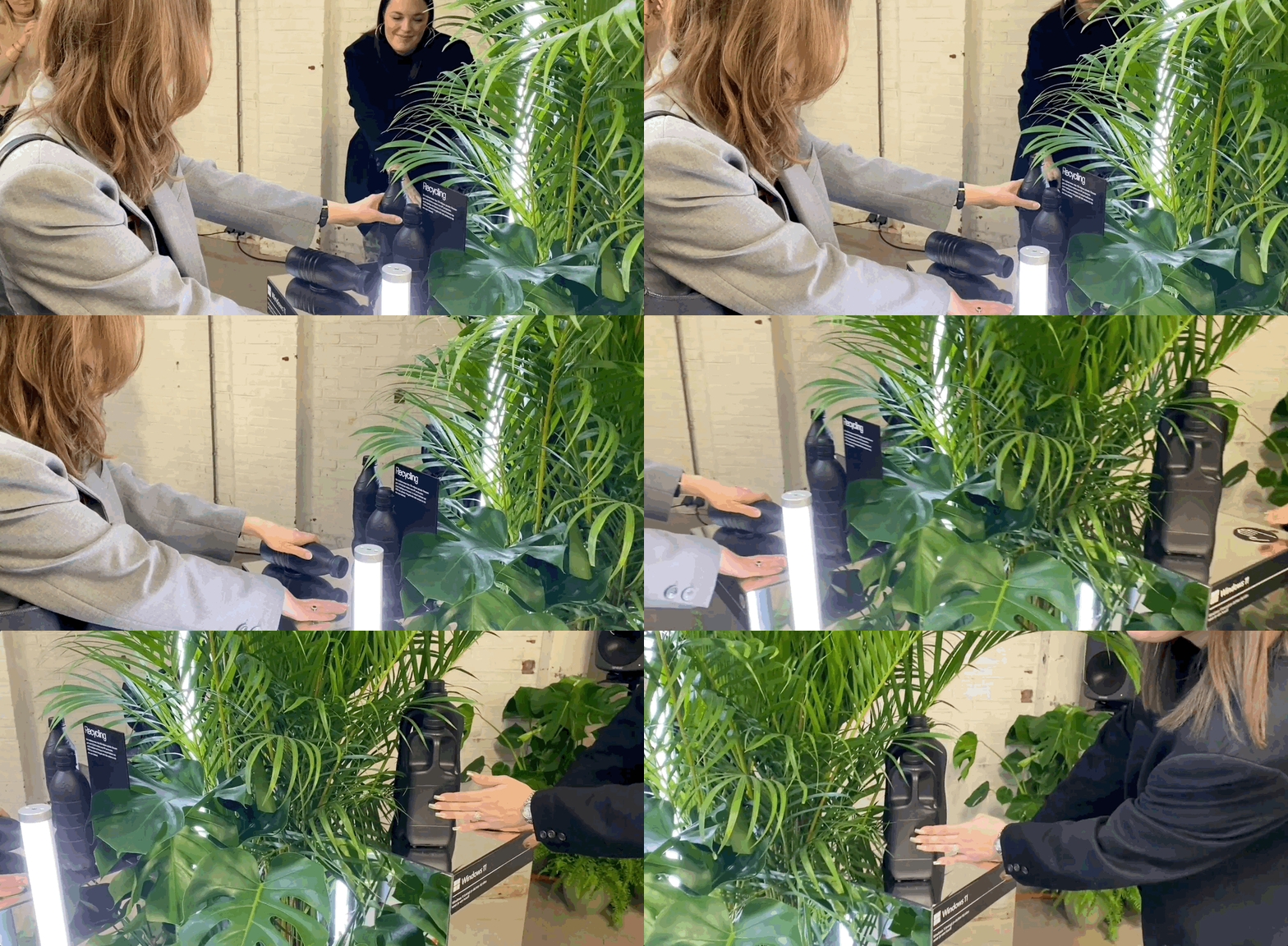
![A person shining light on a plant]()
![A bunch of large panels showing colorful interchangeable designs]()
-
![Someone working on computers and production equipment]()
Production
From boots on the ground to remote production, our event teams span the globe—so you can meet audiences anywhere in the physical or virtual world.
-
![People sitting behind a broadcast booth watching screens with video and audio]()
![A person working on two laptops doing a remote shoot of a live event]()
-
![Computer screen showing the Game of Go]()
Technology
Custom-built tools and proprietary technology let us push platforms to the limits and create experiences that have never been seen before.
-
![A hand motioning over a blue ball]()
![a controller with a hand pushing buttons]()
-
With multidisciplinary, in-house experts in every region, we amplify brand impact at scale through incredible experiences.
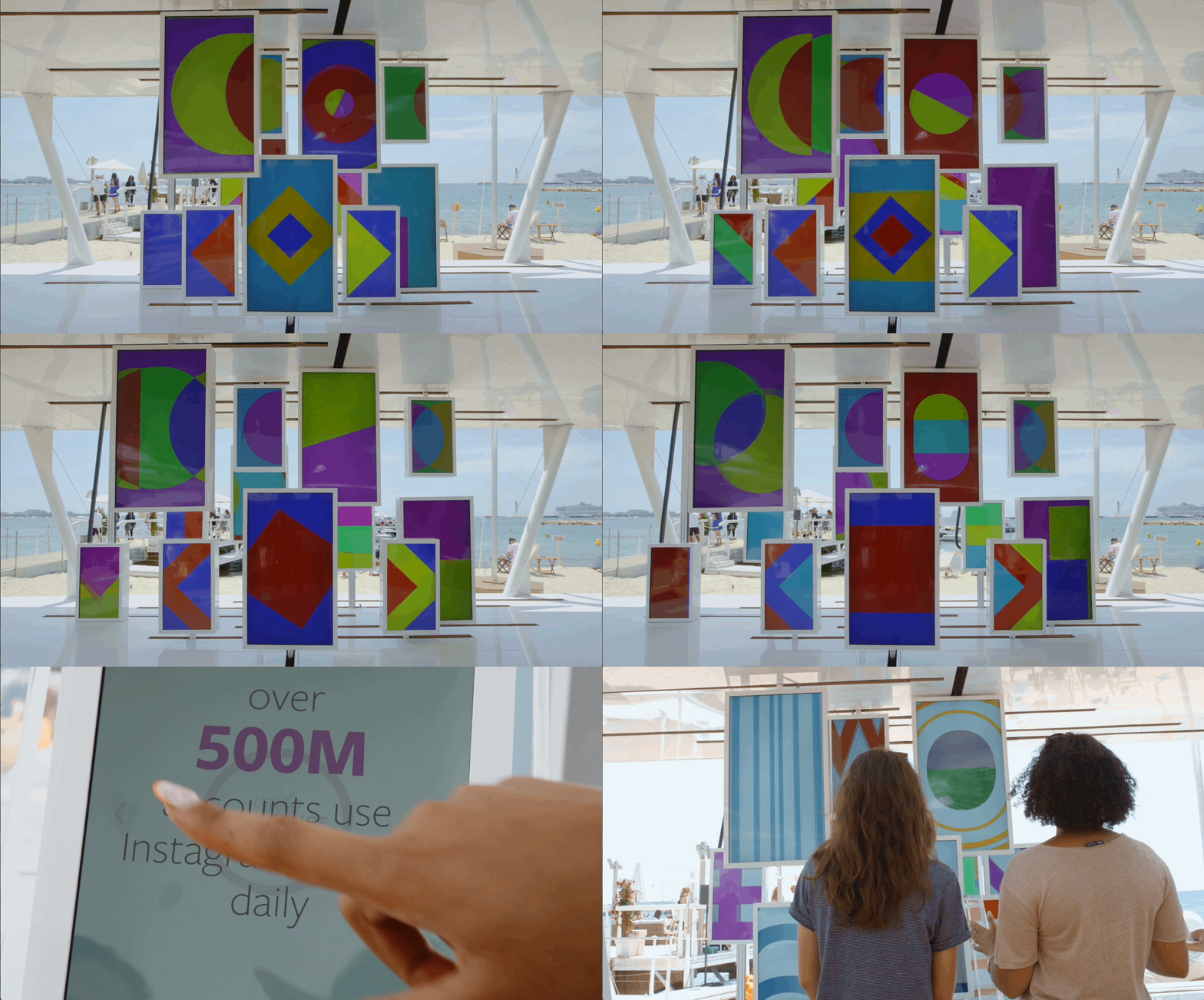


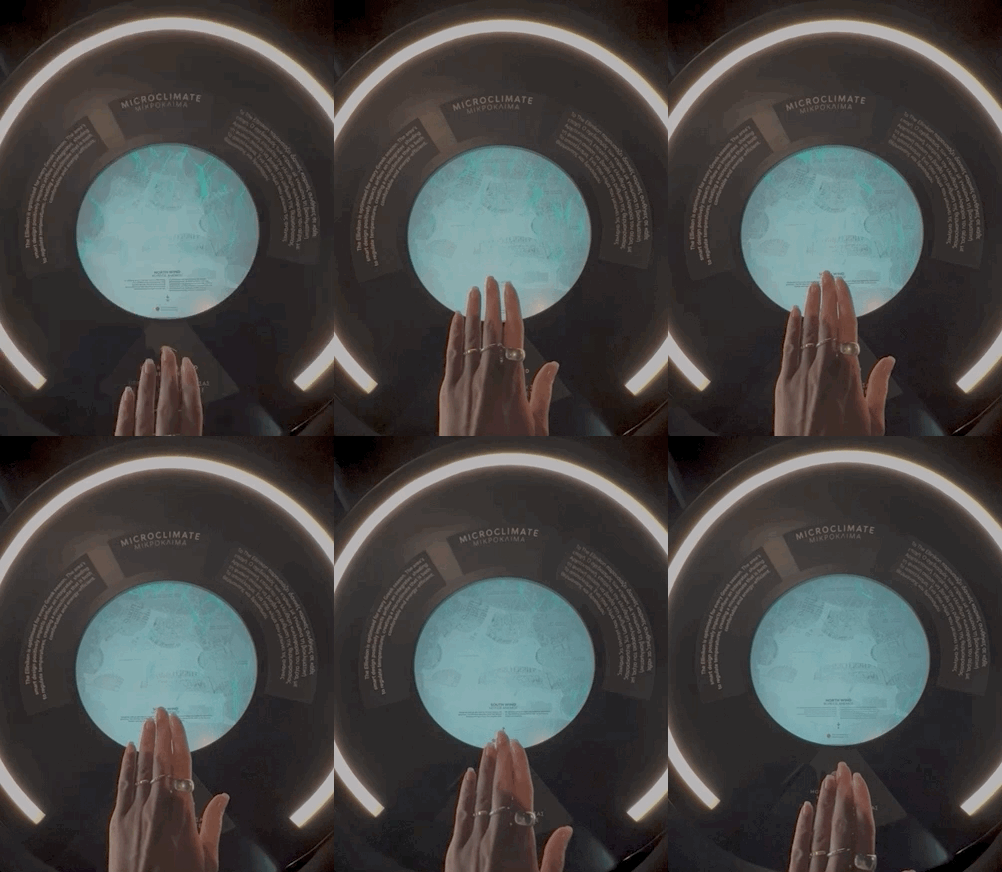
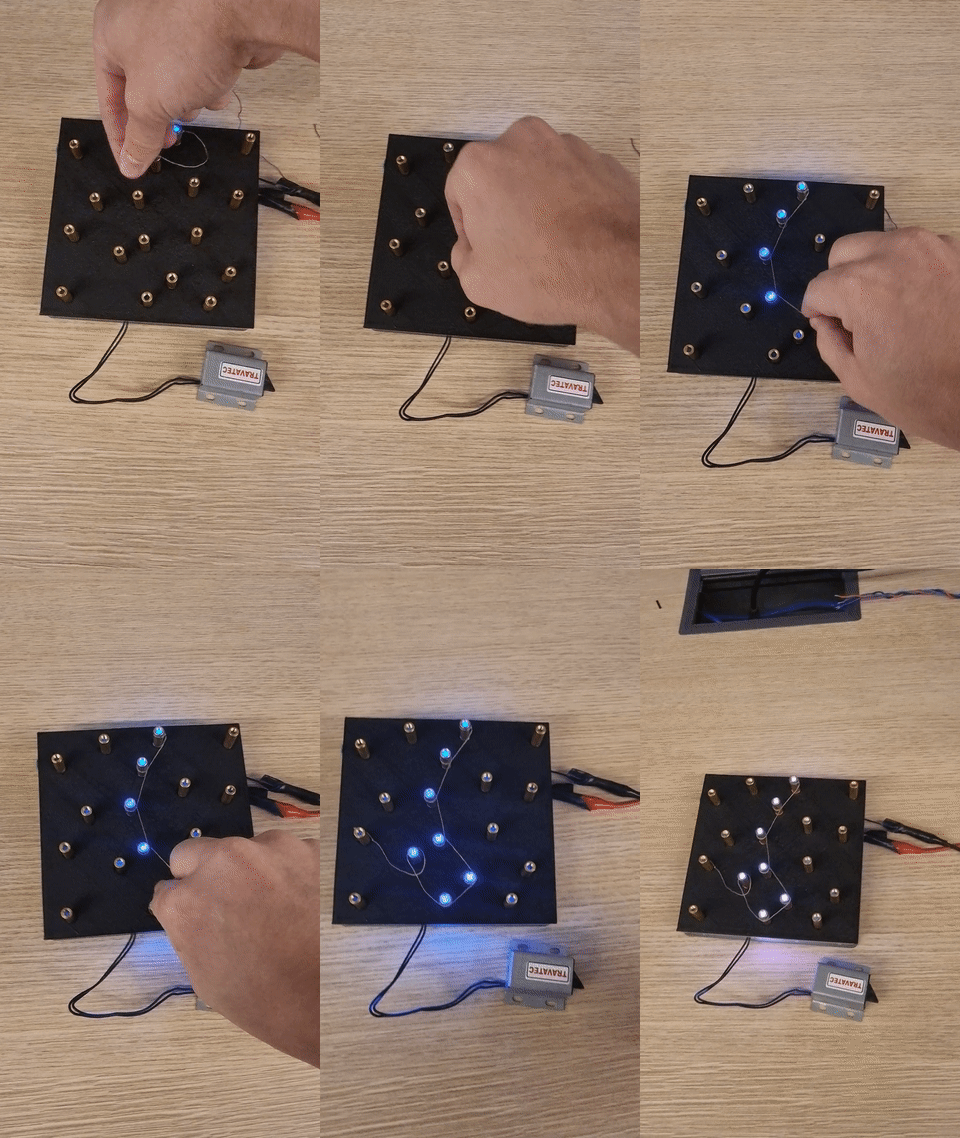
Swipe
For More!
Drag
For More!
Get in touch.
More on experiential
Scrap the Manual: Tech Across APAC
Scrap the Manual: Tech Across APAC


APAC is not only one of the most populous and diverse regions in the world, it is also leading the way for unique technologies and innovation. In this episode, host Angelica Ortiz is joined with a fellow Media.Monks’ Creative Technologist, Leah Zhao from our Singapore office. Together, Angelica and Leah give a TLDR overview of our newest Labs Report, Tech Across APAC—providing insight into the regions’ emerging AI, AR, automation, and metaverse technologies–along with a sneak peek into the prototype leveraging an upcoming tech from the region.
You can read the discussion below, or listen to the episode on your preferred podcast platform.
00:00
00:00
00:00
Angelica: Hey everyone! Welcome to Scrap The Manual, a podcast where we prompt “aha” moments through discussions of technology, creativity, experimentation, and how all those work together to address cultural and business challenges. My name is Angelica and we have a very special guest host. Yay!
Leah: Hi! It's great to be here, my name is Leah. We are both Creative Technologists with Media.Monks. I specifically work out of Media.Monks’ Singapore office.
Angelica: Today we're going to be giving a quick TLDR of one of our lab reports and deep dive into something that we didn't get to cover in depth in the reports, such as expanding on our prototype we created, a topic that has some interesting rabbit holes that didn't fit neatly onto a slide, you know, that kind of thing.
Leah: So for this episode, we are going to be covering technology and innovation culture in Asian Pacific region. If you haven't had a chance to read our APAC Lab Report, here's a quick TLDR.
The most influential technologies from the region are AI automation, AR and computer vision, and the metaverse. China and Japan are leading the growth in AI and machine learning together with Singapore and South Korea. If you come to this region, you might be surprised how people are embracing this advanced technology. People accept it because it is just so convenient and thanks to those Super Apps we have.
Angelica: To clarify for people who may not be familiar, what are Super Apps?
Leah: Yeah. So Super Apps are mobile applications that can provide multiple services. And you may have heard of some of the Super Apps such as WeChat in China. Kakao from South Korea, Line app from Japan (that's also widely used in Taiwan and Thailand) and Grab from Singapore, which is used in Southeast Asia. On Super Apps, you can use multiple services from online chatting, shopping, food delivery, to car hailing and digital payments. We literally live our social and cultural life on the Super Apps.
Angelica: Is it sort of like if Uber had one app, but not necessarily branded it's more of just, I'm going to go to WeChat, it'll call a ride, rent a scooter, or order in. You just download one app versus having to download five different ones.
Leah: Yeah, definitely. But actually for WeChat, it's more complicated, I would say, because there is a whole ecosystem on WeChat because WeChat uses mini programs. Just think of as a microsite on WeChat…
Angelica: Mm-hmm.
Leah: where they can sell their product and they can have these food delivery services. And for other Super Apps like Line app and Grab it's just exactly like you said. One example is that Burberry launched its social retail store in collaboration with Tencent, which integrates its offline store with mini programs on WeChat. It enables some special features in the store, such as earning social currencies, by engaging with the brand and even raising your own animal based avatars. This is pretty cool as it links up our digital and physical experiences.
Angelica: Yeah. What I really liked about this example was how technology was seamlessly integrated throughout. It wasn't like, “Hey scan this one QR code.” It went a little bit further to say, “Okay, if you interact with this mini program, then you'll have access and unlock particular outfits or particular items for the digital avatar. You'll be able to actually unlock cafe items in the real store.” So it seemed like it was all a part of one ecosystem. It didn't feel tacked on. It was truly embedded within the holistic retail experience. I know with a lot of branded activations within the US specifically, there's always that question of, should it be accessible through a mobile website or is it something that we can use a downloaded app for? And most clients tend to go with the mobile website.
Leah: Yeah.
Angelica: Because there's this hesitancy to download just another application, just to do another thing. And then worrying about the wifi strength when on site when asking people to download these apps. But it'd be interesting for brands creating these mini programs within a larger Super App that then consumers won't necessarily have to do anything else other than access that mini program versus having to download something. Then there's a lot more flexibility in what brands can do and they're not limited to what's available on a mobile website. They have the strength of what can be possible with an app.
Leah: Yeah, agreed. So another observation actually from our report is that the metaverse is on the rise in the APAC region. It might outplay the plans laid down in the West. Some platforms that draw our attention are Zepeto from South Korea and TME land in China.
Angelica: Yeah, and what's cool about those platforms is we see this emphasis on virtual idols, avatars and influencers. From the research that we did, we noticed that there are certain countries that are a bit more traditional culturally…
Leah: mm-hmm
Angelica: and are strict in how people can be in their real selves to have this sort of escape of the bounds culturally of what people can and cannot be because it's right or wrong or not necessarily accepted. People are going towards anonymity…
Leah: Yeah.
Angelica: for being able to express themselves. Sort of like the Finstagram accounts that happen in the US or expressing themselves through these virtual influencers, because then their virtual selves can be much more free to express themselves than their real versions could be.
Leah: And also Asia has a rich fandom culture. So it's not a surprise that we see the emphasis on virtual idols and virtual influencers because it enables the fans to interact with the superstars anytime, anywhere.
Angelica: Yeah. And from a branding aspect of things as well, virtual influencers and avatars can also be much more easy to control. Like all the controversies that happened because someone did something either way back in their past or something recently, that makes brands nervous about being able to endorse real people because people are flawed. With virtual influencers, you can control everything. You have teams of people being able to control exactly what they look like, what their personality is, what they do, and that flexibility and customizability…that's a lot more intense than it would be for a real person that has real feelings.
So there's some limitations on what the brand can do, where it's a lot more flexible with virtual influencers.
Okay, we've covered quite a lot there. There's a lot of really interesting examples that we see within the APAC region that definitely could be applied within Western countries as well. With this said, we're gonna go ahead and move on to what we did for the Labs Report prototype and expand a little bit more on our process.
Let's start with: what was even the prototype? For the prototype we leveraged Zepeto. Zepeto is a metaverse-like experience world platform…insert all buzzwords here…where it allows users to interact like you would for a Roblox world that you go and experience to, but it has additional social features to it.
So what we would think of as an Instagram feed or something like that, it has that embedded within the Zepeto platform. So instead of going to Instagram to talk about your Roblox experience, those two experiences are integrated within one platform. What we also wanted to achieve with this prototype is leverage a technology that originated from the APAC region, and specifically Zepeto. Zepeto is available globally for the most part, with a few exceptions, but it originated within South Korea. We really wanted to use Zepeto because it's available globally for most audiences and it takes the current fragmented way of how the metaverse worlds are created and integrates them with virtual influencers and social media.
With these gamified interactable experiences, the social aspects are really what makes this particular platform shine. And we are also doing this because the metaverse even a year or so later is still an incredibly popular topic. People are still having a lot of discourse about what the metaverse is, what it can be, discussing how brands have already interacted with their first steps into the metaverse, how they're going to continue to grow.
And this is part of what we do a lot at Media.Monks. We get a lot of client requests for similar types of experiences, whether that be Roblox, Decentraland, Horizon World, Fortnite…and Zepeto is just a great platform that no one's really talking a lot about within the Western dialogue, but it's incredibly powerful and it reaches so many people. We saw that it was an amazing platform that put the promise of what the metaverse can and will be to the next level.
Leah: Yeah. I also like Zepeto because Zepeto not only has Asian style avatars and it enables you to customize your avatar from your head, body, hair, outfits, and even poses and dancing steps you can have. So with Zepeto you can purchase a lot of outfits and decorations with the Zepeto money, which is a currency that you earn by app purchases or being more active on the platform.
Angelica: Yeah. There's two different types of currencies that Zepeto has. One of which are called Zems…i.e. gems. And then there's another one, which are coins. For creator made items, you can set a price for how many Zems you want them to go for. Anything that's created by users can only be sold by Zems, which are very difficult to get free with an app. That's where, you know, the free to play tends to come in. With a Euro you can get 14 Zems, so then you can buy more digital clothing. There are coins that you start the experience with that you can use to purchase Zepeto-created items. And so that's kind of how they have that difference there.
Leah: But my favorite part about Zepeto is the social aspect as you mentioned earlier. For me, it's like TikTok in the metaverse because it has the Feed feature.
You know, there are three pages of the feed: For you, following, and popular. Under the feed you can see live streaming by the virtual influencers and you can have your own live stream as well.
Angelica: For the live stream that's using some motion capture as well, because it's either pre-made models and moves that are created or people can actually have their face being recognized in real time...
Leah: Yeah.
Angelica: to then translate to that virtual avatar.
Leah: Yeah. Zepeto, they have the Zepeto camera. So with this camera, you can create content with your own avatar and the AR filter, which copies your facial expression quite accurately, and even brings your own avatar to real life. So you can place your own avatar on the table in your room.
Angelica: One part that I also thought was really cool…you had mentioned earlier with the poses. Think about if we see a celebrity on the street, we're gonna take a photo with them. Right. We can't just let that celebrity pass by without being like, “oh yeah, I totally saw JLo in Miami,” you know? The “take a photo or it didn't happen” type of thing, haha. There's a version of that on Zepeto. Fans can take a photo with you with their virtual avatars with your virtual avatar. So it takes the virtual autograph, of sorts, to a different level. You can live vicariously through your avatar by having them take a photo with your, your favorite celebrity or your favorite influencer. So I really love that aspect of being able to build that audience virtually as well.
Something also that's really cool about Zepeto is within those world experiences, the social aspects are still very much ingrained in there. It's not just, “Okay, you have this separate social feed, you have the separate virtual influencer side, and then you have the world.” They're all integrated.
An example of this is the other day we were testing out the Zepeto world and we were all in the same experience together. When someone would take a selfie, and that's right: there is a selfie stick in this experience and it looks exactly like what you would imagine, but the virtual version of it too. And when someone takes a photo or a video, it automatically tags people that were within that photo.
So it's generating all of this social momentum, like really, really quickly. And soon as you take that photo, you can either download it directly to your device. Or you can go ahead and immediately upload it. What was great for me personally…figuring out how to have, you know, just the right caption... that's something that takes me way too long to figure out what are the right words and the right hashtags. But you don't even need to worry about captions when taking photos within these worlds. As soon as you say, “I wanna upload it,” it automatically captions, tags people, and also gives other related hashtags for how other people could see that experience from you.
So it's very seamless and easy.
Leah: Yeah. That's amazing.
Angelica: It's just like the next level of how it makes sharing super, super, super easy, so that's something I really like there too.
Speaking of the worlds: now, within this next part of the prototyping process, it was up to us to determine the worldscape and interactions. And as a part of the concept, we wanted to create a world that plays into what real life influencers would be looking for when trying to fill their feed. And that is: creating content. Specifically: selfies. And so we created four different experiences that would have the ultimate selfie moment.
One, which is this party balloon atmosphere. Sort of think about these like really big balloons that you can kind of poke with the avatar as you move around, or even like jump on some of the balloons to get a higher view from it as well.
The second was like a summer pool party. You could actually swim in the pool. It would change the animation of the avatar when you're in the water part. And, you know, the classic, giant rubber ducky in the pool and all those things. So definitely brought you in the moment.
The third was an ethereal Japanese garden, so very much when wanting to get away and have a chill moment, that was definitely the vibe we were going for there.
And then lastly, we had the miniaturized city. So what you would think is the opposite of meditation is the hustle and bustle of the big city. And we created that experience as well. There is also a reference to the Netherlands. So you'll just have to keep an eye out for what that is and let us know if you find it.
Leah: Is there a hidden fifth environment?
Angelica: There it is. Yeah. You know, what was interesting is when we were testing out the environment and we were all together.
Leah: Yeah.
Angelica: We created our own room.
Leah: Yeah.
Angelica: And then we thought it was just gonna be the eight of us that were testing it out and then other people, random people showed up.
Leah: Wow.
Angelica: I was just like, “where did you guys come from?” There were two people that actually used the chat within the room and they belined directly to where that fifth environment was.
Leah: Yeah.
Angelica: So it was just really interesting that people one were specifically coming to the world to experience it together.
Leah: Mm.
Angelica: And then two, we saw a lot of random people. There would be dead spots where it’s just like, “okay it's just one of us in the room.” We're just testing it. But as soon as all of us got in there together and started taking photos, there were so many people that showed up. It's just like “What? This is insane!”
Leah: Was it the recommendation system on Zepeto?
Angelica: Yeah. That's what we're thinking. Because the room that was created…we thought it was not, I guess it wasn't a private room. It was probably a public room.
Leah: Yeah.
Angelica: But it was interesting that as soon as we started playing around and posting content, then people were like, “Okay, I'll join this room.”
Leah: Yeah. Maybe because of tagging as well.
Angelica: Yeah, exactly. And that goes to our earlier point of how really powerful that platform is and how posting would give that direct result of someone posting something and other people wanting to be a part of it. There was one person that liked my post that had like 65,000 followers.
Leah: Whoa.
Angelica: And I'm like, who are you? What is this?
Leah: That's definitely a virtual idol.
Angelica: Yeah, exactly. They only had like six posts though, which was a little weird, but they had so many followers. It was nuts.
Leah: Actually today I just randomly went into a swimming pool party on Zepeto. I went into the world, people were playing with water guns together.
Angelica: Mm-hmm
Leah: So I had just arrived. Landed. Then someone just shoot me with a water gown and I was hit. I must lose my block.
Angelica: Oh no! Haha, that sounds fun though.
Leah: Yeah, that was fun.
Angelica: Was it like a big room? Like how many people were in that environment at once?
Leah: When I was there, it was around 80 people in the world.
Angelica: Oh, wow.
Leah: Yeah, it's quite a lot actually.
Angelica: There's definitely something to be said about how there's superfans of Zepeto. Like that's kind of part of the daily aspect of it. Being able to meet people through the social aspects and then hang out with them through these worlds.
But all this to say this entire worldscape and all these interactions that we included within the prototypes were all built within what they call their BuildIt platform.
Leah: It's quite user-friendly. It's very easy to create a world yourself even with zero experience of any 3D modeling software.
Angelica: Yeah. BuildIt is like a 3D version of website builders. You have the drag and drop type of thing. Where instead of a 2D scrolling website experience, now you have that drag and drop functionality with a lot of different assets into a 3D space. We can also create experiences like this through Unity. The only caveat to Unity is that the experience that we would create there would only be available on mobile devices. And we didn't wanna restrict the type of people that would be able to experience this. So we decided to do it on BuildIt because the end result of those worlds would be able to be accessed on both desktop and mobile.
Leah: Other than the world space, you can also create some clothes for your avatar to make it look more unique and with its own personality. So in our case, we create a more neutral looking avatar with blue skin. Very cool, they're slightly edgy but approachable. And the process of creating clothes was very friendly. So you just download the template and then add the textures in Photoshop. We chose a t-shirt, jacket, bomber, and wind breaker. And then we touched it up with some Oriental elements such as a dragon and soft pink color, which matches our Shanghai office. Everyone can create their own unique clothes with simple editing of the textures.
Angelica: Yeah. We really wanted to play within clothing specifically because that's a part of this digital ecosystem of being an influencer. You may have branded experiences that you take part of, or brands sponsor you. Influencers will wear custom clothing either that they design or that they're representing another brand. All those things we wanted to integrate within this.
So the influencers are visiting this world. They could say, “Hey, I'm in this Media.Monks experience” or “insert brand here” experience. And I'm also wearing their custom clothing. It's sort of a shout out to the clothing as well as the world. So it's at the heart of this larger ecosystem. The world is not exclusive to the clothes…is not exclusive to social. All of those elements are all playing together and this leads to creating social content.
Once we had the world and the merchandise solidified, we continue to build off this virtual influencer style by creating content of our own. What we did is we analyzed popular Zepeto influencers. We even made a list of the types of content they create, which is going to someone else's world, doing an AR feature with their real life self. Being able to do posed photos with other avatars. All those were a part of the social content that we created as a part of this.
Now that the prototype is ready to go, it's time to think about what the prototype did not yet achieve but that we would really like to see in the future. So one thing that we recommend is: when wanting to create branded fully custom worlds, those should definitely be made within Unity to have the most flexibility. At this time of recording, being able to export worlds means that only is on mobile devices. So, you know, that's something to keep in mind there.
Leah: For clothing creation, there are some limitations. For example, for the texture, the maximum resolution we can upload is 512 x 512. So it means we can't add detailed patterns or logos onto our clothes. And we can't create physics of our clothing materials. That is another thing that I think the platform can improve.
Angelica: Yeah. It's not able to show the fuzziness of a sweater or if we're creating a dress or a shirt that needs to be flowy, it won't show that that shirt or that dress is fuzzy or flowy. It'll just be the pattern that's shown, but the texture of how a clothing might feel based on seeing it is not reflected there. So it's a give and take where it's very easy to create clothing items
Leah: Yeah.
Angelica: …but it doesn't go so far as to have a realistic look.
Leah: Yeah, but I think this is something that’s not just Zepeto. Other metaverse platforms can improve with that because I don't see many platforms can have physics of the clothing itself. It would be great if the physics of the clothing could be implemented in the workspace as well as in the AR camera. It would add extra immersion and fidelity to the whole experience.
Angelica: Yeah. It would also help with making those small micro interactions really fun. Let's say there's a skydiving experience that's in Zepeto and someone is jumping off of the plane and is doing their skydive.
Leah: Yeah.
Angelica: It'd be cool. If the physics of the clothing would react to, like this virtual wind that is happening, or something like that. Or if it's a really puffy sweater, it kind of like blows up because all of the air is kind of getting stuck in it. Those are just the fun things that make people get even more immersed within the environment too.
Moving forward in creating branded experiences, having a closer relationship with Zepeto’s support team and development team will be really helpful in a lot of the things that the BuildIt platform has a restriction for. But when collaborating with Zepeto and with using the Zepeto plugin for Unity, then we can unlock a lot of interactions that make the experience a lot deeper.
The other thing to mention here is it'd be really great to see Zepeto integrate with other social media platforms versus the Zepeto specific one. We've talked a lot about how Zepeto is a really powerful platform because it combines social with the virtual experience as well. And it would just be great if let's say there's an experience that happens in Zepeto and we're taking a photo or video, we say we wanna post it. Could that be post, all in one swoop, be posted to Instagram, posted to Twitter, posted to Facebook and all of those things, instead of this Zepeto ecosystem kind of being stuck.
So all the cool stuff that we're saying, it gets left within this platform and they're not necessarily shared outside of it unless you did the repost thing. That's kind of how it would work with Zepeto, but it'd be really great if all those rich features that we get with Zepeto could be extended to other platforms.
And I mean, there's already the platform fatigue of having to keep up five or many more social media platforms. So auto captioning for Instagram would be great or having an experience in Zepeto and then moving that on to what I wanna post on Twitter that would just make the process so much easier.
Leah: The full integration of that might take some time…
Angelica: Mm-hmm
Leah: since there are more things to consider such as data privacy.
Angelica: Yep.
Leah: But we might say it's coming faster in APAC. If one day the metaverse platform is integrated into the Super Apps. Just imagine by then it would be truly one ecosystem.
Angelica: Exactly. It'd be a really powerful way to have things all within one place. Meta has tried with this “connecting what you do virtually and connecting it to other social media platforms” specifically within its own ecosystem of Facebook, but it's had mixed success. There's just not as much of, “Okay. I'm posting what I'm doing in VR to Facebook.” There's not as much of that traction happening as with going in Zepeto, having this experience, posting it, and people randomly show up because of the social stuff. You could see that immediate interaction. It'd be really great to see this integration outside of just Zepeto social into other social media experiences to really expand its reach. Also particularly because of the virtual influencer aspect of things. Just imagine having this facial mocap that you do within Zepeto and that livestream could go to Instagram, Facebook, and multiple platforms at once. That would really increase the visibility of that virtual influencer and the social clout.
So we're getting towards the end. Let's go ahead and think about what are some concrete takeaways that the audience can implement and use within their daily lives, as they're considering Zepeto. And then also just in general, the APAC trends that we're seeing here.
Something that I think of is: gaming and social media don't have to be separate anymore. Like when playing online experiences, traditionally, it'll be either playing Warhammer on Steam and having the voice app within there, or opening up Roblox and a Discord channel. But those are two separate platforms: one to connect and one to play. With Zepeto, it's really inspiring to think about how those interactions can be in one. And not just voice, but the social aspect and everything that comes with that. It's really the next level of getting closer to what we talk about the metaverse can be. And Zepeto is really inspiring in that way.
Leah: Yeah. To your point about this social aspect: Zepeto is actually what we need right now. We can't expect everyone directly dive into virtual without connecting them with the social life in the real world. And Zepeto has this potential to bridge the gap between our social life in the physical world and the digital one.
Angelica: Yeah, Zepeto is a sleeping giant of sorts where it could have huge potential for a global audience. It is accessible in other countries outside of the APAC region, like we mentioned, but there's just not as much buzz around it as the platform definitely deserves. There are platforms that have tried to have the integration that Zepeto has within those three categories of virtual influencers, social media and experiences. But there just hasn't been as much from those other platforms as Zepeto has been able to succeed in.
So like Decentraland, Sandbox Roblox, Fortnite, Horizon Worlds…all those platforms have tried to get this integration, but it just has not been as successful. Something also to keep in mind and why Zepeto is just a really great platform is that there have been brand activations that have happened on Zepeto already.
There have been concerts and virtual representations of BTS or even Selena Gomez going into those concerts. Like what we applauded a few years ago with the Fortnite concert, Zepeto has already been within those realms already. There's a Samsung activation. There's a Honda activation, and a Gucci one as well.
And those are definitely getting a lot of traction and movement with people who are actually part of those experiences. And because it's integrated within its own social media ecosystem with purchasing items with virtual influencers, there's just so much potential for when brands are getting into these spaces, the type of impact and interaction they can have with consumers.
Leah: Yeah. The last thing we learned from this region: currently the West and the East still feel very distinct technologically and also culturally, with some crossover happening, but it's not as much as we would like to see. Things like virtual influencers, technology in retail, Super Apps, increased use of digital payments, those have been used to deepen collections with consumers and enhance ease of use. It would be amazing to see that more widely integrated within the West.
Angelica: Yeah, exactly. There's a lot of cultural and technological crossover to Eastern countries in terms of, you know, the US culture and colloquialisms always make their way around the globe. And it would be really great to see the really impactful technological and cultural innovations that are happening within the East, make their way more holistically towards the West. Not just here or there, but how Google has been embraced within APAC. It'd be great to have some of those APAC platforms integrated in the west. There's a lot that each can learn from each other and build up on each other. It's not necessarily let's distinguish the West from the East, because we talked about that quite a bit, but what is the way that globally we can improve experiences for consumers. And there's a lot of ways technology can empower people to have those deeper connections and how brands can also be a part of that story.
Leah: Yeah.
Angelica: So that's a wrap! Thanks everybody for listening to the Scrap The Manual Podcast. Be sure to check out our blog post for more information, references, and also a link to our prototype. Remember to check out the Netherlands references and also the hidden fifth world within that prototype. If you like what you hear, please subscribe and share! You can find us on Spotify, Apple Podcasts and wherever you get your podcasts.
Leah: If you want to suggest topics, segment ideas, or general feedback, feel free to email us at scrapthemanual@mediamonks.com. If you want to partner with Media.Monks Labs, feel free to reach out to us at that same email address.
Angelica: Until next time!
Leah: Bye.
The Labs.Monks Reveal Their Top 10 Tech Trends of 2021
The Labs.Monks Reveal Their Top 10 Tech Trends of 2021

While 2020 felt slow, arduous and sometimes scary, 2021 seemed to have raced by—and the state of the world in January seems almost foreign to today (in the best of ways). That’s why we Labs.Monks—the innovation arm of Media.Monks—have come together to reflect on some of our favorite trends, disruptions and technologies that have emerged in the last year and will set the stage for the next.
First, let’s just talk about the elephant in the room: everyone is incredibly excited about the metaverse, and you’ll find that it’s a running theme throughout many (but not all) of the trends our team has highlighted. So if you’re looking for more ways to understand what “the metaverse” means beyond simply being a virtual world, consider this a nice way to get up to speed with many of the metaverse-adjacent technologies that are sure to mature in the near future. Now, without further ado, let’s dive in!
10. Fashion Gets a New (Virtual) Look
One of the earlier topics we explored this year, in collaboration with our fashion and luxury team FLUX, was the virtualization of fashion. The report anticipated many of the conversations that are now closing out the year—namely, the role of personalized avatars and digital assets within the metaverse. “If there ever was one timely trend we managed to point out and detail, it would be this one,” says Sander van der Vegte, Head of the Labs.Monks. One takeaway that Sander finds especially compelling about the virtualization of fashion is the opportunity that it opens up for a more sustainable industry. “I think sustainability is going to make a big step in 2022,” he says.
Monk Thoughts
What’s not to love about testing a new clothing line in the metaverse before determining if it’s popular enough to put it in production? Good for business, good for the world.

9. Digital Humans Come Alive
As a corollary to virtual fashion, digital humans were another trend we explored at the very start of the year that has gained new relevance in recent months. By casting a spotlight on Vtubers (content creators who represent themselves in the form of a virtual avatar), virtual influencers, AI-powered agents and more, our report examined how our perception of what it means to be human may be shifting.
Again, virtual agents and avatars in the metaverse will only accelerate the adoption and acceptance of virtual humans, especially as technology closes the uncanny valley. Andrei Ungureanu, Creative Tech Intern, says: “The digital humans lab report really opened my eyes to how much technology has evolved in breaking the uncanny valley. I always viewed this stuff as gimmicks for attracting attention to games or brands, but by seeing all of the applications I see more value in this area.”
8. Extended Reality Gets its Moment
Extended reality isn’t new; consumer VR headsets were made available as early as the 90s, and social media users have enjoyed AR lenses for years. But neither technology has reached its true potential—though that may quickly change in the next year thanks to lowered device costs and increased adoption throughout the pandemic. “I think the biggest trend for the next and coming years is that expensive and hard-to-use tools will become more easily accessible for the typical user,” says Lennart Croese, Creative Tech Intern, who mentions not only virtual reality headsets but also other emerging technologies like deep fakes.
7. Mirror Worlds Emerge
As extended reality becomes more accessible and palatable to end consumers, AR cloud technology—essentially a 3D spatial map overlaying the real world—is set to give way to a “mirrorworld” that doubles our own. Innovation Director Geert Eichhorn notes that many of the major players in AR are already working towards this goal, with Niantic’s Lightship platform, Google’s Cloud Anchors API and Snap’s acquisition of 3D mapping developer Pixel8Earth each serving as key examples. The benefit? More locally relevant, multi-user experiences. “AR Cloud may start to emerge finally, which will allow us to create very precise experiences and gather technologies together,” adds Luis Guajardo Diaz, Creative Technologist.
6. Motion Capture Captures Consumer Attention
Augmented reality and mirror worlds aren’t the only technologies that will bring the virtual and physical worlds together. With a desire to seamlessly interact with virtual objects and spaces, motion capture technology—with the use of suits or even digitally, like the Oculus Quest’s built-in hand tracking—will become an important link.
Monk Thoughts
How do we move and see movement in the metaverse? Increasingly, it will be with mocap.

Once reserved for film and video game production, motion capture suits may soon make their way into everyday users’ hands with consumer-level versions—providing more precise motion tracking than purely software-driven solutions like computer vision. With Vtubers gaining in popularity, it’s easy to spot the demand for more natural and 1:1 movements. “To embody ourselves in virtual worlds, we’re going to need more accessible ways to represent and visualize ourselves,” says Javier Sancho Rodriguez, Project Manager.
5. Healthcare Gets a Digital Checkup
The pandemic prompted mass adoption of telehealth and other innovations in healthcare—but not without contention. “Healthcare is one of those industries that is influenced by social, political, economic and technological opinions and affects us all so personally, and yet there is so little we can do individually,” says Rushali Paratey, Creative Technologist. “Any innovation or prototype in this field is looked at under the microscope, which makes it extremely tricky to get something into the wheel of the system—but I like thinking about difficult things!” She speaks from experience: as part of our report on how to heal healthcare, Rushali helped the team develop a prototype that translates medical jargon into plain English that anyone can understand, demonstrating digital technology’s power to empower patients.
“Our report hinted at how innovation powered by data could revolutionize the way we see and improve health,” says Geert. “This could have global implications when it comes to identifying new diseases, patterns and cures. DeepMind’s recent breakthrough in determining a protein’s 3D shape from its amino-acid sequence is a strong example.”
4. Game Engines Level-Up Content Production
Game engines—a software framework that includes several tools and features to aid in video game development—aren’t just for games anymore. Unreal Engine, developed by Fortnite developer Epic Games, has been famously used in shows like Westworld and the Mandalorian, not to mention several other films and series. And as the metaverse drives demand for immersive worlds and digital assets, game engines will become crucial in the development of digital experiences now and into the near future.
Monk Thoughts
Gaming is an integral part of the metaverse trend, not only because of playful aspects but mainly because the metaverse relies on the same technology and skills we’ve developed over the years in gaming. The metaverse will leverage both and take them to a whole new level.

3. We Break Some Rules–And Write New Ones
One undercurrent running behind many of the trends of the last year is a desire to break free from convention and old ways of doing—an attitude that drives our team’s thirst for innovation. There’s probably no better example of this in action than enthusiasm around the blockchain and NFTs, which can transform everything from how we shop online to how we pay content creators and much more. All this is to say: expect more disruption as users continue to shake up power structures and democratize their communities.
“I think the biggest innovations will be the ones that satisfy our collective need to break out of restrictions,” says Rushali. “The pandemic caused a lot of restrictions, so we are going to break out of those in the digital world: cryptocurrencies run by decentralized autonomous organizations or maybe even communities governed by them on platforms like Discord or Clubhouse, where people can connect under their own rules.”
2. Crypto Goes Mainstream
Speaking of crypto, many brands took the opportunity to experiment with NFTs and virtual assets throughout 2021. Yet for many, discussion surrounding NFTs remains focused on market speculation and quickly cashing in on hype, detracting from the more revolutionary and utilitarian purposes of the technology. Javier shares his wish for 2022: “We’re already seeing crypto-based products and metaverse as part of our mainstream discourse, but it is very polarized and motivated by a lot of wrong reasons. My hope is that this will settle down into a more nuanced discourse and we can use these opportunities to do good.”
1. Self-Expression and Identity Evolve
The internet has long been a liberating place where people can represent themselves on their own terms. And while anonymity has slowly faded through real-name registration rules on some platforms, metaverse worlds—like Roblox and VRChat—reinforce the utopian vision that you can be anyone online.
Monk Thoughts
I’m looking forward to further growth of the metaverse because of the impact it can have on people having more freedom to connect and express themselves.

In addition to that, the ability to adopt different personas can have profound implications for brand building and storytelling. “There’s added pressure to not just deliver any type of content, but content that makes us feel something, be someone and challenges us to think differently.” Angelica adds.
And that’s it! There certainly hasn’t been a lack of innovation over the past year, and as we look ahead to 2022, we can’t wait to see what happens next. But stay tuned, as the Labs.Monks will continue providing regular insights and experimentation into new trends as they emerge. See you then!
emerging technology innovation trends emerging tech trends metaverse virtualization AR VR healthcare


Stand Red x Bob Paisley • Bringing Liverpool FC Legend Bob Paisley to a New Generation of Fans
00:00
00:00
00:00
Case Study
0:00
Treating fans to a winning experience.
Liverpool Football Club is a team with a rich and celebrated history that spans generations. To honor both the team and its fans, we gave fans intimate access to the club’s late legendary manager Bob Paisley, on what would have been his 100th birthday.
In collaboration with Octagon and Standard Chartered, we brought fans closer to the club by creating the Stand Red mobile app. Celebrating Bob Paisley’s life and legacy, the immersive AR experience allowed people to enter Liverpool’s fabled Boot Room and converse back and forth with the club’s famed manager.


Retelling a legend.
Stepping into the virtual Boot Room let fans step back in time, where they could engage with Bob’s legacy through several interactions. They could discover historic radio broadcasts by turning the knob of a vintage radio, view shoes signed and worn by the club’s most legendary players, and test their own sense of strategy by perusing Bob’s own playbook. These artifacts provided fans with a tangible experience that met them on a more personal level.
Accompanying the Boot Room experience were five films that provided fans with a front-row seat to see the sporting icon again through a mix of CGI and live-action acting. With Bob’s family’s blessing, we shot an actor with a similar body shape over four shoot days and tracked his facial movements using 42 facial markers. 400 hours, 200 facial shapes and 200,000 meticulously placed hair follicles later, we delivered an authentic performance to the club’s most dedicated fans.


Swipe
For More!
Drag
For More!
Winning fans over for generations to come.
While many virtualized representations of celebrities or athletes draw a red card, both the AR experience and films won big with fans and players alike, who took to social media to share the poignant and moving experience. By introducing Paisley and Liverpool FC history to a new generation of fans, we brought everyone closer to the club and won them over.
Results
-
76.4 million total views.
-
1.3 million social comments and engagements online.
-
95% positive sentiment among those who engaged with the campaign.
-
191 pieces of earned media coverage globally across digital, print, broadcast and radio.
-
1x FWA
-
1x Digital Advertising Award
-
2x Lovies
Want to talk sports? Get in touch.
Can’t get enough? Here is some related work for you!


How We Let Liverpool Fans Step into the Past with AR
How We Let Liverpool Fans Step into the Past with AR


Among industries affected by COVID-19, sports were hit especially hard, with seasons canceled and postponed until the pandemic could be contained. We’re now approaching a closer sense of normalcy, with sporting events now back on—albeit for digital audiences. What the pandemic has shown is that leagues, clubs and sports brands can go much further in using digital technology to reach and support fans.
The Stand Red app, made by MediaMonks in collaboration with Octagon and Standard Chartered Bank (led by Marc Davies, Snr. Sponsorship Manager), Main Club Partner of Liverpool FC, does an excellent job at connecting Liverpool Football Club with all of the team’s activities. Allowing fans to countdown the time to the next game and digitally show their support, the centerpiece of the app is its virtualization of Liverpool’s fabled Boot Room at Anfield, where the club’s legendary manager Bob Paisley pored over strategies. The Boot Room just recently won an FWA award for the app.

After scanning their surroundings, a door to the Boot Room opens up to fans.
The AR experience lets users step into the Boot Room themselves, where club memorabilia springs to life—and where they’ll find the late Bob Paisley, who sits in the room and converses with fans. Paisley’s presence is part of a celebration of his 100th birthday, and is just the latest example of how we, alongside Octagon and Standard Chartered, wanted to pay tribute to this iconic figure in club history.
In addition to the Boot Room experience, we used a mix of CGI and live action acting to bring Bob Paisley back to the big screen in a series of five films. The films, produced alongside the Boot Room experience for Standard Chartered, give fans the opportunity to see the sporting icon again, and while pulling off such an illusion in a Hollywood-level production is impressive, it’s a whole new thing to be able to physically walk into a room and engage with the legend himself. The project’s success shows the importance of digital fan engagement—here’s what we’ve learned in the process of building it.
First, in our attempt to bring Bob Paisley to audiences on-screen, we understood that digitally representing someone on film—especially the deceased—raises real concerns about bodily autonomy. When reproducing someone’s likeness, start by getting their family’s blessing, and include them as stakeholders in the process. Following the development of the app and films, Graham Paisley, Bob Paisley’s son, said: “It’s been an incredible process to see how this technology works, and also very moving. My grandchildren never got the chance to meet Dad in person, so this is a nice way of showing them who he was and what he meant to people. The whole family is really happy with the result.”
Let Authenticity Drive the Experience
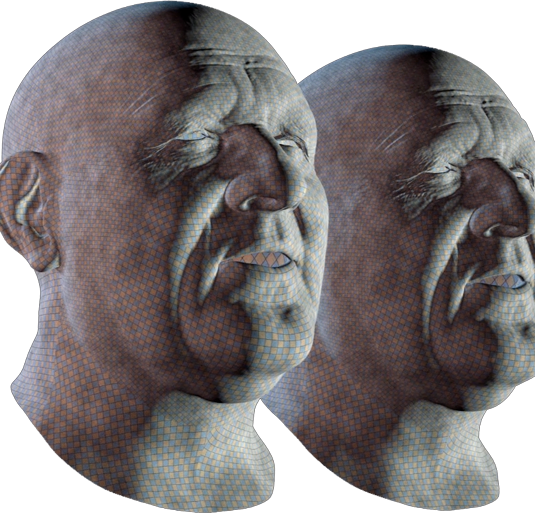
Authenticity was key in recreating the Boot Room digitally, ensuring both its contents and Paisley himself were faithfully portrayed. Paisley’s model in the AR experience is downscaled from the one seen in the films, and capturing the manager’s spirit on-screen was one of the biggest challenges of the project. In creating a realistic portrayal in CGI, we mined video footage of Paisley for a variety of distinct facial expressions that we could manually model, then animate. This included the careful work of recreating even the finest details of Paisley’s face: 200 unique facial shapes and 200,000 hair follicles manually placed and more, in over 400 hours of modelling time.

We took great care in sculpting Bob Paisley's face with high fidelity.
But even more impressive than making this incredibly high-res model, perhaps, is how we managed to squeeze it down into a model that could be used within an AR environment. AR requires a small digital footprint, which means developers must be very economical. We managed to keep high fidelity despite sizing down the digital Bob Paisley’s head from over 100,000 polygons to just 10,000!
Approach Your Subject with Respect and Passion
Bringing Bob Paisley in front of fans again was a privilege, but so was reproducing the various items and artifacts that users engage with within the virtual Boot Room. Collectively, these artifacts give fans a tangible experience with the club’s history, helping them forge deep personal relationships. These include radio broadcasts, which users discover by turning the knob of a vintage radio; signed shoes worn by the club’s most legendary players; Bob’s own notebook, which tests users’ own sense of strategy and more.

Once in the Boot Room, fans can engage with objects and artifacts.
Ben Phillips, one of our Film Creatives involved in the project, noted to me that working on this project felt more poignant than uses of similar technology that gives posthumous Hollywood actors one more chance on the big screen. “It felt more significant with the timing,” he said. “Not only because it was a celebration of Bob’s 100th birthday, but also because it coincided with the club enjoying a renewed period of success on all fronts–the best that Liverpool fans have seen since Bob Paisley’s era.” In this case, the films and the Boot Room experience serve like a passing of the torch from one great manager to the next.
Football fans are incredibly passionate. I’ve been working with Octagon and Standard Chartered on sponsorship projects for close to two years, and there is something fascinating about creating content for football fans. They are, by definition, “fanatics,” and in a world where every brand is competing for attention, content created for football fans automatically gets talked about when they engage organically but obsessively.
When the work is done at a high level of quality, fans will react with satisfaction, delight and passion. It’s all the more important, then, that sports brands take special care in how they engage with audiences digitally. There’s so much potential for brands to capture the passion of their audience, giving them tangible ways to connect with the brand—whether in the stadium or at home.
And while we all look for meaning in our work, it’s not every day that we can read on social media that our work gave someone goosebumps or brought them to tears in the way that our work for Standard Chartered and Liverpool FC has—and that’s a powerful thing.
liverpool fc liverpool football club augmented reality AR the boot room standard chartered
Face the Music: Designing the Connected Concert Experience
Face the Music: Designing the Connected Concert Experience

Music and dancing are essential to the way many of us relate with one another: you might feel a connection with others sharing the same taste in music, or might feel a closer bond with others when participating in a song and dance. And with technology permeating all aspects of culture and fundamentally changing the way we socialize, what might a tech-infused musical performance of tomorrow look like?
To answer this question, we take a close look at two different musical experiences—a marquee concert event and an AR experience that may be enjoyed anywhere—that each offer value not just for fans, but also artists and brands hoping to make a mark on culture through tech-driven creative experiences. The secret to both their successes is how they uniquely inspire connection between fans and how they engage with the experience at hand, offering a handful of best practices when leveraging emerging tech.
Translating Familiar Activations into Forward-Thinking Tech
MediaMonks recently sought to modernize the concert-going experience at Super Saturday Night—a major night of musical programming on the eve of the Super Bowl—which featured Lady Gaga this year. “It followed a specific ask from AT&T: how do we modernize the traditional concert-going experience and make this truly tech-forward?” says Shamlin. The team took inspiration by reinventing the types of activations you would typically find at concerts and events, giving them a Lady Gaga facelift and bringing them into a more future-forward form.

The Monster Wall illustrates a unique, neon-lit monster that mimics your pose.
Take the Monster Wall for example. This play on the “step and repeat” media wall, commonly found at so many award shows and other big-name events, encourages attendees to strut, stop and snap a photo. The wall animates unique, neon-lit “little monsters” (referencing Lady Gaga’s name for her fans) that mimic attendees’ movements with no latency, demonstrating the strength of AT&T’s 5G network.
This type of smart, relevant demonstration of product offering is critical to apply to integrated marketing delivery across the board, whether through live experiential events or with a digital banner ad. “Empowered customers and prospects hiding from advertising and marketing put pressure on CMOs to create stickier media executions and experiences,” writes Forrester Principal Analyst Jay Pattisall in The Forrester Wave™: Full-Service Media Agencies, Q1 2019 report. “This new challenge means media campaigns and the agency partners that deliver them must forgo conventional reach and frequency in favor of more personalized, culturally relevant and technology-savvy execution.”
A similar idea takes effect with our upgrade of the signature wall—essentially, a blank wall or canvas that anyone can sign, share a message or doodle on. But what if the signature wall didn’t have to be limited to a flat surface, and could extend into the space all around us? “Drawing on Kindness” is an AR experience that answers this question by letting attendees use phones as if they were brushes capable of painting the three-dimensional space around them, inviting them to really leave a mark on the environment.
Differentiating Through Desire for Connection
The above activations play on the concert’s theme of bringing people together through kindness, a theme shared by the artist herself. All digitally infused performances and events must likewise be intentional with how they use technology—a lack of purpose runs the risk of reducing artistry into novelty.

Pharos AR is enjoyable anywhere, but getting to experience it first at Coachella 2019 was especially impactful to fans.

The app places a virtual Childish Gambino performance in your immediate surroundings.
People attend concerts for a sense of connection with the artist, sharing the same space with them and other fans. When Childish Gambino sought to bring a performance anywhere—even your living room—with augmented reality, this desire to connect was key in our development of the Pharos AR app, made in collaboration between MediaMonks, Google, Unity and Wolf + Rothstein. The app initially soft launched at Coachella in 2019.
In addition to treating users to an intimate performance of an exclusive track, the app serves as a direct channel between the artist and his fans, offering an exciting way to release new songs and virtual performances right into fans’ homes. “It serves as another outlet for Childish Gambino’s creativity, letting him update his fans with future song releases over the cloud,” said MediaMonks Sr. Producer Thomas Prevot, who worked on the project.
Activations Still Thrive on Simplicity
Despite the bells and whistles of cool, futuristic activations detailed above, there’s still a lot of value for simplicity. Ask Shamlin about one of the most popular attractions at Super Saturday Night, and he’ll introduce you to the Monster Paw, a giant claw-shaped sculpture based on Lady Gaga’s iconic hand pose. Attendees could stand in front of the claw to capture a dynamic, 180-degree gif of themselves in front of it.
“It’s the least tech-forward attraction we placed there, but it’s turned out really cool given the materials, dramatic lighting and fog,” says Shamlin, who notes that its simplicity and obvious value as a social takeway have elevated the Monster Paw to being a hero moment for fans at the show. It serves as a good example of how the design of any good experience must begin with offering a clear value. “How do you capture attention and get people to pause?” asks Shamlin. “The balance of technology often has a learning curve. You have to teach how, why and when to make an interaction.”
Shamlin’s point hearkens back to the truth that any use of emerging tech must offer a key, easy-to-grasp value to users in order to be received successfully. With intentional design, strategic onboarding and cultural relevance working in concert with one another, experiential activations in many forms can modernize the typical music-going experience to dramatic effect.
Concert musical performances live performance experiential events AR VR
What We Learned from Demoing Google’s New Depth API
What We Learned from Demoing Google’s New Depth API

Get ready for an upgrade: in early December, Google revealed its Depth API, a new functionality coming to ARCore that allows virtual objects and real-world environments to play nicer together, allowing for more convincing and immersive mixed reality experiences. A demonstrable way that Depth API achieves this is by enabling occlusion, or the illusion of virtual objects’ becoming obstructed behind real-world ones.
Convincing occlusion has historically been difficult to achieve, though Google has put together a video portraying demos of the new API that show off its features. One of those demos, which challenges the user to a virtual food fight against a levitating robot chef, was developed in collaboration with MediaMonks.
What’s exciting about Depth API is its ability to understand the user’s surroundings at an unprecedented speed and ease. “The API’s depth map is updated in real time, allowing AR apps to be aware of surfaces without complex scanning steps,” says Samuel Snider-Held, Creative Technologist at MediaMonks. This enables not only occlusion as mentioned above, but also the mimicry of real-time physics. For our virtual food fight against the AR-rendered robot, missing is part of the fun; users can take delight in the digital splatters of food on the objects around them without worrying about cleanup.
The Building Blocks to More Immersive AR
How does Depth API work, and what sets it apart from other methods of occlusion? “The Depth API uses an approach called ‘depth from motion,’ in which ARCore determines distances to objects by detecting variances between image frames while the camera is moving,” says Snider-Held. “The result is a high-resolution depth map that is updated in real time, allowing the device to better understand where objects are in relation to one another and how far away they are from the user.”
Depth API is software-based, requiring no new hardware for users with ARCore-enabled devices once it releases publicly. While sufficient occlusion significantly increases the verisimilitude of virtual objects, it follows a series of incremental updates that build on one another to allow for more realistic immersive experiences. Just last year—the same year ARCore debuted—Google released its Lighting Estimation API, which lights virtual objects to match the existing lighting conditions in the real-world setting, including light reflections, shadows, shading and more.

Since then, a feature called Cloud Anchors allows multiple users to view the same virtual objects anchored in a specific environment. It’s the key feature powering the multiplayer mode of Pharos AR, an augmented reality experience we made in collaboration with Childish Gambino, Wolf + Rothstein, Google and Unity—which itself served as a de facto demo of what Cloud Anchors are capable of in activating entirely new mixed reality experiences.
“We have the creative and technical know-how to use these new technologies, understand why they’re important and why they’re awesome,” says Snider-Held. “We’re not scared to take on tech that’s still in its infancy, and we can do it with a quick turnaround with the backing of our creative team.”
A Streamlined Way to Map Depth
Depth API wasn’t the first time that MediaMonks got to experiment with occlusion or spatial awareness with augmented reality. Previously, we got to experiment with other contemporary solutions for occlusion, like 6D.ai, which creates an invisible 3D mesh of an environment. The result of this method is similar to what’s achieved with Depth API, but the execution is different; translating an environment into a 3D mesh with 6D.ai is fastest with multiple cameras, whereas Depth API simply measures depth in real time without the need of scanning and reconstructing an entire environment.
Similarly, Tango—Google’s skunkworks project which was a sort of precursor to ARCore—enabled special awareness through point clouds “When we had Tango from before, it used something similar to a Kinect depth sensor,” says Snider-Held. “You’d take the point clouds you’d get from that and reconstruct the depth, but the new Depth API uses just a single camera.”
Monk Thoughts
We’re not scared to take on tech that’s still in its infancy, and we can do it with a quick turnaround with the backing of our creative team.

In essence, achieving occlusion with a single camera scanning the environment in real time offers a leap in user-friendliness, and makes it widely available to users on their current mobile device. “If we can occlude correctly, it makes it feel more cemented to the real world. The way that they’re doing it is interesting, with a single camera,” says Snider-Held.
Adding Depth to Creative Experiences
Depth API is currently opening invitations to collaborators and isn’t yet ready for a public release, but it serves as a great step in rendering more believable scenes in real time. “It’s another stepping stone to reach the types of AR experiences that we’re imagining,” says Snider-Held. “We can make these projects without caveats.”
For example, a consistent challenge in rendering scenes in AR is that many users simply don’t have large enough living spaces to render large objects or expansive virtual spaces. Creative teams would get around this by rendering objects in miniature—perhaps just contained to a tabletop. “With Depth API, we can choose to only render objects within the available space,” says Snider-Held. “It lets us and our clients feel more comfortable in making these more immersive experiences.”
As brands anticipate how they might use some of the newest features of fast-evolving mixed reality technology, they stand to benefit from creative and production partner that can bring ideas to the table, quickly implementing them with awareness of the current opportunities and challenges. “We bring creative thinking to the technology, with what we can do given our technical expertise but also with things like concept art, animation and more,” says Snider-Held. “We don’t shy away from new tech, and not only do we understand it, but we can truly make something fun and inventive to demonstrate why people would want it.”
AR augmented reality mixed reality xr extended reality occlusion ar occlusion google arcore