Choose your language

Choose your language

The website has been translated to English with the help of Humans and AI

Dismiss

The Evolution of the Community Manager

The Evolution of the Community Manager

AI AI, Community Management, Social, Social moments, Web3 3 min read
Profile picture for user mediamonks

Written by
Monks

People working at a desk and on their phones and computers

From answering queries to becoming brand ambassadors, the job of community managers has evolved into a leading role that balances the audience’s expectations with the brand’s needs. While often underestimated and under-researched, community managers are at the heart of our digital communications—injecting brands with a dose of closeness and authenticity that has become necessary in recent times.

For the new generation of consumers, a brand that keeps its distance on social media is not a memorable one. Quite the opposite. Audiences today have come to expect a degree of relatability—and above all, a real understanding of their interests and necessities. It’s not about keeping up with the top 10 TikTok trends; rather, about thinking and creating like consumers. 

Marketers who have a solid grasp of this are expanding their businesses and promoting their brand just as with word of mouth. But they are not doing it alone. Community managers are one of the main players in the game of hooking consumers—even if their role is often simplified and associated with junior professionals who are just starting their careers. As consumer behavior continues to evolve, we need a new approach to community management that understands its importance and allows us to harness its true power. Here’s what that looks like.

AI and automation meet an increased focus on being human.

As previously mentioned, consumers are more likely to engage with brands that demonstrate some sense of humanity. And if they are not afraid to show an actual human behind the screen, all the merrier. Community managers today are spending less time solving problems and more time sharing their own opinions, experiences and emotions—acting more as entertainers and relatable friends than customer service agents.

If we think about the spaces where consumers connect with brands, these are mostly global digital platforms with a demand for always-on interaction. One of the ways that world-class brands deal with this expectation is by hiring community managers in a bunch of different time zones so that they are manually working round the clock to serve them. However, by incorporating automation tools—such as social bots or other applications of AI—you can also offer on-demand attention and instant solutions so that the users feel supported 24/7 while CMs focus on being creative.

In other words, these tools manage all the liking, retweeting and answering of repetitive queries so that community managers can better direct their energy toward inspiring real connections with people.

Twitter chats from the Atlanta FX takeover

On top of that, you can have fun with it. Working with the television series Atlanta, for example, we created their own custom AI bot to take over the show’s official Twitter account for a week. In a joint effort between Jam3, Cashmere and Media.Monks’ teams, we trained it on every tweet from the Atlanta handle. Then, we used Twitter’s new edit function to tease out a takeover that had communities on Reddit and Discord following along.

Web3 fosters a spirit of participation.

Many factors have pushed community managers to expand their roles, and as long as new platforms keep emerging, they’ll continue to adapt and evolve. With its values of collaboration, decentralization and power-to-the-user, Web3 is already changing the way we engage with communities, switching the focus from “talking to” to “participating with.” In that landscape, community managers will need to be quick on their feet and feel prepared to appropriately engage with consumers—whether that means communicating through a virtual avatar or even hosting an auction of NFT artwork

What’s more, commerce is going live—prompting brands to blend communities and real-time connection to offer entertaining interactive experiences. While influencers or digital creators are typically the stars of these events, community managers play a fundamental role in moderating and executing these activities. 

Community managers are becoming more involved in creative processes.

As virtual worlds evolve and virtualization emphasizes the spirit of collaboration, brands have an opportunity to give more thought to the role that community managers play within their team. Instead of simply asking ourselves what new platforms to join, we need to follow it up with, “What should be the purpose of the CM in each one?”

Not all brands need to have the same approach, but one thing is certain: when community managers are invited to creative rounds, campaign briefs and content calendar meetings, they are better equipped to create the kind of brand experience that social media managers and creatives are working so hard on. What’s more, they can provide unique insights they’ve gathered from interacting directly with consumers.

In a world where brands need to be active listeners and co-create culture alongside their audience, community managers are key liaisons between the two. As their role evolves, we need to get rid of the simplistic view of posting, responding and reacting—understanding that they have the power to create brand love and a direct impact on the brand experience. Let’s move away from the concept of community managers as an exclusively intern-level position and recognize the importance of elevating the role of those communicating directly with consumers.

As consumer behavior continues to evolve, we need a new approach to community management that understands its importance and harnesses its true power. Here’s what that looks like. consumer journey consumer insights social media marketing automation AI Web3 NFT Social Community Management Social moments AI Web3

Media.Monks is Named a Salesforce Web3 Launch Partner

Media.Monks is Named a Salesforce Web3 Launch Partner

AI & Emerging Technology Consulting AI & Emerging Technology Consulting, CRM, Emerging media, Experience, Monks news, Web3 3 min read
Profile picture for user nich

Written by
Nicholas Seo

Salesforce and Media.Monks logo

Web3 represents a considerable shift in the ways people meet, organize and build together online. And this has had profound implications in how brands are forging direct relationships with their base—precisely at a time when the need for deeper, privacy-safe insight into audiences has become table stakes.

And now that just got a whole lot easier. Salesforce has just launched Salesforce Web3, with two products: NFT Management and Web3 Connect. NFT Management makes it easy to mint, manage and distribute NFTs through any channel. Web3 Connect helps brands enrich customer profiles with digital wallet and NFT transaction data, effectively joining Web3 data with their existing CRM data ecosystem. Media.Monks will support Salesforce Web3 as an official launch partner, furthering our shared effort to guide industry-leading brands along their Web3 journeys. Here’s how to start your own.

Step into Web3, backed by a trusted technology partner.

Salesforce Web3 helps brands enter the Web3 space through a familiar interface. By easily creating digital collections with NFT Management, brands can reach new customers in Web3 channels while enriching customer relationships—meaning it’s never been easier for heritage brands to extend into Web3 as a new, connected touchpoint to sell, service and market to audiences.

Salesforce Web3 also builds legitimacy by overcoming some of the perceived challenges of Web3, like privacy and security concerns. For example, the platform keeps your data secure with configurable privacy controls and built-in fraud detection. This way, brands and their customers can invest confidently in Web3.

Additionally, brands can leverage Web3 Connect to bridge Web2 and Web3 identities, joining Salesforce's existing data attributes within its Customer 360 ecosystem together with Web3 wallet data. This is key, because Web3 offers a new first-party data set, which brands will increasingly rely on to deliver personalized, omnichannel engagement at scale: wallet and NFT transaction data unlock real-time insights into audiences and channels that help future-proof a brand in a time of new privacy regulations and cookie deprecation.

Build insights and longevity through incredible Web3 experiences.

One of the most important things to understand about Web3 is that it’s more than just NFTs and PFPs: it’s an evolution in the ways people engage with one another and with brands. This calls for a re-evaluation of how brands relate to digital audiences today, as well as a need for new skills to collaborate with them authentically. Our digital experts combine deep cultural understanding of Web3 with longstanding CRM expertise to guide brands and show them the way to authenticity in the space.

Monk Thoughts A revolution in brand-customer relationships calls for a significant overhaul in ways that brands and people engage.
sol

Based on their experiences with notable early adopters in Web3, our team has shared insights in two foundational thought leadership pieces, published in collaboration with Salesforce. Web3 and the Future of Customer Engagement invites readers to follow the near-future customer journey augmented by a range of Web3 use cases and touchpoints. A follow-up piece, Web3 and the Future of Luxury, goes deep inside an industry that has enthusiastically embraced Web3, showing how a new class of digital entrepreneurs and craftspeople empowered by technology are already transforming brands and business.

It's clear that a successful step into Web3 means more than just dropping an NFT collection and calling it a day. Ranging from discovery, strategy, activation and optimization, we’ve helped brands maximize the impact of Web3 activations across their business—for example by enhancing customer loyalty programs, building immersive experiences in virtual worlds, nurturing emerging communities in channels like Discord, or even launching IRL experiences that bridge the virtual and the real. 

The byproduct of building brand love across these touchpoints is a stronger understanding of consumers, as Web3 offers numerous triggers to develop first-party data, from the contents of one’s wallet to the kinds of communities that people choose to invest time, activity or money in. Our experience of future-proofing brands’ data strategies in preparation for the privacy era helps connect the dots between activation and insights that can fuel the business long-term.

Start your Web3 journey now.

From digital experiences that reach new audiences to building up first-party data sets, Web3 is ripe for brands to build longevity and future-proof their business. As a space that is inherently driven by emerging consumer behaviors, meeting new expectations within Web3 relies on understanding how customer relationships and attitudes toward ownership and participation continue to evolve. Brands who can rise to the occasion are ideally suited to the new era—and as a trusted Salesforce Web3 launch partner, we can help get them there. Reach out below to get started on your Web3 journey.

Salesforce Web3 is a trademark of Salesforce, Inc. and used here with permission.

Media.Monks will support Salesforce Web3 as an official launch partner, furthering our shared effort to guide industry-leading brands along their Web3 journeys. Web3 Web3 technology NFT salesforce marketing Experience CRM AI & Emerging Technology Consulting Monks news Web3 Emerging media

Three Shifts in Business Mindset to Guide Web3 Success

Three Shifts in Business Mindset to Guide Web3 Success

AI & Emerging Technology Consulting AI & Emerging Technology Consulting, CRM, Customer loyalty, Experience, Industry events, Web3 4 min read
Profile picture for user mediamonks

Written by
Monks

Purple threads travel into a white circle

So much of the discussion around Web3 is focused on tech jargon, exorbitantly priced artwork and the promise of riches. But in the doldrums of a crypto winter, brands are looking beyond the hype to explore where NFTs, blockchain and Web3 philosophies can meaningfully fit within their wider marketing strategies.

To explore how brands could innovate a scalable, customer centric Web3 strategy, we partnered with the Salesforce Web3 Studio to gather a team of experts for a Brunch ‘n Learn session at CES. Jordan Cuddy, Partner and Chief Client Officer at Jam3; Marc Mathieu, Co-Founder of Salesforce Web3 Studio; and Swan Sit, Independent Board Director, Advisor, Creator and Investor, discussed how early adopters have leveraged Web3 to create more meaningful connections with their customers—and how the technology represents a foundational shift in customer relationships.

Jordan, Matthew, and Swan at CES
Suite at CES where a crowd gathered for Media.Monks presentation on Web3

While the conversation touched on several key insights and examples of brands in the space, the trio uncovered three key shifts in mindset that will help brands realize the true potential of Web3, whether by strengthening customer experiences, better understanding who they’re marketing to, or building long-term loyalty.

It’s about the value of the brand, not the product.

Whether it’s a loyalty program, a digital wearable collection or something different altogether, the true value in any Web3 engagement lies in whether it feels authentic to the brand. In short, no one is going to care about (or stick with) a Web3 project that’s at odds with what the brand stands for. So if you consider making moves in Web3, start by taking stock of what makes your brand valuable to people already. “In your P&L, when you look at the intangible lines and want to look at the value of a brand or community, that’s a representation,” says Sit.

As for what an authentic brand alignment looks like, Cuddy offered an example from our work with Adidas. The strategy team at Jam3 realized there was a shift in consumers’ minds from “Where can I go in the metaverse?” to “Who can I be in the metaverse?” Realizing the desire for unique ways to express oneself in this space, we built a platform that generates a unique, interoperable metaverse avatar based on each user’s personality. “It made sense for a brand that says ‘Impossible is nothing,’” Cuddy says.

Monk Thoughts Never do tech for tech’s sake. Does it make sense for your brand? Authenticity is key, and this generation sniffs it out so fast.
Jordan Cuddy headshot

Digital identities are complex and nuanced—not just numbers.

Consumers are people. It may sound obvious, but marketing teams everywhere are facing a reckoning for chasing cookies and arbitrary identifiers rather than forging meaningful, impactful personal relationships with their base. “We’ve forgotten that people are not just data and that we can just target them,” says Mathieu. “In reality, the underlying technology of Web3 is about giving back power to the user and creators, but that means we need to be ready to stop thinking of them as just consumers.” 

Think of them collaborators, co-creators, co-innovators or co-contributors—but either way, make sure the service you’re providing is actually valuable to them, because that’s what drives anonymous Web3 users to identify themselves. “Most people don’t want to give you their data if you don’t give them something in return,” says Mathieu, noting how in this way, Web3 technology can play a crucial role in future proofing brands’ CRM strategies as they head into the post-cookie future.

Beyond futureproofing, Web3 will make identity more complex. “A lot of people feel more authentic digitally because they’re able to express and experiment with who they are more freely without prejudice and inequalities,” Mathieu says. “We’re on the verge of having to deal with a very different concept of identities.” But that’s a good thing, because those complexities are rich for gaining deeper and more nuanced insight into your audience. What projects or communities a person chooses to invest in says a lot more about them than traditional identifiers like a phone number or email address, says Mathieu.

Loyalty is about being loyal to your customer.

“We’ve been thinking of loyalty as something consumers owe us,” says Mathieu. “Now, consumers are saying, ‘How will you be loyal to me? Are you going to serve me throughout my life through products, experiences and services?’” Again, looking at your customers as collaborators—in which brand and audience both have skin in the game—is a path to unlocking greater loyalty.

Web3 is a creator space, and brands who are comfortable collaborating with their consumers will come out on top. In fact, there may already be a community dedicated to your brand without your knowledge or authorization—but instead of pulling the plug, consider ways you can support and join in the fun. Matheiu compared it to the time he worked at Coca-Cola in the early days of Facebook, when the company discovered a group about the brand made by fans. “We asked how to make it bigger instead of shutting it down,” he says.

Cuddy also shared the process of seeking fan input in developing ComplexLand, a virtualization of the iconic ComplexCon that we continued to evolve over three annual editions. “Between each version, we talked to the community. We didn’t do typical market research; we talked to people who actually participated,” says Cuddy. In year two, for example, the team added multiplayer experiences based on fan feedback. The most recent iteration implemented NFT creation to solve fans’ need for more ways to express themselves creatively. “We listened to them and applied it, and that starts to build that loyalty when they’re the co-creator.”

Shift your mindset to win in Web3.

Remember, NFTs, blockchain and the like are just technologies—a means to an end, not the end itself. Sit aptly put it this way: “When someone asks what music you listen to, you don’t say MP3s.” 

Likewise, the way brands unlock value in Web3 isn’t to put out projects for the sake of it; it’s about working in partnership with your customers to better serve their needs. Web3 has ignited consumer mindset shifts across trust, products and ownership, and now’s the time to follow suit—because when you do, you’ll gain a stronger, more nuanced relationship with your base.

Uncovered three key shifts in mindset that will help brands realize the true potential of Web3. Web3 Web3 technology customer experience NFT CRM strategy Experience AI & Emerging Technology Consulting CRM Web3 Industry events Customer loyalty

Fostering the Future of Customer Loyalty

Fostering the Future of Customer Loyalty

AI & Emerging Technology Consulting AI & Emerging Technology Consulting, CRM, Customer loyalty, Experience, Web3 5 min read
Profile picture for user Michael.Litman

Written by
Michael Litman
Senior Director, Emerging Technology

A person shopping on their cellphone

What does it take to stay ahead of the curve in this digital industry? If you ask me, it’s crucial to first fully submerge in the culture and understand the ever-evolving online communities, before moving on to commerce. Ultimately, everything we do is about connecting consumers with commerce.


In this spirit, I've been down a two-year-long rabbit hole in the Web3 space, investigating various digital innovations and closely observing all the steps key trailblazers are taking. While our detailed “Future of Loyalty” report with Reddit, Salesforce and Polygon Labs lays out all the facts and figures, this article represents the condensed culmination of my exploration. To start with the conclusion for a change, I believe digital collectibles as a product and Web3 as a space are highly beneficial for brands to incorporate in their loyalty programs, as they help foster the future of customer loyalty.

Benefits that go both ways. 

Now, let’s take a few steps back. Loyalty programs, which are typically presented to people during the point of purchase, are designed to incentivize customers to shop both more items and more frequently, engage with the brand more often, and share it with more people they know—in a way, it’s all about incentivizing more, more, more. To actually realize these actions, loyalty programs offer rewards that unlock various branded benefits, from discounts to exclusive product deals. From a brand’s perspective, the purpose is to find out more about its customers, while offering a value exchange. 

Brands can use various metrics to measure the effectiveness of their loyalty programs, including customer lifetime value (CLV), average order volume (AOV) and conversion rate (CR). A successful program is able to maintain or increase one or all of these metrics. For example, this means that customers continue to shop from the brand and for longer periods of time. While customers search and purchase products, the brand is able to gather a ton of data on them. More information means more personalization, which, in turn, means more rewards for consumers. In short, the objective is to incentivize actions, interactions and return visits.   

The vast majority of high-performing loyalty programs are digital, accessible through a brand’s app or website. However, that may be about to move into a new direction, as we’re now ushering into the next era of the internet—Web3—and it’s all about culture and community-building.

NFTs: your ticket into a brand’s action.  

More than just a new tech infrastructure, Web3 represents a foundational shift in the ways people organize and engage with one another. Through the arrival of Web3, we’re entering an ownership era where everyone has a chance to own a piece of the action. This ownership partly lies in NFTs or digital collectibles, which can be many things—an artwork that evolves over time as users get involved, a digital object, and more. So, how exactly do NFTs fit into the next generation of loyalty ecosystems? 

While NFTs can take on any digital form, they all act as memberships. Think of them as traditional membership passes that are built on the blockchain, offer exclusive benefits, and serve as access passes into a brand’s Web3 loyalty program. NFTs are the new means of digital value exchange that help consumers unlock ownership over brand experiences. They are the future of loyalty and community in an increasingly tokenized world, where you become a small investor in a brand and its future success once you get your hands on its NFT. By joining a brand’s community and interacting with it, consumers tend to feel proud about the NFT’s value and their personal association with the brand. This, in turn, creates a new form of engagement and commitment.

Supercharging memberships to cement customer loyalty. 

From Gucci to Starbucks, both luxury and everyday brands are looking for ways to launch into the world of Web3 and reach new communities, and the most common route is through NFTs. In partnership with SuperRare and NiftyKit, Vault—Gucci's experimental online platform—launched the Vault Art Space. It’s a place where fans of the brand, art lovers and crypto-natives can bid on, mint and collect exclusive, curated digital artworks. This future-forward move made Gucci the first legacy brand in the world to own and manage its very own digital art marketplace, demonstrating its literacy and legitimacy by using the right body language in the Web3 space as well as its ability to move beyond the hype.

  • A gucci nft with flowers An illustrated nft with colorful flowers

As for Starbucks, the popular American coffee company has just brought a blockchain-based loyalty platform to market titled “the Starbucks Odyssey Beta experience.” This will offer its members the ability to buy and earn digital collectable stamps in the form of NFTs, which create access to new immersive coffee experiences. By integrating NFTs into its industry-leading loyalty program at scale, Starbucks is building an accessible Web3 community. The coffee company’s loyalty program is already a success story, with more than half of all sales coming from its reward members. Besides, it’s a great way for the brand to gather first-party data. Starbucks getting into Web3 is a big deal for the industry, for innovation and for brand spectators—if done right, this loyalty integration will increase its conversion rates and help the brand collect even more user data. 
This goes to show that brands from across the board are building new supercharged memberships as part of loyalty programs. Our recent “Web3 and the Future of Luxury” report, which my fellow Monks wrote and released together with Salesforce, states that “Memberships open people up to a community of others—something that’s missing from traditional loyalty programs, which provide only a relationship between an individual and the brand. And while loyalty programs are designed to reward consumers through continual consumption, memberships give them the opportunity to shape the brand and generate value.” The power of Web3 is that it builds on people’s desire to be part of a tribe by giving them a more significant role after they’ve bought into a brand, thereby cementing their loyalty. 

It’s time to launch your loyalty program into the next era of the internet. 

Though many people only know of NFTs as digital artworks, the Web3 space encompasses so much more than just aesthetics. First up, there’s identity, as you would only purchase a product to enter a space that aligns with your personal interests and values. Next up, it’s about community and connecting with a group of people that have similar passions and interests. The Web3 space is also about cooperation and teaming up with your peers. Finally, there’s also some good ol’ luck involved, as some NFTs are only available to those that had also bought into the brand’s previous NFT projects. Sometimes it’s really just a matter of being in the right place at the right time. Then again, this exclusivity is tempting. Overall, these are the guiding principles from a consumer perspective, and highlight what loyalty programs should be able to provide when customers engage with a brand’s NFTs.  

Circling back to my conclusion, I believe NFTs and Web3 are beneficial for brands to incorporate in their loyalty programs. Enhanced customer lifetime value, average order volume and conversion rates are all huge benefits that NFTs and Web3 can bring to a loyalty program. First, they allow customers to get exclusive perks for an upfront cost and continuously uncover deeper layers of the loyalty ecosystem, keeping them engaged with the brand at an ownership level. Second, NFTs offer exclusive access to unique items and benefit those who buy multiple items, which increases what people are willing to pay for an item and how much they will purchase. Third, they enhance conversion rates, as exclusive items and token-gated experiences sell out more often than not when done well. 

These are just three of the primary perks that loyalty programs supported by the next era of the internet can bring. Depending on your business and other KPIs, there may be many other benefits. This goes to show that NFTs and Web3 help foster the future of customer loyalty, as many people are eager to get into projects they believe are cool, innovative, interesting, relevant and set to deliver long-term value. How to get there? Just follow our three-step process: culture, community, and then commerce.

Learn how NFTs or digital collectibles as a product and Web3 as a space are beneficial for brands to incorporate in their loyalty programs. NFT Web3 customer loyalty brand loyalty Experience AI & Emerging Technology Consulting CRM Web3 Customer loyalty

How to Extend Real-World Events into Virtualized Experiences

How to Extend Real-World Events into Virtualized Experiences

AI & Emerging Technology Consulting AI & Emerging Technology Consulting, Experience, Immersive Brand Storytelling, Impactful Brand Activations, Metaverse, Web3 4 min read
Profile picture for user mediamonks

Written by
Monks

A virtual Macy's thanksgiving parade with buildings a parade floats

Web3 and metaverse spaces offer exciting opportunities for brands to build incredible, new worlds and ways to interact inside them. But metaverse spaces are not reserved only for flights of fancy; they can also be stages to reimagine real-world events and experiences for global, digital-native audiences.

During the pandemic doldrums, we all saw how difficult it can be to translate the magic of in-person events from the stage to the screen—but increasingly immersive platforms solve these challenges by enabling a sense of presence within. While not a replacement for the experiences that inspire them, these activations can level up their ambition and become strategic, long-term additions to a brand’s digital strategy. Here’s how two brands were able to transform iconic IRL experiences into significant, long-term elements of their digital experience strategy.

Start with community.

 Metaverse spaces serve as environments where people can connect with one another in real time, much like events in the real world. In fact, communal experiences are a hallmark of successful metaverse-related activations and Web3 projects, making community building a key design consideration. This was the case for Macy’s Thanksgiving Day Parade, which we marched into the realm of Web3 with a virtual recreation of New York’s Fifth Avenue—the IRL route for the parade—and a series of galleries featuring NFTs inspired by the parade’s iconic balloons and other popular projects like Cool Cats, VeeFriends and more.

A virtual downtown new york at the Macy's parade with balloons and buildings

Throughout its history, the parade has brought more and more people together through mass media channels: originally broadcast locally in New York in 1939, today more than 44 million people watch the parade each year. By building an immersive space where people can interact and engage with one another, even more attendees could enjoy the Macy’s Thanksgiving Day Parade in a totally new way no matter where they are: the event brought in over 90,000 users.

And for some virtual attendees, that’s just the start of the journey. With the ability to buy NFTs from some of the most popular projects, each with their own communities built around them, those who make a purchase are initiated into new entrepreneurial or artistic social circles.

Add value and cohesion through interoperability.

Culture doesn’t happen in a silo, so neither should a brand activation. One of the key promises of metaverse and Web3 technology is interoperability, or the ability of two or more systems to exchange and use information. Interoperability can mean enabling compatibility between different platforms or—perhaps more compelling for virtualizing IRL experiences—seamlessly bringing together both the real and virtual worlds.

For that latter point, look at ComplexLand, a 3D digital platform inspired by ComplexCon—the cultural mecca bringing together the Complex Networks community, the hottest cultural trends and hype-fueled brands. Reimagined in a virtual format, ComplexLand provided a seamless shopping experience so attendees could fill both their physical wardrobes along with their virtual ones. Attendees could even unlock food deliveries by interacting with virtual food trucks parked throughout the world, bringing a little piece of the IRL festival experience to audiences from afar.

A shoe drop happens in ComplexLand
An avatar changing outfits

When it comes to interoperability in the more technical sense, the virtual Thanksgiving Day Parade was designed for attendees to take a little something with them across the metaverse. After purchasing an NFT, visitors could carry them into other worlds thanks to blockchain technology. They also had the chance to vote for which NFT project on display deserved to become a balloon in next year’s IRL show, further bridging together the real and virtual world (Cool Cats ultimately won).

Monk Thoughts We're working closely with the Web3 focused team at Macy's to envision how year on year, a community can be built around Macy's and Web3 partners.
Tim Dillon headshot

Build towards the future.

As metaverse spaces mature and the hype cycle winds down, brands are beginning to look beyond one-and-done activations for ways to build meaningful interactions that fuel long-term value. From setting the foundation for new revenue streams to iterating toward increasingly sophisticated metaverse experiences, reimagining an event can become a springboard for innovation.

You can trace this concept in action through the evolution of ComplexLand, with each annual edition building on those of previous years. Originally launched in 2019, the first ComplexLand was a single-player experience, though the following year added more opportunities for attendees to engage with others: sharing drops, having one-to-one conversations and interacting with branded non-player characters. This year’s version added Web3 capabilities—like minting NFTs—to enable new forms of connection and creative expression. The journey has led ComplexLand to become Complex Networks’ second-largest source of revenue and a key part of its events strategy.

The virtual Thanksgiving Day Parade similarly builds on Macy’s earlier Web3 efforts. Last year, the retailer celebrated the 95th anniversary of the parade by launching a series of 9,500 NFTs based on classic balloons. The addition of the immersive parade route and NFT galleries not only brings the magic of the holiday season to people everywhere; and introduces new audiences to both virtual spaces and NFTs.

Monk Thoughts The program allows Macy's to continue to build deeper engagement with the community and partners while still being cause driven. Whether it’s in a Discord chat or in a virtual gallery, it opens up many new opportunities for collaboration both on-chain and off.
Viktor Bezic headshot

Build in authenticity by seizing the spirit of the event.

Finally, consider the overall purpose of your event or activation. Reinforcing a sense of purpose helps build authenticity into the overall experience. Macys captured the spirit of Thanksgiving with their virtual parade by donating all proceeds from NFT purchases to Big Brothers Big Sisters of America, a non-profit organization dedicated to supporting mentoring relationships for youth.

From the abstract world of ComplexLand to a virtual Fifth Avenue, both Complex Networks and Macy’s were able to expand the reach and relevance of their iconic IRL events. At the very least, these reimagined experiences offered moments of surprise to those familiar with their original in-person iterations. But more significantly, they serve as iterative steps that symbolize both brands’ willingness to continue building maturity in Web3 and the metaverse. By folding their core values into features that are inherently unique to the space, both brands authentically set the stage to meet digital-native audiences where they’re at.

Learn how two brands were able to transform iconic IRL experiences into significant, long-term elements of their digital experience strategy. virtual experiences hybrid events digital experience metaverse Web3 NFT Experience AI & Emerging Technology Consulting Immersive Brand Storytelling Impactful Brand Activations Metaverse Web3

From Luxury Fashion to Luxury NFTs: Gucci Can Do It All

From Luxury Fashion to Luxury NFTs: Gucci Can Do It All

Platform Platform, Web3, eCommerce Platforms 5 min read
Profile picture for user mediamonks

Written by
Monks

A Gucci NFT showing colorful illustrations and clothing

What started as a branch for creative exploration within the Italian fashion house Gucci, is now seen as one of the most innovative spaces within fashion and luxury, inspiring brands within this industry and beyond. You guessed it, we’re talking about Vault, Gucci's experimental online space envisioned by its Creative Director Alessandro Michele. Together with its focus on restoring vintage pieces with love and care, Vault has expressed its true colors as a platform to experiment, innovate and celebrate emerging talent. One of its latest ventures? The Vault Art Space—and our FLUX.Monks helped bring the digital gallery to life.

In partnership with Vault, SuperRare and NiftyKit, we launched the Vault Art Space during NFT.NYC, thereby helping the luxury brand cement its Web3 credentials. It is a place where Gucci fans, art lovers and crypto-natives can bid on, mint and collect curated digital artworks that are available exclusively on this platform—making Gucci the first legacy brand in the world to own and manage its own digital art marketplace. In its first online exhibit and auction titled “The Next 100 Years of Gucci,” 29 carefully selected artists share their vision of the brand’s infinite horizons. Despite a crypto downturn just days before the launch, the Vault Art Space managed to attract Gucci connoisseurs and other Web3-savvy fashion fans far and wide, as the highest valued artworks were snapped up in a matter of days.

Pink outlandish looking gucci shoes
A colorful illustration of two people head to head holding each other

While Gucci was already one of the most active fashion brands in Web3, it has now truly demonstrated its literacy and legitimacy in this space, as well as its ability to move beyond the hype. When it comes to the next web, there’s an important chain of causation at play: culture, community and then commerce. Without your cultural credentials, consumers won’t take you seriously—and with the Vault Art Space, Gucci shows that it has understood the assignment. How so? Let’s lay out the evidence. 

Without strategic direction, one might get lost on the road to success. 

It’s safe to say that in terms of legacy brands, Gucci has been leading the charge for a while now. Having dabbled in NFTs and collectibles—and successfully so, as it was the first luxury brand to sell an NFT—it was high time to venture into new territory: the art space. What differentiates Gucci is that it’s truly alive to the real spirit of Web3. To Michele and his team of creatives, it’s not just a buzzword. Instead, they understand that this is the future of the internet, and so all their investments in this space are to future-proof their business. In other words, Gucci is in it for the long run.

To play the long-term game, you need an airtight strategy. This starts with why Gucci wanted to build their own digital art marketplace. In previous activations, the fashion brand leveraged existing communities and marketplaces, like Bored Ape Yacht Club through 10KTF and OpenSea, essentially Guccifying things that were already out there. However, the issue with this is that you lose control over the customer experience; product details may be stated on the webpage, but everything around it is typically commodified. Especially for a luxury brand, this is challenging. Therefore, Gucci made the conscious decision to leverage their own community and create their own marketplace, with the aim to regain control over their customer experience. This circles back to our point about the “culture, community and commerce” chain of causation—to all brands planning to follow suit, it’s absolutely critical to take this into account when treading into Web3. 

The next era of the internet is all about culture and community-building. From day one, this has been at the heart of Gucci’s digital gallery initiative. As such, it’s only natural that Vault—a vehicle for novel brand partnerships and spotlighting upcoming talent—is the context within which Gucci is experimenting in the Web3 space. Vault is not only about creating cool, cultural stuff, but it’s also about learning what latches onto people and what tends to lose value. “It’s about building and playing in public, which is very true to the spirit of Web3,” says Sophie Dean, Associate Account Director.

Monk Thoughts Gucci knows that in one way or another this is going to be the future of everything they do as both a brand and a business, so bold moves like this are very much a learning exercise before they fold it into their broader business strategy.
Sophie Dean headshot

When talking about the strategic foundation of this project, another main pillar is the question of how. We’ve already mentioned our FLUX.Monks joining forces with Vault, SuperRare and NiftyKit to bring this marketplace to life, but what about the content? Next to building the platform, we helped Gucci curate the selection of artists, which includes both cryptoart natives and more traditional creatives looking to experiment with digital platforms. Given this interesting mix of crypto-focused and “real-world” artists, it’s important to highlight the casting process.

Monk Thoughts This was a deliberate decision to make sure this project not only speaks to Gucci’s fluency in crypto, but also to the fact that it’s a legacy brand with a past and a future that’s able to bridge Web3 with the real world.
Sophie Dean headshot

"That’s why we wanted to find a way to bring real-world artists into the crypto realm,” Dean says. Interestingly, this strategic decision reverberates another key element of Web3: its promise to facilitate mobility between URL and IRL

Web3 is not a one-time gig, it’s a long-term game. 

Moving beyond collectibles and one-off NFTs, Gucci’s Vault Art Space demonstrates that the brand is committed to Web3. In the end, the reality is that the digital art market in particular is a long-term play. You don’t enter this space if you want to make a quick buck, because the rules of the game in the NFT world are—unsurprisingly—very similar to the rules of the art market in the real-world; if there’s money to be made, it’s generally on the secondary market, not the initial sale. But what is beautiful about Web3 is that everyone gets remunerated for each subsequent sale on the secondary market, for eternity. In other words, if you truly want to make a difference in this space, it’s crucial to think about long-term strategies. 

And that’s exactly what we did in collaboration with Gucci’s Vault: the luxury brand not only wanted to innovate with the speed of digital, but especially be able to control the customer experience, ensuring their cultural touch is at the heart of everything they create, and learn what it takes to own and manage their own digital art marketplace. “With this digital exhibition platform, they’re literally two years ahead of everybody else. This can’t be thought of as a singular project,” says Liam Osbourne, Global Client Partner, FLUX.Monks. “This is now going to be a Web3 platform for a multitude of endeavors—and we’re excited to continue to partner with Gucci on this initiative.”

In partnership with Vault, SuperRare and NiftyKit, we launched the Vault Art Space during NFT.NYC, helping Gucci cement its Web3 credentials. Web3 NFT Fashion luxury Platform eCommerce Platforms Web3
Cool Cat NFT in the clouds
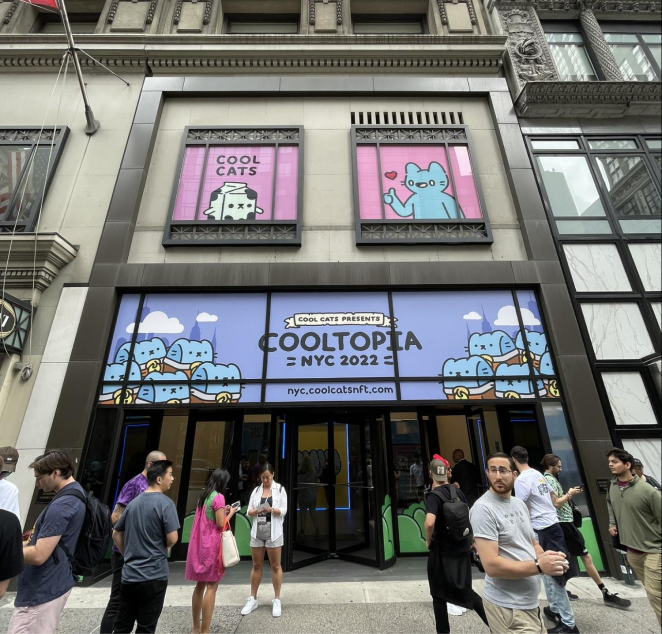
A building in NYC with Cooltopia banners in the windows

Cooltopia • An Immersive Installation Connecting the Virtual and the Real

  • Client

    Cool Cats

  • Solutions

    ExperienceImpactful Brand ActivationsImmersive Brand StorytellingExperiential Strategy & ProductionInnovation Sprints

00:00

00:00

00:00

Case Study

0:00

Bringing the NFT experience IRL.

How do you replicate a non-fungible world? That’s the challenge we ran into when bringing one of the most successful PFP projects—Cool Cats—to NFT.NYC, the biggest NFT conference on this side of the screen. Enter Cooltopia, an immersive, purr-fect recreation of the Cool Cats universe spanning four zones and a series of interactive installations. With the aim to educate and excite conference attendees, the gamified journey inspired blockchain buffs and the crypto-curious alike to step into Cool Cats’ digital world.

Enhancing the event experience through interaction.

“Curiosity killed the cat” may be a popular aphorism, but we wanted to encourage a sense of discovery within our feline flock. Throughout the world, attendees had the chance to explore scenes like a life-sized pirate ship, a gravity-defying room, a marshmallow mountain and more in search of loot boxes and points they could redeem for real prizes. NFT holders had access to exclusive missions doled out by our “Cat Detectives,” like solving riddles or finding hidden characters. With so many ways to play and engage, Cooltopia struck a balance between educating newcomers and helping holders feel part of something big and exclusive. In fact, most attendees weren’t Cool Cats holders, making Cooltopia their entrypoint into the world.

A multidisciplinary approach to win NFT fans over.

Despite Cool Cats’ roots in the virtual world, NFT holders loved being able to enjoy IRL benefits from their tokens. To build interoperability between the physical and virtual, our experiential team collaborated closely with in-house experts in Web3 and NFTs. Leveraging their intuition and passion in the space, it’s no surprise that Cooltopia was the cat’s meow among some of Web3’s biggest enthusiasts at NFT.NYC.

A 3d tree stump with an egg opening with an animal inside
A cool cat with a red hat and sunglasses
Press The companies have created a rich experience that rewards NFT holders who have fully embraced Cool Cats and Web3 while introducing Cool Cats to a whole new group of people, inviting them to join one of Web3’s most inclusive and accessible communities.
Read on Businesswire

Results

  • 5K+ visits to Cooltopia over 3 days
  • 1 in 3 people registered for NFT.NYC attended Cooltopia
  • 1x FWA

  • 2x Eventex Awards

Want to talk experiences? Get in touch.

Hey 👋

Please fill out the following quick questions so our team can get in touch with you.

Can’t get enough? Here is some related work for you!

Dom Perignon champagne bottle in front of a black sheet
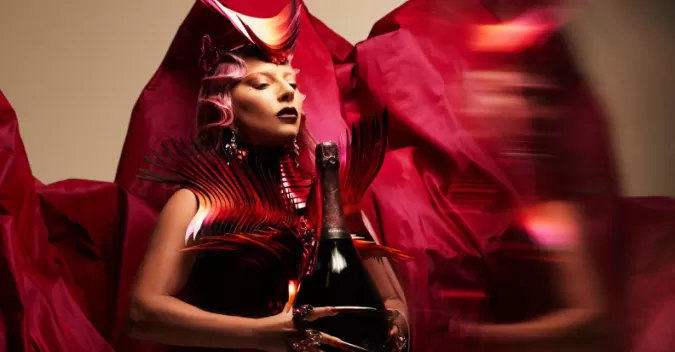
Lady Gaga holding a giant champagne bottle in a large red dress

NFT Museum • An Immersive, Shoppable Exhibit in Web3

  • Client

    Dom Pérignon

  • Solutions

    PlatformWebsites & PlatformseCommerce PlatformsImmersive Brand Storytelling

the Dom Perignon NFT museum showcasing NFTs

An NFT collection worth going gaga over.

The collaboration between champagne house Dom Pérignon and Lady Gaga marked the meeting between two creative visionaries, resulting in two limited-edition products—Dom Pérignon Vintage 2010 and Dom Pérignon Rosé Vintage 2006—and an alluring sculptural work signed by Lady Gaga. Our goal was to maximize the collaboration in France, but because French law prohibits the use of foreign advertising assets for alcohol promotion, we uncorked an avant-garde plan befitting the two masters of creativity: a virtual exhibition of NFTs inspired by the limited-edition bottles.

A champagne bottle pouring into glasses
Press A digital pop-up comes to life to discover this collection limited to 100 bottles: 50 copies of Dom Pérignon Vintage 2010 as well as 50 copies of Dom Pérignon Rosé Vintage 2006. Each bottle purchased in this space is available in two versions: physical and digital.
Read on Vogue

An integrated path to purchase for maximum immersion.

The Dom Pérignon x Lady Gaga bottles are more than vessels for champagne; they’re full-fledged art pieces. To complement their illustrious beauty, we designed and built an elegant  platform where people could immerse themselves in the partnership, browse the breathtaking NFT collection and purchase their own bottle—in its physical form and as an NFT bundled together. To ensure a seamless and intuitive experience, we built a dedicated marketplace that allowed users to create their own Ethereum wallet with ease. And after the NFT purchase was complete, a concierge delivered the bottle within 48 hours.

  • Dom Perignon x Lady Gaga logo in front of velvet curtains Dom Perignon champagne bottle in front of a black sheet

Using craft and artistry to generate desirability and demand.

Throughout the virtual exhibit, visitors could peruse 100 numbered NFTs: half for Dom Pérignon Vintage 2010 and half for Dom Pérignon Rosé Vintage 2006. Animated and artistic, the collection captured the full-bodied elegance of each bottle and sold out in just 10 hours. It was clear we succeeded in reaching both Dom Pérignon lovers and the Web3 community alike: following the initial sale, a handful of NFTs went up on the secondary market, where sales value increased by nearly 1500%. We’ll say cheers to that.

Results

  • 1,000 opt-ins
  • 30,000 users
  • 35,000 visits
  • PR coverage earning an estimated advertising value equivalency of €415K

Want to talk platforms? Get in touch.

Hey 👋

Please fill out the following quick questions so our team can get in touch with you.

Can’t get enough? Here is some related work for you!

web3

Unlock the power of Web3 for unparalleled engagement.

  • Web3.Monks

    30+

  • NFT Market Size

    125BN+

Web3 hexagon infrastructure outline with colorful dots surrounding the design
An avatar changing outfits
A screen shot of the uncensored library in the game minecraft

Third time’s the charm.

You’ve heard it all before: Web3 is rife with scams, blockchain is bad for the environment and we’re blowing up a bubble that’s about to burst. These criticisms are valid and are to be expected for any nascent technology where the landscape is messy and voices are loud. But Web3 enables us to do old things on the internet in new ways while unlocking new features, too—and that’s something worth paying attention to.

Monk Thoughts

Will shares how to innovate authentically and drive value using Web3.

Find your place in the ecosystem.

Web3 is more than a tech infrastructure; it represents an entirely new way of thinking about how brands build and engage with culture. Products have given way to projects, with fans wanting to participate and have a stake in the long-term building of communities. Meanwhile, the interoperability afforded by the blockchain allows people to seamlessly connect and revoke data with ease, causing implications in newly connected experiences and the authentication of identities. As a consultative partner in virtualization, we help brands identify and act on these opportunities and more.

Untangle the web.

  1. Our Approach

    Web3 Activation & Transformation • We’re a 360-degree partner brands rely on as they build the foundations of the next web. Supporting authenticity, accessibility and innovation, these are the ways we can help.

  2. A colorful pattern of dots in rows

    We provide a task force of go-to Web3 experts to begin building out a Web3 infrastructure. This includes legal frameworks and structure for accepting crypto.

  3. A few colorful lines coming in from the left shoot off into different directions

    Community is essential to Web3, and is achieved through minting NFTs, creating virtualized experiences and spaces, and supporting immersive new platforms.

  4. Web3 hexagon infrastructure outline with colorful dots surrounding the design

    Learn more about the landscape and your place within it, like how to set up your wallet, choose sustainable blockchains, and keep your community free of scams.

  5. Scroll down to learn more about why these efforts matter.

Swipe
For More!

Drag
For More!

A new approach to value with NFTs.

NFTs remain an accessible entry point for brands to experiment with the Web3 ethos. But the underlying value of an NFT is only as strong as the community that one has built around it, which can mean all the difference between cultural cachet and creative clutter. From mint to market, we help brands connect authentically (and sustainably) with audiences and NFT creators to build cultural engagement and artifacts for a new age.

Monk Thoughts As you're starting to activate Web3 experiences make sure to think about how you're bringing data in and bringing it together with the data you already have about your consumers so you're truly creating that 360 degree view of what's going on.

00:00

00:00

00:00

Ashley Musumeci Director, Go-To-Market

The intelligent enterprise takes a new direction.

More than currencies and collectibles, Web3 offers incredible opportunities to transform the enterprise. Smart contracts on blockchain—essentially programs that automatically execute transactions or document events according to the terms of an agreement—can be used to strengthen loyalty programs or automate entire workflows, like managing intellectual property across the business. Finally, Web3 also opens up the potential to move into new business models, like developing digital-native or exclusive products and services.


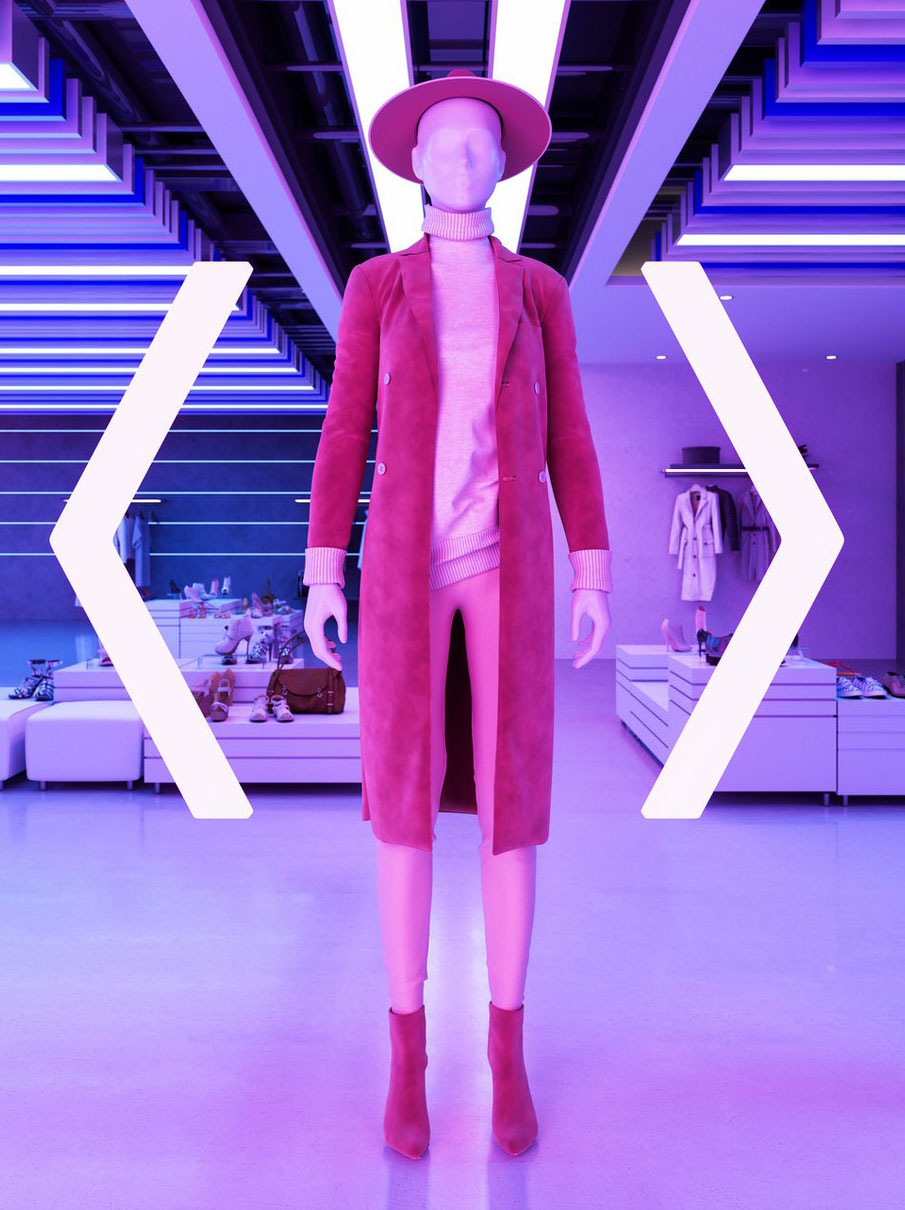
A mannequin dressed in pink stands in a purple room
Press This cultural shift is all about letting consumers contribute to creating your brand experience, as Web3 essentially entails a reward system in which consumers develop a much deeper connection with a brand by taking part in the creative process.
Read on Forbes.com

Want to talk Web3? Get in touch.

Hey?

Please fill out the following quick questions so our team can get in touch with you.

More on Web3

Everything to Know About NFTs, in a Monk’s Opinion

Everything to Know About NFTs, in a Monk’s Opinion

5 min read
Profile picture for user mediamonks

Written by
Monks

Famous NFTs on a blue background

Technology moves fast, and often the most cutting-edge developments can feel challenging to wrap one’s head around. That’s why we’ve launched a new live webinar series, IMO (short for “In a Monk’s Opinion”) where subject matter experts and client partners explore the hottest trends in digital marketing through an accessible discussion. In addition to covering the latest trends in virtualization, panelists also explore the tactics you can use today to make the most of them.

Hosted by Director of Content Marketing Adam Remson, the first episode of the monthly series is a special “Ask Me Anything” edition focused on NFTs featuring Jam3 Strategy Director Rachel Noonan, Lead Creative Strategist Michael Litman and Strategy Director, FLUX Dan Lewis.

As one of the biggest trends in marketing last year, NFTs have gotten a lot of attention from marketing teams and have become an accessible entry into the metaverse. But the tech behind them can add a bit of an esoteric mystique. An NFT is a token showing ownership of a digital asset. Because they can be proven unique, they can be assigned value (and accrue more before being traded or sold). This has led to incredible interest in the space, including from people willing to pay top dollar to dress their avatars in designer sneakers, purchase unique digital artworks or even land in the metaverse. Watch the episode of IMO to see how NFTs are being used in a marketing context already:


Throughout the live webinar, our audience flooded our inbox with questions about the technology and how to use it effectively—more than we could cover in a single webinar. Here, we’re surfacing up marketers’ most urgent questions about NFTs, ranging from their fundamentals, safety and security concerns, costs involved and use cases.

What does it mean to own an NFT?

If you are considering creating your own NFTs, first think of them as a “certificate of ownership” and not as a copyright. It is like verifying a painting you own as an original piece. You own it and can now price it to sell based on its value in the art market. This however does not prevent people from printing out images of your artwork from the internet, framing it and hanging it on their walls.

Rebecca Minkoff’s NFT collection

Rebecca Minkoff’s NFT collection, unveiled at New York Fashion Week, comprises a mixture of unique items and limited editions, released on OpenSea and The Dematerialised.

How do NFTs have value?

The value in physical objects is clear: they’re tangible and unique goods that tend to grow in value as they become scarce over time. Digital assets meanwhile run the risk of being duplicated. Still, NFTs are widely understood to have tangible value; because each digital asset is unique or limited in quantity, NFTs have the potential to benefit from the same sense of scarcity that applies to physical goods. In minting your own NFT, you are in control of how many are produced (ie, the scarcity of the asset) or a specific window of time in which they are available to buyers.

Are there any moves being made to increase the accessibility of NFTs? 

NFTs are a nascent technology. That, paired with “gas” fees (essentially a transaction fee that changes throughout the day based on network traffic) can make minting NFTs an expensive and confusing affair. But many are already making the creation or purchase of NFTs simpler for the average user. Platforms have already emerged allowing the purchase of NFTs via credit card, for instance, cutting out the need to purchase cryptocurrency altogether. But for now, the sense of exclusivity may work for some—the fashion and luxury industries, priding themselves for being at the cusp of artistry and craft, have adopted the technology well.

Should I be concerned about security?

Blockchains are decentralized, relying on a network of servers that confirm and validate transactions along a digital ledger. This means the record of ownership of an NFT or cryptocurrency isn’t contained on a single server, making them tamper-proof and more secure by design. Therefore, even if the server where the NFT is hosted is taken down, the NFT is not lost due to the decentralized nature of the mechanism that verifies the authenticity of NFTs. Still, NFTs are not 100% safe. They can be stolen from their owners’ crypto wallets through phishing schemes, and marketplaces that mint or exchange them can be hacked. NFT thefts occur when an owner is tricked into opening up their digital wallets and transferring the ownership of their NFT property.

How much does it cost to create NFTs?

When it comes to the cost of minting one, look at a minimum of $70, with costs fluctuating based on gas fees (which can drive costs to over $100) and the volatility of the cryptocurrency used to pay. There is also a commision fee levied by the host server of the initial sale of the NFT that a seller bears, which ranges between 3% and 15%.

How can marketers utilize NFTs?

NFTs may not be right for every single brand or every single industry. A brand needs to understand what it wants to achieve with an NFT activation, and an NFT should be part of a longer-term roadmap where it can provide unique benefits and virtualized experiences for people that wouldn’t be experienced anywhere else.

One of the best examples in use case for NFTs can be seen in events and entertainment. For example, NFT concert tickets can open up a world of opportunities and ways for artists to connect with their audience. The NFT not only acts like a music pass but is also a collectible and a tradable asset. It can be a tactical enablement tool for marketers in which users can unlock exclusive experiences like early-access to sale tickets of the next concert, special meetups with the artists, and cross-promotions with other brands. Concert tickets are the one of the most obvious places right now, especially when there’s fandom or a community that hinges on it. Used this way, artists and creators benefit because they can bypass intermediaries to connect directly with their audience.

An image of a screen with a man speaking

An unreleased scene gifted as an NFT was given to the quickest code-cracker as part of our immersive web experience for Netflix's Army of the Dead film.

How might NFT ownership translate to physical goods and experiences?

Sometimes an NFT isn’t tied just to the ownership of a digital good but confirms the ownership of a physical good as well. This type of hybrid NFT arises when NFTs expand their scope and utility by bringing the real world on-chain. The Real-World Asset NFT (rNFT) is a way of tokenizing physical property or goods so they can be traded, collateralized, governed and owned using smart contracts on blockchains. Tokenizing products can generate new revenue streams for fashion brands by increasing the penetration of physical products and adding new services such as early access to limited collections, special events, experiences or even unique virtual products and activations. An interesting recent example of virtualization leveraging NFTs is Dolce & Gabbana’s Collezione Genesi, a nine-piece virtual fashion collection released as NFTs. Five of them offered their owner the opportunity to redeem the corresponding physical pieces. This type of utility is exciting in the world of luxury and art, but it’s safe to assume use cases will start to proliferate across many different categories.

The premiere of IMO, a new webinar series from Media.Monks, tackles some of marketers' biggest questions about NFTs. The premiere of IMO, a new webinar series from Media.Monks, tackles some of marketers' biggest questions about NFTs. metaverse webinar brand virtualization virtualization NFT

Choose your language

Choose your language

The website has been translated to English with the help of Humans and AI

Dismiss