

Choose your language

Choose your language

The website has been translated to English with the help of Humans and AI

Dismiss

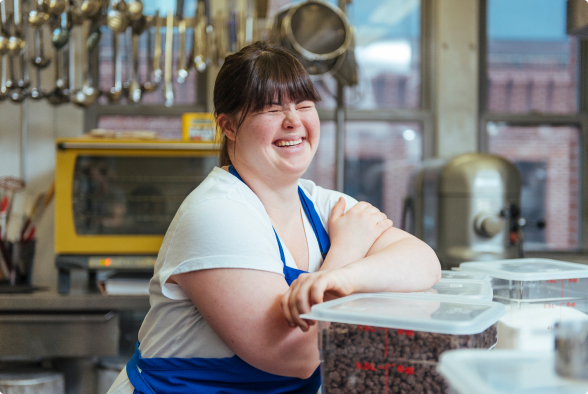
A woman laughing behind a coffee shop counter
A man standing in front of a school

Scaling Impact and Performance • Supporting Those in Need, Every Day

  • Client

    GoFundMe

  • Solutions

    MediaPerformance MediaData Strategy & AdvisorySocial CampaignsConsumer Insights & Activation

Results

  • 20% increase in branded search revenue
  • 130% increase in new market fundraisers
  • 868% increase in social ad-generated fundraisers

An aim to inspire.

GoFundMe is the world’s largest social fundraising platform, supporting those in need—every day—by making it easy for fundraisers to inspire the world and turn compassion into action. Monks partnered with the brand to scale its impact globally by entering new markets, lowering user acquisition costs on social media, and onboarding more fundraisers and users. Together, we propelled GoFundMe toward being the world’s default giving platform.

Two women making hats
A man showing a kid how to DJ

Aligning data to fuel growth.

As the leading name in giving, GoFundMe faces stiff competition on brand searches, while the cost and competitive environment for paid social ads has also sharply increased over time. By combining Facebook and YouTube channel data with internal data, we developed more channel-specific customer acquisition goals. As a result, we were able to grow monetized fundraisers from branded search by double digit percentages quarter-over-quarter.

Monk Thoughts One of the main focuses of our partnership with GoFundMe was making sure the ad experience for each audience was customized, and curated to what they needed throughout the entire customer journey.

00:00

00:00

00:00

Megan Beatty Senior Director, Paid Social
A woman holding a child

A test-and-learn approach to profitable global expansion.

Given the diversity of ad types, channels, and targeting that GoFundMe was growing into, ad creative rotation became incredibly important. We continually performed new creative tests to inform strategy in newer, growing markets. This allowed for quicker, more immediately successful launches capable of inspiring the spirit of giving everywhere.

Want to talk performance? Get in touch.

Hey👋

Please fill out the following quick questions so our team can get in touch with you.

Can’t get enough? Here is some related work for you!

different colored headbands
clothing items lying on a white background
A woman lying on a white bed with a robe and towel

High-Performance Social Campaigns • Awakening Authentic Content

  • Client

    Hill House Home

  • Solutions

    MediaSocialBrandPerformance MediaOmni-channel Marketing

Results

  • 250% increase in new customers
  • 261% increase in revenue
  • 80% higher ad engagement
A woman lying on a white bed with a robe doing her makeup

A dream performance partnership.

As a lifestyle direct-to-consumer brand, Hill House Home prizes authenticity when connecting with their audience, which has given them a strong following of brand advocates. But with rising ad costs and the number of new brands vying for attention, creating a true standout brand via Facebook and Instagram advertising provides a major challenge. We partnered with Hill House Home to help the brand shine in the intensely competitive D2C bedding category through authentic social content.

In partnership with

  • Hill House Home
Client Words Growth on Facebook and Instagram is a daunting challenge for us, just like it is for any brand. For our teams to have found something so successful, so quickly takes a lot of experience, and a true understanding of who our customer is and what they care about.
A woman smiling in front of a window

Nell Diamond

Founder and CEO

Waking up to audience insights.

We began by analyzing audience signals from previous buyers to gain insight into current and would-be customers, which helped the team zero in on the creative choices that resonated best with them. This process improved the brand’s creative strategy and audience targeting on Facebook and Instagram—both important learnings, as consumer behavior and preference change on these platforms almost daily.

A tablet showing a graph of data

Authentic, native-feeling content.

Armed with key audience insights, the team incorporated fit-for-format video that echoed the user-generated social posts of their most loyal customers. This authentic approach cut through the clutter of overworked DTC ads people were used to seeing. On Facebook, which historically had been a performance challenge for Hill House Home, we took advantage of the emerging Stories format to scale reach and make Hill House Home the go-to lifestyle choice.

Want to talk performance? Get in touch.

Hey👋

Please fill out the following quick questions so our team can get in touch with you.

Can’t get enough? Here is some related work for you!

How Facebook Built the Festival of the Future

How Facebook Built the Festival of the Future

5 min read
Profile picture for user mediamonks

Written by
Monks

This year’s Facebook Connect, one of the biggest annual events in digital innovation, went entirely virtual, compressing what’s typically a multi-day experience into a 10-hour live event augmented with 14 hours of on-demand content–not an easy feat. But it’s no surprise that the event, which offers a close look at digital’s potential to connect people, serves as a model of how brands can build events that not only react to the reality we live in today, but how people will connect and collaborate digitally well into the future.

Because Facebook Connect is the only world conference dedicated to connecting people virtually though AR and VR, the event itself had to embody that promise. Partnering with Facebook, MediaMonks built an experience ecosystem that brought the event to life through livestreaming and Oculus Venues – beta early access. And through live chats and connection to developer discussion groups, attendees could interact and network throughout the event within Facebook’s social ecosystem.

Diversity Panel

DE&I were important to the event, which featured a panel on diversity (photo above), a panel on accessibility and more.

Most importantly, the event was an example to other brands of how online events can turn digital into a true destination to meet, connect and play. While many have managed to create bombastic product reveals and virtual presentations despite the pandemic, Facebook and the MediaMonks team saw Facebook Connect as an opportunity to acknowledge the reality many of us are living and working within.

The event was a celebration of the work from home reality, and how connection, collaboration and productivity are still achievable. And for the first time, Facebook Connect was open to attendees far and wide for free. Diversity and inclusion were key pillars to ensure the event lived up to future-forward standards, with features like live captions and speakers on important topics relevant to the social climate.

Together, these elements show that building a current virtual event isn’t about just translating a series of touchpoints to digital, but rather maintaining the essence of an event’s goals within an entirely new context and experience. Here’s how it happened at Facebook Connect.

Reimagining the Product Showroom

The event kicked off with an early product reveal: the Oculus Quest 2. In a typical tradeshow setting, attendees would be able get up close and personal to view (or even try on) the product. But this wasn’t a typical event; absent of an in-person showroom floor, MediaMonks’ team of live experiential experts drip-fed exclusive, timed-release AR filters that activated on Instagram, allowing each viewer and attendee to explore new product features virtually. Invitations to “try on” the headset appeared via QR codes in interstitial segments between panels and talks.

Experience Facebook Connect yourself.

The product’s reveal inspired coverage from outlets like the Verge and TechCrunch, and even analysis from the Motley Fool, who reported on Facebook’s belief in connecting people virtually via emerging technology. In addition to the new Oculus headset, Facebook announced a slew of other news including a VR office solution, research into a future pair of AR-enabled glasses, game announcements including Star Wars and Assasin’s Creed, and more.

By using emerging tech to highlight some of the features and possibilities of these technologies built by Facebook, the event achieves a new level of brand virtualization—essentially, building distinct environments and ecosystems that translate brand promise into digital experiences. While events are only an initial step to virtualize, this type of digital, tangible product showcase offers a peek of how brands can differentiate in their product reveals.

Enabling Excitement and Exclusivity Through Engagement

In-person events thrive on engagement and making connections. But digital ones may often lack this energy, relegating interaction to just a chat box. “We aimed for a level of two-way-interaction and built that into the system, feeding back on the energy of the audience,” says Ciaran Woods, EP Experiential & Virtual Solutions at MediaMonks. “That’s always something we’ve been pushing for in a livestream.”

FBC Question

Viewers had the chance to select the last question that panelists and speakers were asked.

One of the key ideas behind Facebook Connect was to make the broadcast a real moment for audiences, rewarding those who took the time to sit down and participate live. This inspired the “one last question” at the end of talks and panels. Audiences were presented with three questions for the speaker or panel that they could vote on to ask. As viewers voted, an on-screen tally showed results in real time–made possible by LiveXP, MediaMonks’ live storytelling tool enabling a truer sense of interaction beyond just participating in the live chat.

Other immersive elements helped make Facebook Connect feel more tangible. One of the fun things about attending any event in person is taking some swag home with you. Shortly before and after the event, attendees could snag an exclusive Instagram filter that rewarded them with a personalized AR lanyard that serves as a memento of the experience. Finally, the event capped off with an exclusive talk from influential game developer John Carmack and an immersive Jaden Smith performance in VR.

Again, these features strive to put attendees “in the now.” A key challenge for digital events is evoking excitement and the feeling being present in a shared experience. What’s the difference between watching live and watching an on-demand recording? How does the event experience differentiate itself from just another livestream or video call? Brands and event organizers must consider these questions to ensure touchpoints build on excitement, promote a sense of presence and add some exclusivity to the live experience.

Connecting a Cohesive Journey

A final challenge that digital events face is building a cohesive journey across the experience. Brands often rely on external platforms and tools to host their events, with the consumer journey sometimes spread across different environments (for example, registering through a form on one page, accessing the schedule on a different platform and watching the event on a social channel). Brands serve their audiences best by building an events ecosystem that connects the experience–from lead-up to sign-up to aftercare–through a cohesive thread.

LiveXP_SP-remoteControl

The crew worked behind-the-scenes and across borders with impressive setups to ensure things ran smoothly.

While Facebook Connect took place exclusively on Facebook platforms, bouncing between different touchpoints like Oculus Venues, Facebook Groups and AR filters on Instagram could have felt jarring if not done with elegance and skill. An impactful visual identity designed by MediaMonks made for a connected and cohesive journey from start to finish. The visual identity included not only the Facebook Connect logo, but also interstitials, animations, soundscapes and a hub page that helped attendees find what they needed.

Together, these features culminate in an experience that turns digital into a destination, inspiring and drawing together Facebook’s community of developers as they envision the future of technology. Connecting various examples of emerging technology into a cohesive experience, Facebook Connect offers a glimpse of the festival of the future capable of activating communities and strengthening brand-consumer relationships.

With livestreaming, immersive AR/VR experiences and community discussion, Facebook Connect was ideally built for digital audiences. How Facebook Built the Festival of the Future The conference connected a cohesive journey across the Facebook ecosystem.
Virtual events virtual conference oculus facebook brand virtualization

Facebook’s New AR Ads: Get Ready for Your Close-Up

Facebook’s New AR Ads: Get Ready for Your Close-Up

4 min read
Profile picture for user mediamonks

Written by
Monks

Facebook ads are about to become a lot more fun. In the lead-up to the recent Advertising Week New York conference, Facebook announced three interactive ad formats that offer new ways for consumers to engage with brands: video poll ads, playable game ads and interactive AR ads built through Facebook’s Spark AR platform.

Each of these may look familiar, as they’re not entirely new. Video poll ads have been available in Instagram Stories for quite some time, prompting users to answer a question while watching video content. Like with Facebook’s Instant Experience formats, brands can use video polls to open up a web page in-app, allowing users to act on the video content (like downloading a mobile game as its trailer plays). Playable ads essentially function like minigames. While they were originally open to select brands, they are now available to all advertisers.

Perhaps most exciting are playable AR ads, which bring the familiar experience of selfie filters and Facebook Camera Effects into the mobile News Feed. AR ads became available to a subset of advertisers in July 2018 for testing, and the results, according to Facebook, look promising: the social network notes that AR ads drove a 27.6-point lift in purchases for WeMakeUp. By inviting users to try on lipstick shades, the ad also drove an average of 38 seconds of interaction—a significant increase in the 1.7 seconds users typically spend consuming content on the platform.

Monk Thoughts We’re still at a place where AR is a thing people know about, but you have to go through a lot of steps to get there.
Samuel Snider-Held headshot

They weren’t the only ones. Fellow beauty brand Bobbi Brown tested AR ads earlier this year against regular video ads. Their AR ads—also allowing users to try on new lip colors—tripled click-through rates and doubled website purchases compared to video, according to Glossy.

Bringing Together Fun and Function

One reason the examples above are so effective because they offer a low barrier of entry to try out and experiment with products at the top of the funnel: just a single tap. “We’re still at a place where AR is a thing that people know about and can be used for advertising, but you have to go through a lot of steps to get there,” says Samuel Snider-Held, Creative Technologist at MediaMonks. “This is a way of removing one of the steps.”

While entertainment-based Camera Effects make a great way for brands to promote sharing and empower users to tell their own stories, AR ads focusing on utility can help users really understand and research a product, driving meaningful engagements and measurable results. “Makeup and glasses have been some of the most poignant use cases for advertising with Camera Effects because people immediately see it and understand it,’” says Snider-Held.

Spark AR is also an incredibly accessible platform for brands to build simple, snackable experiences, and is a low-hanging fruit for experimenting with supporting augmented reality. Developing just a single Camera Effect, for example, provides brands the opportunity to establish a direct connection with consumers at scale—especially for brands that strive to take their creative capabilities in-house, but are tight on resources.

Little Brush Big Brush Case Video.00_00_15_17.Still009

Our Camera Effect experience for Unilever’s Signal toothbrush, transforming their Little Brush Big Brush web series into a full-fledged AR experience that gets kids in the groove of establishing healthy brushing habits. With animal mask filters and gamified elements, the Camera Effect shows how AR can be made both fun and functional, as well as the power of content to build brand love through differentiated, engaging digital experiences.

Building on User Behavior

It’s easy to see why AR ads are so effective for Facebook users: integrated directly within Stories and now the mobile News Feed, these effects fit seamlessly within the ways that users interact with one another on Facebook—opposed to, say, an AR experience that engages users on Facebook but ultimately pulls them away to an external microsite.

As brands invest more in digital advertising, they must evolve their strategies to react to emergent user behavior, because doing so is key to remaining relevant and driving meaningful engagement with their audiences. A good creative and production partner can help brands become more relatable and engaging with the dominant modes of interaction and communication today, and help them anticipate or overcome common challenges in the process.

frame_03_2000x1200

With back-facing camera support, brands can make their surroundings much more fun and engaging.

For example, Snider-Held highlights one challenge that some brands—luxury ones in particular—may run into with AR ads: file size limitations, which make it tough to highlight minute details, like stitching on a bag. “If the file size stays limited, brands will have to decide if they want to use that space to entertain the user, or make a product model that looks as high quality as possible,” he says.

In a panel focused on the S4 Capital model at Advertising Week New York, Sir Martin Sorrell noted the that S4 is committed to partnering with tech giants and working with in-house teams—a quality that differentiates the group from the approach that traditional agencies take. This partnership can help you forecast future opportunities that emerge with new technology. “If we can use the back-facing camera as well, you could put a model of a car in your driveway,” says Snider-Held. He compares this functionality to similar uses of AR that lack the visibility offered by the Facebook News Feed, like platform-specific AR models only available on certain apps on specific devices.

But these new means of collaborating are essential in ensuring brands are equipped to engage in step with changing means of communication, perhaps even innovating in the process. We’re excited to see how Facebook has revitalized familiar ad formats like video polls and Camera Effects by transferring each to a new environment, and look forward to how both will enable new conversations between users and brands.

Experiment with Camera Effects that really inspire.

Facebook’s new ad formats show a commitment to cultivating meaningful interactions between brands and their consumers, particularly through snackable AR experiences. Facebook’s New AR Ads: Get Ready for Your Close-Up Facebook is bringing its popular Camera Effects straight to the mobile News Feed.
spark ar facebook facebook ar facebook camera effects camera effects social ar augmented reality video polls

Is It Time to Go All-in on In-Housing?

Is It Time to Go All-in on In-Housing?

4 min read
Profile picture for user mediamonks

Written by
Monks

Is It Time to Go All-in on In-Housing?

The growing trend in brands taking their content production in-house has prompted both agency partners and their clients to do some soul-searching. Growing at what feels like an exponential rate—78% of ANA member organizations have taken work in-house, according to an ANA webinar on agency partnerships—some have said that the trend is just a fad.

But is it? Not likely. Half of ANA member organizations work with an agency of record, according to the same webinar above, but only 14% are satisfied with the model. Experimenting with in-housing has the promise of releasing brands from frustrations they may feel with juggling several different partnerships and vendors, though their malleability—every brand’s IHA operates differently, after all—can make it tough to understand which setup works best.

With each organization taking a different approach to in-housing, what are the shared benefits to the trend, and where do traditional agencies fit within them? Tackling both these questions together will help brands ensure their IHA is equipped to support their unique needs.

Why Everyone is Going In-House

There are numerous factors that encourage brands to work in-house. A major one is the need to produce content faster; the proliferation of social channels and their always-on nature requires a constant stream of content for brands to retain relevance. The idea is that in-house agencies offer greater proximity to decision-makers in the organization and can therefore produce content at a greater speed than an external agency relying on briefs and back-and-forth feedback. Though whether an IHA achieves this is dependent on how well aligned and integrated it is with its organization’s business needs, and whether it has the talent or workflows in place to support rapid content production at scale—more on that below.

Monk Thoughts 78% of ANA member organizations have gone in-house.

What IHAs do offer over the traditional agency model is extensive brand knowledge. Though this is a double-edged sword; wholly focused on the brand, in-house agencies often lack the broad experience that a traditional agency offers, which in turn can inhibit creativity. IHAs can enjoy the best of both worlds by tapping into new agency models that provide dedicated teams armed with broad, extensive creative experience.

And one can’t forget that in-house agencies can also save their organizations a significant amount of money. One of the key offerings of our sister company, MightyHive, is to help brands save by taking their media and programmatic in-house. The move not only saves them money, but offers transparency into a previously esoteric practice. As brands embark on taking on these new capabilities, partnerships will remain essential.

A Key Challenge for IHAs: Talent

Despite the benefits to in-housing outlined above, key challenges still remain for IHAs, especially those driven by a need for increased output of digital content. A shift to digital requires organizations to bolster their teams with new skillsets, and IHAs designed to support a growing need for digital content are likely to feel challenged in hiring and retaining this talent. Unilever CEO Alan Jope said as much in the Campaign article linked above: “It turns out that when you’re shifting directly and aggressively into digital, the constraint is not money in the [brand and marketing investment] line, it’s people to run the digital campaigns.”

adidas run for ocean 01

This skillset gap is where in-house teams will continue to benefit from working with external partnerships, often organized into specific skill rosters. We have worked a lot alongside sportswear brand Adidas in platforms and digital activations, perhaps most notably with the brand’s Run for the Oceans initiative in collaboration with Parley.

The global run united nearly a million runners from around the world to raise money for educational programs benefiting those in coastal communities affected by plastic pollution. We lent our technical and creative expertise to build a web platform that pulled running data from partner apps like Joyrun and Runtastic, which we translated into a hypnotic WebGL visualization that grew and changed based on the number of participants and distance run over the course of the event.

The platform is unique for visualizing the initiative’s theme of unity—but not every experience requires a best-in-class WebGL experience, nor does every brand need to hire a WebGL developer. In this case, the technology fit the goal of the campaign very well—and by reaching out to a partner, Adidas was able to meet that one-off need with ease.

Brands Still Draw on Agency Knowledge & Experience

And while an IHA’s dedication to its brand is certainly a unique benefit, this often means sacrificing the breadth of experience provided by an agency or production partner, which can make it more difficult to support new technologies and formats. Unilever is no stranger to tapping partnerships to augment the creative capabilities of its in-house teams. For their Magnum sub-brand, we put together a Snapchat game that’s almost as addicting as the ice-cream bars themselves. We also produced a series of educational Facebook AR Camera Effects for Unilever’s Signal toothpaste brand, which teaches children healthy toothbrushing habits.

Little Brush Big Brush Case Video.00_00_18_22.Still012

MediaMonks is a preferred partner for both Snap and Facebook platforms. The Signal Camera Effect was one of the first educational AR effects on Facebook Messenger, demonstrating the kind of innovations that IHAs can achieve by tapping into partners with a comprehensive understanding and experience in current and emerging digital platforms.

So, are Agencies Obsolete? Not with New Partner Models

As you might imagine from the shared challenges held by IHAs detailed above, agencies aren’t obsolete in the trend to go in-house. Rather, they must evolve their offerings into hybrid models that help “fill in the gaps” in their clients’ in-house capabilities. But there’s no simple answer to this; IHAs will each have different ways of integrating within their organizations, and might focus on different capabilities in the creative, production or media-buying processes. This is where partnerships can truly shine by offering more consultative services—like helping brands align their goals across the organization or achieve more agile workflows.

Partnerships can also solve the critical challenge of scalability. Resources are often tight within IHAs—but work is abundant. We saw this need in some of our clients, resulting in a partially in-house model that effectively allows clients to view us as extensions of their own teams, and dedicated content studios that make them achieve greater global and local relevance, like the one we made for Avon.

Given brands’ dissatisfaction with the traditional agency model, it’s clear that the shift in-house probably isn’t going away. In fact, it may just be the first step in an ongoing evolution in how agencies and clients can work with one another within a fast-changing digital environment.

The rush to in-house advertising is gaining traction. Find out whether it’s just a fad—and where partnerships still fit in the equation. Is It Time to Go All-in on In-Housing? We check in on the state of in-housing and where partnerships fit.
in-house agency iha in-housing in house agency in housing cpg unilever facebook adidas marketing trend advertising trend advertising environment agency environment

F8 2019 Teases New Ways to Start the Conversation on Facebook

F8 2019 Teases New Ways to Start the Conversation on Facebook

4 min read
Profile picture for user mediamonks

Written by
Monks

F8 2019 Teases New Ways to Start the Conversation on Facebook

Facebook hosted its annual F8 conference this week, announcing several new features on the horizon both big and small. With a focus on more responsible uses of tech and a rejuvenated focus on fostering communication between friends and loved ones, this year’s event felt a bit like the start of a new era—helped by the surprise release of an entirely new mobile app design.

Facebook’s vision has always been to bring people together, and at this year’s F8 conference the company placed its focus away from the News Feed and toward more genuine forms of communication, like Groups, Messenger and Stories. These features not only help friends and loved ones connect in new and more engaging ways, but can help brands engage more directly as well.

Offering More Direct Forms of Communication

Let’s start with Groups: Facebook killed its standalone Groups app nearly two years ago, but this week unveiled a new core app design that places Groups at the forefront, promoting them in different areas of the platform. This means users might find buy and sell groups promoted when exploring the Marketplace section of the app, for example. In addition to providing better visibility, Facebook is also enabling features specific to group types, like a template for employers to easily list job openings in groups for job seekers.

resp2

Facebook’s approach to innovation is supported by a desire to use tech responsibly.

Facebook has also showed off more one-to-one types of interaction designed for smoother socializing and forming new relationships. Its Meet New Friends feature introduces users within shared communities, while its Dating feature offers a Tinder-like system that brings together people who share romantic interest in one another. Over on Messenger, meanwhile, friends can hang out virtually by watching videos together or even work together with a desktop app that allows for multitasking.

What’s interesting with these announcements is that the role of the News Feed—or at least broadcasting updates to it—becomes downplayed as Facebook explores other ways to bring people together through more direct forms of communication.

Chatbots are Invading Instagram

Chatbots aren’t new—Facebook popularized the medium at its 2016 F8 conference—but they’re about to get a lot better on Messenger. The most notable new feature is integration into Instagram ad units. Brands can include CTA’s in their Instagram ads that encourage users to swipe up to chat with an associate. A bot can handle the earlier stages of the conversation to qualify leads, then pass those leads along to a live agent. “It’s the perfect balance of scaling conversations for more basic interactions, while ensuring that qualified leads and complex customer service interactions are handled by real people,” says Nick Fuller, SVP of Growth at MediaMonks.

nickportrait

MediaMonks SVP of Growth Nick Fuller got a hands-on look at Facebook’s recent and upcoming features.

Another interesting thing about this functionality is how it brings different platforms in the Facebook family together: users may initiate a chat on Instagram, but the conversation happens within Messenger. “What’s important here is that Facebook is discovering more and more integration points of customer data and experience across their platforms,” says Fuller. “This means brands have the opportunity to target on one platform but easily retarget on another.”

The integration with Instagram ads highlights the success that brands have been having with its Stories format. “Stories is a really high-performing ad space for Facebook,” says Fuller. “With this chatbot integration into Instagram ads, brands can take users through the funnel with targeting, lead qualifying and conversion happening in one seamless flow—which is incredible,” said Fuller.

Bring Offline Spaces to Life

Facebook Camera Effects are cool and all—we wrote the book on it—but Facebook is looking beyond photo sharing to explore other opportunities where AR provides value. For example, users could scan a poster that transforms it into a three-dimensional scene or model, whether it be a portal that looks inward or an object that spills out of the surface, beyond physical constraint.

ARANGLES

Facebook's SparkAR platform lets you pull off dizzying effects from different perspectives.

Fuller sees endless creative possibilities for brands that want to digitally engage with their customers within a physical environment. “This will be a killer feature for brands to reach users in retail or event spaces, for example” he says. This can range from fun moments (digital scavenger hunts that encourage you to explore an amusement park) to practical (a tutorial, viewed from multiple angles, showing how to put furniture together).

“From a product education standpoint, having the ability to aim your camera at a sign to achieve this is going to be a really helpful next-level AR capability.” We’ve seen how harnessing emerging technology can have huge benefits to getting customers to explore brick and mortar retail, so we’re excited to see how new leaps in accessible, scalable AR will further transform the physical shopping experience.

In addition to the features mentioned above, Facebook reiterated a couple key themes of the F8 conference: responsible use of technology (by combating fake news, making AI more inclusive and more) and a shift away from being a “social network” to a “social platform.” The new era for Facebook looks perfectly structured for enabling direct communication between brands and their fans, and we can’t wait to see how the platform further shapes up in the next year.

Can’t wait to dazzle Facebook users with SparkAR?

This year's F8 conference showcased Facebook's stronger sense of responsibility and a desire to bring people together through more direct methods of communication, including new Messenger and Group functionality. F8 2019 Teases New Ways to Start the Conversation on Facebook Facebook’s ways of bringing people (and brands) together are more direct than ever.
facebook facebook news feed facebook stories instagram stories chatbots augmented reality AR

What Facebook’s Possible New News Feed Means for Users and Brands

What Facebook’s Possible New News Feed Means for Users and Brands

4 min read
Profile picture for user mediamonks

Written by
Monks

What Facebook’s Possible New News Feed Means for Users and Brands

In the middle of April, an eagle-eyed user discovered a news feed format explored via swiping, much like how users interact with Instagram and Facebook Stories. Initially suspected to be a bug, Facebook confirmed that the new newsfeed was indeed an early, internal prototype.

While it’s possible the prototype won’t see the light of day in its current form or even at all—it’s very much a work in progress, according to the Digital Trends story linked above—the interface got the creative wheels turning in our Monks’ heads. We spoke to Jon Biggs, an Executive Creative Director at MediaMonks who’s worked closely on a majority of our Facebook projects, about what a potential new news feed could mean for brands and users alike.

A News Feed Responding to New Behavior

A year ago, Mark Zuckerberg wrote in a post that content consumption on the platform is typically light on interaction and engagement: “Too often today, watching video, reading news or getting a page update is just a passive experience,” he wrote. While users can like or react to content, until recently there were few content formats that really allowed users to interact. In fact, we found that users spent only 1.7 seconds viewing a given piece of content on the news feed, prompting us to develop new formats that react to user behavior. As a platform, Facebook is likewise offering new, interactive formats like Camera Effects and 3D photos to inspire users to act.

Monk Thoughts Too often today watching video, reading news or getting a page update is just a passive experience.

Its Stories-inspired news feed prototype may signal Facebook’s desire to support more visually engaging, interactive formats. One year ago, after all, TechCrunch reported that sharing via Stories was growing 15-times faster than on the news feed; the reasoning behind the news feed prototype, then, could be to better support user behaviors when it comes to sharing or engaging with friends and loved ones.

“Facebook has introduced a lot of lovely formats that let brands achieve a lot more value within the space they have,” says Biggs. “This setup shows how they’re not restricting themselves to scrolling through the same old timeline, but looking at how the space can be used more effectively.”

That point on effectiveness is important, according to Biggs. Greater screen real estate can open the door to gorgeous new content, but brands must think critically about the value the content has on their experience. “If you have the whole screen to work with, you must make sure what you put there is really interesting,” Biggs says. “If not, then you’re interrupting the user experience—and you need to justify that interruption with something worthwhile.” Effective channel strategy built in response to user behavior is key for designing content that users will find valuable rather than annoying—especially when they’re presented with a rapid-fire stream of content as seen in Stories.

More Room to Love

The possibility of utilizing the full screen is particularly exciting for Biggs. “Posts on the news feed are quite limited and small,” he says—think of the truncated text post or small thumbnails appended to a link share. But the Stories-inspired format could provide brands with full-size content akin to Facebook’s Instant Articles, which are presented within a swipe-able carousel of content as well.

Monk Thoughts Facebook isn’t restricting itself to the same old timeline, but looking at how to use the space more effectively.

As a creative, Biggs is especially interested in how taking interactions from one part of the Facebook platform—the camera feed—to another can take engagement on the channel to a new level. “Facebook presents a nice space where you can take advantage of all the natural things people do with a phone: hold it, turn it around, shake it,” says Biggs. Selfie lenses let users play while checking themselves out with the camera, for example, while 3D or 360-degree photos transform devices into viewfinders that gaze into an alternate space. “If we begin to think about new ways to explore content, which might have been inspired by other channels themselves, how can we learn from that and make better things for Facebook?”

The Sign of More Changes to Come?

The unearthing of the Stories-inspired news feed prototype isn’t the first time Facebook has shown an interest in pulling together various platforms or channels within its suite of services. Earlier this year, Zuckerberg expressed plans to merge the backends of Facebook Messenger, WhatsApp and Instagram. The move to unify the backends would allow for easier end-to-end encryption, which is currently WhatsApp’s key differentiating factor. In addition to encryption across the platforms, the move could potentially harmonize the data between them, making it easier to surface up the types of content most relevant to users from their interactions across one platform to another.

“Is this prototype the first stage of Facebook pulling various parts of its ecosystem together?” Biggs asks rhetorically. He suggests that brands and users not hold their breath on a single platform that combines all three. “Putting all three platforms together would be risky from a user’s perspective,” he says, “as each excels at a different purpose: WhatsApp supports a more traditional conversation between people; Instagram is glossy and visual; while Facebook is most ideal for publishers.”

The real interesting development, says Biggs, is how interactions on one channel might continue to influence others: “They’re cross-pollinating the knowledge across the social ecosystem they’ve built.” How might future amalgams of the platforms drive new creative opportunities for brands to forge deeper relationships with their audiences? Only time will tell—though brands may want to study up on the myriad of user behaviors native to these platforms now so they’re ready to adapt to the next big change.

Innovate to give your Facebook audience something to smile about.

Facebook’s internal prototype testing a swipe-able, Stories-inspired news feed may signal the platform’s shift in priority to more interactive, engaging content. What Facebook’s Possible New News Feed Means for Users and Brands Facebook has been internally testing a new newsfeed–but what does that mean for you?
facebook news feed facebook instagram stories social content

Download Our Fast and Easy Guide to Snackable AR Experiences

Download Our Fast and Easy Guide to Snackable AR Experiences

1 min read
Profile picture for user mediamonks

Written by
Monks

Download Our Fast and Easy Guide to Snackable AR Experiences

It’s easy to see that selfie lenses are one of the most accessible applications of AR available: they’re intuitive, provide instant gratification and load on almost any mobile device.

Still, some brands may find the tech too intimidating to support. Our new guide to designing and developing Facebook Camera Effects is written with these brands in mind, providing readers with everything they need to know about this popular use of AR, including key design insights, technical considerations and what to expect from the tech’s future iterations.

We understand apprehensions around building AR experiences; investing in any emerging tech can feel like a gamble, especially for smaller to mid-size organizations. But developing AR lenses means subscribing to a “less is more” philosophy: they require less budget, fewer assets and lower barrier of entry. This mix of benefits makes the medium uniquely accessible to brands of any size that want to dip their toes into a fast-moving, emerging field of tech. The result? Snackable, interactive experiences that prompt users to share their stories and forge deeper, more personal connections with their favorite brands in the process.

Learn why you should make your first Camera Effect—and how.

Selfie lenses are intuitive, instant and engaging--to the delight of consumers and brands alike. They're also an accessible way for brands of any size to experiment with AR. Our ebook covers everything you need to know about the benefits, opportunities and challenges in designing and developing your first Facebook Camera Effect. Download Our Fast and Easy Guide to Snackable AR Experiences When designing AR lenses, less is more–which makes the tech accessible for brands of any size. Learn the ins and outs of developing Facebook Camera Effects with our ebook.
augmented reality ar facebook camera effects

Watch Your Mouth: Key Considerations for Developing Chatbots

Watch Your Mouth: Key Considerations for Developing Chatbots

4 min read
Profile picture for user mediamonks

Written by
Monks

Watch Your Mouth: Key Considerations for Developing Chatbots

Today’s consumers demand relevant, personalized content and instantaneous access to information at all hours of the day. With closer access to brands through social and messaging channels, chatbots have proven to be an effective way for organizations to strike a deeper connection with users, whether they be consumers or employees.

There are several different use cases for a chatbot; it can help you provide always-on customer service, provide personalized content to users in regular intervals, help your organization proactively screen job applicants and do much more. In essence, the main benefit that chatbots provide is the automation of routine, repetitive and simple tasks to make processes more efficient. They’re also an excellent source of user behavioral data, including finding patterns in terms used, most popular queries, user demographics and more. All these benefits help brands maintain a more direct, constant connection with consumers—if they’re designed with some key considerations in mind.

Before Building, Balance Benefits and Demand

Unlike a human, a chatbot is available at a moment’s notice, 24/7. Think of bots as modern, more interactive and relevant FAQ lists at its simplest level, but be aware that they are capable of doing much more, like engaging with users based on their surroundings. Whether it be providing entertainment or self-service troubleshooting, chatbots allow brands to provide services without the need for human intervention (though in some cases a human takeover is recommended, like solving more complex tasks or providing support in emotionally charged scenarios).

Screen Shot 2019-04-17 at 12.57.38 PM

To meet consumer need, this chatbot by Johnsville makes it easy for customers to order food quickly.

That said, chatbots aren’t the right fit for everyone. Before you invest in building one for your brand, consider your target demographic and the value you wish for the bot to provide. A lack of desire for automation can cause frustration for users who must use a chatbot. There may also be a learning curve to adapt to a new technology depending on your demographic, which can lead to more problems than solutions overall. A good method for determining whether a chatbot is right for your organization is to weigh the potential benefits with user desire or demand.

Know How to Set the Tone

A chatbot serves as a notable channel for representing a brand voice. Far from a frivolous thing, an attractive voice and personality can be incredibly beneficial for brands. Microsoft’s Xiaoice chatbot, for example, employs advanced emotional intelligence to carry humanlike, nuanced conversations with users. With the persona of a teenage girl, the AI is so popular in China that she has achieved celebrity status, according to Microsoft.

image06

This chatbot for Absolut employs a fun (if not a little disconcerting) voice to entertain the user.

But Xiaoice is just one fraction of a larger AI framework, and her underlying mechanisms power branded, third-party characters as well. So, what’s the value in these bots’ trademark small talk and chit-chat that has made them so popular with Eastern users—and what does it mean for chatbots that are designed to accomplish a specific task or organizational goal? The value lies in providing social capital by keeping users engaged, allowing for deeper emotional connections.

Given the power of a good voice, brands interested in the technology should consider the tone of voice and identity that fits their brand. While a consumer-facing bot has the freedom and flexibility to speak in a more casual tone, one that’s intended for employee use should take on a more professional persona. Will your bot speak to users in gifs? Will it offer emoji-based button responses? Is it lazy, or energetic? These are some questions you can ask to envision the personality your bot can take. Have fun with it!

Earn Users’ Trust

Chatbots are excellent at providing relevancy and personalization in their messaging to users—and they accomplish that by leveraging data gathered across the course of conversation or even through external sources (more on that below). For users to feel comfortable sharing their data with organizations, the value that data provides must be clear.  Chatbots are ideal for this because they can walk users through an onboarding process that asks permissions for data, clearly explaining why it’s necessary at each step.

Screen Shot 2019-04-17 at 12.44.37 PM

This Lufthansa bot offers value before asking for added input, gaining user trust in the process.

As users interact with a chatbot, they get instant feedback about how that data informs the user experience. For example, a bot with knowledge of a user’s home and work addresses can prove lifesaving for finding one’s way at rush hour when transit services change. While users might find most data collection and practices to be esoteric and opaque, the question-and-answer approach (not to mention the personality) of chatbots makes this process more transparent. And once that data is in their hands, organizations can also use it to discover new trends or forecast emerging user needs, thereby improving the experience even more.

Architecture and Maintenance

Speaking of data collection, an effective chatbot requires an architecture that plugs into one or several data sources. This might include data you already have about the user (for example, a retailer pulling from a user’s purchasing history), knowledge bases that troubleshoot common questions, partner data or other sources. Whatever data sources you pull from, you must ensure your chatbot’s architecture supports it—and be prepared to add more if and when it becomes necessary. When in doubt, consider partnering with a developer who can audit your data sources and build an architecture equipped to plug into these forms of data.

On that note, to develop a chatbot is to commit to the long haul: it’s important to iterate and optimize the bot for a better user experience based on the feedback collected, whether it be explicit comments from users or implicit usage data. One major example of this is expanding your market and localizing chatbot content to match. Brands must be sure they’re ready to scale up the growing capabilities of a chatbot to accommodate emerging user behaviors—though if they don’t have the resources, a creative partner experienced in tooling assets at scale for a global audience can be of help.

A chatbot can make for a valuable service to your audience, whether its focus is on consumers or employees. But conversation is an artform, and just like any artist, you need a vision and tools in place to deliver the experience you seek for your users. Having established that, your brand is ready to say “Hello” to deeper, closer relationships with your audience.

Chatbots are a great way to inject brand engagement with a little added personality. But just like with human interaction, first impressions matter. Keeping these guidelines in mind, brands and developers alike can confidently pursue one-to-one interactions with chatbots. Watch Your Mouth: Key Considerations for Developing Chatbots Before developing that bot, brush up on some rules of netiquette.
chatbots bot assistant facebook messenger emerging tech emerging technology

Choose your language

Choose your language

The website has been translated to English with the help of Humans and AI

Dismiss