Choose your language

Choose your language

The website has been translated to English with the help of Humans and AI

Dismiss

Sir Martian: Sketching a New Vision of Personalized Creativity

Sir Martian: Sketching a New Vision of Personalized Creativity

AI AI, AI & Emerging Technology Consulting, Experience 5 min read
Profile picture for user Peter Altamirano

Written by
Peter Altamirano
VP, Global Head of Technology

Image of Sir Martian, an animatronic in the form of an alien with large eyes and a cat-like nose. He wears an outfit befitting a Parisian street portrait artist.

In a cozy corner, Sir Martian sits poised with a sketchpad placed on his desk. His large, expressive eyes twinkle with curiosity as they meet yours, an invitation to engage in a conversation. Draped in a jaunty beret and an effortlessly styled scarf, he exudes an air of artistic flair, his friendly smile instantly dissolving any apprehension you may have about artificial intelligence’s evolution at break-neck speed—because Sir Martian isn’t a person, nor is he the alien he appears to be. No; Sir Martian is a robot.

As you sit before him, Sir Martian notices you through a camera. He begins to chat, and his questions are thoughtful. As you respond, his voice recognition system kicks in, clearly detecting and responding to what you say. Each answer you give provides context to the world you live in, allowing him to decide where to draw you. An idea generated in his “head” then moves to the brushless motors in his “hand” as he deftly captures your likeness on paper. An idea generated in his “head” then moves to the brushless motors in his “hand” as he deftly captures your likeness on paper. With every stroke of his pen, your portrait comes to life, a personalized masterpiece forged from a conversation that you’re sure not to forget. In this fusion of art and technology, Sir Martian provides more than just a portrait. He offers a connection, a shared moment, perfectly tailored to you. But don’t take my word for it; watch as Sir Martian introduces himself:

00:00

00:00

00:00

Sir Martian combines several innovative technologies.

Humanoid robots are becoming increasingly significant in the robotics industry. According to Market.us, the Global Humanoid Robot Market is projected to grow from USD 1.49 billion in 2023 to USD 29.12 billion by 2033, with a compound annual growth rate (CAGR) of 62% from 2024 to 2033. This highlights a substantial push towards robotics and humanoids, underscoring their potential in various applications.

While the potential of humanoid technology is vast, I realize that an animatronic like Sir Martian may not be the most accessible starting point for digitally-driven organizations. However, the true value of Sir Martian lies in showcasing the convergence of multiple innovations in AI, each contributing uniquely to enhanced user experiences. Before diving into those technologies, let me guide you through the components that together bring our extraterrestrial friend to life.

Sir Martian is powered by cutting-edge technology, making use of 14 brushless motors strategically placed throughout its body—six in the head, three in the chest, three in the right arm, and two in the left arm—to enable deceptively lifelike movements. These motors are far quieter than ones that do use brushes, while dual encoders ensure precise control over movement and speed. Together, these technologies create an inviting atmosphere where engaging conversations and artistic expression unfold undeterred by the whirs of gears and joints you would expect from a robot.

At the heart of Sir Martian’s intelligence is a sophisticated system of large language model (LLM) powered agents, each designed to handle a specific task. This multi-sensory approach integrates text processing, visual interpretation, conversation, and artistic creation seamlessly. One LLM agent processes visual input from the camera, generating prompts that describe what Sir Martian sees, while another LLM agent handles user input (speech converted to text), enabling Sir Martian to understand what people say and to reply appropriately.

To keep the conversation meaningful, a third LLM agent acts as a self-moderator, guiding the dialogue along a defined path to ensure it remains relevant and informative. For example, if Sir Martian asks the user about a hobby or interest of theirs but receives an unrelated answer, he will recognize the need to reiterate the question to get the information he needs. While not explicitly scripted, these built-in guardrails ensure that every conversation follows a similar structure while still adapting to each user's unique responses, ultimately ending in the reveal of the personalized portrait.

Sir Martian inspires a wide range of AI-powered user experiences.

When blended together, these technologies create an incredible artistic experience. But each of those building blocks inspire my creative side to envision a wide range of other interactive, personalized experiences that similarly draw upon brand voice, a knowledge base and user data to surprise and delight audiences.

Monk Thoughts If you focus and understand the underlying AI technology, its bits and pieces, you will realize all the possible use cases in both digital and physical spaces across industries.

Scaled conversations: Imagine inviting your favorite personality—whether it’s a content creator, a celebrity or even a fictional character—into your friends’ group chat. Powered by AI, this digital double can participate in the banter among multiple users within a single conversation in real time. This is an experience we were able to build for an athletic brand that sought to revitalize the second-screen experience for sports fans, allowing viewers to invite an AI-powered version of a popular sportscaster who reacted to a live game alongside fans. The experience exchanged over 44,000 messages in ten seconds.

Immersive experiences: Our work with Spotify featuring The Weeknd is similar in giving fans the chance to chat with one of their idols, although in a drastically different experience and context. “Alone With Me” is a personalized web experience where users meet face-to-face with an interactive deepfake of the artist, who draws on their Spotify listening data to discuss their taste in music. In addition to its impressively realistic recreation of The Weeknd’s look and mannerisms, the experience also uses AI for voice synthesis—making a conversation with the artist The Weeknd almost indistinguishable from the real thing.

Content generation: AI experiences don't always require complexity to captivate. Our collaboration with Hatch, a sleep wellness company, exemplifies how personalized visual creatives can engage diverse audiences efficiently. By leveraging AI, we developed targeted ad assets for Hatch's Restore 2 product, tailoring each to distinct audience personas. This approach allowed us to craft immersive visual environments that resonated with individuals' lifestyles and preferences, optimizing engagement. Freed from the constraints of traditional photoshoots, generative AI enabled us to swiftly produce high-quality, personalized ads that not only aligned with Hatch's brand but also outperformed previous strategies, demonstrating AI's power in content personalization.

User agents: The standard AI experience today is conversational, but the near future will enable experiences in which automated agents will be able to accomplish tasks on your behalf. For example, while an AI-generated snippet on Google’s search results may help you plan a vacation, it isn’t yet able to book an itinerary for you. Sir Martian, by not only carrying a conversation but also physically drawing a user portrait, offers a glimpse into how AI agents can perform tasks for their users.

As we look towards more personalized experiences, virtual shopping assistants (VSAs) are emerging as a key tactic in transforming online retail. Tired of chatbots that fall flat or get lost in conversation trees? Imagine engaging with a VSA that understands your preferences and evolves with every interaction, creating a seamless shopping journey. For a deeper dive into how VSAs are revolutionizing customer experiences and enhancing brand engagement, check out our discussion on virtual shopping assistants.

AI’s promise: meaningful, human-machine connection and collaboration.

While these diverse AI experiences showcase the broad potential of technology to enhance user interaction, they all share a common thread of innovation and personalization that Sir Martian embodies. Each example, whether immersive, conversational, or task-oriented, points toward a future where AI not only complements human endeavors but elevates them through bespoke, interactive journeys unique to the brand and the needs of its customers.

As technology relentlessly advances, Sir Martian is a model of innovation, illustrating the seamless blend of AI and robotics to create a wholly unique user experience. Through his lifelike interactions and personalized artistic creations, Sir Martian exemplifies how technology can transcend traditional boundaries, offering more than mere utility. He is also a great antithesis to the perception that AI can only be used to drive efficiencies. In this case, he also represents potential revenue streams as he provides an intimate and tailored connection between machine and human. This animatronic marvel invites us to reimagine the possibilities within AI, showing that such technology can be meaningful, personable and deeply engaging.

Sir Martian combines innovative robotics and multiple LLMs to create personalized experiences, ushering in a revolution in human-machine interactions. Sir Martian combines innovative robotics and multiple LLMs to create personalized experiences, ushering in a revolution in human-machine interactions. user experience sir martian ai experiences Experience AI & Emerging Technology Consulting AI
`

Data

Digital Experience Optimization

Where strategy meets science—driving revenue and engagement through evidence-based testing.

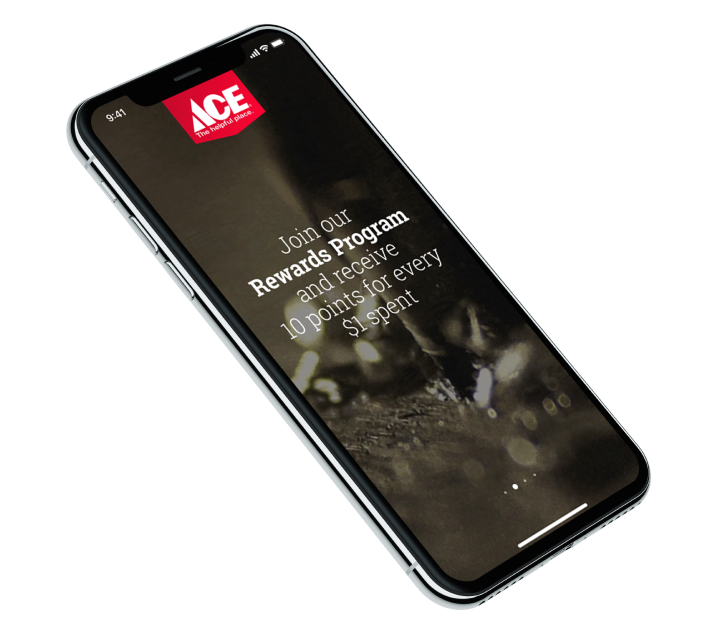
a hand holding a smart phone with the Ace Hardware app on the screen

Our expertise is your asset — we build, you scale.

Successful experimentation is about thoughtfully testing hypotheses, learning from outcomes and iterating on strategies.

We empower brands to forge genuine, personal relationships with their customers by providing advanced, end-to-end digital experience services.

By offering future-proof, end-to-end services for experimentation and applying new standards of success through AI-driven insights, we help brands build a center of excellence for digital experience optimization—or can even serve as your center of excellence ourselves.

experimentation process in graphic format
Monk Thoughts Experimentation and personalization lie at the core of our mission to marry creativity with data and technology to deliver transformative digital experiences. By continuously testing and refining our strategies, we can optimize the performance of creative and content, and deliver customers more relevant and resonant digital experiences.
Ben Combe headshot

Here's how we plug in

  1. Services

    Our areas of expertise • Because every business has its unique needs, we design teams that flex for solutions as required. Our program can help you in any of the following areas.

  2. User Experience (UX)

    Our services cover the full spectrum of the user experience, from research to product design and evaluation. We adopt a holistic approach that considers the entire customer journey. This ensures products are designed for specific touchpoints across the global customer experience.

  3. Web & App Experience Optimization

    Strategize with precision and experiment with purpose. Embark on a path where strategy aligns seamlessly with your business goals. We craft bespoke experimentation frameworks that resonate with your business model, setting the stage for meaningful growth.

  4. Customer Experience Optimization (CXO)

    Deepen your understanding to engage better with consumers. Uncover the essence of customer engagement with a blend of AI and real-world insights. Our approach goes beyond data to create experiences that matter, fostering loyalty and elevating customer lifetime value.

  5. Customer Lifetime Value and Retention Optimization

    Each test is an opportunity for revenue enhancement and profitability. Our targeted experiments are not just changes—they're improvements that drive your bottom line. Expect not just results, but also measurable success.

  6. Personalization

    Personalize, engage and succeed. Transform your approach with advanced personalization strategies. We tailor user experiences to individual preferences, creating a unique journey for every customer.

  7. Want to talk more about the program?

Swipe
For More!

Drag
For More!

Impact

And it's working

  • 21% increase in mobile enquiry form submissions and a 9.5% decrease in abandonment for a home improvement retailer. This live optimization is projected to bring the brand an £6.4 million annual revenue increase.
  • Increased cookie banner opt-ins by 41% through rigorous user testing for a real estate company.
  • Helped a global telco build a robust experimentation program that resulted in >$1M incremental revenue and $8M in CLV from 150+ experiments.
  • Boosted revenue for key products by 34% for an insurance provider via testing personalized offers based on customer propensity models.
ace hardware app on phone
ace hardware employee

Case Study

Ace Google Cloud Platform & AppPlatforms expertise combined with a Data AOR helped Ace Hardware drive over 150k reward account signups and $30M in omichannel revenue.

See Full Case Study
Monk Thoughts Optimizing digital experiences often encounters challenges due to how data, particularly qualitative insights, is shared and used within teams. Success in product management hinges on finding the right balance in data usage, taking into account the diverse goals and needs of the team.
Iuliana Jackson headshot

Solutions

Here's how we can help

Highlighted

Solutions

Swipe
For More!

Google partner marketing certification badge

We are a Google-certified partner for conversion optimization, helping brands of all sizes across every industry. Learn more about our Google partnership.

Learn more

How can we help you innovate? Get in touch.

Hey👋

Please fill out the following quick questions so our team can get in touch with you.

Destination Digital: LatAm Brands Must Transform to Stay Relevant

Destination Digital: LatAm Brands Must Transform to Stay Relevant

6 min read
Profile picture for user mediamonks

Written by
Monks

Celebrating our recent merger with Mexico City-based Circus Marketing, a fully integrated digital agency, we’re sharing some insights relevant to the Latin American region. Circus Marketing is one of the most highly respected agencies in Latin America, and enables us to offer the best quality of talent possible for the region–helping us scale up our offering to meet the growing needs of the increasingly digitally mature region, which are discussed in detail below. You can read the following post in Spanish by clicking here, and in Portuguese here. Catch more of our latest and most exciting work from the region right here.

Latin America’s digital landscape has been growing nonstop, driven in part by the increasing availability of mobile services all across the region, where 79% of users will have broadband mobile connection by 2020. With changing user expectations and a new era of connectedness, opportunities abound for brands seeking to enter the vast LatAm market. Global companies such as Uber and Spotify have shown how far they can go: Uber’s second-biggest market after the US is Mexico, while Spotify has been the dominant paid streaming service in the region since 2013. These trends impact all industries and travel is a great example of it.

Monk Thoughts We have to humanize technology, make it intuitive, easy to use and user-centered.

An approach like this will help brands and their partners understand human behavior and preferences to respond quickly and accurately to customer needs. The challenge today is to create human experiences without points of friction, making them as human as possible. While technology is necessary to enable such experiences, brands with true digital maturity put “emotion into the code” so interactions don’t feel robotic and merely transactional.

There is still plenty of room for designers, strategists and technologists to improve the brands’ digital offerings, digitizing and personalizing them with a human perspective to create a creatively differentiated user experience. “The challenge is the humanization of digital. Because in the end, digitization is about transforming products and services into return on investment,” says Rivera.

Digital transformation is a perpetual, never-ending process, and a focus on results is key to starting small and building toward more long-term goals. Brands can successfully begin their digital transformation journey by beginning with projects that have the highest impact on improving the customer experience or driving internal efficiency, becoming more digitally savvy in lockstep with their customers. With customer obsession leading their digital transformation strategy, brands will become well equipped to stay competitive.

Do you want to know how digital innovation can benefit your brand?

Monk Thoughts 79% of LatAm users will have broadband mobile connection by 2020.

Over half of Latin American travelers use online services to research, plan and book trips – with that number continuing to climb exponentially year over year. As we detailed in our recent Travel Trends report for LatAm, travel brands in the region must embrace new digital opportunities available to offer customers seamless experiences, both online and offline, in order to compete in an increasingly competitive market.

In an environment where 67% of business customers prefer to buy through digital channels, according to Salesforce, traditional and small brands cannot afford to postpone their transition to digital any longer, or they risk losing their audience to digitally native brands. Today’s users expect to have everything in their mobile phones or computers, and if they do not get it from your brand, they will look for it elsewhere. Digital transformation has become essential for brands in the accommodation, services, loyalty and entertainment sectors of the travel industry. 

“Digitization is now part of all the travel industry verticals. Digitization is not a trend, it is a necessity,” Carlos Rivera, Consulting & Platforms Lead at MediaMonks, said as part of a panel on travel on Mexican TV network, Canal Once, last month.

Digital is the new black

Imagine wanting to book a room at a hotel your friends have widely recommended in a beautiful Caribbean beach. With your mobile phone in hand, you access the corporate website where just a single image of the hotel’s façade and a telephone number greet you. They expect you to call them not only to book a room, but even to get any information at all. Are we living in the 1940s? They just lost a customer.

Monk Thoughts Digitization is not a trend, it is a necessity.

The number of people travelling within and to LatAm reached 207 million in 2017, and that customer base continues to grow. That, coupled with the rising mobile phone adoption rate, provides travel brands a vital opportunity to enhance their digital services and offerings in the region. Customers today expect a connected digital experience at all times throughout the customer journey. Not getting it, or getting a poor one, will turn potential buyers away. 

To offer great digital experiences, brands must first realize how digital they truly are – or asses their digital maturity. How can a brand know if it’s ready? “To identify your correct target state and how long it will take to get there, evaluate how urgently you must change given the criticality of customer obsession and technology to your firm and how difficult that change will be considering the headwinds you’ll face in terms of company culture, executive trust, legacy systems, and regulators,” writes Laura Koetzle, Sharyn Leaver and Glenn O’Donnell in the Forrester report “The Roadmap For Delivering Customer-Obsessed IT Transformation.”

Having a website or a Facebook page alone does not make a brand digital. Brands must invest in transformation as an ongoing process that will enable connected offerings and touchpoints across platforms. Additionally, brands with lower digital maturities will need to rethink the bare essentials in how they engage with customers – for example, turning the mundane act of booking a plane ticket into an opportunity to meet someone across the world, as we did with our campaign that won Aeromexico the only Gold Cannes Lion for Mexico in 2019. Delivering such experiences seamlessly and instantaneously can require an overhaul in mindset or operations – or both.

travel-post-2

As the number of travelers to LatAm increases, so do the opportunities for the travel industry.

This strategy enables brands to maintain a more customer-centric focus, gaining a more direct and closer relationship with their audience. “Digitization is increasingly present in the lives of consumers,” says Rivera. Consumers are becoming increasingly digital, and there are already so many great digital experiences out there that those with a lower digital maturity need to keep up to stay relevant.

Brands must focus not only on customer-facing technology; platforms and integrations that operate behind the scenes and under the hood impact how the business not only delivers experiences to consumers, but operates as a whole. The far-reaching influence of these technologies can make digital transformation feel like a big, unwieldy initiative. MediaMonks helps brands overcome this by focusing first on the high-priority, quick wins that fuel momentum and ladder into subsequent projects.

One quick project that focused on implementing a mature backend for a unique customer experience is the mobile assistant we made with DDB Berlin and Lufthansa, which makes travel recommendations based on a user’s immediate surroundings. We implemented a CMS that would connect user input – uploaded photos – with Google’s Cloud Vision AI service to identify objects within the photo, which then output copy about a related place. For example, a photo of headphones would recommend visiting Glasgow to hear live bagpipes. Bridging together user input with AI and Lufthansa’s own collection of destinations, the assistant takes full advantage of the power of digital in a unique way. And this is precisely the basis for customer obsession, brands using digital to fully understand their audiences, predicting their needs and delivering a satisfying and emotionally resonant experience.

Humans after all

No two travelers are alike. Even if they look for the same things while traveling, their preferences will set them apart. Many may seek a nice restaurant for dinner, but maybe one of them will want it by a beautiful seaside view, while another will prefer to look at a busy street and yet another one will want to sit away from the windows. The travel experience must be personalized based on preferences such as these. In fact, data from eMarketer shows that 69.4% of US digital marketers see demand and interest from customers being an important driver in data-driven marketing initiatives–higher than any other factor–highlighting just how important personalization is to deliver the experiences that users want.

Discover how digitization is impacting the travel industry in Latin America.

As part of our relationship with Booking.com, this meant creating dynamic video ads where content is delivered in one of 54 different permutations with Google’s Vogon technology, based on individual preferences. The dynamic video speaks directly to customers’ travel needs in how it builds a narrative, using data to offer a more human-centered message.

“The main challenge when adopting new technologies is to create new travel experiences that really connect with each user and that will have the right balance of technology with human contact. We have to humanize technology, make it intuitive, easy to use and user-centered,” says Rivera.

On this subject, Wesley ter Haar, MediaMonks Founder, says that “storytelling is a constant pursuit to identify those things that digital and interactive can provide to create imprints on memory and moments of emotional resonance – that feel personal, but remain true to what research tells us end users will respond to.”

The humanization of technology entails putting users at the very core of all experiences and products that brands have to offer. Whether starting with a user-centered UX/UI design or implementing more complex technologies such as AI or machine learning, the customer must be the main focus for everything brands do in the digital world. To truly become customer-obsessed, brands must focus their strategies and budgets “on the technologies, systems, and processes that win, serve, and retain customers,” according to Forrester.

User-centered digitization is the first step that traditional and small Latin American brands must take to survive and remain relevant in today's market. Destination Digital: LatAm Brands Must Transform to Stay Relevant Digitize your brand and focusing your experience in the user will be key to survive in the competitive Latin American market.
Digitization digital Latin America LatAm user experience consumer journey trends travel industry travel tourism technology humanization

The Recipe for Higher-Quality Engagement in an Era of Digital Diets

The Recipe for Higher-Quality Engagement in an Era of Digital Diets

3 min read
Profile picture for user mediamonks

Written by
Monks

The Recipe for Higher-Quality Engagement in an Era of Digital Diets

Calling it a “digital diet,” mobile users are making a point to reduce and limit screen time; even Apple and Google are jumping on the bandwagon by integrating features into iOS and Android, that alert users to the amount of time they devote to their apps. While this might seem like bad news in the attention economy, don’t run for the hills just yet.  “With growing user awareness of smartphone addiction and new tools to monitor and limit use,” MediaMonks Co-founder & COO Wesley ter Haar assures developers, “brands will need to switch focus from extending to enriching user engagement.”

In simple terms, don’t try to capture your users’ attention for as long as possible in a single setting. Instead, leverage good design to create a first-class customer experience that will encourage them to keep coming back. “Great UX and design can turn otherwise unremarkable interactions into brand experiences that directly affect customer satisfaction and loyalty,” says ter Haar. One such “unremarkable interaction” is calling for a cab, which Uber has turned into a luxe and frictionless experience that users, it seems, can’t see themselves living without.

Monk Thoughts Having the ‘brand at hand’ enables more meaningful data collection for brands and more relevant content to their users.
black and white photo of Wesley ter Haar

Brands hoping to reach that level of customer loyalty and enthusiasm will want to pay special care to how they design digital experiences—which can have a significant impact on the bottom line, too. At a MediaMonks event in Mexico City in February, ter Haar shared industry findings on the business value of good customer experience design: “Companies that use design more effectively enjoy higher revenue growth than those in the same industry that don’t.”

Mobile is the New Wallet

What better place to look for ways to heighten user loyalty through design is there than loyalty apps? Loyalty programs have long prompted customers to make repeat visits or purchases at a store, and today their presence on mobile has made them more akin to marketing platforms. “Mobile is the new wallet,” says ter Haar, “and having the ‘brand at hand’ enables more meaningful data collection for brands and more relevant content to their users.”

clubpriemier_headerimage_1920x480

Your mobile app should go beyond simply targeting users with sales and promotions (though those certainly help in providing value to them). A truly engaging customer experience is built around small moments that take advantage of the brand’s presence in users’ pockets, enhancing their day-to-day needs and activities.

One great example of this is the Club Premier app, which lets users handle everyday tasks like checking their balance or use the points they’ve saved. But it goes beyond that: through a dynamic design and engaging UX, the app surfaces up personalized content through its Experience Companion feature, which informs users on how they can make the most out of their Club Premier membership. Built around customers’ unique needs and providing convenience when and where it matters most, the app enhances the way customers engage.

See how Club Premier’s app fit within a larger digital transformation strategy.

Catering to Mobile Moments

Delivering a better customer experience through your mobile app begins in identifying its place within a larger ecosystem of interactions with your brand. One area to focus on is optimizing these experiences: a fashion brand might make it easier for users to reserve and purchase items that are high in demand as soon as they release, for example, like the Adidas Confirmed app that we redesigned for a more stable and smooth user experience.

5

But designing around mobile moments should do more than optimize. Here, it’s the little details that matter, which can be as simple as acknowledging a user on their birthday. One app that shows how a touch of whimsy can build a better experience is ING’s Kudos app. Designed to provide a way for ING employees to compliment and recognize one another’s contributions, the app uses bright colors and badges to gamify workflows and make complimenting more fun. And if you don’t believe us, look at the numbers: over 50% of internal employees shared kudos on the app in the first three months, which is quite good for an internal business tool.

Because gamification features like badges in Kudos encourage a sense of progress, they make as a nice example for how developers can encourage repeat check-ins and actions from users in their mobile design. In addition, they show how apps designed expressly for customer loyalty can extend beyond the obvious offerings of discounts. Insights gained from such apps—like location, time in-store, browsing or purchasing history and more—may then power more personalized content, allowing for a more engaging customer experience. This way, brands can focus less on delivering more quality in the time users spend within an app than focus on the amount of time. This way, the focus isn’t on the amount of time users spend in an app, but the quality of time spent with the brand—the perfect recipe for satiating the digital diet trend.

With consumers and developers supporting the “digital diet” trend, brands will have to cultivate a higher quality of attention from the user. The Recipe for Higher-Quality Engagement in an Era of Digital Diets The “digital diet” trend signals a need for a higher quality—not quantity—of attention in mobile user experiences.
mobile app development mobile app attention economy digital diet customer loyalty customer experience user experience UX

Choose your language

Choose your language

The website has been translated to English with the help of Humans and AI

Dismiss