





Case Study
Meta
Sharp content strategy, relentless media, wild metaverse plays, and fast AI innovation.


Monks is a proud partner with Meta, offering cutting-edge digital solutions that leverage Meta's expansive platforms and innovative technologies like LLaMA-powered AI. Our end-to-end services span sharp content strategy across organic and influencer marketing, relentless advertising campaigns, state-of-the-art creative production, and immersive metaverse experiences. Our expertise ensures your brand engages consumers authentically and thrives in the ever-evolving digital landscape.
Our end-to-end Meta services
Highlighted
Swipe
For More!
-
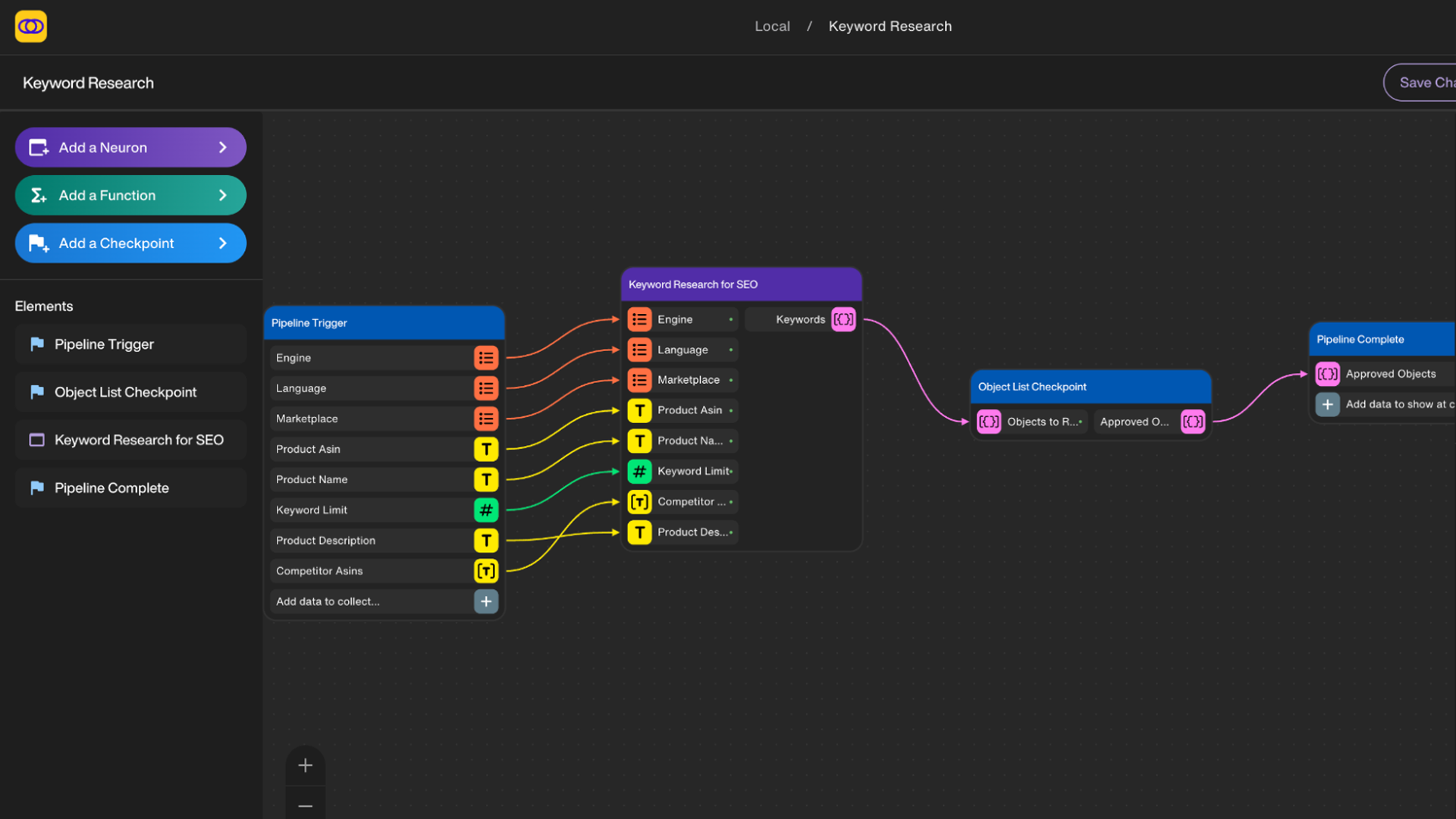
AI Workflows
Automate and scale creative production.
Automate and scale creative production. Monks.Flow connects talent to pre-tested AI pipelines, boosting efficiency and freeing up your team.
![AI-driven workflow showing different stops within the flow]()
-
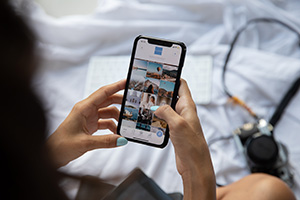
Social Strategy
Develop organic and paid social media plans.
Develop organic and paid social media plans. We drive engagement to help you achieve your growth goals.
![A person on a cellphone on social media]()
-
Content Production
Create compelling content to capture attention.
Create compelling content to capture attention. We produce for Instagram, Facebook, Horizon Worlds, and more.
![Myla Unique Minor and Renee Montgomery shoot a basketball in the metaverse]()
-
Community Management
Foster engaged communities.
Foster engaged communities. We provide active moderation on Meta platforms.
![A group of fans overlooking their computers in the library]()
-
Influencer Management
Manage influencer partnerships.
Manage influencer partnerships. We amplify your brand's message across Meta with user-generated content.
![A girl taking a selfie under an umbrella]()
-
Paid Media Management
Grow your new business with paid advertising.
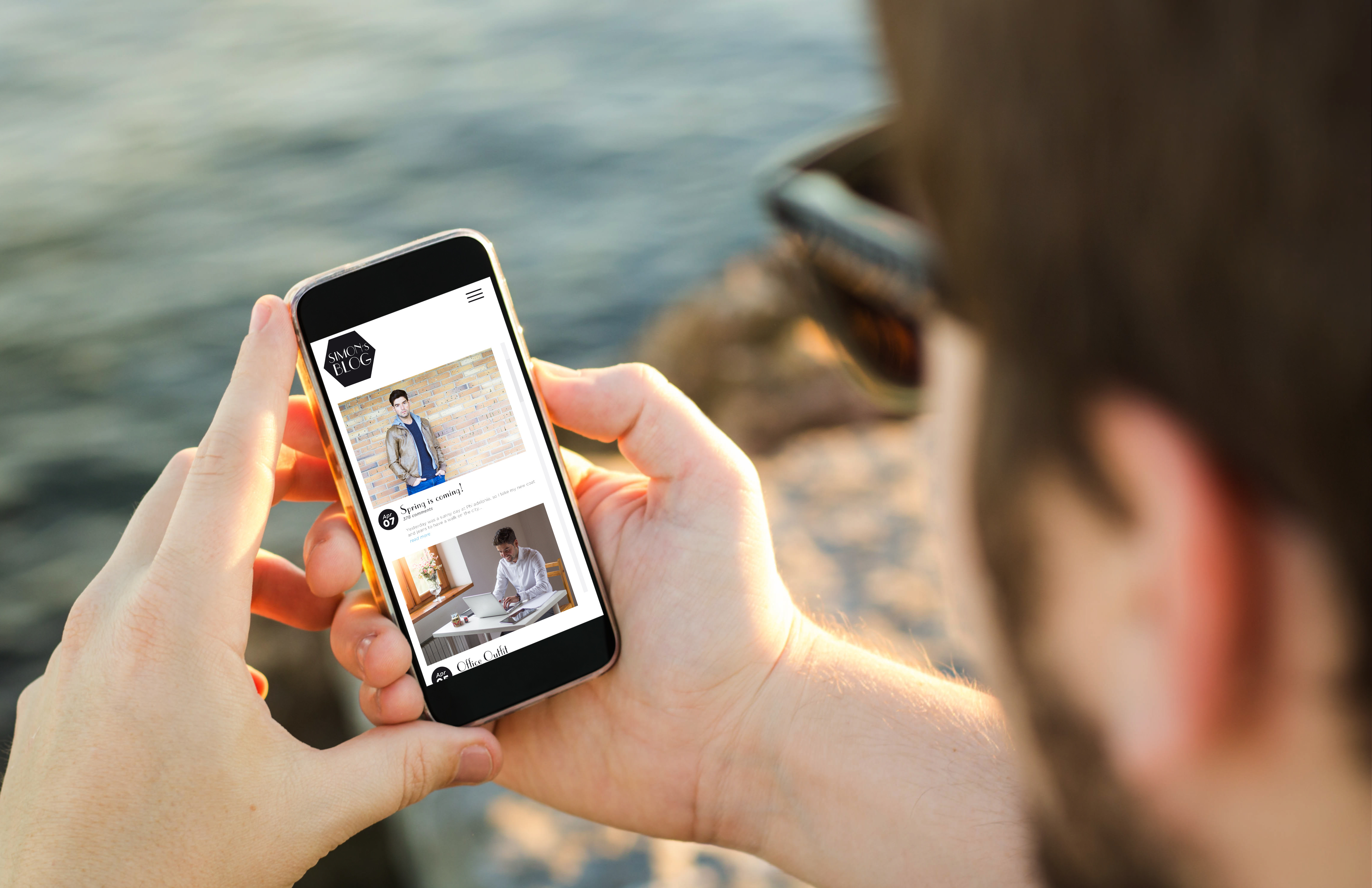
Grow your new business with paid advertising. We create integrated campaigns that drive real action and results.
![A person holding a cellphone on social media]()
-
Tagging + Data Architecture
Implement robust tagging strategies.
Implement robust tagging strategies. Leverage valuable insights from Meta platforms.
![A person talking to a colleague at their desk]()
-
Horizon Worlds Development
Build immersive virtual experiences.
Build immersive virtual experiences. We build engaging new worlds for your audience.
![A person using a VR headset]()
-
Instagram Shops Management
Optimize your Instagram Shops presence.
Optimize your Instagram Shops presence. Ensure seamless product discovery and boosted sales.
![Increase Google Shopping Revenue With Feed A/B Testing]()


Dive Deeper


How can we help you innovate? Let’s talk.
TikTok
Amplify your brand's impact by building authentic connections on TikTok.


Our partnership with TikTok is about helping brands engage authentically and build real relationships with their audiences. Social media is where ideas take off and trends are shaped, and we guide clients in becoming true social brands that create lasting impact. TikTok offers a unique space for trust and intimacy, and whether it's crafting a comprehensive campaign or leaning into culture with a 10-second trending video, we help our clients spark meaningful engagement and grow their brand in a way that feels true to who they are.
Solutions
Ways we can support in your TikTok journey.
Agile Media Investment
Optimize ROI through continuous monitoring and adaptive buying.
Dynamic Targeting & Content
Deliver the right message at the right moment to maximize impact.
Live Audience Engagement
Connect with users as trends emerge, ensuring your brand stays at the forefront.
Instant Data-Driven Strategies
Leverage real-time insights to fine-tune your campaigns on the fly.
Matched Market Testing
Prove the true incremental impact of your TikTok investment using data science-backed methodology.
MMM
Our proprietary model illustrates the value of activating a full funnel strategy on TikTok.
Diverse Ad Formats
Connect with audiences in a creative, authentic and relevant way—including In-Feed Ads, TopView, Brand Takeover, Branded Hashtag Challenge, Branded Effects, Spark Ads and Shopping Ads.
Here’s how we create impactful social-first campaigns

Monk Thoughts
The TikTok partnership has been a key asset in establishing and growing our paid capabilities within the rapidly evolving ads platform. Through this partnership, we've been able to craft best-in-class, go-to-market campaign strategies and thought leadership on the latest offerings, i.e., shops.

Solutions
We are here to help with...
Highlighted
Solutions
Swipe
For More!
-
Paid Media
![A person on a cellphone on social media]()
-
Influencer Marketing
![A woman wearing a large white hat lays on a bed in a pool]()
-
Affiliate Marketing
![A girl taking a selfie under an umbrella]()
-
Content Strategy
![A person working at a whiteboard]()
-
Creative
![young trendy man in a colorful jacket]()
-
Video Production
![A broadcast room with so many monitors and a soundstage]()
-
Measurement
![A person staring at an analytics dashboard on a computer and phone]()
-
Shops Strategy
![Increase Google Shopping Revenue With Feed A/B Testing]()
-
Social Commerce
![A phone taking a picture of a QR code]()




How can we help you innovate? Let’s talk.
Dive Deeper
-
![collage of photos of our people at the TikTok Ad Awards]()
Blog Post
We Were Named Creative Agency of the Year at the TikTok Ad Awards in Mexico By Asahi Ruiz Jimenez 4 min read -
![Young students dance in front of a phone]()
Blog Post
The Definitive Guide to a Successful TikTok Campaign By Fernanda Padovan 5 min read -
![VR headsets and production equipment images are collaged together]()
Blog Post
Generate Content at a Fast Clip with Fan-Focused AI Highlights By Lewis Smithingham 4 min read


Three Steps to Creating Engaging Financial Content for Gen Z
Three Steps to Creating Engaging Financial Content for Gen Z


A lot has been said about capturing the attention of Gen Z, and the theory behind their behavior as consumers. Particularly for financial services, we’ve covered how to win their trust and how to help them build their financial knowledge, all with authenticity at the forefront. We’ve learned that we need to focus on the content that matters most to our audience, that transparency is key and that we have to speak a consistent language that’s also the language of Gen Z. So far so good, but how do you translate those learnings into execution?
When it comes to creating work that works, the key is in the details. We need a strategic process that allows brands to optimize for performance and apply learnings to future projects. But generic approaches only produce generic results, so while we require a systematic process to guide us, it’s important to open ourselves up to new opportunities. Sounds challenging, but the results can be impressive: Klarna, for example, garnered 4+ million views in the Playing for Keeps livestream partnership with Snoop Dogg and Twitch streamers. Here’s how you too can turn needs into actionable strategies, split into three digestible phases.
Phase 1: Discovery
First, we need to lay the groundwork: understanding the performance of your brand’s existing social media content, competitor mapping and social listening on topics that are relevant to the brand. This will provide your team with a better grasp of how the brand is truly doing on social media compared to the market and industry benchmark.
We apply the discovery methodology not only for client work but for a number of trends and culture reports too, such as The Power Of Fandom Is Not Random, in which we dive into the rise of fandom culture and how brands can act on its potential. In the discovery phase, it’s crucial to define the brand’s problems and business objectives regarding social media, to then establish goals and target metrics.
Phase 2: Brainstorming
Armed with a baseline understanding of where your brand stands and where you want to take it, it’s time to think about your target audience. No industry, market or brand is the same, so this analysis should be tailored to yours. For example, you could start by asking your partners, the team and yourself the following questions:
- Who are we talking to, and how do we define them? What do we know about them?
- Are we targeting the audience demographic in specific markets and/or regions?
- What are the audience's pain points and motivations?
- What should our persona and voice be like on social media?
- How does this ladder up to our brand and vision?
With the answers to these questions, you can then determine a strategic proposition and creative platform to address Gen Zs in their specific contexts.
Phase 3: Creation
You now have all the building blocks in place to create content that Gen Zs can’t resist. The final phase is where the magic happens. What you will be producing at this stage are conceptual proposals, mock-ups and communication plans that string all the pieces together to reach your audience across various touchpoints. The best briefs are co-created, so brand-agency alignment is crucial to the success of each campaign or strategy.
Through the three-phase process, our team created Ally Island, a branded space within the game Animal Crossing, which peaked during the pandemic. Packed with minigames showcasing different aspects of Ally, the space educated visitors on money management while helping to promote the bank’s services amongst youths. The cherry on top? The participation of a popular Animal Crossing streamer, Kang, who taught gamers how to make money work smarter. In the end, the activation was featured on the front page of Twitch for three weeks, won The FWA of the Day and even bagged an Effie Award. But most importantly, it achieved 1.38+ million individual viewers and 112+ hours spent with the brand by the target audience.
Similarly, the German fintech company N26 teamed up with us to bring their YouTube content strategy to life. To show you how the three-phase approach played out in that case, here are the outcomes of the workshop and brainstorming sessions:
- Audience pain point: There’s a huge disconnect between the values of our consumers and the financial system as a whole.
- Audience insight: Our audience has new lifestyles and changed expectations towards banking, asking for solutions that fit their life versus the other way around.
- Audience motivation: Confidence, relevance.
- Point of entry: Show N26 as a way to achieve our goals, instead of a barrier that keeps us from our goals.
- Role of brand: Be the finance partner for an entire generation.
- Strategic springboard: Making you the expert. We’ll leverage Gen Z’s desire for personalization by building talking tracks around N26 being the financial partner that caters to this generation’s values.
After the brainstorming sessions, we moved into the creation stage. The result? A YouTube content strategy that was introduced in five markets and featured content series like “Talking to friends about money,” which resulted in a 289k average view rate for the fintech company.
It all boils down to the idea that crystallizing everything into a single brief allows teams to address the heart of the matter and inspire creatives. A lot can be achieved with purpose and intention, especially when it comes to winning with Gen Zs. Trust building shouldn’t be hard—at least not if brands are staying true to their mission. So follow these steps with confidence and remember: generic approaches breed generic work. A willingness to embrace new opportunities can lead to impressive results.
Welcome Miyagi, Integrating Strategy and Production Across the Customer Journey
Welcome Miyagi, Integrating Strategy and Production Across the Customer Journey


Today, we’re excited to announce that Milan-based creative and marketing agency Miyagi has joined the Media.Monks team! Miyagi’s expertise ranges from data-driven planning to the ideation and execution of multi-language, multi-format content and experiences, both online and in-person.
Miyagi was founded in 2013 by by five partners Francesco Bragonzi, Francesco Menichini, Tommaso Marucchi, Felice Arborea and Giuseppe Azzone. Originally a video production company, Miyagi has evolved into a full-fledged end-to-end partner that combines strategy and production under one roof. Notable clients include Danone, Luxottica, Red Bull, Xiaomi and more.
00:00
00:00
00:00
Accelerating Growth in Europe and Beyond
Miyagi’s ability to transform itself to reflect market needs has helped it achieve incredible growth in recent years. In 2020—a difficult year for the industry in general—Miyagi placed on Il Sole 24 Ore’s 100 Leaders of Growth list as well as the FT 1000, Financial Times’ list of Europe’s fastest growing companies. These wins complement our own recent placement on Adweek’s Fastest Growing Agencies feature, and we’re incredibly excited to grow alongside a team that has achieved so much success for itself and its clients in an era of intense digital disruption.
With Miyagi on the team, we’re able to further our growth to expand our base in Italy, Europe’s fourth largest advertising market. “With close to 100 Monks in the Italian market and a clear focus on digital creative craft, I believe we will accomplish great things together,’’ says Victor Knaap, CEO Media.Monks EMEA, and S4Capital Executive Director.
Building End-to-End Efficiencies
Miyagi’s integrated offering eliminates brands’ need to work across several partners (creative agencies, production partners, media agencies and more) and enables new efficiencies—what Miyagi affectionately calls “the Miyagi flow.” By cutting out the added time and overhead of the traditional process, brands are empowered to nurture relevant, meaningful connections with audiences at the speed of digital.
The very same ambition has inspired our own integration, making Miyagi good bedfellows to our unitary approach to the brand-partner relationship. Our data-driven model combines content, data&digital media and technology services to deliver personalized content at scale, attributed through digital media in an iterative loop. But this does more than allow brands to act more efficiently; creative decision-making fueled by data and media also enables teams to look beyond assumptions and identify stronger ideas that enhance possibilities for Miyagi’s existing clients.
Monk Thoughts
Miyagi’s work and management team looks a lot like Media.Monks a few years back, and we got along since the first moment we met.

Enhancing Our Multilocal Approach
As a multilocal organization, we aim to bring together an understanding of multiple markets to inspire action around the world. A standout example of this in action is our work with Mondelēz, a relationship that spans not only a wide breadth of capabilities but also extends across the globe. A multilocal mindset is crucial to help brands keep up with the fluidity of cultural change and adapt to shifts in social consciousness—especially for those working across different markets.
Miyagi augments our multilocal approach by bringing to our team a deep understanding of Italy’s unique, fast-growing consumer culture. Miyagi’s existing clients, meanwhile, gain access to a global team of multiskilled, multicultural digital experts to help them achieve even more across integrated campaigns and experiences.
No matter where they operate, brands face unprecedented challenges in delivering emotionally resonant experiences to audiences across the customer decision journey. Miyagi has helped numerous brands shortcut to value by eliminating the barriers that are typical in legacy networks and holding companies, bridging together strategic insights and executional expertise to turn winning ideas into incredible experiences. Now working hand-in-hand with the team, we’re excited to strengthen our new age/new era approach for world-leading, modern brands in Italy and beyond.
How Remixing Rock Hall’s Website Struck a Chord
How Remixing Rock Hall’s Website Struck a Chord
The imperative to keep up digitally is felt by many, though the challenge is especially felt by museums under pressure to infuse their collections with cultural relevance for their patrons. In aiming to make a historic event more tangible or a culture more understood, digital media offers museums and cultural institutions an excellent opportunity to reconsider how they will continue to inspire the visitors of tomorrow.
Few institutions have the built-in relevance to contemporary pop culture than the Rock & Roll Hall of Fame, which honors the music genre’s most iconic and influential artists, both past and present (and just recently announced its inductees for 2020). Just in time for its new honorees, the Hall of Fame unveiled the fruit of its own reimagined efforts, made in collaboration with MediaMonks: a complete overhaul of its website, which now offers a bold, impactful visual style that complements the forward-thinking acts and artists to whom the museum pays tribute.
Drive Innovation with Purpose
The Rock & Roll Hall of Fame’s mission is “to engage, teach and inspire through the power of rock & roll.” The new website delivers on this promise through a content-heavy theme that brings artifacts from the museum’s collection to life through scans and images. This way, users can preview what the museum has to offer before they visit—or can enjoy bits from the collection even if they’re unable to make a trip.
“The artifacts enhance the discovery phase and tease the collection,” says Brook Downton, Executive Producer at MediaMonks. Users find this content strung across more than 300 Hall of Fame Inductee biography pages, which lend each artifact context and meaning. The biographies are also linked contextually; for example, each page invites you to explore other artists inducted in the same year or that are particularly relevant or influential.
Monk Thoughts
With digital, museums can make the experience for patrons much more accessible and personalized.
On one hand, this encourages users to explore and browse through the Hall of Fame’s website much like they would wander around the museum itself—balancing a sense of aimless browsing with meaningful curation. “We bring the user into rabbit holes from one artist to another,” says Downton. “It’s a website where you can spend an hour, rather than just five minutes.”
This web of interconnected artists also enables a more personalized experience by making it easier for visitors to find and discover items they’d most like to see. Museums can be overwhelming, after all, but a data-driven user journey can help users not only find the most relevant exhibits, but also discover something entirely new. “Museums are a reflection of humanity and society, of art and movements,” says Downton. “With digital, museums can make the experience for patrons much more accessible and personalized.”
Build Efficiency to Build Momentum
So, how does one not only embark on such a transformation, but actually sustain it from concept to market? One of the biggest pain points that hinders a project of this scale is time, making it difficult for brands to continue their efforts to achieve long-term goals.
Noting that CMOs historically don’t last more than a few years in their role, Forrester Senior Analyst Tina Moffett writes in her report “Marketers, Stop Sacrificing Long-Term Goals for Short-Term Wins” that “This revolving door makes it difficult to execute long-term marketing strategies, especially ones that depend on data-driven insights that take six months to a year to measure.”

Integrated playlists are just one of many ways that digital patrons can interact with the collection.
A digital revolution is a lengthy process—so much so that it’s ever-evolving and never complete. There’s the need to transition away from legacy systems, invest in new skillsets and measure whether the transformation has even been effective. To meet success in these efforts, brands must carry momentum throughout a multi-phase process on the path to success.
That’s why we begin with a laser focus on delivering fast results that fuel investment in long-term goals. For the Rock & Roll Hall of Fame, for example, we began by transforming the look of microsite that allows fans to cast their vote for new Inductees—an important, annual activation that drives fan participation and renews public interest in the museum year after year. This smaller-scale transformation gives us (and brands) the chance to take our learnings and apply them to the main project once completed.
Honoring the Past, Looking to the Future
As you develop a project, continually look for new opportunities to improve the total brand experience. For museums, this means extending focus beyond the website and what role it plays in ultimately getting visitors through the door. The Rock & Roll Hall of Fame achieved this by offering a series of curated, self-guided tours on its website, though future plans include a feature that will let users build unique, personalized tours based on their favorite artists. Such features not only inform patrons of what they will see before they visit, but also functions as a tool to help them truly connect with what the museum has to offer.
Best-in-class digital design offers incredible opportunities for any brand to build impactful experiences, whether it be through social media-inspired navigation as described above or simply a remarkably designed website. This is especially true for cultural institutions with a mission to educate patrons and provide access to cultural artifacts—offering new ways to infuse relevance in a shared cultural heritage.
Museums content strategy cms personalization data customer journey customer decision journey digital transformation legacy brands
Despite Postponed Olympics, Brands Can Keep Their Head in the Game
Despite Postponed Olympics, Brands Can Keep Their Head in the Game

Capping off a raft of regional and global event cancellations, the International Olympic Committee announced that the 2020 Tokyo Olympic Games will be postponed until next year. The announcement is toughest for the athletes who have worked so hard over the years to qualify and compete in the Games, but it’s also tough on audiences–many desperate for entertainment amidst social distancing, seeking something to unite under and look forward to.
As brands rethink their Olympics media and advertising strategies, they must consider how they can still continue to connect and inspire today’s consumers. While the Olympics’ postponement certainly throws a wrench into brands’ advertising strategies for the summer, there’s still opportunity for them to refocus plans and offer comfort and connection to audiences who need it.
Earlier this year, The Drum estimated that the Tokyo Olympics and Paralympics, among other major events, would drive global growth in ad spend by 3.9% in 2020. Now, brands are wondering how they can reallocate their budgets—or their big ideas—to next year, shifting plans that were made months, if not years, in advance. This includes not just traditional campaigns, but also in-person and in-store activations intended for attendees. Here’s how brands can kickstart and rethink and rebuild their strategies for 2020.
There Are Still Big Needs to Fill, But Strategies Must Change
While many brands might aim to reallocate budgets and current strategies to next year, there’s still a real need to keep relevant—and customer needs aren’t going anywhere, either. “This doesn’t mean brands can stop engaging with their audiences this year,” Michel de Rijk, CEO APAC at S4Capital, told host Dan Murphy on CNBC’s Asia Squawk Box. “They need alternative plans.”
The possibility that social distancing will remain into the summer—or that consumers will hold onto new digital habits and behaviors that are emerging right now—will elevate the role that digital must play in alternative campaigns and creative experiences. “A lot of these activities that marketers were planning to do were in-store and offline activations,” de Rijk said. “But because of that change in user behavior, those now need to be digital. You’ll see a lot of innovation in this space.”
That said, there’s no direct, one-to-one translation of an Olympic experience from in-person to digital: imagine mingling with people from around the world and being inspired by watching the games in-person. Brands certainly shouldn’t copy and paste existing strategies to a virtual space, but they do have an opportunity to innovate by blowing out specific parts of their narrative.
Monk Thoughts
Digital engagements “have the power to bring consumers together within a shared experience.
For example, consider how messaging around the Olympics usually focuses on determination and coming together as a global community—a message that resonates well with a world transformed by a pandemic. It also sits well with what digital experiences uniquely achieve. “By the nature of digital and creating these virtual brand engagements, [brands help] entertain audiences no matter where they are and have the power to bring them together within a shared experience.”
For Resonance and Relevance, Play Toward New Consumer Behaviors
Digital behaviors have shifted significantly over the span of the past few months, and we still can’t say for certain how the landscape will look months further down the line. Brands must be proactive in recognizing shifting needs, behaviors and priorities for today’s audiences to strategize and refocus their efforts on supporting their audience.
One way to do this is through social listening to stay up-to-date with what matters most to your audiences and to identify new ways that they’re connecting with one another. This attention toward social can also clue you into interesting, new user behaviors that you can tap into to find value for consumers—like “cloud clubbing,” in which DJs began livestreaming their sets to at-home audiences in China before COVID-19 made its way west.
Monk Thoughts
What you'll see in 2021 is a blend of the original plans that brands had scheduled, as well as learnings from changes in consumer behavior.
By remaining up to speed on conversations and emerging digital communities, brands are better prepared to connect with audiences in meaningful ways. For example, without live sports to watch, consumers are gathering online to compete in video games (or watch others play via livestream).
We Look Forward to More Innovation—and More Voices
While digital transformation has widely been a slow and incremental process for some brands, it’s become clear so far this year that strong digital maturity is essential to continue meeting audience needs. And that importance isn’t just temporary: “I think what you’ll see in 2021 during the Olympics is a blend of the original plans that [brands] had scheduled, as well as the learnings that they are having in the coming 12 months in a forced virtual environment because the consumer behavior has changed,” de Rijk told Asia Squawk Box.
And without attention focused on a single global event, there’s more room for all brands to connect with their audiences. “The brands who decided not to have a lot of activity out there during the Olympics because of the sheer amount of activity happening through Olympic advertisers now have the opportunity to get it back,” says de Rijk. This means even small to mid-size brands can look for ways to break down and build more impactful experiences.
The postponing of the Tokyo Olympics presents a double whammy: brands not only have to strategize again on their messaging in the summer when the games were originally meant to take place but will also want to apply new learnings to their Olympic plans for next year, too. By aligning strategic goals with emergent consumer behaviors, brands adeptly pivot to engage and support their audiences in better, value-added ways.
Olympics tokyo olympics olympics 2020 olympics 2021 content strategy advertising strategy digital transformation pivot
Working Faster, Better, Smarter with an Integrated Production Partnership
Working Faster, Better, Smarter with an Integrated Production Partnership
With the increasingly personalized nature and delivery of digital content, it feels like everyone is in crunch mode. According to the latest SoDA Global Digital Outlook Report, of which MediaMonks co-founder Wesley ter Haar served as editor-in-chief, 63% of client-side marketing leaders say producing and publishing targeted digital content is a major priority for their business—and so is producing that content more quickly.
While producing timely, always-on content is a critical need for organizations, a significant portion of them face challenges in meeting that output. In the 2018 Digital Trends for Creative and Design Leaders Survey, over a third of organizations working to design creative experiences internally indicated facing particular challenges in finding and retaining the right people with the right skills, while 40% cited outdated workflows as slowing their progress. These problems together make a one-two punch that makes it difficult for organizations to successfully develop the stream of targeted content they know they need, keeping it tantalizingly out of reach.
In addition to taking up time, the cyclical nature of the old-agency model isn’t as effective as it used to be. Rather than focus a big idea on traditional media and spoke out from that, standing out in today’s media landscape requires an always-on flow of targeted content across platforms, which altogether builds toward your creative direction. In essence, the new era requires highly relevant content that continues to deliver a consistent message—something that 59% of marketers say they have difficulty with. This requires organizations to seek out new organizational and executional methods.

An emerging solution to this change is the integrated team model. In this structure, we set up organizations with a team custom-built for achieving their specific needs, whether that be access to a dedicated, decorated talent pool; locally relevant content across the globe; fresh content triggers or alleviating the brand studio’s bandwidth. “Organizations are bringing more capabilities in-house at a time where there’s an increased need for content at-scale,” says MediaMonks co-founder Wesley ter Haar. “With integrated production partnerships, we’re able to provide the resources needed to meet the demand for always-on content and relevancy to their audiences.”
An integrated team makes for a simple, scalable way to produce content on the day-to-day while allowing some space for the bigger projects or needs that crop up from time to time. With an in-house setup that collaborates with top talent across the globe, an integrated team functions as an always-on talent studio capable of delivering an unprecedented amount of flexibility and production with a rapid turnaround time not seen before.
Benefits to working with an integrated team include:
- A team of world-class talent custom-built to your organization’s needs
- Direct, immediate access to an agency’s capabilities—even those outside of your pre-defined, day-to-day operations
- A streamlined, efficient workflow with fast turnaround times
- An outside perspective capable of safeguarding your brand
Dive into the Deep End of the Talent Pool
A key benefit to the integrated team model is total access to a diverse talent pool, which encompasses both the skills you need for day-to-day operations as well as more niche talent that you might need for one-off projects or last-minute asks. We house all modern digital trades, which give us the ability to look at client needs holistically before tapping into a varied set of available skills available to accomplish them. “This process goes beyond pure production,” says Louise Martens, Executive Producer at MediaMonks LA. “We can really impact customer journeys as developers, strategists and content creators can work together in a fast and flexible manner.” Whether the team is on-site or operating elsewhere, you might think of an integrated team as stripping away the wall of an agency for unrestricted access to its toolset.

For example, we have one partner whose primary need is to create print-based materials and assets. To meet this need, we set them up with a team of dedicated designers that can easily deliver those materials in a fast turnaround time. But when the same partner needed an animation done as a one-off project, a team of graphic designers wouldn’t do—which is why we quickly augmented the team with a set of animators who could deliver on that need with the same, rapid turnaround time expected, without the trouble of sending out an RFP to bidders or field resumes from freelancers.
Integrated teams aren’t the same as your typical production partnership, nor is it the same as simply outsourcing work to a body shop. In our integrated partnerships, we’ve seen how easy it is for teams to introduce new capabilities on top of projects after discovering some need—for example, providing copy options after noticing that in-house copy didn’t exactly fit with the visual design. “What’s unique about this kind of partnership is that it’s focused on the long-term,” says Martens. “You see this in the optimization of workflows, but it’s also a matter of deeper brand understanding, which allows us to proactively add to creative ideas.” On the organization’s side, it lets them tackle new and existing problems more flexibly.
Keep it Fresh with Relevant, Timely Content Triggers
Content triggers are the pillar of real-time marketing, ranging anywhere from planned and proactive content to reactive communication. While brands have typically kept to the planned, proactive approach (like brand events or planned campaigns), social media has driven brands to build up their in-house capabilities, as they require a fast pace of production and brand knowledge.
Monk Thoughts
Brands are moving from short-term campaigns into programs and ecosystems that are built around always-on content.
An approach that requires collaboration between several parties can sometimes slow production down, which is why we try to take a leaner approach to everything we do, including project-oriented tasks. Integrated teams serve as one alternative designed to eliminate bottlenecks and allow for the rapid design of timely content triggers, which is critical for how organizations must engage with consumers today.
“Brands are moving from short-term campaigns into programs and ecosystems that are built around always-on content,” says Martens. Because the team works partially in-house and is dedicated to the brand, organizations don’t have to jump through hoops to deliver on the ask. Using the same creative framework for producing assets at scale—beginning with a master template and identifying the variables in terms of content or platform fit—the integrated team model optimizes workflows to deliver relevant content triggers at unprecedented speed.

This speed is thanks in part to an always-on, global talent studio. When necessary, integrated teams can tap into talent from other offices around the world, which means work continues to get done elsewhere even after you’ve closed up shop for the day. “This interaction between an internal MediaMonks Brand Ambassador and our global support network is a powerful mechanic,” says Martens. “These Monks understand the brand experience in-depth and can thus represent its values, aesthetic and tone of voice in our wider teams.” If a team gets a brief at end of day from the partner, they can deliver up to sixteen hours of work spread across time zones to be delivered the following morning, providing quality work within timelines that were once viewed as unrealistic. Say goodbye to feeling like there aren’t enough hours in a day.
The integrated team model is a reaction to the unique challenges facing the advertising industry today. Organizations no longer have to put their brands in the hands of an outside agency to deliver on the ever-increasing demand for relevant content. With dedicated, open access to a diverse pool of talent, they become better prepared to meet industry challenges while retaining complete ownership of their work. “Our experiences have shown us that MediaMonks is used as a lever for the brand to further build their own studio or spend more time on the work that matters most,” says Martens. “Brands are taking back control.”
embedded team integrated partnership content ecosystem personalization content strategy
Secrets from the Industry’s Best Storytellers
Secrets from the Industry’s Best Storytellers

Growing consumption in digital media has brought an increased need in content through which brands can engage directly with audiences. For forward-thinking brands, the single creative idea and hard-sell approach have both stepped aside in favor of new, varied content strategies that take a more nuanced approach by engaging users through personalized content and experiences.
Such strategies enable brands to differentiate themselves and relate to audiences, either by showcasing their values or providing users with emotional, engaging content. But what all powerful content strategies have in common is a storytelling method that caters to a diverse audience’s interests and contexts. From maintaining brand-consumer relationships over the long-term to adapting to new platforms, we’re diving into a few different ways to tell a good story—and the different goals that they can achieve.
Inspire Consumers Across the Digital Ecosystem
One brand whose focus on storytelling has lent value across all consumer touchpoints is Weber. The grilling company realized that its consumers saw greater value in experiences over products, resulting in its “BBQ Cultures” platform that took them on a journey around the world and its diverse barbeque cultures. Employing gorgeous visuals, we worked with Weber and Uncle Grey to build a campaign and website that seeks to both entertain and inspire both novices and grilling experts alike, teaching them everything they need to know about grilling within an immersive environment. Throughout the experience, a narrative undercurrent rendered through film and cinemagraphs inspires users by placing them within several barbeque scenarios.

The Weber "BBQ Cultures" campaign highlights a sense of camaraderie and togetherness through grilling.
But we didn’t end the story there. For Weber, BBQ Cultures was just the first step within a larger mission to integrate stronger storytelling in everything they do. Today, the entire digital Weber ecosystem—including its website, app and social accounts—includes inspirational and aspirational content like tips for improving grilling technique, seasonal recipes, stories behind the content creators themselves and CTAs for users to share their own Weber grilling experiences. It’s a notable example of using storytelling not just to set the brand tone and narrative, but to spread it across the user journey to continually inspire and maintain a consumer relationship.
Another way to showcase a brand’s value is through episodic storytelling—which can be especially helpful for CPG brands hoping to stand out by offering useful, informative content. Feminine care brand Always reached adolescent girls in the UK with its “Girl Talk” YouTube series, which seeks to educate about menstruation in an approachable and engaging way. Featuring quizzes and puzzles solved by a relatable and diverse cast of girls, the series seeks to remedy common questions girls may have about their bodies, and informs them about what to expect as they mature. Brands that wish to take a similar, proactive approach to solving problems or answering questions related to their product or industry require a deep understanding of their audience, supported by data and continual user testing.
Seek New Engagement Opportunities with Innovative Storytelling
A key component to effective storytelling is context; early in the content brainstorming process, brands must think about when and where users will begin considering, buying and using the product they aim to support through a narrative. Identifying these different contexts can open up new opportunities to reach or expand, target audiences.
When it comes to having a content-first focus, Mattel is one best-in-class brand. Speaking with our SVP of Growth Nick Fuller at Brand Innovators’ recent Future of Content Marketing and Storytelling event, Mattel’s Chris Keenan (SVP and EP of Global Content Development and Production) shed some light on the brand’s marketing prowess. The Barbie line of fashion dolls has transformed from child avatar to full-fledged role model—complete with her own editorial voice, helping to keep the brand relevant today. Through various forms of digital content, the character now stands for a set of values through which she aids in child development, enjoyed by both children and parents alike.
One platform where you’ll see this is YouTube, where Barbie has become a popular vlogger delving into important topics, like how to deal with unhappy feelings in a healthy way. By maintaining a consistent presence on a platform where kids spend an increasing amount of time, Mattel directly engages with Barbie’s audience to define the brand’s values.

Quest to Legoland takes children on a journey populated with their favorite Lego characters--and real-world landmarks.
Mattel isn’t the only brand that has turned a key challenge—competing for attention or relevance with digital platforms and influencers—into new opportunities for narrative engagement. Another toy brand that has adapted especially well to digital platforms is Lego. One particularly innovative experience the brand provides through storytelling is its Quest to Legoland app, made in collaboration with VML and MediaMonks, which takes children on one of four imaginary adventures en route to the Legoland Florida Resort. Powered by Google Maps, the app provides kids with fun facts and content related to over a thousand different landmarks that they might pass along the way, eliminating the age-old “Are we there yet?” family road trip refrain.
Ten different minigames ensure the educational journey feels fresh and fun, offering an experience that clicks well with Lego’s goal to help kids discover the world around them through imagination and play. Featuring characters and themes found throughout the Legoland theme park, the app fills in a crucial white space: the otherwise long, boring drive in anticipation of reaching a destination. With this app, the journey truly becomes the destination itself.
Each of the storytelling examples outlined above sought to innovate or expand into new territory through best-in-class narrative or interactive experiences. While embarking on this marketing adventure may feel intimidating at the outset, a clear understanding of your audience, where they are and what you want them to feel when they engage is key. From there, you can begin applying insights to a content strategy that not seeks to not only convert, but truly inspire.
content marketing content strategy brand storytelling digital storytelling
Our Prescription for the Future of Digital Healthcare Platforms
Our Prescription for the Future of Digital Healthcare Platforms

Due to the complexity of the healthcare industry, it can be easy for patients to feel confused or intimidated when engaging with medical organizations or touchpoints along the patient journey. In fact, a Forrester report focused on customer experience in the healthcare industry maps out ten different parties with which patients commonly interact across the healthcare ecosystem, including their primary physician, insurance company, labs, pharmacies and several more in-between.
According to the report, healthcare brands are often shortsighted in identifying where they fit along the patient ecosystem, highlighting a need to better understand their needs and behaviors—then deliver upon those expectations with better control of the end-to-end customer experience. A good starting point to approach this, writes Forrester Senior Analyst Faith Adams, is to refresh journey maps continuously. From there, “iterate and expand on your mapping activities to build empathy and trust with your customers.”

Source: Forrester Research, "Seven Ways To Optimize Healthcare CX," August 21 2018.
Healthcare brands can achieve these aims through superior storytelling methods and smart platform design, both of which should provide people with better access to the information as they need it throughout the patient journey. From setting patient expectations before a visit or empowering them to take control of their treatment options, good digital storytelling and production are key for a better medical experience—here’s our prescription for how brands can improve.
Let Empathy Lead the Experience
One medical practitioner integrating digital storytelling into top-of-funnel touchpoints is Montefiore Medical Center, whose website won a DrupalCon 2019 Splash Award that recognizes the best Drupal projects on the web. The primary function of the Montefiore website is to connect patients with the physician that best suits their medical needs. When users reach a subdomain dedicated to the department most relevant to them—orthopedics or arrhythmia, to name a couple—they’re treated to multimedia stories that showcase the medical center’s empathetic approach to treatment.
Quite a bit goes into these stories, one of which was produced by MediaMonks. Because the physicians know their patients’ stories best, they recommend individuals with unique stories to tell. These often begin with one of the most common frustrations patients feel: that they aren’t being heard. By establishing a narrative that’s centered on the patient’s experiences and is told in their own words, the narrative demonstrates Montefiore’s focus on validating its patients and finding the precise treatment they need. Stories are produced through a series of interviews, a film shoot resulting in several visual assets and illustrations, bot static and animated.
Such effective, actionable storytelling isn’t just about creativity and production chops; it requires a backend that supports the rich media you wish to include. MediaMonks worked with Montefiore to optimize its web platform to allow for more dynamic, modular forms of content creation that can empower each department to tell their unique stories while remaining consistent with the overall Montefiore brand.
“Every department has different treatments and different stories to tell,” says Brook Downton, Executive Producer at MediaMonks. “There needs to be some consistency in the way stories are told, but enough dynamism for how different departments can stand out.” An empathetic storytelling approach is a great way to enhance a top-of-funnel medical platform that puts patients at ease while connecting them to the physician they need.
Keep Ease of Access at Top-of-Mind
Two major challenges to proper treatment include lack of accessibility to health services and lack of medical knowledge. For healthcare brands to truly own the end-to-end patient experience, they must take both challenges to mind in designing platforms through which their audiences engage. Take myTomorrows for example, a platform that shortens the timeframe from lab discovery to patient-available medicine by connecting patients with early-access programs or clinical trials that could help treat what ails them.

We worked with myTomorrows to design a digital platform that facilitates this connection in a fast, simple way for patients. It not only provides audiences with access to research and clinical data, but lets them seamlessly get in touch with a live, professional medical team that can provide more context around a given program or trial. This ensures people receive the options that they truly need, and equips them with the right questions to ask their physician.
Much of the friendliness of the myTomorrows platform stems from its visual design. In addition to designing the search platform itself, we included a handful of cheerful illustrations into the platform’s design to help convey a sense of optimism—as users may be driven to the platform in response to hardships that bar access to other types of care. By placing their attention on both form and function, medical practitioners and health brands alike can help users quickly self-serve solutions within an environment that engages them in a friendly way.
All in all, the examples explored above show how insightful digital platform design provides great opportunities for brands to make themselves more approachable and user-friendly. By marrying creative storytelling with technical development, healthcare brands can respond to needs across the patient journey for a greater end-to-end experience.
medical healthcare platforms digital platforms digital content content strategy integrated content
Why Keeping it Simple is Key to Tactical Planning
Why Keeping it Simple is Key to Tactical Planning

A new year is upon us, and with it comes the potential to find new opportunities for engaging with audiences and providing them fun, engaging experiences. In fact, according to a consumer trends report from Attest, customers have a large appetite for content that brands seek to satiate. As you settle into the year by gauging how to realize your goals with tactical planning, a couple Monks weigh in on steps to take.
When planning for the new year, it’s good to begin by stepping back and reflecting on the past. 2018 has prompted consumers and brands alike to consider the role data plays in our lives, highlighting a need to use it responsibly to add real value to users’ lives. With a proliferation of voices constantly vying for our attention, it’s in this spirit that we ask brands to keep things simple moving into the new year. Why? Because simplicity allows you to better provide a consistent, relevant experience for your audience wherever they are.
Jouke Vuurmans, Global Executive Creative Director at MediaMonks puts it plainly: “People are blind to what’s not relevant to them, which makes it easy for them to tune it out.” But simplicity is key to leveraging data in smart ways, which in turn “leads to higher likelihood that people will like and do something—that interactivity makes it stick.”
This Year, Less is More
By now you’ve likely set your budget and strategic goals for the year and are developing a tactical plan to successfully meet them. Easier said than done, right? Let this be your first step: take a deep breath and adopt a simplified approach in how you distribute information to your audience. Whether it be the information that helps customers make a purchase or content that demonstrates the value and relevancy of a product to customers’ lives, simplicity is the key to unlocking sticky, memorable and delightful experiences that have impact and drive conversions.
Monk Thoughts
People are blind to what’s not relevant.

First, what do we mean by simple? Designing simpler experiences means providing users with greater clarity of information that they can act on immediately. For example, we built a car scanner for Uber in 2017 that would immediately and automatically alert drives if their car qualified for one of Uber’s services as they pulled up to a gas pump. The scanner provides users with a clear message and, by offering a link to signup if cars qualify, a CTA whose value becomes obvious—all without requiring any input from the user. The goal is to meet the user at the right place and the right time with the right information.
Gain Trust Through Transparency
In the past year, data collection and personalization have gotten a bit of a bad rap. Anticipating this unease makes it all the more important that brands rethink the way they collect and use data to benefit the user. The problem, according to Jason Prohaska, Managing Director at MediaMonks NY, is that access and understanding of this data has become over-complicated for both brands and users alike.
Take media buy, for example: the promise to users is that handing over data will result in more useful and valuable content for them—but it’s hard for brands to access that data in planning their media buys, providing less-than-stellar results for everyone. “What we do well is help brands navigate this challenge through programmatic solutions to provide small moments,” says Prohaska, “little bits of info applied properly to provide tremendous value.”
Let’s look at one such moment. Taking inspiration from the trend of using smartphone cameras as mirrors for applying makeup, beauty brand Ulta wanted to make one of their own that could help add product relevance to users. Our solution, made in partnership with Google, is the Moxi Mirror. The smart mirror app scans the user’s face before providing them with a personalized stream of beauty content. Because they can access the mirror while viewing the content, users can apply their new know-how while applying their makeup.
Setting the Foundation for Personalization
The user experience detailed above is simple, though the tech under the hood may be a bit complicated for some organizations to design for. While everyone can see the value in personalization, the under-the-hood requirements often intimidates. But “personalization doesn’t need to be really complex to make a huge impact,” says Vuurmans. “You could create just three different segments for your audience and conversion will already improve.”
The first step to tactical planning for simpler user experiences aided by AI is to open up your strategy to different types of messaging and methods for distributing them. The singular creative thought behind your brand or campaign should be conceived as a platform from which related ideas can thrive—different ideas and messages you can tailor to segments.
Monk Thoughts
We want to bring the best out of ad tech, evolving old practices into new value for our partners.
When planning or distributing your content, ask yourself: “What is the key information, and how are we tapping ad tech to solve that loop?” The second question can be a bit trickier to answer—but help is available for brands who need help making that next step. “Our focus at MediaMonks is largely on the user experience and value proposition,” says Prohaska, “then bringing the best out of ad tech on behalf of brand initiatives and UX, evolving the bad and old into new hotness that is more valuable to our partners.”
By keeping informed about what messaging works on a per-audience and per-channel basis, you can provide fun and simple, intuitive experiences across channels that drive conversions. This makes all the difference between content that annoys versus content users enjoy, helping you achieve your goals reaching into the new year with a stronger brand-customer relationship.
tactical planning branding personalization data user data strategy content strategy