Choose your language

Choose your language

The website has been translated to English with the help of Humans and AI

Dismiss

Creating an Emotionally Resonant Customer Journey With XR

Creating an Emotionally Resonant Customer Journey With XR

5 min read
Profile picture for user mediamonks

Written by
Monks

Meet the XR.Monks

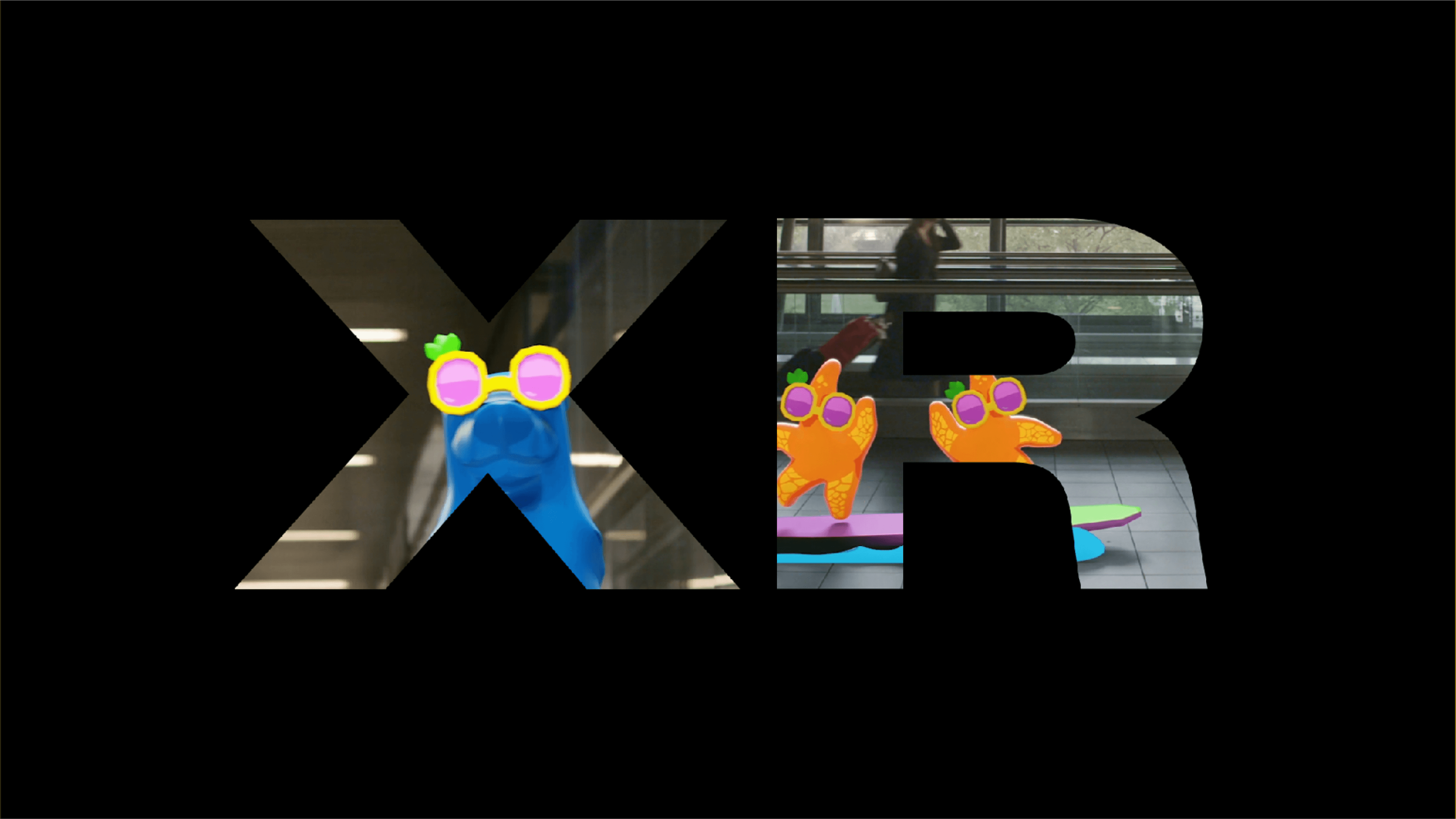
Behind the industry’s latest buzzwords like XR and the metaverse, there’s a lot to unpack. Extended realities (XR) and its two primary formats, virtual reality (VR) and augmented reality (AR), have been making waves across the marketing industry at large. With VR, users are immersed in new, virtual worlds experienced through headsets. AR, on the other hand, adds a digital layer of imagery to the real world through a smartphone or special glasses—like the selfie filters you may encounter on platforms like Instagram.

Although it’s constantly evolving, this technology is not necessarily new—and neither are the opportunities that come with it. When done right, XR can push reality beyond its limits, creating new experiences that may be artificial, yet fuel real and lasting memories. At first, XR may seem like your typical sci-fi innovation, so it’s easy to get wrapped up in the novelty. However, where the experiences truly shine lies in their emotional resonance, making them a useful component to campaigns and activations across brands and industries.
00:00

00:00

00:00

Start at the Customer Journey

Even if more and more brands are finding the value in XR, some still feel it’s exclusive to the most digitally-mature. But in reality, XR has become accessible enough for every brand to adopt it. “Oftentimes, vendors focus on the technological aspect of it all, the tools they have and all this jargon,” explains Creative Director Patricio Berrios Lobos. “This makes it harder for brands to understand the real value of XR beyond the tech gimmick. We have to focus on the value for the user.” 

Experiences both big and small, complex or simple, can each deliver impact. Think about product demonstrations in VR or trying on an outfit in AR—both of which can create a perception of ownership for users as they engage. By putting them at the center of an immersive experience, XR can help build a real connection between them and a brand’s product.

Monk Thoughts When you think about the stories you can tell from the lens of immersion and the emotions you can evoke, that’s when you realize the potential of XR.

A marketer’s goal is to turn the customer decision journey into engaging moments that resonate emotionally—and XR can impact these moments by transforming consumers, their spaces and their looks into the true protagonists. Especially with AR, the cherry on top is that it amplifies the shareability of the experience, as everyone feels enticed to share those they connect with.

“When you think about the stories you can tell from the lens of immersion and the emotions you can evoke, that’s when you realize the potential of XR,” says Berrios Lobos. “There’s an important element of play and joy that gets people actively engaged with the brand in a way that video or print just can’t achieve.” These moments of play are best served as part of a bigger narrative and strategy. Don’t build XR as just a one-off experiment; rather, truly consider how it can complement the overall journey.

Inspire Action Through Emotionally Driven XR

Again, XR’s value extends across industries—and isn’t just for commercial experiences. In fact, both VR and AR have become powerful tools in education and applied learning. Extended realities can turn complex concepts into interactive experiences—and although these may be artificial, a first-hand approach to learning can profoundly change a student’s perspective on a variety of subjects. 

People with VR lenses inside a spaceship

The multi-sensory VR education program virtually launches children into space to teach them about our planet.

Not long ago, we joined forces with SpaceBuzz, a nonprofit that focuses on teaching children about the importance of protecting planet Earth. Betting on the power of applied learning and technological advancement to further encourage curiosity, we built a multi-sensory VR education program that virtually launches them into space to see our planet in all its wonder and fragility. Seeing the Earth from space themselves instead of learning through the filter of others helped kids draw their own conclusions and create their own educational narrative.

But not all applications of XR have to be an out-of-this world journey. Partnering with Olay, we created a VR experience to immerse brand ambassadors in the science behind skincare—transporting them to the surface of the skin at a cellular level. Taking an entertaining approach to an otherwise complex topic, we helped the brand educate its advocates on the different causes of unhealthy skin, and challenged them to create their own treatments by mixing Olay ingredients. The result: better understanding of the brand’s unique formula.

More individual experiences without an on-site installation, like an AR game, can also build awareness. To help promote Red Bull’s national and regional activations, we built a suite of five AR games within the brand’s app—each one rendering a virtual landscape around a real Red Bull can. Users can play the games after purchasing a Red Bull product, with a chance to win a grand prize. 


A series of AR games

Each AR game renders a virtual landscape around a real Red Bull can.

Both on-site experiences and those at easy reach on everyone’s smartphone can positively impact your brand. While the latter offers greater accessibility and reach, dedicated venues can enable more immersive, technologically-advanced activations.  “When people are on site, we can build more complex experiences and have more fun overall,” explains Quentin de La Martinière, Executive Producer, Extended Realities at Media.Monks. “We tend to take more risks, because we’re there to guide them every step of the way and to make sure our message is getting across.”

Greater Adoption Means More ROI

As we move forward, the evolution of this technology will make it easier for mainstream consumers to afford and adopt. VR has benefitted in the past two years by the release of consumer-friendly headsets like the Oculus Quest, while WebAR and 5G connections offer engaging AR experiences without the need to download an app. “With WebAR being just one tap away, you don’t have to ask that much from the users,” says de La Martinière. “A mobile browser is enough to see how a pair of shoes would look on you. This idea of frictionless access to content is becoming the norm.”

With more people having XR experiences within easy reach, the potential ROI becomes more enticing for brands. But to optimize it, one thing is key: “As long as your focus is in the right place, and you know what you want to accomplish with XR, the balance will be positive,” de La Martinière explains. Add to that the technological advances, and XR ceases to be out of reach. “When done right, there’s no need to spend hundreds of thousands of dollars to create XR experiences for your brand.”

The possibilities are endless with XR. Regardless of what you want to accomplish with it, having a clear goal in mind is pivotal to deliver on its promise. Adopting this technology for the sake of appearing innovative is not nearly as valuable as truly leveraging the opportunities that come with AR and VR to deliver compelling, emotionally rich experiences.  And, as the technology continues to grow in fidelity, so too will it grow in user base and ease of access, making it crucial for modern brands to embrace its potential to impact the customer journey through personalized, user-driven experiences.


Our XR.Monks explain how to leverage AR and VR to build compelling experiences for your consumers. Our XR.Monks explain how to leverage AR and VR to build compelling experiences for your consumers. xr VR social ar spacebuzz red bull customer decision journey

Transform Sports Spectators into Active Participants with Emerging Tech

Transform Sports Spectators into Active Participants with Emerging Tech

5 min read
Profile picture for user mediamonks

Written by
Monks

Transform Sports Spectators into Active Participants with Emerging Tech

While an exciting game and sports-stars-turned-celebrities alone were once enough to raise an audience for broadcast sports, today’s leading brands strive to provide premier, engaging digital experiences that reach users through personalization and emerging tech. And we know, because MediaMonks recently went for the gold and made it onto the Hashtag Sports Engage 150 list, which features the top partners engaging consumers through sports and fan culture today.

Through our sports-related work—encompassing platforms, creative content and technical innovation—we’ve formulated a game plan for brands to better engage and deliver upon the needs of fans through sports. This includes more effective utilization of user data and investing in emerging tech solutions, allowing brands to bring their A-game to enhance spectatorship for fans both near and far away from the game.

Transform Spectators into Active Participants with Emerging Tech

We all know the joke of those who buy the biggest TV screen available before an important game, only to return it after hosting a viewing party. But today’s digital media allows brands to do more than just provide a larger-than-life picture; through emerging tech, they can provide entirely new experiences that significantly improve spectatorship through heightened immersion.

A premier platform achieving this is the 2018 Webby Award-winning Red Bull Air Race for Google Daydream, which takes users on a thrilling ride aboard a virtual airplane that follows actual flight paths from real races. Giving users full control to look wherever they please, the experience makes them feel as if they’re really there.

screenshot_04

But VR lets you do more than let users feel present in the moment. “The benefit something like AR has over 360-degree video is that it’s a platform,” says Robert-Jan Blonk, Senior Interactive Producer at MediaMonks, noting the amount of on-screen data present to the user. “In this case, we built a platform with pilot info, race standings and different locations where races are held, which users can go back and replay.”

This added level of autonomy is powerful for fans who want to be part of the action. “Sports fans want to feel like they have a role in the game and aren’t just bystanders,” says Emily Veraart, Senior Digital Strategist at MediaMonks. While Red Bull Air Race users don’t influence the race directly, interactive toggling of the camera lets them experience the event in their preferred way—whether it be the middle of the fray or at a safe, omniscient distance.

For MediaMonks Operations Manager Donny Hofman, this level of interactivity is integral to the experience.  “The most interesting thing about an experience like this is the freedom you can give to users,” he says. “You can potentially get anywhere in the action that you want—and where you can’t place a camera in real life, you can in VR.” That latter point describes how emerging tech can enhance sports spectatorship through entirely new perspectives: “It’s a rediscovery of something you’re familiar with,” says Hofman.

Monk Thoughts You can potentially get anywhere in the action that you want—and where you can’t place a camera in real life, you can in VR.

Reach Fans with Targeted Content and Personalization

The sports industry encompasses several different parties, each of whom has their own fans and content: teams, federations, individual players and industry-adjacent influencers. This makes the industry ripe for producing always-on content.

During the Rio Olympics, we produced with Google Zoo a platform to deliver content to sports fans throughout the Games. Designed for both online fans and those visiting Rio de Janeiro to attend in-person, the platform integrated various forms of content (like timely updates and summaries from some of the region’s most influential YouTube content creators, the Castro brothers) onto a map of the city. In addition to providing relevant spatial information in this way, the platform surfaces up personalized content responsive to how they interact with the platform, like recommending content based off behavioral habits and viewing preferences.

The benefits to better understand fans are measurable. According to MightyHive’s Data Confident Marketer report, data-confident marketers’ success “is attributed to becoming more customer-centric: they’re able to apply first-party data in ways that help them understand who their customers are, what motivates them, and how digital advertising plays a role in their purchasing decisions.” Such confidence in their data allows brands to identify which information fans seek, where and when—and which partners make the best sense for engaging with fans through supplementary content.

Monk Thoughts Smart data helps brands "understand who their customers are, what motivates them, and how digital advertising plays a role in their purchasing decisions.

This level of personalization, paired with forging partnerships with content creators and influencers, is ideal for delivering upon changing user expectations for how to consume sports. “With sports, there’s a bigger generational divide in user behavior,” says Veraart. “Baby boomers and millennials are used to watching sports with their family, but Gen Z doesn’t have that relationship with how they watch sports.” According to Veraart, much of this shift is informed by the constant discussion happening on social media, as well as an abundance of statistics and data available for the most avid fans to track. Brands can meet this need with a content strategy that offers a sliding scale of data and content tailored to fans’ individual preferences.

Engage User Needs through Contextual Design

When developing a digital platform for sports consumption, carefully consider the context in which users will interact. Consider micro-moments that prompt users to engage in the first place: the sports tourist attending a big gaming event in town, the stats-obsessed fan, the user who simply wants to see what games are playing at the height of the season. “How you guide the user through a schedule is a key example of the types of challenges a sporting federation may face,” says Joeri Lambert, Business Monk at MediaMonks. “Another is how you apply the data that you have to alert the user of games or information that they want to see.”

google_rio_mm_case_01

The All of Brazil Plays platform provided users with personalized, contextual information for following the Olympic Games as they happened.

One crucial consideration in how to best support user context is whether the platform is accessed via mobile or desktop. With the All of Brazil Plays platform, for example, the mobile experience was tailored more toward location-based information for those attending the Games who needed to know where to go, and when. On desktop, meanwhile, users were treated to their personalized newsfeed of recap content, perfect for those catching up on a day’s many events.

Marrying data with digital creative—whether it be a digital content platform or emerging tech—is a smart strategy for brands to reach sports-obsessed and average fans alike. From helping users keep up with their favorite team to placing them right into the action with immersive tech, digital content transforms spectatorship from a passive experience to an active one, letting everyone revel in a good sporting victory.

Through data-driven content and new experiences made possible with emerging tech like VR, brands can place sports fans in the center of the action before, during and after the game. Transform Sports Spectators into Active Participants with Emerging Tech With personalized content that provides a more immersive spectator experience, fans and brands win big.
sports sports content sports brands creative content personalized content personalization emerging technology VR olympics red bull content platform

Choose your language

Choose your language

The website has been translated to English with the help of Humans and AI

Dismiss